The best city hikes and walks in Tuscany
4.4
(50991)
232,975
hikers
1,099
hikes
Urban hiking trails in Tuscany traverse a landscape characterized by rolling hills, historic city centers, and ancient infrastructure. The region's towns are often built on elevated terrain, providing varied elevation changes within urban environments. Many routes incorporate ancient city walls, historic streets, and paths along rivers. These trails frequently connect charming hilltop towns, allowing for exploration of historical sites and local culture.
Best urban hiking trails in Tuscany
- The most popular urban hiking route is Siena Inside the Walls Loop…
Last updated: July 8, 2026
4.7
(102)
533
hikers
6.00km
01:37
80m
80m
Embark on an easy hiking adventure through Siena's historic heart with the Siena Inside the Walls Loop. This route offers a delightful blend of urban exploration and scenic vistas, allowing…
4.7
(59)
253
hikers
6.46km
01:39
20m
20m
Embark on an easy hike along the historic Lucca City Walls Trail, a unique 4.0-mile (6.5 km) loop that offers a gentle 71 feet (22 metres) of elevation gain. This…

Sign up for free
4.6
(58)
340
hikers
6.94km
01:55
120m
120m
Easy hike. Great for any fitness level. Easily-accessible paths. Suitable for all skill levels.
3.9
(31)
84
hikers
5.09km
01:18
20m
20m
Explore the historic center of Pisa on this easy 3.2-mile hike, taking you past iconic landmarks like the Leaning Tower and Ponte di Mezzo.
4.6
(11)
44
hikers
3.01km
00:47
20m
20m
Explore Florence's iconic landmarks on this easy 1.9-mile (3.0 km) urban hike, passing the Duomo, Piazza della Signoria, and Ponte Vecchio.
Get access to more routes and recommendations from other explorers.
Sign up for free
Already have an account?
Our route recommendations are based on thousands of hikes, rides, and runs completed by other people on komoot.
Start today with a free account
Your next adventure awaits.
Login or Signup






Other adventures in Tuscany


Tips from the Community

The Walls of Lucca are one of the most famous historical monuments in Italy, known worldwide for being the only Renaissance city walls to have survived completely intact to this day. Built between 1504 and 1648 mainly to defend against the expansionist ambitions of Florence, they completely surround the historic center of the city. During the 19th century, by the will of Maria Luisa of Bourbon, the military fortification was transformed into an immense elevated public park and a charming tree-lined promenade.
0
0

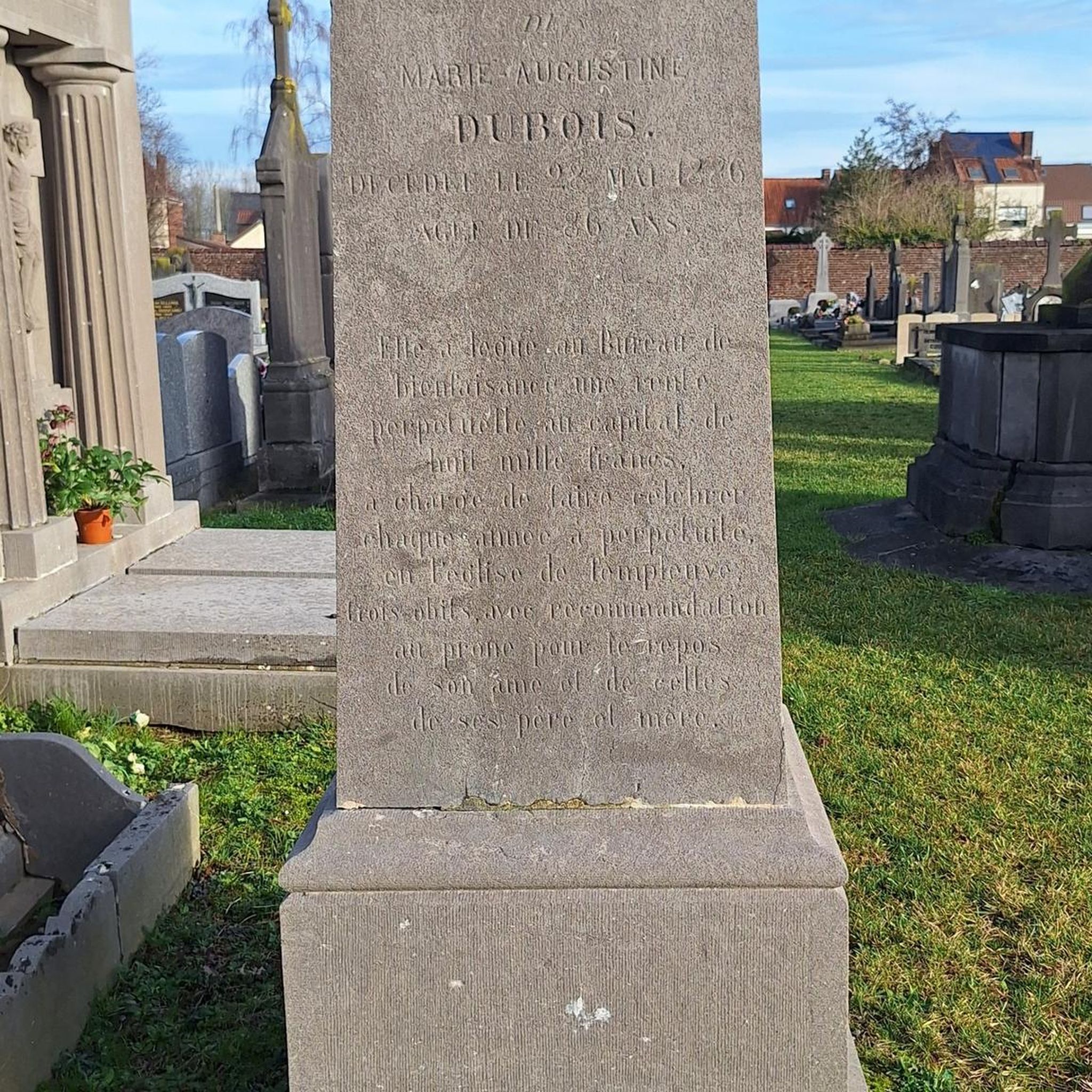
Grave monument at Piazza Napoli. Very grandly and impressively built. Many well-preserved figures and murals can be seen. During our visit, it was evident that efforts are being made to preserve the murals as much as possible and that restoration work is being carried out.
0
0


historic place and home to typical Sienese-style restaurants
0
0

Porta Romana is one of the ancient gates in the walls of Siena, located on the route of the ancient Via Cassia. It was built in 1327 - 1328 by Agnolo di Ventura and Agostino di Giovanni, equipped with battlements and a defensive wall. In 1417, Taddeo di Bartolo was commissioned to paint the fresco that was to adorn it with a depiction of the Virgin, like the other city gates, to implore divine protection for the city. In 1978, the frescoes, due to advanced deterioration, were detached and transferred to the Basilica of San Francesco. However, there is a Roman inscription at the Porta Romana!The inscription was written on a travertine tablet and, based on its graphic characters and content, can be dated to the Augustan period (27 BC – 0) saying "Silvanus sacr(um) / C. Victricius / Memor VIvir / [a] ugustalis posuit" = Caio Victricio Memore Seviro augustale dedicated a small temple to Silvanus.
0
0
In Siena, as we know, your eye always falls there, on the shell-shaped Campo or the striped marble of the Duomo. And rightly so. But then there are those places that speak to you in a different voice, more raspy and sincere. Porta Romana is one of them. Let's be clear: this isn't a small archway placed there for show. This is a beast of brick and stone, a fortress planted to the south to tell those arriving from Rome: "Be careful, you're entering Siena." It's massive, imposing, it makes you feel small and immediately reminds you that this city was once a serious thing, a power that had to be defended. It has none of the frills of other monuments; it gets straight to the point, and for me, its charm begins right there.
1
0

The Monumental Cemetery forms the northern end of the Piazza dei Miracoli and is part of the UNESCO World Heritage Site. The cemetery is said to contain soil brought from the Holy Land by Crusaders in 1203. Construction of the Monumental Cemetery began in 1278 and was completed in 1358. More information: https://de.wikipedia.org/wiki/Camposanto_Monumentale
1
0

The Uffizi Gallery offers the greatest treasure of works by Italian Renaissance masters in the world; it is overwhelming.
1
0
Frequently Asked Questions
How many urban hiking trails are available in Tuscany?
Tuscany offers a vast network of over 1000 urban hiking trails. These routes vary in difficulty, with the majority being easy, making them accessible for most walkers. You'll find approximately 750 easy routes, 250 moderate, and a few more challenging options.
What is the best time of year for urban hikes in Tuscany?
The mild weather during spring and fall makes these seasons ideal for urban hiking in Tuscany. You'll avoid the summer heat and winter chill, allowing for comfortable exploration of towns and cities like Florence, Siena, and Lucca, and their surrounding landscapes.
Are there family-friendly urban walks in Tuscany?
Yes, many urban trails in Tuscany are suitable for families. Routes often wind through historic centers, city parks, and along ancient walls, providing engaging experiences for all ages. Look for easy-rated routes, which are typically shorter and have minimal elevation gain. The Lucca City Walls Trail is a great example, offering a flat, scenic path perfect for a family outing.
Can I bring my dog on urban hiking trails in Tuscany?
Many urban areas and parks in Tuscany are dog-friendly, though regulations can vary by municipality and specific attractions. It's always best to keep your dog on a leash and be prepared to clean up after them. Trails that stick to city streets, promenades, or designated parks are generally more accommodating for dogs.
What kind of historical landmarks can I see on urban hikes in Tuscany?
Urban hikes in Tuscany are rich with historical landmarks. You can explore medieval villages, ancient Roman roads like parts of the Via Francigena, and iconic city structures. For instance, the Siena Inside the Walls Loop takes you through the heart of this UNESCO World Heritage city, past its famous Piazza del Campo and historic buildings. In Lucca, the city walls themselves are a major historical feature.
Are there urban hikes that offer great viewpoints?
Absolutely. Many urban hikes in Tuscany, especially those in hilltop towns or along city walls, provide stunning panoramic views. For example, routes in Siena often offer glimpses over the city's rooftops and the surrounding Tuscan countryside. While not a specific route, exploring the higher points of towns like San Gimignano or Volterra will reward you with expansive vistas.
How accessible are urban hiking trails in Tuscany by public transport?
Many urban hiking trails in Tuscany are easily accessible by public transport, especially those starting and ending within major cities or well-connected towns. For example, the Exploring Siena from the station – loop tour is designed to begin directly from Siena's train station, making it convenient for those arriving without a car.
Are there circular urban walking routes in Tuscany?
Yes, many urban trails in Tuscany are designed as circular routes, allowing you to start and finish at the same point without needing to retrace your steps. This is particularly common for city exploration routes and walks along city walls. The Lucca City Walls Trail is a perfect example of a popular circular urban walk.
What do other hikers enjoy most about urban hiking in Tuscany?
The komoot community highly rates urban hiking in Tuscany, with an average score of 4.4 stars from over 42,000 ratings. Reviewers often praise the unique blend of historical exploration and scenic beauty, the charm of medieval towns, and the ease of access to cultural sites while enjoying a walk.
Are there any natural attractions near urban hiking routes in Tuscany?
While the focus is urban, Tuscany's cities are often nestled within beautiful natural surroundings. You might find routes that skirt along rivers or offer views of the iconic rolling hills, vineyards, and olive groves. For specific natural highlights, you could explore areas like the Cala Violina beach or the Duna Feniglia Pine Forest Trail, which are part of the broader Tuscan landscape and can be combined with urban visits.
What kind of amenities can I expect along urban hikes in Tuscan cities?
Urban hikes in Tuscan cities like Florence, Siena, and Lucca offer excellent amenities. You'll find numerous cafes, restaurants, public restrooms, and shops readily available along most routes. Many trails pass through central areas, ensuring easy access to refreshments and services.
Are there any urban trails that connect different towns or villages?
Yes, some urban trails are part of longer historical paths that connect towns, offering a unique way to experience the region. For example, sections of the ancient Via Francigena pass through or near several Tuscan towns. While not a full multi-day route, the St. James's Way - Stage 6 offers a glimpse into these connecting historical routes.
Most popular routes in Tuscany
Most popular attractions in Tuscany

Get inspired with the komoot mobile app


Didn’t find what you were looking for?
Check out more Hikes throughout Tuscany below and find the perfect route in your destination.
Explore more
Browse the best Hikes in other regions.
