The best city hikes and walks around Landkreis Kaiserslautern
4.6
(15055)
63,800
hikers
75
hikes
Urban hiking trails around Landkreis Kaiserslautern are set within a region characterized by diverse landscapes, including parts of the Palatinate Forest, a UNESCO biosphere reserve, and the unique Mehlinger Heide. The terrain features numerous hills and forests, offering varied elevations and natural settings within close proximity to urban areas. Trails often incorporate city parks, historical sites, and natural features like the Moosalb Creek, providing a mix of paved and unpaved paths.
Best urban hiking trails around Landkreis Kaiserslautern
- The most…
Last updated: May 14, 2026
4.6
(10)
89
hikers
Easy hike. Great for any fitness level. Easily-accessible paths. Suitable for all skill levels.
4.8
(17)
87
hikers
Moderate hike. Good fitness required. Easily-accessible paths. Suitable for all skill levels.

Sign up for free
37
hikers
3.03km
00:50
50m
50m
Easy hike. Great for any fitness level. Easily-accessible paths. Suitable for all skill levels.
4.0
(2)
19
hikers
6.99km
01:48
30m
30m
Easy hike. Great for any fitness level. Easily-accessible paths. Suitable for all skill levels.
5.0
(1)
26
hikers
1.40km
00:22
10m
10m
Easy hike. Great for any fitness level. Easily-accessible paths. Suitable for all skill levels.
Get access to more routes and recommendations from other explorers.
Sign up for free
Already have an account?
Our route recommendations are based on thousands of hikes, rides, and runs completed by other people on komoot.
Start today with a free account
Your next adventure awaits.
Login or Signup
Popular around Landkreis Kaiserslautern
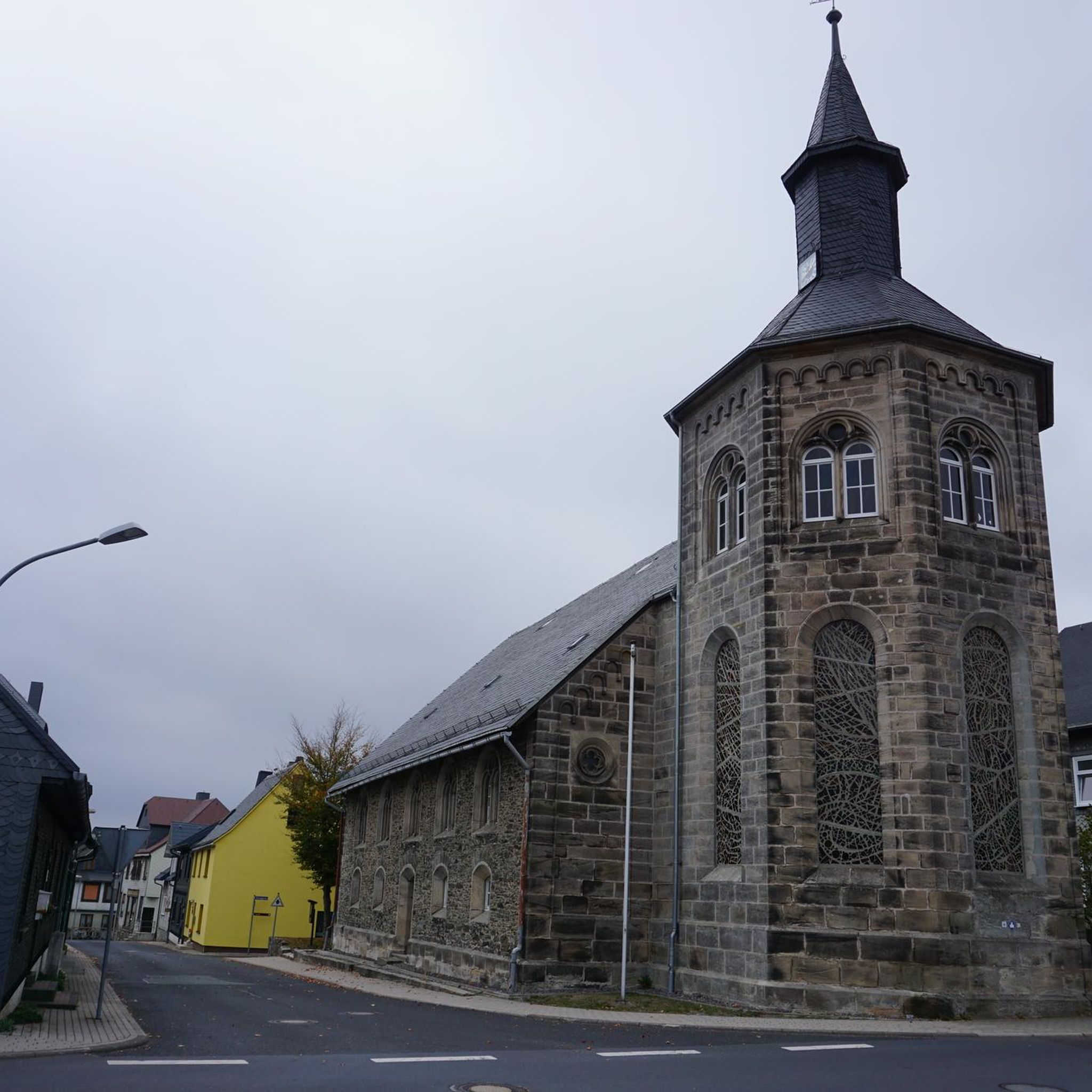
City hikes around Gelterswoog
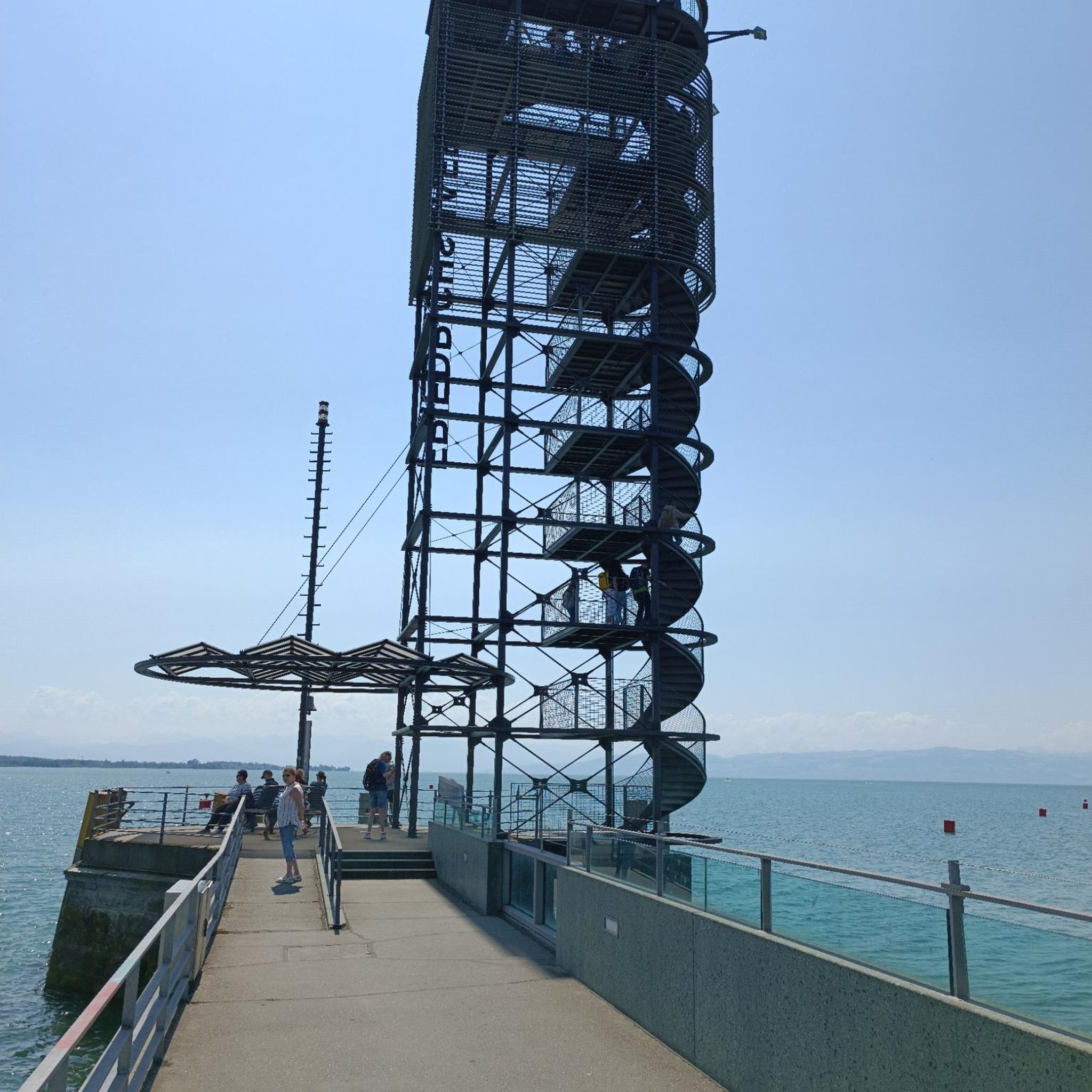
City hikes in Rodenbacher Bruch

City hikes in Mehlinger Heide

City hikes around Hauptfriedhof
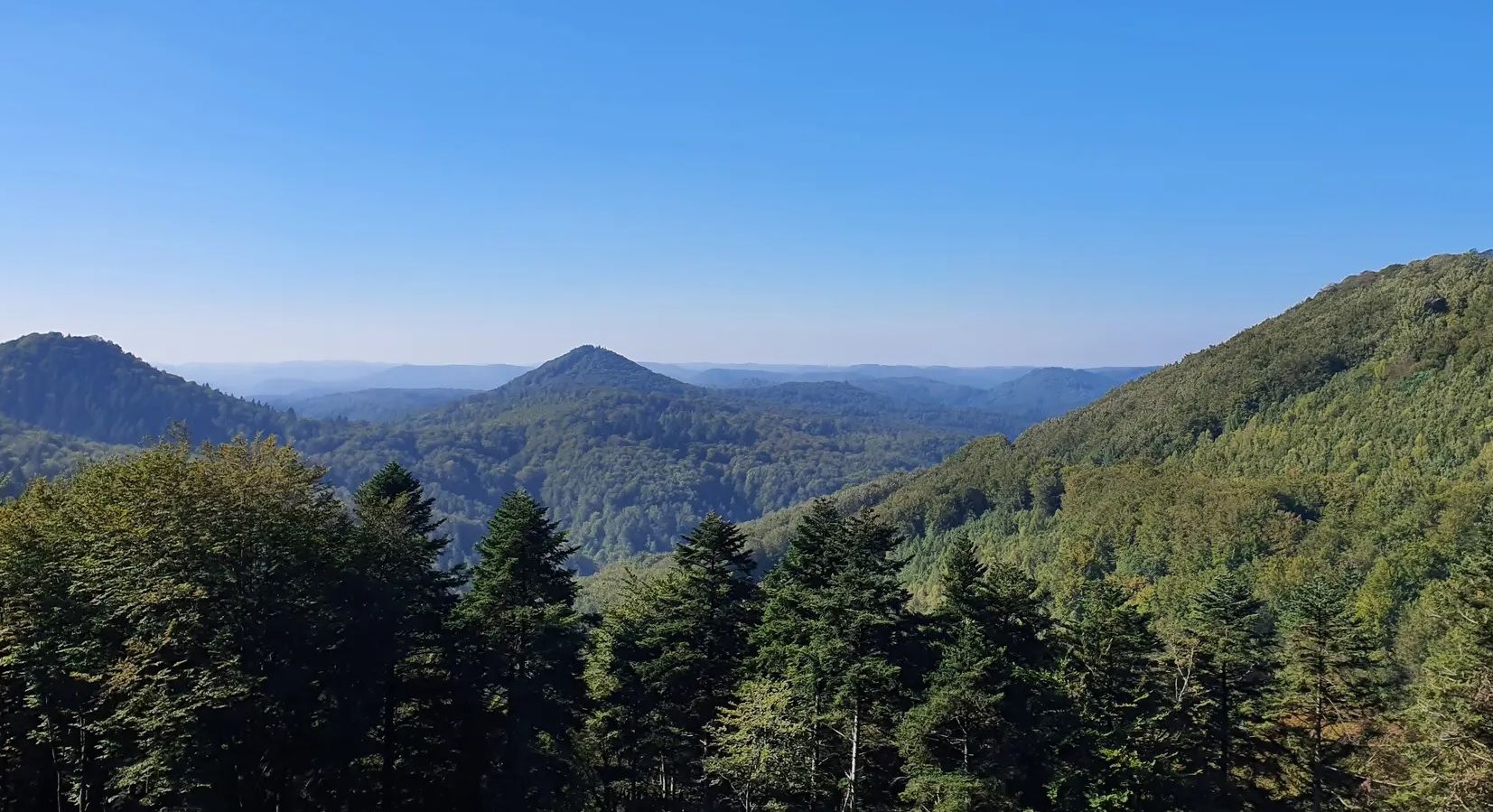
Palatinate Forest Trail – Hike through seemingly unending forest
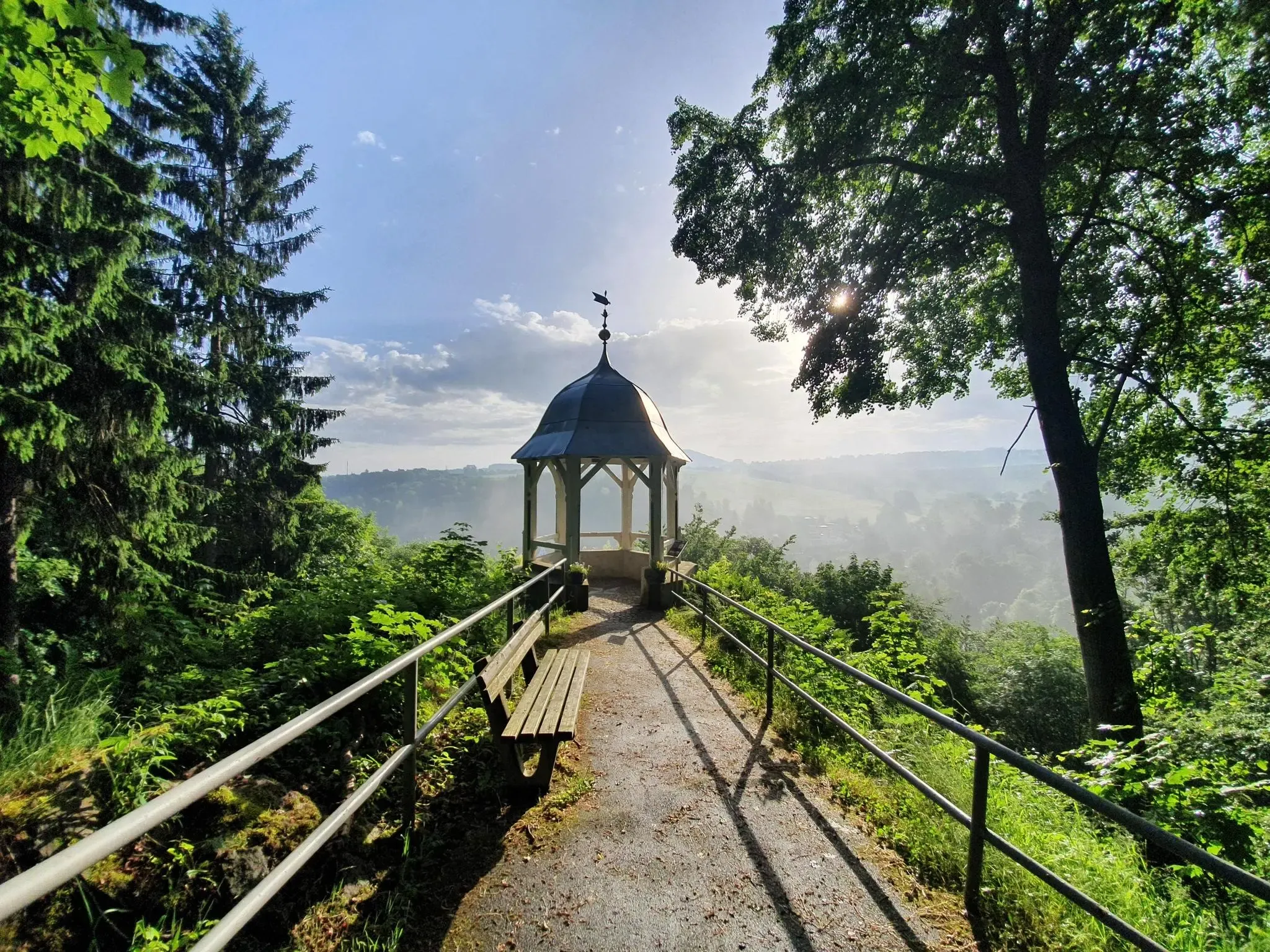
#GoFurther – discover the views of Germany!
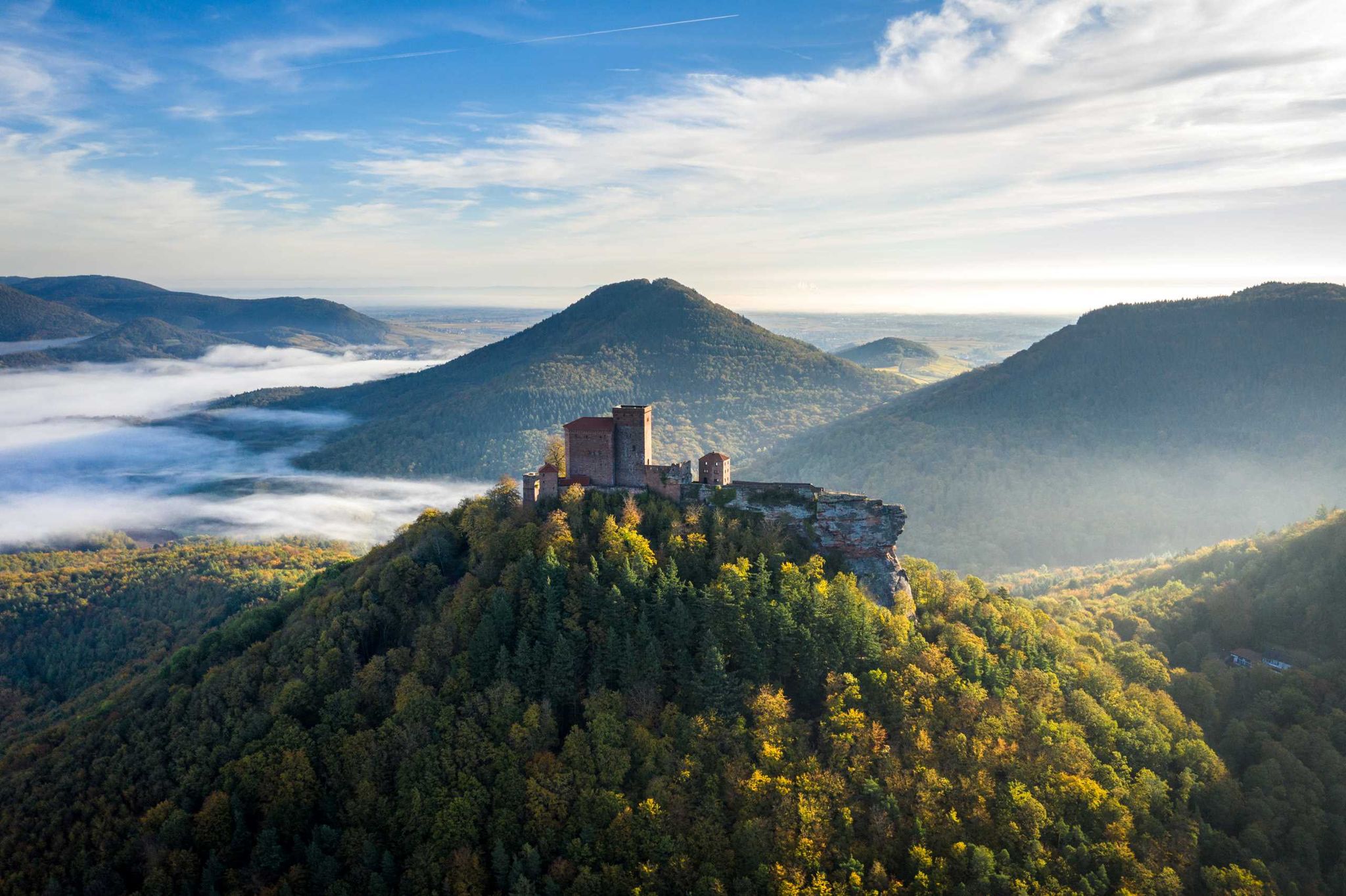
Hiking Menu – luggage free in the beautiful Palatinate
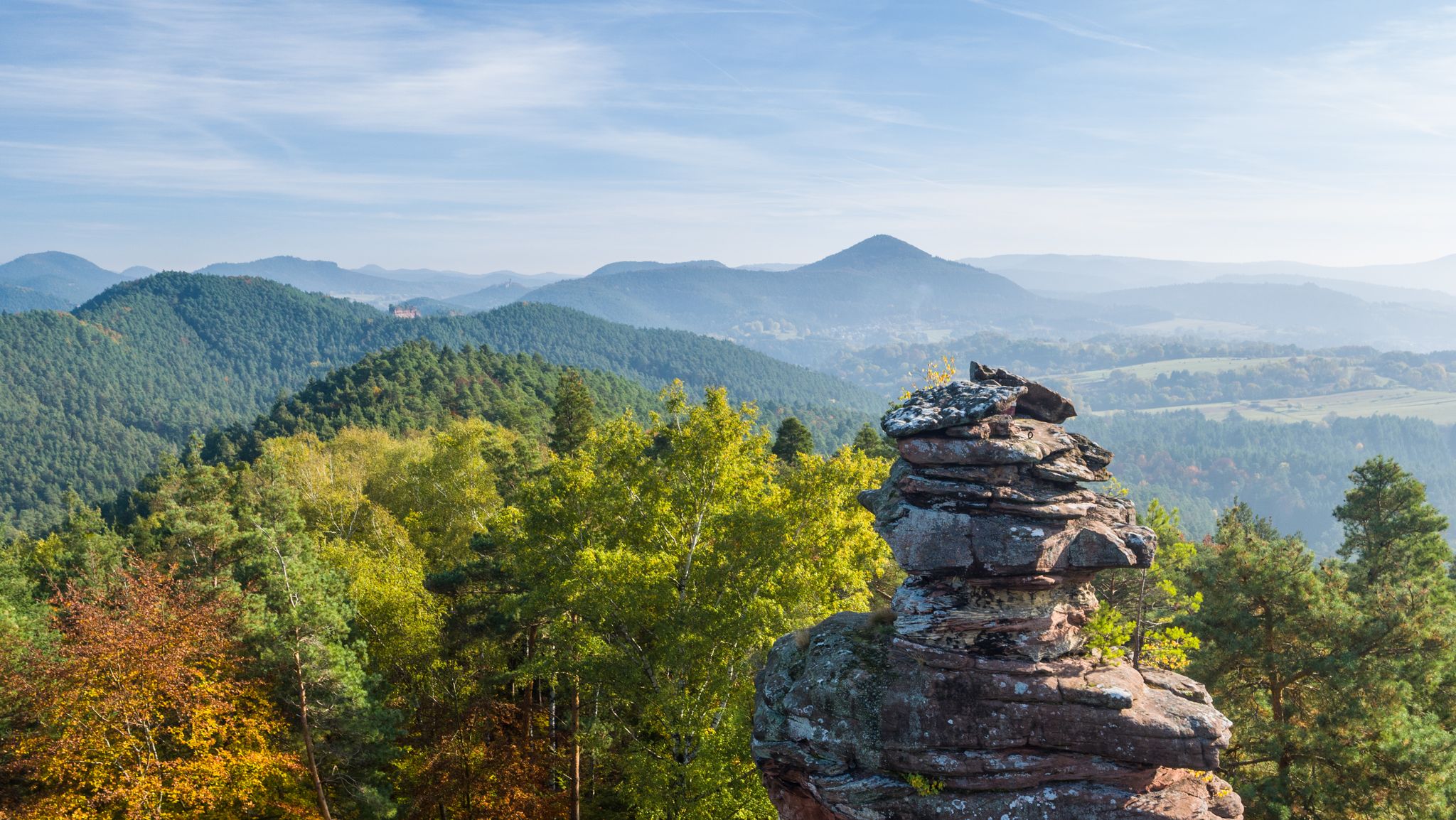
Palatinate hiking menu — day and half day hikes
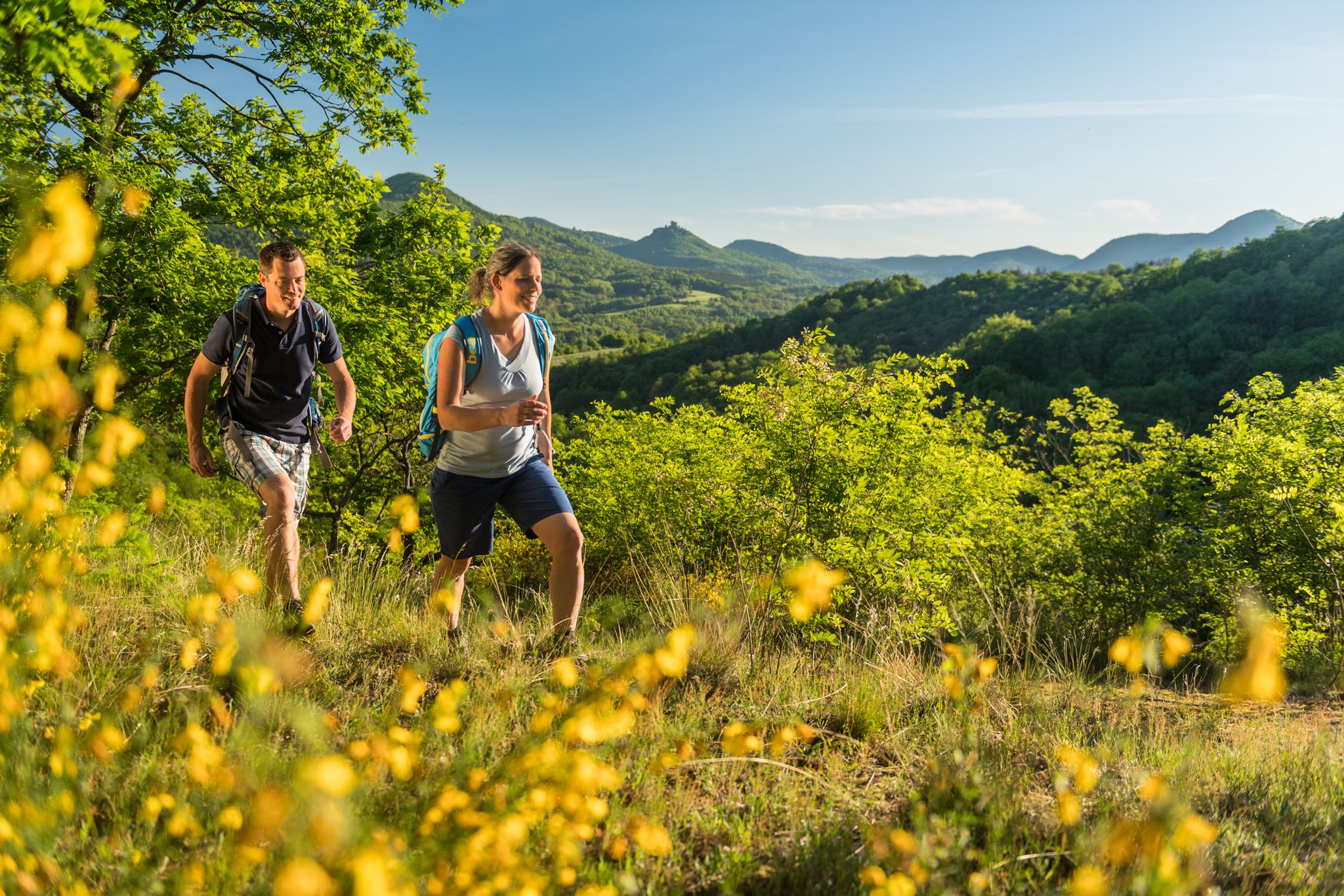
Palatinate hiking menu - immersive day hikes
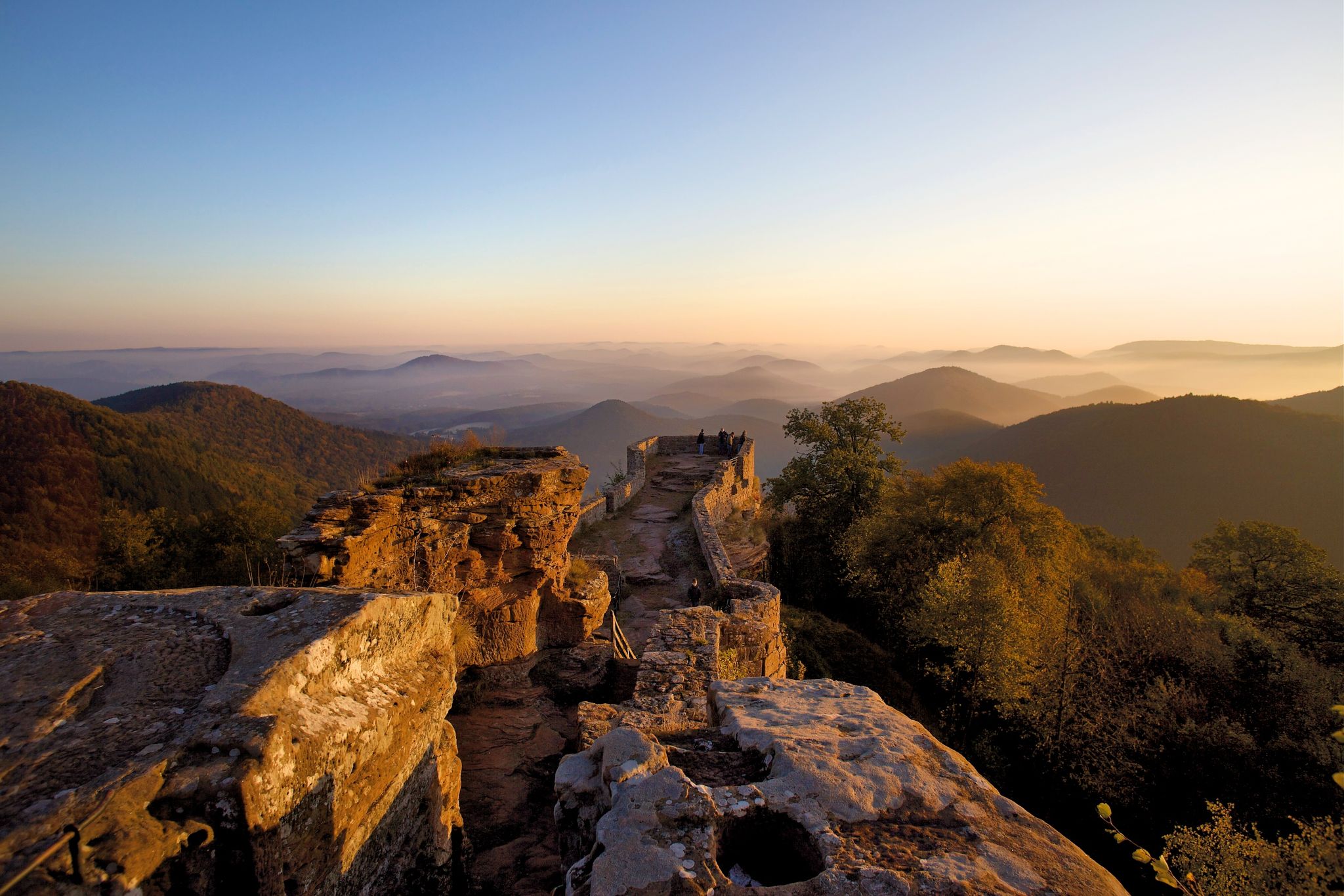
Pfälzer hiking menu — multi day hikes
Other adventures around Landkreis Kaiserslautern


Tips from the Community

The torch fountain at the newly designed bus station
0
0

The Collegiate Church of St. Martin and St. Mary (or Collegiate Church for short) in Kaiserslautern is a Protestant parish church. It is the oldest hall church between the Rhine and Saar rivers and is one of the most important Gothic churches in the Palatinate region. The sandstone building, constructed from ashlars, faces east and is set back slightly from the street front, so that Marktstraße widens here into a roughly triangular square (the former market square). The roofscape is characterized by the octagonal main tower, the two western towers, and the gabled roofs of the northern front. The Collegiate Church dates back to a Premonstratensian monastery, which Emperor Frederick I Barbarossa invited to Kaiserslautern from Leutkirch in Württemberg in 1176. In the 1960s, only the foundations of the three-aisled monastery church in the late Romanesque style, which was initially used, were found. Around 1250, the Premonstratensians began building a new church. First, the present choir was constructed, completed in 1291 with the consecration of the (now defunct) St. Richard's Chapel. Thirty years later, construction of the nave began and was likely completed before 1350. The northern porch was added in the second half of the 14th century, and the two western towers were erected at the beginning of the 16th century. In 1510 or 1511, the Premonstratensian foundation was converted into a secular collegiate foundation, which was dissolved in 1565 during the Reformation. Since then, the church has been a Protestant parish church. At the beginning of the 18th century, the main tower, which originally had only two stories, was raised by a third story. In 1806, the St. Richard's Chapel was demolished (in its place, the pharmacist and then-mayor Goswin Müllinghoff built his home and pharmacy), and in 1819, the cloister was demolished. Extensive renovations were carried out around 1880. The church was severely damaged during World War II. From 1946 to 1950, the church, particularly the main tower, was rebuilt in a simplified form. In 1965, the Gothic sacristy was demolished and the church restored. After excavations in the area of the former monastery, the new church administration building was established there. Source: https://de.wikipedia.org/wiki/Stiftskirche_(Kaiserslautern)#Einzelnachweise
1
0
What a story the golden eagle above the entrance could tell! For over 200 years, it has looked down from its position above the entrance steps onto the square next to the collegiate church. The Adler Pharmacy has existed since 1811, and the Longards have owned it since 1891. In the old pharmacy room, which today serves as a small meeting room for owner Matthias Longard and customers, hangs a picture from 1818. "Procession of the Protestant General Synod of Kaiserslautern from the small town church there to the larger one on August 2, 1818" is the caption below. A crowd of people in a square that has barely changed to this day. Easily recognizable from the northwest: the French imperial eagle. So much for the history of this building: Joh. Goswin Müllinghoff opened the Adler Pharmacy on January 1, 1811. He is said to have acquired the ruins of the dilapidated St. Ricardi's Chapel, which stood next to the collegiate church, as early as 1806. The pharmacist, who was also the town's mayor, had it demolished and built a French Classical-style building on the site in 1809, which housed the pharmacy and living quarters. The Longard era began in 1891. Franz Josef, the great-grandfather of the current owner, was known for his experimental spirit and invented the famous "Yuma ointment," which he patented in 1906. He was succeeded in 1913 by Franz Philipp and his wife Therese. Their two eldest sons died in the war, and the youngest, Wolfgang, took over the pharmacy in 1955 as the tenant and successor to Anton Winstel, later the owner of the Bahnhof-Apotheke (Station Pharmacy). Matthias Longard (born 1959) talks about his father: "Actually, he wanted to study music and German. But after his two brothers remained in Russia, he bowed to the family's wishes and became a pharmacist." The son had just completed a puberty phase in which he was, as he himself describes it, "chaotic and incredibly lazy." One day, when his mother once again saw the chaos in his room and, in response to Matthias's cheeky remark, "I want to study pharmacy," retorted, "You, you'll never be a pharmacist with your messiness," he defiantly resolved: "Now I'll show her." He put his plan into action. He graduated from Hohenstaufen-Gymnasium in 1978 with an average grade of "A," followed by studies in Freiburg, which he successfully completed at the age of 22. .. Source: https://www.rheinpfalz.de/lokal/kaiserslautern_artikel,-unter-dem-adler-_arid,76015.html
0
0
FCK mascot "Betzi" as a traffic light man - City center - Kaiserslautern Nice idea for football fans ⚽
0
0
“Brezeladam” Artist: Bernd, Werner Year of creation: 1977 Location: Eisenbahnstrasse, corner of Marktstrasse In the 1950s and 1960s, a small man with a large pretzel basket stood at the corner of Eisenbahnstrasse and Marktstrasse, the then popular and well-known “Brezeladam.” The sculptor Werner Bernd from Kaiserslautern recreated the pretzel seller in 1977 and placed him in a reduced bronze version on a granite pedestal at the very same spot where he had previously worked. A small “cheeky” man with a pretzel in his hand peers through the legs of the very popular Brezeladam. Source: https://www.kaiserslautern.de/mb/themen/kultur/pdf/kunst_im_stadtbild.pdf
1
0
The five Kaiserslautern World Cup heroes from Bern. From left to right: Werner Liebrich, Fritz Walter, Werner Kohlmeyer, Horst Eckel, and Ottmar Walter. The main entrance to the stadium, at the corner of the north and east stands, is named the "Ottmar Walter Gate" in memory of German national soccer player Ottmar Walter, part of the 1954 World Cup-winning team. Other entrances were also named after 1. FC Kaiserslautern players from the 1954 World Cup-winning team. The gate to the west stand is called the "Horst Eckel Gate," the south and east entrance is called the "Werner Kohlmeyer Gate," and the east entrance was renamed the "Werner Liebrich Gate." The east stand and the northeastern box tower of the stadium house the FC Kaiserslautern Museum, featuring a permanent exhibition on the history of 1. FC Kaiserslautern. Source: https://de.wikipedia.org/wiki/Fritz-Walter-Stadion
3
0

When the light is green you can go, when the light is red you stay put☝🏼
1
0

The collegiate church was built by the Premonstratensian Order starting in the late 12th century and dedicated to Mary and Martin. Today, it is a Protestant parish church and is one of the oldest and most important Gothic churches in the Palatinate. The history of the collegiate church is closely linked to Emperor Frederick I, Barbarossa. He summoned Premonstratensian pastors to Kaiserslautern to promote the development of the region and provided land for the construction of a hospice and a monastery complex.
0
0
Frequently Asked Questions
How many urban hiking trails are there in Landkreis Kaiserslautern?
You'll find over 70 urban hiking trails in Landkreis Kaiserslautern, offering a variety of experiences from short strolls to longer explorations. Most of these, around 69, are considered easy, making them accessible for many.
What do other hikers enjoy about urban trails in Landkreis Kaiserslautern?
The komoot community rates the trails highly, with an average of 4.6 stars from over 14,000 ratings. Hikers often appreciate the diverse landscapes, from the edges of the Palatinate Forest to unique heathlands, and the blend of nature with urban exploration. The region's picturesque hills and forests, along with its rich history, are frequently highlighted.
Are there any family-friendly urban hikes in the area?
Yes, many urban trails in Landkreis Kaiserslautern are suitable for families. The region offers specific adventure trails designed for children, like the 'Forest-Water-Wilderness Trail' in the Pfälzerwald biosphere reserve. The Meuthscher Tower – Kaiserslautern Garden Show loop is an easy option, and the Torch Fountain – Pretzel Adam Statue loop is a very short and accessible walk.
Can I bring my dog on urban hikes in Landkreis Kaiserslautern?
Many urban trails in Landkreis Kaiserslautern are dog-friendly, allowing you to enjoy the natural surroundings with your canine companion. It's always a good idea to keep your dog on a leash, especially in more populated areas or nature reserves, and to check local regulations for specific trails.
Are there urban trails with good viewpoints?
Absolutely. The region is known for its scenic views. The Humberg Tower, built on Humberg hill, offers magnificent panoramic views over the Palatinate Forest and the northern Palatinate region, and can be incorporated into several urban hikes.
What kind of natural features can I expect on urban hikes?
Urban hikes here often skirt the edges of the vast Palatinate Forest, a UNESCO biosphere reserve. You might encounter unique landscapes like the Mehlinger Heide, Germany's second-largest heath, or picturesque hills and forests. Some trails also lead along rivers or lakes, such as the Vogelwoog or Silver Lake.
Are there circular urban hiking routes available?
Yes, many urban hiking routes in Landkreis Kaiserslautern are designed as circular paths, allowing you to start and end at the same point. Examples include the Meuthscher Tower – Kaiserslautern Garden Show loop and the Kaiserslautern Dinosaur Park – Pretzel Adam Statue loop.
How can I get to the urban trailheads using public transport?
Kaiserslautern has a well-connected public transport system, including a main train station (Hauptbahnhof) and bus services. Many urban trailheads are accessible by public transport, especially those closer to the city center. For example, the Kaiserslautern Dinosaur Park – Pretzel Adam Statue loop starts conveniently from Kaiserslautern Hauptbahnhof.
Are there urban hiking trails with parking facilities?
Yes, many urban hiking trails in Landkreis Kaiserslautern offer convenient parking options near their starting points. While specific parking details vary by route, areas around popular attractions or parks often have designated parking lots. It's advisable to check the route details on komoot for specific parking information before you go.
What is the best time of year for urban hiking in Landkreis Kaiserslautern?
The best times for urban hiking are generally spring and autumn. In spring, nature awakens with lush greenery and blooming flowers. Autumn offers stunning displays of changing leaf colors, making for particularly picturesque walks. Summer is also pleasant, especially on shaded forest paths, while winter can offer unique, crisp landscapes, though some paths might be slippery.
Are there any interesting landmarks or attractions along urban trails?
Yes, urban trails often lead past significant landmarks. You can explore historical sites like the ruins of Hohenecken Castle or enjoy natural wonders such as the Karlstal Gorge with its moss-covered boulders. The Humberg Tower provides panoramic views, and the Planet Trail offers an educational walk showcasing our solar system.
What are the difficulty levels of urban hikes in Landkreis Kaiserslautern?
Most urban hikes in Landkreis Kaiserslautern are classified as easy, with 69 out of 75 routes falling into this category. There are also 6 moderate routes for those looking for a bit more challenge. This variety ensures there's something for every fitness level, from casual strolls to more extended walks.
Are there any short, easy urban walks for a quick outing?
Yes, there are several short and easy urban walks perfect for a quick escape. The Torch Fountain – Pretzel Adam Statue loop is a very short option, just over 1 km. Another easy choice is the 11 Friends Roundabout – Pretzel Adam Statue loop, which is under 3 km.
Most popular routes around Landkreis Kaiserslautern
Most popular attractions around Landkreis Kaiserslautern

Get inspired with the komoot mobile app


Didn’t find what you were looking for?
Check out more Hikes throughout Landkreis Kaiserslautern below and find the perfect route in your destination.
Explore more
Browse the best Hikes in other regions.
