The best city hikes and walks in Landkreis Nienburg/Weser
4.6
(2656)
10,503
hikers
47
hikes
Urban hiking trails in Landkreis Nienburg/Weser offer a blend of natural features and urban landscapes. The region is shaped by the Weser River, providing paths along its banks and through green spaces within towns. Hikers can explore well-maintained routes that cater to various fitness levels, often incorporating historical sites and local landmarks. The terrain generally features low elevation gains, making it accessible for urban exploration.
Best urban hiking trails in Landkreis Nienburg/Weser
- The most popular urban hiking route is Nienburg…
Last updated: May 12, 2026
4.8
(26)
170
hikers
6.87km
01:45
20m
20m
Easy hike. Great for any fitness level. Easily-accessible paths. Suitable for all skill levels.
5.0
(1)
21
hikers
Easy hike. Great for any fitness level. Easily-accessible paths. Suitable for all skill levels.

Sign up for free
5.0
(3)
18
hikers
Easy hike. Great for any fitness level. Easily-accessible paths. Suitable for all skill levels.
3.0
(1)
14
hikers
Easy hike. Great for any fitness level. Easily-accessible paths. Suitable for all skill levels.
3.0
(1)
11
hikers
6.72km
01:43
20m
20m
Easy hike. Great for any fitness level. Easily-accessible paths. Suitable for all skill levels.
Get access to more routes and recommendations from other explorers.
Sign up for free
Already have an account?
Our route recommendations are based on thousands of hikes, rides, and runs completed by other people on komoot.
Start today with a free account
Your next adventure awaits.
Login or Signup
Popular around Landkreis Nienburg/Weser
City hikes in Nienburg/Weser
Loccum-Volkenroda pilgrim's way – From monastery to monastery
Germany's Weser Trail — Floodplains, dykes and old towns in 8 days
Europe’s Seasonal Birding Hotspots
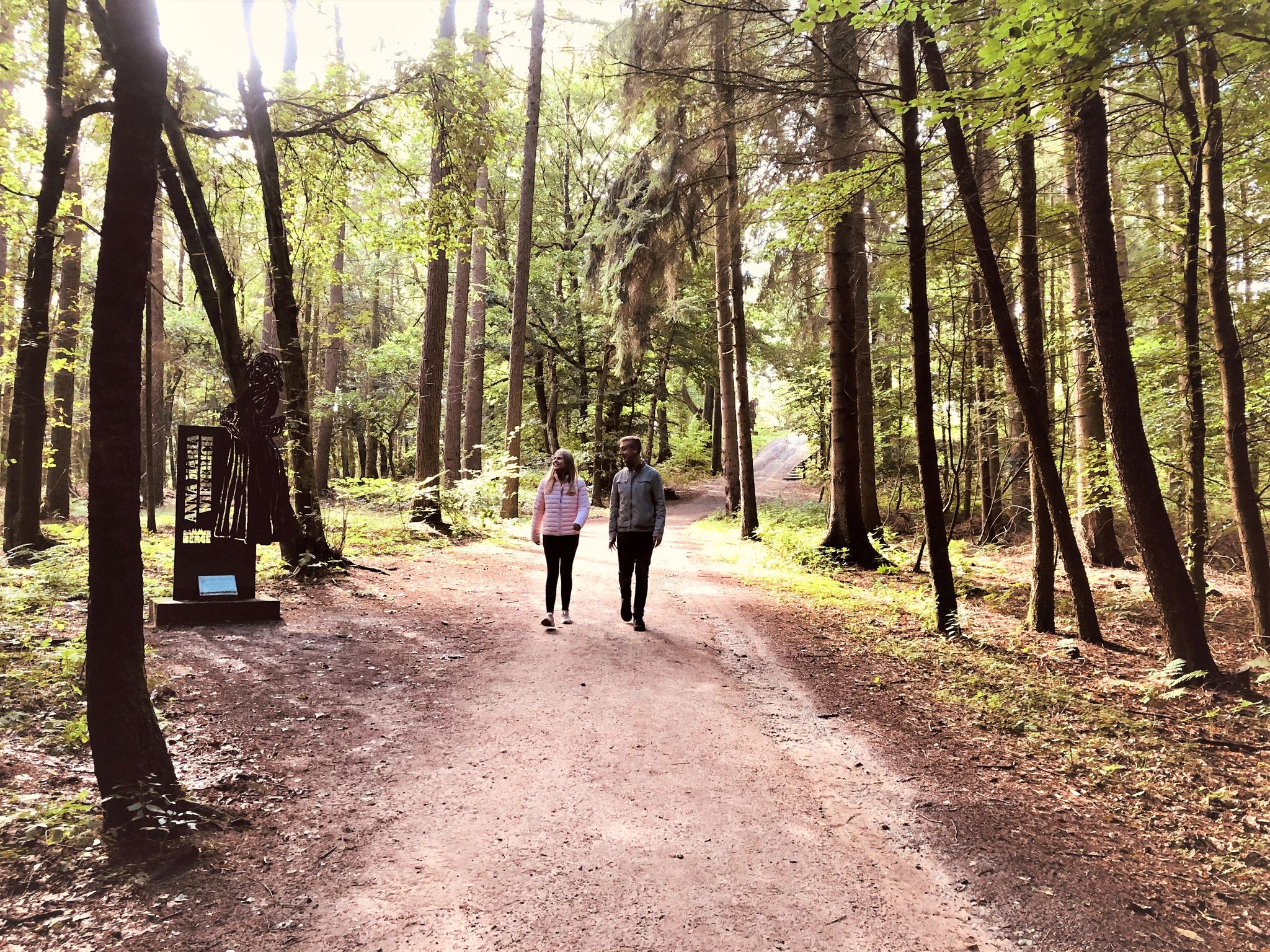
The most beautiful hiking routes in DümmerWeserLand
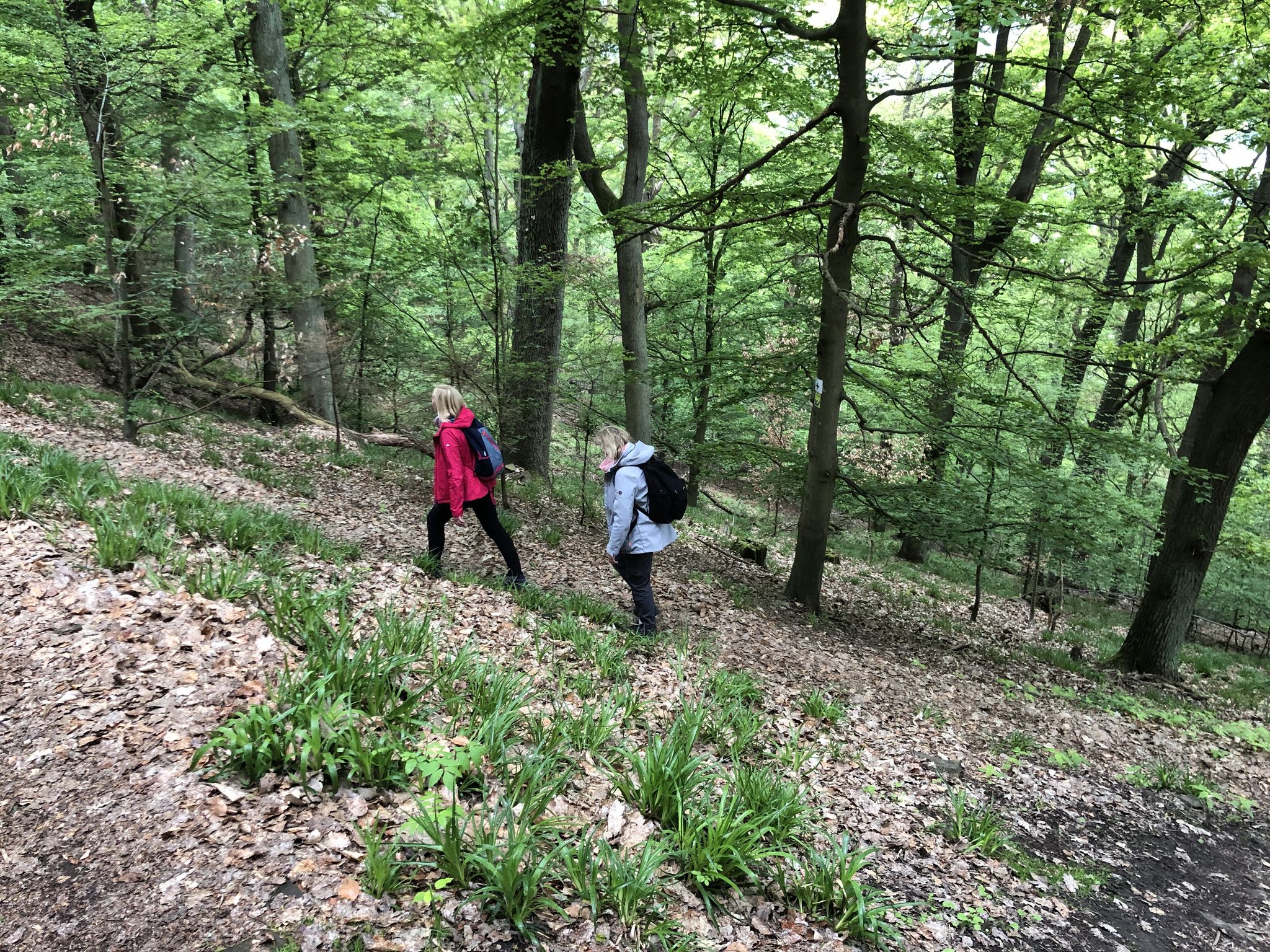
On the Discoverer's trail Explore Rehburg-Loccum
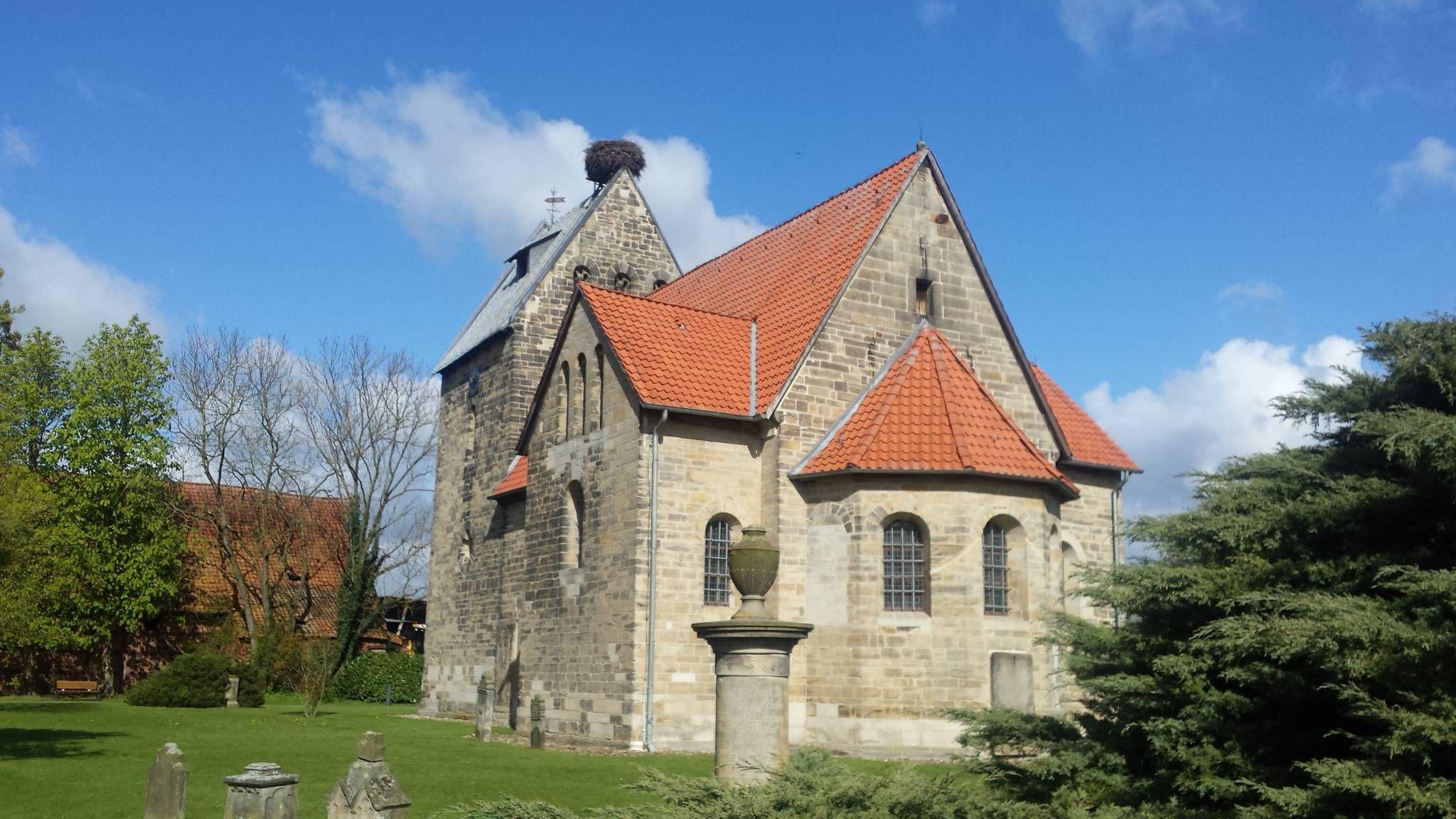
A 10-day pilgrimage in Lower Saxony – Sigwardsweg
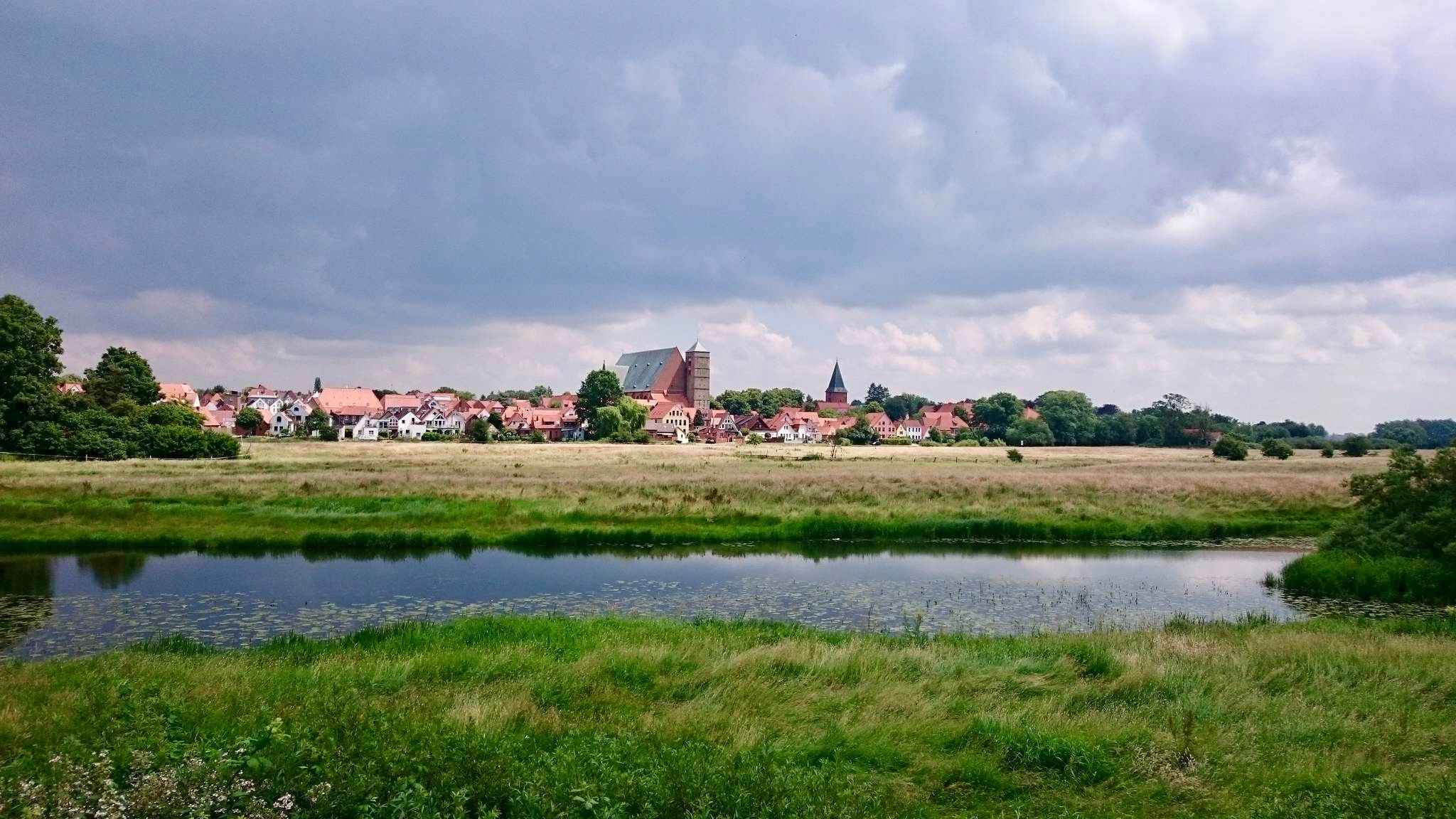
The Weser Cycle Path
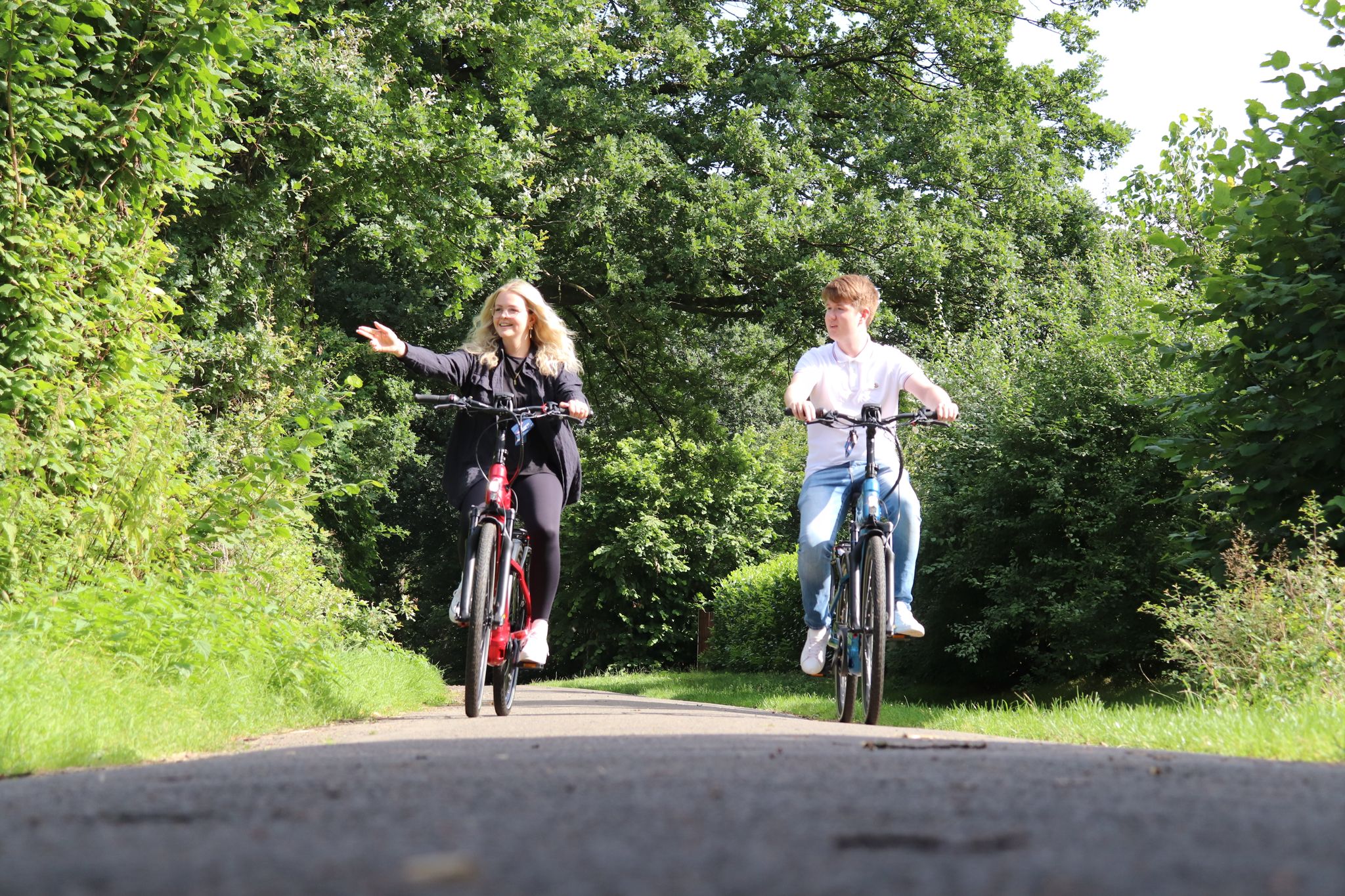
Best Loops in the DümmerWeserLand Cycling Region
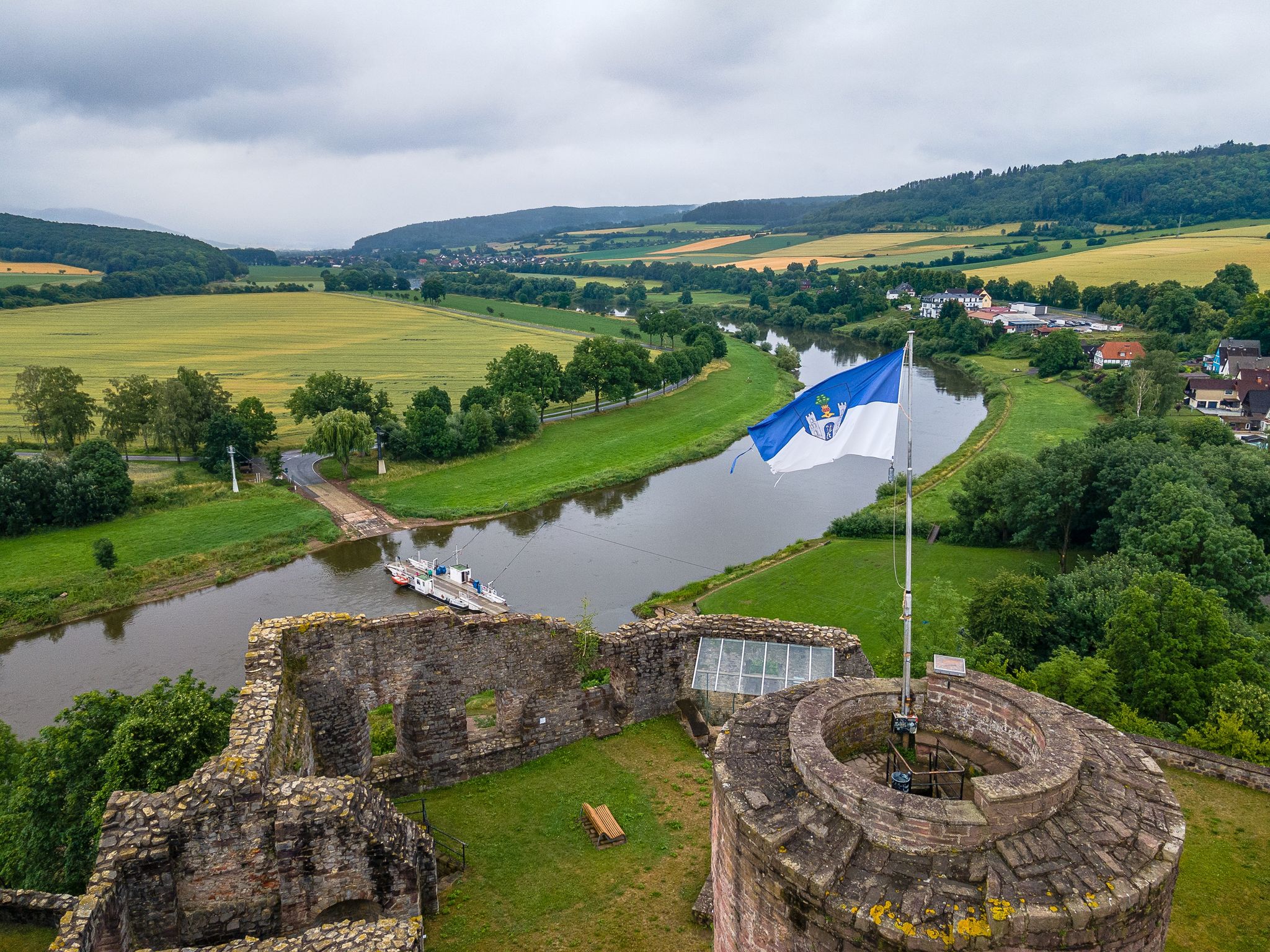
Along the Weser to the sea – Weser Cycle Route alternative route
Other adventures in Landkreis Nienburg/Weser


Tips from the Community

The Lower Saxony Asparagus Museum in Nienburg (Weser) is dedicated entirely to asparagus, one of the region's most important agricultural products. Located in the historic 17th-century smokehouse in the Biedermeier garden of the Quaet-Faslem House, it vividly combines history, culture, and agriculture. The exhibition traces the development of asparagus cultivation from its beginnings to the present day, illustrating the complex process from the asparagus field to the plate. Historical tools, machinery, photographs, and illustrative models provide insights into the cultivation, harvesting, and processing of this "white gold." A particular focus is placed on the importance of seasonal labor and the changes brought about by modern technology and new demands on asparagus farming. The exhibition is complemented by an exceptional collection of asparagus dishes and cutlery, showcasing asparagus's long tradition in culinary culture. Interactive elements make the museum accessible and engaging for children and families. The Lower Saxony Asparagus Museum is therefore a vibrant place that reflects Nienburg's regional identity and conveys knowledge about an important part of Lower Saxony's culture.
1
0
The former manor house served as a royal post station on the Hanover-London route until 1860. It housed, among other things, the Elector's and later the Royal Hanoverian Post Office, including a postmaster's office, post station, and horse-changing station. Since its restoration in 1977, it has housed the city library. The carillon mounted on the side plays the song "The Little Nienburg Girl" several times a day.
1
0
Nienburg's oldest house stands at Kleine Kirchstraße 2, right next to St. Martin's Church. It was built around 1490-1500 and is part of the original development surrounding the church. Its slightly crooked appearance is not without reason, as naturally grown oak beams had to be used for economic reasons at the time, and so the inhabitants quite naturally lived on a sloping floor. This is still visible from the outside today, as the house's basic structure has been preserved. Also, almost nothing has changed in the surrounding area. The unique location next to the chancel of St. Martin's Church prevented any alterations. In and around the house, one can easily imagine oneself transported back to a time over 500 years ago. At that time, castles were being replaced by urban fortresses, and Nienburg became the strongest fortress in the Middle Weser region. It was the time of Copernicus, Columbus, Riemenschneider, Dürer, and Leonardo da Vinci, who was competing with Michelangelo in Italy and had just completed what is now the world's most famous painting, the Mona Lisa. Humanity still believed it lived on a flat surface and could only feel somewhat safe behind fortress walls. Source: https://www.pension-st-martin.de/Wie-alles-begann
1
0
The Weser port of Nienburg is closely linked to the city's economic and urban development and exemplifies the importance of the Weser River as a transport and trade route. Nienburg recognized its advantageous location on a navigable stretch of the river early on, leveraging its role in transporting goods and conducting trade. The port evolved as a transshipment point between river shipping and the hinterland, contributing significantly to the city's prosperity. The Weser port experienced a period of great importance, particularly in the 19th and early 20th centuries. Agricultural products, building materials, timber, and other goods were loaded and transported here. The port was a major employer and a vibrant hub where ship owners, merchants, and craftsmen converged. Simultaneously, it shaped the city's image as a confident Weser River trading center. With the transformation of transportation structures and the increasing importance of road and rail, the Weser port gradually lost its central economic function during the 20th century. Nevertheless, it has been preserved as an important infrastructural and historical site. Parts of the port area were transformed into areas for leisure, recreation and urban use, while the proximity to the Weser river remained a defining feature.
1
0
The Ros Beiaard statue in Nienburg/Weser is a striking work of art in the public space and a special symbol of the city's connection to history, myth, and European culture. The sculpture depicts the legendary Ross Beiaard, a figure from the medieval heroic sagas of the Four Sons of Aymon, best known through the famous "Ros Beiaard" festival in the Belgian city of Dendermonde. Ros Beiaard, also called Ross Bayard, is a legendary horse from the medieval cycle of sagas about the Four Sons of Aymon and is one of the most famous mythical figures in European heroic literature. The legend originates in the Old French epic, in which Ros Beiaard is described as an exceptionally strong, intelligent, and almost magical horse. It carries the four brothers—Reinout and his companions—on its back at once and helps them escape from Emperor Charlemagne. Thus, Ros Beiaard represents not only physical strength but also loyalty, courage, and resistance against overwhelming odds. As the legend unfolds, the horse becomes a tragic figure. Charlemagne recognizes the animal's extraordinary power and ultimately demands its death as a condition for reconciliation with the brothers. Ros Beiaard is bound and thrown into a river, but depending on the version of the tale, it either survives or escapes its fate. These differing endings have contributed to the horse's enduring symbolism of resilience and freedom.
1
0

The blue painted bridge leads over the Weser.
0
0
Countless planting and design examples are on display here. The garden is open Tuesdays from 3 p.m. to 5:30 p.m. Programs are available for daycare centers and schools.
0
0
The Posthof was built around 1560. Formerly the Burgmannshof, it now houses the city library.
0
0
Frequently Asked Questions
How many urban hiking trails are available in Landkreis Nienburg/Weser?
There are over 45 urban hiking routes available in Landkreis Nienburg/Weser, offering a variety of experiences for different preferences.
What is the general difficulty level of urban hikes in this region?
The urban hiking trails in Landkreis Nienburg/Weser are predominantly easy, with 45 routes classified as easy and 2 as moderate. There are no difficult urban trails, making them accessible for most hikers.
What do other hikers say about the urban trails in Landkreis Nienburg/Weser?
The urban trails in Landkreis Nienburg/Weser are highly regarded by the komoot community, boasting an average rating of 4.58 out of 5 stars from over 2,600 reviews. Hikers often praise the scenic river views, charming town centers, and well-maintained paths.
Are there any circular urban walks in Landkreis Nienburg/Weser?
Yes, many urban routes in the region are circular, allowing you to start and end at the same point. For example, the Nienburg Town Hall – Posthof, Nienburg loop is a great option for exploring the town center.
What kind of landscapes can I expect on urban hikes in Landkreis Nienburg/Weser?
Urban hikes in Landkreis Nienburg/Weser often combine historical townscapes with natural beauty. You can expect paths along the Weser River, through green spaces, and past charming half-timbered houses and historical sites within towns like Nienburg.
Are there any interesting historical sites or landmarks to see on urban hikes?
Absolutely! Urban hikes often lead past significant landmarks. For instance, the Nienburg Town Hall – The Oldest House in Nienburg loop takes you through the historic heart of Nienburg. You can also explore the Nienburg Market Square, a central point of interest.
Are the urban hiking trails in Landkreis Nienburg/Weser dog-friendly?
Many urban trails in Landkreis Nienburg/Weser are suitable for dogs, especially those along the Weser River and through parks. However, it's always recommended to keep dogs on a leash, especially in populated areas or nature reserves, and to check local regulations for specific areas.
Are there family-friendly urban hiking options?
Yes, the predominantly easy nature of the urban trails makes them ideal for families. Shorter loops like the Wesertor Bridge – Asparagus Fountain Nienburg loop offer manageable distances for children, often with points of interest along the way.
What are the public transport options for accessing urban trails?
Many urban trails, particularly those starting in Nienburg/Weser, are easily accessible by public transport. The town's central location and bus network provide convenient access to various starting points. It's advisable to check local bus schedules for specific routes.
Is parking available near the urban trailheads?
Parking is generally available in and around the towns where urban trails begin. In Nienburg/Weser, you can often find public parking facilities close to the town center or near popular starting points for routes like the Nienburg Harbour – Nienburg Town Hall loop.
Can I find cafes or restaurants along the urban hiking routes?
Yes, urban hikes often pass through town centers where you'll find a variety of cafes, restaurants, and pubs. This makes it easy to combine your walk with a refreshment stop or a meal, especially on routes like the Asparagus Fountain Nienburg – Nienburg Town Hall loop.
Most popular routes in Landkreis Nienburg/Weser
Most popular attractions in Landkreis Nienburg/Weser

Get inspired with the komoot mobile app


Didn’t find what you were looking for?
Check out more Hikes throughout Landkreis Nienburg/Weser below and find the perfect route in your destination.
Explore more
Browse the best Hikes in other regions.
