The best traffic-free bike rides around Albstadt
4.6
(412)
7,124
riders
68
rides
No traffic road cycling routes around Albstadt traverse the diverse landscapes of the Swabian Alb, a region characterized by rolling hills, valleys, and the dramatic Alb escarpment. The area is part of the Swabian Alb Geopark, featuring typical Alb vegetation and varied terrain. Cyclists can expect routes that wind through protected natural areas, offering a mix of challenging climbs and picturesque stretches. The region's geology provides a dynamic backdrop for road cycling, with routes often following paved surfaces through rural…
Last updated: May 14, 2026
3.0
(1)
69
riders
26.9km
01:22
280m
280m
Easy road ride. Great for any fitness level. Mostly well-paved surfaces and easy to ride.
16
riders
32.0km
01:39
320m
320m
Moderate road ride. Good fitness required. Mostly well-paved surfaces and easy to ride.

Sign up for free
6
riders
56.1km
03:10
1,090m
1,090m
Hard road ride. Very good fitness required. Some segments of this route may be unpaved and difficult to ride.
5.0
(3)
6
riders
31.7km
01:48
330m
330m
Moderate road ride. Good fitness required. Some segments of this route may be unpaved and difficult to ride.
2
riders
90.0km
04:34
1,120m
1,120m
Hard road ride. Very good fitness required. Some segments of this route may be unpaved and difficult to ride.
Get access to more routes and recommendations from other explorers.
Sign up for free
Already have an account?
Our route recommendations are based on thousands of hikes, rides, and runs completed by other people on komoot.
Start today with a free account
Your next adventure awaits.
Login or Signup
Popular around Albstadt
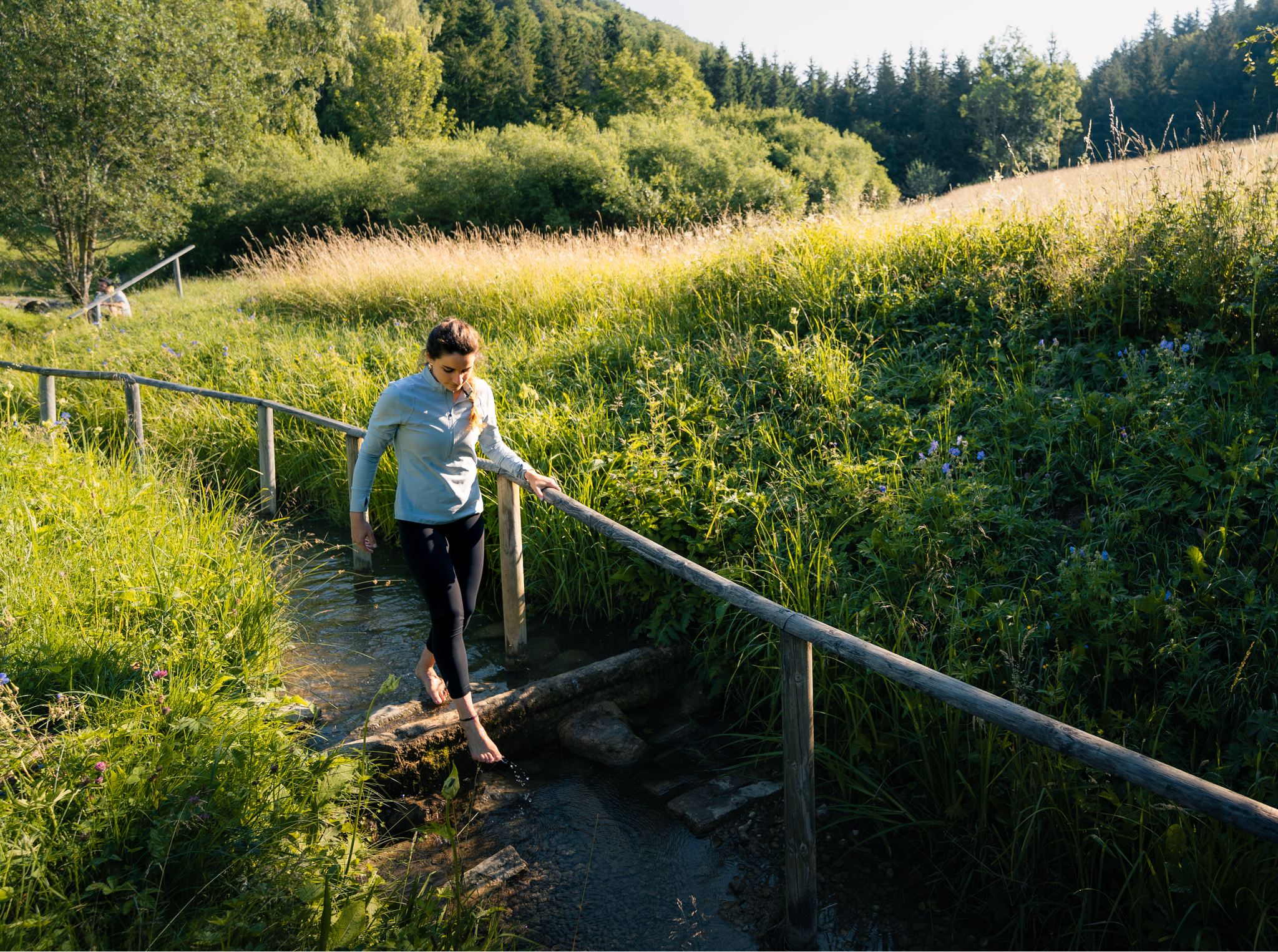
Hiking on the Swabian Alb with all your senses
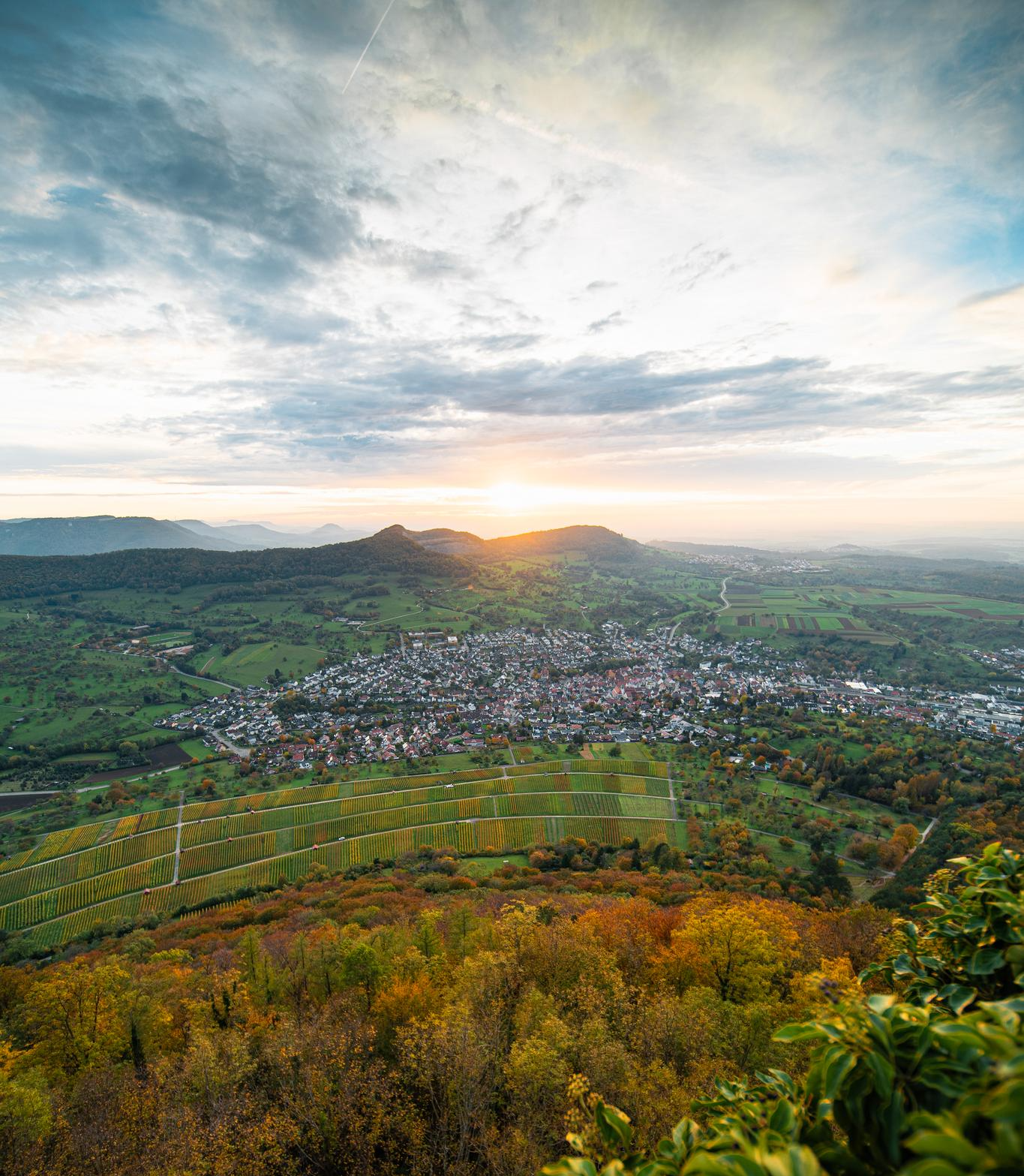
E-bike pleasure rides in the Swabian Alb
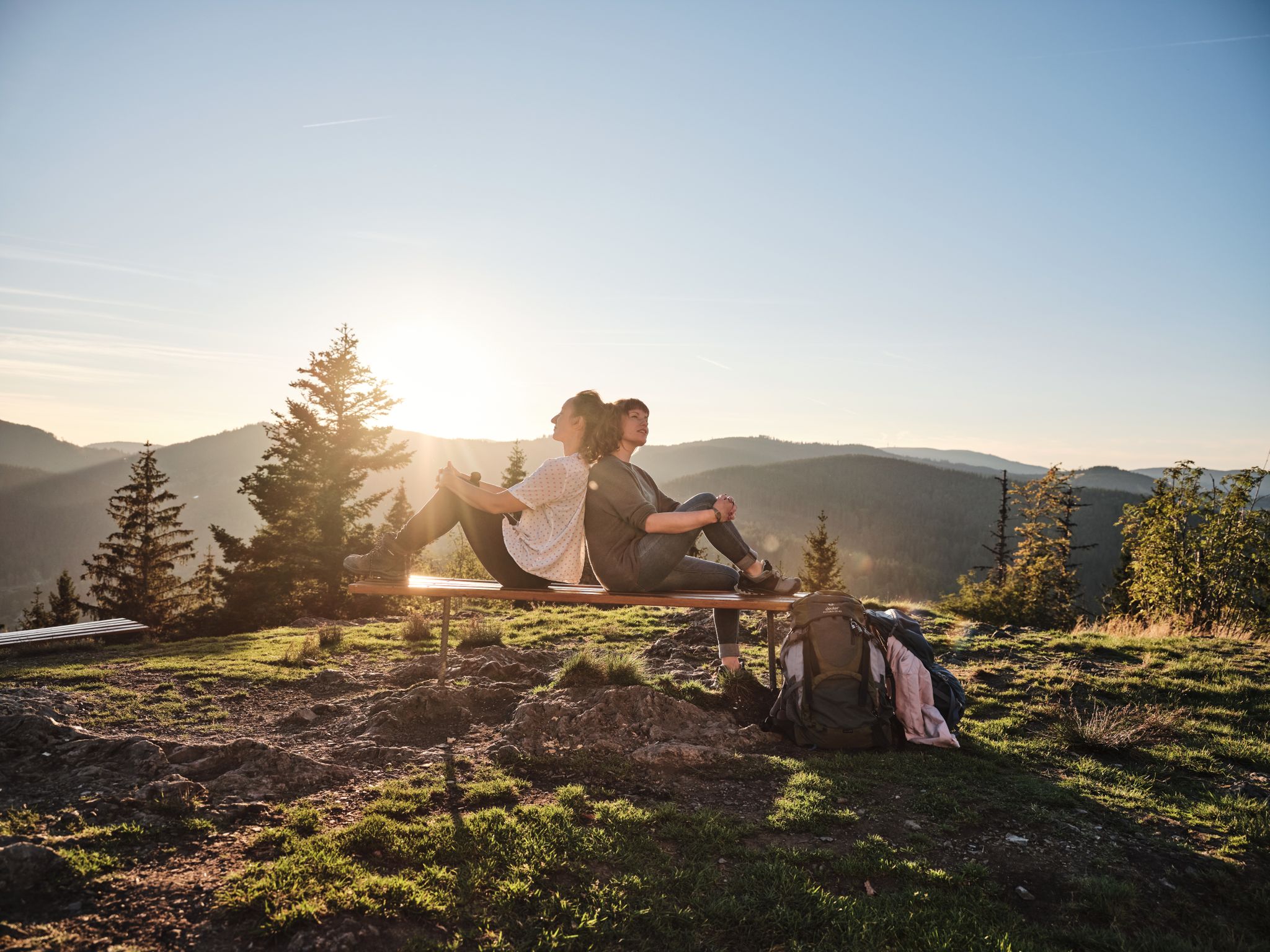
Hiking the Süden – between Black Forest, Lake Constance and Swabian Alb
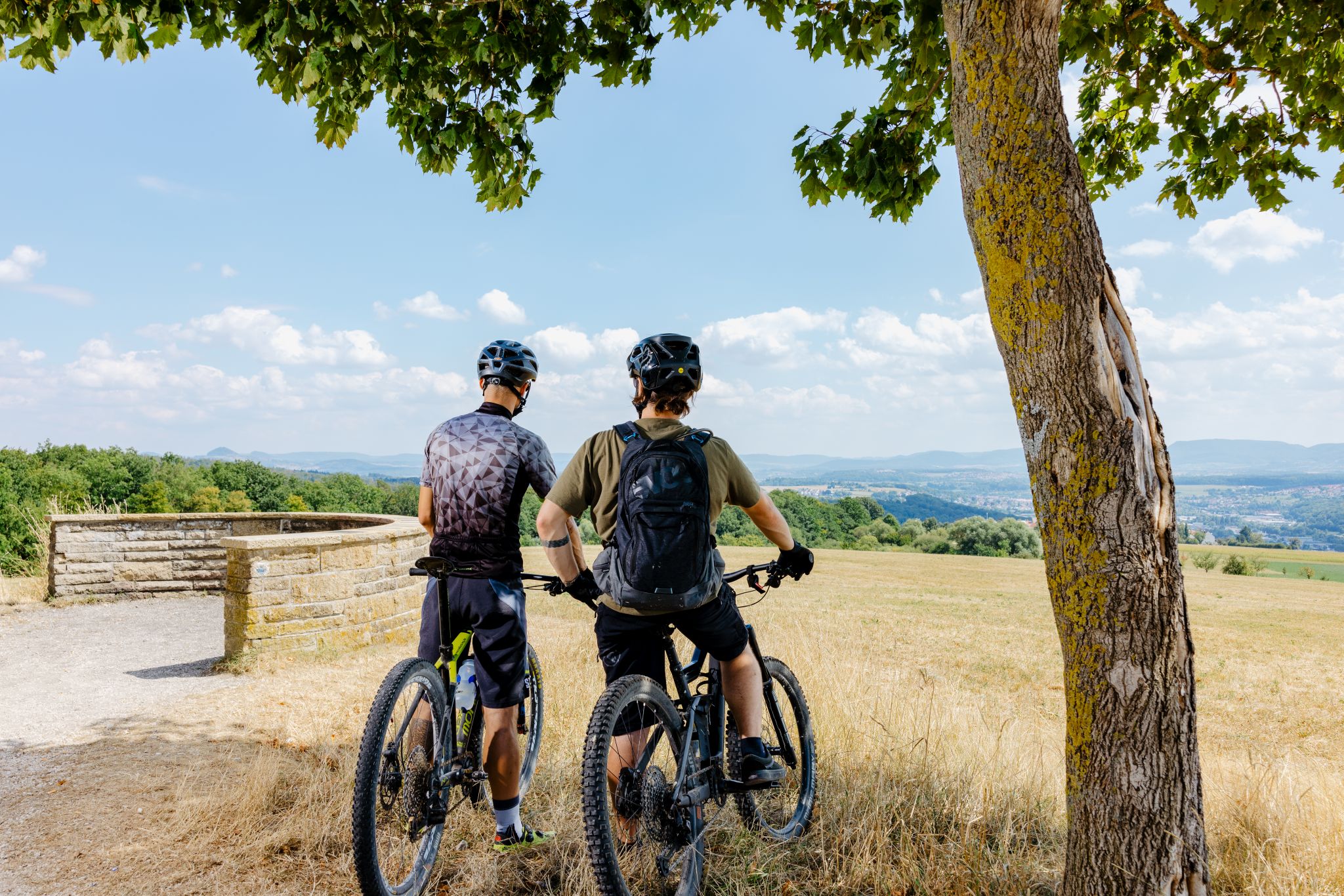
Up, down, Albwards! MTB adventures on the Schwäbische Alb
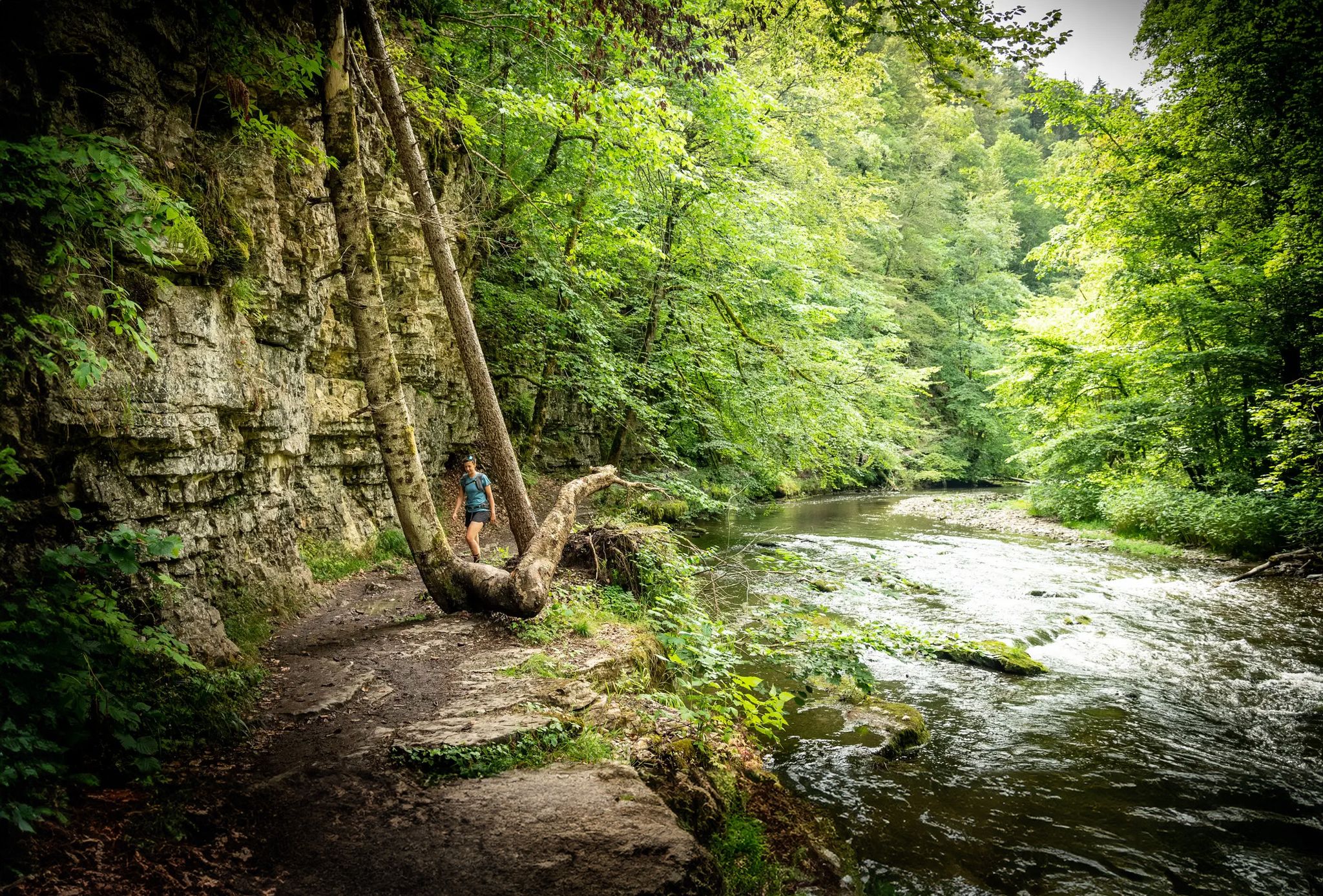
Wide views and wild valleys – the Black Forest and the Swabian Alb

MTB flow in BW! Trails from the Schwarzwald to the Odenwald
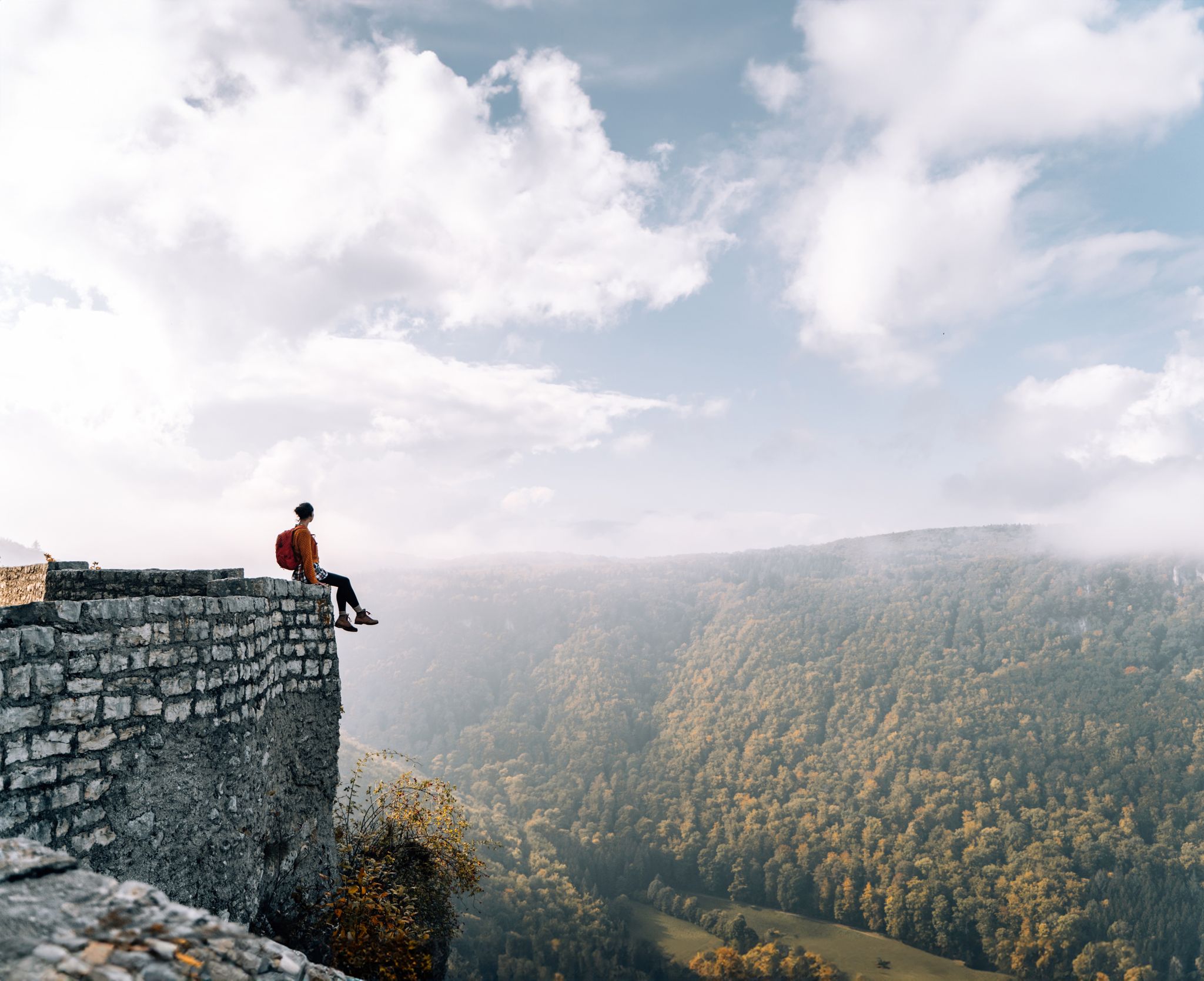
Fairytale hiking to the castles and palaces of the Swabian Alb
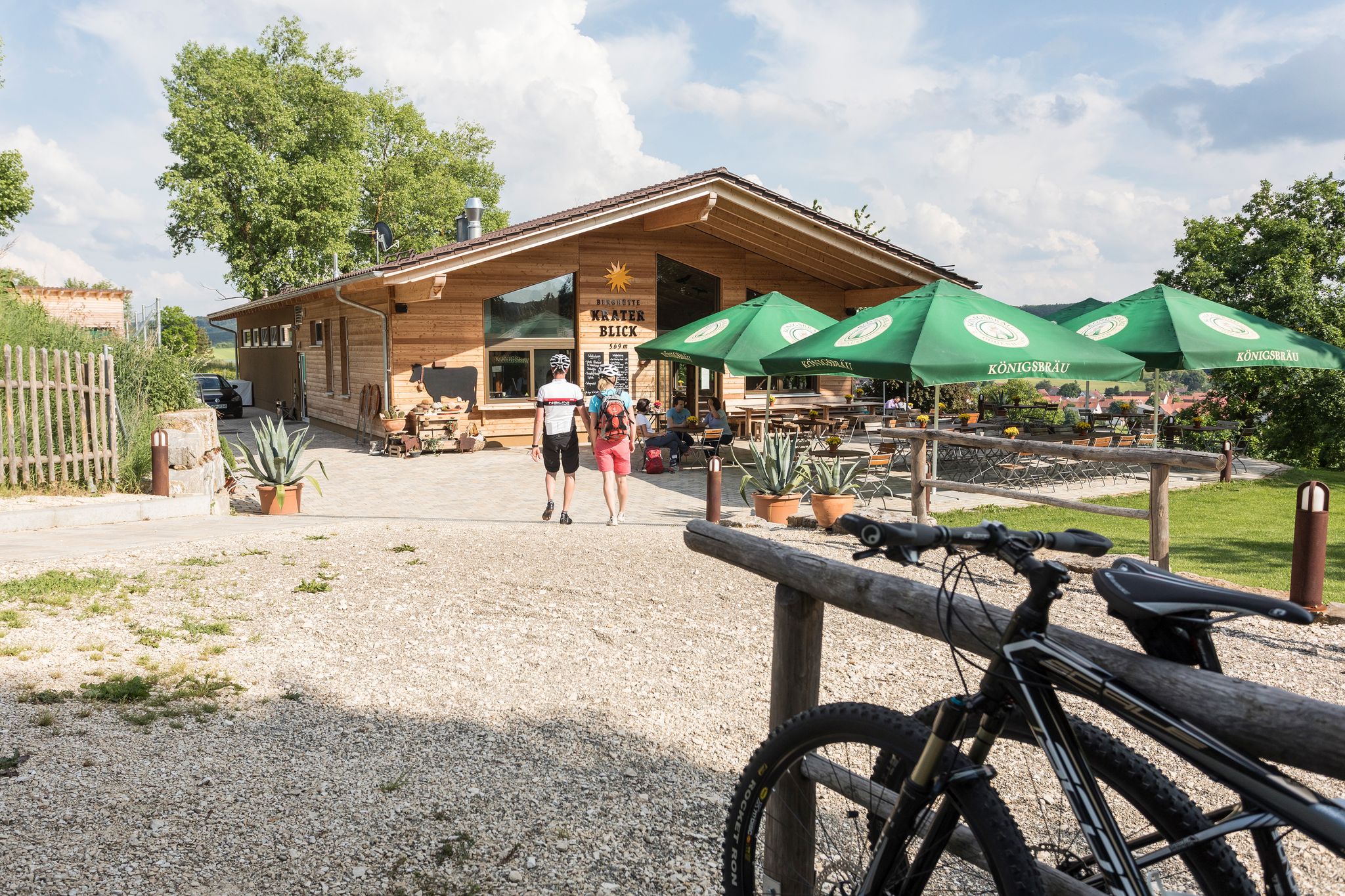
Cycling with all your senses on the Swabian Alb
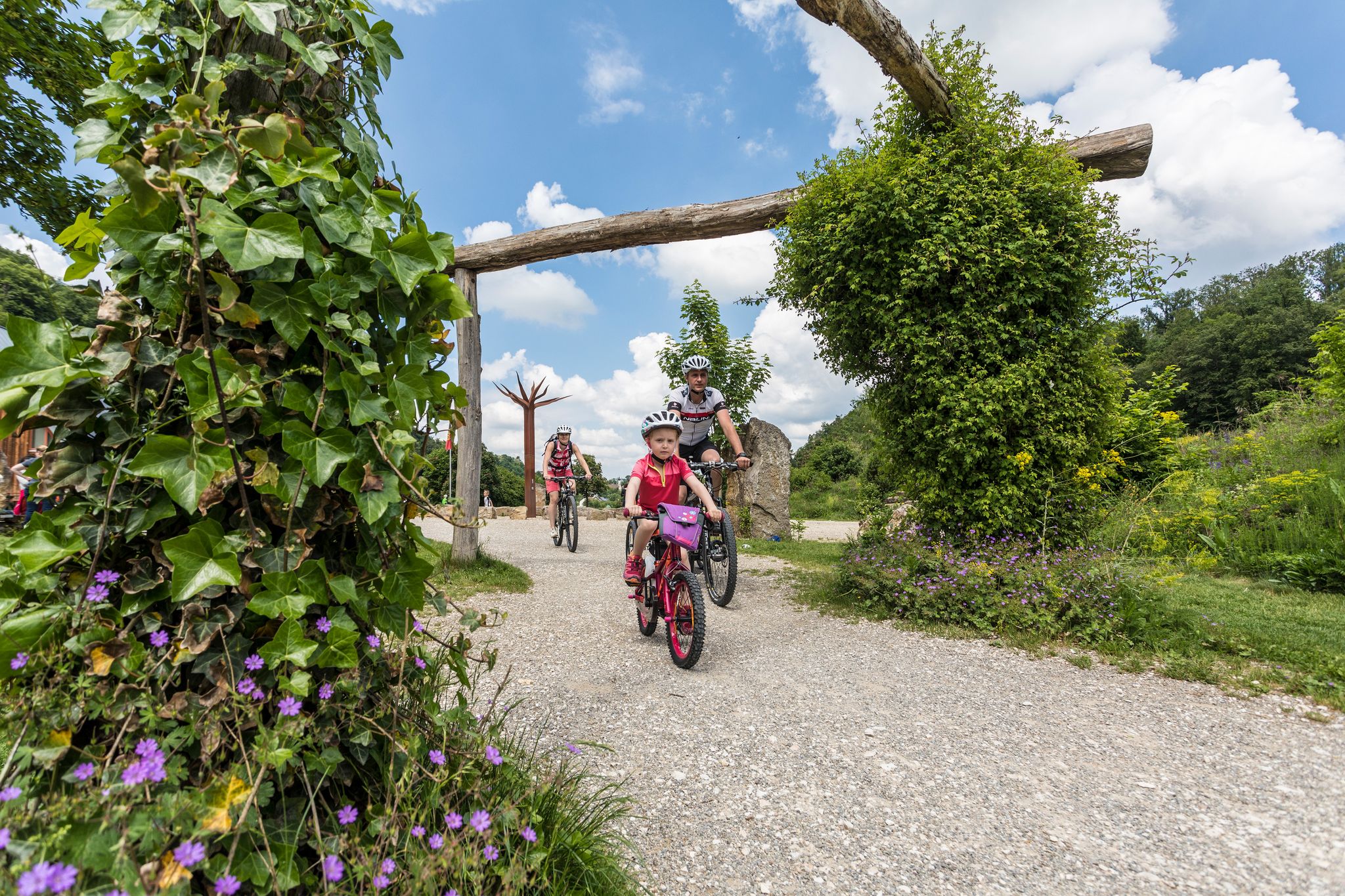
Family cycling – 9 day Tours in the Swabian Alb
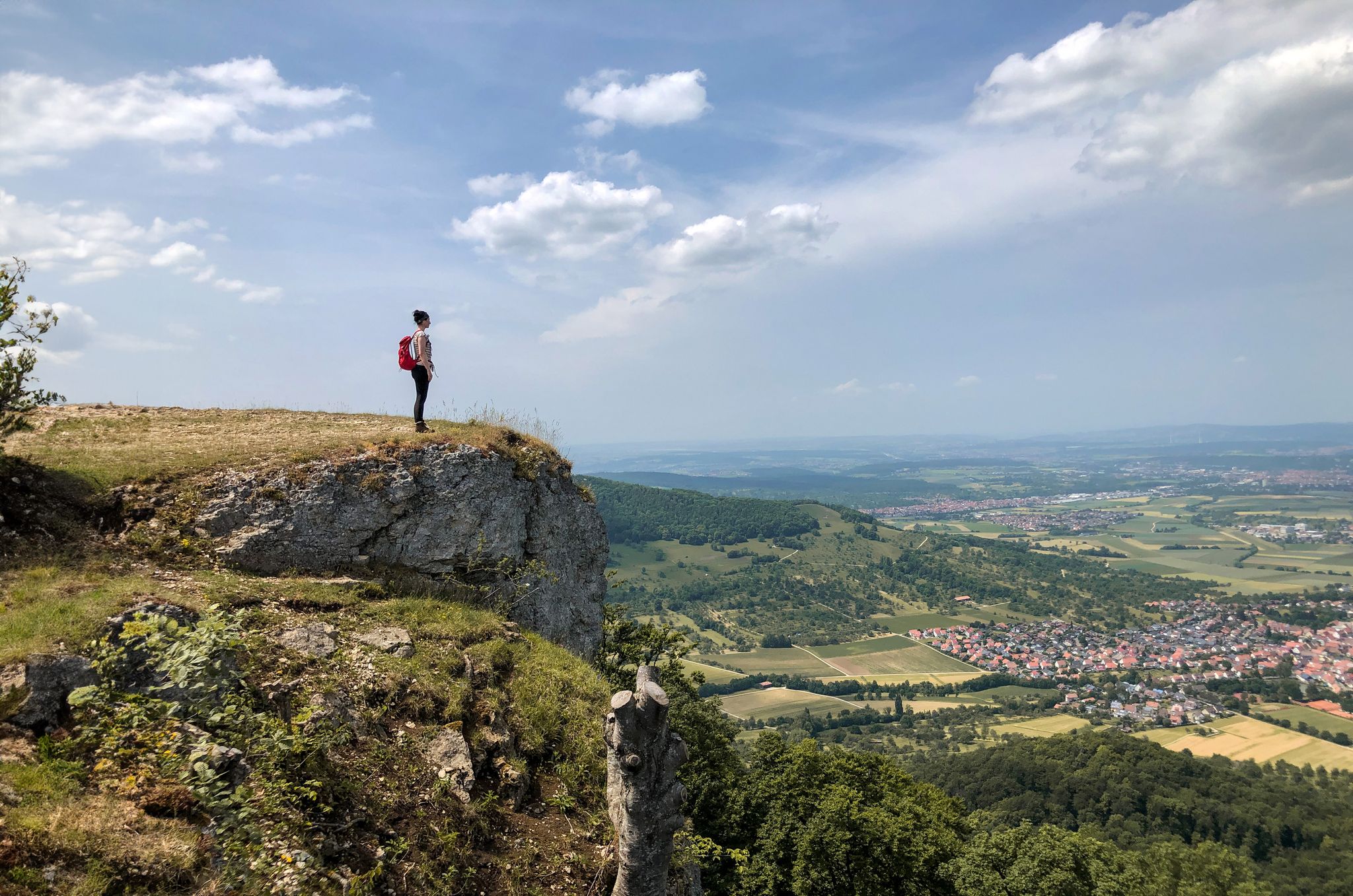
Hike Germany’s low mountains – far-reaching views in the Swabian Alb
Other adventures around Albstadt


Tips from the Community

The Schlichemtalsperre (also known as Schömberger Stausee, mostly just called Stausee locally) east of Schömberg in Baden-Württemberg dams the Schlichem, a tributary of the Neckar coming from the Swabian Jura. The 90.6 ha Schömberger Stausee mit Palmbühl landscape protection area surrounds the Schlichemtalsperre. The approximately 1.35 km long and initially narrow reservoir, widening to about 175 m towards the end, with an area of 10.4 ha at 643.8 m above sea level (NHN), begins at the hamlet of Untere Säge and extends to the old town center of Schömberg. It has a catchment area of about 33.5 km², to which the Schlichem, over 11 km long at its inflow, contributes almost 90%. The watercourses Hölzlegraben from the forest to the right of the lake and Scheubühlgraben and Räßentälebach from the left, up to 1.2 km long, flow into it from the sides. A fish ladder leads from the Vorsee pre-reservoir near Untere Säge to the reservoir. There is also the only bridge over the lake that can be walked and driven on. The Schlichem Viaduct can only be used by the railway. The Schlichemtalsperre was built between 1940 and 1944. The Portlandzementwerk Rudolf Rohrbach KG (today Holcim (Süddeutschland) GmbH), based in neighboring Dotternhausen, which was the client for the dam, initially used it for cooling water supply and power generation. An outdoor swimming pool built in 1935 was flooded. After World War II, the facility was taken over by the state of Württemberg-Hohenzollern in 1948. The reservoir was renovated from 1975 to 1983. The barrier structure is an earth dam, and the hydropower plant within it has an output of 60 kW. There is a pre-reservoir, the Vorsee, which was built from 1975 to 1977. Source: https://de.wikipedia.org/wiki/Schlichemtalsperre
1
0
The Schlichemtalsperre (also known as Schömberger Stausee, mostly just called Stausee locally) east of Schömberg in Baden-Württemberg dams the Schlichem, a tributary of the Neckar coming from the Swabian Jura. The 90.6 ha Schömberger Stausee mit Palmbühl nature reserve surrounds the Schlichemtalsperre. The approximately 1.35 km long and initially narrow reservoir, which widens to about 175 m towards the end and has an area of 10.4 ha at 643.8 m above sea level (NHN), begins at the hamlet of Untere Säge and extends to the old town center of Schömberg. It has a catchment area of about 33.5 km², to which the Schlichem, already over 11 km long at its mouth, contributes almost 90%. The watercourses Hölzlegraben from the forest to the right of the lake and Scheubühlgraben and Räßentälebach from the left, which are up to 1.2 km long, flow into it from the sides. From the Vorsee forebay near the Untere Säge, a fish ladder leads to the reservoir. There is also the only bridge over the lake that can be walked and driven on. The Schlichem Viaduct can only be used by the railway. The Schlichemtalsperre was built between 1940 and 1944. The Portlandzementwerk Rudolf Rohrbach KG (today Holcim (Süddeutschland) GmbH) in neighboring Dotternhausen, which was the builder of the dam, initially used it for cooling water and electricity generation. An outdoor swimming pool built in 1935 was flooded. After the Second World War, the facility was taken over by the state of Württemberg-Hohenzollern in 1948. The reservoir was renovated from 1975 to 1983. The dam structure is an earth dam, and the hydropower plant within it has a capacity of 60 kW. There is a forebay called Vorsee, which was built from 1975 to 1977. Source: https://de.wikipedia.org/wiki/Schlichemtalsperre
1
0
Schlichemtalsperre 🌊 - Fish ladder / Water ladder - Reservoir 🌊 - Schömberg - Zollernalbkreis
3
0
The Roman Catholic parish church of St. Afra stands in Obernheim, a municipality in the Zollernalb district of Baden-Württemberg. The parish belongs to the Diocese of Rottenburg-Stuttgart. The building is listed as a historical monument by the State Office for the Preservation of Monuments in Baden-Württemberg. The hall church, originally built between 1753 and 1755 according to plans by Johann Caspar Bagnato, was incorporated into a new building in 1924 as a transept, based on a design by Wilhelm Friedrich Laur. The former nave, spanned by a barrel vault, and the chancel are decorated with frescoes by Giuseppe Appiani. The Assumption of Mary is depicted in the nave, and the Trinity in the chancel. Four Church Fathers are depicted on the pulpit parapet, and Saint Wendelin on the sounding board. The organ on the gallery was built in 1973 as Opus 149 by Stehle Orgelbau. Source: https://de.wikipedia.org/wiki/St._Afra_(Obernheim)
1
0

Good place to stop for a break 🥨🍺 near the reservoir 🌊 - Zollernalbkreis
7
0

Impressive monastery complex from a distance, but not so impressive up close
1
0
Great large monastery complex, but not so impressive from close up
1
0
Frequently Asked Questions
How many no-traffic road cycling routes are available in Albstadt?
There are 6 dedicated no-traffic road cycling routes detailed in this guide for Albstadt, ranging from easy to difficult. These routes are designed to offer a peaceful cycling experience away from heavy vehicle traffic.
What kind of terrain can I expect on Albstadt's no-traffic road cycling routes?
Albstadt's routes traverse the diverse landscapes of the Swabian Alb Geopark. You can expect a mix of rolling hills, some challenging climbs, and picturesque routes with mostly paved surfaces. The region is known for its dramatic Alb escarpment, offering rugged landscapes and wide panoramas.
Are there any easy no-traffic road cycling routes suitable for beginners in Albstadt?
Yes, there is an easy route available. The Ebingen – Villa Haux loop from Albstadt-Ebingen is approximately 26.9 km long with around 280 meters of elevation gain, making it a good option for those looking for a less strenuous ride.
What are some scenic viewpoints or landmarks I can see along these routes?
Many routes offer stunning views. You might encounter the dramatic Alb escarpment, views of the Eyach Valley, and towards Pfeffingen. Specific highlights include the Lochen Pass, and the Hohenzollerngraben. Some routes also offer glimpses of the historic Hohenzollern Castle.
What is the best time of year to go road cycling in Albstadt?
The Swabian Alb region is beautiful throughout the warmer months. Autumn is particularly atmospheric, with the hills displaying warm colors. While specific weather conditions vary, spring through early autumn generally offers the most pleasant conditions for road cycling.
Are there any challenging no-traffic road cycling routes for experienced cyclists?
Yes, for experienced cyclists seeking a challenge, the Laufen–Tieringen Climb – Lochen Pass loop from Albstadt-Lautlingen is a difficult route covering approximately 56 km with over 1000 meters of elevation gain, including the notable Lochen Pass.
What do other road cyclists enjoy most about the no-traffic routes in Albstadt?
The komoot community rates the road cycling experience in Albstadt highly, with an average score of 4.6 out of 5 stars from 53 ratings. Cyclists often praise the quiet roads, diverse landscapes, and the opportunity to explore the scenic Swabian Alb Geopark away from traffic.
Can I find circular no-traffic road cycling routes in Albstadt?
Yes, all the routes listed in this guide are circular, allowing you to start and end your ride at the same point. Examples include the Villa Haux – Ebingen loop from Ebingen and the Schömberg Reservoir – Schömberg Reservoir loop from Albstadt-Laufen Ort.
Are there any natural features like reservoirs or unique rock formations along these routes?
Yes, you can find natural features such as the Schömberg Reservoir, which is part of a moderate route. Additionally, the region features natural monuments like the Felsenmeer (Swabian Jura), offering interesting geological sights.
What is the typical distance and elevation gain for moderate no-traffic routes?
Moderate routes in Albstadt typically range from about 30 to 35 km in distance with elevation gains between 300 and 350 meters. An example is the Schömberg Reservoir – Schömberg Reservoir loop from Albstadt-Laufen Ort, which is 31.8 km long with 326 meters of ascent.
Are there any routes that pass by airfields or unique local spots?
Yes, the Linkenbold Cave – Albstadt-Degerfeld Airfield loop from Tailfinger Ried is a moderate route that takes you past the Albstadt-Degerfeld Airfield, offering a different kind of scenery.
Most popular routes around Albstadt
Most popular attractions around Albstadt

Get inspired with the komoot mobile app


Explore more
Browse the best Road cycling routes in other regions.
