The best traffic-free bike rides around Maria Laach
4.6
(4040)
18,219
riders
260
rides
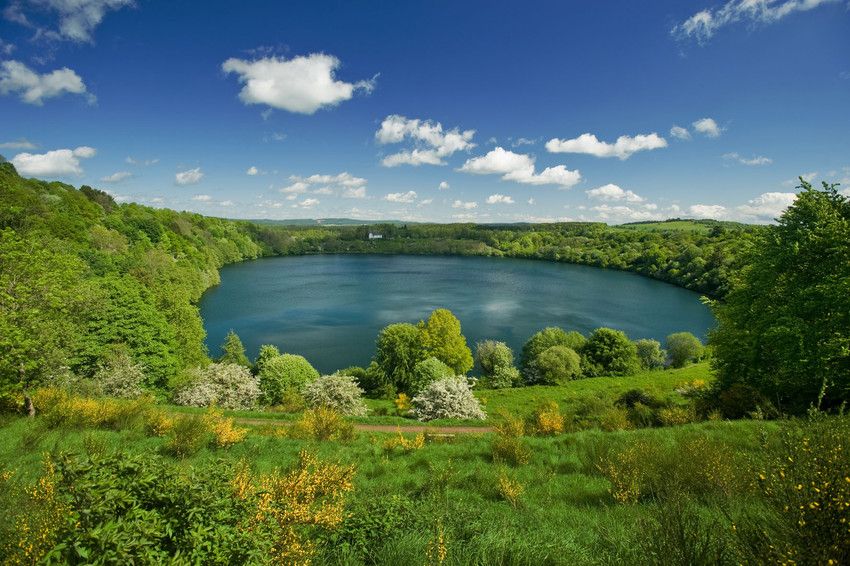
No traffic touring cycling routes around Maria Laach are set within the Eifel region, characterized by its volcanic origins and diverse topography. The area features the central Laacher See, a volcanic crater lake, surrounded by varied landscapes including dense forests, cultivated fields, and stream valleys. The terrain offers a mix of flat stretches and moderate inclines, providing a range of cycling experiences. This region is known for its natural beauty and historical points of interest.
Best no traffic touring cycling…
Last updated: May 14, 2026
5.0
(2)
13
riders
7.81km
00:39
100m
100m
Easy bike ride. Great for any fitness level. Mostly paved surfaces. Suitable for all skill levels.
7
riders
12.9km
00:58
270m
270m
Moderate bike ride. Good fitness required. Mostly paved surfaces. Suitable for all skill levels.

Sign up for free
7
riders
15.4km
01:10
290m
290m
Moderate bike ride. Good fitness required. Mostly paved surfaces. Suitable for all skill levels.
5.0
(1)
8
riders
17.7km
01:39
450m
450m
Moderate bike ride. Good fitness required. Mostly paved surfaces. Suitable for all skill levels.
10
riders
10.7km
01:02
210m
210m
Moderate bike ride. Good fitness required. Mostly paved surfaces. Suitable for all skill levels.
Get access to more routes and recommendations from other explorers.
Sign up for free
Already have an account?
Our route recommendations are based on thousands of hikes, rides, and runs completed by other people on komoot.
Start today with a free account
Your next adventure awaits.
Login or Signup
Other adventures around Maria Laach

Tips from the Community

The northern gate of the city fortifications, which still exists today, is the gatehouse located on the Nette river, built between 1299 and 1354. It secured the crossing of the Nette and primarily served as the city entrance from the direction of Koblenz, which is why it also bears the name "Koblenzer Tor" (Koblenz Gate). Since there are no signs of a slot in the wall for a portcullis, it is assumed that a drawbridge to the bridge pier on the Nette was used to secure the gate. Due to the flood in 1598, the gatehouse collapsed along with the outer gate. However, the chiseled number 1599 testifies that the gatehouse was rebuilt just one year later. From the beginning of the 19th century until 1855, the gatehouse was used as a prison. The city coat of arms, added in 1911, is still visible today. Source: Jonas Breithaupt, University of Koblenz-Landau, 2015
2
0


The Brückentor (Bridge Gate) is one of Mayen's few remaining medieval city gates and once served as the most important entrance for travelers coming from Koblenz. Today, this historic building houses the Mayen Carnival Museum, which brings the city's long tradition of "Faasenaacht" (Carnival Night) to life.
0
0

Beautiful view after a difficult single trail through tall, confusing vegetation with blackberries and nettles, and some pushing!
0
0

From the campsite north of the lake and along the eastern shore, there's a forest path around the lake. The path is unpaved and, in places, very dusty. This path is shared with pedestrians, so it can be busy on nice weekends, so please be considerate of others.
8
0

The path along the eastern shore of the lake is beautifully shady and you pass the impressive mofettes (rising CO2 bubbles in the lake).
1
0

Favorite spot by the lake with a beautiful view
0
0

A very beautiful place for great views.
0
0
Frequently Asked Questions
How many no-traffic touring cycling routes are available around Maria Laach?
There are over 260 no-traffic touring cycling routes around Maria Laach, offering a wide variety of options for different skill levels and preferences.
Are there easy, family-friendly no-traffic cycling routes in Maria Laach?
Yes, Maria Laach offers nearly 40 easy touring cycling routes that are suitable for families and beginners. These routes often follow paved agricultural paths, keeping cyclists away from heavy traffic. An example is the Lake Laach – Lake Laach loop from Glees, which is just under 8 km long with minimal elevation gain.
What kind of landscapes can I expect on no-traffic touring cycling routes in Maria Laach?
The routes around Maria Laach traverse diverse landscapes, including dense beech forests, expansive cultivated fields, cool stream valleys, and wetlands. You'll experience the region's volcanic origins, with the stunning Laacher See (Lake Laach) as a central feature, and enjoy views of rolling hills characteristic of the Eifel.
What are some notable attractions or landmarks I can see along these routes?
Many routes offer glimpses of historical and natural landmarks. You might pass by the magnificent Maria Laach Abbey, a Benedictine monastery, or explore the unique Trass Caves Brohltal. Natural features like the Waterfall in the Wolfsschlucht and the Wolf Gorge Waterfall and Trass Cliffs are also accessible along some paths.
Are there any circular no-traffic cycling routes around Maria Laach?
Yes, circular routes are a popular option in the Maria Laach area. Many routes are designed as loops, allowing you to start and end at the same point. For example, the Millstone Hiking Trail Obermendig – Erlenbrunnen loop from Bell offers a moderate 14.4 km ride through varied terrain.
What do other touring cyclists enjoy most about cycling in Maria Laach?
The area is highly rated by the komoot community, with an average score of 4.56 stars. Reviewers often praise the quiet, traffic-free paths, the beautiful volcanic landscapes, and the well-maintained trails that cater to a range of abilities.
When is the best season for no-traffic touring cycling in Maria Laach?
The Eifel region, including Maria Laach, is beautiful for cycling from spring through autumn. Spring brings lush greenery, while autumn offers vibrant colors in the deciduous forests. Summer is also popular, but it's advisable to start earlier in the day to avoid the midday heat. Always check local weather conditions before heading out.
Are there any routes with scenic viewpoints?
Yes, the volcanic topography of the Eifel provides numerous opportunities for scenic views. Routes often lead to elevated points offering panoramic vistas of the Laacher See and the surrounding landscape. The Gänsehals Transmission Tower – View from Gänsehals loop from Bell is an example of a route that includes a notable viewpoint.
Where can I find information about cycling paths within the broader Eifel National Park?
The Eifel National Park, adjacent to Maria Laach, features an extensive 104 km network of clearly marked cycling paths. For more detailed information on these paths, you can visit the official Eifel National Park website: nationalpark-eifel.de.
Are there any routes that pass by cafes or places to stop for refreshments?
Many touring cycling routes in the Maria Laach region are designed to pass through or near villages and towns where you can find cafes, restaurants, or bakeries. The area around the Maria Laach Abbey itself offers refreshment options. Planning your route with komoot allows you to identify such points of interest along your chosen path.
What are some moderate no-traffic touring cycling routes in the area?
For those seeking a bit more challenge, there are over 120 moderate routes. An example is the Genoveva Cave – Kottenheim Giant Bench loop from Bell, which covers about 17.4 km with a significant elevation gain, offering a rewarding ride through varied terrain.
Most popular routes around Maria Laach
Most popular attractions around Maria Laach

Get inspired with the komoot mobile app


Explore more
Browse the best Cycling routes in other regions.
