The best traffic-free bike rides in Greece
4.2
(13)
154
riders
18
rides
No traffic gravel bike trails in Greece traverse a diverse landscape characterized by mountainous regions, deep gorges, extensive forests, and ancient paths. The country offers a mix of challenging terrains and coastal routes, with many areas featuring low-traffic roads ideal for gravel cycling. Regions like the Peloponnese Peninsula provide routes through olive groves and vineyards, while Crete offers an extensive network of ancient paths connecting traditional villages.
Best no traffic gravel bike trails in Greece
- The most popular no traffic gravel bike trail is Methoni Castle — main gate – Pylos Port Overlook ⛵️ loop from Gialova, a 35.2 miles (56.7 km) trail that takes 3 hours 57 minutes to complete. This difficult route explores the coastal areas of the Peloponnese, offering views of historic sites and the sea.
- Another top favourite among local gravel bikers is Voidokilia Beach – Voidokilia Bay loop from Gialova, a difficult 55.6 miles (89.5 km) path. This route features extensive coastal scenery around Voidokilia Bay, providing a challenging ride through the Peloponnese landscape.
- Local gravel bikers also love the Golden Beach ⛱️ – Gialova coast loop from Tragana, a 14.2 miles (22.9 km) trail leading through coastal paths and beaches, often completed in about 1 hour 8 minutes.
- Gravel biking in Greece is defined by ancient paths, coastal routes, and mountainous terrain. The network offers options for different ability levels, from easy coastal loops to more challenging climbs through rugged landscapes.
- The routes in Greece are highly rated by the komoot community with an average score of 4.3 stars from over 10 reviews. More than 100 gravel bikers have used komoot to explore Greece's varied terrain.
Last updated: October 13, 2026
31
riders
53.9km
03:45
820m
820m
Hard gravel ride. Very good fitness required. Mostly paved surfaces. Suitable for all skill levels.
13
riders
89.4km
06:23
1,540m
1,540m
Hard gravel ride. Very good fitness required. Mostly paved surfaces. Suitable for all skill levels.

3.0
(2)
5
riders
Hard gravel ride. Very good fitness required. Mostly paved surfaces. Suitable for all skill levels.
3.3
(3)
16
riders
23.1km
01:09
100m
100m
Easy gravel ride. Great for any fitness level. Mostly paved surfaces. Suitable for all skill levels.
2
riders
31.4km
02:34
630m
630m
Hard gravel ride. Very good fitness required. Mostly paved surfaces. Suitable for all skill levels.
Get access to more routes and recommendations from other explorers.
Already have an account?
Our route recommendations are based on thousands of hikes, rides, and runs completed by other people on komoot.
Start today with a free account
Your next adventure awaits.
Popular around Greece
Traffic-free bike rides in Αποκεντρωμένη Διοίκηση Πελοποννήσου Δυτικής Ελλάδας και Ιονίου
Traffic-free bike rides in Messenia
Traffic-free bike rides in Macedonia - Thrace
Traffic-free bike rides in Halkidiki
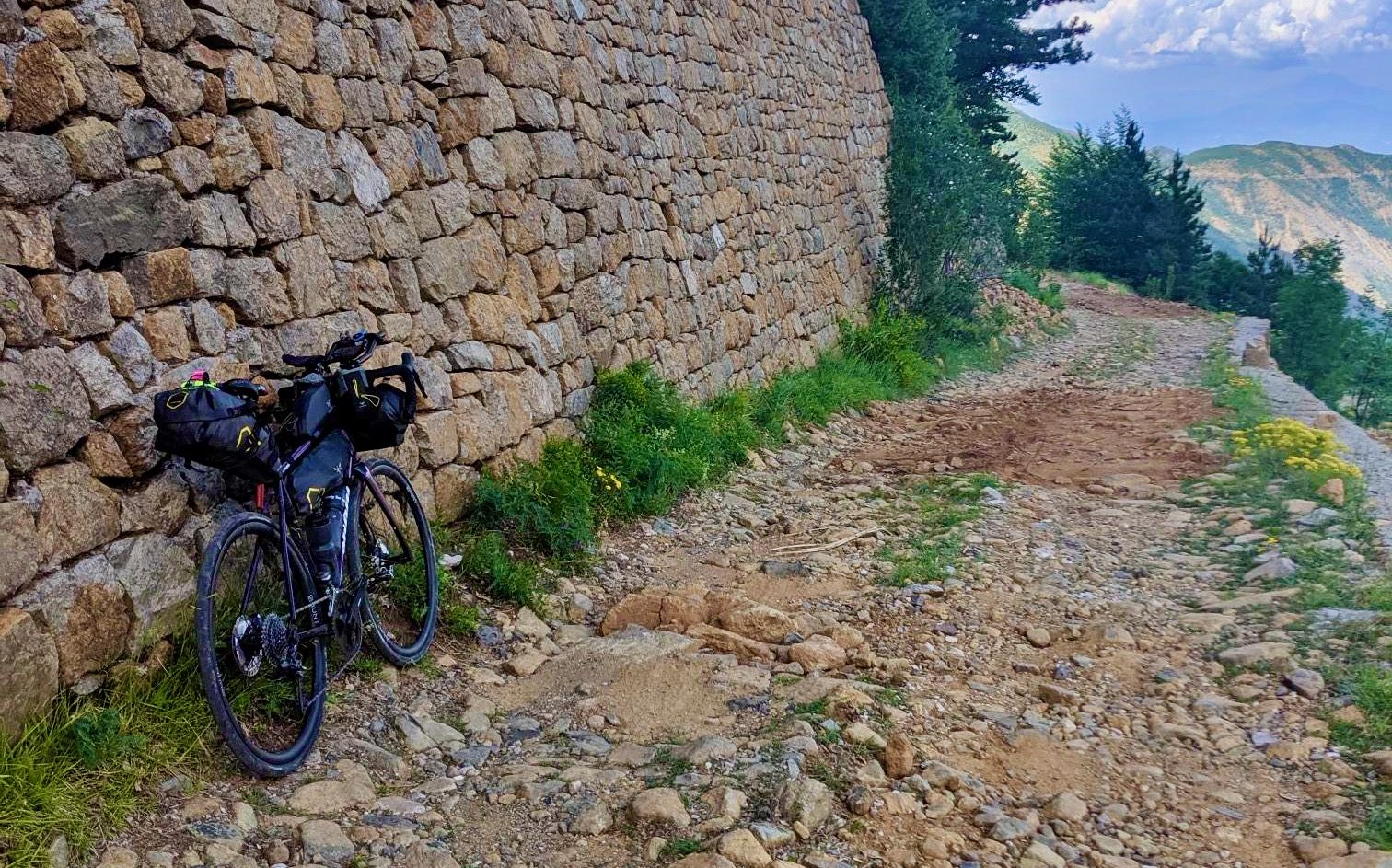
Traversing the Dinaric Alps — bikepacking from the mountains to the sea
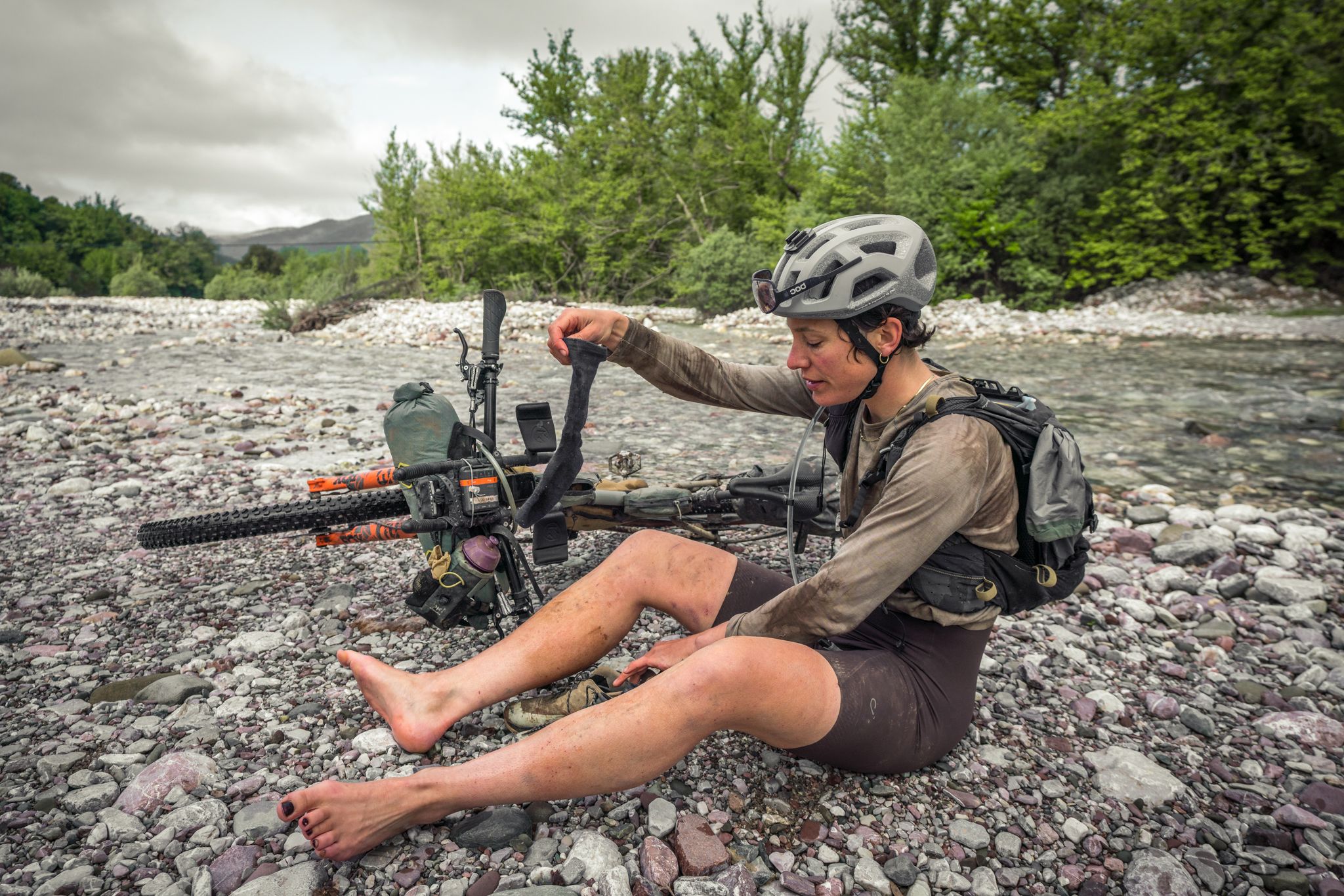
Hellenic Mountain Race — Bikepacking through the Greek mountains
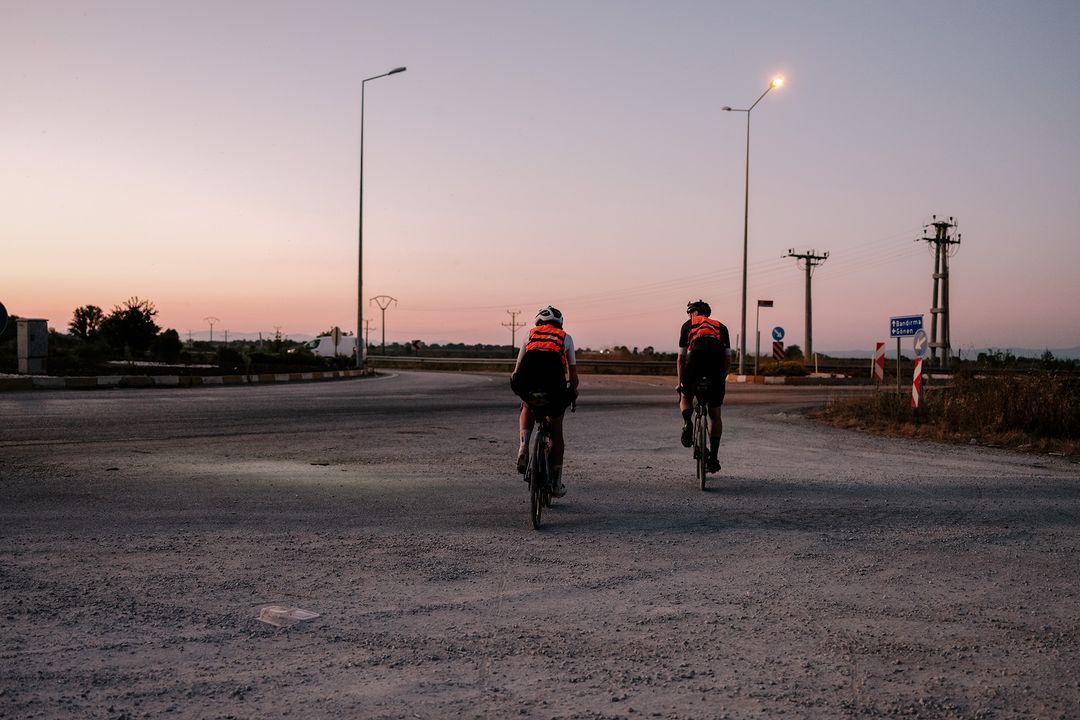
Transcontinental Race No10: crossing Europe from France to Turkey
Transcontinental Race No9 2023
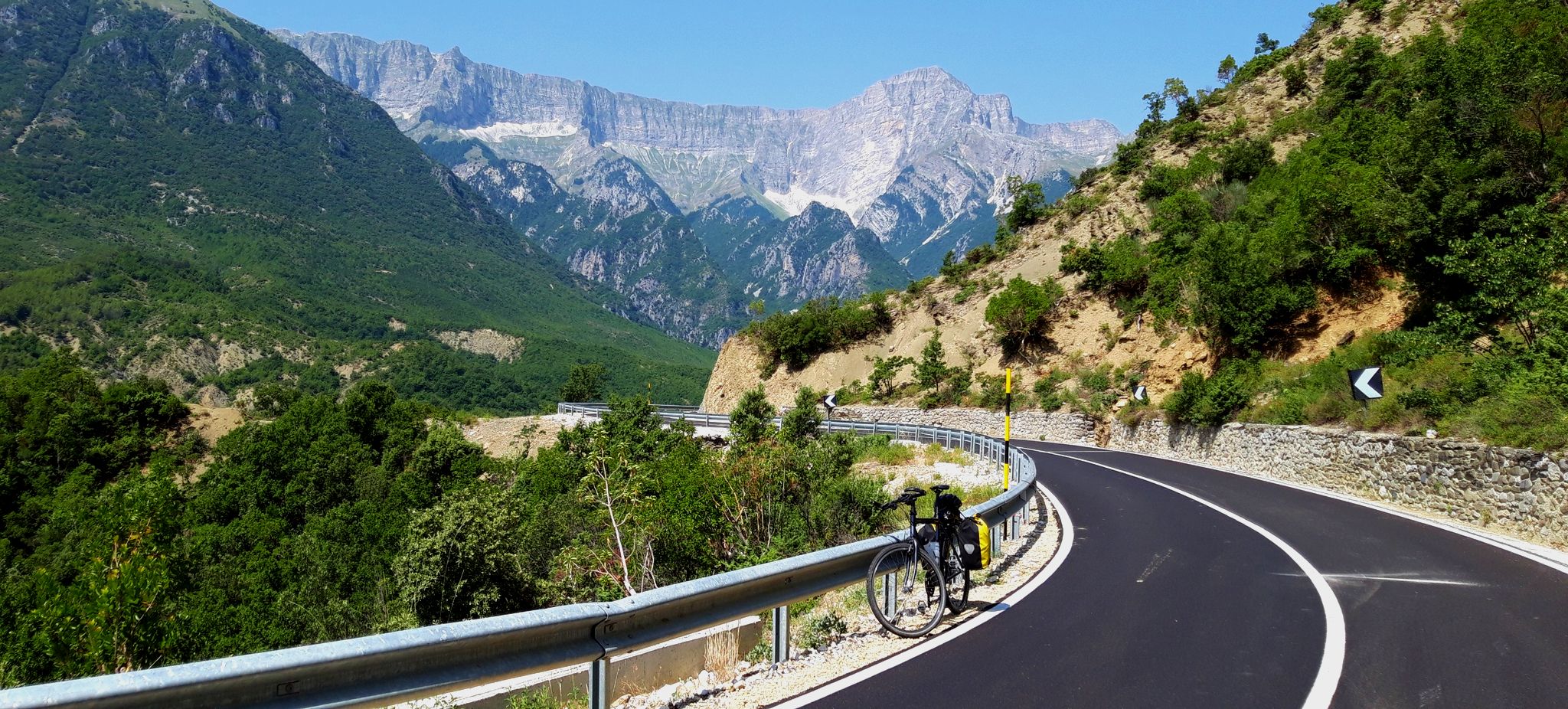
Balkan cycling adventure – Dubrovnik to Corfu
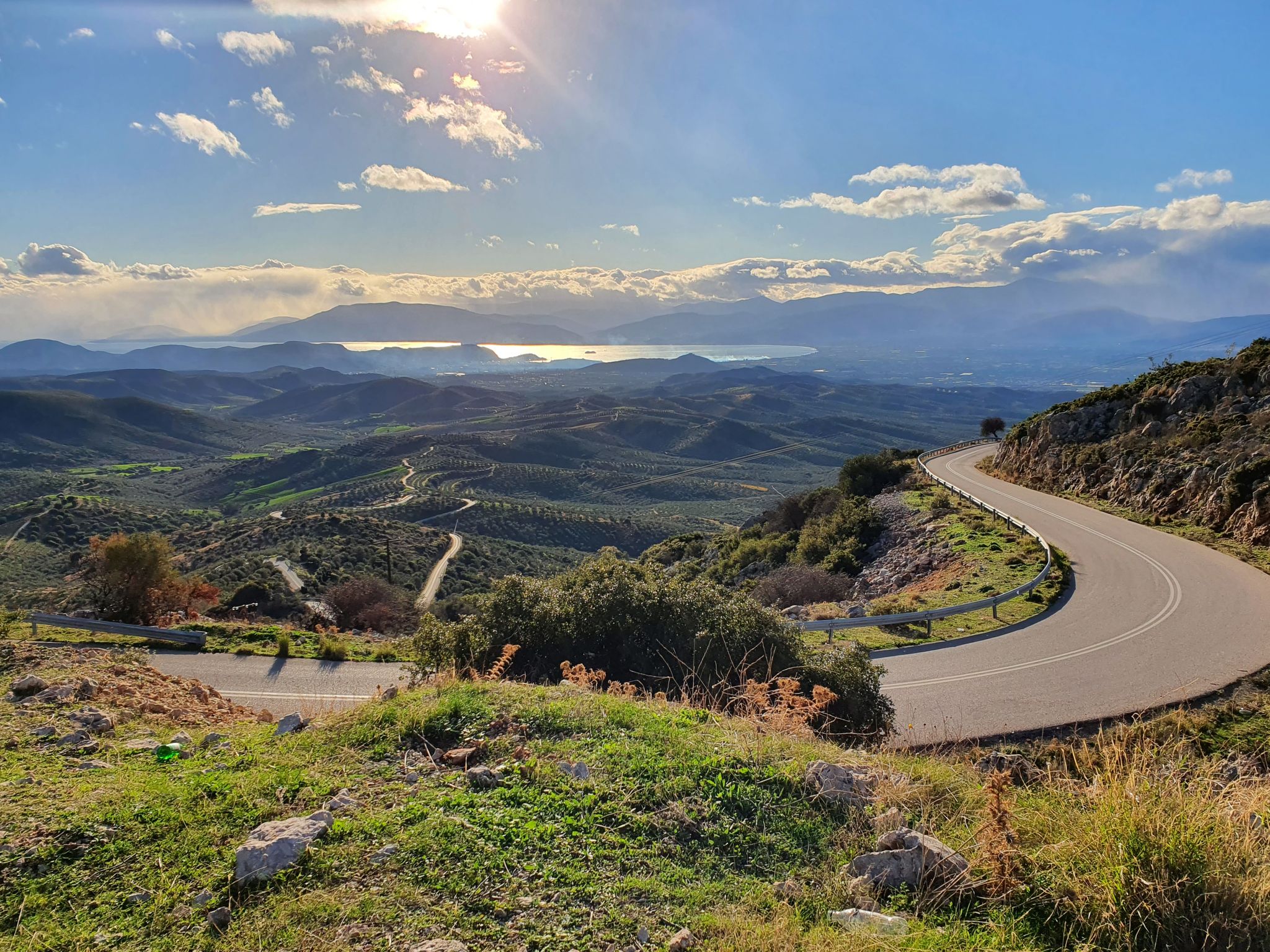
Road cycling in Greece — Athens and the Peloponnese
Other adventures in Greece


Tips from the Community

The lagoon, located east of Balos Bay (Όρμος Μπάλος) between the Gramvousa Peninsula and the adjacent Cape Tigani (Ακρωτήρι Τηγάνι, meaning "pan") to the west, has a northern connection to the open sea at Gramvousa Bay (Όρμος Γραμβούσας), to which the lagoon technically belongs. The Cape Tigani Peninsula, approximately one kilometer long and 700 meters wide, rising to a height of 117 meters, is connected to the mainland at Balos only by a shallow, roughly 50-meter-wide isthmus. The lagoon extends east of this land bridge with an east-west extent of about 400 meters and approximately 600 meters south from the open sea.
2
0
Balos Bay lies on the western side of the now uninhabited Gramvousa peninsula. The peninsula, four kilometers wide in the south, stretches 12 kilometers north from the last settlement, Kaliviani, to Cape Vouxa, the northwesternmost point of Crete. At Balos, five kilometers southwest of Cape Vouxa, Gramvousa narrows to about one kilometer in width.
2
0
The Rodopos Peninsula, approximately 18 kilometers long, juts out into the Cretan Sea like an outstretched finger, measuring about 5 kilometers at its widest point. The peninsula is located in the western part of Crete's north coast. To its west lies the Bay of Kissamos and, about 15 kilometers away, the Gramvousa Peninsula with its offshore rocky islets of Imeri Gramvousa and Agria Gramvousa. To the east of Rodopos stretches the Bay of Chania. A mountain ridge runs through the peninsula from north to south, its highest peaks being Onichas (748 meters) and Spitakiou Korfi (646 meters). The northwesternmost point is Cape Spatha, which also marks the northernmost extent of the island of Crete.
2
0
Kissamos, also known as Kastelli, is a historic city on the island of Crete, Greece. It was once the port of Polyrrinia in antiquity and flourished particularly during the Roman and Byzantine eras. The Romans valued its strategic location and built an aqueduct, roads, and temples. However, the city suffered considerable damage from earthquakes in 66 AD and 365 AD. During the Byzantine period, it became a bishopric, and numerous churches were built on the ruins of Roman temples. In 1252, the Venetians conquered the city, divided it into 90 cavalry, and constructed the city walls of Kastelli, along with an urban plan. The Turkish occupation brought difficult times, with the city changing hands several times until Crete was finally liberated. Kissamos was last besieged in 1897, suffered bombing and looting during World War II, but after the war it became a popular tourist destination known for its natural beauty.
1
0
Balos (Greek: Μπάλος) is a bay with a lagoon behind it on the west coast of the Greek Mediterranean island of Crete. It is located in the municipality of Kissamos in the regional unit of Chania.
2
0
Rodopos (Greek: Χερσόνησος Ροδοπού) is a sparsely populated peninsula in the northwestern part of the Greek island of Crete. Smaller settlements exist only in the southern part of the peninsula. The north, where the remains of an ancient sanctuary are located, is largely undeveloped. In antiquity, the peninsula was called Tityros (Τίτυρος).
2
0

Frequently Asked Questions
How many no-traffic gravel bike trails are available in Greece?
You can explore a selection of 19 dedicated no-traffic gravel bike trails across Greece. These routes offer a variety of experiences, from coastal paths to more challenging mountain ascents, ensuring a peaceful ride away from vehicle traffic.
What are the typical difficulty levels for no-traffic gravel biking in Greece?
The no-traffic gravel bike trails in Greece cater to various skill levels. You'll find 2 easy routes, 7 moderate routes, and 10 difficult routes. For an easier ride, consider the Golden Beach ⛱️ – Gialova coast loop from Tragana. More challenging options include the Methoni Castle — main gate – Pylos Port Overlook ⛵️ loop from Gialova, which features significant elevation gain.
When is the best time of year for no-traffic gravel biking in Greece?
Greece's mild climate makes it suitable for outdoor activities year-round. Spring (April-May) and Autumn (September-October) are ideal, offering pleasant temperatures and lush landscapes. Coastal areas are enjoyable in late spring and early autumn, while mountainous regions like the Pindus Mountains are best explored in summer to avoid snow and colder conditions.
Are there any family-friendly no-traffic gravel bike routes in Greece?
While many routes offer a challenge, some areas provide gentler terrain suitable for families. Look for routes with lower elevation gain and shorter distances. The Golden Beach ⛱️ – Gialova coast loop from Tragana is an easy option that could be suitable for families looking for a less strenuous ride.
What kind of natural features and landmarks can I expect to see along these trails?
Greece's diverse landscape offers a wealth of sights. You can cycle through olive groves and vineyards in the Peloponnese, or witness the dramatic rock formations of Meteora. The Pindus Mountains feature deep gorges like the Vikos Gorge, while Crete boasts ancient paths and the stunning Samaria Gorge. You might also encounter highlights such as the Stone Arch in Imbros Gorge or the impressive Iron Gates (Sideroportes) in Samaria Gorge.
Are there any circular no-traffic gravel bike routes available?
Yes, many of the no-traffic gravel bike trails in Greece are designed as circular routes, allowing you to start and end at the same point. Examples include the Voidokilia Beach – Voidokilia Bay loop from Gialova and the View of the Rodopou Peninsula – View of Balos Beach and the lagoon loop from Kissamos, which offer varied scenery on a continuous loop.
What do other gravel bikers enjoy most about the no-traffic trails in Greece?
The komoot community highly rates these trails, with an average score of 4.3 stars. Reviewers often praise the tranquility of the routes, the stunning natural scenery, and the opportunity to explore historical sites and traditional villages away from busy roads. The unique blend of ancient history and diverse landscapes makes for a memorable biking experience.
Are there opportunities for wild swimming near no-traffic gravel bike trails?
Greece offers numerous opportunities for wild swimming. Rivers like the Arachthos and Voidomatis are known for their clean waters, and picturesque lakes such as Lake Plastiras provide beautiful settings. While specific swimming spots are not directly linked to every gravel trail, many routes pass through or near coastal areas and rivers where you might find suitable places to cool off, especially in regions like the Peloponnese or Crete.
Can I find amenities like cafes or accommodation along these routes?
While many no-traffic routes prioritize remoteness, some trails pass through or near traditional villages where you can find local tavernas and cafes. In regions like the Southern Peloponnese, you'll find inviting accommodations. It's always advisable to check the route details and plan your stops in advance, especially on longer or more remote trails, to ensure you have access to water and food.
What are some hidden gems for no-traffic gravel biking in Greece?
Beyond the well-known areas, the Southern Peloponnese is considered a hidden gem for gravel cycling, offering rustic landscapes and low-traffic roads. The valley of the Nestos River in Western Thrace also provides stunning trails through its riverside forest, offering a unique and less-traveled experience. These areas allow for a deeper immersion into Greece's natural beauty.
Are there any specific routes that offer views of ancient ruins or historical sites?
Yes, the Peloponnese Peninsula is particularly rich in historical sites. Routes in this region often wind through areas near ancient ruins like Mycenae and Epidaurus. The Methoni Castle — main gate – Pylos Port Overlook ⛵️ loop from Gialova, for instance, offers views of historical landmarks and coastal scenery, blending physical activity with cultural exploration.
Most popular routes in Greece
Most popular attractions in Greece

Get inspired with the komoot mobile app


Didn’t find what you were looking for?
Check out more Gravel rides throughout Greece below and find the perfect route in your destination.
Explore more
Browse the best Gravel rides in other regions.
