Attractions and Places To See around East Caithness Cliffs Marine Protected Area - Top 8
Best attractions and places to see around East Caithness Cliffs Marine Protected Area include dramatic sandstone cliffs, historical landmarks, and significant seabird colonies. This coastal region in Scotland stretches between Wick and Helmsdale, featuring cliffs that rise up to 150 meters. The area is internationally important for its seabird populations, hosting hundreds of thousands of individuals during the breeding season. Visitors can explore a variety of natural formations and cultural sites along this rugged coastline.
Best attractions and places to see around East Caithness Cliffs Marine Protected Area
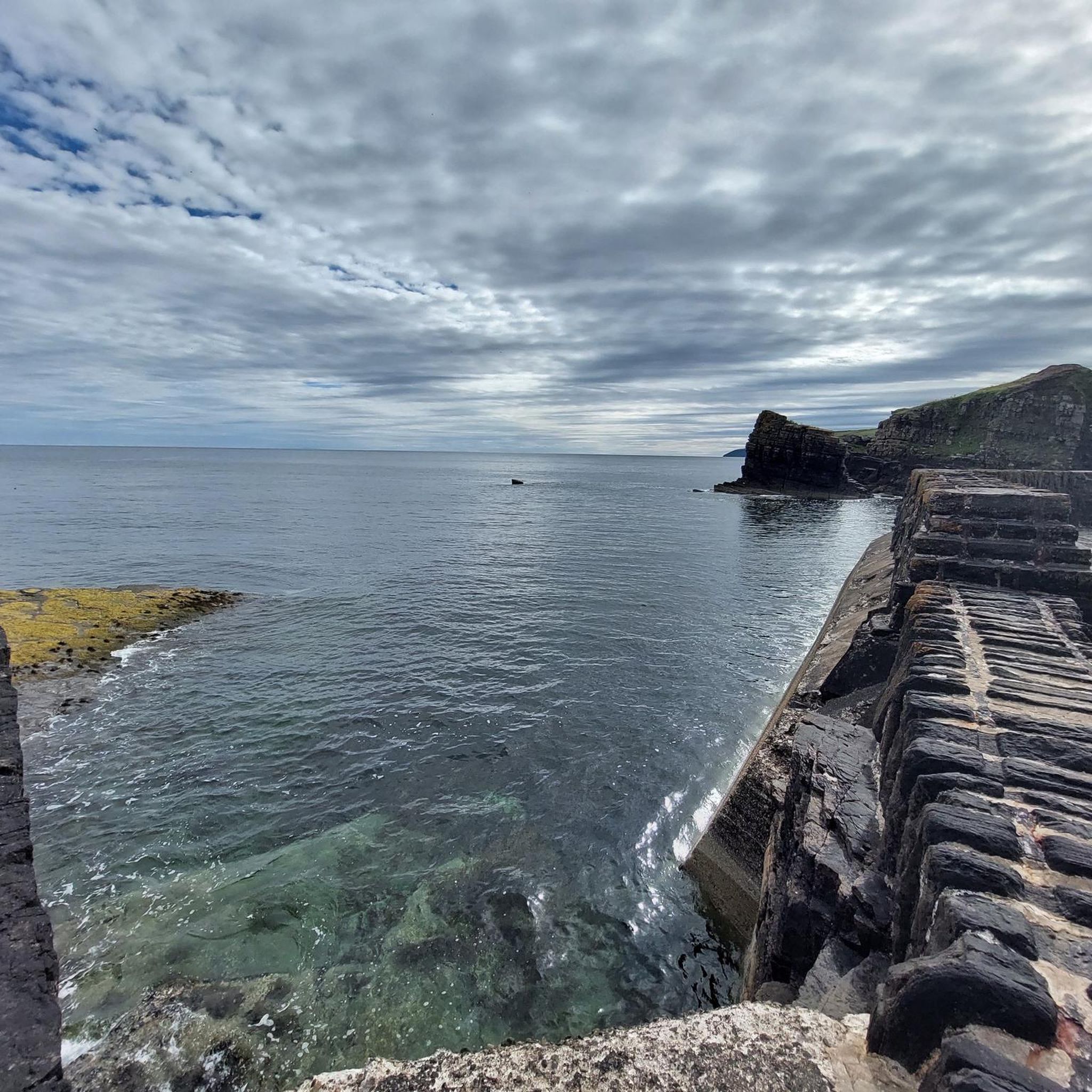
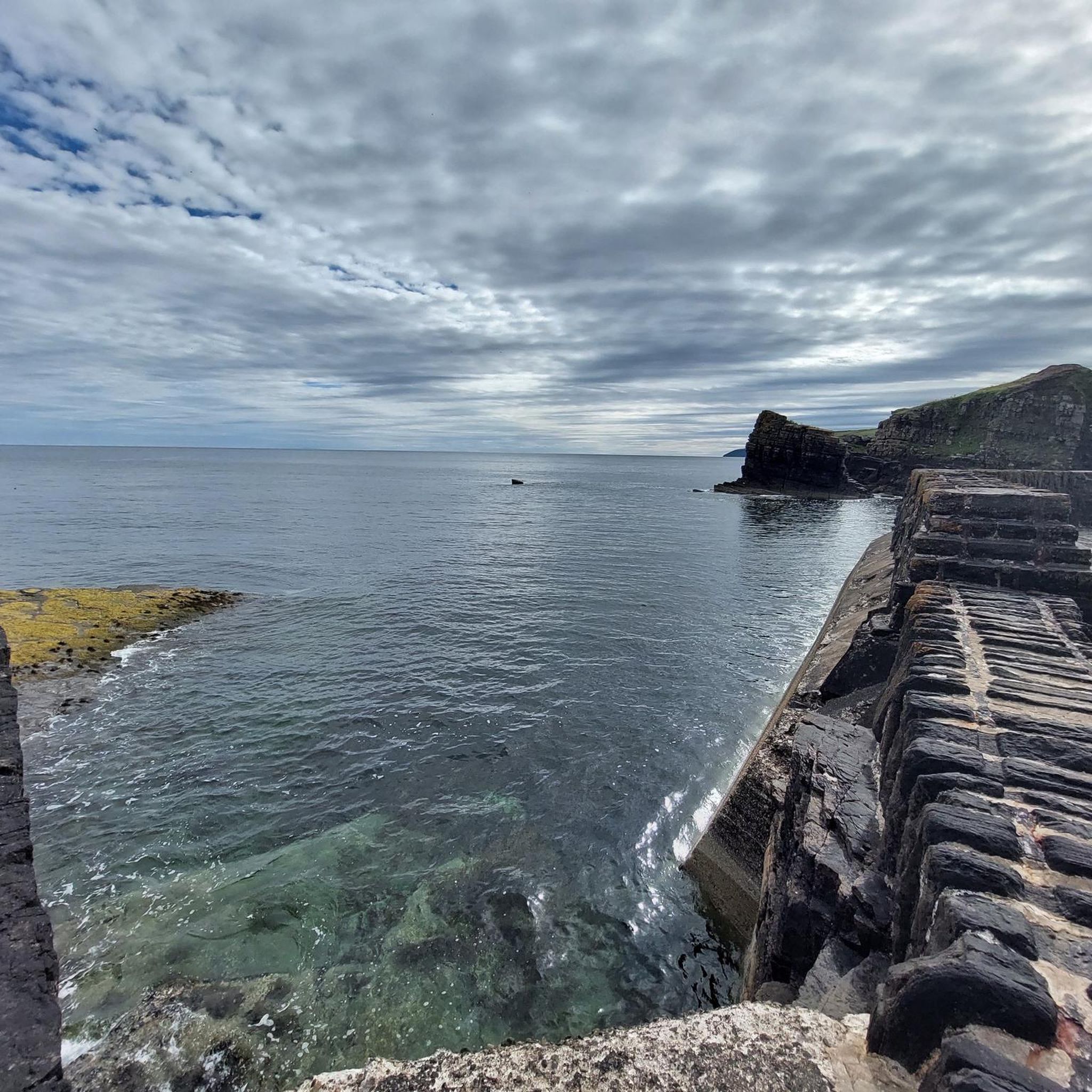
- The most popular attractions is Whaligoe Steps, an other man-made site featuring 330 stone steps cut into the cliff face. This painstakingly maintained staircase leads down to a hidden harbor.
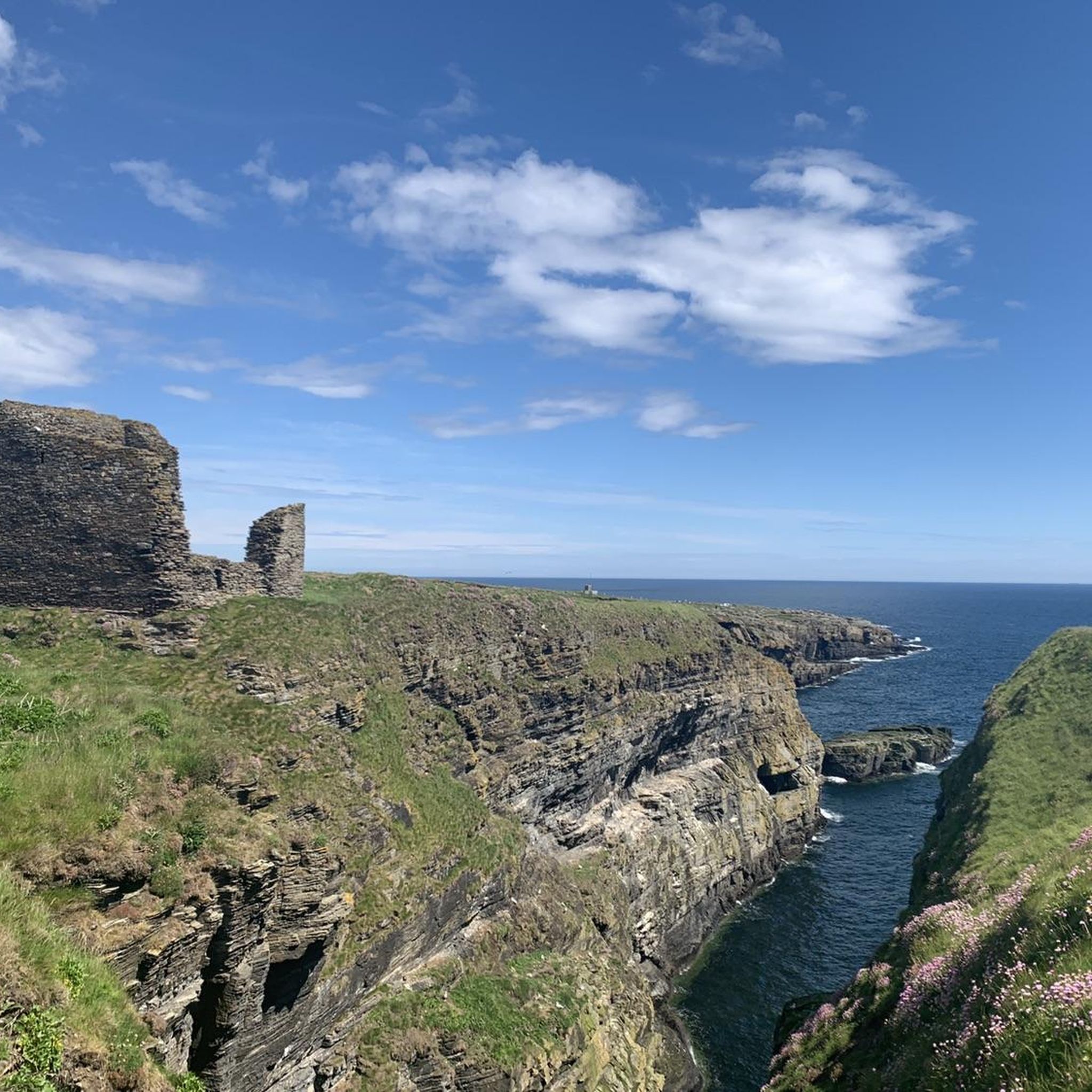
- Another must-see spot is Old Wick Castle, a historic castle believed to be one of Scotland's oldest, dating back to the 1100s. The castle ruins are perched on a rocky outcrop.
- Visitors also love The Trinkie Sea Water Pool, a natural seawater pool created from part of a quarry. An active heritage society maintains the pool for outdoor swimming.
- East Caithness Cliffs Marine Protected Area is known for its historical sites, natural monuments, and unique coastal features. The region offers a variety of attractions to see and explore, from ancient castles to dramatic sea stacks and arches.
- The attractions around East Caithness Cliffs Marine Protected Area are appreciated by the komoot community, with 29 upvotes and 65 photos shared across 6 highlights.
Last updated: July 6, 2026
Whaligoe Steps
Highlight • Structure
Translated by Google •
Tip by

Old Wick Castle
Highlight • Castle
The castle is perched on a rocky outcrop of land, surrounded in the summer by gorgeous wildflowers. Your can take a side trail right up to the remains of the castle and even step 'inside' what's left of it. Well worth a visit.
Tip by

Sign up now to discover places like this
Get recommendations on the best single tracks, peaks, & plenty of other exciting outdoor places.
Sign up for free
The Trinkie Sea Water Pool
Highlight • Natural
Translated by Google •
Tip by
Stack o' Brough Natural Arch
Highlight • Natural Monument
Tip by

Kenn Statue at Dunbeath Harbour
Highlight • Monument
This moment is not just a catch, but a deeply symbolic turning point in Kenn's life. As he retrieves the salmon, he feels connected to his ancestors and to nature. The book follows Kenn's search for the source of the river, which simultaneously symbolizes the source of life and self-understanding. The salmon he carries represents not only his childhood triumph and happiness, but also a fundamental discovery about himself and the world.
The statue, erected in 1991 to commemorate the centenary of Neil M. Gunn's birth, was designed by sculptor Alex Main. It symbolizes the resilience, connection to the landscape, and deep reflection on life that are central to Gunn's work and philosophy.
Thus, the story behind the statue is one of youthful exuberance, a legendary salmon, and ultimately, the search for who you truly are—all within the context of the rugged and beautiful landscape of Caithness, around Dunbeath Harbour.
Translated by Google •
Tip by

Sign up for free to discover even more attractions around East Caithness Cliffs Marine Protected Area.
Sign up for free
Already have an account?
Start today with a free account
Your next adventure awaits.
Login or Signup
Popular around East Caithness Cliffs Marine Protected Area
Tips from the Community

Not much to see anymore, but you can get in.
0
0
A very steep staircase leads down. Unfortunately, no lift back up.
0
0

In the immediate vicinity there is a trattoria that serves locally caught fish products.
0
0

This sculpture at Dunbeath Harbor depicts a boy, Kenn, carrying a salmon. It is inspired by the famous book "Highland River" by Neil M. Gunn, who was born in Dunbeath. Kenn is the nine-year-old protagonist of the book. The scene depicts the moment when Kenn, with his bare hands, catches a giant salmon from the river and brings it home—a pivotal moment in his childhood and the beginning of the story. This moment is not just a catch, but a deeply symbolic turning point in Kenn's life. As he retrieves the salmon, he feels connected to his ancestors and to nature. The book follows Kenn's search for the source of the river, which simultaneously symbolizes the source of life and self-understanding. The salmon he carries represents not only his childhood triumph and happiness, but also a fundamental discovery about himself and the world. The statue, erected in 1991 to commemorate the centenary of Neil M. Gunn's birth, was designed by sculptor Alex Main. It symbolizes the resilience, connection to the landscape, and deep reflection on life that are central to Gunn's work and philosophy. Thus, the story behind the statue is one of youthful exuberance, a legendary salmon, and ultimately, the search for who you truly are—all within the context of the rugged and beautiful landscape of Caithness, around Dunbeath Harbour.
1
0

The stairs are quite steep, so you should not be afraid of heights.
0
0

The path to the viewpoint is now very easy, you no longer have to go around the valley (there is a comfortable path with wooden steps and a bridge). However, there can be a nasty wind at the top of the ledge, there are no railings!
0
0

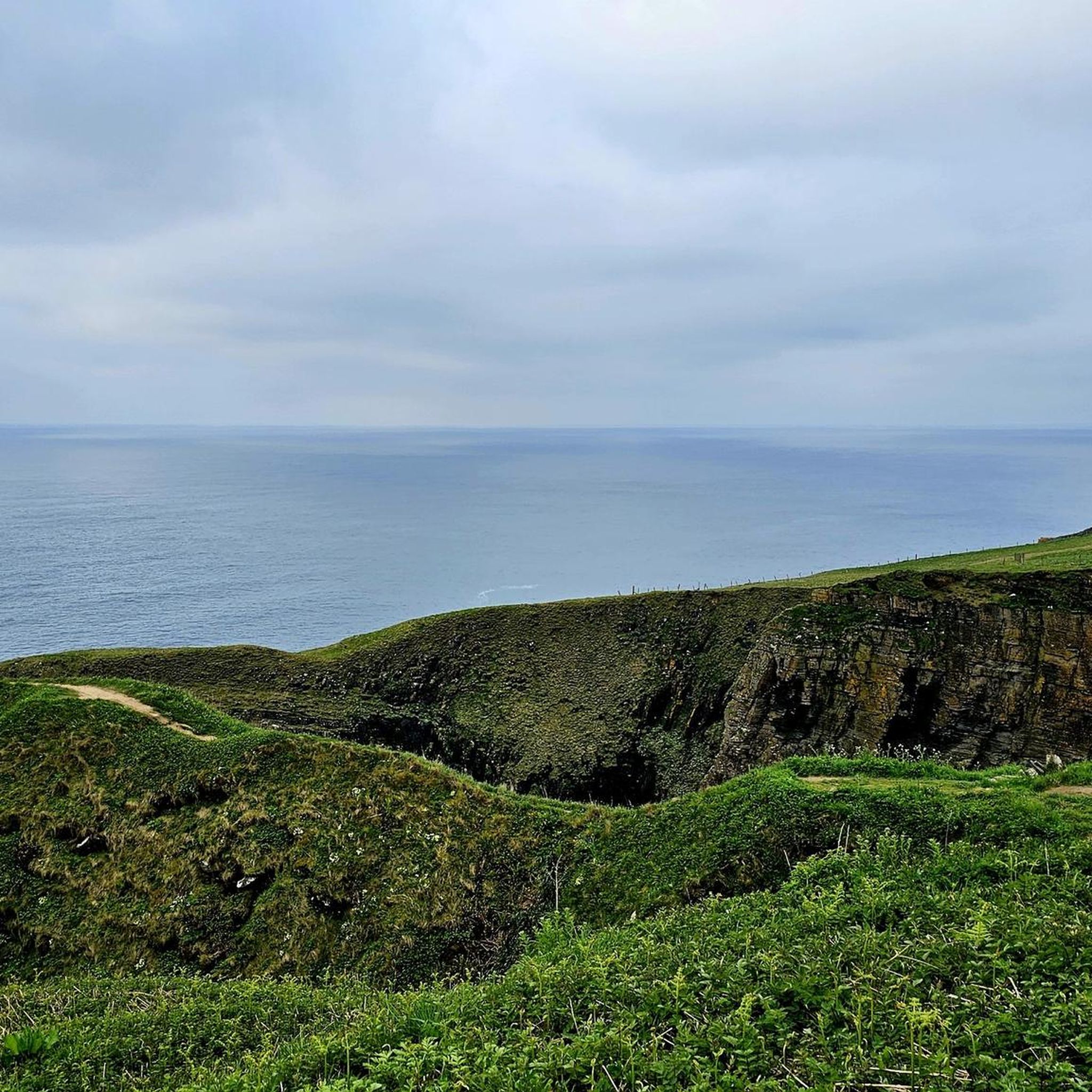
Locally known as "Scorrie's Island", the Stack o'Brough is a unique, tall rock rising out of the North Sea, with its' defining characteristic being the large tunnel hole from front to back.
0
0
Frequently Asked Questions
What natural features can I explore along the East Caithness Cliffs?
The region is renowned for its dramatic sandstone cliffs, which can reach up to 150 meters at Berriedale. You can also discover unique formations like the Stack o' Brough Natural Arch, known locally as "Scorrie's Island" for its distinctive tunnel-like hole, and the impressive Geo and Sea Arch at Duncansby Head.
Are there historical sites to visit in the East Caithness Cliffs area?
Yes, the area is rich in history. A prominent site is Old Wick Castle, believed to be one of Scotland's oldest castles, dating back to the 1100s. Another unique historical landmark is the Whaligoe Steps, a series of 330 stone steps cut into the cliff face, originally used by fishermen.
What kind of wildlife can I expect to see?
The East Caithness Cliffs Marine Protected Area is internationally important for its seabird populations, hosting up to 300,000 individuals during breeding season. You can spot common guillemots, razorbills, black-legged kittiwakes, northern fulmars, and peregrine falcons. The area is particularly significant for black guillemots. Puffin Cove (Drumhollistan) is also home to a large puffin colony.
Are there opportunities for outdoor swimming?
Yes, The Trinkie Sea Water Pool is a popular spot for outdoor swimming. This natural seawater pool was created about 70 years ago from part of a quarry and is actively maintained by a local heritage society.
What are some good hiking trails near the East Caithness Cliffs attractions?
You can find various hiking options. For easy walks, consider routes like the one from Whaligoe to Cairn o' Get & Whaligoe Steps, or the Dunbeath Village to Dunbeath Broch via Dunbeath Strath Heritage Trail. More options are available in the Easy hikes around East Caithness Cliffs Marine Protected Area guide.
Can I go cycling in the area?
Absolutely. The region offers several cycling routes, such as a loop of Rumster Forest, Lybster & Latheron, or a longer ride covering John O'Groats & Dunnet Bay from Wick. You can explore more options in the Cycling around East Caithness Cliffs Marine Protected Area guide.
What is the best time of year to visit the East Caithness Cliffs?
The breeding season for seabirds, typically from spring through summer, offers the best opportunities for wildlife spotting, with hundreds of thousands of birds nesting along the cliffs. Wildflowers also bloom in the summer, enhancing the scenery around sites like Old Wick Castle.
Are there any hidden gems or less-known historical sites?
Yes, Bucholly Castle, situated south of Duncansby Head, is a ruinous castle perched atop a 100-foot-tall stack called Castle Geo. It's considered a hidden gem as it's not visible from public roads, offering a more secluded historical experience.
What kind of views can I expect from the viewpoints?
The viewpoints along the East Caithness Cliffs offer dramatic coastal vistas, showcasing the rugged sandstone cliffs, sea stacks, and arches carved by the sea. From locations like Old Wick Castle and Whaligoe Steps, you'll get panoramic views of the North Sea and the unique geological formations.
Are there opportunities for running or trail running?
Yes, the area provides several running trails. You can find routes like The Trinkie Sea Water Pool loop from Wick or the Wick Harbour Lighthouse loop. For more detailed information and routes, refer to the Running Trails around East Caithness Cliffs Marine Protected Area guide.
What makes the East Caithness Cliffs important ecologically?
The East Caithness Cliffs Marine Protected Area is a significant ecological site, particularly for its seabird populations. It is the most important area on the east coast of the UK for black guillemots, with over 1,500 breeding pairs annually, alongside other key species like puffins, razorbills, and guillemots.
Most popular routes around East Caithness Cliffs Marine Protected Area
Most popular attractions around East Caithness Cliffs Marine Protected Area

Get inspired with the komoot mobile app


Explore more
Still not found the Highlight you’re looking for? See guides of the top attractions in other regions:
