Attractions and Places To See around ZPE Cabo Espichel - Top 17
Best attractions and places to see around ZPE Cabo Espichel, located on Portugal's western coast, is an area defined by dramatic cliffs, unique natural features, and significant historical sites. This region offers a blend of geological wonders, cultural landmarks, and expansive views over the Atlantic Ocean. It is part of several environmental protection areas, highlighting its ecological importance.
Best attractions and places to see around ZPE Cabo Espichel
- The most popular attractions is Lagosteiros Natural Monument, a natural monument…
Last updated: August 30, 2026
Cape Espichel Lighthouse
Highlight • Monument
Translated by Google •
Tip by

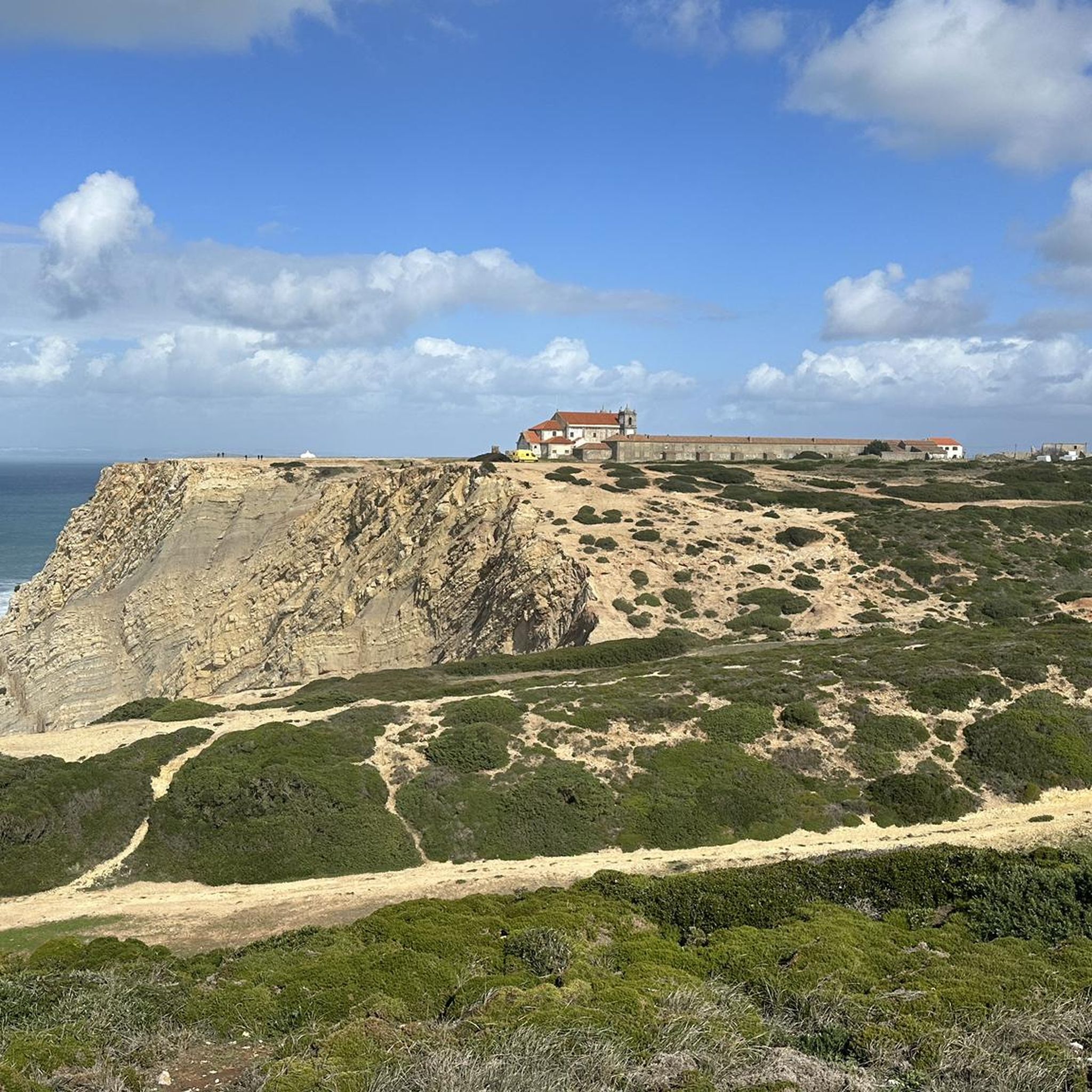
Sanctuary of Our Lady of Cape Espichel
Highlight • Religious Site
The church is incredibly beautiful inside. Unfortunately, photography is not allowed.
Translated by Google •
Tip by

Sign up now to discover places like this
Get recommendations on the best single tracks, peaks, & plenty of other exciting outdoor places.
Sign up for free
Hermitage of Memory
Highlight • Religious Site
Translated by Google •
Tip by
Lagosteiros Natural Monument
Highlight • Natural Monument
Translated by Google •
Tip by

Fort of Saint Dominic of Baralha
Highlight • Historical Site
Translated by Google •
Tip by
Sign up for free to discover even more attractions around ZPE Cabo Espichel.
Sign up for free
Already have an account?
Start today with a free account
Your next adventure awaits.
Login or Signup
Tips from the Community

Built in the 18th century, it is an eye-catcher with its baroque architecture and the typical blue and white tiles in which some icons were also kept.
2
0

For many centuries, the Portuguese coast was known to foreign ships, especially English ones, as the “black coast”, as there was no lighting system to aid navigation. At the end of the 18th century, the Marquis of Pombal ordered the construction of a network of lighthouses to make it safer, including the one at Cabo Espichel, one of the oldest in Portugal, built in 1790.
6
0

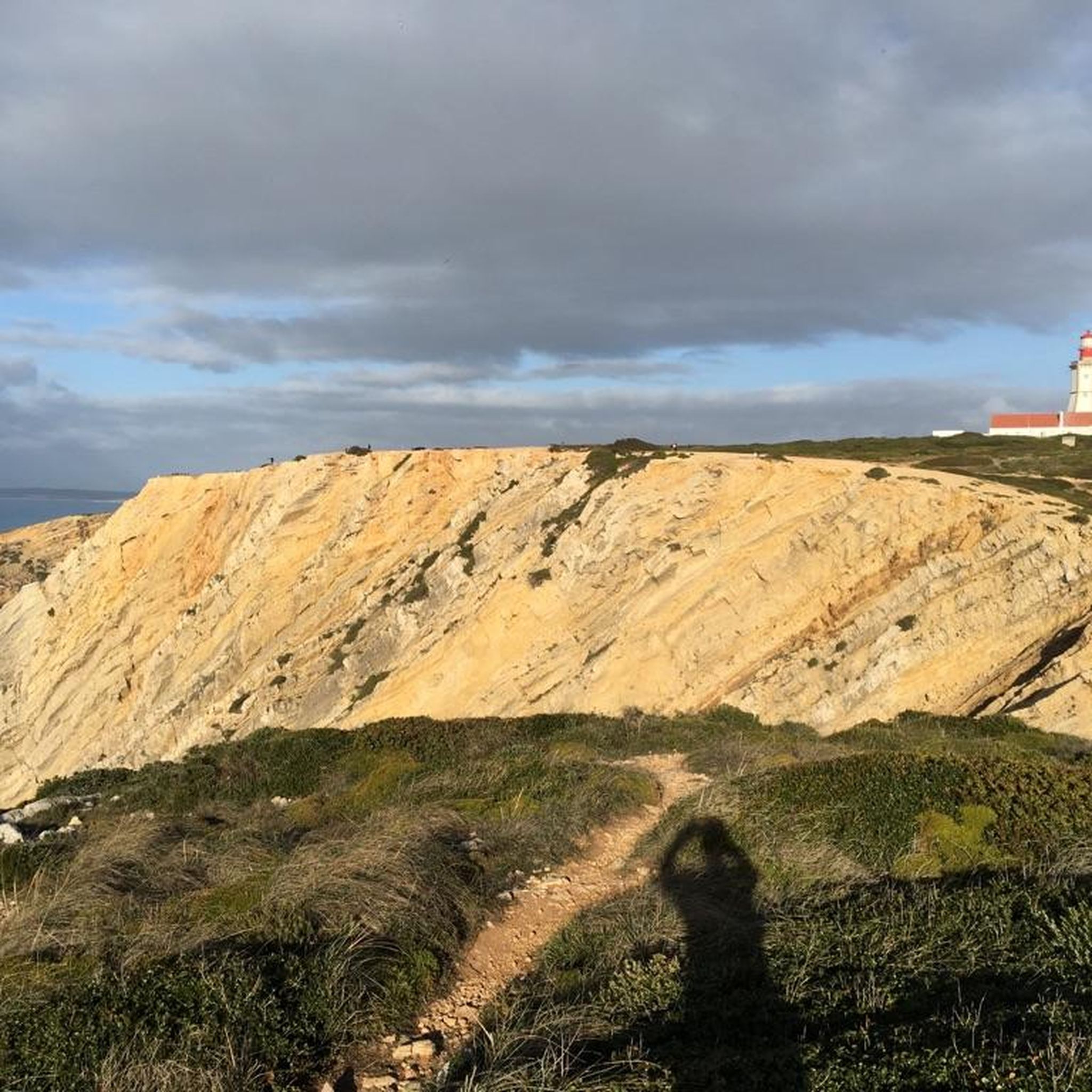
At the top of the cliff that embraces Lagosteiros beach, a piece of prehistory stands the test of time: the Lagosteiros Natural Monument. Traces left by dinosaurs over 130 million years ago can still be seen imprinted in the yellowish limestone. Among the various fossilized trails, one stands out, measuring an impressive 50 meters long, a true trace of the past, engraved in stone.
5
0

There is news that as early as 1430 the brotherhood of Our Lady of the Cape had installed a lighthouse that was the predecessor of the current lighthouse. The current tower was inaugurated in 1790, in 1865 it was fueled by oil, changing fuel in 1886, when its light began to be powered by incandescent petroleum vapour and, much later in 1926, by electricity. In 1983 this lighthouse had a lighting device installed, called a first order, which emitted light in groups of four white flashes, instead of the old fixed light system. With this new system it now had a luminous range of twenty-eight nautical miles (forty-five kilometres). The support structure for the lighthouse was extended to the sides around 1900. In 1947 a new era in terms of lighting was entered. An aero-maritime optical device was installed, which had previously been in service with the Cabo da Roca Lighthouse. This new dioptic - catadioptic optic called fourth order, a large model, has a focal length of thirty centimeters, producing single flashes, now with a luminous range of forty-two nautical miles (about sixty-seven kilometers).
6
0
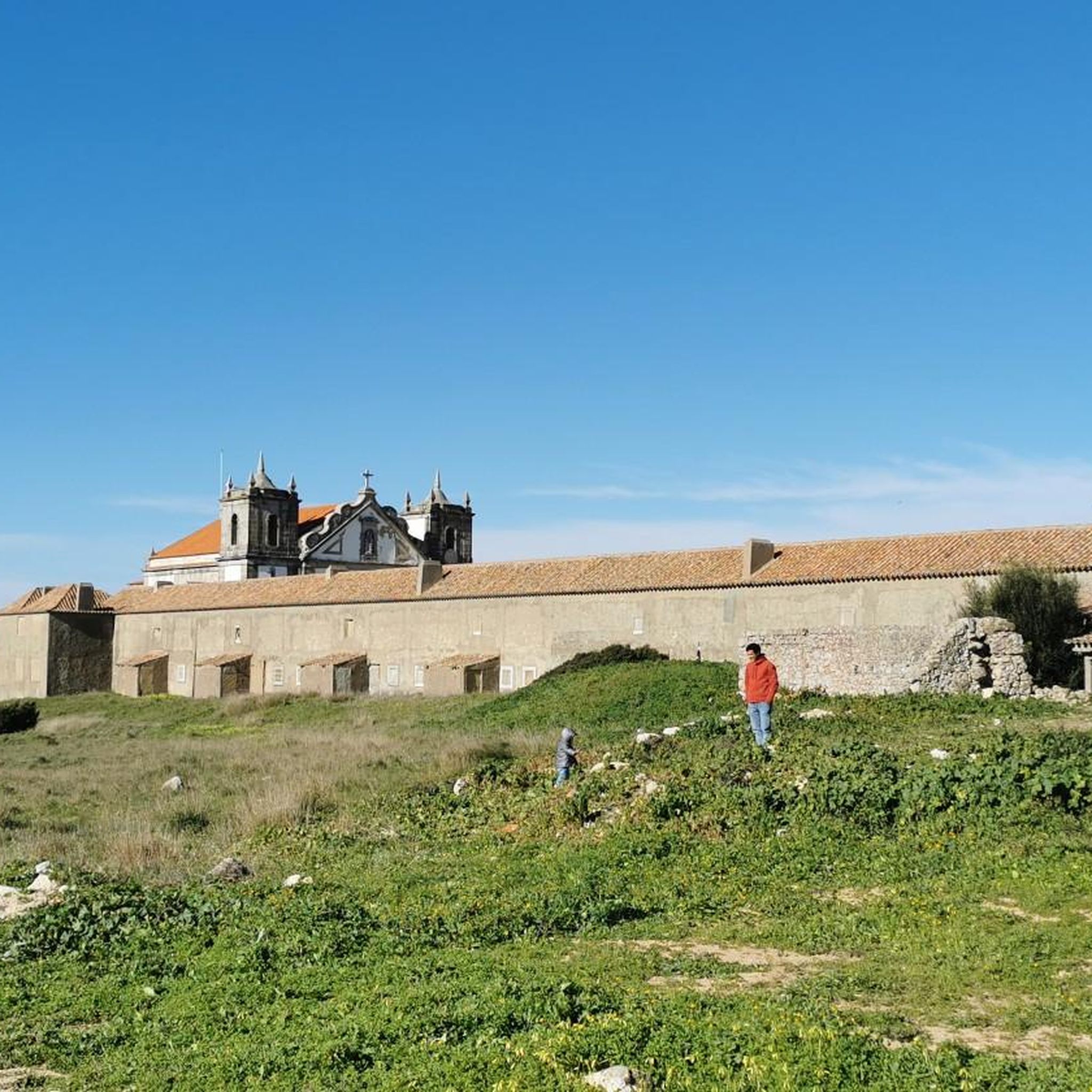
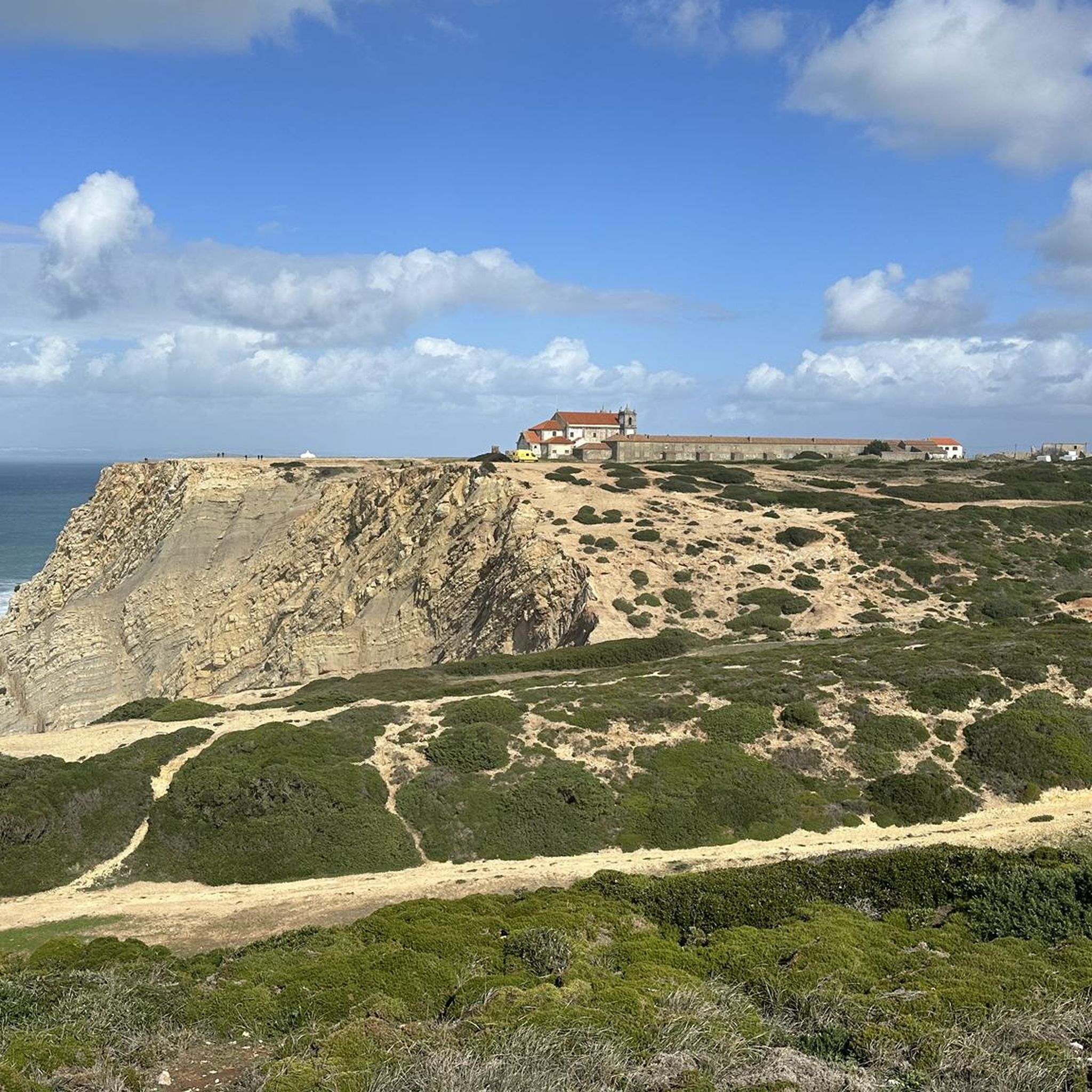
Its origins date back at least to the 14th century, to a document from the chancellery of D. Pedro I, dated 1366, which refers to the pilgrimage routes to Santa Maria do Cabo. However, according to oral tradition, the discovery of the image of Our Lady on the promontory by two old men from Caparica and Alcabideche, who had been warned by Heaven in similar dreams, only occurred in the year 1410. The 15th century therefore marked a major development of the Sanctuary. During this period, the Ermida da Memória was built, as well as the original Church. The high influx of pilgrims to the site, guided by the constitution of the Brotherhood of Our Lady of Cabo in 1432, led to the construction of the main buildings that today make up the architectural complex between 1701 and 1770: Casa da Água; Church; Aqueduct; Mãe d’Água/Poço Velho da Azóia; Wells; Casa da Lenha, Casa da Ópera; Inns; Three Pilgrimage Cruises and Arrival Cruise. With the Napoleonic invasions, the cult began to gradually decline, which was halted, however, by several restoration works carried out over the last few decades. Currently, the cult at the Sanctuary of Our Lady of Cabo Espichel is alive, particularly through the celebrations of the Azoia, Palmela and Sesimbra candlelight festivals, whose festivities take place in the months of March and April and August and September, respectively.
2
0
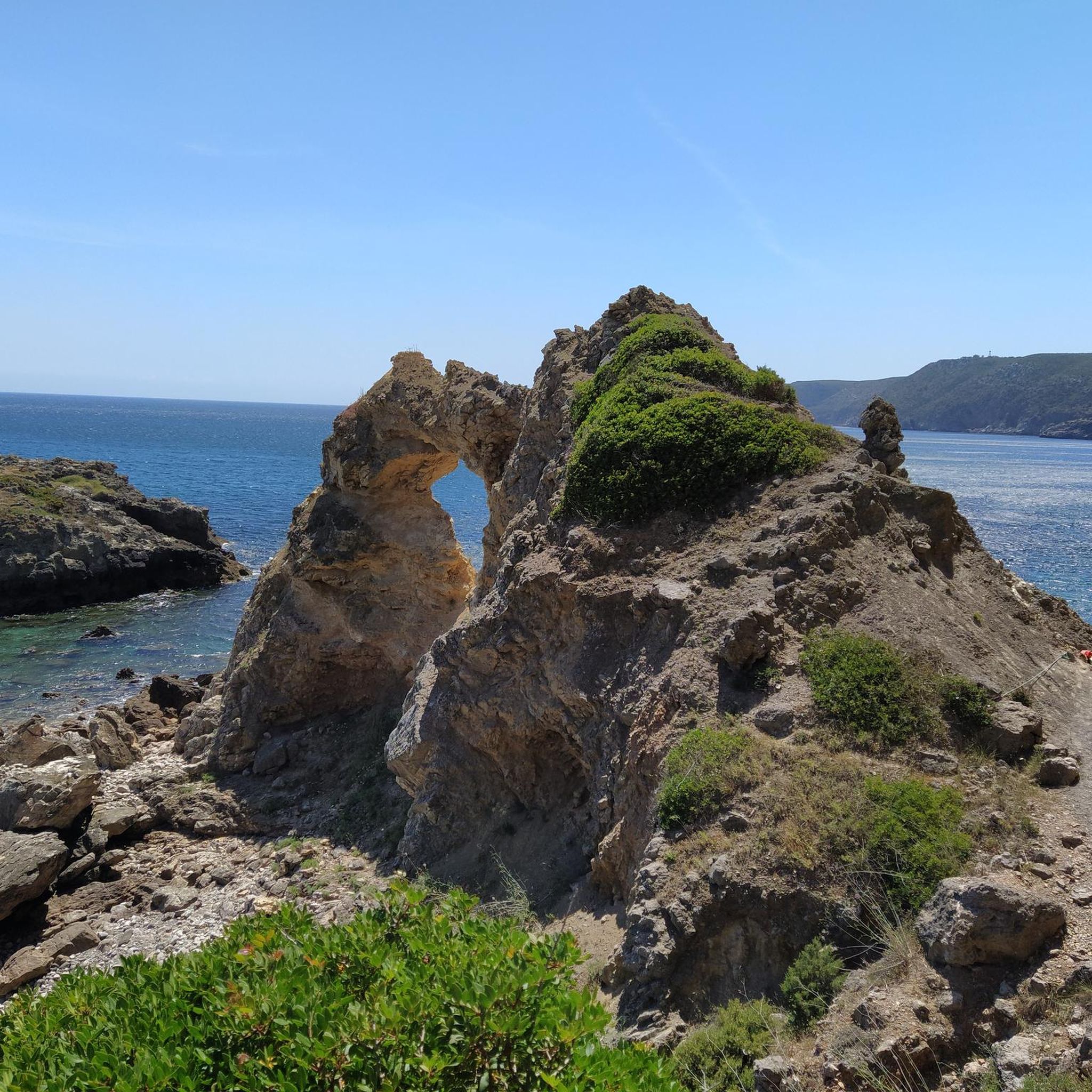
The Fort of São Domingos da Baralha or Forte da Baralha is located next to Praia da Baleeira, between Cabo Espichel and Sesimbra, in the District of Setúbal, Portugal. It was built in the 17th century, as part of the kingdom's defensive strategy implemented by D. João IV, and was begun during the reign of D. Afonso VI, thus contributing to the protection and surveillance of the coast. Considered at the time to be the first defence of the Arrábida coast, this fort is currently abandoned and in ruins.
7
0

This is Cabo Espichel! https://www.portugal360.de/urlaub-reisen/sehenswuerdigkeiten/cabo-espichel
2
0

There has always been a lighthouse at Cabo Espichel since 1430. In 1790, the white and red tower of the Farol do Cabo Espichel, which is now 32 meters high, was renovated and technically equipped. From then on, sailors saw his light up to 48 kilometers out to sea.
6
5
Frequently Asked Questions
What historical and cultural landmarks can I explore in ZPE Cabo Espichel?
ZPE Cabo Espichel is rich in history. You can visit the significant Sanctuary of Our Lady of Cape Espichel, a pilgrimage destination since the 14th century with a beautiful Baroque church. Don't miss the Cape Espichel Lighthouse, one of Portugal's oldest operational lighthouses, offering panoramic views. The tiny Hermitage of Memory, built on the legendary spot of a Virgin Mary apparition, is also a must-see.
Where can I see dinosaur footprints in ZPE Cabo Espichel?
The cliffs of Cabo Espichel are famous for fossilized dinosaur footprints. The Lagosteiros Natural Monument is a key site where you can see tracks left by dinosaurs over 130 million years ago, imprinted in the yellowish limestone. Another notable site is Pedra da Mua, visible below the Hermitage of Memory, which contains tracks from sauropods.
What natural features and viewpoints should I visit in ZPE Cabo Espichel?
The region is renowned for its dramatic limestone cliffs, rising over 100 meters above the Atlantic. These provide breathtaking panoramic views, especially at sunset. From the cape, you can enjoy sweeping vistas extending to Cascais, the Sintra Mountains, and the Caparica coast to the north, and south towards the beaches of Tróia and Sines. The geological formations themselves, cutting through Late Jurassic and Early Cretaceous strata, are also a natural highlight.
Are there hiking trails around ZPE Cabo Espichel?
Yes, the landscape around the cape is ideal for hiking, with several marked trails offering unforgettable experiences. Popular options include the 'Dinosaur Route' for exploring fossils and natural landscapes, and trails leading to Praia das Bicas. You can find various hiking routes, including moderate and easy options, on the Hiking around ZPE Cabo Espichel guide.
What other outdoor activities can I do near the attractions?
Beyond hiking, ZPE Cabo Espichel offers opportunities for other outdoor sports. You can explore various running trails, ranging from moderate to difficult, or enjoy road cycling routes with varying difficulty levels, offering scenic views of the coast and surrounding areas.
Is ZPE Cabo Espichel suitable for families with children?
Yes, ZPE Cabo Espichel offers several family-friendly attractions. Children will particularly enjoy discovering the dinosaur footprints at the Lagosteiros Natural Monument. The dramatic cliffs and the Cape Espichel Lighthouse also provide engaging sights for all ages. Many of the historical sites, like the Sanctuary of Our Lady of Cape Espichel, are accessible and offer interesting stories.
When is the best time to visit ZPE Cabo Espichel?
Cabo Espichel can be visited year-round, but the spring and autumn months (April-May and September-October) generally offer pleasant weather for outdoor activities like hiking and sightseeing, avoiding the peak summer heat and crowds. The dramatic cliffs and views are stunning in any season, but clear days provide the best visibility.
Are there any unique geological formations to observe?
Absolutely. The cliff faces at Cabo Espichel are a geological marvel, cutting through strata of Late Jurassic and Early Cretaceous age. These formations consist of limestone, clayey limestone, marl, and sandstone, providing a natural cross-section of Earth's history. This area is part of several environmental protection zones, underscoring its ecological and geological significance.
Can I spot wildlife in the area?
Yes, ZPE Cabo Espichel is designated as an Espichel Special Protection Zone, making it a refuge for various species, particularly seabirds. Birdwatching enthusiasts will find it a good spot to observe coastal avian life. The area's protected status highlights its importance for biodiversity.
What is the significance of the Casa da Água and Royal Aqueduct?
The Casa da Água (Water House) and its aqueduct are historical structures that were part of the Sanctuary of Our Lady of Cape Espichel complex. They were built to supply essential water to the pilgrims and the sanctuary, showcasing the infrastructure developed to support the large numbers of visitors to this important religious site.
Is there public transport available to Cabo Espichel?
While the area is best explored by car for flexibility, there are some public transport options, primarily bus services, connecting to the region from nearby towns like Sesimbra. However, schedules can be limited, especially outside of peak season. It's advisable to check local bus timetables in advance for the most up-to-date information.
Where can I find parking at Cabo Espichel?
Parking is generally available near the main attractions, including the Sanctuary of Our Lady of Cape Espichel and the Cape Espichel Lighthouse. During peak season or on weekends, these areas can get busy, so arriving earlier in the day is recommended to secure a spot.
Most popular routes around ZPE Cabo Espichel
Most popular attractions around ZPE Cabo Espichel

Get inspired with the komoot mobile app


Explore more
Still not found the Highlight you’re looking for? See guides of the top attractions in other regions:
