The best traffic-free bike rides around Bad Soden-Salmünster
4.4
(12)
191
riders
73
rides
Gravel biking around Bad Soden-Salmünster offers a diverse landscape of rolling hills, dense forests, and river valleys, ideal for varied cycling experiences. The region is situated within the Spessart Nature Park, providing extensive networks of trails and forestry roads. Cyclists can explore the scenic Kinzig Valley with its riverside paths and the heights of the Vogelsberg Mountains, which offer panoramic views. Many routes feature a mix of asphalted, gravel, forest, and meadow trails, making them suitable for no traffic gravel…
Last updated: May 15, 2026
11
riders
52.1km
03:24
890m
890m
Hard gravel ride. Very good fitness required. Mostly paved surfaces. Suitable for all skill levels.
14
riders
32.9km
02:36
630m
630m
Hard gravel ride. Very good fitness required. Mostly paved surfaces. Suitable for all skill levels.

Sign up for free
8
riders
36.6km
02:31
590m
590m
Hard gravel ride. Very good fitness required. You may need to push your bike for some segments of this route.
4.0
(1)
10
riders
35.2km
02:06
400m
400m
Hard gravel ride. Good fitness required. You may need to push your bike for some segments of this route.
2
riders
Hard gravel ride. Very good fitness required. You may need to push your bike for some segments of this route.
Get access to more routes and recommendations from other explorers.
Sign up for free
Already have an account?
Our route recommendations are based on thousands of hikes, rides, and runs completed by other people on komoot.
Start today with a free account
Your next adventure awaits.
Login or Signup
Popular around Bad Soden-Salmünster
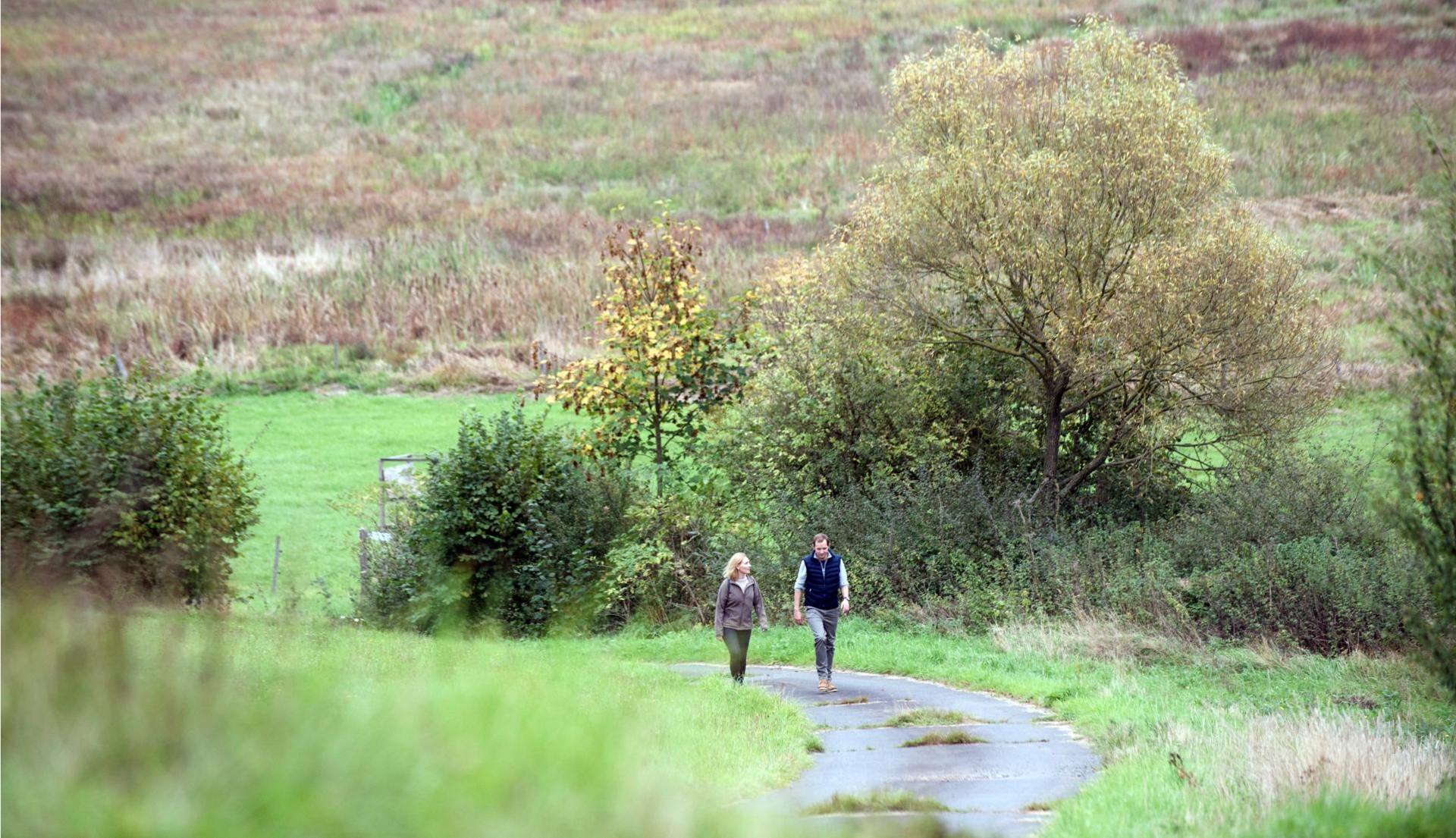
Pleasure hiking in the Spessart: trails that taste as good as they look

Winter adventures by public transport – hikes for the whole family
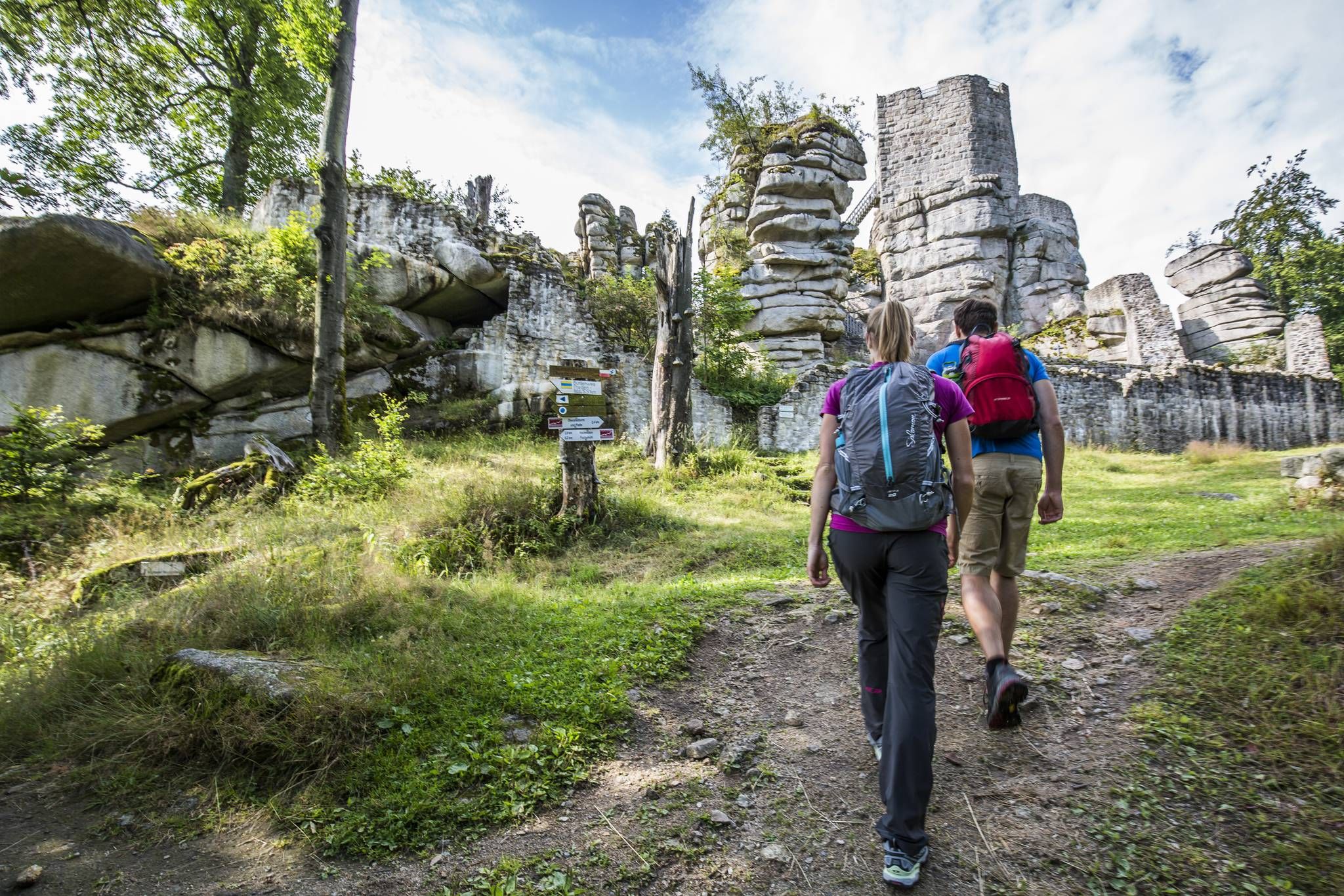
Thousands of kilometres of hiking fun – long-distance hiking trails in Bavaria
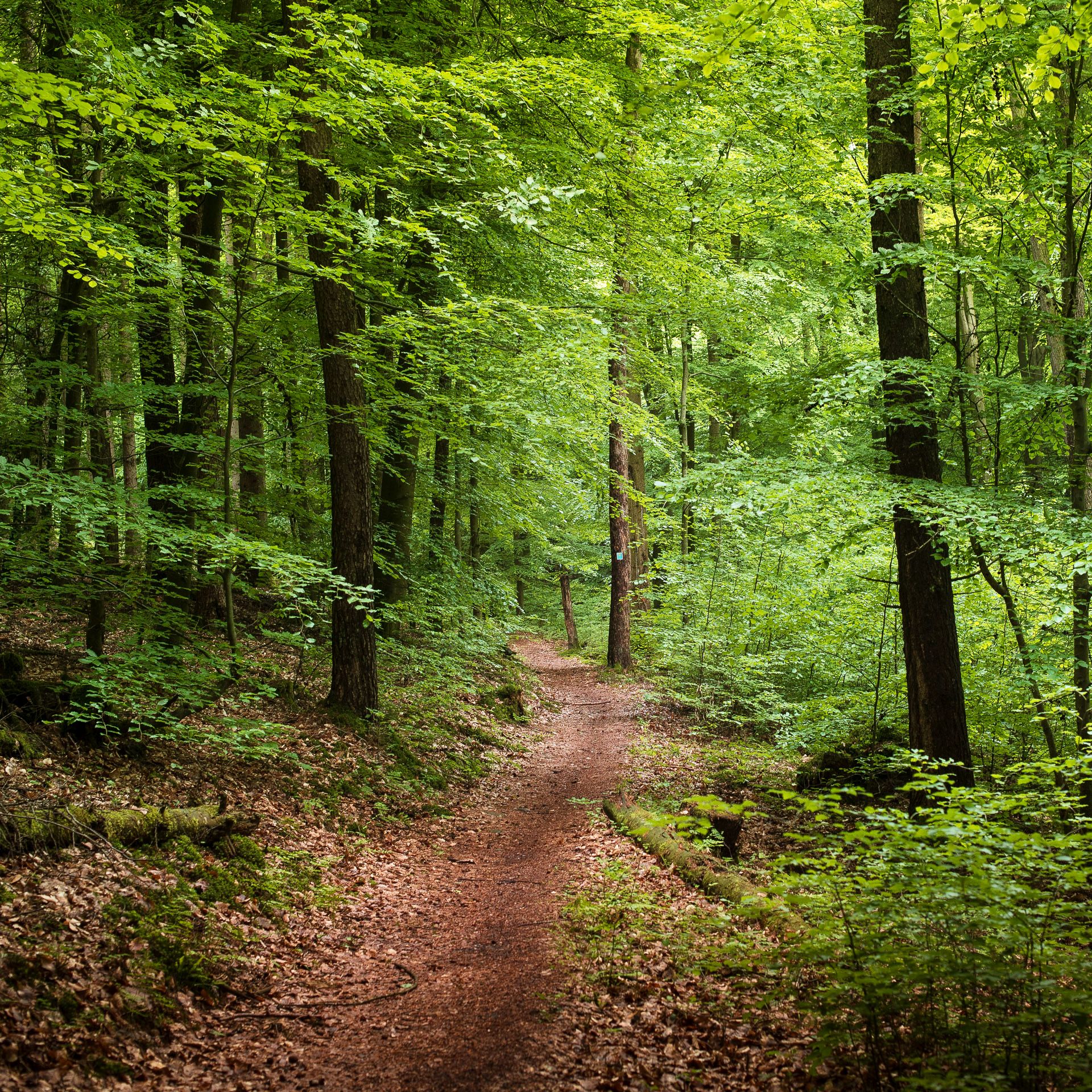
Endless forests, flowing trails – MTB in Germany’s Spessart region
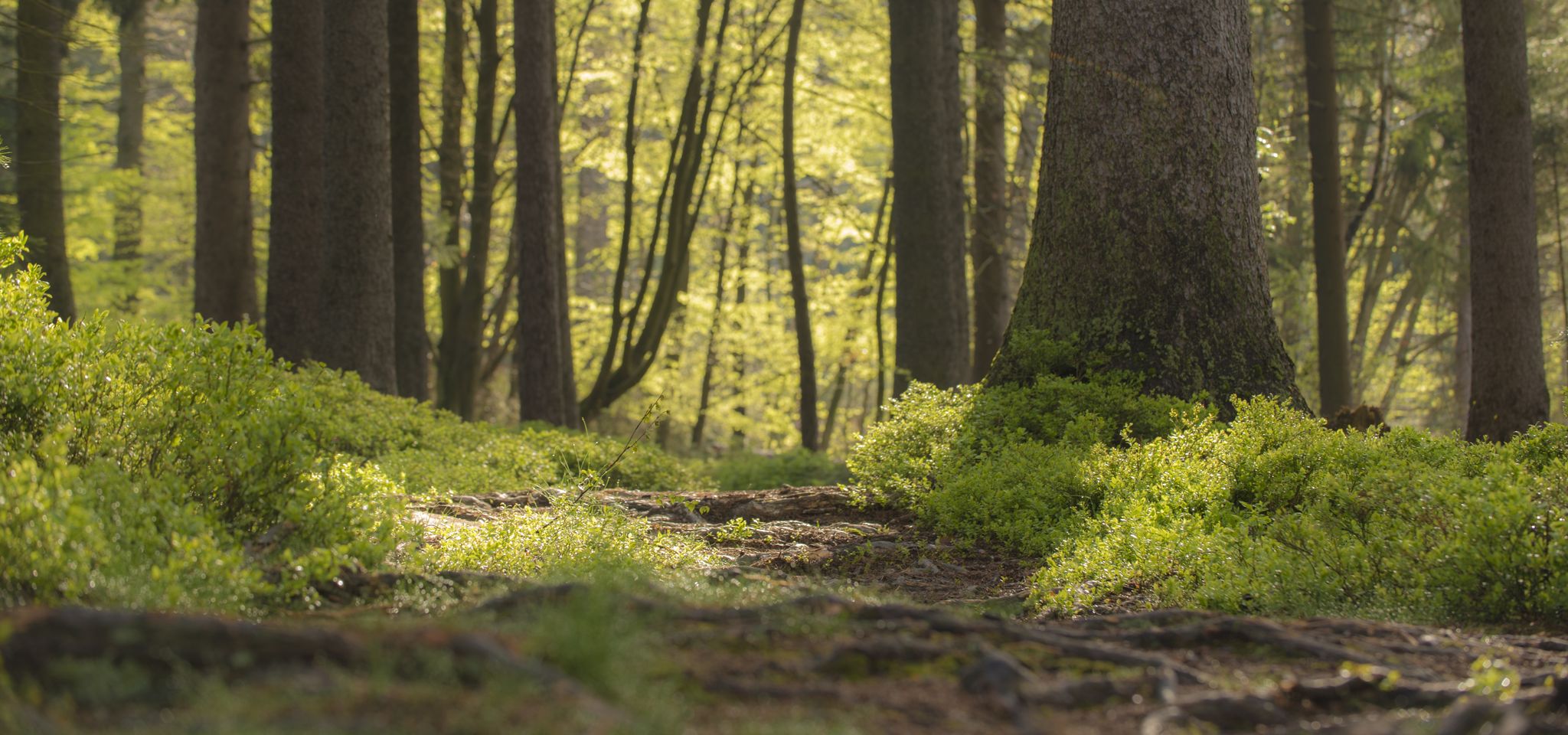
Mountain biking in the Spessart – Awesome trails in Germany
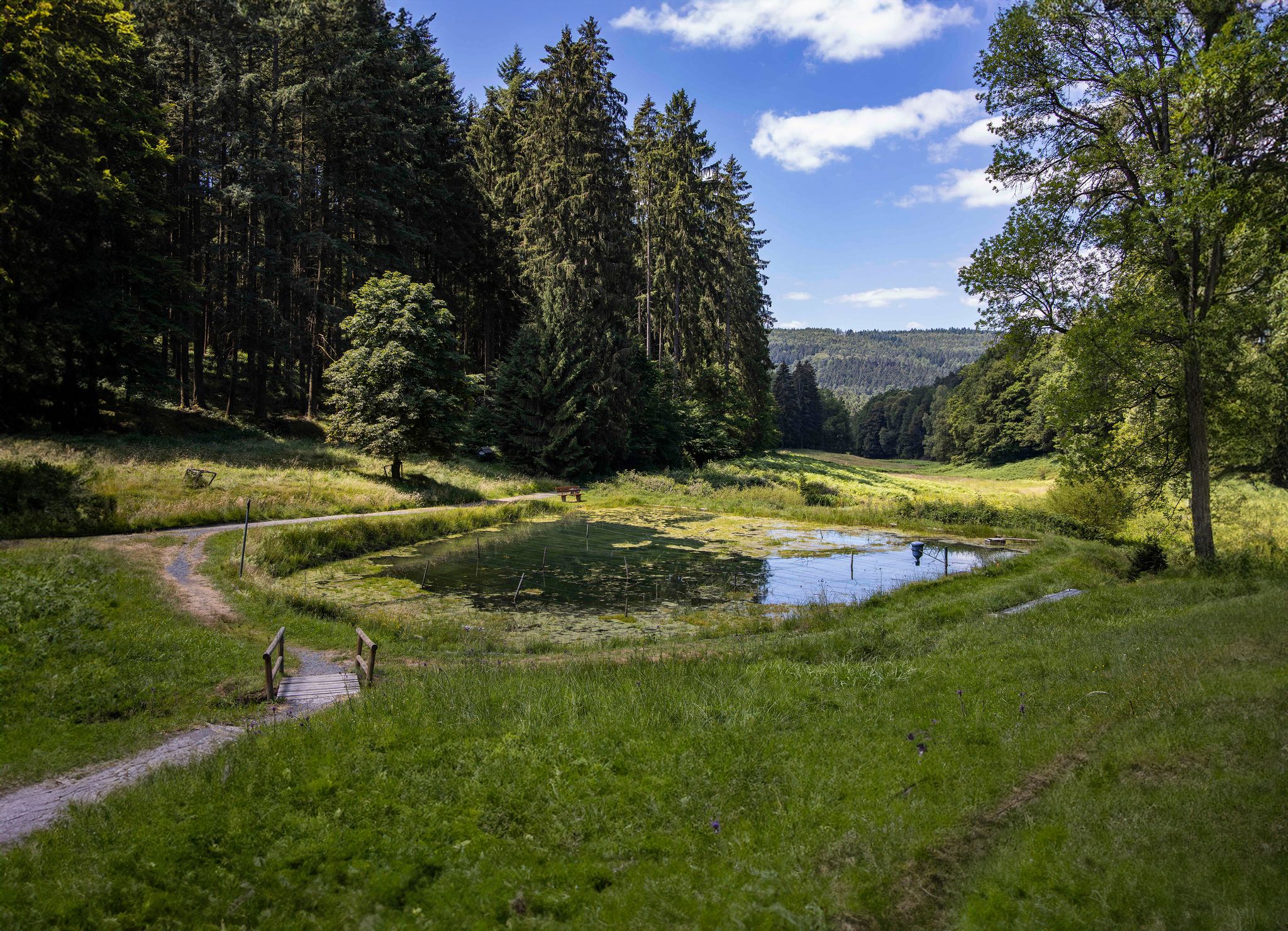
Hike through one of Germany’s greatest forests – Spessart 3
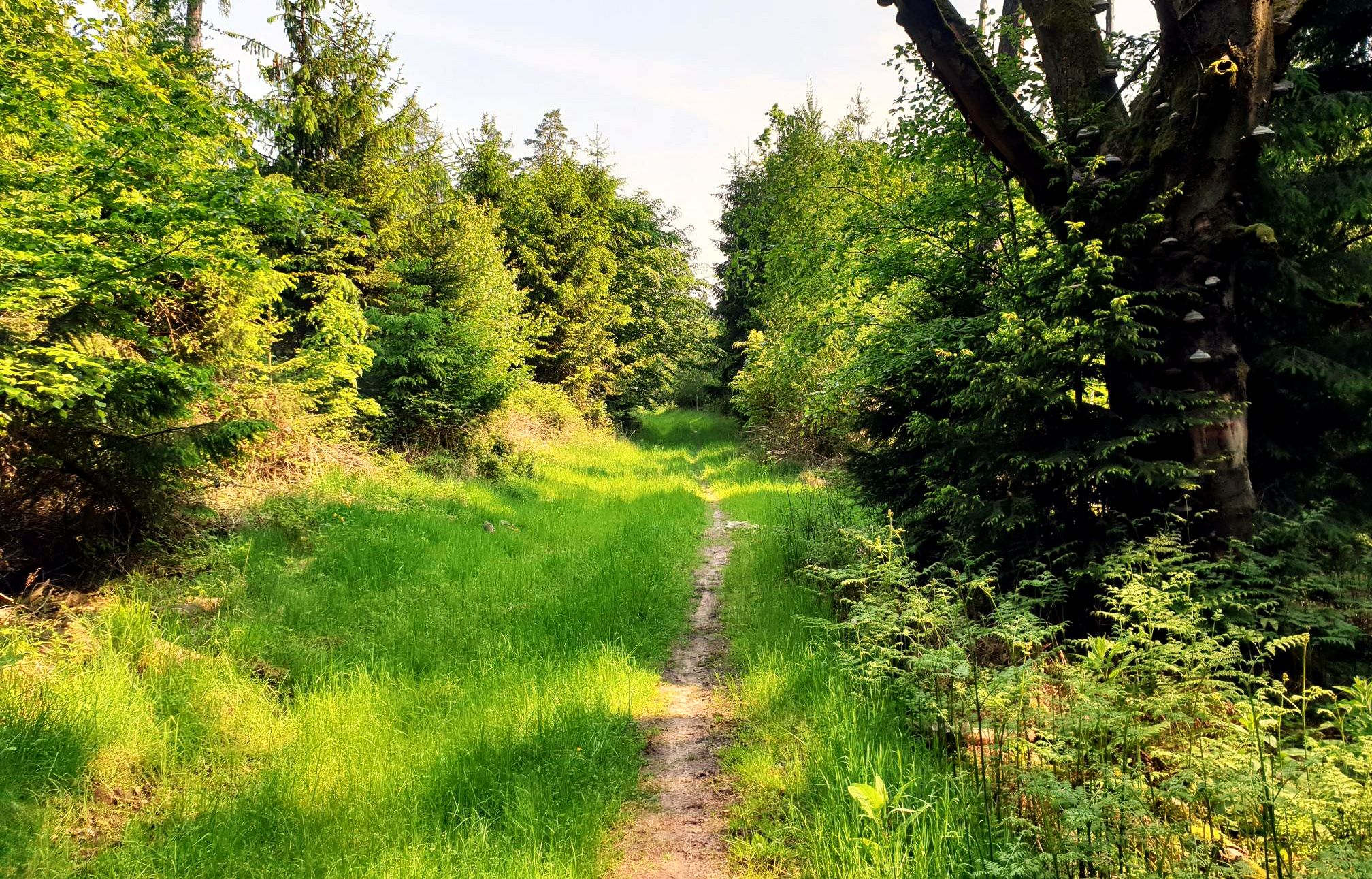
Mountain biking in the Spessart – Awesome trails in Germany

Wandern auf dem Spessartweg 3
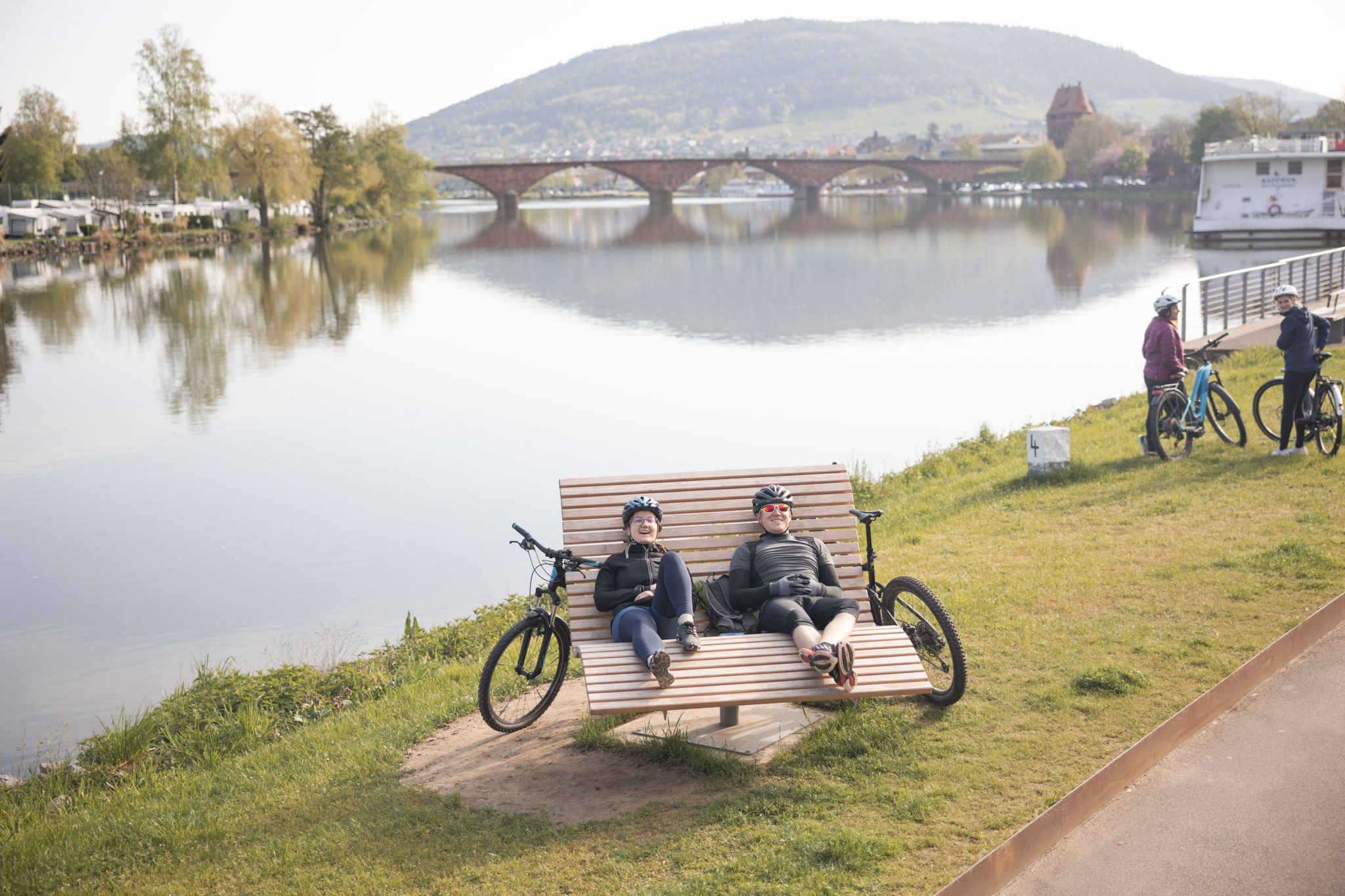
Wald erFahren – E-Bike-Touren im Spessart
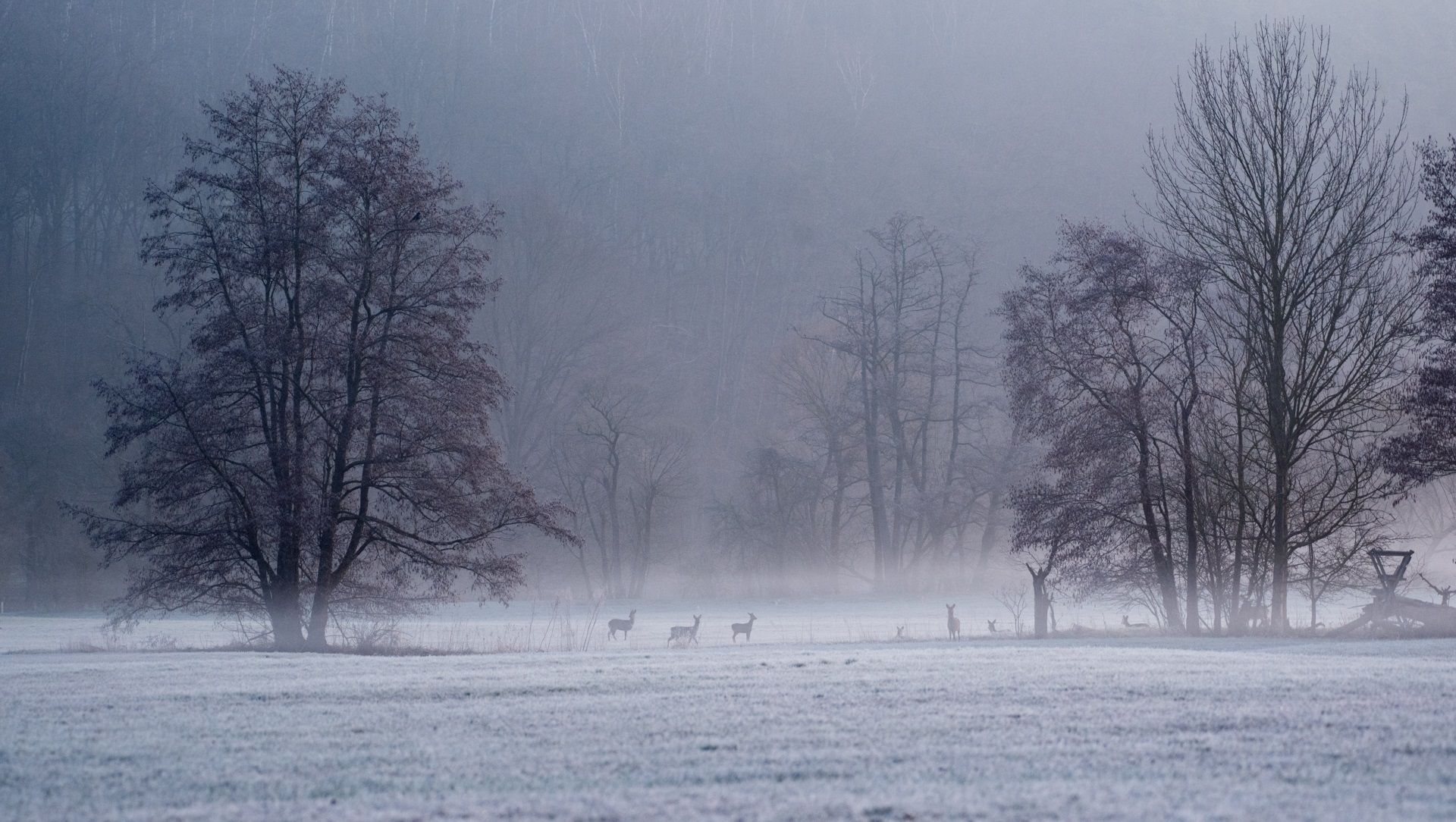
Die schönsten Winterwanderungen im Spessart
Other adventures around Bad Soden-Salmünster


Tips from the Community

When it's dry, it's no problem to cycle the path.
1
0

Storks can often be observed!
0
0
Here you can still enjoy nature. The narrow-gauge railway only runs infrequently on the route to Bad Orb.
1
0
There is a good cycle path here. I personally prefer the southern cycle path along the reservoir.
2
0

The Kinzig is a river approximately 86 kilometers long. It rises in Sterbfritz, flows southwest through the Main-Kinzig district of Hesse, and flows into the Main from the right in Hanau. The Kinzig is a second-order river in low mountain ranges. It overcomes an elevation of 301 meters and has a bed gradient of 3.5 per thousand. The Kinzig's catchment area covers 1,058 square kilometers, and the calculated mean discharge (MQ) at the mouth of the Kinzig is 10.97 cubic meters per second. The Kinzig was first documented in 796 as "iuxta fluvium Kincihen." In 815, the name was written as "Chinzicha," around 900 as "Kincicha"/"Kinzicham," in 1364 as "Kinzige," in 1584 as "Kintzig," in 1607 as "Bintz," in 1681 as "Kintz," in 1716 as "Kins," in 1769 as "Kinzing," and in 1802 as "Kinzig." In the river's headwaters, there was the now-defunct village of Kinzig, mentioned in 815 as "Chirizichheimero." The village and river were often confused by monastery scribes at that time with "Chizzicha" (now Bad Kissingen), both of which were described as being located in the Saalegau. The name presumably derives from the ancient Celtic *ku̯anti̯o- meaning "flat hill, valley." The name was therefore derived from the mountainous region from which the Kinzig flows. Source: Wikipedia
1
0
The Kinzig is a river approximately 86 kilometers long. It rises in Sterbfritz, flows southwest through the Main-Kinzig district of Hesse, and flows into the Main from the right in Hanau. The Kinzig is a second-order river in low mountain ranges. It overcomes an elevation of 301 meters and has a bed gradient of 3.5 per thousand. The Kinzig's catchment area covers 1,058 square kilometers, and the calculated mean discharge (MQ) at the mouth of the Kinzig is 10.97 cubic meters per second. The Kinzig was first documented in 796 as "iuxta fluvium Kincihen." In 815, the name was written as "Chinzicha," around 900 as "Kincicha"/"Kinzicham," in 1364 as "Kinzige," in 1584 as "Kintzig," in 1607 as "Bintz," in 1681 as "Kintz," in 1716 as "Kins," in 1769 as "Kinzing," and in 1802 as "Kinzig." In the river's headwaters, there was the now-defunct village of Kinzig, mentioned in 815 as "Chirizichheimero." The village and river were often confused by monastery scribes at that time with "Chizzicha" (now Bad Kissingen), both of which were described as being located in the Saalegau. The name presumably derives from the ancient Celtic *ku̯anti̯o- meaning "flat hill, valley." The name was therefore derived from the mountainous region from which the Kinzig flows. Source: Wikipedia
1
0
The Kinzig is a river approximately 86 kilometers long. It rises in Sterbfritz, flows southwest through the Main-Kinzig district of Hesse, and flows into the Main from the right in Hanau. The Kinzig is a second-order river in low mountain ranges. It overcomes an elevation of 301 meters and has a bed gradient of 3.5 per thousand. The Kinzig's catchment area covers 1,058 square kilometers, and the calculated mean discharge (MQ) at the mouth of the Kinzig is 10.97 cubic meters per second. The Kinzig was first documented in 796 as "iuxta fluvium Kincihen." In 815, the name was written as "Chinzicha," around 900 as "Kincicha"/"Kinzicham," in 1364 as "Kinzige," in 1584 as "Kintzig," in 1607 as "Bintz," in 1681 as "Kintz," in 1716 as "Kins," in 1769 as "Kinzing," and in 1802 as "Kinzig." In the river's headwaters, there was the now-defunct village of Kinzig, mentioned in 815 as "Chirizichheimero." The village and river were often confused by monastery scribes at that time with "Chizzicha" (now Bad Kissingen), both of which were described as being located in the Saalegau. The name presumably derives from the ancient Celtic *ku̯anti̯o- meaning "flat hill, valley." The name was therefore derived from the mountainous region from which the Kinzig flows. Source: Wikipedia
1
0
The Kinzig is a river approximately 86 kilometers long. It rises in Sterbfritz, flows southwest through the Main-Kinzig district of Hesse, and flows into the Main from the right in Hanau. The Kinzig is a second-order river in low mountain ranges. It overcomes an elevation of 301 meters and has a bed gradient of 3.5 per thousand. The Kinzig's catchment area covers 1,058 square kilometers, and the calculated mean discharge (MQ) at the mouth of the Kinzig is 10.97 cubic meters per second. The Kinzig was first documented in 796 as "iuxta fluvium Kincihen." In 815, the name was written as "Chinzicha," around 900 as "Kincicha"/"Kinzicham," in 1364 as "Kinzige," in 1584 as "Kintzig," in 1607 as "Bintz," in 1681 as "Kintz," in 1716 as "Kins," in 1769 as "Kinzing," and in 1802 as "Kinzig." In the river's headwaters, there was the now-defunct village of Kinzig, mentioned in 815 as "Chirizichheimero." The village and river were often confused by monastery scribes at that time with "Chizzicha" (now Bad Kissingen), both of which were described as being located in the Saalegau. The name presumably derives from the ancient Celtic *ku̯anti̯o- meaning "flat hill, valley." The name was therefore derived from the mountainous region from which the Kinzig flows. Source: Wikipedia
2
0
Frequently Asked Questions
How many no-traffic gravel bike trails are available around Bad Soden-Salmünster?
There are over 70 dedicated no-traffic gravel bike trails around Bad Soden-Salmünster listed in this guide. These routes offer a fantastic way to explore the region's diverse landscapes away from motorized vehicles.
What kind of terrain can I expect on the no-traffic gravel bike trails in Bad Soden-Salmünster?
The trails in Bad Soden-Salmünster offer a varied terrain, typical of the Spessart region. You'll encounter a mix of rolling hills, dense forests, and river valleys. Many routes feature a combination of unpaved gravel paths, forest roads, and meadow trails, providing an authentic gravel biking experience. Some segments might be more challenging with varied surfaces.
What natural features can I discover along the no-traffic gravel bike trails?
You can explore several beautiful natural features. The Kinzig Reservoir is a significant highlight, offering a scenic circular path. You might also encounter the Kinzig Floodplains and various viewpoints like the View of the Kinzig Reservoir, providing stunning vistas of the surrounding landscape.
Are there any historical landmarks or towns I can visit on a gravel bike tour?
Absolutely! The region is rich in history. You can integrate visits to charming historic towns like Steinau an der Straße, known for the Brothers Grimm, or the Barbarossa city of Gelnhausen. Keep an eye out for historical sites such as Salmünster Castle or the Stolzenberg castle ruins, which make for interesting stops along your ride.
Are there any easy, beginner-friendly no-traffic gravel routes?
While many routes in the area are rated as difficult, there are sections and paths, particularly along the Kinzig Valley, that are flatter and more suitable for beginners. These often follow river paths or dedicated cycle paths with gravel sections, offering a gentler introduction to gravel biking away from traffic. For a moderate challenge, consider tours like the Kinzigtal Cycle Path – Auen Valley near Bad Orb loop from Bad Orb.
Are there any long-distance no-traffic gravel routes for experienced riders?
Yes, for experienced riders looking for a longer challenge, there are several routes exceeding 30 km with significant elevation gain. An example is the Old Basalt Loading Station – Mountain pond loop from Steinau (Straße), which covers over 50 km and includes nearly 900 meters of ascent, offering a demanding yet rewarding experience on quiet trails.
What do other gravel bikers enjoy most about the no-traffic trails in Bad Soden-Salmünster?
The area is highly rated by the komoot community, with an average score of 4.5 stars. Reviewers often praise the extensive network of quiet forest roads and gravel paths that allow for immersive rides through the Spessart Nature Park, the beautiful views, and the opportunity to combine challenging rides with visits to historical and cultural attractions.
Are the no-traffic gravel trails in Bad Soden-Salmünster suitable for families?
Many of the no-traffic routes, especially those along the Kinzig Valley or around the Kinzig Reservoir, are suitable for families. These paths often feature gentler gradients and offer a safe environment away from cars. Always check the specific route details for distance and elevation to ensure it matches your family's capabilities.
Can I bring my dog on these gravel bike trails?
Generally, dogs are welcome on most public trails and forest roads in the Spessart region, provided they are kept on a leash, especially in nature protection areas or near wildlife. It's always a good idea to check local regulations for specific trails or nature reserves you plan to visit.
Are there options for parking near the no-traffic gravel trails?
Yes, Bad Soden-Salmünster and surrounding towns offer various parking options, often near trailheads or public facilities. Many routes start from easily accessible points in towns like Bad Soden-Salmünster or Bad Orb, where public parking is available. Always look for designated parking areas to ensure a smooth start to your ride.
Can I access these gravel trails using public transport?
Bad Soden-Salmünster is connected by regional train services, making it possible to reach the area with public transport. Many routes are accessible from the town center or nearby train stations, allowing you to start your gravel adventure directly upon arrival. Check local bus and train schedules for the most convenient access points.
Are there places to stop for refreshments or a break along the routes?
Yes, the region offers opportunities for breaks. You'll find charming cafes and traditional inns in the historic towns you pass through, such as Steinau an der Straße or Gelnhausen. Additionally, some routes might lead past huts or shelters, like the Haselruhe Hunting Lodge or the Günthersmühle Naturefriends' House, perfect for a rest and a snack.
What are some scenic viewpoints along the no-traffic gravel trails?
The diverse landscape of the Spessart and Vogelsberg regions offers numerous scenic viewpoints. Beyond the View of the Kinzig Reservoir, many trails ascend to higher elevations, providing panoramic views over the Kinzig Valley and the surrounding forested hills. Look for routes that traverse the higher parts of the Spessart for the most expansive vistas.
Most popular routes around Bad Soden-Salmünster
Most popular attractions around Bad Soden-Salmünster

Get inspired with the komoot mobile app


Explore more
Browse the best Gravel rides in other regions.
