The best traffic-free bike rides around Großkrotzenburg
4.7
(459)
2,842
riders
33
rides
No traffic touring cycling routes around Großkrotzenburg are characterized by their location along the Main River and proximity to the Spessart Mountains. The region offers a mix of flat river paths and more challenging routes through forested hills. Cyclists can explore verdant areas and quiet roads, often encountering remnants of Roman history and charming towns. This landscape provides diverse options for outdoor activities.
Best no traffic touring cycling routes around Großkrotzenburg
- The most popular no traffic touring cycling route is…
Last updated: May 15, 2026
4.5
(15)
53
riders
Easy bike ride. Great for any fitness level. Mostly paved surfaces. Suitable for all skill levels.
5.0
(6)
55
riders
Easy bike ride. Great for any fitness level. Mostly paved surfaces. Suitable for all skill levels.

Sign up for free
5.0
(3)
21
riders
44.6km
02:51
200m
200m
Moderate bike ride. Good fitness required. Mostly paved surfaces. Suitable for all skill levels.
4.3
(3)
11
riders
Moderate bike ride. Good fitness required. Mostly paved surfaces. Suitable for all skill levels.
4.3
(8)
21
riders
41.5km
03:11
400m
400m
Hard bike ride. Good fitness required. You may need to push your bike for some segments of this route.
Get access to more routes and recommendations from other explorers.
Sign up for free
Already have an account?
Our route recommendations are based on thousands of hikes, rides, and runs completed by other people on komoot.
Start today with a free account
Your next adventure awaits.
Login or Signup


Other adventures around Großkrotzenburg

Tips from the Community

Here is a nice resting spot at an asphalted crossroads in the middle of the forest.
1
0

Lovely cycle path along the Kinzig.
0
0

It's always lovely to cycle along the Kahl river.
0
0
Beautiful playground located next to the cycle path.
0
0

Very interesting what is available
1
0

The Kinzig is a river approximately 86 kilometers long. It rises in Sterbfritz, flows southwest through the Main-Kinzig district of Hesse, and flows into the Main from the right in Hanau. The Kinzig is a second-order river in low mountain ranges. It overcomes an elevation of 301 meters and has a bed gradient of 3.5 per thousand. The Kinzig's catchment area covers 1,058 square kilometers, and the calculated mean discharge (MQ) at the mouth of the Kinzig is 10.97 cubic meters per second. The Kinzig was first documented in 796 as "iuxta fluvium Kincihen." In 815, the name was written as "Chinzicha," around 900 as "Kincicha"/"Kinzicham," in 1364 as "Kinzige," in 1584 as "Kintzig," in 1607 as "Bintz," in 1681 as "Kintz," in 1716 as "Kins," in 1769 as "Kinzing," and in 1802 as "Kinzig." In the river's headwaters, there was the now-defunct village of Kinzig, mentioned in 815 as "Chirizichheimero." The village and river were often confused by monastery scribes at that time with "Chizzicha" (now Bad Kissingen), both of which were described as being located in the Saalegau. The name presumably derives from the ancient Celtic *ku̯anti̯o- meaning "flat hill, valley." The name was therefore derived from the mountainous region from which the Kinzig flows. Source: Wikipedia
1
0
The Kinzig is a river approximately 86 kilometers long. It originates in Sterbfritz, flows through the Hessian Main-Kinzig district in a southwesterly direction, and flows into the Main in Hanau from the right. The Kinzig is a second-order Mittelgebirge river. It overcomes 301 meters of elevation and has a bed gradient of 3.5 per mille. The catchment area of the Kinzig is 1058 square kilometers, and the calculated mean discharge (MQ) at the Kinzig estuary is 10.97 cubic meters per second. The Kinzig was first documented in 796 as „iuxta fluvium Kincihen“. In 815 it was written as „Chinzicha“, around 900 as „Kincicha“/„Kinzicham“, in 1364 as „Kinzige“, in 1584 as „Kintzig“, in 1607 as „Bintz“, in 1681 as „Kintz“, in 1716 as „Kins“, in 1769 as „Kinzing“, and in 1802 as „Kinzig“. In the river's source area, there was the village of Kinzig, which no longer exists and is mentioned in 815 as „Chirizichheimero“. The village and the river were often confused by the monastic scribes of the time with „Chizzicha“ (today Bad Kissingen), which were all described as being located in the Saalegau. Presumably, the name derives from the Proto-Celtic *ku̯anti̯o- meaning „flat hill, valley“. The naming was therefore based on the mountainous landscape from which the Kinzig emerges. Source: Wikipedia
2
0

It’s worth taking a seat on a bench here too!
1
0
Frequently Asked Questions
How many no-traffic touring cycling routes are available around Großkrotzenburg?
There are over 30 dedicated no-traffic touring cycling routes around Großkrotzenburg. These routes are carefully curated to offer a peaceful cycling experience away from busy roads, with options ranging from easy riverside paths to more challenging trails through the Spessart foothills.
What kind of landscapes can I expect on these traffic-free cycling routes?
The no-traffic routes around Großkrotzenburg offer a diverse range of landscapes. You'll find picturesque, mostly flat paths along the Main River, providing scenic views and access to charming villages. For those seeking more elevation, routes venture into the quieter parts of the Spessart Mountains, offering verdant areas and tranquil roads.
Are there any easy, family-friendly no-traffic routes suitable for beginners?
Yes, Großkrotzenburg offers a good selection of easy, no-traffic routes perfect for families and beginners. For example, the View over Seligenstadt – Westernmost Point of Bavaria loop from Großkrotzenburg is an easy 14.8 km ride with minimal elevation, ideal for a relaxed outing. Many routes along the Main River are also predominantly flat and car-free.
What historical or cultural attractions can I see along the no-traffic cycling routes?
The region is rich in history. Many routes pass by significant sites such as remnants of Roman forts, including an open-air theater and defense walls, reflecting Großkrotzenburg's Roman past. You can also cycle towards the historic Ludwig Tower (Hahnenkamm) for panoramic views, or explore towns like Seligenstadt with its famous Abbey and Einhard Basilica.
Are there any circular no-traffic touring cycling routes?
Yes, many of the no-traffic touring cycling routes around Großkrotzenburg are designed as circular loops, allowing you to start and end at the same point. An example is the easy Kahl River in Alzenau – View of Alzenau Castle loop from Großkrotzenburg, which covers about 30.8 km.
What is the best time of year for no-traffic touring cycling in Großkrotzenburg?
The best seasons for no-traffic touring cycling in Großkrotzenburg are spring and autumn. During these times, temperatures are pleasant and weather conditions are generally stable, making for comfortable rides. While summer can also be enjoyable, it can sometimes be very hot, so planning for early morning or late afternoon rides is advisable.
Can I find routes that offer viewpoints or scenic overlooks?
Absolutely. The region features several excellent viewpoints accessible from no-traffic routes. The Ludwig Tower (Hahnenkamm) is a notable historical viewpoint offering expansive panoramic views of the surrounding landscape. Other routes may offer glimpses of the Main River valley or the Spessart foothills.
Are there any natural features like lakes or gorges to explore on these routes?
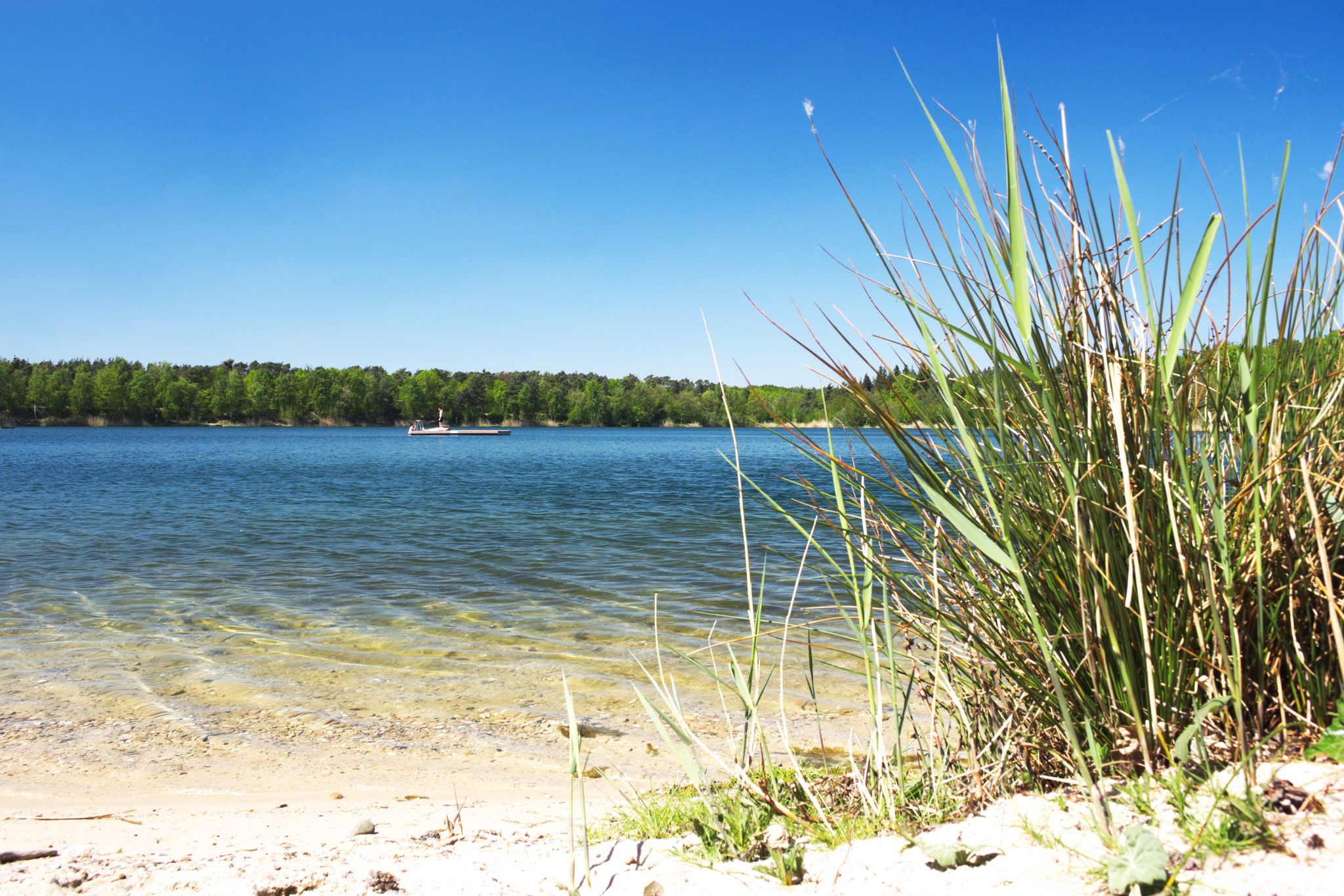
Yes, the area around Großkrotzenburg boasts natural attractions. Some routes might lead you near the Oberwaldsee near Dietesheim, a beautiful lake, or the unique Dietesheim Quarries, which feature a gorge-like landscape. These spots offer a refreshing break and a chance to enjoy nature.
What do other touring cyclists enjoy most about the no-traffic routes in Großkrotzenburg?
The komoot community highly rates the touring cycling experience in Großkrotzenburg, with an average score of 4.7 stars. Reviewers often praise the peacefulness of the car-free paths, the scenic beauty along the Main River, and the well-maintained routes that make for a relaxing and enjoyable ride away from traffic.
Are there any moderate or challenging no-traffic routes for more experienced cyclists?
While the focus is on no-traffic, some routes offer a moderate challenge with more elevation gain, particularly as they venture towards the Spessart foothills. For example, the Kahl River in Alzenau – Alzenau Castle loop from Großkrotzenburg is a moderate 30.5 km route with over 300 meters of elevation, providing a good workout while still prioritizing quiet roads.
Can I access these no-traffic cycling routes using public transport?
Großkrotzenburg is situated along the Main River, which often means good connectivity via regional train lines that allow bicycle transport. Many towns along the Main and in the surrounding areas have train stations, making it possible to reach starting points for these routes without a car. It's advisable to check local public transport schedules and bicycle policies for specific routes.
Most popular routes around Großkrotzenburg
Most popular attractions around Großkrotzenburg

Get inspired with the komoot mobile app


Explore more
Browse the best Cycling routes in other regions.
