The best traffic-free bike rides around Sinntal
4.8
(18)
160
riders
46
rides
Gravel biking around Sinntal offers diverse terrain nestled within the "Bergwinkel" region, bordered by the Rhön, Spessart, and Vogelsberg mountains. The area features a low mountain range characterized by extensive mixed forests, green meadows, and tranquil river valleys. Riders can navigate rolling hills and dirt tracks, with routes often following former railway lines or winding alongside rivers like the Sinn. This landscape provides varied conditions for exploring the region's natural beauty on robust gravel bikes.
Best no traffic gravel bike…
Last updated: May 15, 2026
5.0
(1)
7
riders
50.1km
03:19
860m
860m
Hard gravel ride. Very good fitness required. Mostly paved surfaces. Suitable for all skill levels.
5.0
(1)
6
riders
65.0km
04:16
1,060m
1,060m
Hard gravel ride. Very good fitness required. You may need to push your bike for some segments of this route.

Sign up for free
9
riders
Hard gravel ride. Very good fitness required. Mostly paved surfaces. Suitable for all skill levels.
4
riders
Hard gravel ride. Very good fitness required. Mostly paved surfaces. Suitable for all skill levels.
4
riders
Hard gravel ride. Very good fitness required. You may need to push your bike for some segments of this route.
Get access to more routes and recommendations from other explorers.
Sign up for free
Already have an account?
Our route recommendations are based on thousands of hikes, rides, and runs completed by other people on komoot.
Start today with a free account
Your next adventure awaits.
Login or Signup
Popular around Sinntal
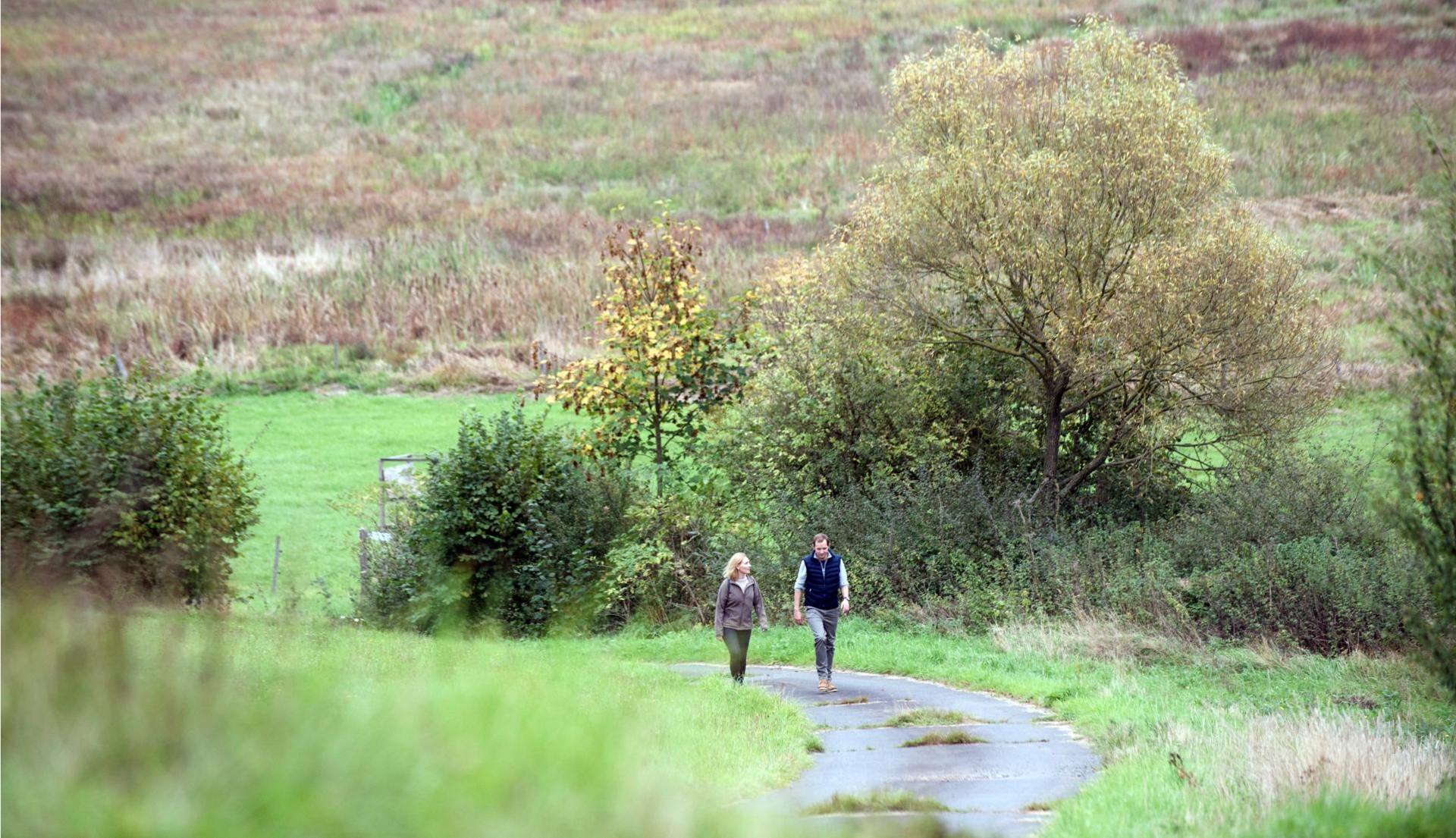
Pleasure hiking in the Spessart: trails that taste as good as they look
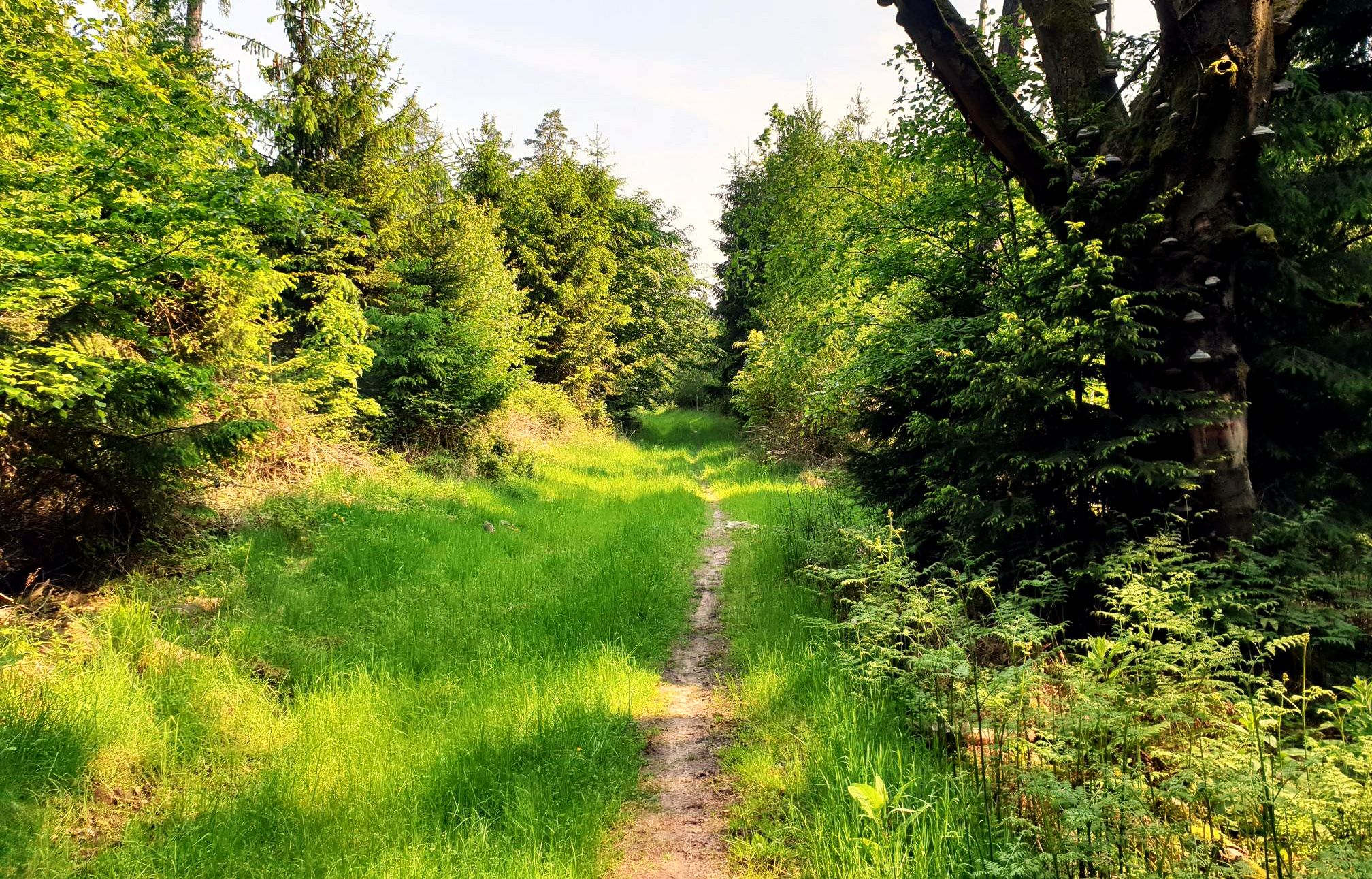
Mountain biking in the Spessart – Awesome trails in Germany
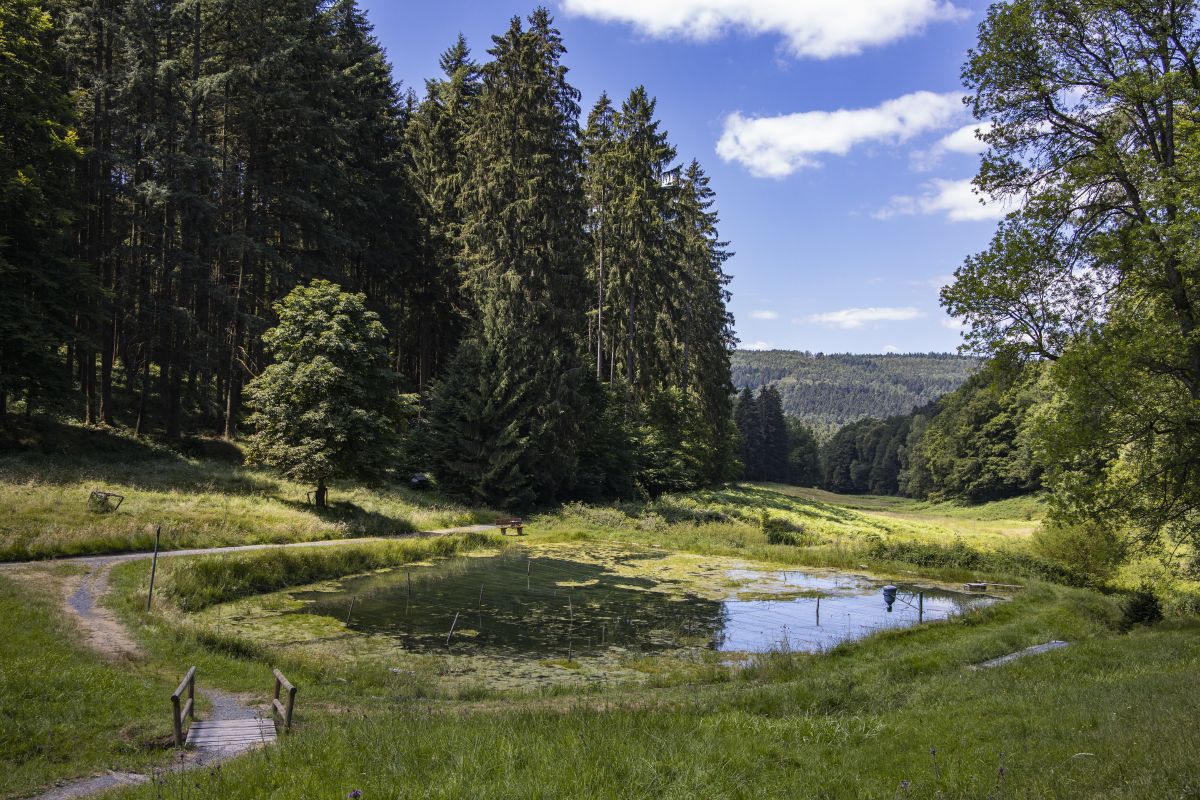
Europäische Kulturwege im Nordspessart
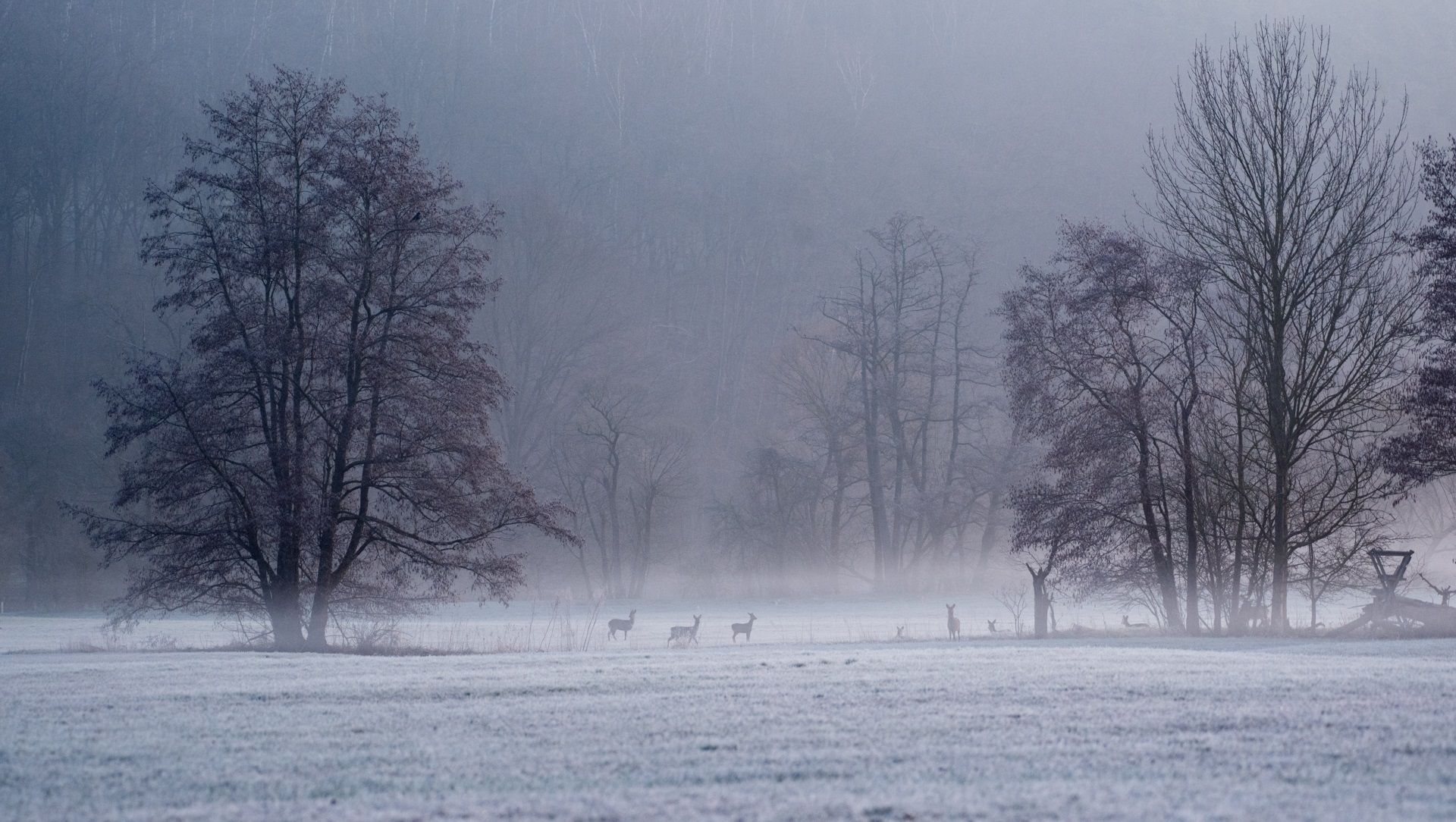
Die schönsten Winterwanderungen im Spessart
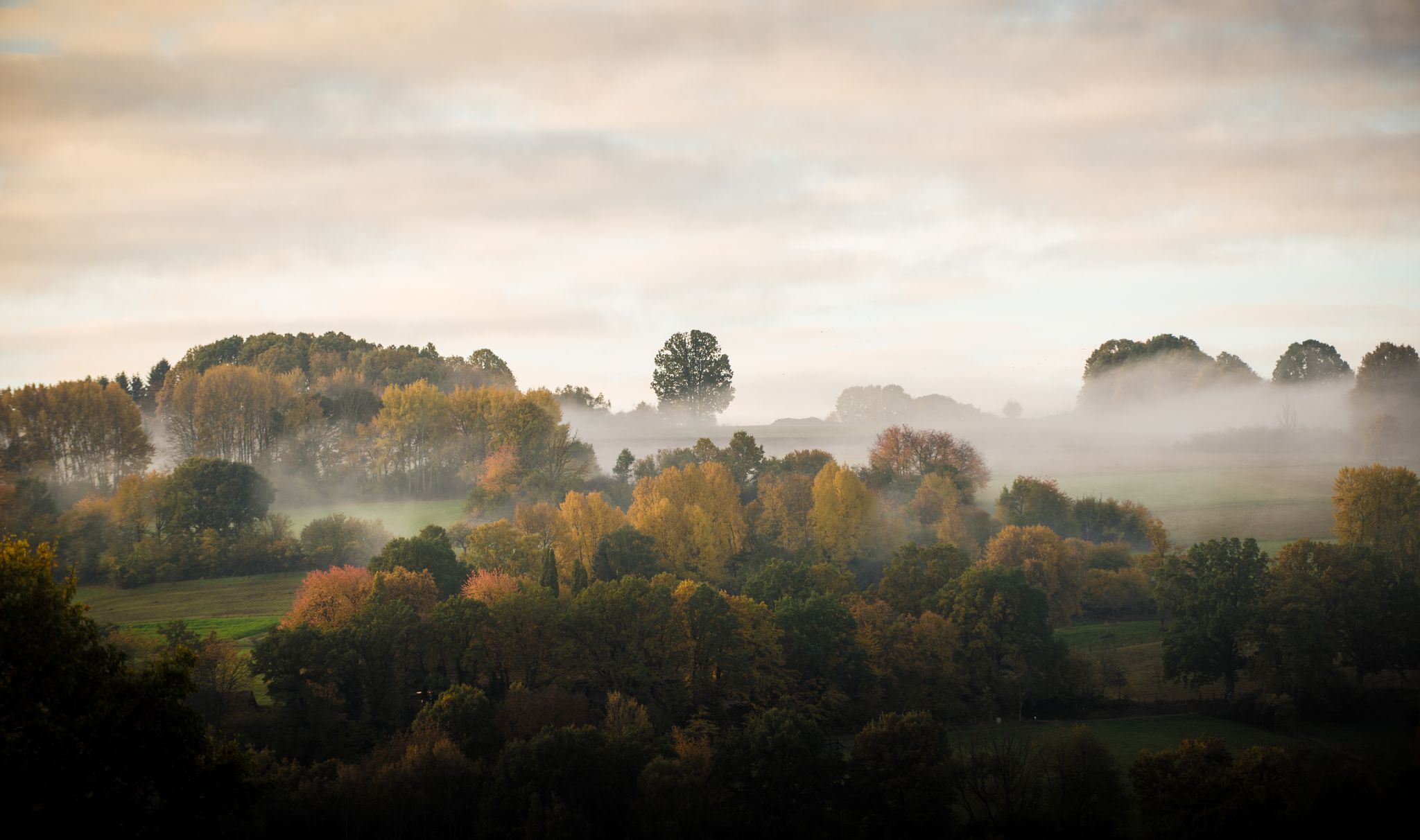
Die schönsten Herbstwanderungen im Spessart
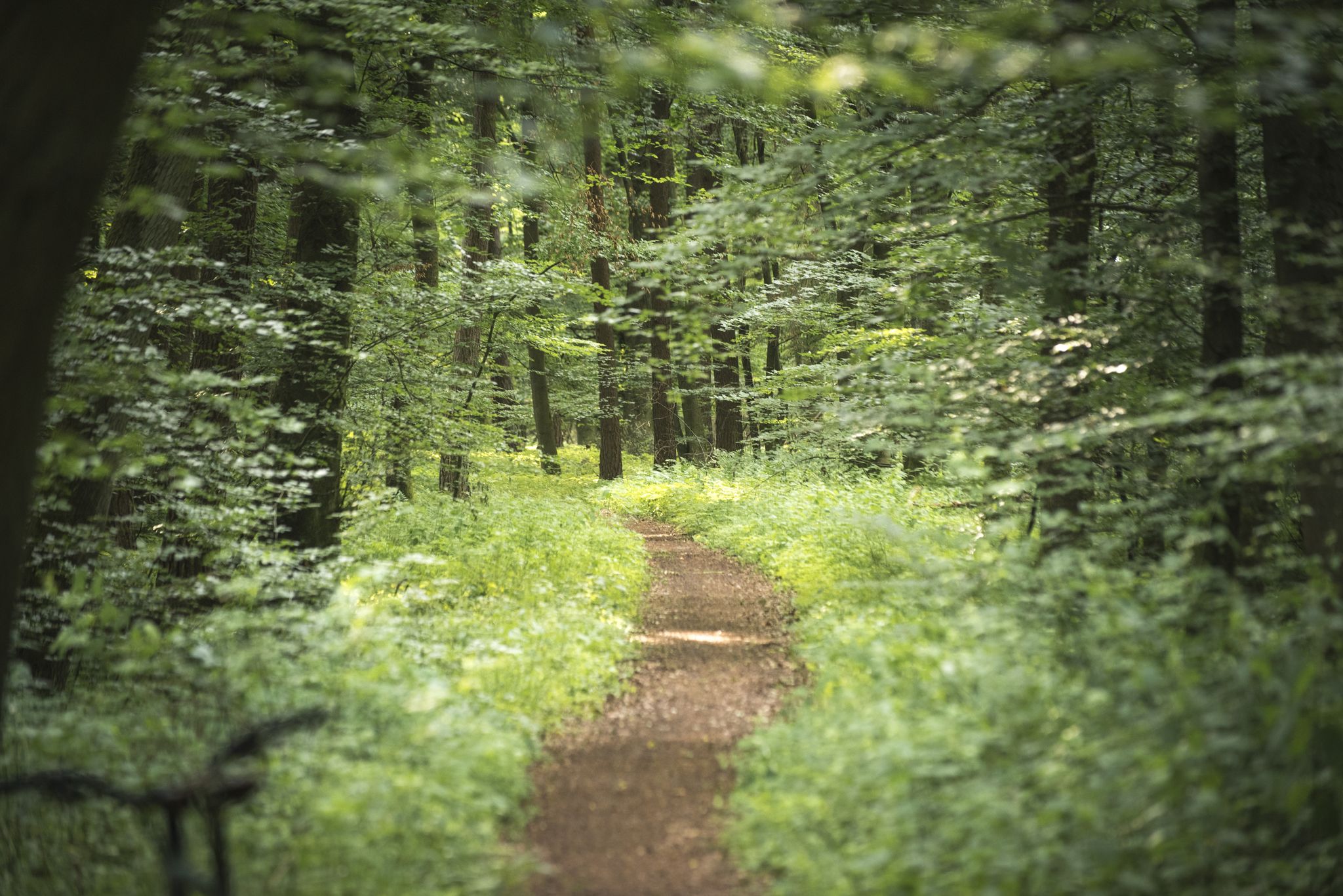
Die schönsten Premium-Spazierwanderwege im Hessischen Spessart
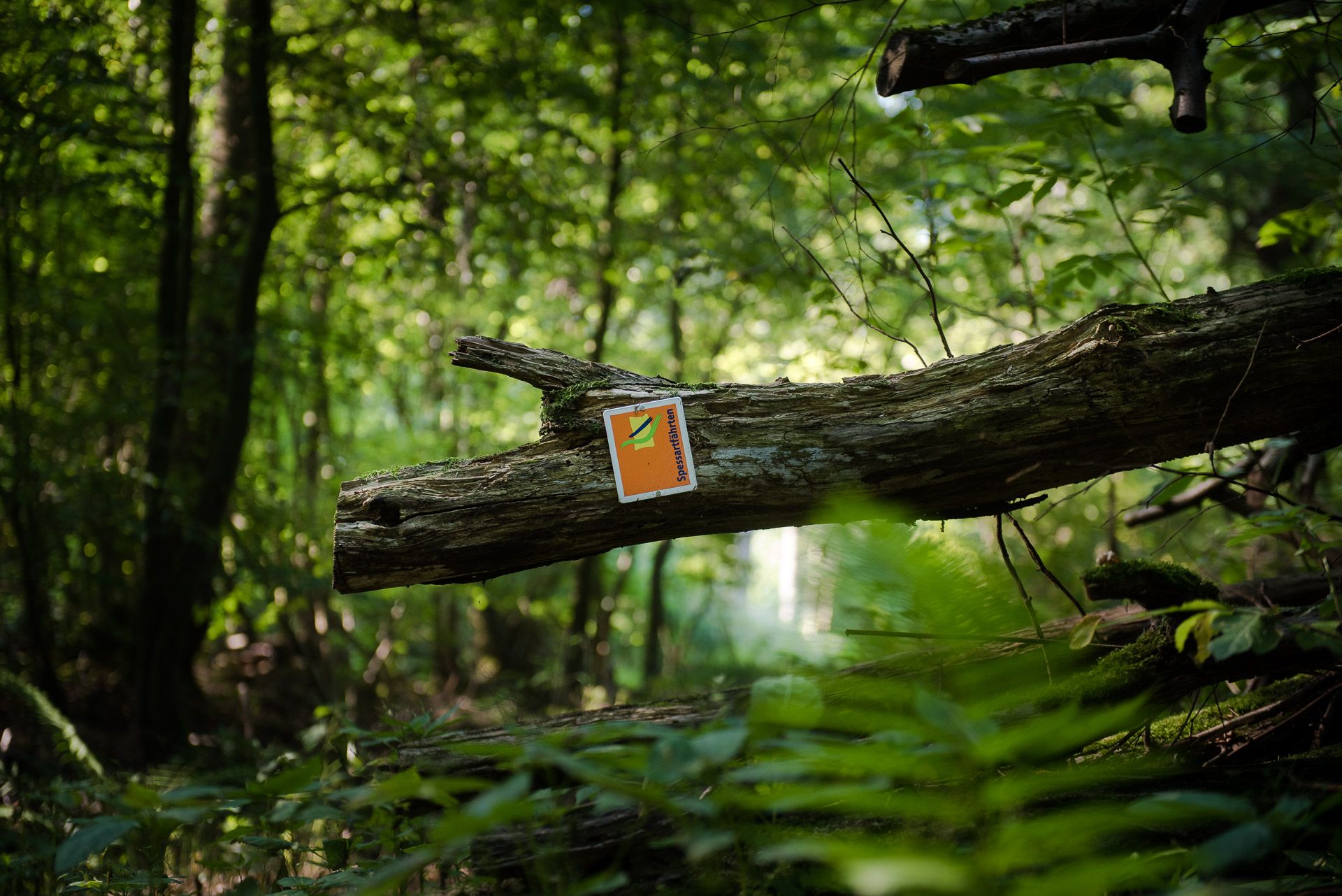
Die Spessartfährten: Sanfte Tageswanderungen durch den hessischen Spessart

Traffic-free bike rides around Sinntal
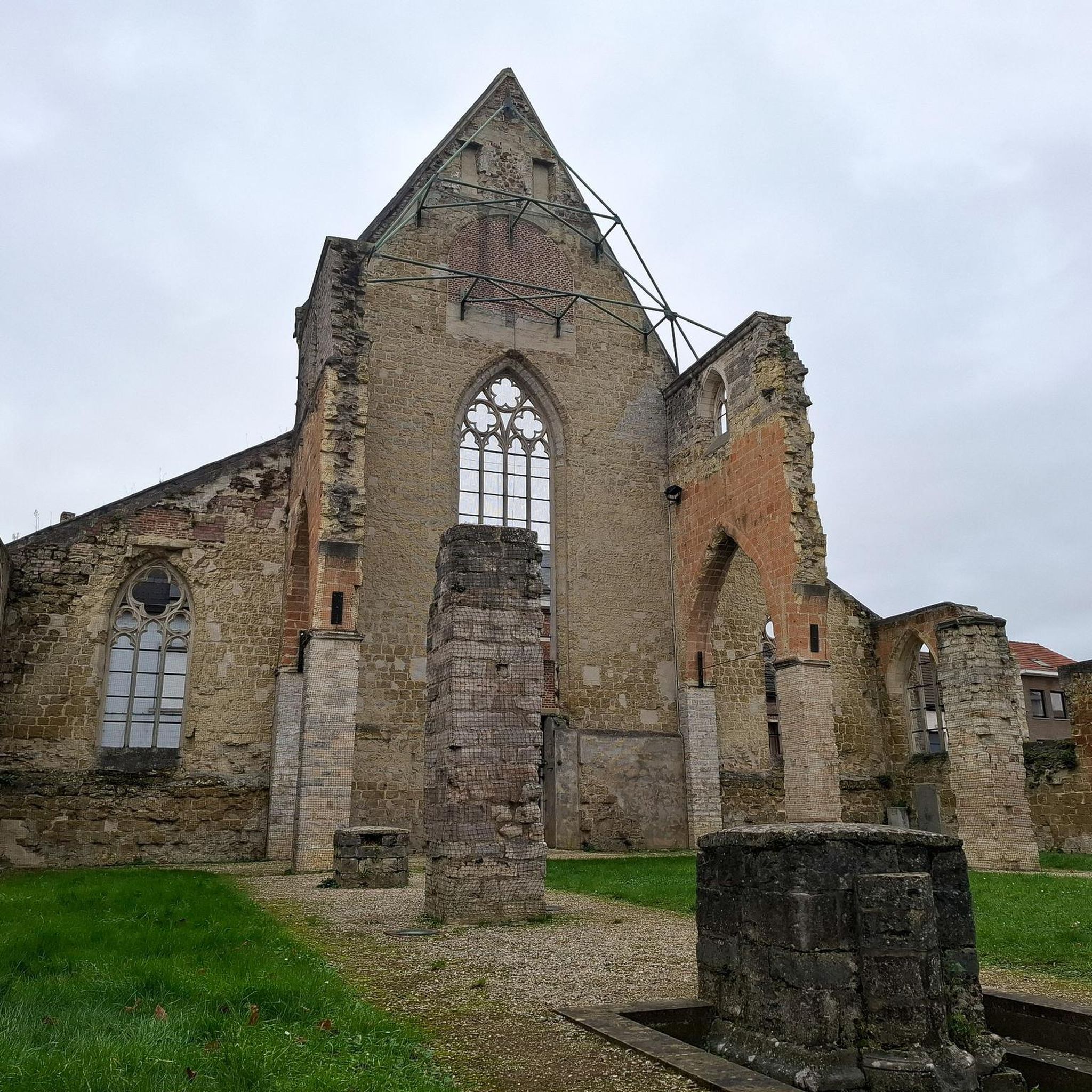
Traffic-free bike rides around Sinntal
Other adventures around Sinntal

Tips from the Community

When it's dry, it's no problem to cycle the path.
1
0
There is a good cycle path here. I personally prefer the southern cycle path along the reservoir.
2
0

The Kinzig is a river approximately 86 kilometers long. It rises in Sterbfritz, flows southwest through the Main-Kinzig district of Hesse, and flows into the Main from the right in Hanau. The Kinzig is a second-order river in low mountain ranges. It overcomes an elevation of 301 meters and has a bed gradient of 3.5 per thousand. The Kinzig's catchment area covers 1,058 square kilometers, and the calculated mean discharge (MQ) at the mouth of the Kinzig is 10.97 cubic meters per second. The Kinzig was first documented in 796 as "iuxta fluvium Kincihen." In 815, the name was written as "Chinzicha," around 900 as "Kincicha"/"Kinzicham," in 1364 as "Kinzige," in 1584 as "Kintzig," in 1607 as "Bintz," in 1681 as "Kintz," in 1716 as "Kins," in 1769 as "Kinzing," and in 1802 as "Kinzig." In the river's headwaters, there was the now-defunct village of Kinzig, mentioned in 815 as "Chirizichheimero." The village and river were often confused by monastery scribes at that time with "Chizzicha" (now Bad Kissingen), both of which were described as being located in the Saalegau. The name presumably derives from the ancient Celtic *ku̯anti̯o- meaning "flat hill, valley." The name was therefore derived from the mountainous region from which the Kinzig flows. Source: Wikipedia
2
0
The Kinzig is a river approximately 86 kilometers long. It rises in Sterbfritz, flows southwest through the Main-Kinzig district of Hesse, and flows into the Main from the right in Hanau. The Kinzig is a second-order river in low mountain ranges. It overcomes an elevation of 301 meters and has a bed gradient of 3.5 per thousand. The Kinzig's catchment area covers 1,058 square kilometers, and the calculated mean discharge (MQ) at the mouth of the Kinzig is 10.97 cubic meters per second. The Kinzig was first documented in 796 as "iuxta fluvium Kincihen." In 815, the name was written as "Chinzicha," around 900 as "Kincicha"/"Kinzicham," in 1364 as "Kinzige," in 1584 as "Kintzig," in 1607 as "Bintz," in 1681 as "Kintz," in 1716 as "Kins," in 1769 as "Kinzing," and in 1802 as "Kinzig." In the river's headwaters, there was the now-defunct village of Kinzig, mentioned in 815 as "Chirizichheimero." The village and river were often confused by monastery scribes at that time with "Chizzicha" (now Bad Kissingen), both of which were described as being located in the Saalegau. The name presumably derives from the ancient Celtic *ku̯anti̯o- meaning "flat hill, valley." The name was therefore derived from the mountainous region from which the Kinzig flows. Source: Wikipedia
1
0
The Kinzig is a river approximately 86 kilometers long. It rises in Sterbfritz, flows southwest through the Main-Kinzig district of Hesse, and flows into the Main from the right in Hanau. The Kinzig is a second-order river in low mountain ranges. It overcomes an elevation of 301 meters and has a bed gradient of 3.5 per thousand. The Kinzig's catchment area covers 1,058 square kilometers, and the calculated mean discharge (MQ) at the mouth of the Kinzig is 10.97 cubic meters per second. The Kinzig was first documented in 796 as "iuxta fluvium Kincihen." In 815, the name was written as "Chinzicha," around 900 as "Kincicha"/"Kinzicham," in 1364 as "Kinzige," in 1584 as "Kintzig," in 1607 as "Bintz," in 1681 as "Kintz," in 1716 as "Kins," in 1769 as "Kinzing," and in 1802 as "Kinzig." In the river's headwaters, there was the now-defunct village of Kinzig, mentioned in 815 as "Chirizichheimero." The village and river were often confused by monastery scribes at that time with "Chizzicha" (now Bad Kissingen), both of which were described as being located in the Saalegau. The name presumably derives from the ancient Celtic *ku̯anti̯o- meaning "flat hill, valley." The name was therefore derived from the mountainous region from which the Kinzig flows. Source: Wikipedia
1
0

Added to the collection: https://www.komoot.com/de-de/collection/3600632/-naturen-denkmaeler-besondere-baeume-und-weitere-schaetze-der-natur
0
0

The path around the reservoir is in very good condition.
1
0

Frequently Asked Questions
How many no-traffic gravel bike trails are available in Sinntal?
Sinntal offers a wide selection of car-free gravel biking opportunities. Our guide features over 45 routes specifically designed for a peaceful ride away from traffic, allowing you to fully immerse yourself in the region's natural beauty.
What makes Sinntal a great destination for no-traffic gravel biking?
Sinntal, nestled between the Rhön, Spessart, and Vogelsberg mountains, boasts diverse landscapes with extensive mixed forests, green meadows, and tranquil river valleys. The region has a well-developed cycling infrastructure, including former railway lines converted into bike paths, providing ideal conditions for robust gravel bikes on varied terrain without vehicle traffic.
What kind of terrain can I expect on car-free gravel trails in Sinntal?
You can expect a mix of rolling hills, dense forests, dirt tracks, and well-maintained gravel paths. Many routes follow gentle inclines, such as the Rhönexpress Rail Trail, which offers a consistent and very moderate gradient, making it suitable for various skill levels.
Are there easy, car-free gravel routes suitable for beginners in Sinntal?
While many routes in Sinntal are rated as difficult due to their length and elevation, the region's extensive network includes sections with very moderate inclines, such as parts of the Rhönexpress Rail Trail. For a challenging yet rewarding experience, consider routes like the Hirschborn Ponds – Steinau Castle loop from Schlüchtern, which offers varied terrain.
What natural features or landmarks can I see along no-traffic gravel trails in Sinntal?
Sinntal's car-free trails lead you through picturesque scenery. You might encounter the tranquil Sinn river, which is home to beavers, or witness the rare checkerboard flower blooming in the "Sinnwiesen" nature reserves in spring. Historic sites like the impressive Burg Schwarzenfels, offering magnificent views, are also accessible near some routes.
Are there any specific viewpoints on these car-free routes?
Yes, several routes offer stunning vistas. For example, the Three Rivers Viewpoint – Jossa Railway Viaduct loop from Schlüchtern provides scenic views. You can also find viewpoints like the Mottener Haube Observation Tower or the View of the Kinzig Reservoir near some of the trails.
What is the best time of year for car-free gravel biking in Sinntal?
Spring (mid-April to mid-May) is particularly beautiful when the rare checkerboard flower blooms, transforming the wet meadows into a violet spectacle. Summer and early autumn also offer excellent conditions with pleasant temperatures and vibrant foliage, making them ideal for exploring the region's car-free trails.
Can I bring my dog on these no-traffic gravel bike trails?
Many of Sinntal's natural trails and forest paths are suitable for dogs, especially given the low traffic. However, always ensure your dog is under control, and be mindful of local wildlife and any specific nature reserve regulations. It's advisable to keep dogs on a leash in sensitive areas.
Are there family-friendly, car-free gravel bike trails in Sinntal?
Absolutely. The Rhönexpress Rail Trail is particularly well-suited for families due to its consistent, gentle incline and car-free nature. Its connection to a wider network of paths also allows for varied distances, catering to different family needs.
What do other gravel bikers enjoy most about gravel biking in Sinntal?
The komoot community highly rates the gravel biking experience in Sinntal, with an average score of 4.875 stars. Reviewers often praise the quiet, traffic-free nature of the trails, the diverse and beautiful landscapes, and the opportunity to explore charming villages and natural attractions like the Sinn river and its surrounding meadows.
Are there any circular no-traffic gravel routes in Sinntal?
Yes, many of the car-free gravel routes in Sinntal are designed as loops, allowing you to start and end at the same point. Examples include the Willings Pond – Westergrund Nature Reserve loop from Schlüchtern or the Eselsweg – First Trail Section – Sterbfritz Signpost (L3180) loop from Schlüchtern, offering convenient exploration of the region.
Most popular attractions around Sinntal

Get inspired with the komoot mobile app


Explore more
Browse the best Gravel rides in other regions.
