The best traffic-free bike rides around Neustadt an der Donau
4.3
(1638)
8,743
riders
65
rides
No traffic touring cycling routes around Neustadt an der Donau traverse a diverse landscape shaped by the Danube River. The region is characterized by the broad gravel plain of the Danube valley, flanked by the wooded foothills of the Donau-Isar hill country to the south and the limestone slopes of the southern Franconian Alb to the north. Cyclists will find routes along the Danube, through the hop gardens of Hallertau, and near the dramatic Danube Gorge.
Best no traffic touring cycling routes around Neustadt an der Donau
- The most popular no traffic touring cycling route is Tower Tour, a 24.6 miles (39.6 km) trail that takes 2 hours 46 minutes to complete. This moderate route offers views of the region's historical structures and landscapes.
- Another top favourite among local touring cyclists is Hop Fields of Lower Bavaria – Cliffs near Weltenburg loop from Bad Gögging, an easy 14.3 miles (23.0 km) path. This route leads through the scenic hop fields of Hallertau and past the cliffs near Weltenburg.
- Local touring cyclists also love the Weltenburg Monastery – Danube Gorge at Weltenburg loop from Neustadt (Donau), a 21.0 miles (33.9 km) trail leading through the Danube Gorge, often completed in about 2 hours 7 minutes.
- Touring cycling around Neustadt an der Donau is defined by the Danube River valley, the rolling hills of Hallertau, and the dramatic Danube Gorge. The network offers options for different ability levels, from easy riverside paths to more challenging routes with moderate elevation changes.
- The routes in Neustadt an der Donau are highly rated by the komoot community with an average score of 4.3 stars from over 1300 reviews. More than 7000 touring cyclists have used komoot to explore Neustadt an der Donau's varied terrain.
Last updated: May 15, 2026
4.4
(80)
288
riders
39.6km
02:46
210m
210m
Moderate bike ride. Good fitness required. Mostly paved surfaces. Suitable for all skill levels.
4.7
(119)
738
riders
Hard bike ride. Very good fitness required. You may need to push your bike for some segments of this route.

Sign up for free
4.7
(92)
611
riders
Easy bike ride. Great for any fitness level. Mostly paved surfaces. Suitable for all skill levels.
4.7
(52)
253
riders
Moderate bike ride. Good fitness required. Mostly paved surfaces. Suitable for all skill levels.
4.4
(46)
196
riders
Easy bike ride. Great for any fitness level. Mostly paved surfaces. Suitable for all skill levels.
Get access to more routes and recommendations from other explorers.
Sign up for free
Already have an account?
Our route recommendations are based on thousands of hikes, rides, and runs completed by other people on komoot.
Start today with a free account
Your next adventure awaits.
Login or Signup
Popular around Neustadt an der Donau
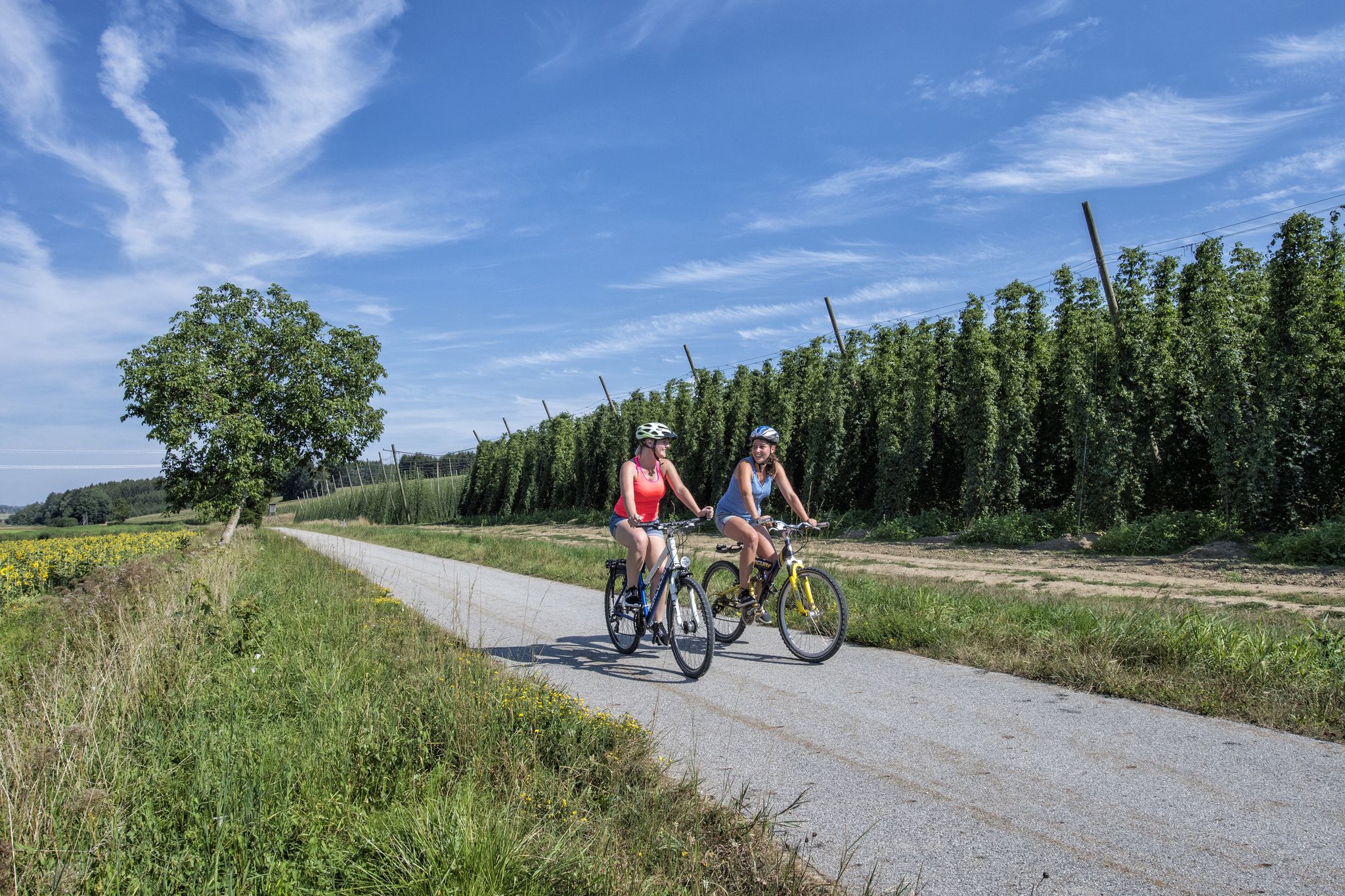
Cycling in the Hallertau – rides through the home of the green gold
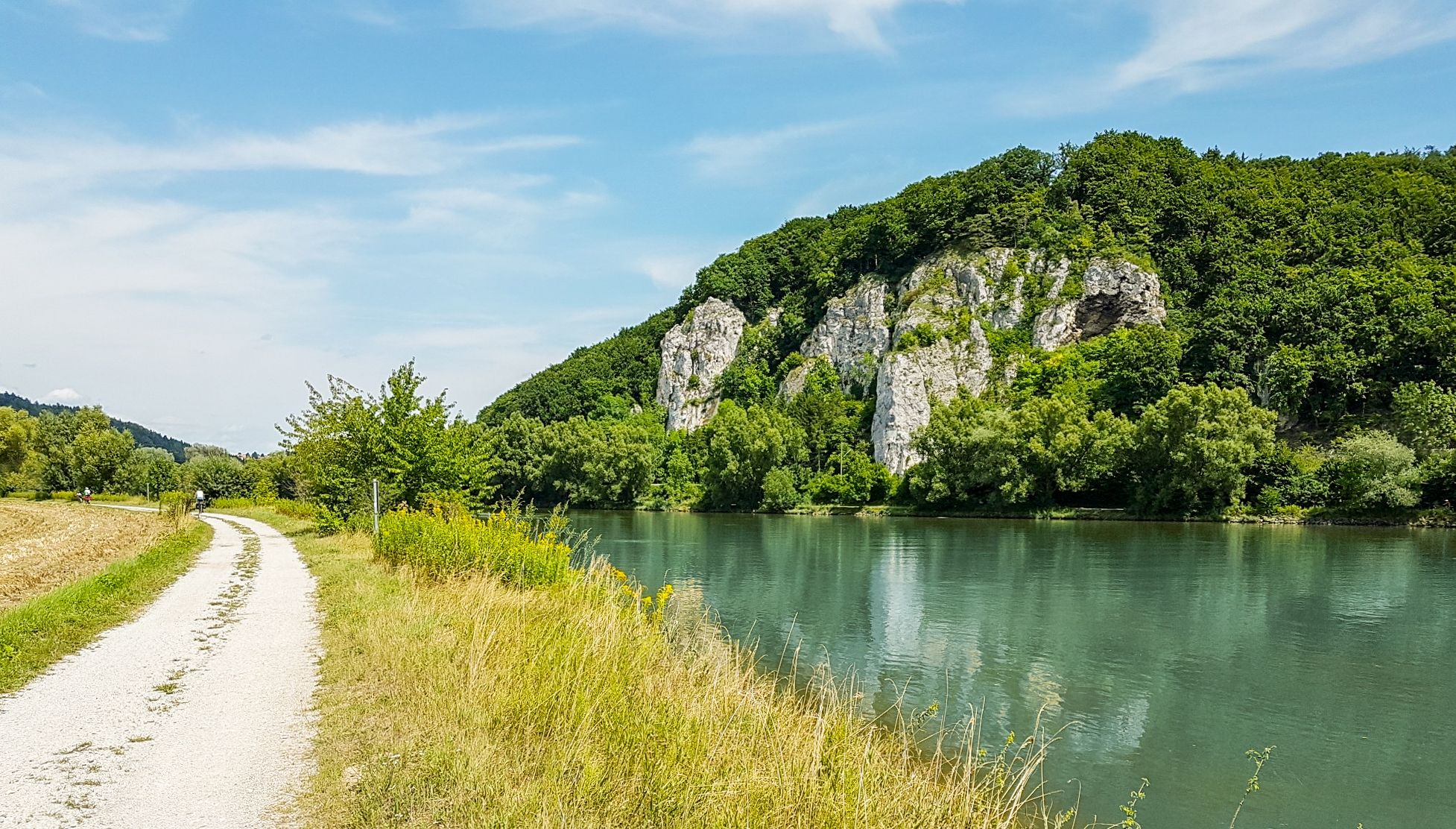
Donau-Panoramaweg – 10 days nature views and cultural insights
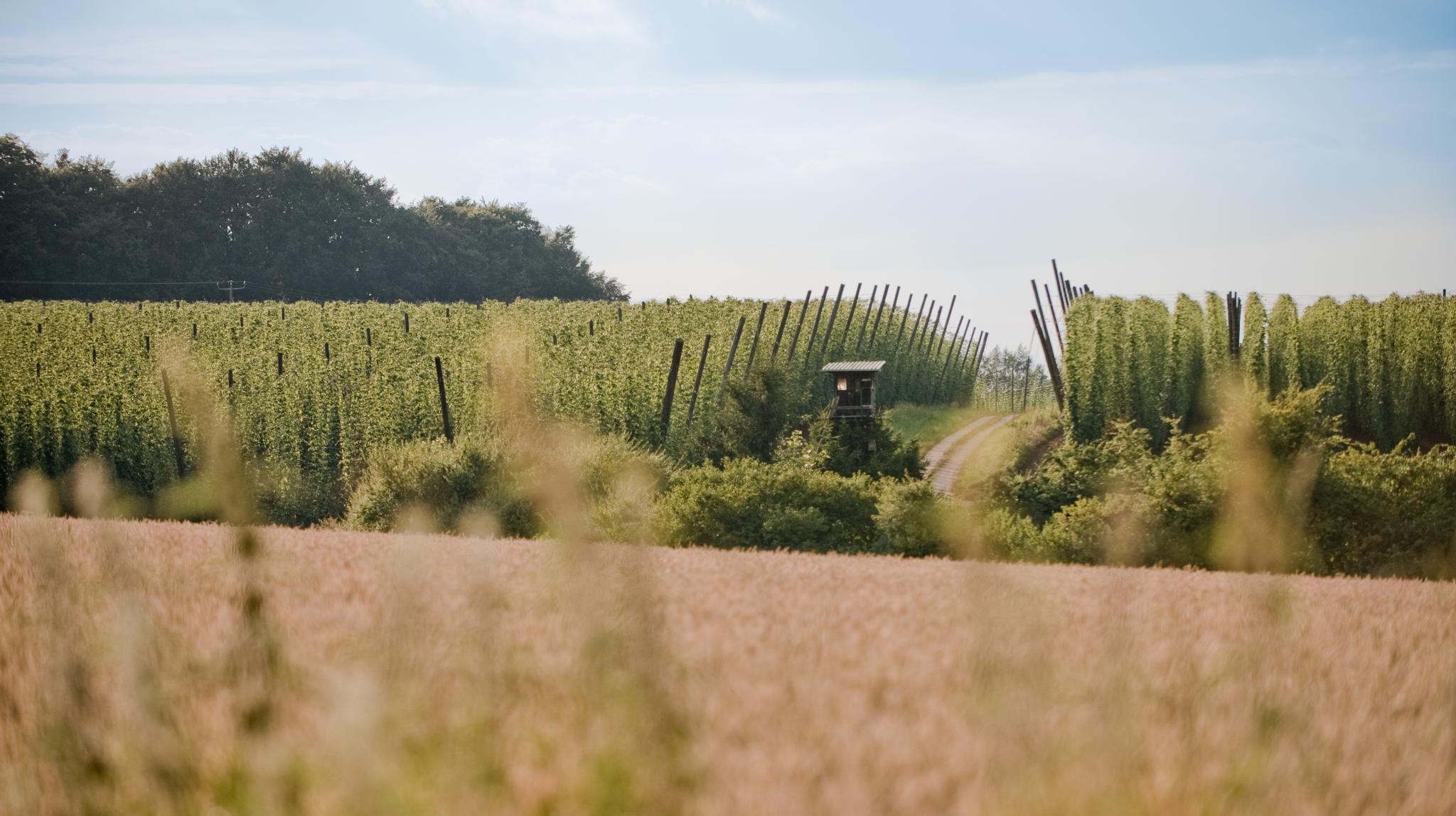
Through hop gardens and hills – hiking in the Hallertau
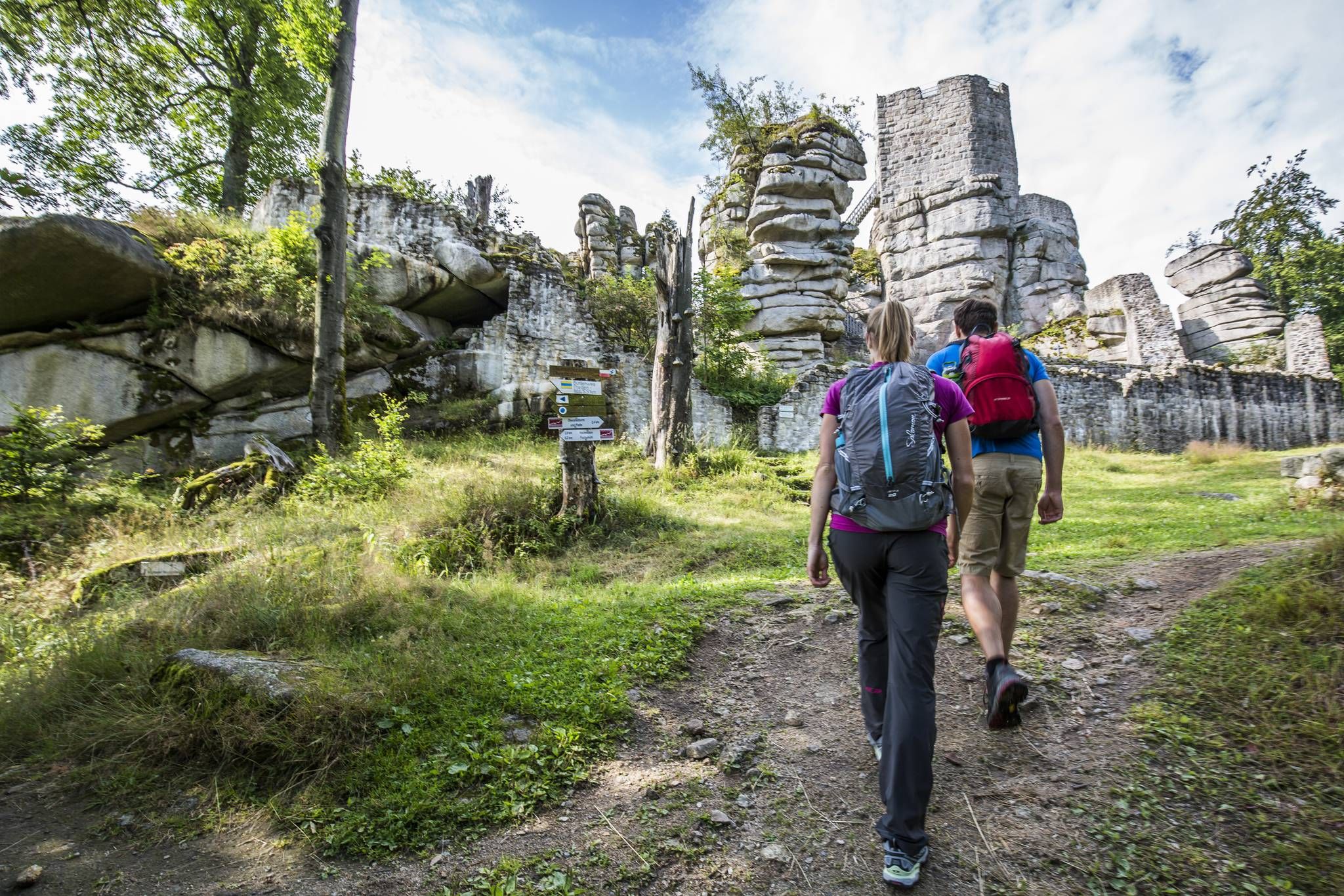
Thousands of kilometres of hiking fun – long-distance hiking trails in Bavaria
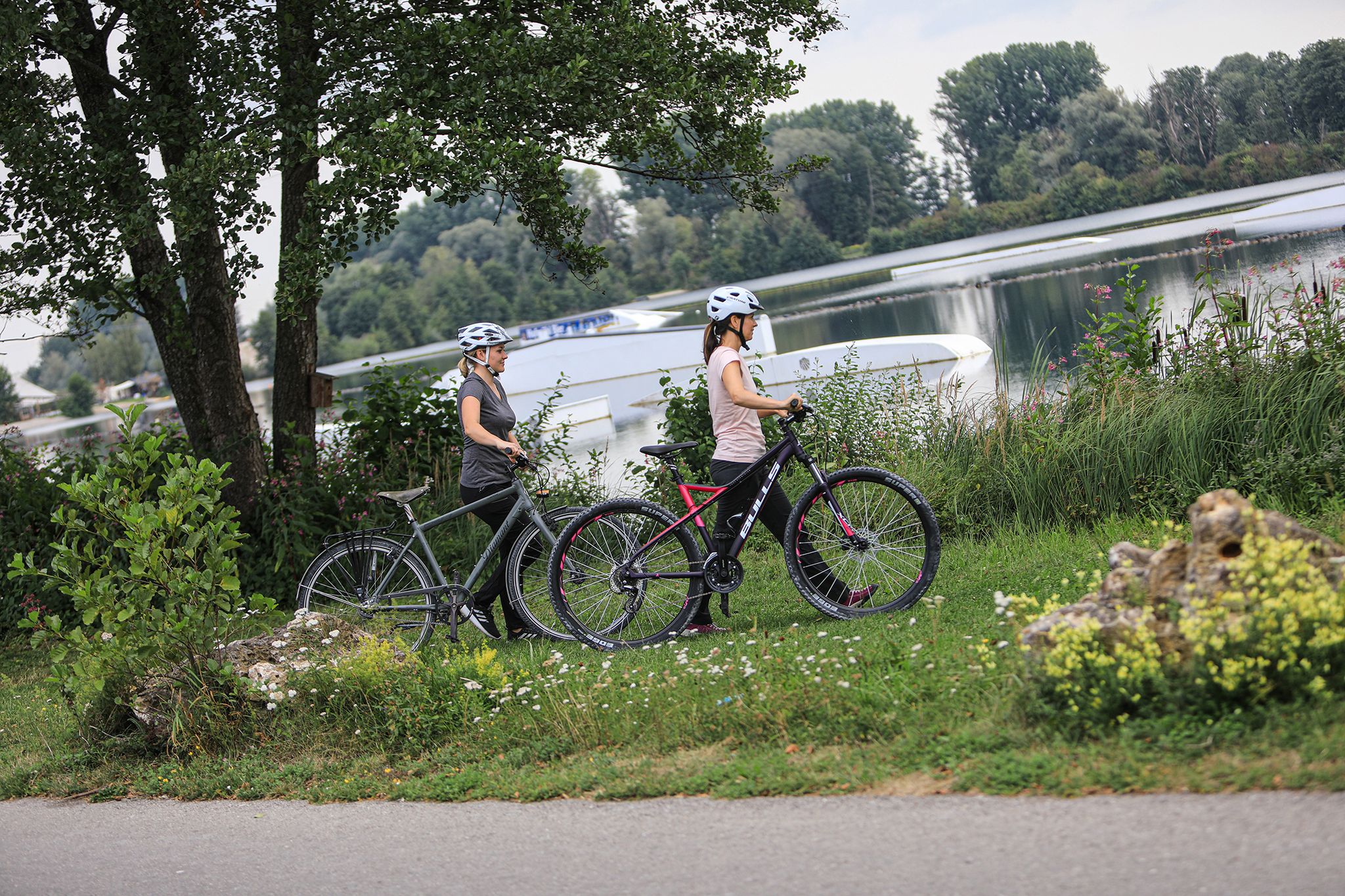
Radeln am Wasser entlang
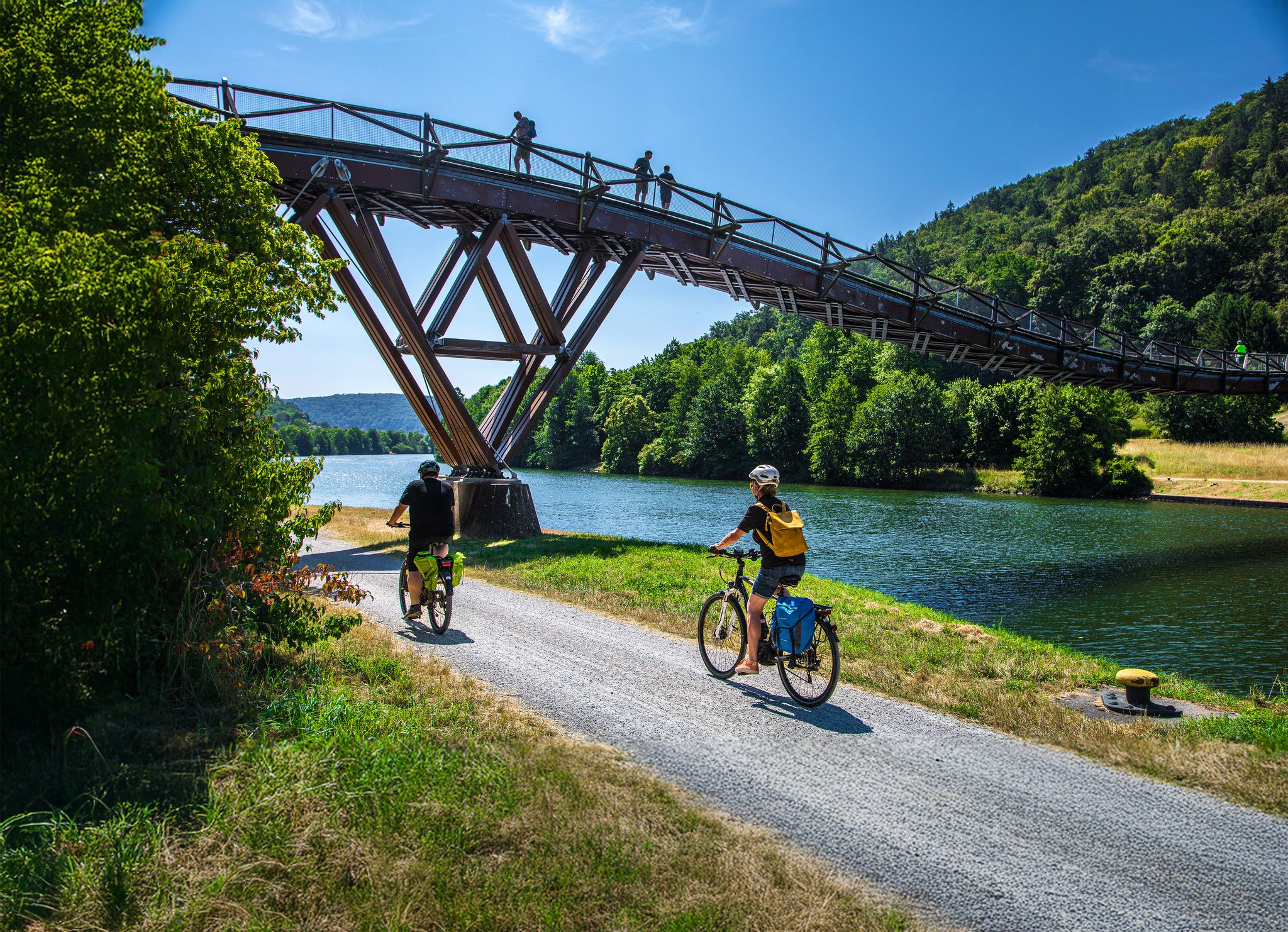
Zwischen Donau, Altmühltal & Hallertau – Erlebnis-Radtouren um Kelheim
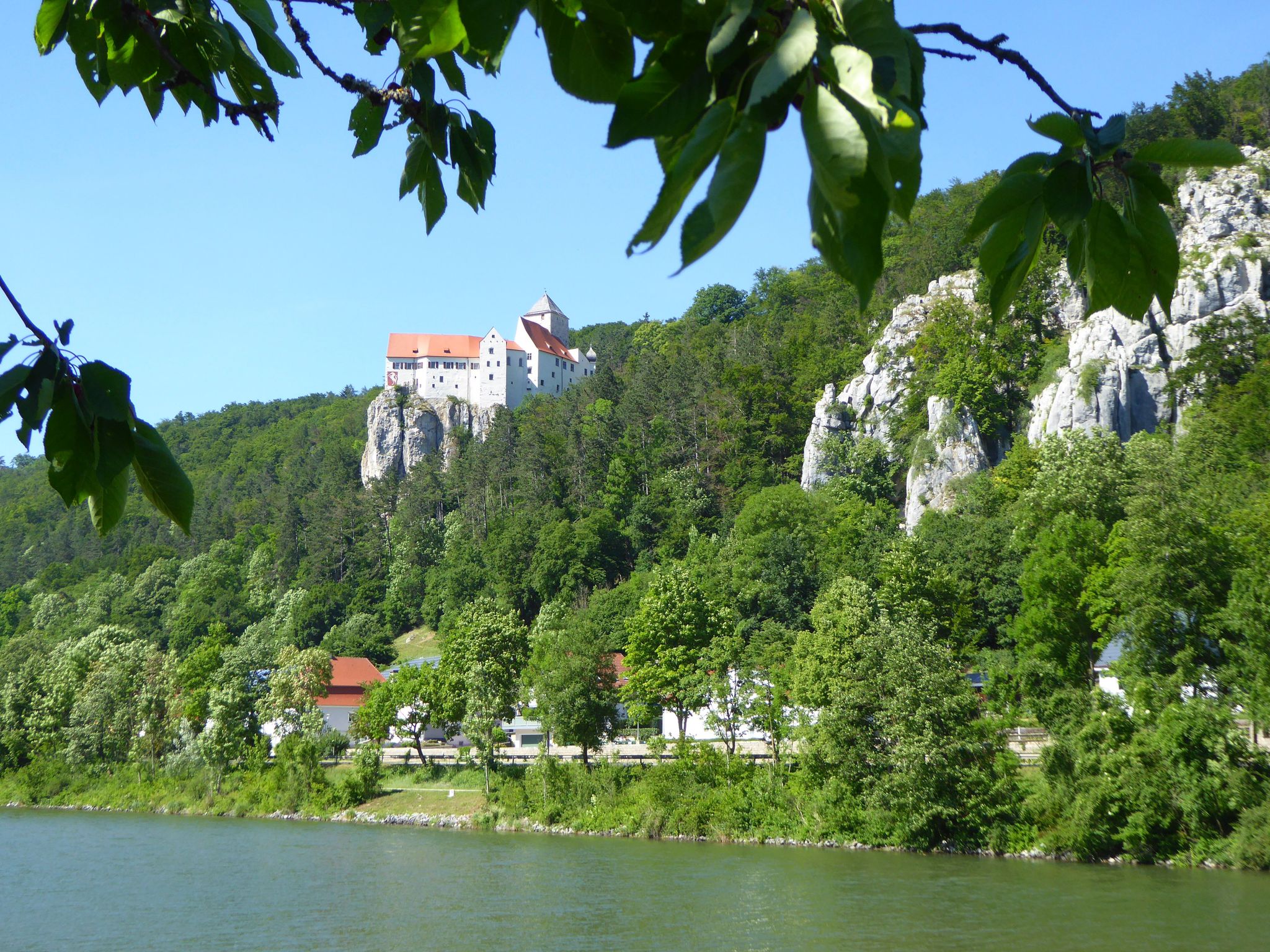
Wander[R]Auszeit in Bayerns Herzstück

Traffic-free bike rides around Neustadt an der Donau
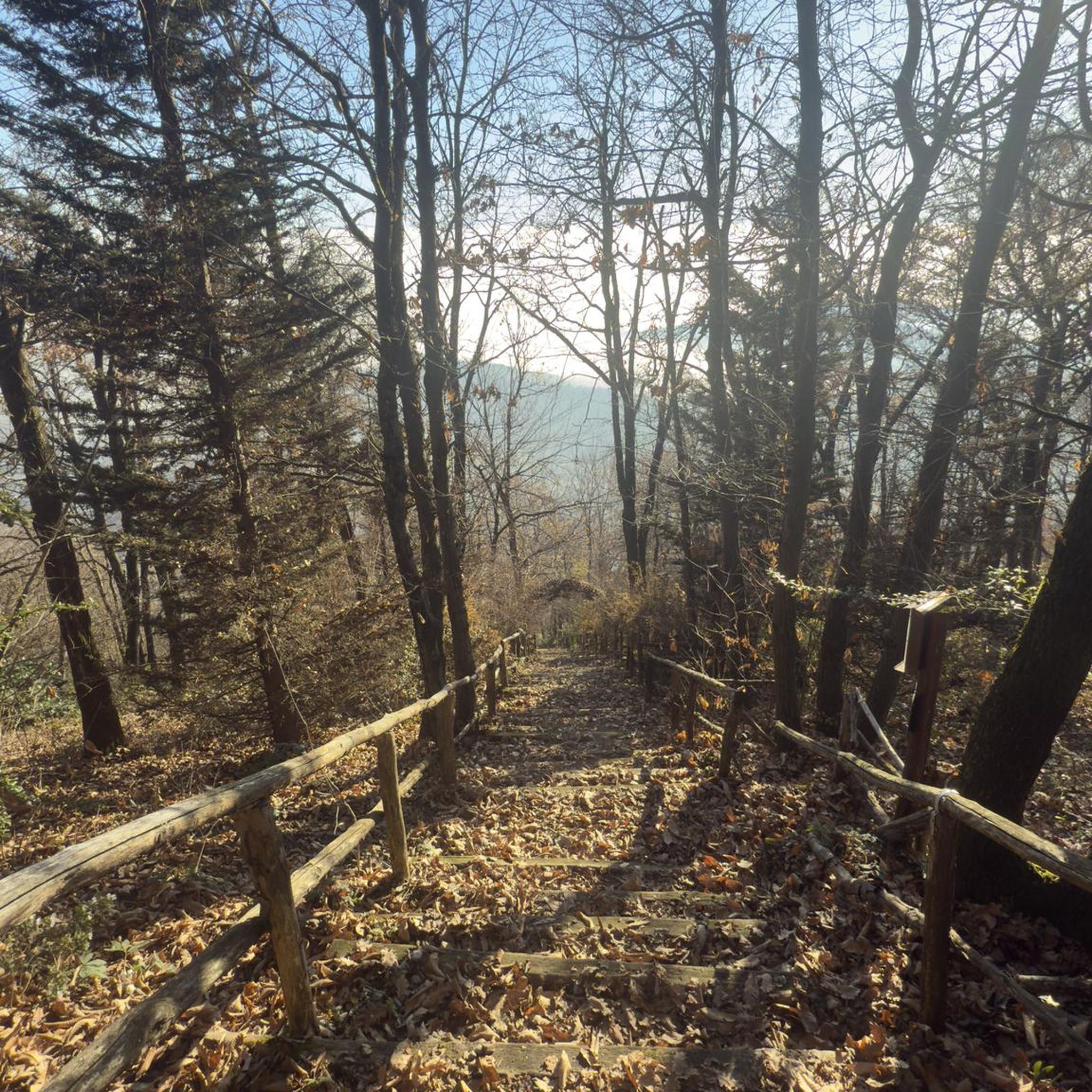
Traffic-free bike rides around Neustadt an der Donau
Other adventures around Neustadt an der Donau


Tips from the Community

The old Danube water near Neustadt an der Donau is a fascinating example of how nature and cultural landscape intertwine along a large river. These are former Danube river loops that were cut off from the main current by natural shifts or human interventions (such as the Danube regulation).
0
0

Museumskirche St. Andreas (old) The Romanesque hall church was built around 1200. However, excavations have revealed remains of an even older, pre-Romanesque church from the 7th/8th century. The discovered metal votive crosses from approx. the middle of the 7th century (exhibited in the "Thermenmuseum", to which the old church is currently converted) indicate an already lively and established Christianity at this location at this early time. In 1128, the "ecclesia Gekingen" is mentioned in a document during property donations to Weltenburg Abbey. Pope Innocent II confirmed the parish in 1133, and Pope Alexander III in 1177. The nave and the lower floors of the chancel tower in the east consist of irregular ashlar masonry. The upper floors of the tower were built from rubble stone. A gable roof sits on top of this. The portal is located on the north wall of the nave. In the tympanum, which rests on corbels, Jesus Christ is depicted between two angels. In the 18th century, the church was redesigned in Baroque style. As the nave is located directly above the central basin of one of the largest Roman bathing facilities north of the Alps, the Romanesque church was converted into the Römische Museum für Kur- und Badewesen after the new building was erected. This was opened on October 19, 1997. In addition to the main bathing room with the central basin, four individual bathtubs, bathing utensils, and the underfloor heating (hypocaust) can be viewed. It is one of the oldest Roman thermal baths in Bavaria. The baths were built around 180 AD, after Legio III Italica had been stationed in Castra Regina (Regensburg). In the 3rd century, the baths were severely damaged. The old St. Andreas church is listed in the list of architectural monuments in Neustadt an der Donau. Under "Frontiers of the Roman Empire – Roman Limes of the Danube (Western Segment)", the site was also added to the UNESCO World Heritage List in 2021. Source: Excerpts from www.wikipedia.de
2
0
Museum Church of St. Andreas (old) The Romanesque hall church was built around 1200. However, excavations revealed remains of an even older, pre-Romanesque church from the 7th/8th century. The discovered metal votive crosses from around the mid-7th century (exhibited in the "Thermenmuseum", to which the old church has currently been converted) indicate a living and established Christianity at this location at this early time. In 1128, the "ecclesia Gekingen" is mentioned in documents concerning property donations to the Weltenburg Abbey. In 1133, Pope Innocent II and in 1177, Pope Alexander III confirmed the parish. The nave and the lower floors of the chancel tower to the east are made of irregular ashlar masonry. The upper floors of the tower were built from rubble stones. It is topped by a gable roof. The portal is located on the north wall of the nave. In the tympanum, resting on corbels, Jesus Christ is depicted between two angels. In the 18th century, the church was redesigned in the Baroque style. As the church nave is located directly above the central basin of one of the largest Roman bathing facilities north of the Alps, the Romanesque church was converted into the Roman Museum for Spa and Bathing Culture after the construction of the new building. This was opened on October 19, 1997. In addition to the main bathing hall with the central basin, four individual bathtubs, bathing utensils, and the underfloor heating (hypocaust) can be viewed. It is one of the oldest Roman thermal baths in Bavaria. The baths were built around 180 AD, after the Legio III Italica had been stationed in Castra Regina (Regensburg). In the 3rd century, the baths were severely damaged. The old St. Andreas Church is listed as a historical monument in Neustadt an der Donau. Under the "Borders of the Roman Empire – Danube Limes (Western Segment)", the site was also added to the UNESCO World Heritage List in 2021. Source: Excerpts from www.wikipedia.de
2
0

A special building and testament to elaborate architecture.
0
0

Not only the view upwards brings it ...
1
0
Soon the fields will be full again and the harvest will begin
1
0
Many kilometers are driven on the dam. At least you can see the Danube from time to time.
1
0
white ash chippings always present...
1
0
Frequently Asked Questions
How many no-traffic touring cycling routes are available around Neustadt an der Donau?
There are over 50 dedicated no-traffic touring cycling routes around Neustadt an der Donau, offering a wide range of options for cyclists looking for peaceful rides. These routes are designed to keep you away from busy roads, focusing on scenic paths and quiet country lanes.
Are there easy, family-friendly no-traffic routes suitable for beginners?
Yes, Neustadt an der Donau offers many easy, family-friendly routes. Over 30 of the no-traffic touring cycling routes are rated as easy, featuring mostly flat terrain along the Danube River or through the gentle rolling hills of the Hallertau. A great option for a relaxed ride is the Hop Fields of Lower Bavaria – Cliffs near Weltenburg loop from Bad Gögging, which is easy and explores the picturesque hop fields.
What kind of natural features can I expect to see on these routes?
The no-traffic routes in this region showcase diverse natural beauty. You'll cycle along the Danube River Valley, experience the unique landscape of the Hallertau hop-growing area, and encounter the dramatic Danube Gorge, especially near Weltenburg. Many routes also pass through parts of the Altmühltal Nature Park, offering serene natural surroundings.
Are there any circular no-traffic touring routes?
Yes, many of the no-traffic touring routes around Neustadt an der Donau are designed as loops, allowing you to start and end at the same point. For example, the Weltenburg Monastery – Danube Gorge at Weltenburg loop from Neustadt (Donau) offers a moderate circular ride with stunning views.
What historical landmarks or attractions can I visit along the no-traffic routes?
The region is rich in history and culture. You can cycle to the historic Weltenburg Monastery, located directly at the Danube Gorge, or explore the Roman heritage with sites like the remains of the Roman Castle of Abusina in Eining. The charming Old Town of Neustadt an der Donau itself, with its medieval fortifications, is also worth exploring. The Tower Tour is a moderate route that takes you past several historical points of interest.
Can I bring my dog on these touring cycling routes?
Many of the no-traffic touring cycling routes, especially those along river paths and through open countryside, are suitable for cycling with dogs, provided they are well-behaved and kept on a leash where necessary. Always ensure your dog is comfortable with the distance and terrain, and carry enough water for both of you. Specific restrictions might apply in nature reserves, so check local signage.
What is the best time of year for no-traffic touring cycling in Neustadt an der Donau?
The best time for touring cycling in Neustadt an der Donau is typically from spring to early autumn (April to October). During these months, the weather is generally pleasant, and the landscapes, especially the hop fields of Hallertau, are at their most vibrant. The Danube Cycle Path, a key feature of the region, is well-maintained and enjoyable during this period.
Are there any longer, more challenging no-traffic routes for experienced touring cyclists?
Yes, for experienced touring cyclists seeking a longer, more challenging no-traffic experience, there are several options. The Danube River in Ingolstadt – Gravel Path Along the Danube loop from Neustadt (Donau) is a difficult route spanning over 90 km, offering a substantial ride along the Danube with varied terrain.
What do other cyclists say about the no-traffic touring routes in Neustadt an der Donau?
The no-traffic touring routes in Neustadt an der Donau are highly regarded by the komoot community, with an average rating of 4.3 out of 5 stars from over 1,300 reviews. Cyclists frequently praise the peacefulness of the routes, the stunning river views, and the well-maintained paths that make for a relaxing and enjoyable ride away from traffic.
Where can I find places to relax or get refreshments along the routes?
Many routes pass through or near charming villages and towns where you can find cafes, traditional Bavarian pubs (Gasthäuser), and beer gardens. Bad Gögging, a district of Neustadt, is known for its thermal baths and wellness facilities, offering a perfect opportunity for relaxation after a ride. The Beer garden at the Eining ferry – View of the Danube loop from Bad Gögging specifically highlights a popular spot for refreshments.
Is public transport accessible near the no-traffic cycling routes?
Neustadt an der Donau is well-connected by public transport, making it easy to reach the starting points of many cycling routes. Regional trains and buses often allow for bicycle transport, though it's advisable to check specific schedules and regulations beforehand, especially during peak seasons. This allows for flexible planning, including one-way trips or reaching routes further afield.
Most popular routes around Neustadt an der Donau
Most popular attractions around Neustadt an der Donau

Get inspired with the komoot mobile app


Explore more
Browse the best Cycling routes in other regions.
