The best traffic-free bike rides around Rehau
4.6
(657)
2,733
riders
151
rides
No traffic touring cycling routes around Rehau are situated in the Fichtelgebirge foothills of Bavaria, Germany. The region features a varied terrain of rolling hills, extensive forests, and river valleys shaped by the Höllbach, Perlenbach, and Schwesnitz rivers. Cyclists can explore a network of paths that range from gentle riverside routes to more challenging trails around elevations like the Großer Kornberg. This landscape provides diverse natural settings for touring cyclists seeking quiet routes.
Best no traffic touring cycling routes around…
Last updated: May 15, 2026
4.6
(40)
167
riders
19.1km
01:22
200m
200m
Moderate bike ride. Good fitness required. Mostly paved surfaces. Suitable for all skill levels.
4.6
(17)
84
riders
32.4km
02:00
300m
300m
Moderate bike ride. Good fitness required. Mostly paved surfaces. Suitable for all skill levels.

Sign up for free
4.9
(89)
247
riders
27.8km
01:42
140m
140m
Easy bike ride. Great for any fitness level. Mostly paved surfaces. Suitable for all skill levels.
4.9
(44)
83
riders
52.7km
03:08
300m
300m
Hard bike ride. Good fitness required. You may need to push your bike for some segments of this route.
4.7
(48)
169
riders
Easy bike ride. Great for any fitness level. Mostly paved surfaces. Suitable for all skill levels.
Get access to more routes and recommendations from other explorers.
Sign up for free
Already have an account?
Our route recommendations are based on thousands of hikes, rides, and runs completed by other people on komoot.
Start today with a free account
Your next adventure awaits.
Login or Signup
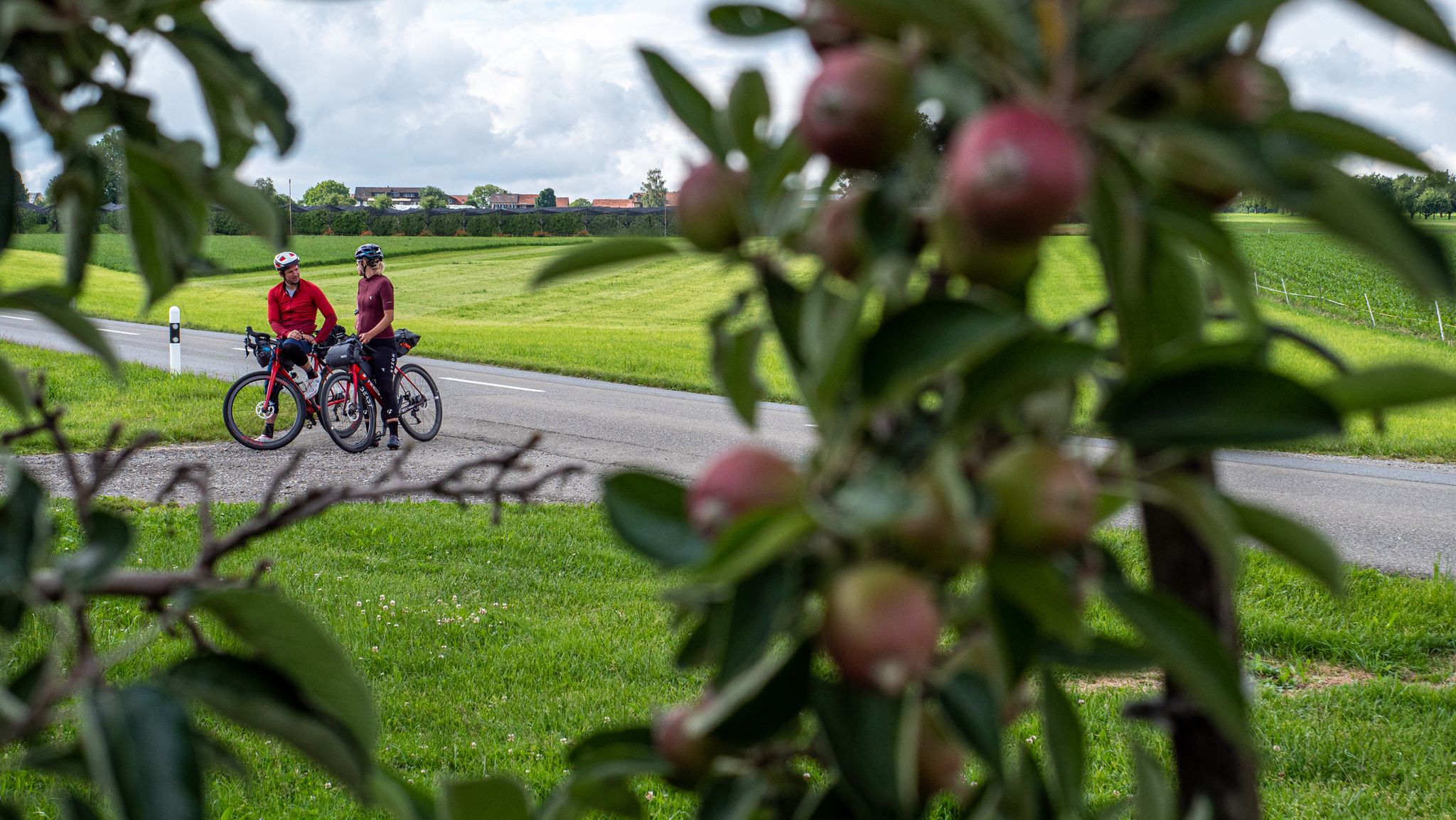
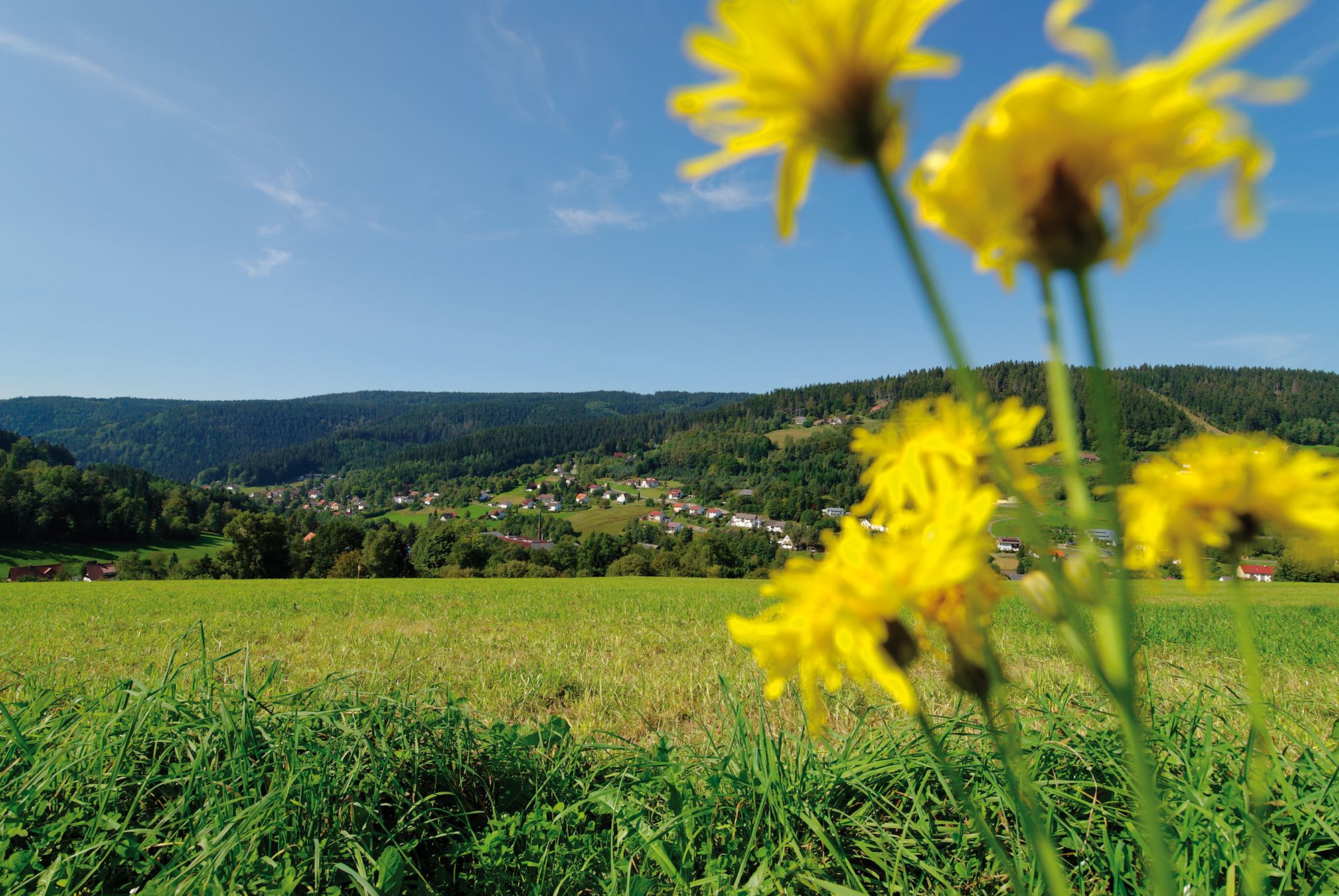
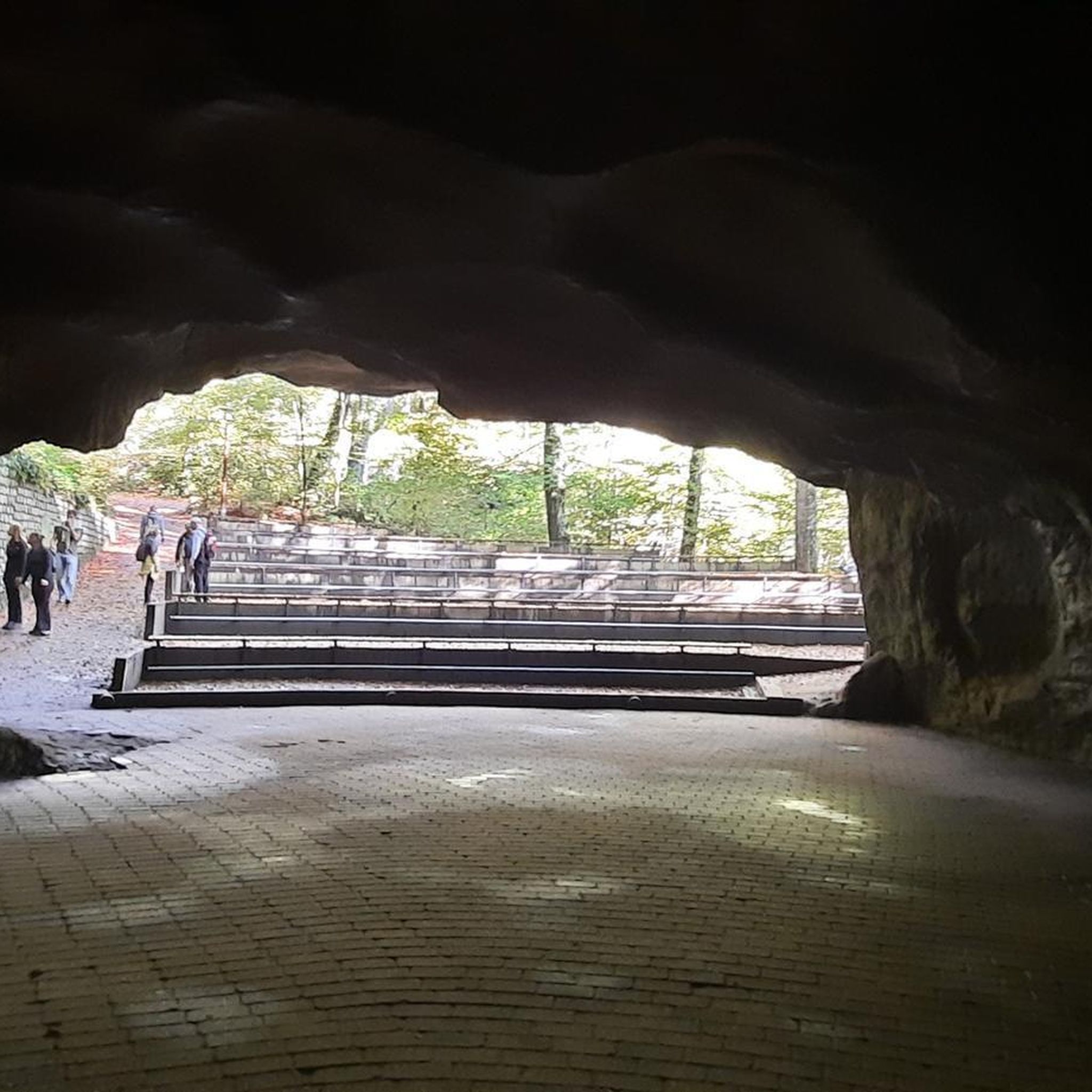



Tips from the Community

When the leaves change color, the path around Lake Untreusee is truly colorful!
0
1

From here you have a nice overview.
0
1

Beautiful section of the Pearl Cycle Route
0
0

Always a pleasure to drive here
0
0

A very beautiful local recreation area with many leisure activities, a hotel and a pub with a beer garden.
18
0

Selb City Church - a highlight
3
0

Parish Church of St. Andrew A branch church of Aš was first documented in Selb in 1310. A Gothic town church was built in the town in the 15th century, which was incorporated into the Reformation in 1528. The building was destroyed in the great town fire of March 1856. Work on a new building on the same site began in 1859, according to plans by the Munich architect August von Voit. The church was consecrated on December 6, 1863. The building was constructed primarily of bricks, which were subsequently plastered. The nave has the floor plan of a basilica. Von Voit adopted Gothic stylistic elements, redesigned them, and placed them in a new context. For the columns supporting the double galleries, he used cast iron, a new technology at the time. He had the iron columns cast in nearby Martinlamitz. The stately building, with its richly structured west façade, measuring 42.25 meters long and 16.50 meters wide, dominates Selb's town center. The 49-meter-high spire has a gallery at the transition to the octagonal bell tower. The St. Andreas Church has been renovated several times. In 1979/83, a color scheme by the Munich painter Senf was used, which is very close to the original. The chancel is covered by a cross-ribbed vault. Today, it looks largely as it did at its consecration 150 years ago. The stone structure is made of Bayreuth sandstone, and the altar table and steps are made of Selb granite. On top of it stands an altarpiece by the painter Julius Mebold from the Nuremberg Art School. The Neo-Renaissance painting depicts the Resurrection of Christ. The chancel contains stained-glass windows depicting Simon Peter, Paul of Tarsus, and the apostles Andrew and John. Further medallions in the windows depict Martin Luther and Philipp Melanchthon, as well as Margrave George of Bayreuth and Maximilian II, who had championed the church's reconstruction. A larger-than-life crucifix by the Munich sculptor Karl Kroher hangs in the triumphal arch. The oldest work of art in the city church comes from the estate of Dr. Anna Netsch: a late Gothic Madonna and Child. A woodcarver from Ulm, whose name is no longer known, created it from linden wood around 1510. Other church furnishings include two processional crosses that were salvaged from the burned-down predecessor building. Source: Excerpts from the church guide
2
0
Frequently Asked Questions
How many no-traffic touring cycling routes are available around Rehau?
There are over 150 dedicated no-traffic touring cycling routes around Rehau, offering a wide range of experiences. You'll find routes suitable for various fitness levels, from easy family-friendly paths to more challenging tours through the Fichtelgebirge foothills.
Are there any easy, family-friendly no-traffic routes in Rehau?
Yes, Rehau offers several easy, no-traffic routes perfect for families and less-trained cyclists. The newly expanded section of the Perlenradweg, for instance, is particularly suitable. An excellent easy option is the Bridge and Ford Near Wurlitz – View of the Untreusee loop from Rehau, which is 27.8 km long and features minimal elevation gain.
What are some popular long-distance cycle paths accessible from Rehau?
Rehau provides excellent access to significant long-distance cycle paths. The Perlenradweg connects to the Saale Cycle Path, which stretches over 400 kilometers from the Saale's source in the Fichtelgebirge. You can explore a section of this path with the Bridge and Ford Near Wurlitz – Saale Meadows in Hof loop from Wurlitz, a challenging 52.7 km route.
What kind of natural attractions can I expect to see along these routes?
The no-traffic routes around Rehau are rich in natural beauty. You'll encounter the diverse landscapes of the Fichtelgebirge, including extensive forests and rolling hills. The region is shaped by streams like the Höllbach and Perlenbach, and you can visit the Wojaleite Nature Reserve, which is featured on the Bridge and Ford Near Wurlitz – Wojaleite Nature Reserve loop from Rehau tour.
Are there any historical landmarks or castles to visit on a touring bike?
Absolutely. The region around Rehau is dotted with historical sites. A notable landmark is the Epprechtstein Castle Ruins, which offers panoramic views of the Fichtelgebirge after a rewarding climb. While not directly on a listed no-traffic route here, it's a popular destination for cyclists in the wider area.
What is the best season for no-traffic touring cycling in Rehau?
The best season for no-traffic touring cycling in Rehau is typically from spring to autumn. During these months, the weather is generally pleasant, and the natural landscapes of the Fichtelgebirge are at their most vibrant. Spring brings blooming meadows, while autumn offers stunning foliage.
Are there any circular no-traffic touring routes available?
Yes, many of the no-traffic touring routes around Rehau are designed as loops, allowing you to start and end at the same point. An example is the Altes Pfarrhaus Göringsreuth – Perlenradweg towards Schönwald loop from Rehau, a moderate 19.1 km tour that takes you through scenic areas like the Rehauer Forest.
What do other touring cyclists say about the routes in Rehau?
The no-traffic touring cycling routes around Rehau are highly regarded by the komoot community, with an average rating of 4.55 stars. Reviewers often praise the quiet, well-maintained paths, the diverse scenery, and the opportunities to explore both natural beauty and charming villages without vehicle interference.
Can I find routes that pass through traditional cultural landscapes?
Yes, the region is known for its traditional cultural landscapes. The Arnika Cycling Tour, part of the Hofer Radwandernetz, specifically highlights the Arnika meadows in Göringsreuth, showcasing the region's biodiversity and cultural heritage. You can experience a part of this on the Altes Pfarrhaus Göringsreuth – Perlenradweg towards Schönwald loop from Rehau.
Are there any routes that offer views of the Großer Kornberg?
Many routes in the vicinity of Rehau offer views of the Großer Kornberg, the highest elevation in the immediate area. While not a specific no-traffic route listed here, the Schönburgwarte on the Großer Kornberg is a popular highlight for cyclists, offering beautiful panoramic views from its tower.
Are there any routes that lead to the Untreusee recreation area?
Yes, you can cycle to the Untreusee, a popular local recreation area. The Bridge and Ford Near Wurlitz – View of the Untreusee loop from Rehau is an easy 27.8 km route that offers views of this lake, providing a pleasant destination for a touring bike trip.
Most popular routes around Rehau
Most popular attractions around Rehau

Get inspired with the komoot mobile app


Explore more
Browse the best Cycling routes in other regions.
