The best traffic-free bike rides around Guldental
4.7
(37)
174
riders
37
rides
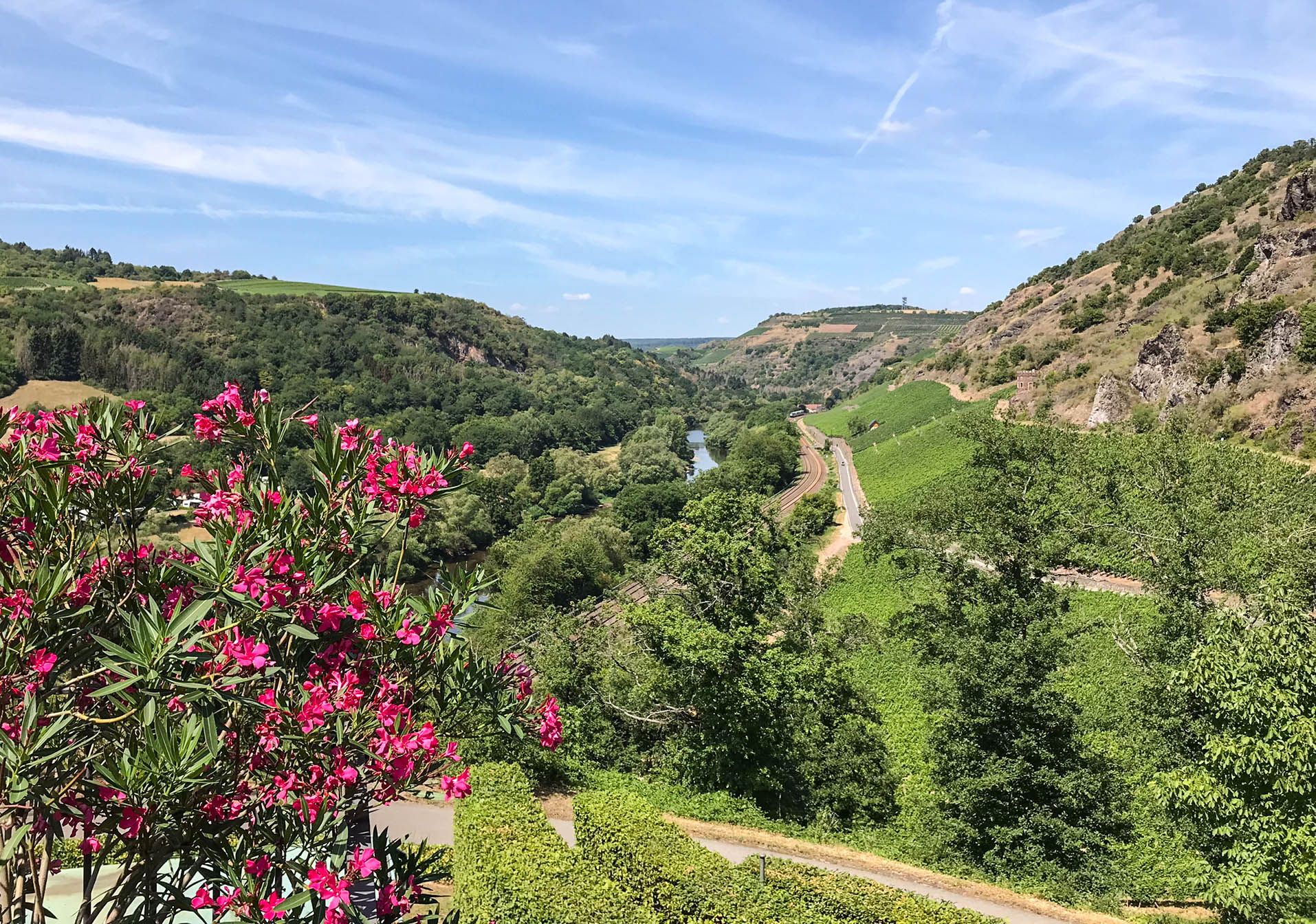
Guldental gravel bike trails no traffic traverse a landscape characterized by vineyards, rolling hills, and forests within the Naheland region. Situated at the southern foothills of the Hunsrück and along the Guldenbach, the area offers diverse terrain for gravel biking. The proximity to the Nahe River further contributes to varied routes, combining both paved and unpaved paths. This setting provides a range of options for cyclists seeking routes away from traffic.
Best no traffic gravel bike trails around Guldental
- The…
Last updated: August 21, 2026
5.0
(3)
21
riders
Hard gravel ride. Very good fitness required. Mostly paved surfaces. Suitable for all skill levels.
4
riders
Hard gravel ride. Very good fitness required. Mostly paved surfaces. Suitable for all skill levels.

Sign up for free
2
riders
29.8km
02:24
630m
630m
Hard gravel ride. Very good fitness required. Mostly paved surfaces. Suitable for all skill levels.
5.0
(2)
14
riders
Easy gravel ride. Great for any fitness level. Mostly paved surfaces. Suitable for all skill levels.
4.0
(1)
7
riders
33.6km
02:19
380m
380m
Moderate gravel ride. Good fitness required. Mostly paved surfaces. Suitable for all skill levels.
Get access to more routes and recommendations from other explorers.
Sign up for free
Already have an account?
Our route recommendations are based on thousands of hikes, rides, and runs completed by other people on komoot.
Start today with a free account
Your next adventure awaits.
Login or Signup
Other adventures around Guldental

Tips from the Community

Currently fenced off due to wild boar plague and also worst low water.
0
0

Flood levels of the last 100 years
0
0


The Hindenburgbrücke was an important railway bridge over the Rhine, connecting Rüdesheim am Rhein with Bingen am Rhein (Kempten district). It was built between 1913 and 1915 and solemnly opened in August 1915 during World War I. With a total length of over a kilometer, it was an imposing technical structure that primarily served to close the strategically important railway connection between the Ruhr area and the Saarland and to relieve the Rhine routes. The structure was designed for double tracks and featured combined steel and stone arch constructions. A distinctive feature were the widely visible, castle-like bridge towers at the ends, which were architecturally adapted to the castles of the region. During World War II, the bridge became a strategic target and was finally blown up by German troops in March 1945 to stop the advance of the US Army; additional air raids almost completely destroyed the remaining parts. After the war, the Hindenburgbrücke – unlike many other bridges – was not rebuilt, as transport routes had changed and the priority lay with other Rhine crossings. Today, only the striking stone approach bridges and the bridge towers remain as "silent witnesses" on the Rhine bank and on the island of Rüdesheimer Aue. These ruins are listed as historical monuments and are part of the UNESCO World Heritage Upper Middle Rhine Valley, with the remaining piers in the shipping channel being blown up in the 1960s for navigational safety reasons.
6
0

In addition to the beautiful view, you can also enjoy a delicious ice cream from the ice cream parlor on the corner.
2
0


View of the Nahe River from the direction of the bridge houses (landmark of KH). There are now restaurants and cafes on the bridge again, inviting visitors to linger and enjoy themselves (as of January 26th).
0
0
Frequently Asked Questions
How many traffic-free gravel bike trails are available around Guldental?
Guldental offers a diverse selection of traffic-free gravel bike trails. You'll find over 40 routes, ranging from easy rides perfect for beginners to more challenging tours for experienced gravel bikers. This variety ensures there's something for every fitness level.
What kind of landscapes can I expect on the gravel trails around Guldental?
The gravel trails around Guldental traverse a beautiful and varied landscape. You'll cycle through extensive vineyards, characteristic of the Naheland region, and enjoy rolling hills and forested areas as you approach the southern foothills of the Hunsrück. Many routes also follow the scenic Guldenbach Valley or offer glimpses of the nearby Nahe River.
Are there any easy, traffic-free gravel routes suitable for beginners or families?
Yes, there are easy, traffic-free gravel routes around Guldental. For a relatively flat and scenic ride, consider the Rhein Riverside Cycle Path – Rhine Beach, Sandlache Nature Reserve loop from Münster-Sarmsheim. This route is classified as easy and offers a pleasant experience for those new to gravel biking or looking for a relaxed outing with family.
What are some scenic viewpoints or landmarks I can discover along the trails?
The region around Guldental is rich in scenic viewpoints and historical landmarks. You can find stunning vistas such as the View from the Gans (Bad Kreuznach) or the Zotzenheimer Horn Viewpoint. The trails often pass through picturesque vineyard landscapes, and you might even spot historical sites like the Rossel castle ruins in the wider Naheland region.
What do other gravel bikers enjoy most about the traffic-free trails in Guldental?
The komoot community highly rates the gravel biking experience in Guldental, with an average score of 4.7 stars. Reviewers often praise the tranquility of the traffic-free paths, the diverse scenery ranging from vineyards to forests, and the well-maintained routes that allow for an immersive outdoor adventure.
Are there any challenging traffic-free gravel routes for advanced riders?
Absolutely. For advanced riders seeking a challenge, Guldental offers several difficult traffic-free gravel routes. An example is the Nahe River at Rheingrafenstein – View of Rheingrafenstein Castle loop from Bad Kreuznach, which features significant elevation gain and covers a longer distance, providing a demanding yet rewarding experience.
Can I find circular gravel routes around Guldental?
Yes, many of the traffic-free gravel routes around Guldental are designed as circular loops, allowing you to start and end your ride at the same point without retracing your steps. This is ideal for exploring the diverse landscapes efficiently. For instance, the Franzosenkopf – Jägerhaus Forest Lodge loop from Waldalgesheim is a great option for a circular tour.
What is the best season for gravel biking in Guldental?
Gravel biking in Guldental is enjoyable throughout much of the year. Spring and autumn offer pleasant temperatures and vibrant colors, with the vineyards particularly beautiful during these seasons. Summer is also great, though it's advisable to start earlier in the day to avoid the midday heat. Even winter can be an option on clear days, though some paths might be muddy or require more robust tires.
Are there options for parking near the traffic-free gravel trails?
Yes, parking is generally available near the starting points of many gravel trails in and around Guldental. Given the region's popularity for outdoor activities, you can often find designated parking areas in villages or at trailheads, making it convenient to access the traffic-free routes.
Are there any routes that combine gravel biking with historical or cultural sights?
Many routes in the Guldental area naturally combine gravel biking with opportunities to experience local history and culture. The region is known for its winegrowing, so you'll often cycle through vineyards and past wineries. While not directly on a route listed here, the nearby Feldbahn Museum in Guldental offers a unique historical experience, and the wider Naheland region has various castles and historical sites that can be explored as part of a longer trip.
Most popular routes around Guldental
Most popular attractions around Guldental

Get inspired with the komoot mobile app


Explore more
Browse the best Gravel rides in other regions.
