The best traffic-free bike rides around Horschbach
4.5
(83)
1,286
riders
8
rides
No traffic road cycling routes around Horschbach are situated at the foot of the Palatinate Mountains, offering a varied landscape for cyclists. The region features a mix of gentle hills and valleys, with more challenging climbs available in the broader North Palatine Uplands. Cyclists can expect routes through picturesque forests and along tranquil river valleys, including the Glan and Lauter. The area's topography provides diverse experiences for road cyclists.
Best no traffic road cycling routes around Horschbach
- The most popular…
Last updated: May 15, 2026
4.3
(6)
49
riders
Moderate road ride. Great for any fitness level. Some segments of this route may be unpaved and difficult to ride.
5.0
(2)
16
riders
Easy road ride. Great for any fitness level. Mostly well-paved surfaces and easy to ride.

Sign up for free
9
riders
26.2km
01:25
170m
170m
Moderate road ride. Great for any fitness level. Some segments of this route may be unpaved and difficult to ride.
5.0
(1)
11
riders
Easy road ride. Great for any fitness level. Mostly well-paved surfaces and easy to ride.
5.0
(1)
6
riders
41.3km
01:47
260m
260m
Moderate road ride. Great for any fitness level. Some segments of this route may be unpaved and difficult to ride.
Get access to more routes and recommendations from other explorers.
Sign up for free
Already have an account?
Our route recommendations are based on thousands of hikes, rides, and runs completed by other people on komoot.
Start today with a free account
Your next adventure awaits.
Login or Signup
Popular around Horschbach
Tips from the Community


Beautiful little old town
0
0

To mark the construction of the roundabout in 2008 at the intersection of the B423 and L363, a Rhönrad (gym wheel) was installed in its center. The sculpture was designed and created by the artist Edelgard Lösch from Steinwenden. The artwork is a tribute to Otto Feick, the inventor of the Rhönrad, who grew up in Glan-Münchweiler. He offered passive resistance to the French occupation, which led to his expulsion from the Palatinate in 1923. He moved to Schönau an der Brendt, located in the Rhön Mountains. By 1925, he had developed a gymnastic apparatus which he named "Rhönrad" after his new home. Source: https://glan-muenchweiler.de/entdecken/
0
0

The wolf fountain on the town hall square in Wolfstein pays homage to the town's name, which dates back to a historic noble line, the Lords of Wolfstein. The wolf in the fountain symbolizes the naming and, as a heraldic animal, represents the town's historical connection to this line, which named itself after the town in the late 13th century.
3
0

The early 14th-century civic tower once served, in addition to its defensive function, as a debtors' prison on its second floor when a debtor couldn't pay or provide a reliable guarantor. Drunkards, rioters, adulterers, and parents whose children were truant from school also received a short "tower punishment." Until the end of the 17th century, a circular enclosure preceded the tower.
2
0
five-arched quarry stone bridge over the Lauter with breakwaters, before the middle of the 17th century
3
0
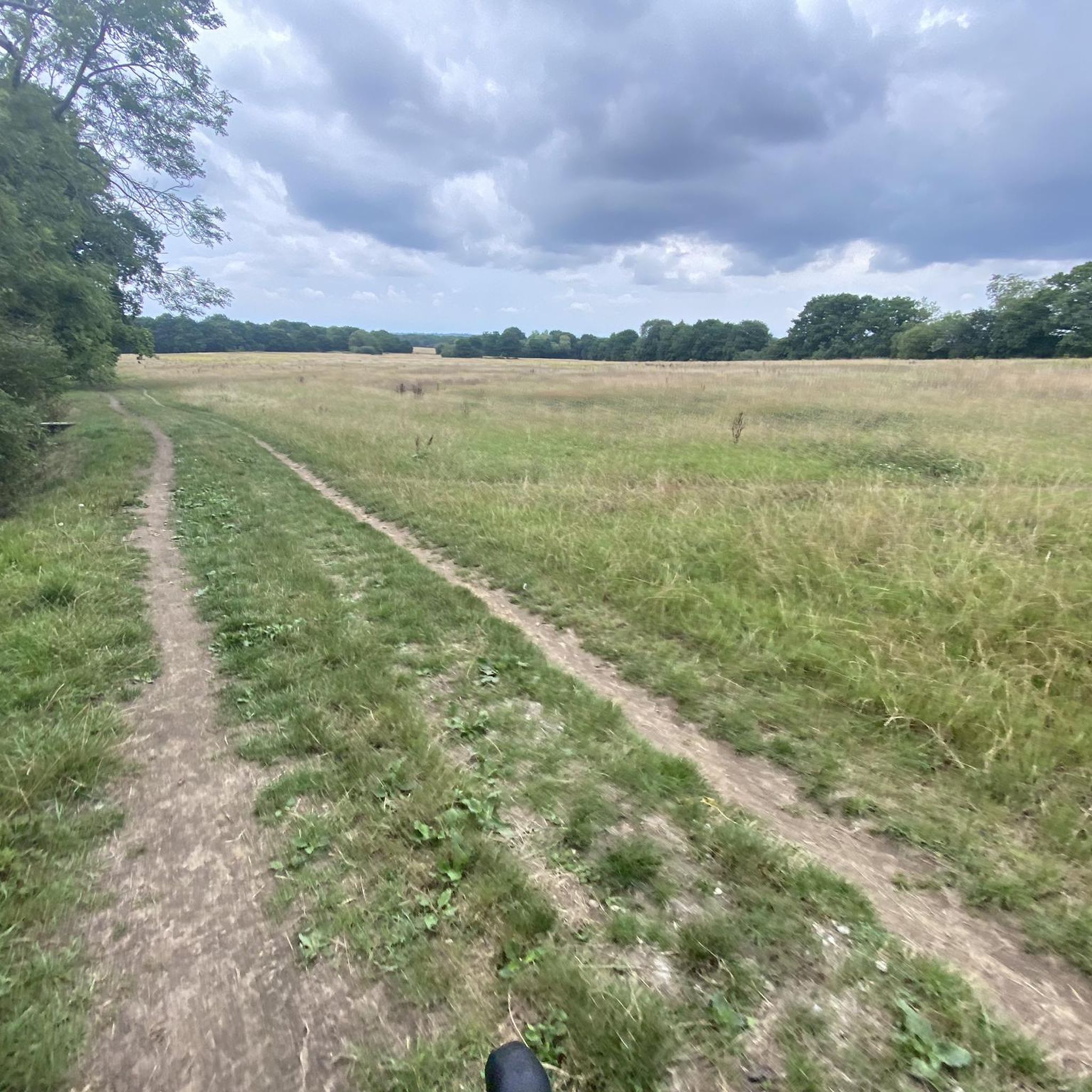
Great cycle path highly recommended
0
0
Frequently Asked Questions
How many no-traffic road cycling routes are available around Horschbach?
There are currently around 9 dedicated no-traffic road cycling routes in the Horschbach region. These routes vary in length and difficulty, offering options for different fitness levels.
What kind of terrain can I expect on these no-traffic road cycling routes?
The routes around Horschbach offer a varied landscape. You can expect gentle hills and picturesque valleys, especially along river valleys like the Glan, Lauter, and Nahe. Some routes may also feature more challenging climbs as you venture into the Palatinate Mountains or the North Palatine Uplands, providing a mix of terrain for all cyclists.
Are there any easy, no-traffic road cycling routes suitable for beginners?
Yes, there are easy routes available. For instance, the Meisenheim Old Town – View of the Glan River loop from Lauterecken-Grumbach is classified as easy, offering a more relaxed ride with less elevation gain. The region's well-maintained cycle paths, particularly along river valleys, are generally suitable for leisurely cycling.
What are some interesting sights or landmarks I can see along the no-traffic road cycling routes?
Many routes offer scenic views and pass by points of interest. For example, you might encounter historic sites like Lichtenberg Castle, or natural features such as the Glan River. The Stork Aviary Theisbergstegen – Sculpture Trail in Mohrbachtal loop from Theisbergstegen takes you through varied landscapes. You can also explore nearby attractions like the Wildfrauenloch (Wild Women's Cave) or the Erdesbach Weir on the Glan.
What do other cyclists enjoy most about road cycling in Horschbach?
The Horschbach region is highly rated by the komoot community, with an average score of 4.4 stars from 78 ratings. Reviewers often praise the quiet, well-maintained roads, the diverse scenery ranging from forests to river valleys, and the overall peaceful atmosphere for road cycling away from traffic.
Are there any routes that pass through forests or along river valleys?
Absolutely. The region around Horschbach is enveloped by picturesque forests, and many cycling routes lead through dense woodlands. You'll also find paths along tranquil river valleys such as the Glan and Lauter Valleys. The Krausenbruch Wetlands loop from Reichenbach is an example of a route that offers natural scenery.
Can I find routes that offer views of vineyards?
While Horschbach itself is not directly in the main wine-growing area, the broader Palatinate region is Germany's second-largest wine-growing area. Many regional cycling routes, especially those further along the German Wine Route, traverse charming wine villages and offer views of expansive vineyards, adding a unique cultural dimension to your ride.
What is the best time of year for no-traffic road cycling in Horschbach?
The spring, summer, and early autumn months generally offer the best conditions for road cycling in Horschbach. During these seasons, the weather is typically mild, and the natural landscapes are at their most vibrant. The well-maintained paths are suitable for cycling throughout these periods.
Are there any longer, more challenging no-traffic road cycling routes?
Yes, for those seeking a longer ride, routes like the Weilerbach Celtic Wagon Grave – Silver Lake loop from Reichenbach offer a moderate challenge with more distance and elevation gain. The varied topography of the Palatinate Mountains provides opportunities for more demanding rides.
Are there any circular no-traffic road cycling routes available?
Yes, many of the no-traffic road cycling routes around Horschbach are designed as loops, allowing you to start and end at the same point. Examples include the Sculpture Trail in Mohrbachtal – View of Potzberg loop from Reichenbach, which offers a circular experience through scenic landscapes.
Is there parking available near the starting points of these routes?
While specific parking details for each route vary, the region is generally well-equipped for cyclists. Many towns and villages that serve as starting points for these routes, such as Reichenbach or Theisbergstegen, offer public parking facilities. It's advisable to check local parking options for your chosen starting location.
Can I find places to eat or drink along the no-traffic road cycling routes?
The region is equipped to cater to cyclists, with opportunities to enjoy local culinary specialties. Many routes pass through or near charming villages where you can find cafes, pubs, or restaurants to refuel during your ride. The broader Rhineland-Palatinate state has good supporting infrastructure for visitors.
Most popular attractions around Horschbach

Get inspired with the komoot mobile app


Explore more
Browse the best Road cycling routes in other regions.
