The best traffic-free bike rides around Ginsweiler
4.5
(4)
22
riders
3
rides
Gravel biking around Ginsweiler offers diverse terrain within the North Palatine Uplands of Rhineland-Palatinate, Germany. The region is characterized by its river valleys, including the Odenbach, Glan, and Lauter, which provide numerous cycle paths. Hilly sections and a network of forestry and service roads contribute to varied riding conditions. Elevations in the area reach up to 350 meters above sea level, creating a mix of gradients suitable for gravel biking.
Best no traffic gravel bike trails around Ginsweiler
- The most…
Last updated: May 15, 2026
2
riders
32.2km
02:27
620m
620m
Hard gravel ride. Very good fitness required. Mostly paved surfaces. Suitable for all skill levels.
2
riders
47.8km
03:20
1,000m
1,000m
Hard gravel ride. Very good fitness required. Mostly paved surfaces. Suitable for all skill levels.

Sign up for free
2
riders
54.0km
03:55
1,130m
1,130m
Hard gravel ride. Very good fitness required. You may need to push your bike for some segments of this route.
Our route recommendations are based on thousands of hikes, rides, and runs completed by other people on komoot.
Start today with a free account
Your next adventure awaits.
Login or Signup
Popular around Ginsweiler

Tips from the Community

beautiful trail to the Donnersberg
0
0


Great view over Katzenbach and the surrounding area!!
0
0

Terminal of the Lautertalbahn from Kaiserslautern main station to here.
2
0
Great cycle path highly recommended
0
0

The Glan-Blies cycle path is one of the most beautiful cycle paths in southwest Germany https://www.glan-blies-weg.de/ https://draisinentour.de/
1
0

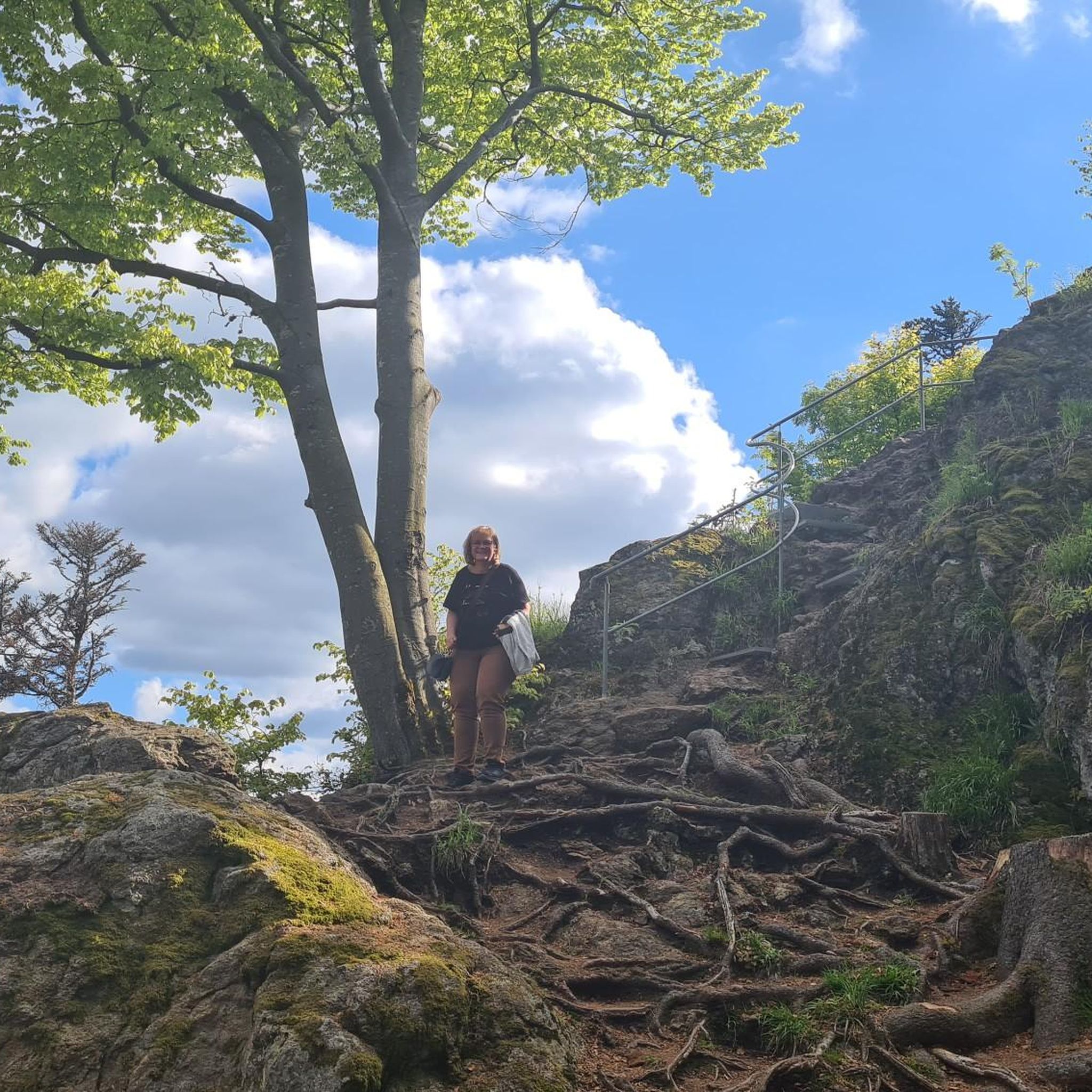
Beautiful, old stone signpost stands on Hühnerberg
3
0
Two new benches are now outside
8
1
Frequently Asked Questions
How many no-traffic gravel bike trails are available around Ginsweiler?
Komoot currently features three distinct no-traffic gravel bike trails around Ginsweiler. These routes are generally considered challenging, offering a rewarding experience for experienced riders seeking quiet paths away from cars.
What kind of terrain can I expect on no-traffic gravel routes around Ginsweiler?
The region around Ginsweiler, nestled in the North Palatine Uplands, offers a diverse mix of terrain. You'll find routes winding through scenic river valleys like the Odenbach, Glan, and Lauter, often utilizing well-maintained cycle paths and forestry roads. Expect rolling hills and varied surfaces, characteristic of excellent gravel biking country. The area's elevations can reach up to 350 meters, providing a good blend of athletic dynamics and off-road capability.
Are there any family-friendly no-traffic gravel bike trails near Ginsweiler?
While the routes currently featured in this guide are rated as 'difficult' due to their length and elevation, the broader region offers sections suitable for families. For example, parts of the Odenbachtal Cycle Route or the barrier-free path between Lauterecken and Reipoltskirchen offer gentler gradients and idyllic scenery, though they may include short inclines and require sharing roads within towns. These sections could be adapted for family rides.
What are some interesting sights or landmarks I might encounter on a no-traffic gravel ride?
Many routes in the Ginsweiler area pass by historical and natural points of interest. You might cycle past the Ruins of Neu-Wolfstein Castle or the charming Meisenheim Old Town. Natural highlights include the Königsberg Summit or the unique Stahlberg Menhir. The Glan-Blies Cycle Path Along the Draisine Railway also offers a unique experience.
What is the best time of year for gravel biking in Ginsweiler?
Spring and autumn are generally considered the best seasons for gravel biking in Ginsweiler. The weather is pleasantly mild, and the natural scenery is particularly vibrant with blooming flowers or colorful foliage. While summer can be hot, making rides more strenuous, the milder seasons offer optimal conditions for exploring the area's diverse landscapes.
Are there options for parking when accessing these no-traffic gravel trails?
Yes, parking is generally available in and around the starting points of many routes in the region. For example, the route "Lauterecken-Grumbach Station – Lauterecken Brewery loop from Lauterecken-Grumbach" starts near Lauterecken-Grumbach, where parking facilities can typically be found. Similarly, routes starting from Waldgrehweiler or Relsberg will have local parking options.
How can I reach Ginsweiler with my bike using public transport?
Ginsweiler is situated in a region with some public transport connections. While direct train access to Ginsweiler itself might be limited, nearby towns like Lauterecken, which is a starting point for routes like "Lauterecken-Grumbach Station – Lauterecken Brewery loop from Lauterecken-Grumbach", are often accessible by regional trains or buses that accommodate bicycles. It's advisable to check local public transport schedules and bicycle carriage policies beforehand.
Are there any longer, more challenging no-traffic gravel routes for experienced riders?
Absolutely. The routes featured in this guide are all rated as 'difficult' and offer significant challenges. For instance, the "Hühnerberg Stone Marker – Falkenstein Gorge loop from Waldgrehweiler" covers over 54 km with more than 1100 meters of elevation gain, providing a substantial test for experienced gravel bikers. Another challenging option is the "Lauterecken-Grumbach Station – Lauterecken Brewery loop from Lauterecken-Grumbach" at nearly 48 km and over 1000 meters of ascent.
What do other gravel bikers say about the no-traffic routes in Ginsweiler?
The komoot community highly rates the cycling experiences in this area, with an average score of 4.5 out of 5 stars based on 4 ratings. Reviewers often praise the quiet, natural surroundings and the challenging yet rewarding terrain that makes for an excellent gravel biking adventure away from traffic.
Can I find circular no-traffic gravel routes in the area?
Yes, all three routes highlighted in this guide are circular, allowing you to start and end at the same point. For example, the "Small Quarry Hut (Palatinate) – View from Galgenberg loop from Relsberg" is a 32 km loop, and the "Hühnerberg Stone Marker – Falkenstein Gorge loop from Waldgrehweiler" is a longer 54 km circular route, both offering extensive no-traffic gravel riding.
Are there any places to stop for refreshments or coffee along these trails?
While the routes themselves focus on natural, no-traffic sections, they often pass through or near small villages and towns where you can find opportunities for refreshments. For instance, routes that traverse the Odenbach or Glan valleys will likely have cafes or restaurants in the larger settlements. It's always a good idea to plan your stops in advance, especially on longer rides, as options might be sparse in more remote sections.
Most popular attractions around Ginsweiler

Get inspired with the komoot mobile app


Explore more
Browse the best Gravel rides in other regions.
