The best city hikes and walks in Südwestpfalz
4.6
(60153)
202,193
hikers
92
hikes
Urban hiking trails in Südwestpfalz traverse a landscape characterized by the western edge of the Palatinate Forest, featuring gentle hills and the distinctive red sandstone formations of the Dahner Felsenland. The region's urban areas are often nestled within or adjacent to these natural features, providing varied terrain for walks. Trails frequently incorporate historical elements such as medieval ruins and ancient fortifications.
Best urban hiking trails in Südwestpfalz
- The most popular urban hiking route is Old lock (Pfisterturm) – View of…
Last updated: October 1, 2026
4.7
(195)
803
hikers
6.54km
01:40
20m
20m
Easy hike. Great for any fitness level. Easily-accessible paths. Suitable for all skill levels.
4.7
(40)
200
hikers
Easy hike. Great for any fitness level. Easily-accessible paths. Suitable for all skill levels.

4.1
(14)
121
hikers
Easy hike. Great for any fitness level. Easily-accessible paths. Suitable for all skill levels.
4.6
(12)
57
hikers
Easy hike. Great for any fitness level. Easily-accessible paths. Suitable for all skill levels.
4.6
(8)
16
hikers
4.27km
01:08
50m
50m
Easy hike. Great for any fitness level. Easily-accessible paths. Suitable for all skill levels.
Get access to more routes and recommendations from other explorers.
Already have an account?
Our route recommendations are based on thousands of hikes, rides, and runs completed by other people on komoot.
Start today with a free account
Your next adventure awaits.
Popular around Südwestpfalz
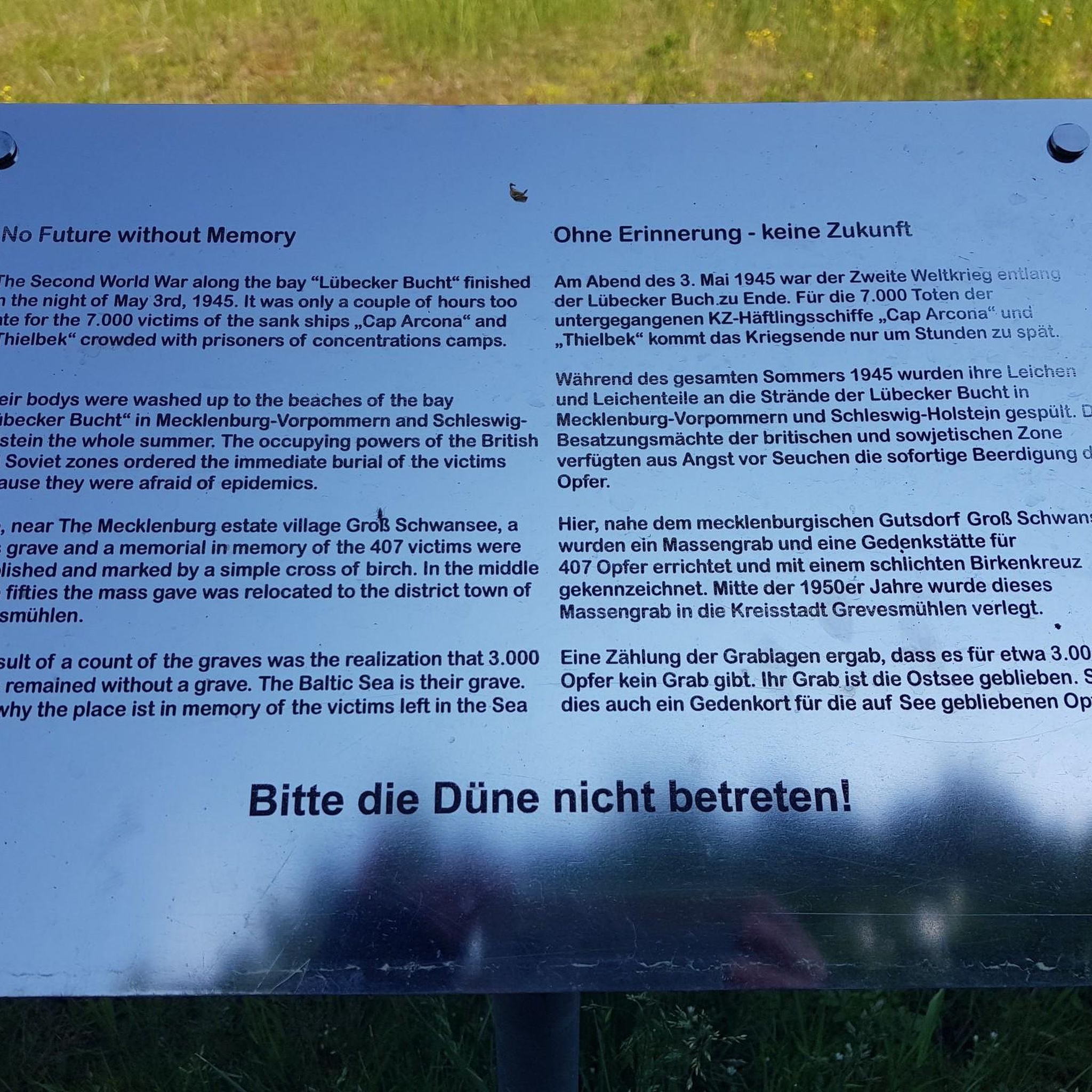
City hikes in Naturpark Pfälzerwald - Kernzone Bobenthaler Knopf
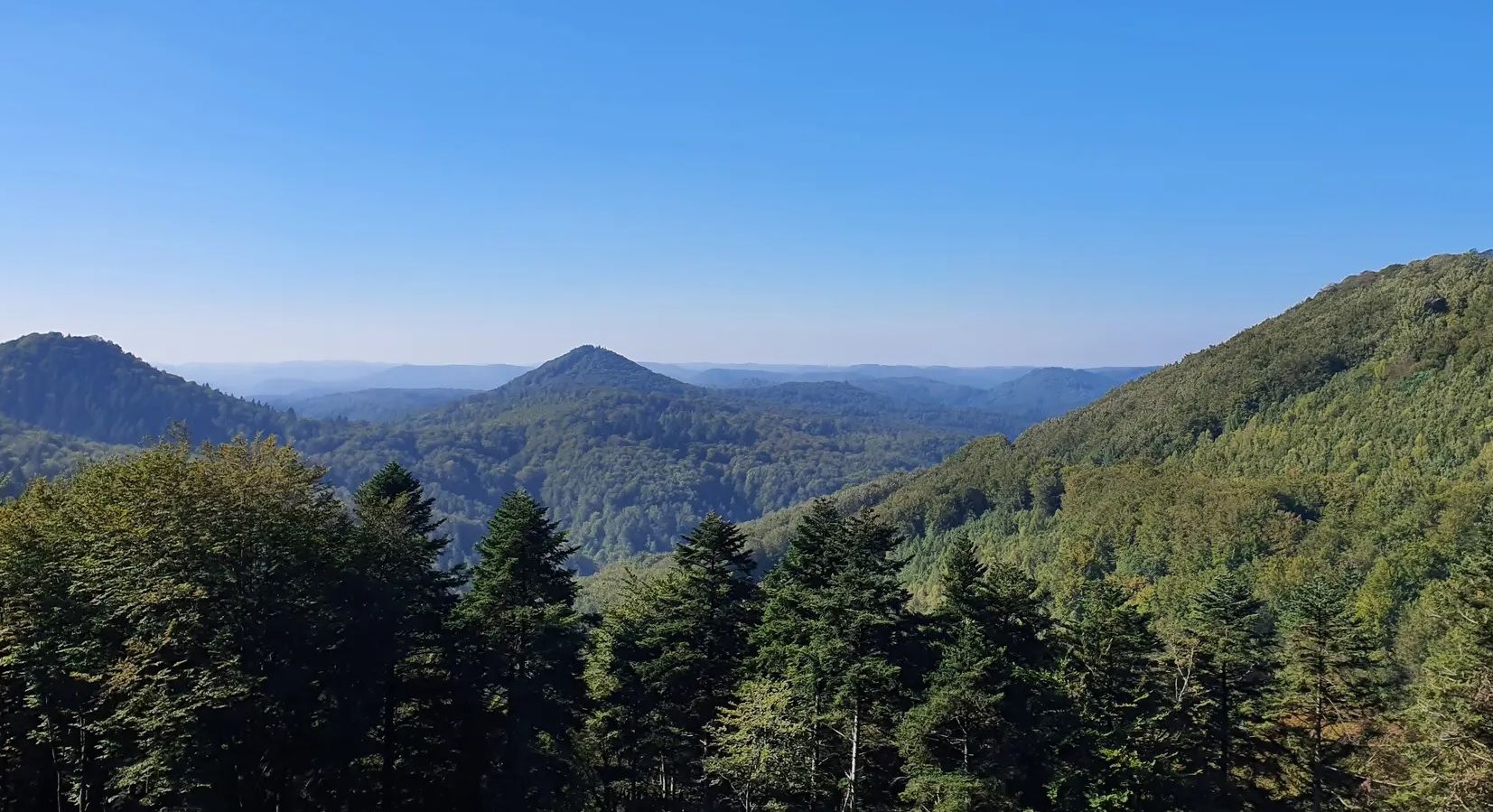
Palatinate Forest Trail – Hike through seemingly unending forest
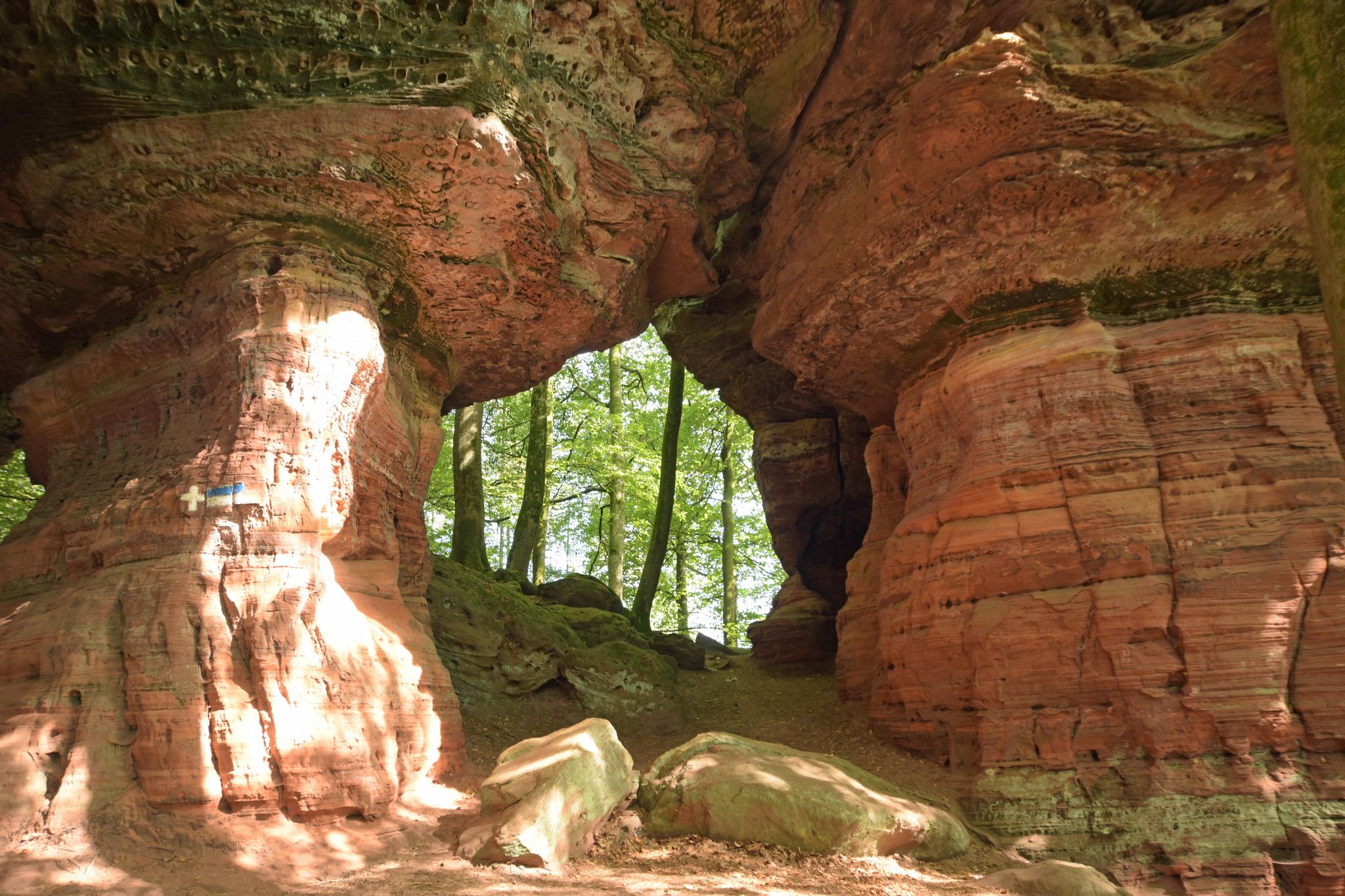
Caves and stone towers – Rodalb Rock Hiking Trail
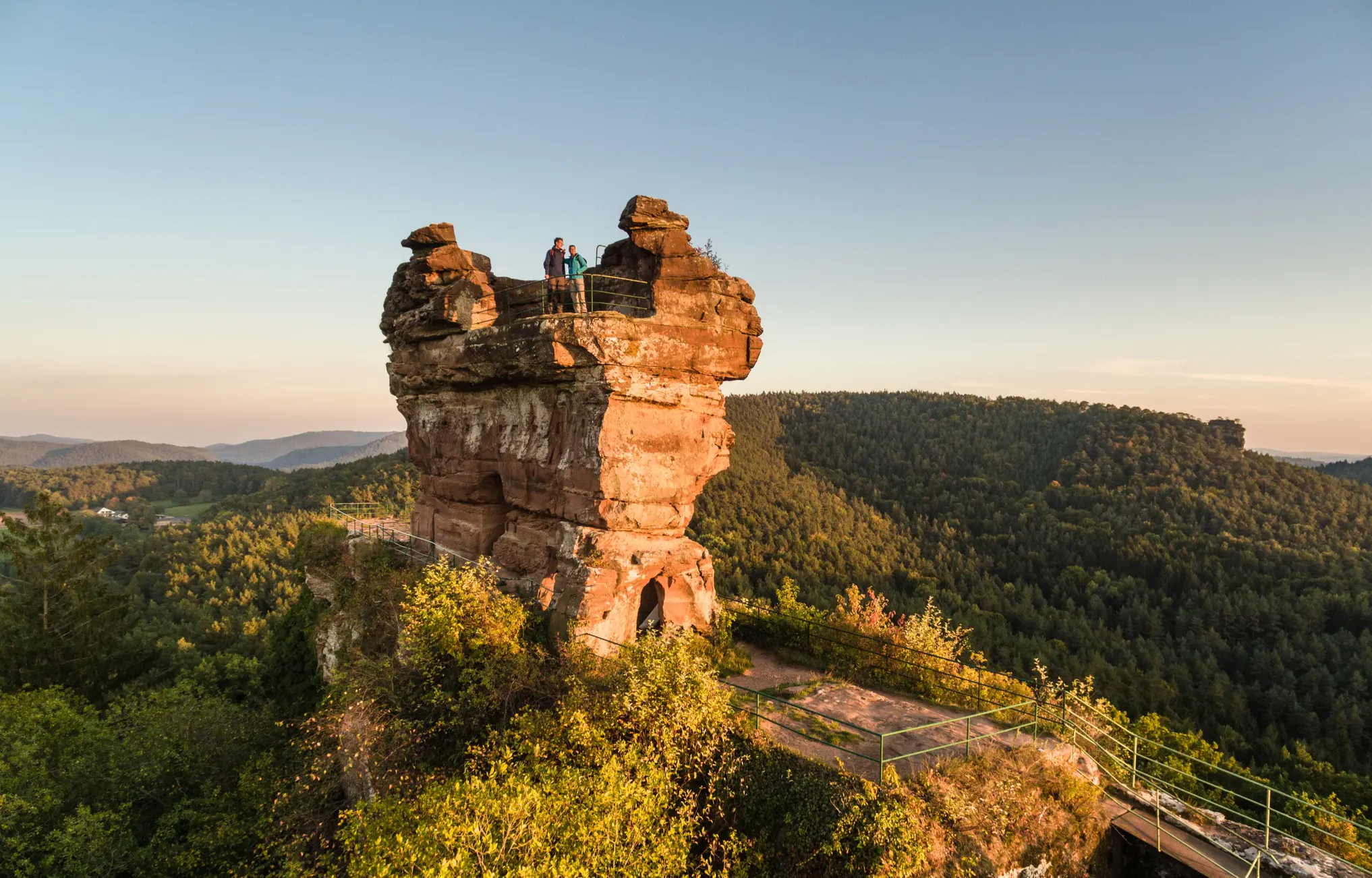
Wonderfully devilish tales – Germany’s Felsenland Legend Trail
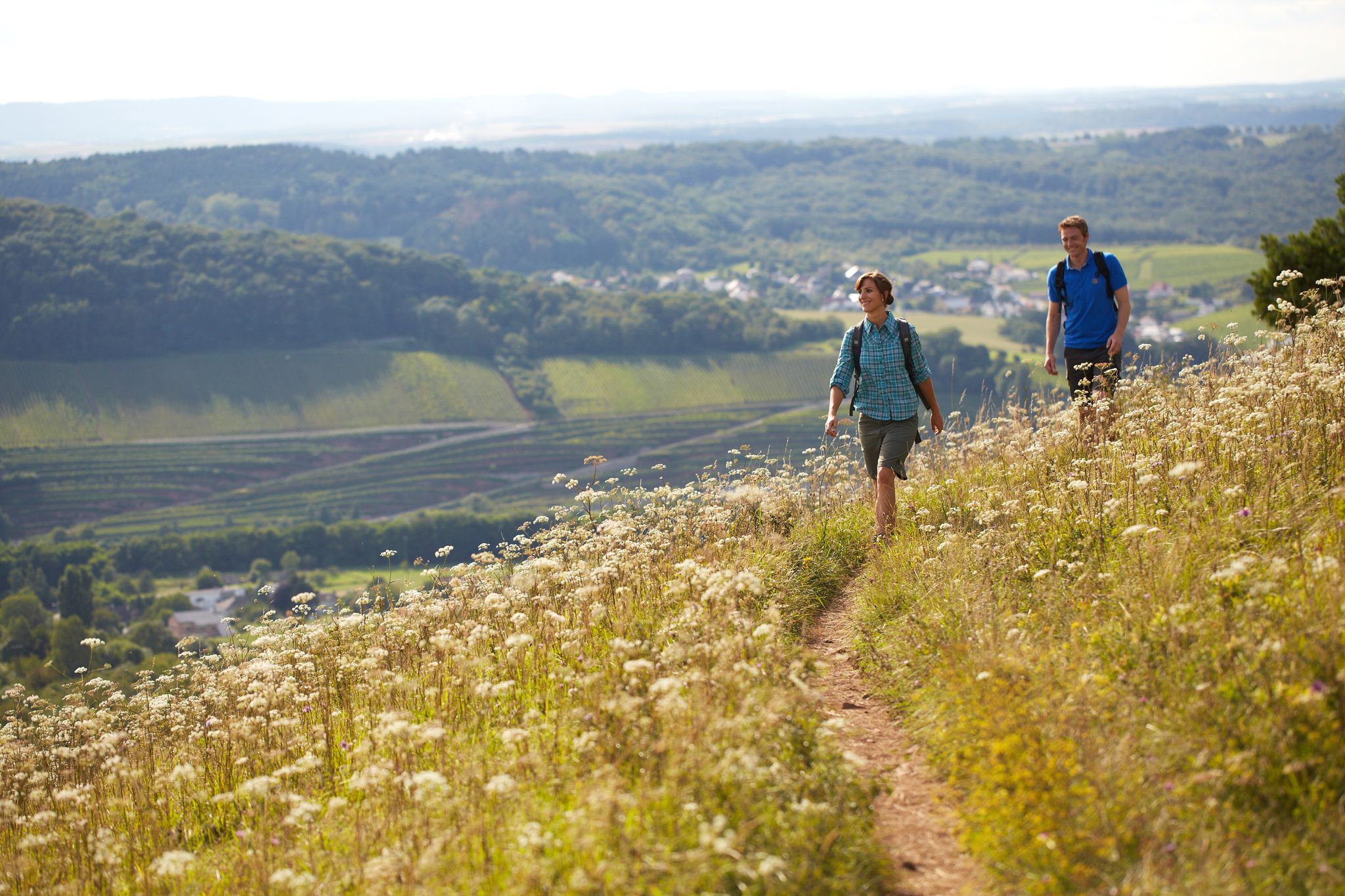
The ten most beautiful hiking trails through Saarland in Germany
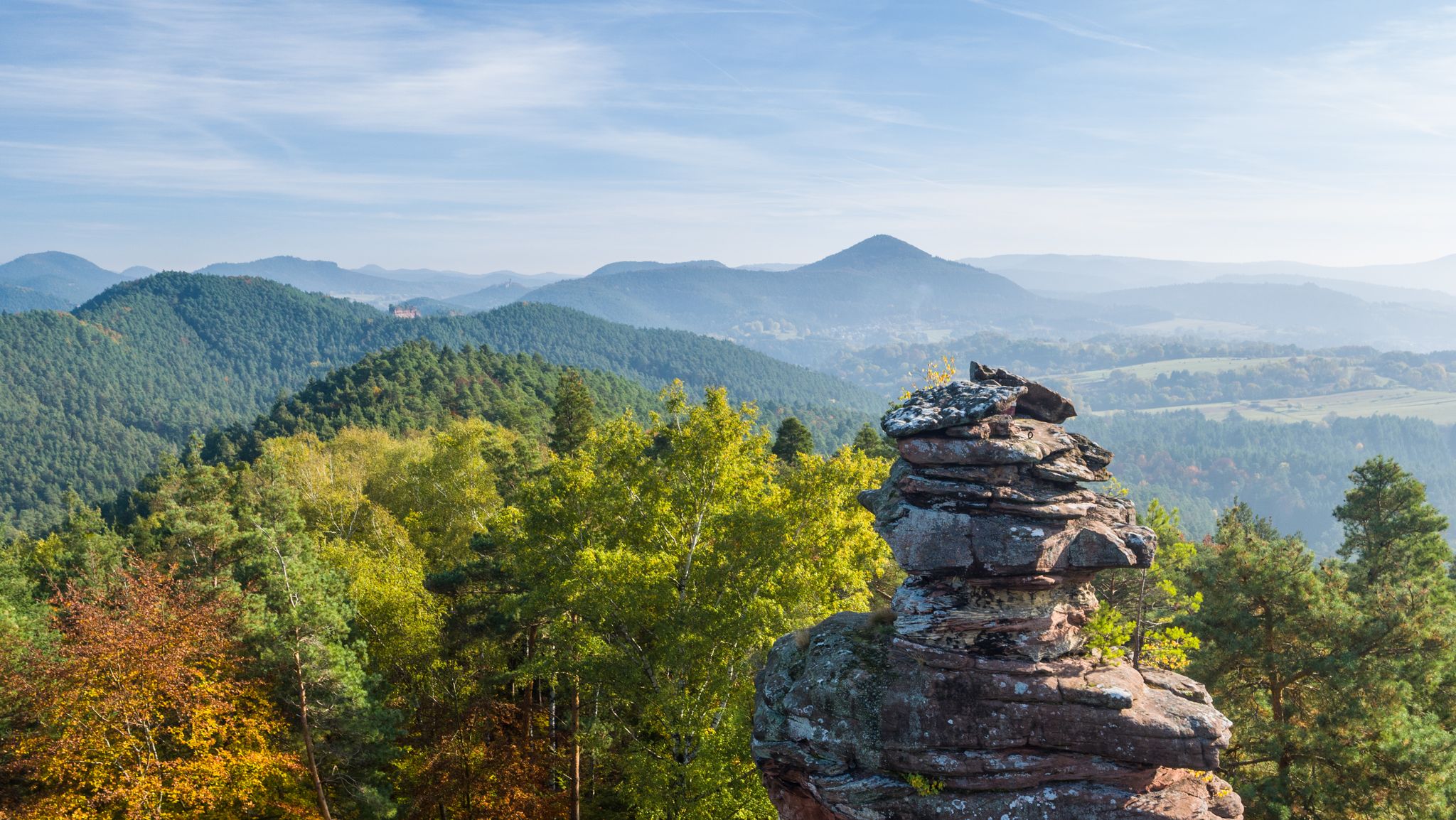
Palatinate hiking menu — day and half day hikes
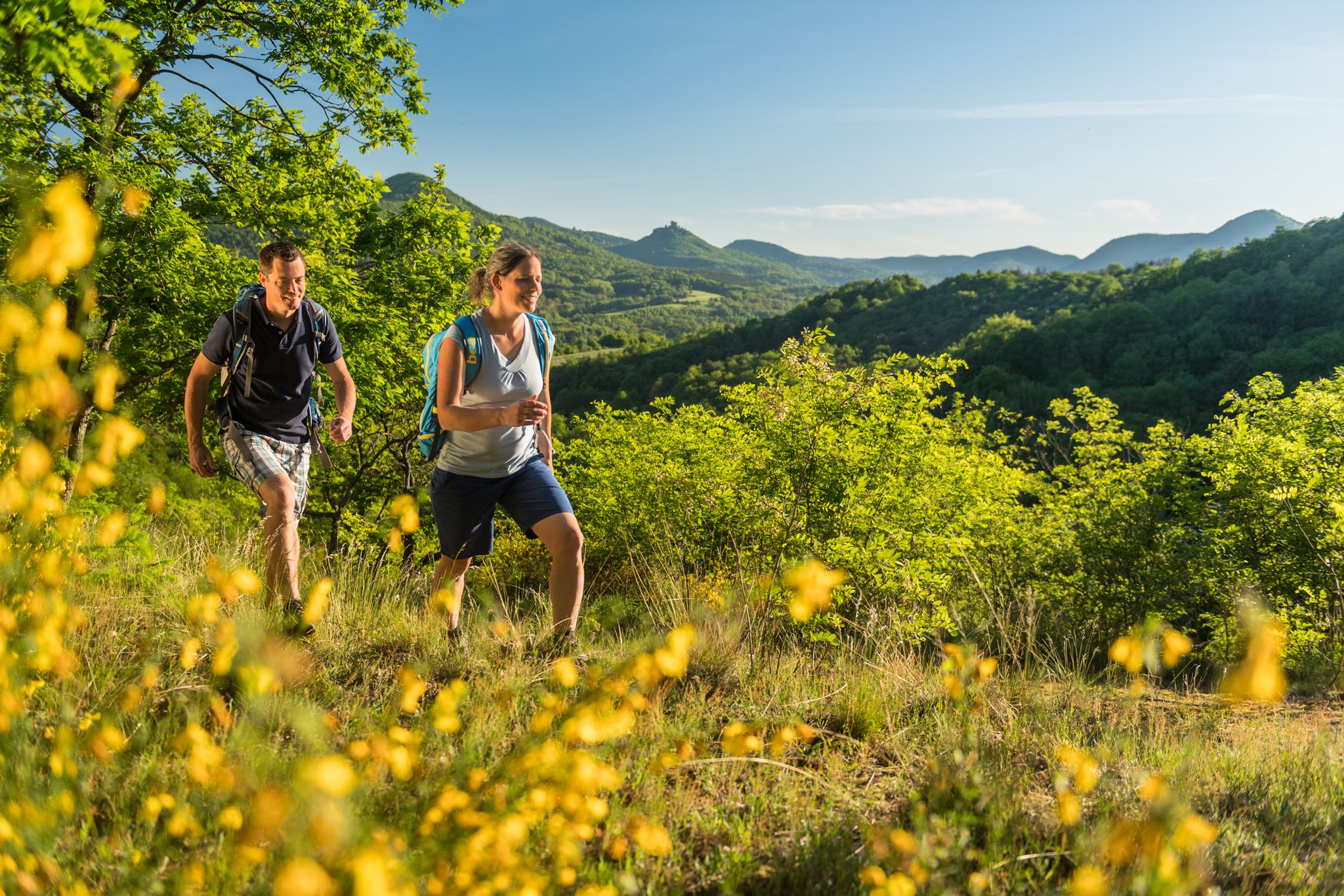
Palatinate hiking menu - immersive day hikes
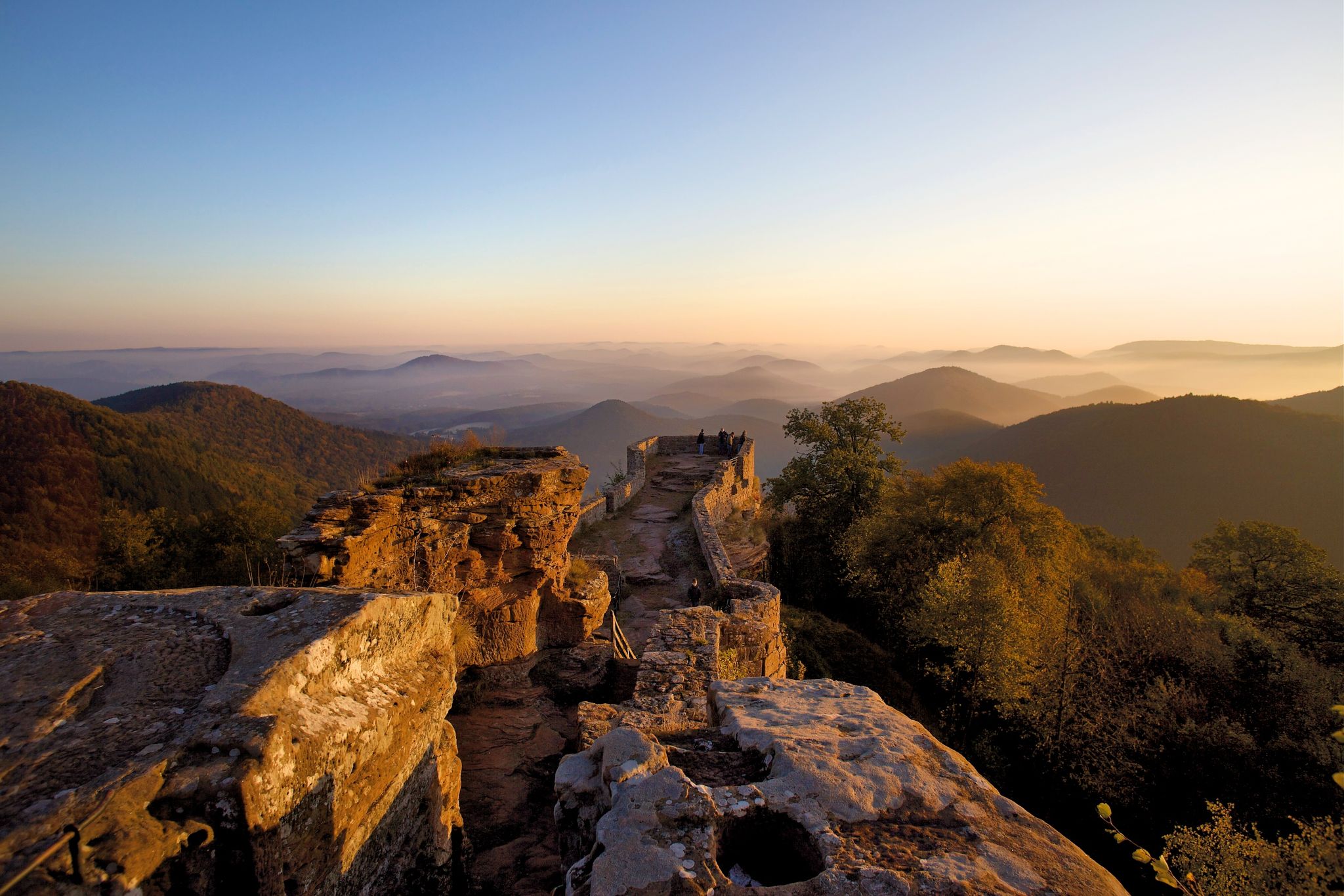
Pfälzer hiking menu — multi day hikes
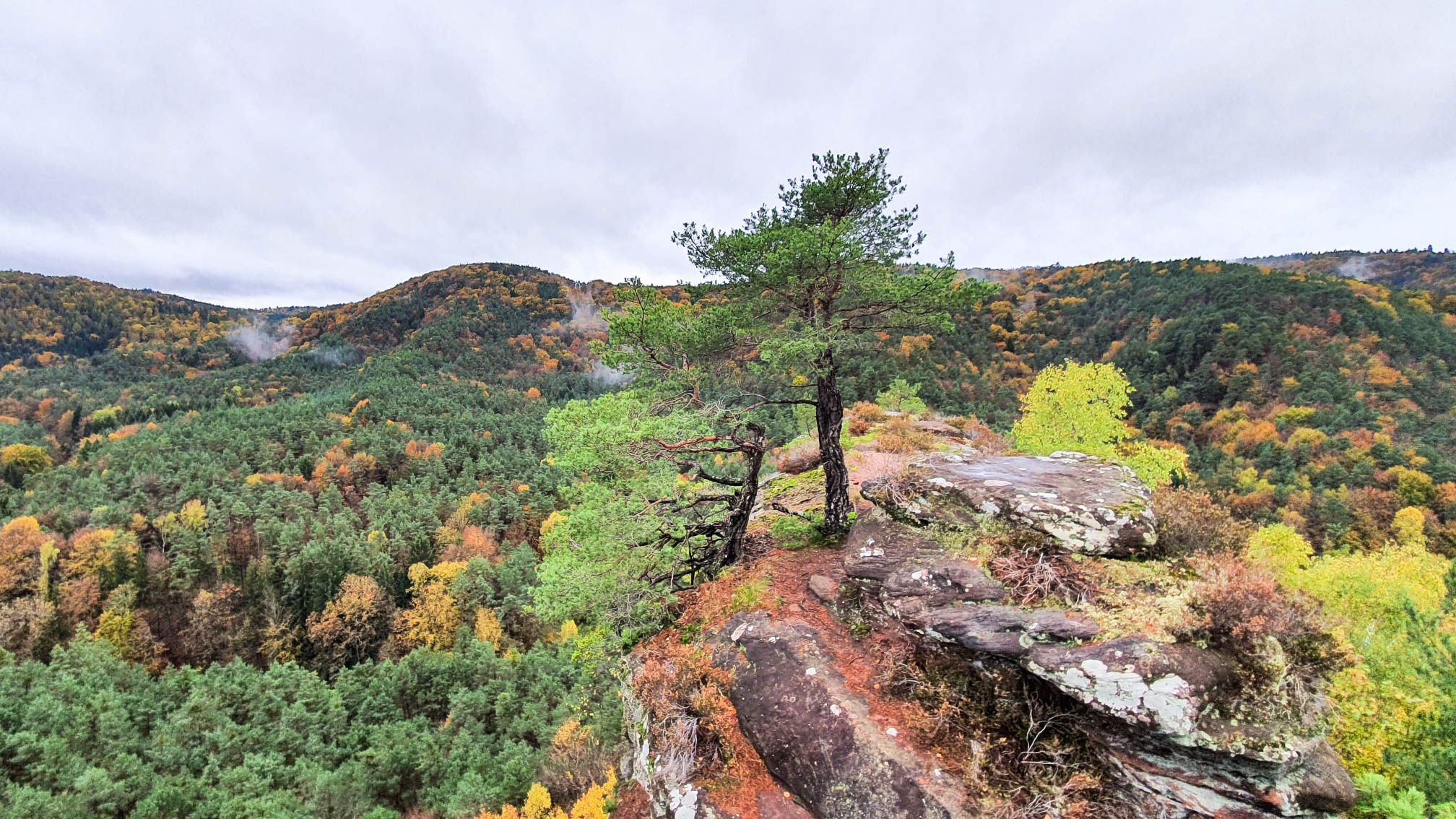
Colourful views — autumnal hikes in the Palatinate Forest
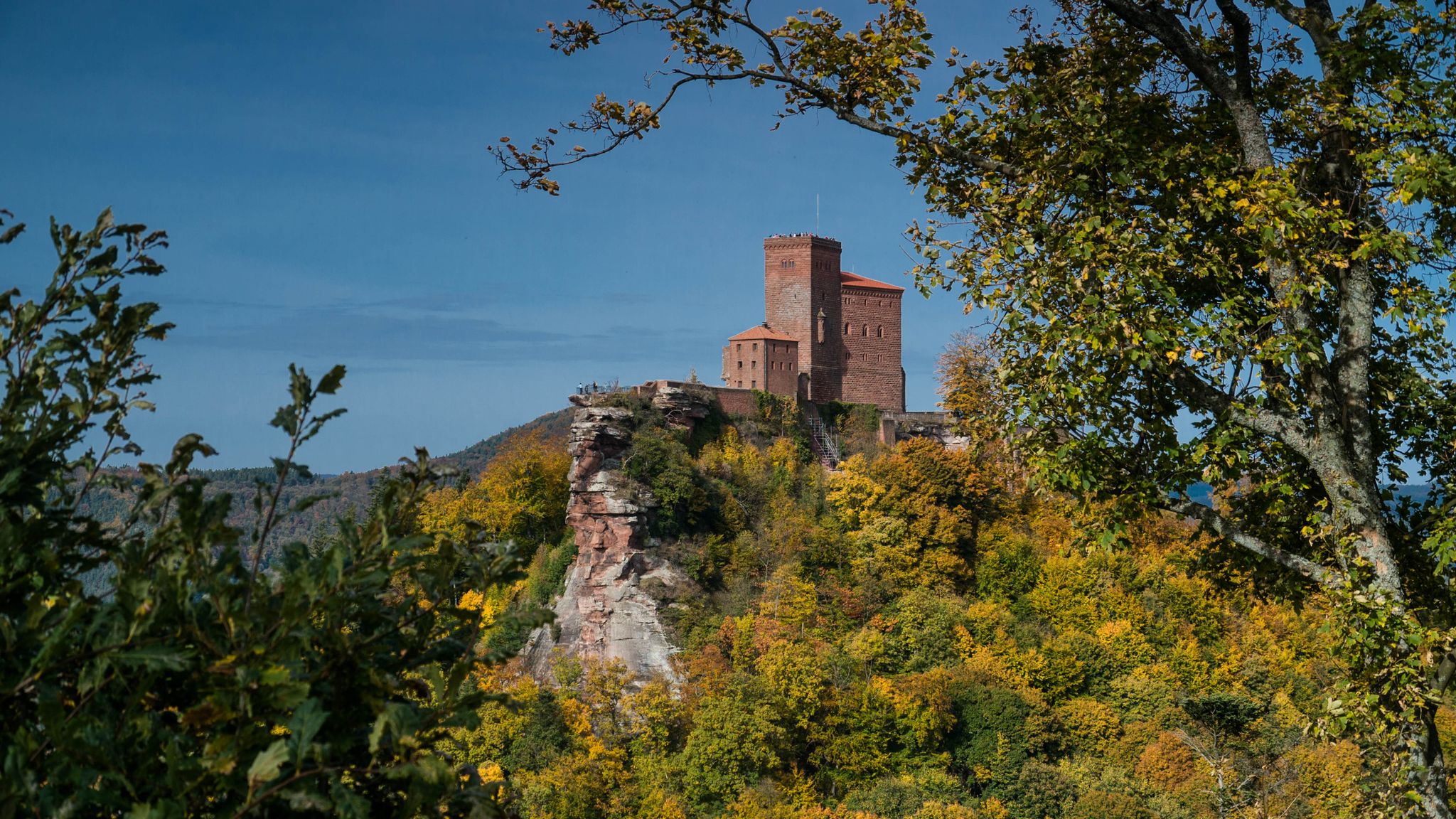
Castles in the Wasgau
Other adventures in Südwestpfalz


Tips from the Community

Along the Lauter there are many alleys and paths that repeatedly offer beautiful views of the river and the half-timbered houses of the old town of Wissembourg.
4
0

According to legend, the Iro-Scottish monk is said to have preached and built a small church. The city name Pirmasens is said to go back to this monk around 750 AD..?
0
0

Beautiful views and half-timbered houses along the Lauter river in Wissembourg.
1
0

It's worth taking a look at the Lauter from the many bridges. The perspectives are always different.
10
0

What would the (former) shoe town of Pirmasens be without the shoemaker Jean Joss? After completing his apprenticeship as a shoemaker in Paris, he settled in Pirmasens and laid the foundation for the local shoe industry. It is said that he sent his wife to the Prussian Rhine Province to sell shoes as early as the beginning of the 19th century. When other Pirmasens shoemakers saw how much money the Joss couple had earned from this trade, they too began to follow their example. And thus began the rise of the "shoe town" – or so the legend goes. Today, a bronze statue on the Shoemaker's Fountain in front of Luther Church commemorates Jean Joss. The fountain statue initially stood on the Upper Castle Square from 1921 before being moved to its permanent location here in 1981 following the construction of the pedestrian zone. Pithy sayings adorn the octagonal fountain basin, which at least in part also express the pride the people of Pirmasens have in their history. For example, one reads: "The shoe has made us great here, so don't despise the shoe and the cobbler!" or "If the shoe leaves the city limits, it shall be a praise for Pirmasens!" And then—and this is debatable— "True life is work, a German man never forgets!" Today, only a few of the shoe factories that once provided jobs for several thousand people remain. Low-cost production, initially in Southern and Southeastern Europe and now in South and East Asia, has led to the decline and to the fact that Pirmasens, as the "Shoe City of Germany," is now history. Source: https://ludwigunterwegs.wordpress.com/2019/10/27/huldigung-an-den-mit-begruender-der-pirmasenser-schuhindustrie-der-schuster-joss-brunnen/
1
0
Legend After the death of Landgrave Ludwig IX, Pirmasens faced hard times. According to legend, the former grenadier (soldier) Jean Joß sought ways to escape poverty. He came up with the idea of manufacturing "Schlappen" (shoes) and, after sending his wife to trade, succeeded in selling his products in the neighboring Rhineland. When Mrs. Joß finally returned with a handsome profit, other Pirmasens residents also took up the shoemaking trade, and thus, the "German Shoe Metropolis" gradually developed. Decision to Erect the Fountain The origins of the monument thus date back to 1809. At the city council meeting on July 12, 1910, the then mayor, Otto Strobel, announced that a gentleman, whose name shall remain unmentioned, had donated 8,000 marks to erect a fountain symbolizing the shoe industry. The mayor's office had submitted a request to the State Ministry of the Interior for Church and School Affairs in Munich (the Palatinate belonged to Bavaria from 1816 to 1946) for a grant for the construction of a fountain monument. The Bavarian State Ministry of the Interior wrote on April 10, 1913: "In the name of His Majesty the King. His Royal Highness Prince Ludwig, Regent of the Kingdom of Bavaria, has most graciously deigned to approve the allocation of 9,600 marks from the state budget for the care and promotion of art as a grant for the construction of a fountain monument in Pirmasens, subject to the following provisions: 1. The monument shall be erected as a smaller fountain monument relating to the development of the Pirmasens shoe industry on the upper Schlossplatz (market square) in Pirmasens [...]." Further provisions included the cost allocation and the announcement of an artistic competition for the monument project. .... Source: https://www.kuladig.de/Objectansicht/KLD-345956
1
0
Schuster-Joß Fountain ⛲ at night 🌜⭐ - Beginning of the local shoe industry - in front of the Luther Church - In front of the Luther Church - Pirmasens Inscription on the base: If the shoe leaves the city limits, it shall be a praise for Pirmasens
1
0
The eastern part of the city lies within the Palatinate Forest Nature Park, which in turn is part of the Palatinate Forest-Vosges du Nord Biosphere Reserve. Pirmasens has three large parks near the city center. These include the Old Cemetery, which was abandoned after the completion of the Forest Cemetery in the 1920s and later converted into a park. It contains gravestones from the 19th and early 20th centuries, as well as a modern sculpture park. The former funeral hall is used as the Carolinensaal for cultural events. Source: https://de.wikipedia.org/wiki/Alter_Friedhof_(Pirmasens)
1
0
Frequently Asked Questions
How many urban hiking trails are available in Südwestpfalz?
Südwestpfalz offers a wide selection of urban hiking trails, with over 90 routes available for exploration. The vast majority of these, 88 to be precise, are rated as easy, making them accessible for most hikers.
What are the typical difficulty levels for urban hikes in Südwestpfalz?
Most urban hikes in Südwestpfalz are considered easy, perfect for a relaxed stroll through towns and their immediate surroundings. There are also a few moderate routes for those seeking a bit more challenge, but no difficult urban trails are listed in this guide.
Are there any circular urban walks in Südwestpfalz?
Yes, many urban hikes in Südwestpfalz are designed as circular routes, allowing you to start and end in the same location. For example, the easy Ducal Palace Zweibrücken – Alexander Church, Zweibrücken loop from Zweibrücken - Rosengarten is a great option, as is the slightly longer Grabenloch – Rathaus Wissembourg loop from Wissembourg.
What kind of scenic viewpoints can I expect on urban trails in Südwestpfalz?
While urban trails focus on townscapes, many still offer pleasant views. The region is known for its blend of urban areas with the Palatinate Forest, so you might catch glimpses of the surrounding woodlands or even the distinctive red sandstone rock formations. For broader vistas, consider visiting Kahlenberg (399 m), which offers a great perspective of the landscape.
What can I see along the urban hiking trails in Südwestpfalz?
Urban hikes in Südwestpfalz often lead through charming towns and past historical sites. You might encounter remnants of ancient fortifications, historical buildings, and local landmarks. The region is also rich in castles; while not directly on urban paths, nearby attractions include the Ruins of Altdahn Castle and Wegelnburg Castle Ruins, which are worth exploring in the wider area.
Are there any family-friendly urban hiking routes?
Absolutely! The abundance of easy trails makes Südwestpfalz ideal for family outings. Routes like the Old lock (Pfisterturm) – View of the Lauter loop from Wissembourg are relatively short and flat, perfect for families with children. Many urban paths are well-maintained and offer opportunities for breaks in town centers.
Can I bring my dog on urban hikes in Südwestpfalz?
Yes, Südwestpfalz is generally dog-friendly, and urban trails are usually suitable for well-behaved dogs on a leash. The region's 'Right to Roam' ensures widespread access to paths. Always remember to carry water for your dog and clean up after them.
What is the best season for urban hiking in Südwestpfalz?
Urban hiking in Südwestpfalz can be enjoyed year-round. Spring brings blooming flowers and mild temperatures, while autumn offers beautiful fall foliage. Summer is pleasant for early morning or late afternoon walks, and even winter can be charming with crisp air and festive town decorations, provided paths are clear of snow and ice.
Are there places to stop for refreshments or food along urban trails?
Yes, urban hikes naturally pass through towns and villages where you'll find various cafes, restaurants, and pubs. You can easily combine your walk with a coffee break or a meal. For example, the Schuster Joss Fountain – Carolinensaal loop from Pirmasens Hbf takes you through Pirmasens, offering plenty of options.
How long do urban hikes in Südwestpfalz typically take?
Urban hikes in Südwestpfalz vary in length, but many are designed for shorter excursions. You can find routes ranging from 4 km, like the Ducal Palace Zweibrücken – Alexander Church, Zweibrücken loop from Zweibrücken - Rosengarten, to around 8 km, such as the moderate Alexander Church, Zweibrücken – Ducal Palace Zweibrücken loop from Zweibrücken. Most can be completed within 1-3 hours, depending on your pace and stops.
What do other hikers enjoy most about urban hiking in Südwestpfalz?
The komoot community highly rates the trails in Südwestpfalz, with an average score of 4.6 stars from over 50,000 ratings. Reviewers often praise the well-maintained paths, the charming blend of urban exploration with natural beauty, and the accessibility of the routes for all skill levels. The opportunity to discover historical sites and enjoy local amenities while walking is also frequently highlighted.
Most popular routes in Südwestpfalz
Most popular attractions in Südwestpfalz

Get inspired with the komoot mobile app


Didn’t find what you were looking for?
Check out more Hikes throughout Südwestpfalz below and find the perfect route in your destination.
Explore more
Browse the best Hikes in other regions.
