The best traffic-free bike rides in Kreis Segeberg
4.5
(9343)
38,239
riders
1,749
rides
No traffic touring cycling routes in Kreis Segeberg traverse a landscape shaped by the last Ice Age, featuring gently rolling hills, extensive forests, and numerous lakes. The region is characterized by its diverse natural features, including significant moorlands and river meadows. These varied terrains provide a scenic and engaging environment for touring cyclists seeking routes away from traffic. The well-developed network of paths often follows lake shores and winds through tranquil woodlands.
Best no traffic touring cycling routes in Kreis…
Last updated: May 16, 2026
4.8
(109)
358
riders
32.7km
02:09
180m
180m
Hard bike ride. Good fitness required. You may need to push your bike for some segments of this route.
4.6
(111)
305
riders
Moderate bike ride. Good fitness required. Mostly paved surfaces. Suitable for all skill levels.

Sign up for free
4.6
(84)
212
riders
Moderate bike ride. Good fitness required. Mostly paved surfaces. Suitable for all skill levels.
4.9
(67)
193
riders
23.1km
01:27
70m
70m
Easy bike ride. Great for any fitness level. Mostly paved surfaces. Suitable for all skill levels.
4.8
(37)
112
riders
34.2km
02:04
110m
110m
Moderate bike ride. Good fitness required. Mostly paved surfaces. Suitable for all skill levels.
Get access to more routes and recommendations from other explorers.
Sign up for free
Already have an account?
Our route recommendations are based on thousands of hikes, rides, and runs completed by other people on komoot.
Start today with a free account
Your next adventure awaits.
Login or Signup
Popular around Kreis Segeberg
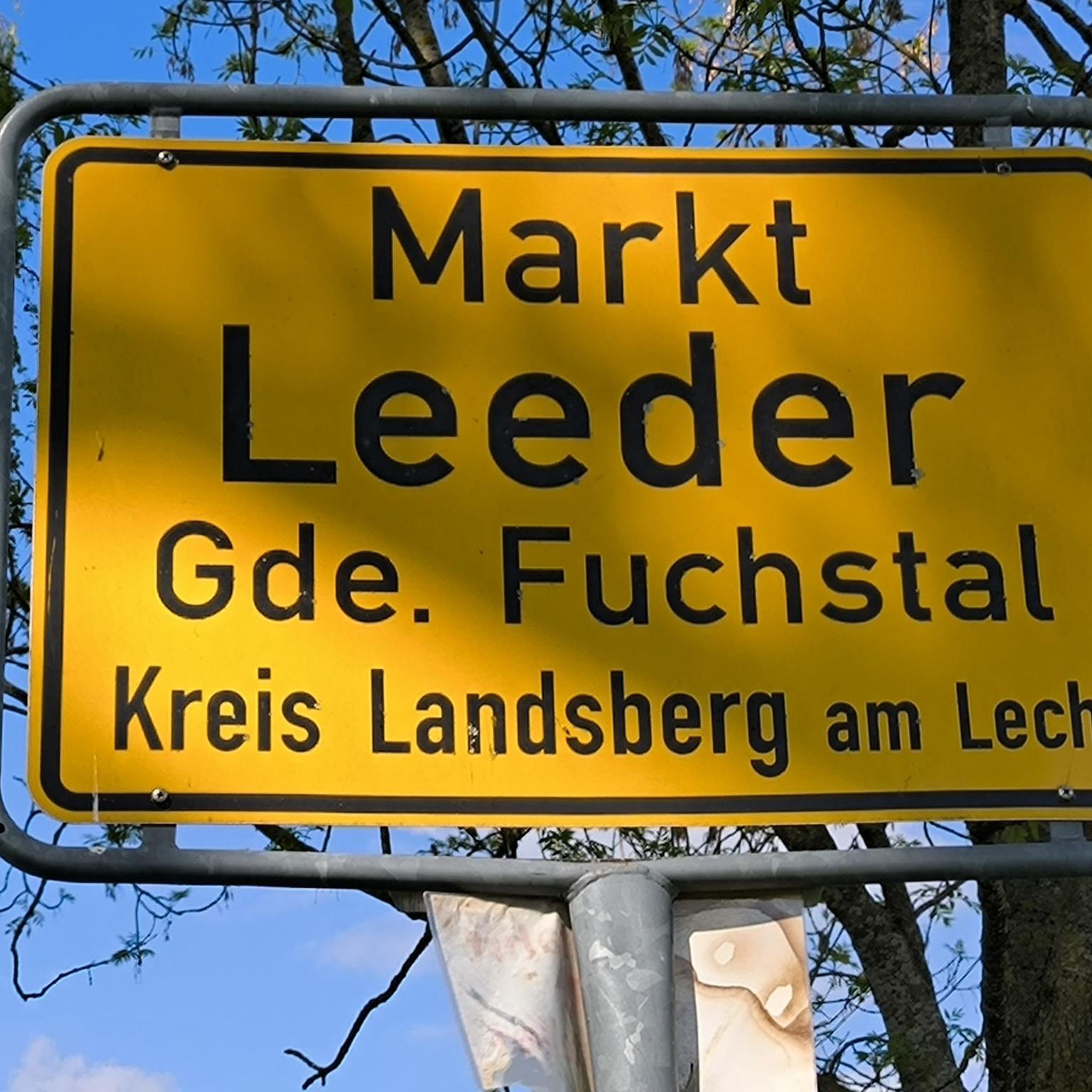
Traffic-free bike rides around Norderstedt

Traffic-free bike rides around Henstedt-Ulzburg

Traffic-free bike rides around Bad Bramstedt
Traffic-free bike rides around Högersdorf
Traffic-free bike rides around Bad Segeberg
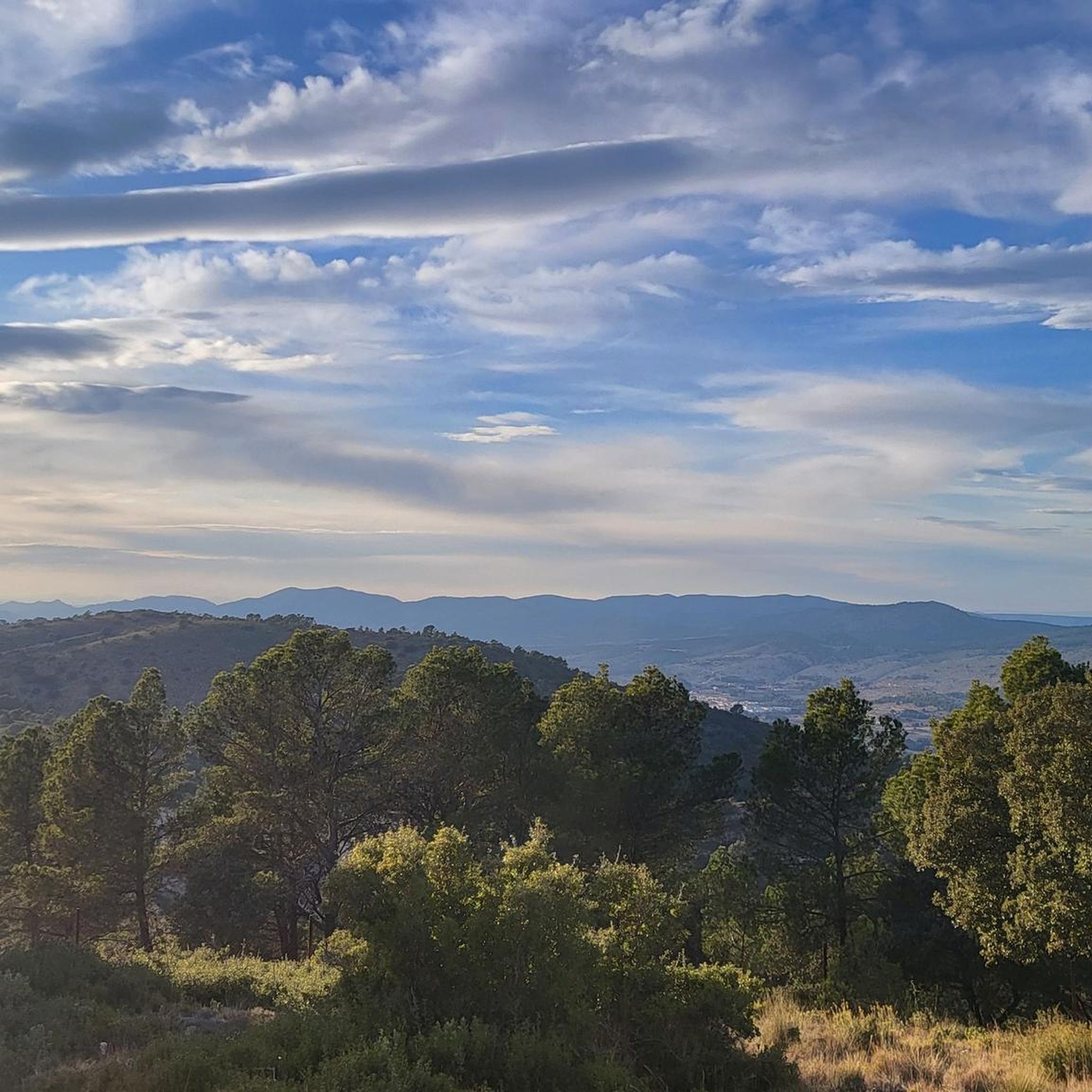
Traffic-free bike rides around Kaltenkirchen
Traffic-free bike rides around Großer Segeberger Lake
Traffic-free bike rides around Oersdorf

Traffic-free bike rides around Groß Rönnau

Traffic-free bike rides around Föhrden-Barl
Other adventures in Kreis Segeberg


Tips from the Community


The path leads directly past the bathing area.
1
0

The church in Stellau is a simple fieldstone building dating from around 1230. Over the centuries, the building underwent several structural alterations; the chancel was demolished in 1634 and again in 1651. From the 17th to the 19th centuries, the building was reinforced with slanted buttresses at the corners. A wooden bell tower was erected in 1851. The church furnishings include a medieval crucifix and a figure of a bishop, a sandstone baptismal font donated by Heinrich Rantzau in 1593, and a wooden pulpit from 1560, which was repainted around 1640/50. The organ dates from 1844/45. Contact: https://www.kk-rm.de/der-kirchenkreis/einrichtungen/institution/institution/ev-luth-kirchengemeinde-stellau/
2
0

a very idyllic tour at 6 a.m.
0
0

Peat cutting, i.e., the above-ground extraction of peat, is no longer economically viable today. Peat as a fuel has largely been replaced by other high-energy fossil fuels. Many large-scale peatlands suitable for industrial extraction have now been drained. New peat cutting areas are only permitted under strict conditions. Raised bogs have an important regulatory effect on the water balance due to the large amounts of precipitation they can absorb. The preservation of the original habitats serves landscape conservation and species protection, as most species of peatland flora and fauna are considered threatened or critically endangered. Bogs grow extremely slowly; an intact peat body increases in thickness by only one millimeter per year. It therefore takes a thousand years for a one-meter-high layer of peat to form. Thus, bog areas recover very slowly during restoration attempts.
13
0
The reclamation of the Himmelmoor began around 1780. Its edges were divided into 1,000 to 5,000 square meter plots and transferred to farmers from neighboring villages for peat extraction. Industrial peat extraction began in the 1870s. Peat was now also extracted from the center of the moor using machines. Peat excavators extracted the black peat, compressed it, and divided it into sods. Turning the drying sods was increasingly done by machine, as was the collection of the dry peat. The low-energy fuel was packaged and loaded at the peat works.
15
0

I passed through there on September 8, 1925, on my "Bevern and Hemdingen" tour. This tour features many beautiful forest paths.
0
0

A grassy path leads along the lake to the bathing area, and there is also a parking lot above the bathing area. The bathing area has a jetty and is marked as a non-swimmer and swimmer zone. Watch out for seaweed in the swimming area. There is a small sandy beach, a large lawn, and benches for relaxing, as well as restrooms and a changing room. The lake is 23 hectares in size and 2.2 meters deep and is a channel lake (formed by thawed meltwater during the last ice age).
1
0
Frequently Asked Questions
How many no traffic touring cycling routes are available in Kreis Segeberg?
Kreis Segeberg offers an extensive network of routes, with over 1700 touring cycling options available on komoot. Many of these are designed to be traffic-free, winding through tranquil forests, along picturesque lake shores, and across open meadows, providing a peaceful cycling experience.
What kind of terrain can I expect on the no traffic touring cycling routes in Kreis Segeberg?
The terrain in Kreis Segeberg is generally characterized by gently rolling hills and alluvial plains, shaped during the last Ice Age. You'll find a mix of paved surfaces, especially on dedicated cycle paths like the former railway lines, and natural paths through forests and moorlands. Routes often trace lake shores and river meadows, offering varied and scenic landscapes without significant climbs.
Are there any family-friendly no traffic touring cycling routes in Kreis Segeberg?
Yes, many routes are suitable for families due to their low traffic and moderate inclines. The region's extensive network includes numerous easy and moderate paths. For example, the Henstedter Moor Trail – Alster Spring loop from Meeschensee is an easy option that offers a pleasant ride through natural surroundings.
Can I bring my dog on the no traffic touring cycling routes?
Generally, dogs are welcome on leashes on most public cycling paths in Kreis Segeberg. However, specific nature reserves or protected areas might have stricter rules or require dogs to stay on designated paths to protect local wildlife. Always check local signage, especially when cycling through moorlands or nature trails like the Himmelmoor.
What natural attractions can I see along the no traffic touring cycling routes?
Kreis Segeberg is rich in natural beauty. You can cycle past numerous lakes such as Wittmoor Lake, explore renatured moorlands, and discover the source of rivers like the Alster at Alster Spring. The region also features extensive forests like the Segeberger Forst and unique heathland areas, providing diverse natural landscapes to enjoy.
Are there any circular no traffic touring cycling routes?
Yes, Kreis Segeberg offers many circular routes that are ideal for touring cyclists seeking a traffic-free experience. The Holsteiner Quellenland, for instance, features seven distinct circular routes. An example is the Lake view of the Wardersee – Nehmser Lake loop from Groß Rönnau, which provides scenic views around the lakes.
What is the best time of year to go touring cycling in Kreis Segeberg?
The best time for touring cycling in Kreis Segeberg is typically from spring through autumn (April to October). During these months, the weather is generally mild, and the natural landscapes are at their most vibrant. Spring brings blooming flowers, summer offers warm days, and autumn showcases beautiful foliage, making for pleasant rides.
Are there any historical landmarks or points of interest along the routes?
While the focus is on natural landscapes, you can encounter historical elements. For example, the Stellau Fieldstone Church – Path Through the Marshland loop from Bad Bramstedt passes by a historic church. The region also has highlights like Traventhal State Stud and the Seedorf Gatehouse (Torhaus Seedorf), which can be explored as detours from some routes.
How can I access the no traffic touring cycling routes using public transport?
Many towns and villages in Kreis Segeberg are connected by regional train and bus services, making it possible to reach starting points for cycling routes. The Elmshorn–Barmstedt–Oldesloe Railway Cycle Path (EBOE) is a notable example, as it follows an old railway line, suggesting good accessibility by public transport to its various sections. Check local transport schedules for specific route access points.
What do other touring cyclists enjoy most about cycling in Kreis Segeberg?
The komoot community highly rates the touring cycling experience in Kreis Segeberg, with an average score of 4.5 stars. Reviewers often praise the region's tranquil, traffic-free paths, the diverse natural scenery including lakes and forests, and the well-maintained routes that make for enjoyable and relaxing rides.
Are there any longer, multi-day no traffic touring options?
Yes, Kreis Segeberg is integrated into broader, long-distance cycling trails such as the Mönchsweg and Ochsenweg. While these are not exclusively traffic-free, they offer significant sections with low traffic or dedicated paths, allowing for extended touring adventures that connect various towns and natural highlights within the region and beyond.
Where can I find cafes or rest stops along the no traffic routes?
While specific cafes are not always directly on every traffic-free path, many routes pass through or near villages and towns where you can find cafes, restaurants, and accommodation. Planning your route with komoot allows you to identify points of interest and amenities along your chosen path, ensuring you can find suitable rest stops.
Most popular routes in Kreis Segeberg
Most popular attractions in Kreis Segeberg

Get inspired with the komoot mobile app


Didn’t find what you were looking for?
Check out more Cycling routes throughout Kreis Segeberg below and find the perfect route in your destination.
Explore more
Browse the best Cycling routes in other regions.
