The best hikes from bus stations in Uppsala
4.5
(1326)
5,783
hikers
211
hikes
Bus station hiking trails in Uppsala offer access to a diverse natural landscape characterized by dense woodlands, open fields, and scenic waterways. The region features an undulating surface with rounded hills and river valleys, shaped by geological processes since the Ice Age. Hikers can explore areas along the Fyris River and near Lake Mälaren, Sweden's third-largest lake. Notable natural features include several nature reserves and the Uppsalaåsen, a glacial ridge.
Best bus station hiking trails in Uppsala
- The most popular…
Last updated: October 21, 2026
4.6
(11)
45
hikers
13.8km
03:32
50m
60m
Moderate hike. Good fitness required. Easily walkable paths.
5.0
(5)
25
hikers
8.96km
02:20
70m
60m
Moderate hike. Good fitness required. Easily walkable paths.

4.0
(1)
9
hikers
6.56km
01:41
30m
30m
Easy hike. Easily walkable paths.
4
hikers
9.22km
02:22
30m
30m
Moderate hike. Good fitness required. Easily walkable paths.
1
hikers
2.99km
00:48
30m
30m
Easy hike. Easily walkable paths.
Get access to more routes and recommendations from other explorers.
Already have an account?
Our route recommendations are based on thousands of hikes, rides, and runs completed by other people on komoot.
Start today with a free account
Your next adventure awaits.
Popular around Uppsala

Hikes from bus stations in Vedyxaskogen

Hikes from bus stations in Hedesundafjärden

Hikes from bus stations in Nåsten

Hikes from bus stations around Hågadalen-Nåsten
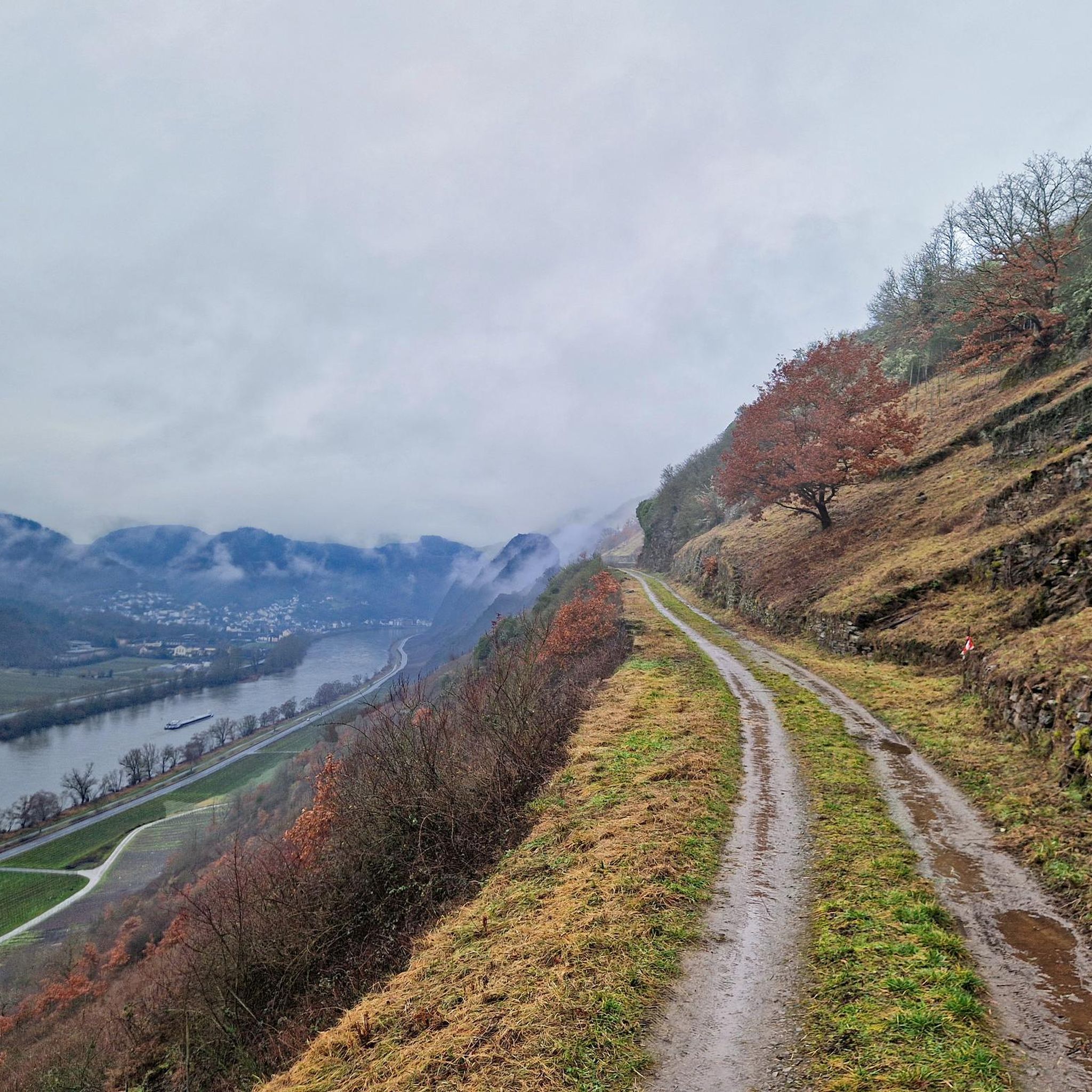
Hikes from bus stations in Storskogen
Hikes from bus stations around Lunsen
Hikes from bus stations around Norra Lunsen
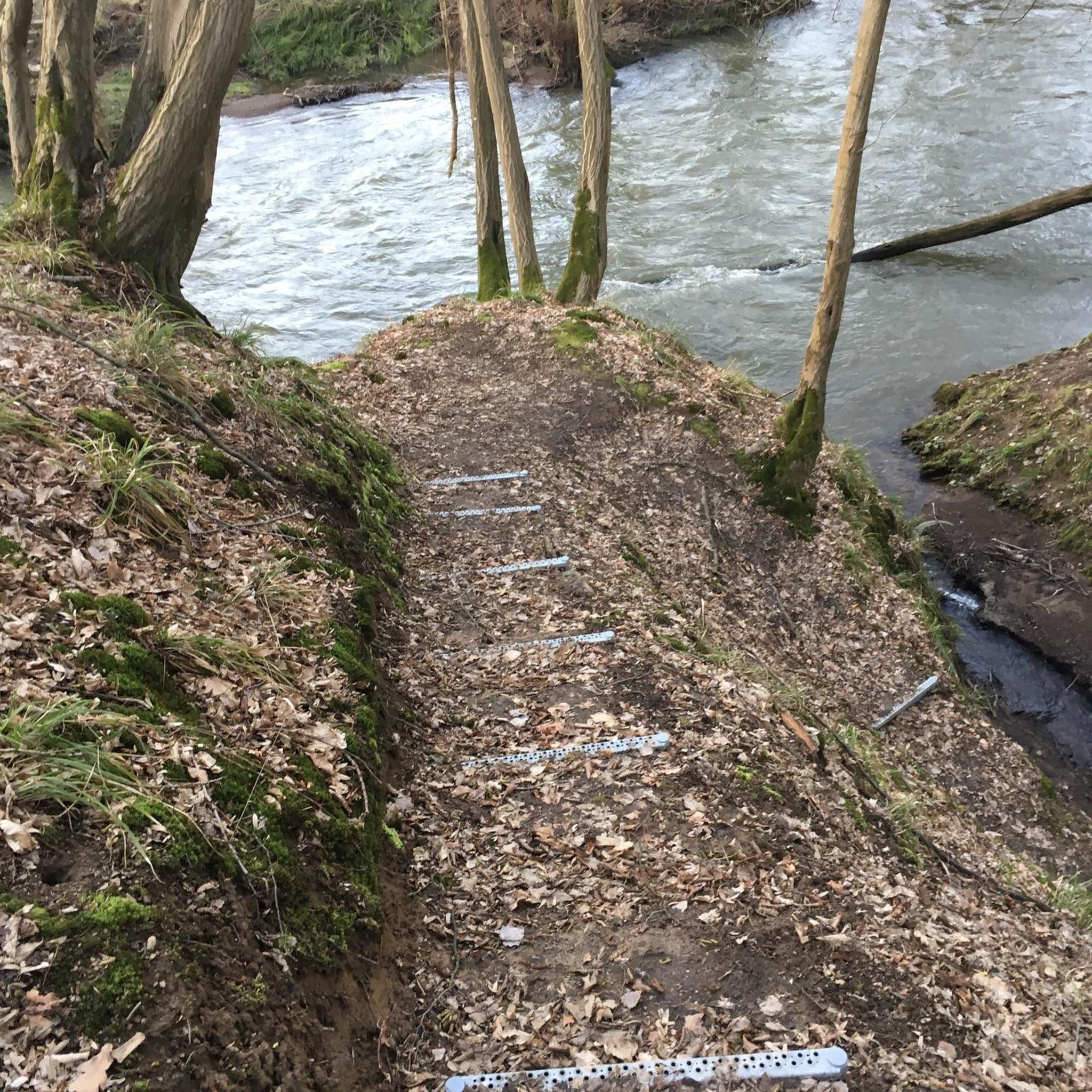
Hikes from bus stations in Skokloster
Hikes from bus stations in Storskogen

Hikes from bus stations in Kungshamn-Morga
Tips from the Community

Gustavianum is Uppsala University's traditional university museum and is located in one of the university's oldest preserved buildings, directly opposite the Cathedral. Built in the 17th century, the house houses collections on the history of the university and sciences, including archaeological and historical exhibits. Particularly exceptional is the 17th-century Anatomical Theatre, located under the building's distinctive dome, which was once used for public anatomical lectures and dissections. The museum thus offers an exciting insight into several centuries of science and university history and is one of Uppsala's most important cultural attractions.
3
0
The view of Gamla Uppsala opens up a wide vista over the historical cultural landscape with its distinctive royal mounds, open fields, and the church of Gamla Uppsala. Especially from an elevated position, it becomes clear how the burial mounds dominate the otherwise flat terrain. The viewpoint thus impressively combines landscape experience and early Swedish history.
3
0
The Gamla Uppsala Museum is located directly beside the famous Royal Mounds of Gamla Uppsala and is dedicated to the early history of the site from the Iron Age to the Viking Age. The exhibition showcases archaeological finds, reconstructions, and background information on the monumental burial mounds, burial rites, and the political and religious significance of Gamla Uppsala. Thus, the museum is an ideal complement to a tour of the historic site and helps to better understand the exceptional position of the place in early Swedish history.
3
0
The Sten Sture Monument (Sten Sture-monumentet) on Kronåsen in Uppsala commemorates the Swedish regent Sten Sture the Elder and his victory over King Christian I of Denmark in the Battle of Brunkeberg in 1471. The monumental complex was created by sculptor Carl Milles and inaugurated in 1925; several figures and reliefs depict Sten Sture and the struggle for Swedish independence. Due to its elevated location on the wooded Kronåsen, the monument combines Swedish history with a charming walk through nature.
2
0
The King Björn's mound (Hågahögen) in the Hågadalen–Nåsten Nature Reserve is a monumental burial mound from the late Bronze Age, built around 1000 BC. With a diameter of just under 50 meters and a height of around seven meters, it is one of Sweden's most significant Bronze Age burial sites; excavations have uncovered, among other things, a gold-adorned bronze sword, a fibula, and a razor. The mound got its present name after the legendary King Björn, who, according to tradition, is said to have lived in Håga during the Viking Age; from the summit, there is also a wide view over the Hågadalen.
2
0
The shelter at Håga ängar offers hikers and walkers a simple, weather-protected resting place in the open landscape of Hågadalen. It is particularly suitable for a short break in wind or rain, while also offering a good view of the surrounding meadows and forest edges. Due to its location near the hiking trails, it is a practical stopover on tours through the Hågadalen–Nåsten nature reserve.
3
0
The wooden boardwalk through the forest allows you to cross damp or marshy forest sections with dry feet, while also enabling you to experience the surroundings as closely as possible to nature. Such boardwalks protect sensitive soils and vegetation from trampling damage and channel visitor traffic onto a fixed route. Particularly appealing is the immediate transition between dense vegetation, mossy forest floor, and open wetlands along the path.
3
0
The Baroque Garden of Uppsala (Uppsala Slottsträdgård) is located directly below the castle and today forms the historical core of the Uppsala University's Botanical Garden. Its strictly symmetrical design with straight axes, trimmed hedges, and geometric beds dates back to plans by architect Carl Hårleman from the 1750s. In 1787, Gustav III donated the castle garden to the university, which integrated it into its Botanical Garden; in 1974, the site was extensively restored according to Hårleman's original design and is now a listed monument.
3
0
Frequently Asked Questions
How many hiking trails are accessible from bus stations in Uppsala?
There are over 200 hiking trails in Uppsala that are easily accessible from various bus stations. These routes offer a wide range of experiences, from easy strolls to more challenging treks, catering to different fitness levels and preferences.
Are there family-friendly hiking trails accessible by bus in Uppsala?
Yes, Uppsala offers several family-friendly hiking trails that are convenient to reach by bus. Many routes feature gentle terrain and interesting sights for all ages. For example, the Vårdsätra Shore Walk, mentioned in regional research, is known for being accessible for wheelchairs and strollers. You can also explore routes like Haga Ångar Shelter loop from Haga, which is rated as easy and offers a pleasant outing.
Can I bring my dog on these bus-accessible hiking trails in Uppsala?
Generally, dogs are welcome on hiking trails in Uppsala, provided they are kept on a leash and you follow local regulations, especially within nature reserves. It's always a good idea to check specific rules for each trail or reserve before you go. Many of the natural areas, like Hågadalen-Nåsten Nature Reserve, are popular with dog walkers.
Are there circular hiking routes available from Uppsala bus stations?
Yes, many of the trails accessible by bus in Uppsala are circular, allowing you to start and end at the same point without needing to retrace your steps. An example is the Forest Campfire Site – King Björn's Mound loop from Håga, which offers a rewarding circular experience.
What kind of natural landscapes can I expect to see on these bus-accessible hikes?
Uppsala's bus-accessible hikes showcase a diverse range of natural landscapes. You can expect to traverse dense woodlands, open fields, blooming meadows, and scenic waterways like the Fyris River and Lake Mälaren. Many trails also pass through significant nature reserves such as Hågadalen-Nåsten, offering unique geological features shaped since the Ice Age.
What historical or cultural attractions can I explore along these hiking routes?
Uppsala's trails often intertwine with its rich history. You can discover ancient hillfort remains, visit significant burial sites like King Björn's Mound (accessible via the Forest Campfire Site – King Björn's Mound loop from Håga), or explore the impressive burial mounds at Gamla Uppsala Archaeological Park. Some routes also pass through culturally significant areas like Linnaeus' Hammarby.
Are there any huts or shelters available along the bus-accessible trails for breaks?
Yes, several trails feature huts or shelters where you can take a break, have a snack, or even spend the night. For instance, the Haga Ångar Shelter loop from Haga includes the Håga Ångar Shelter. Another option is the Lunsentorpet Cabin – Sandy beach on Lake Ekoln loop from Lugnet, which features the Lunsentorpet Cabin.
What is the best time of year to go hiking from bus stations in Uppsala?
Uppsala offers hiking opportunities year-round, with each season providing a unique experience. Spring brings blooming meadows and fresh greenery, while summer is ideal for long daylight hours and warmer temperatures. Autumn showcases vibrant fall foliage, and winter offers serene, snow-covered landscapes for those prepared for colder conditions. The best time depends on your preference for weather and scenery.
Are there any trails that offer views of Lake Mälaren?
Yes, some bus-accessible trails provide picturesque views of Lake Mälaren, Sweden's third-largest lake. The regional research mentions the Kungshamn-Morga Trail as offering panoramic views of Lake Mälaren, and the Vårdsätra Shore Walk runs along Ekoln Bay, which is part of the lake system. You can also find highlights like Birdwatching Spot at Lake Ekoln along some routes.
What is the general difficulty level of these bus-accessible hiking trails?
The bus-accessible hiking trails in Uppsala cater to a range of difficulty levels. Out of over 200 routes, 148 are rated as easy, 76 as moderate, and only 3 as difficult. This means you'll find plenty of options for leisurely walks and moderately challenging hikes, making it easy to choose a route that suits your experience and fitness.
Are there any specific trails known for their unique natural features?
Yes, the region boasts trails with distinctive natural features. For example, the Uppsala Yellow Trail – Gula Stigen offers varied scenery including ancient forests. The Florarna Nature Reserve, accessible via some routes, is known for its unique trees and red cabins. Fiby Urskog, an old-growth forest, provides unspoiled, wildlife-rich nature for hikers.
What do other hikers say about the bus-accessible trails in Uppsala?
The komoot community highly rates the hiking experiences in Uppsala, with an average score of 4.56 out of 5 stars from over 1000 ratings. Reviewers often praise the accessibility of the trails from public transport, the diverse natural beauty, and the well-maintained paths that make exploring the region enjoyable.
Most popular routes in Uppsala
Most popular attractions in Uppsala

Get inspired with the komoot mobile app


Didn’t find what you were looking for?
Check out more Hikes throughout Uppsala below and find the perfect route in your destination.
Explore more
Browse the best Hikes in other regions.
