The best traffic-free bike rides in Andalusia
4.5
(1085)
14,757
riders
1,304
rides
Gravel biking in Andalusia offers a diverse range of landscapes, from rugged mountain ranges and arid deserts to extensive olive groves and volcanic coastlines. The region features an extensive network of gravel tracks, including ancient trade routes and former railway lines converted into multi-use trails. These routes are often traffic-free and well-maintained, providing varied terrain for exploration. Andalusia's geography ensures a mix of challenging climbs, rolling hills, and flat sections suitable for different gravel biking preferences.
Best no traffic gravel…
Last updated: August 21, 2026
4.7
(3)
60
riders
66.7km
06:55
1,160m
1,160m
Hard gravel ride. Very good fitness required. You may need to push your bike for some segments of this route.
2
riders
68.4km
07:15
1,320m
1,310m
Hard gravel ride. Very good fitness required. Mostly paved surfaces. Suitable for all skill levels.

Sign up for free
5
riders
40.4km
03:10
480m
480m
Hard gravel ride. Very good fitness required. Mostly paved surfaces. Suitable for all skill levels.
5.0
(1)
82
riders
113km
08:59
1,760m
1,760m
Hard gravel ride. Very good fitness required. Mostly paved surfaces. Suitable for all skill levels.
34
riders
87.8km
07:07
1,720m
1,720m
Hard gravel ride. Very good fitness required. Mostly paved surfaces. Suitable for all skill levels.
Get access to more routes and recommendations from other explorers.
Sign up for free
Already have an account?
Our route recommendations are based on thousands of hikes, rides, and runs completed by other people on komoot.
Start today with a free account
Your next adventure awaits.
Login or Signup
Popular around Andalusia

Traffic-free bike rides in the Baetic System Mountains

Traffic-free bike rides in Granada

Traffic-free bike rides in Almería

Traffic-free bike rides in Sevilla
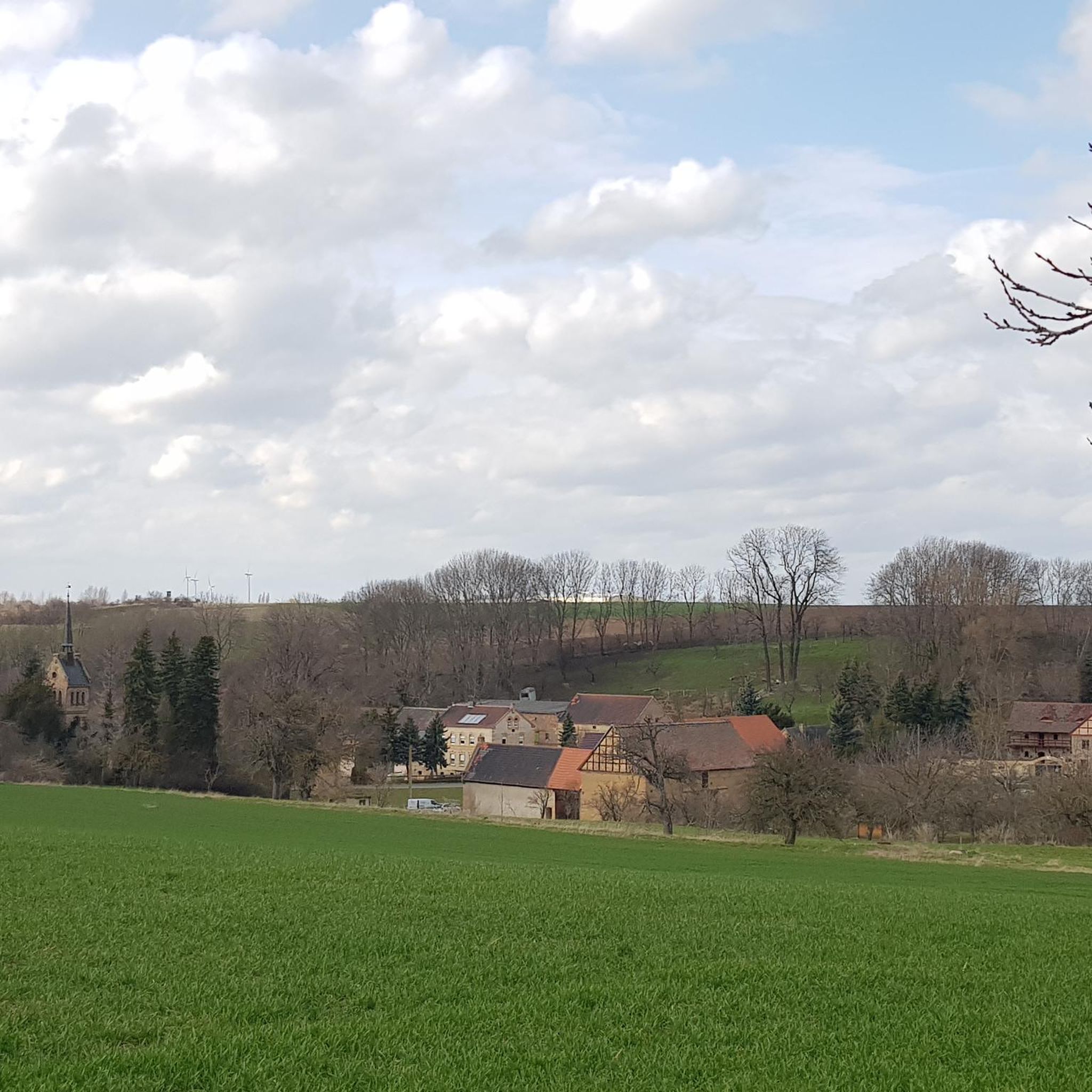
Traffic-free bike rides in Córdoba

Traffic-free bike rides in Malaga
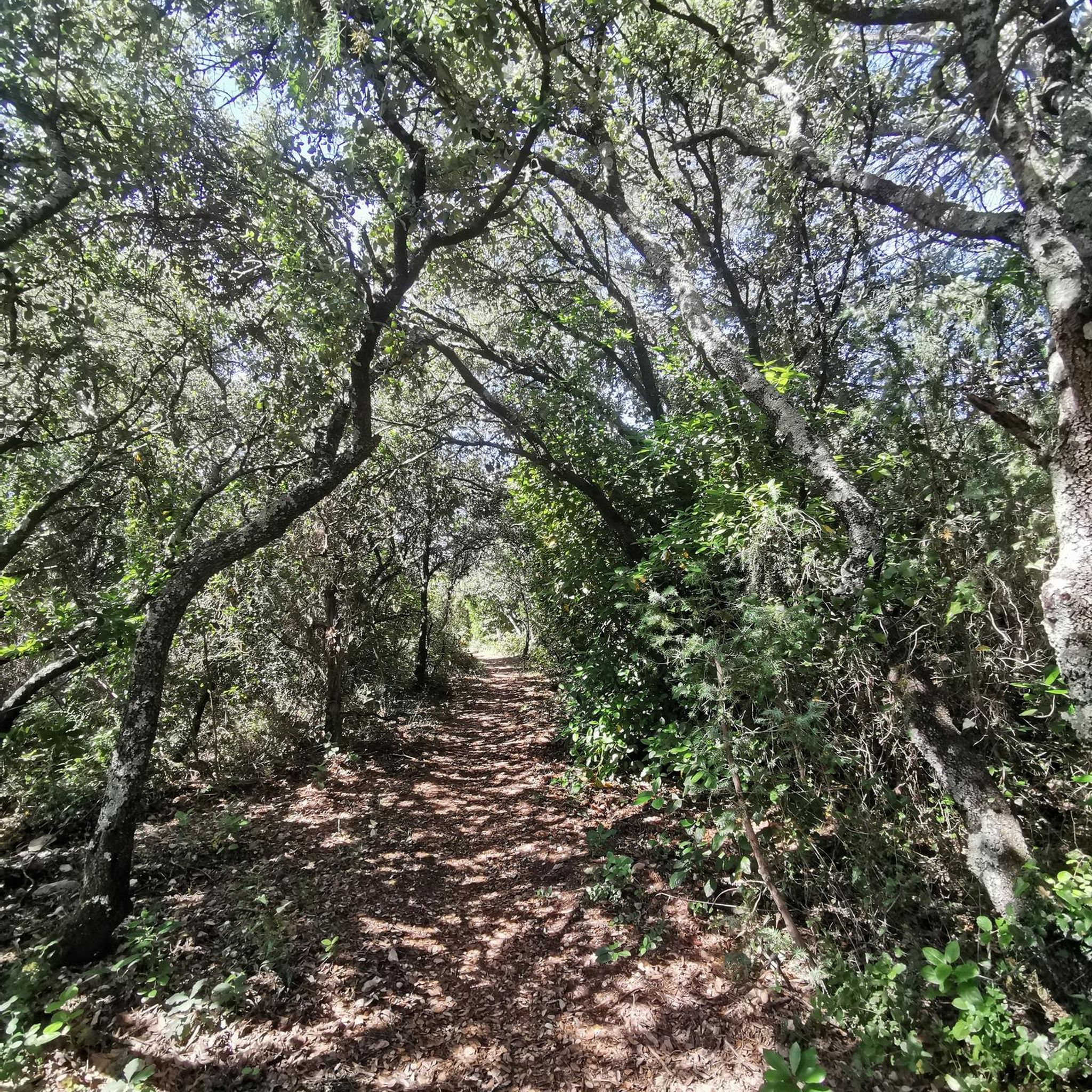
Traffic-free bike rides in Cádiz
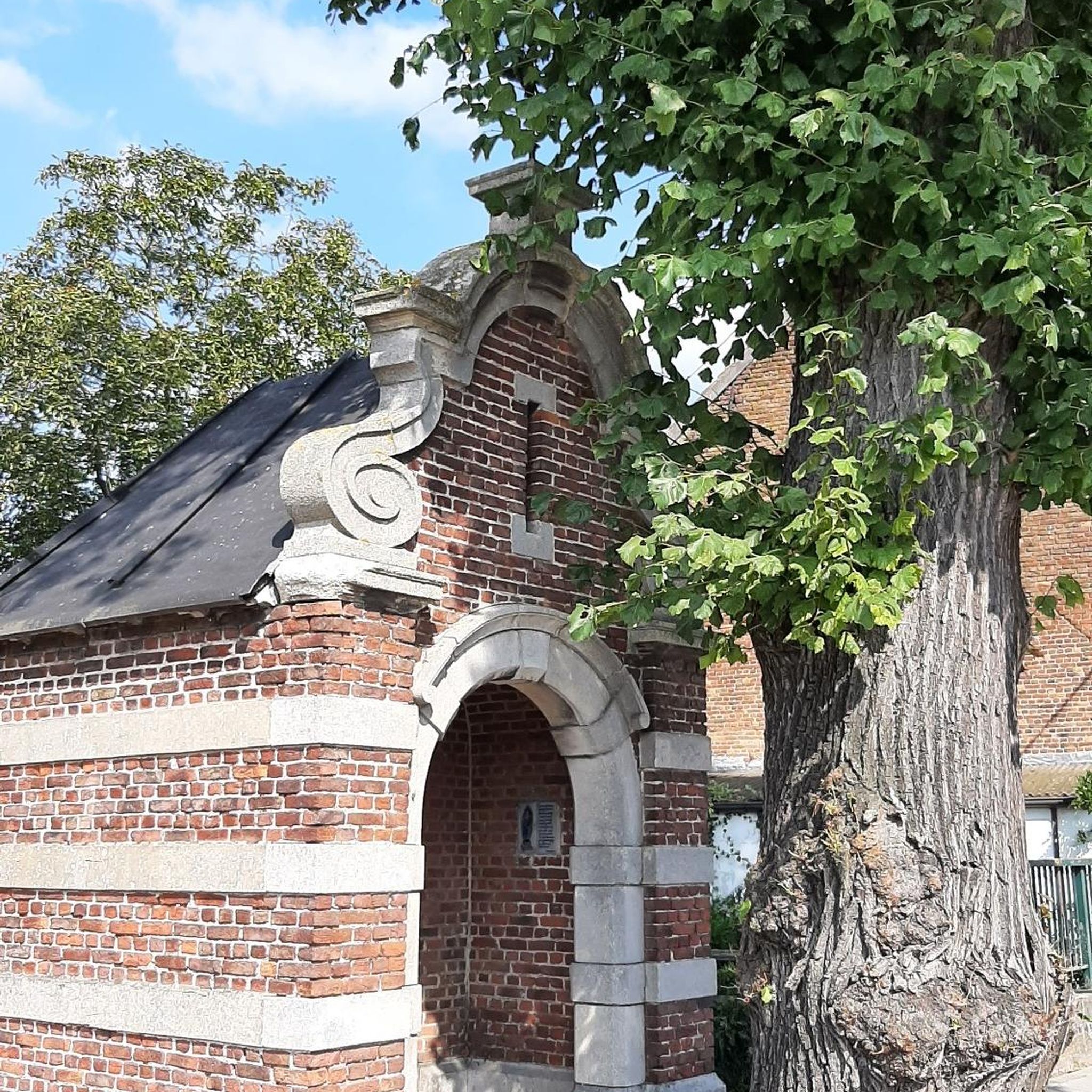
Traffic-free bike rides in Huelva
Traffic-free bike rides in Jaén
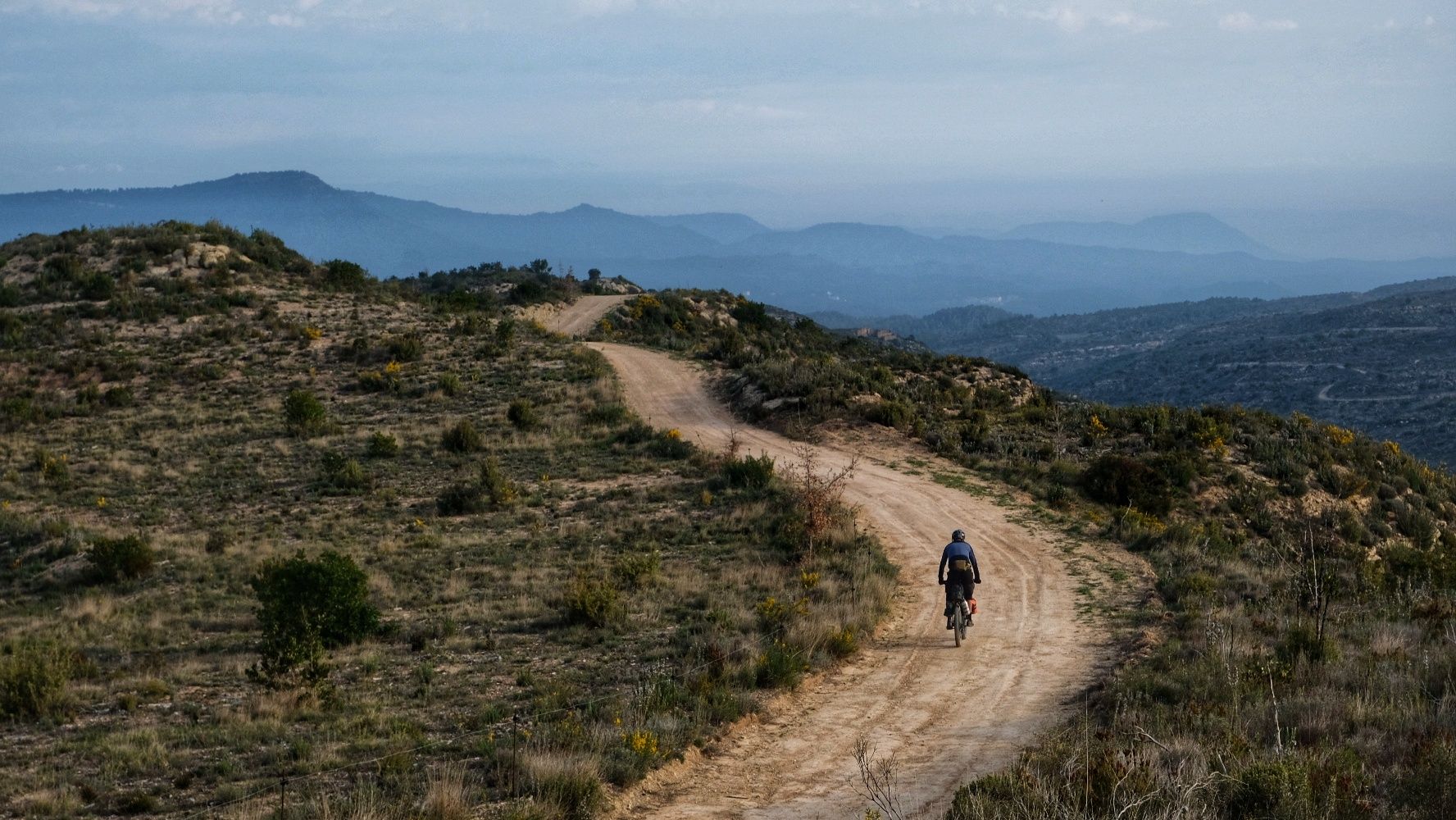
European Divide Trail — 7,600 km across the continent
Other adventures in Andalusia


Tips from the Community

Vélez-Blanco Castle, located in the municipality of the same name in the province of Almería (Andalusia), is a jewel of the Spanish Renaissance that combines military and palatial elements. Construction began in 1506 by Pedro Fajardo y Chacón, the first Marquis of Vélez, on the remains of an ancient Islamic citadel.
8
0

Cardeña is a town in the north of the province of Córdoba with a population of just over 1,400 inhabitants, at an altitude of 821 meters above sea level. The municipality of this beautiful town includes the small towns of La Venta del Charco and Azuel. The population trend, as in most towns in Spain, has been declining, with a loss of almost 500 inhabitants since 1979. It's worth stopping by its bakeries selling bread and typical local pastries, as well as traditional cured meats, and of course, enjoying a few beers while enjoying its gastronomy.
0
0
The Caños de Caravaca Fountain is located on San Francisco Street in the town centre of Vélez-Blanco. This fountain stands out for its unique decoration, with tiles in striking orange and green colours, which include motifs from Don Quixote and the Vélez-Blanco coat of arms. The fountain is supplied by springs from the Barranco de las Fuentes and its flow is low but constant. In addition to its architectural value, the fountain is used for irrigation and is a point of tourist and recreational interest in the town.
1
0
From Cantarerías Street in Vélez-Blanco, you can enjoy spectacular views of the Vélez-Blanco Castle. This street offers a unique perspective of the castle, allowing you to appreciate its imposing structure and strategic location on top of the hill. Built in the 16th century, Vélez-Blanco Castle is one of the most outstanding monuments in the region. Its Renaissance architecture and fascinating history make it a must-see for visitors.
2
0

Cardeña is a small but historically and naturally important municipality in the region. It is located in the northeast of the province of Córdoba and is part of the Parque Natural Sierra de Cardeña y Montoro, a protected natural area. Cardeña is an ideal place for a break by bike, good food and nature worth seeing. Perfect for a bike tour with a culinary break in picturesque surroundings! The region was sparsely populated for a long time and was strategically used as a border area between Christian and Muslim dominions in the Middle Ages. During the reign of Charles III (1759-1788), Spain encouraged the settlement of remote areas. As a result of this colonization policy, several small villages were created in the Sierra Morena, including Cardeña.
2
0
Aldea del Cerezo, a small, historic settlement in the Parque Natural Sierra de Cardeña y Montoro, offers excellent conditions for exceptional stargazing. The region is part of the Reserva Starlight Sierra Morena, which is known for its exceptionally clear night skies with little light pollution. This award guarantees optimal conditions for nighttime sky observation. The secluded location of Aldea del Cerezo, far from major cities, minimizes light pollution and allows an unobstructed view of the firmament. The surrounding landscape with its rolling hills and open spaces offers ideal vantage points for astronomy enthusiasts. In the area around Aldea del Cerezo, one can not only explore the impressive architecture and history of the settlement, but also take the opportunity to admire the clear night skies and observe the stars in an incomparable setting.
2
0

Since the castle is closed on Mondays and Tuesdays, we were unfortunately unable to visit it
1
1
The fountain spouts fresh, crystal-clear drinking water of the highest quality. Its construction was commissioned by the first Marquis of Los Vélez at the beginning of the 16th century. With four spouts, it has a very unique, rich ornamentation based on tiles in striking orange and green tones, made in 1944. It depicts three scenes, two from Goya's "La Vendimia" and one from Don Quixote. Next to it you can also see the coat of arms of Vélez Blanco.
0
0
Frequently Asked Questions
How many no-traffic gravel bike trails can I find in Andalusia?
Andalusia offers a vast network of over 900 gravel bike trails that are largely free from traffic, providing ample opportunities for exploration across its diverse landscapes. These routes range from easy to difficult, catering to all skill levels.
What is the best time of year for traffic-free gravel biking in Andalusia?
The most ideal times for traffic-free gravel biking in Andalusia are spring and autumn. During these seasons, you'll experience comfortable temperatures and lush landscapes, perfect for enjoying the region's extensive trail network. Andalusia boasts over 300 days of sunshine annually, making it a reliable destination for year-round outdoor adventures, though summers can be very hot.
Are there any family-friendly, traffic-free gravel routes in Andalusia?
Yes, Andalusia has several options suitable for families. The vías verdes (greenways), which are former railway lines converted into multi-use trails, are particularly good for leisurely rides. The Gravel route through the Sierra de Cardeña Natural Park, while rated difficult, offers a scenic experience through varied terrain that can be adapted for different skill levels, and the park itself is known for its wildlife.
What kind of landscapes can I expect on traffic-free gravel trails in Andalusia?
Andalusia's traffic-free gravel trails traverse an incredibly diverse range of landscapes. You can ride through rugged mountain ranges like the Serranía de Ronda and Sierra de Grazalema, explore arid regions such as the Gorafe and Tabernas Deserts, cycle through extensive olive groves, or enjoy volcanic coastlines in areas like Cabo de Gata Natural Park. Each route offers a unique visual experience.
Are there any circular no-traffic gravel bike routes available?
Yes, many of the gravel routes in Andalusia are designed as circular tours, allowing you to start and finish in the same location. An excellent example is the TransAlmeria gravel circular to Velez-Blanco, which offers a challenging loop through the Almería region. Another option is the Gorafe Desert – Puntal de Don Diego Viewpoint loop from Gorafe, providing a circular adventure through the unique desert landscape.
What are some notable natural features or landmarks I can see along these routes?
Andalusia's gravel trails often lead to stunning natural features and historical landmarks. You can encounter the unique geological formations of the Gorafe Desert, dramatic mountains in the Sierra de Cardeña Natural Park, and charming whitewashed villages (Pueblos Blancos) throughout the region. Highlights like the Alcazaba of Málaga or the Alhambra are also accessible, though not directly on gravel trails, they offer cultural immersion nearby.
What do other gravel bikers enjoy most about traffic-free gravel biking in Andalusia?
The komoot community highly rates gravel biking in Andalusia, with an average score of 4.5 stars. Reviewers often praise the region's diverse and stunning landscapes, the extensive network of quiet trails, and the opportunity for cultural immersion through charming villages. The favorable climate, especially in spring and autumn, is also frequently highlighted as a major draw.
Are there any challenging no-traffic gravel routes for experienced riders?
Absolutely. Andalusia is home to some demanding gravel routes. For instance, the Gorafe desert by gravel bike offers a difficult 66 km ride with over 1100 meters of elevation gain through a unique arid landscape. The Puntal de Don Diego Viewpoint – Badlands of Gorafe loop from Baza is another challenging option, spanning over 113 km with significant climbing.
Can I find routes that pass through the famous 'white villages' (Pueblos Blancos)?
Yes, many gravel routes in Andalusia weave through or near the picturesque 'white villages' (Pueblos Blancos), especially in areas like the Serranía de Ronda and the Sierra de Grazalema. These charming villages, often perched on hillsides, provide excellent cultural stops and opportunities to experience authentic Andalusian life during your ride.
Are there any specific regions known for extensive traffic-free gravel networks?
Regions like the Serranía de Ronda, Sierra de Grazalema, and the areas around the vías verdes (such as Vía Verde de la Sierra and Vía Verde de Aceite) are particularly renowned for their extensive and well-maintained traffic-free gravel networks. The Gorafe Desert also offers a unique and quiet gravel biking experience.
Most popular routes in Andalusia
Most popular attractions in Andalusia

Get inspired with the komoot mobile app


Didn’t find what you were looking for?
Check out more Gravel rides throughout Andalusia below and find the perfect route in your destination.
Explore more
Browse the best Gravel rides in other regions.
