The best city hikes and walks in Castile-La Mancha
4.5
(5781)
36,841
hikers
271
hikes
Urban hiking trails in Castile-La Mancha offer diverse experiences across a region characterized by historic city centers, river valleys, and unique geological formations. The landscape includes areas where rivers like the Tagus and Huécar have carved impressive gorges, often adjacent to urban areas. Cities frequently feature well-preserved historic quarters, providing scenic routes through ancient streets and along city walls. This variety ensures a range of urban walking environments, from riverside paths to elevated viewpoints within towns.
Best urban hiking trails…
Last updated: July 20, 2026
4.7
(17)
73
hikers
7.74km
02:08
140m
140m
Moderate hike. Good fitness required. Mostly accessible paths. Sure-footedness required.
4.3
(3)
11
hikers
4.59km
01:18
100m
100m
Easy hike. Great for any fitness level. Easily-accessible paths. Suitable for all skill levels.

Sign up for free
5.0
(2)
21
hikers
11.7km
02:59
50m
50m
Moderate hike. Good fitness required. Easily-accessible paths. Suitable for all skill levels.
3.0
(1)
10
hikers
10.2km
02:36
40m
40m
Moderate hike. Good fitness required. Easily-accessible paths. Suitable for all skill levels.
5
hikers
Easy hike. Great for any fitness level. Easily-accessible paths. Suitable for all skill levels.
Get access to more routes and recommendations from other explorers.
Sign up for free
Already have an account?
Our route recommendations are based on thousands of hikes, rides, and runs completed by other people on komoot.
Start today with a free account
Your next adventure awaits.
Login or Signup
Popular around Castile-La Mancha

City hikes in Toledo

City hikes in Albacete

City hikes in Guadalajara

City hikes in Cuenca

City hikes in Ciudad Real
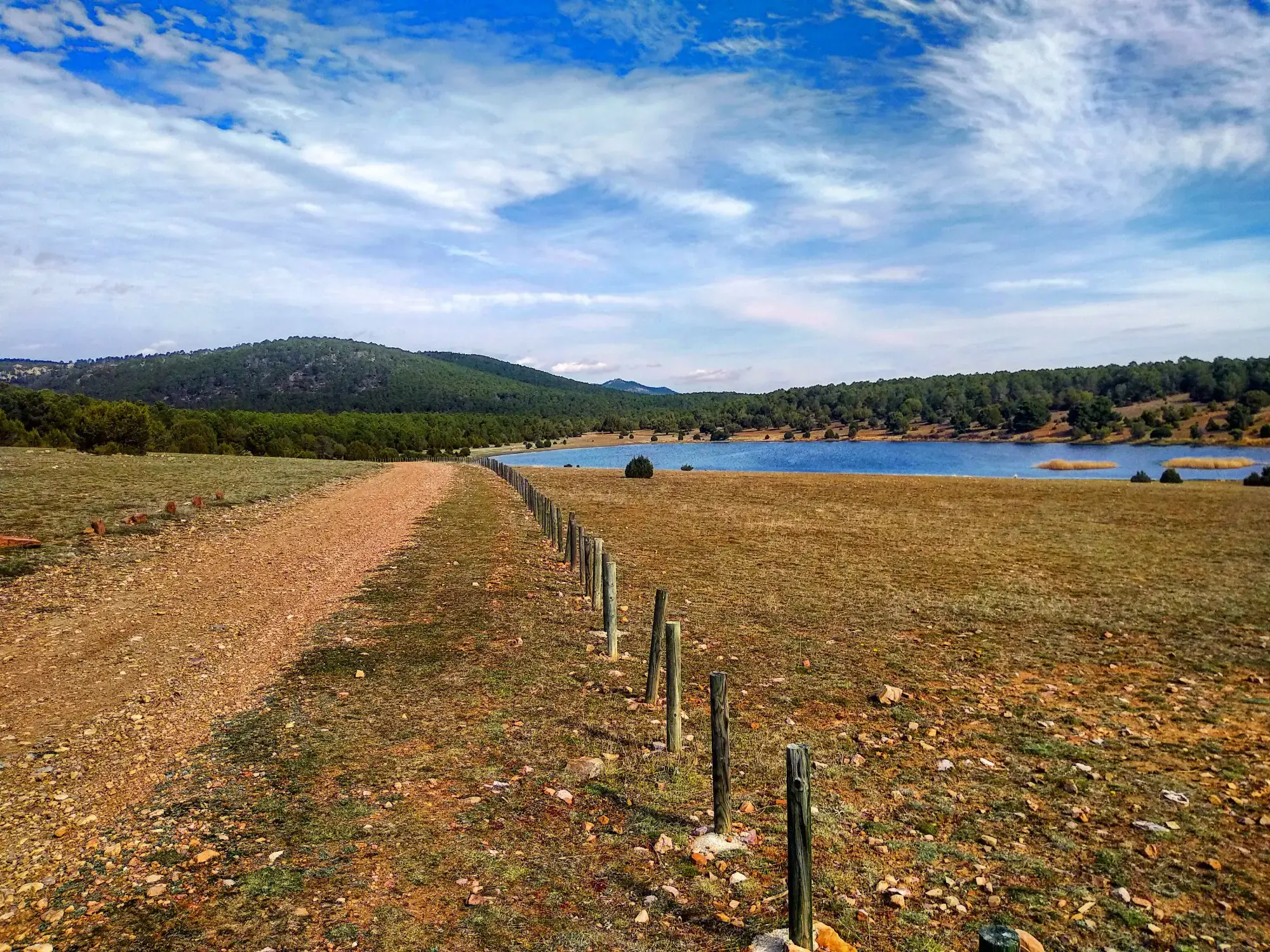
Sendero Español GR 10 — De este a oeste
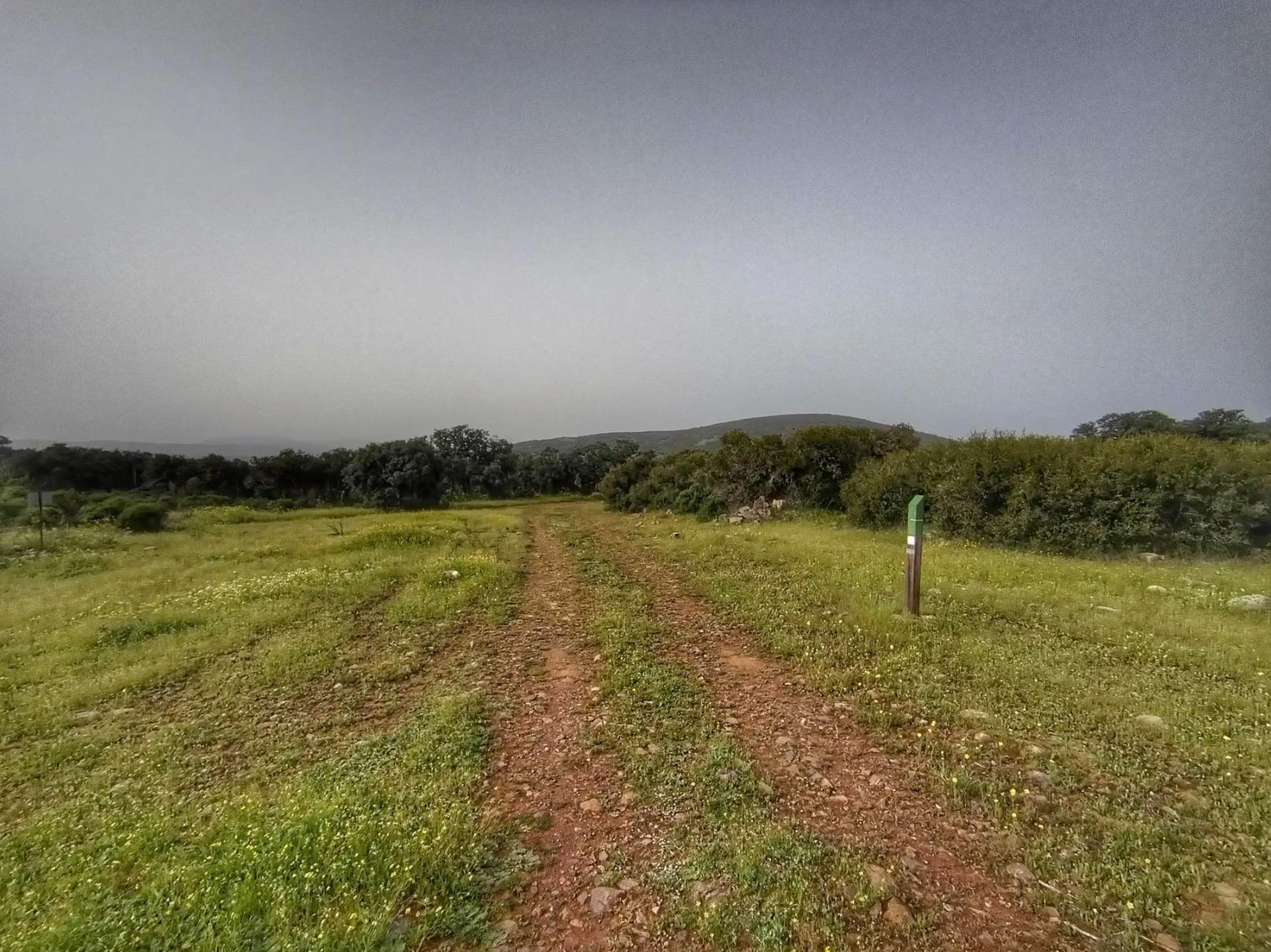
Sigue la trashumancia — GR 164 Cañada Real Conquense o Los Serranos
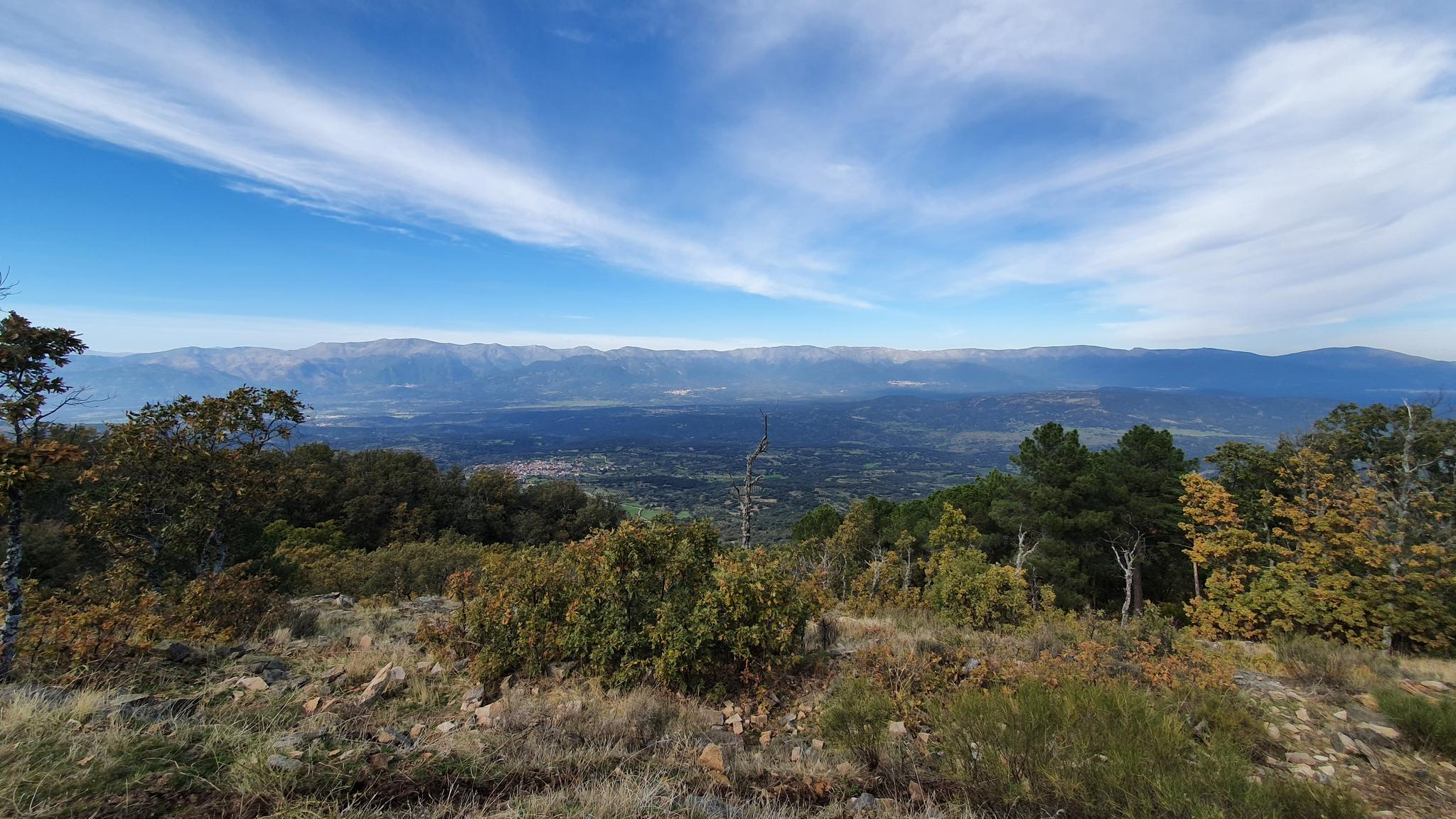
Following in the footsteps of the Lusitanian leader — Viriato Path GR 63
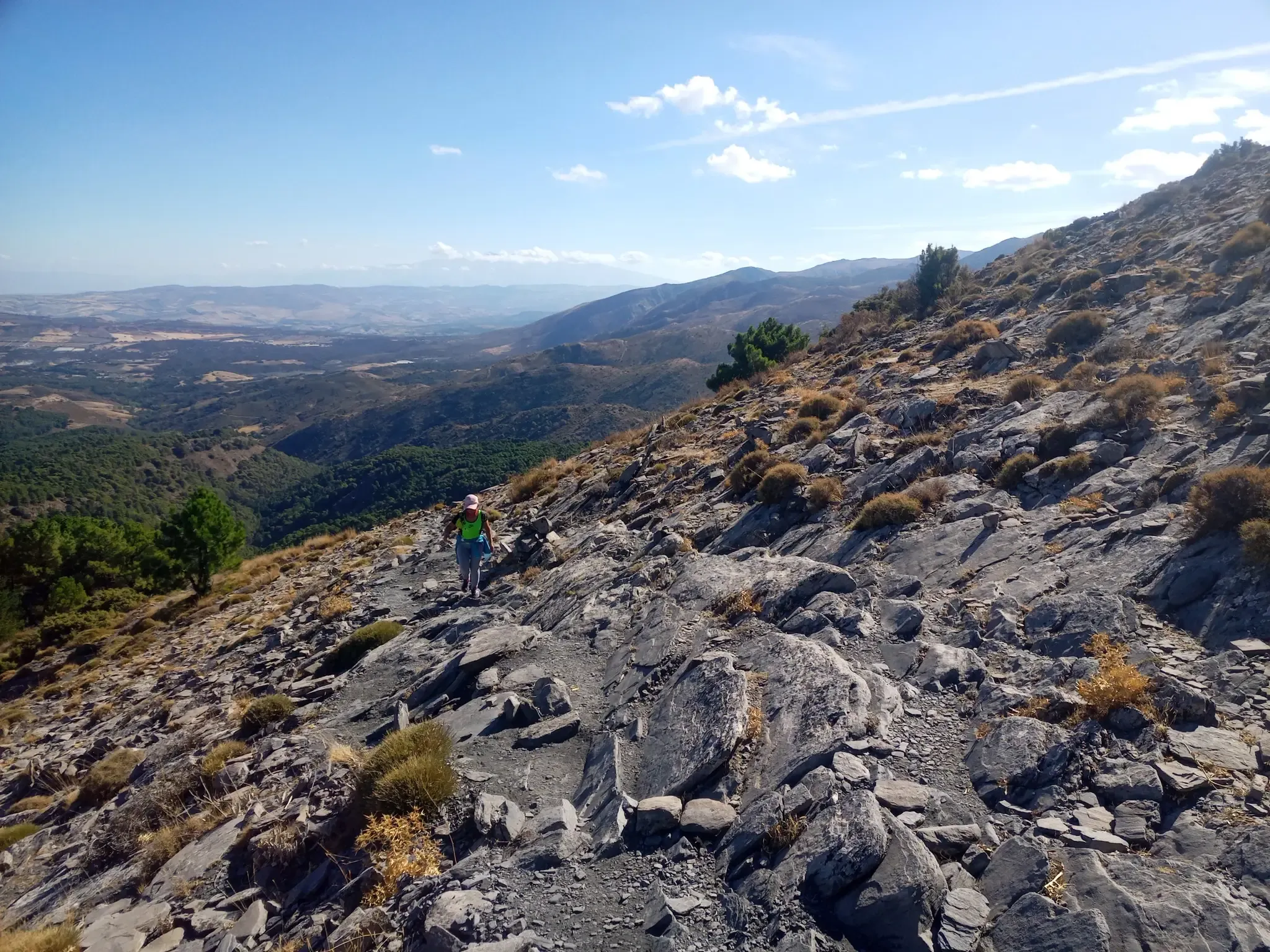
12 hiking gems throughout Spain
The Reconquest of La Mancha on Foot - Camino Natural del río Riánsares
Other adventures in Castile-La Mancha


Tips from the Community

In June 2026, the Holy Father, Pope Leo XIV, undertook a pastoral journey to Spain and, in his address, naturally referred to the national patron saint SANTIAGO MAJOR. He spoke of: “a journey in several stages, each revealing an aspect of the richness of a great country that has embraced the word of the Gospel for almost two millennia. Tradition has always associated the first evangelization of the Iberian Peninsula with the preaching of the Apostle James the Greater. This connection is of considerable theological significance, as it expresses the local Church’s awareness of being in continuity with the apostolic mission stemming from the event of Pentecost. The ancient connection between the Christian faith and this land… has profoundly shaped its culture and represents a source of hope and guidance amidst the challenges we face together today as a human family.”
0
0

These are only the last four houses of the 10 that existed in ancient times.
0
0

Built in 999, this church was first a mosque and later converted into a Christian temple after the Reconquista. The main facade is made of unplastered brick and features three doorways. One has a semicircular arch, another a horseshoe arch, and the third a five-lobed arch. Above these runs a frieze of interlaced horseshoe arches, a network of lozenges, and the founding inscription. You can visit the monument from Monday to Sunday during the following hours: Summer Hours March 1 to October 15 10:00 AM – 6:45 PM Winter Hours October 16 to February 28 10:00 AM – 5:45 PM Prices vary, and there is also the option to purchase a tourist bracelet that includes other monuments, thus reducing the price.
1
0

The Plaza Mayor of Cuenca is a historic center and one of the most emblematic places in the city of Cuenca, in Castilla-La Mancha. This square is known for its Baroque architecture and its importance as a meeting point and hub of communication in the old part of the city. Main buildings: The Cathedral of Santa María and San Julián, the Cuenca City Hall, and the Convent of San Pedro. The most notable monument in Cuenca began construction at the end of the 12th century after the conquest of the city, but its core took shape in the 13th century. The naves, from the transept to the façade, date from the 14th century, and the ambulatory was transformed in the 16th century to adapt its original structure to new aesthetic trends. Its first façade also dates from this period, replaced in the 18th century by another that had to be demolished at the beginning of the 20th century, when the current Neo-Gothic façade, designed by Vicente Lampérez, was built.
7
0

I have always been struck by the front view of this Cathedral.
3
0
A true gateway to the famous Hanging Houses of Cuenca.
1
0
The history of this bridge dates back to 1870, although its construction did not begin until the beginning of the last century, in 1904. Its inauguration in 1908 was a major milestone for the city, which saw its communications with the historic region of La Jara, Extremadura and Andalusia improve.
14
0
The Bisagra Gate is one of Toledo's most iconic monuments and a monumental entrance to its historic center. Muslim Origin: The original gate, known as the Old Bisagra Gate or Bab al-Saqra ("Sacred Gate"), was built in the 9th century during Islamic rule. Renaissance Reconstruction: In the 16th century, under the reigns of Charles V and Philip II, the New Bisagra Gate was built, the gate that remains today. Construction began around 1540 and was completed in 1576. Notable Architects: Alonso de Covarrubias, Nicolás de Vergara the Elder, Juan de Benavides, Eugenio Sánchez, among others, participated.
10
0
Frequently Asked Questions
How many urban hiking trails are available in Castile-La Mancha?
Castile-La Mancha offers a wide selection of urban hiking trails, with over 270 routes to explore. These range from easy strolls through city parks to more challenging walks through historic quarters.
Are there easy urban hikes suitable for beginners or casual walkers?
Yes, there are plenty of easy urban hikes. More than 180 routes are classified as easy, perfect for a relaxed exploration of the region's towns and cities. For example, the Cuenca - circular tour of the historic quarter and the Huécar river offers a gentle way to experience the city's charm.
What kind of landscapes and sights can I expect on urban hikes in Castile-La Mancha?
Urban hikes in Castile-La Mancha offer a diverse experience. You can expect to traverse historic city centers with ancient architecture, stroll along riverbanks like the Tagus or Huécar, and discover green spaces within cities. Some routes might even offer glimpses of the region's iconic plains, vineyards, or unique geological formations like the reddish clay structures of the Barrancas de Castrejón y Calaña near Toledo.
Are there family-friendly urban walks in Castile-La Mancha?
Many urban trails are suitable for families, especially those that explore city parks or less strenuous historic areas. Look for routes marked as 'easy' which often feature paved paths and accessible attractions. The Plaza de Toros, Catedral de San Juan Bautista, Pasaje de Lodares, Parque Abelardo Sánchez route in Albacete is a great option for a leisurely family outing.
Can I find circular urban walks in the region?
Absolutely. Many urban hikes in Castile-La Mancha are designed as circular routes, allowing you to start and end at the same point without retracing your steps. Examples include the Toledo Historic Quarter Loop and the Four bridges of Talavera de la Reina — circular.
Are there urban trails accessible by public transport?
Yes, many urban trails are easily accessible by public transport, especially those located within larger cities like Toledo, Cuenca, and Albacete. Public bus services often connect to the starting points of popular city walks, making it convenient to explore without a car.
Where can I find urban hikes with good viewpoints?
Cities built on hills or alongside rivers, such as Toledo and Cuenca, often provide excellent viewpoints. The Toledo Historic Quarter Loop, for instance, offers stunning panoramic views of the city and the Tagus River from various points along its route.
Are there urban hikes with cafes or places to rest along the way?
Yes, urban hikes naturally pass through areas with numerous cafes, restaurants, and benches, especially in the historic centers and city parks. Routes like the Parque Abelardo Sánchez y Parque Lineal — circular por Albacete are perfect for combining a walk with opportunities for refreshments and breaks.
What should I wear for urban hiking in Castile-La Mancha?
For urban hiking, comfortable walking shoes are essential, as you'll be on your feet for extended periods, often on paved or cobblestone surfaces. Dress in layers to adapt to changing temperatures, especially during spring and autumn. A hat and sunscreen are advisable during warmer months, and a light jacket can be useful in the evenings or during cooler seasons.
What do other hikers enjoy most about urban hiking in Castile-La Mancha?
The urban hiking trails in Castile-La Mancha are highly rated by the komoot community, with an average score of 4.49 stars. Reviewers often praise the region's rich historical heritage, the charming architecture of its cities, and the pleasant walks along riverfronts and through well-maintained parks.
Are there any unique urban attractions or landmarks I can see while hiking?
Absolutely. Urban hikes in Castile-La Mancha often lead you past significant landmarks. In Cuenca, you can admire the famous 'Hanging Houses.' In Toledo, the entire historic quarter is a UNESCO World Heritage site, filled with cathedrals, synagogues, and mosques. You might also encounter unique natural monuments like the Enchanted City near Cuenca, or the dramatic geological formations of the Barrancas de Castrejón y Calaña, which are easily accessible from nearby towns.
Are there dog-friendly urban trails in Castile-La Mancha?
Many urban parks and riverside paths are suitable for walking with dogs, provided they are kept on a leash. It's always best to check local regulations for specific areas, especially within historic centers or protected natural spaces. Generally, open-air routes like those along the Tagus River in Toledo or the parks in Albacete are popular choices for dog owners.
Most popular routes in Castile-La Mancha
Most popular attractions in Castile-La Mancha

Get inspired with the komoot mobile app


Didn’t find what you were looking for?
Check out more Hikes throughout Castile-La Mancha below and find the perfect route in your destination.
Explore more
Browse the best Hikes in other regions.
