The best family-friendly hikes and walks in Toledo
4.5
(1242)
8,521
hikers
369
hikes
Family friendly hiking trails in Toledo, Spain, are primarily defined by the dramatic landscapes surrounding the Tagus River, which carves a deep gorge around the historic city. The region features a mix of riverside paths, urban trails through medieval alleys, and natural areas with unique geological formations like the Barrancas de Burujón. These routes often provide panoramic views of the city and its surrounding plains, offering diverse terrain for outdoor exploration.
Best family friendly hiking trails in Toledo
- The most popular family friendly hiking route is Toledo — circular along the Tajo Natural Path and the ecological trail, a 5.4 miles (8.8 km) trail that takes 2 hours 23 minutes to complete, offering scenic views along the Tagus River.
- Another top favourite among local hikers is Barrancas de Burujón — circular, an easy 3.4 miles (5.5 km) path. This route explores the impressive red clay canyons and offers stunning viewpoints over the Castrejón reservoir.
- Local hikers also love the Toledo Historic Quarter Loop, a 4.8 miles (7.7 km) trail leading through the city's cultural landmarks and medieval alleys, often completed in about 2 hours 9 minutes.
- Hiking in Toledo is defined by riverside paths along the Tagus, historic urban routes, and unique geological formations like the Barrancas de Burujón. The network offers options for various ability levels, including many family friendly hiking trails.
- The routes in Toledo are highly rated by the komoot community with an average score of 4.5 stars from over 1,100 reviews. More than 8,200 hikers have used komoot to explore Toledo's varied terrain.
Last updated: July 11, 2026
4.4
(46)
295
hikers
8.78km
02:24
130m
130m
Moderate hike. Good fitness required. Mostly accessible paths. Sure-footedness required.
4.7
(17)
73
hikers
7.74km
02:08
140m
140m
Moderate hike. Good fitness required. Mostly accessible paths. Sure-footedness required.

Sign up for free
4.7
(15)
136
hikers
5.50km
01:35
130m
130m
Easy hike. Great for any fitness level. Easily-accessible paths. Suitable for all skill levels.
4.7
(14)
54
hikers
7.44km
02:02
110m
110m
Moderate hike. Good fitness required. Easily-accessible paths. Suitable for all skill levels.
4.3
(4)
45
hikers
8.49km
02:33
270m
270m
Moderate hike. Good fitness required. Easily-accessible paths. Suitable for all skill levels.
Get access to more routes and recommendations from other explorers.
Sign up for free
Already have an account?
Our route recommendations are based on thousands of hikes, rides, and runs completed by other people on komoot.
Start today with a free account
Your next adventure awaits.
Login or Signup
Popular around Toledo

Family-friendly hikes around the Tajo

Family-friendly hikes around Sagra-Toledo

Family-friendly hikes around Talavera

Family-friendly hikes around La Mancha

Family-friendly hikes around Torrijos

Family-friendly hikes around Los Yébenes

Family-friendly hikes around Montes De Navahermosa

Family-friendly hikes around La Jara
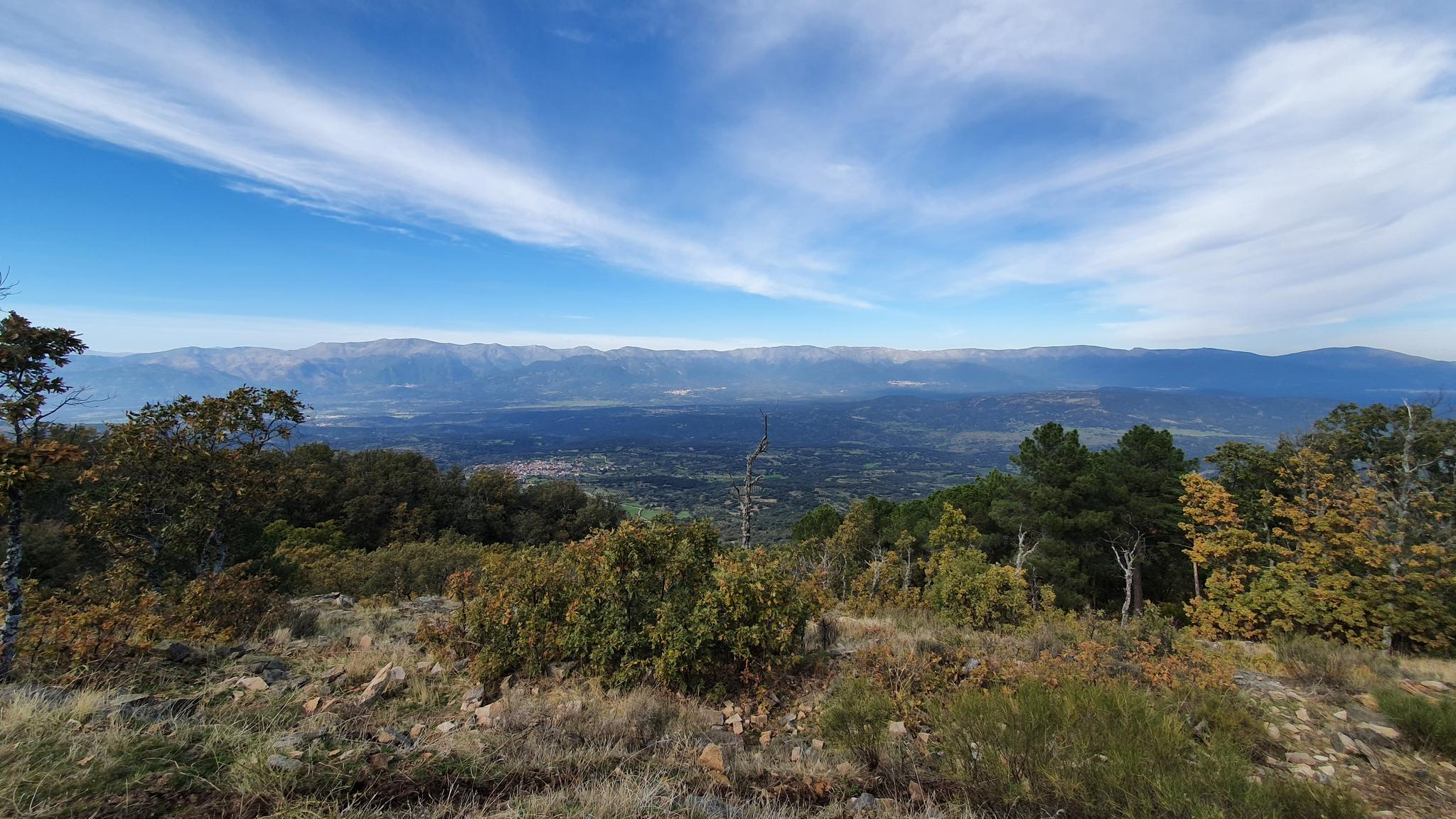
Following in the footsteps of the Lusitanian leader — Viriato Path GR 63
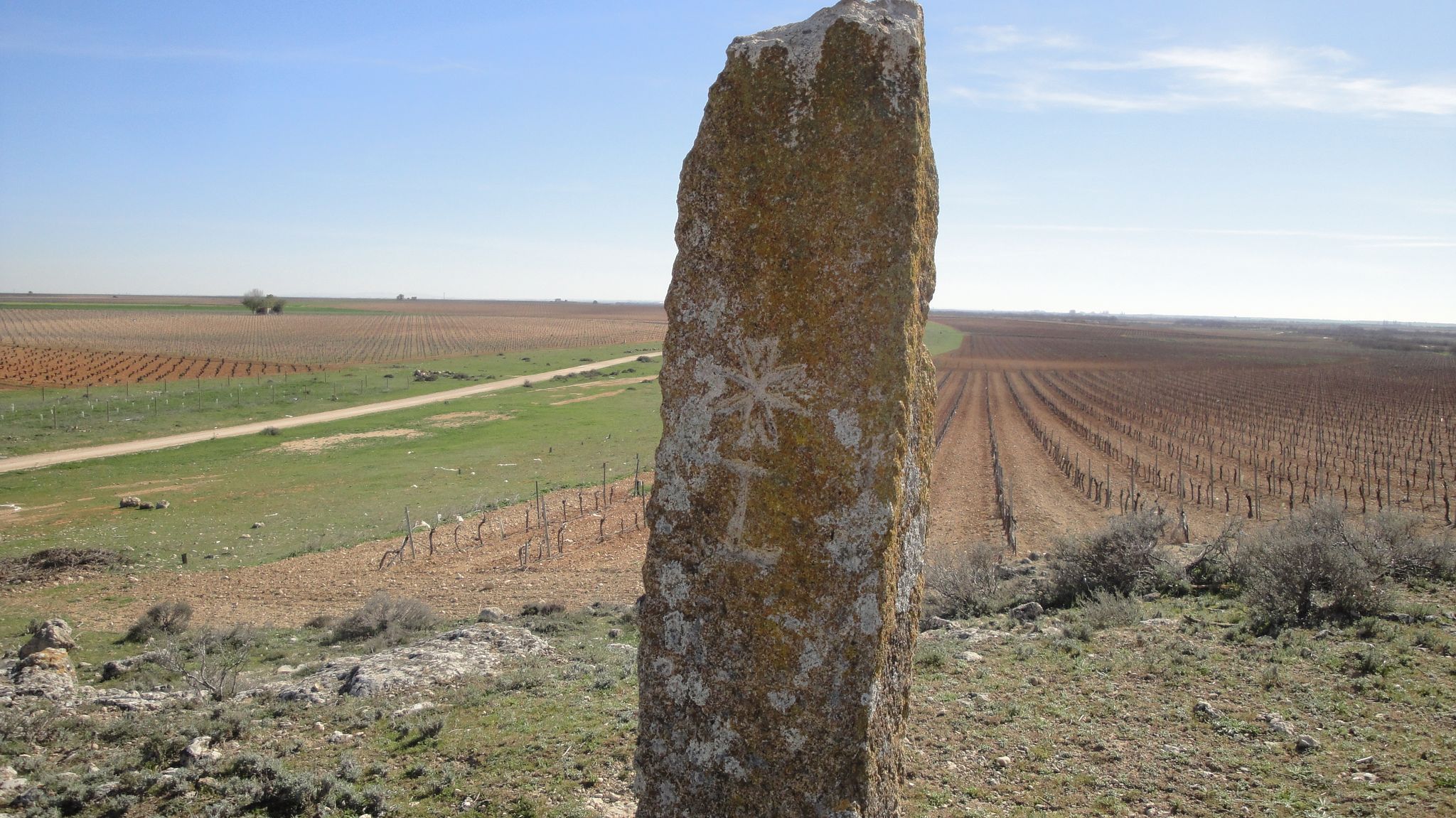
The Reconquest of La Mancha on Foot - Camino Natural del río Riánsares
Other adventures in Toledo


Tips from the Community

In June 2026, the Holy Father, Pope Leo XIV, undertook a pastoral journey to Spain and, in his address, naturally referred to the national patron saint SANTIAGO MAJOR. He spoke of: “a journey in several stages, each revealing an aspect of the richness of a great country that has embraced the word of the Gospel for almost two millennia. Tradition has always associated the first evangelization of the Iberian Peninsula with the preaching of the Apostle James the Greater. This connection is of considerable theological significance, as it expresses the local Church’s awareness of being in continuity with the apostolic mission stemming from the event of Pentecost. The ancient connection between the Christian faith and this land… has profoundly shaped its culture and represents a source of hope and guidance amidst the challenges we face together today as a human family.”
0
0


How beautifully the Tagus winds around Toledo
8
1

Built in 999, this church was first a mosque and later converted into a Christian temple after the Reconquista. The main facade is made of unplastered brick and features three doorways. One has a semicircular arch, another a horseshoe arch, and the third a five-lobed arch. Above these runs a frieze of interlaced horseshoe arches, a network of lozenges, and the founding inscription. You can visit the monument from Monday to Sunday during the following hours: Summer Hours March 1 to October 15 10:00 AM – 6:45 PM Winter Hours October 16 to February 28 10:00 AM – 5:45 PM Prices vary, and there is also the option to purchase a tourist bracelet that includes other monuments, thus reducing the price.
1
0

The Bisagra Gate is one of Toledo's most iconic monuments and a monumental entrance to its historic center. Muslim Origin: The original gate, known as the Old Bisagra Gate or Bab al-Saqra ("Sacred Gate"), was built in the 9th century during Islamic rule. Renaissance Reconstruction: In the 16th century, under the reigns of Charles V and Philip II, the New Bisagra Gate was built, the gate that remains today. Construction began around 1540 and was completed in 1576. Notable Architects: Alonso de Covarrubias, Nicolás de Vergara the Elder, Juan de Benavides, Eugenio Sánchez, among others, participated.
10
0
Toledo Cathedral, also known as the Primate Cathedral of Spain, is one of the masterpieces of Gothic art in Europe and a symbol of the city. Its construction began in 1226 during the reign of Ferdinand III and lasted for more than two centuries. It is dedicated to Saint Mary and stands on the site of an old mosque, which in turn was built on the site of a Visigothic church.
12
0
The Alcántara Bridge is one of Toledo's most iconic monuments, with a history dating back to Roman times and an architecture that has evolved over the centuries. Originally built by the Romans in the 3rd century AD, as part of the network of roads that connected the Empire. Its name comes from the Arabic "al-qanṭarah," meaning "the bridge," given by the Muslims after its reconstruction in the 10th century.
10
0
Frequently Asked Questions
How many family-friendly hiking trails are available in Toledo?
Toledo offers a wide variety of family-friendly hiking options. You'll find over 120 easy and 170 moderate routes that are generally suitable for families, with a total of over 320 hiking trails in the region.
What do other hikers enjoy most about family-friendly hikes in Toledo?
The komoot community highly rates the family-friendly hikes in Toledo, with an average score of 4.5 stars. Reviewers often praise the stunning historical views, the natural beauty along the Tagus River, and the well-maintained paths that make exploring with children enjoyable.
Are there easy hikes suitable for young children in Toledo?
Yes, there are many easy routes perfect for young children. For example, the Barrancas de Burujón — circular is an easy 5.5 km loop that offers unique landscapes without being too strenuous. Many trails along the Tagus River are also relatively flat and accessible.
What is the best time of year for family hikes in Toledo?
Spring and autumn are generally the best times for family hikes in Toledo, offering pleasant temperatures and beautiful scenery. Summer can be quite hot, so if you plan to hike then, it's best to start early in the morning or late in the afternoon, and choose trails with good shade.
Are there any stroller-friendly walks in Toledo?
While many trails in Toledo's historic center involve cobblestones or stairs, some sections of the ecological trail along the Tagus River can be suitable for strollers, especially those with robust wheels. For a more natural experience, look for paths that are well-maintained and relatively flat.
Are there circular routes suitable for families in Toledo?
Absolutely! Circular routes are great for families as they bring you back to your starting point. A popular option is the Toledo — circular along the Tajo Natural Path and the ecological trail, which offers fantastic views of the city and river. Another great choice is the Barrancas de Burujón — circular, known for its unique geological formations.
Can we find trails with good shade for family walks in Toledo?
Yes, especially along the Tagus River and in certain natural areas. The ecological trail often provides natural shade from trees. When planning your hike, look for routes that follow riverbanks or pass through wooded sections, particularly during warmer months.
Are there any family-friendly trails that offer scenic viewpoints?
Many trails in Toledo offer breathtaking scenic viewpoints. The Toledo Historic Quarter Loop provides expansive views over the plain of Castilla-La Mancha from the city walls. The Mirador del Valle is also a famous spot for panoramic views of the historic city, including landmarks like the Alcázar and the Primate Cathedral.
What interesting landmarks can we see along family-friendly trails in Toledo?
Toledo is rich in history and landmarks. Along many trails, especially those around the city, you can spot iconic structures like the San Martín Bridge and the Alcántara Bridge, both spanning the Tagus River. The El Arco de la Sangre is another unique gate to discover within the city.
Are there any natural attractions or unique landscapes to explore with kids?
Beyond the city's historical charm, the Barrancas de Burujón offers a spectacular natural landscape with impressive clay canyons formed by erosion, resembling a miniature Grand Canyon. The Barrancas de Burujón Ecological Trail is a great way to experience this unique area with your family.
Are there any trails that lead to castles or historical sites outside the main city?
While many trails focus on the city's immediate surroundings, you can find routes that offer views of or lead to historical sites. For example, the Almonacid Castle is a notable historical site in the region, and some longer routes might offer distant views or access points to such landmarks.
Are there any hidden gem family trails in Toledo that are less crowded?
For a quieter experience, consider exploring trails slightly further from the immediate city center. The Hoz de Carboneros Trail, for instance, offers a beautiful natural setting that might be less frequented than the more central routes, providing a peaceful family outing.
Most popular routes in Toledo
Most popular attractions in Toledo

Get inspired with the komoot mobile app


Didn’t find what you were looking for?
Check out more Hikes throughout Toledo below and find the perfect route in your destination.
Explore more
Browse the best Hikes in other regions.
