The best city hikes and walks in Cuenca
4.4
(1432)
7,692
hikers
22
hikes
Urban hiking trails in Cuenca are set within a landscape characterized by dramatic river gorges, particularly those carved by the Júcar and Huécar Rivers. The city itself is traversed by four rivers, offering accessible riverside paths. Unique karst formations and steep cliffs provide scenic vistas and varied terrain for exploration. This setting combines natural features with the historic urban environment.
Best urban hiking trails in Cuenca
- The most popular urban hiking route is Cuenca - circular tour of the historic quarter and the Huécar river, a 2.8 miles (4.6 km) trail that takes 1 hour 17 minutes to complete. This route explores the historic center and follows the riverbanks.
- Another top favourite among local hikers is Hoces de Cuenca Route, an easy 2.6 miles (4.3 km) path. This trail offers views of the river gorges and surrounding natural features.
- Local hikers also love the Cuenca City Hall – Cuenca Cathedral loop from Cuenca, a 2.4 miles (3.9 km) trail leading through the historic quarter, often completed in about 1 hour 6 minutes.
- Hiking in Cuenca is defined by river gorges, karst formations, and historic urban landscapes. The network offers options for different ability levels, from easy riverside strolls to paths with more elevation gain.
- The routes in Cuenca are highly rated by the komoot community with an average score of 4.5 stars from over 900 reviews. More than 5000 hikers have used komoot to explore Cuenca's varied terrain.
Last updated: August 21, 2026
4.3
(3)
11
hikers
4.59km
01:18
100m
100m
Easy hike. Great for any fitness level. Easily-accessible paths. Suitable for all skill levels.
4.27km
01:13
90m
90m
Easy hike. Great for any fitness level. Easily-accessible paths. Suitable for all skill levels.

Sign up for free
5.0
(4)
15
hikers
3.71km
01:04
90m
90m
Easy hike. Great for any fitness level. Easily-accessible paths. Suitable for all skill levels.
5.0
(2)
9
hikers
8.73km
02:23
120m
120m
Moderate hike. Good fitness required. Easily-accessible paths. Suitable for all skill levels.
5
hikers
3.85km
01:01
40m
40m
Easy hike. Great for any fitness level. Easily-accessible paths. Suitable for all skill levels.
Get access to more routes and recommendations from other explorers.
Sign up for free
Already have an account?
Our route recommendations are based on thousands of hikes, rides, and runs completed by other people on komoot.
Start today with a free account
Your next adventure awaits.
Login or Signup
Popular around Cuenca

City hikes around Serrania Media

City hikes around Serrania Alta
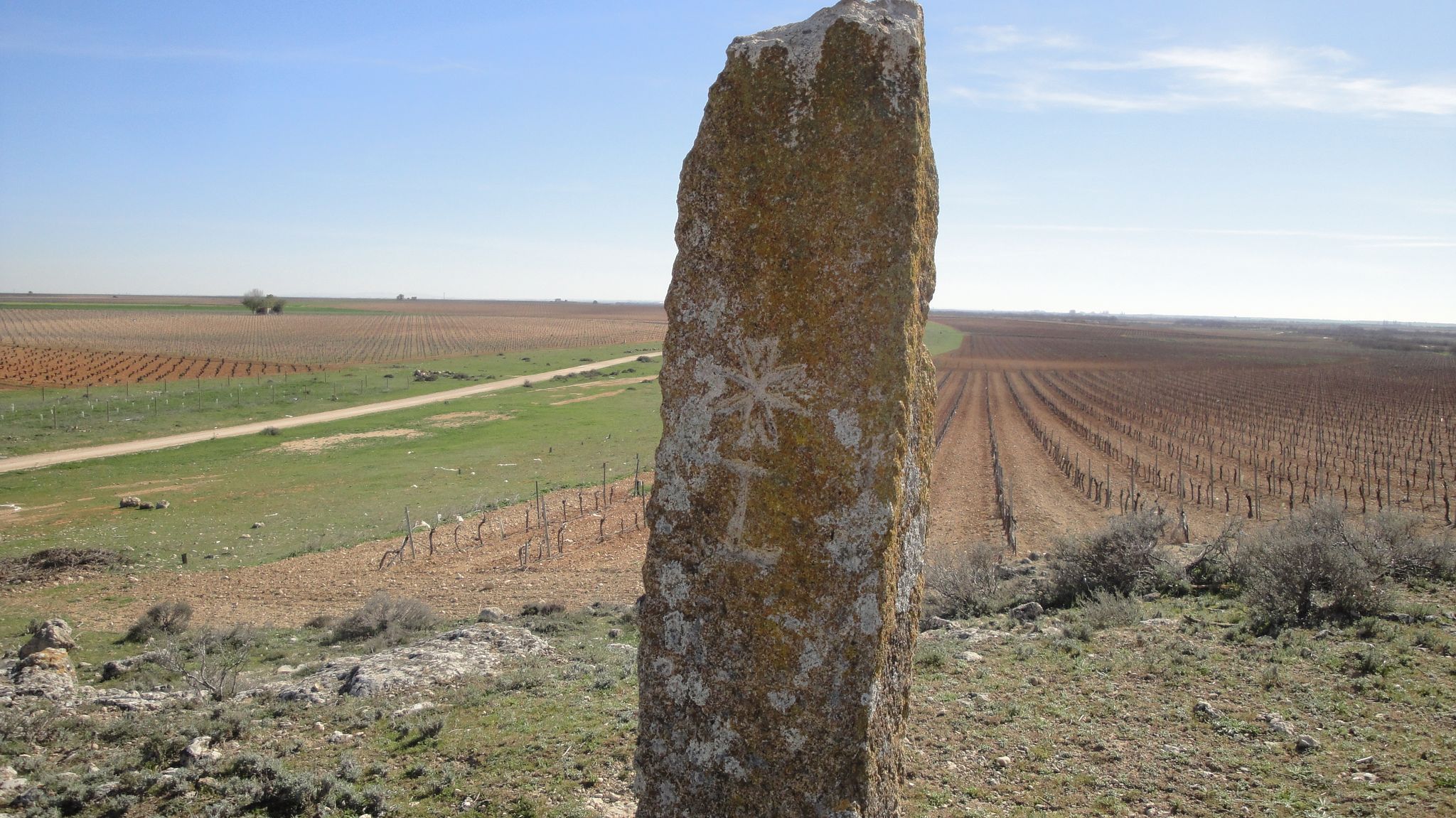
The Reconquest of La Mancha on Foot - Camino Natural del río Riánsares
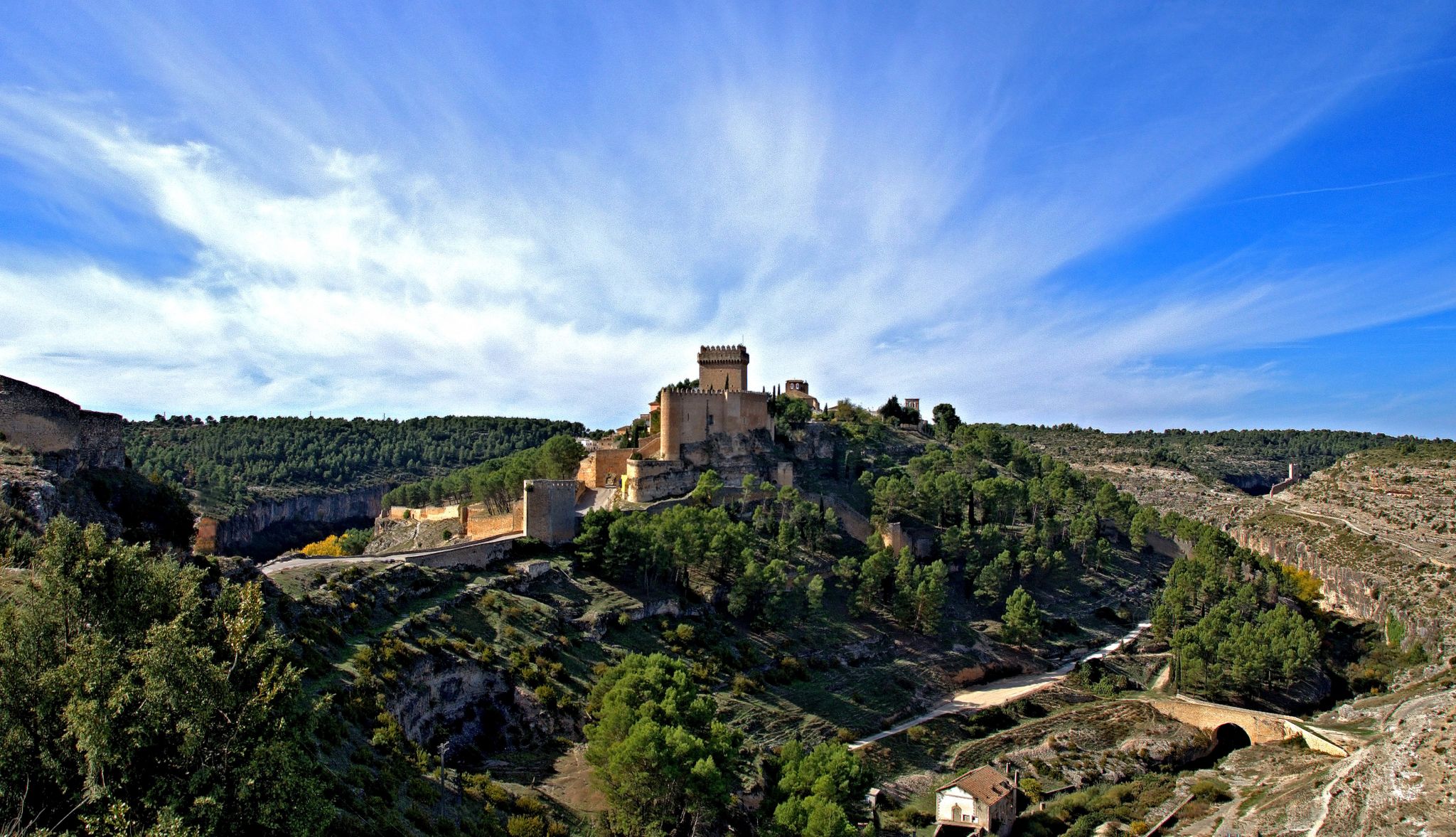
A walk through La Manchuela – hiking the GR 64
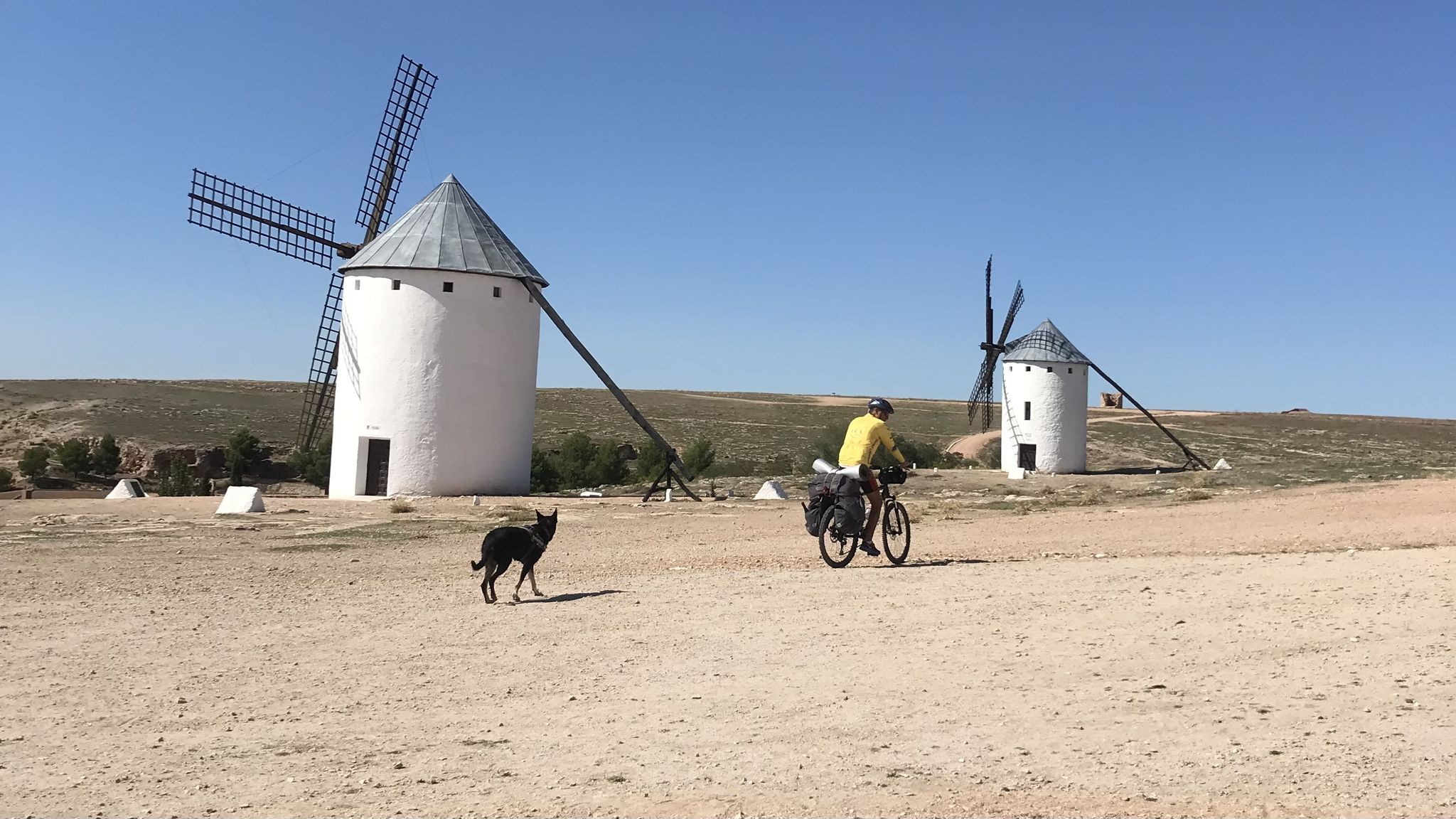
Don Quixote's route – The knight of the sorry face
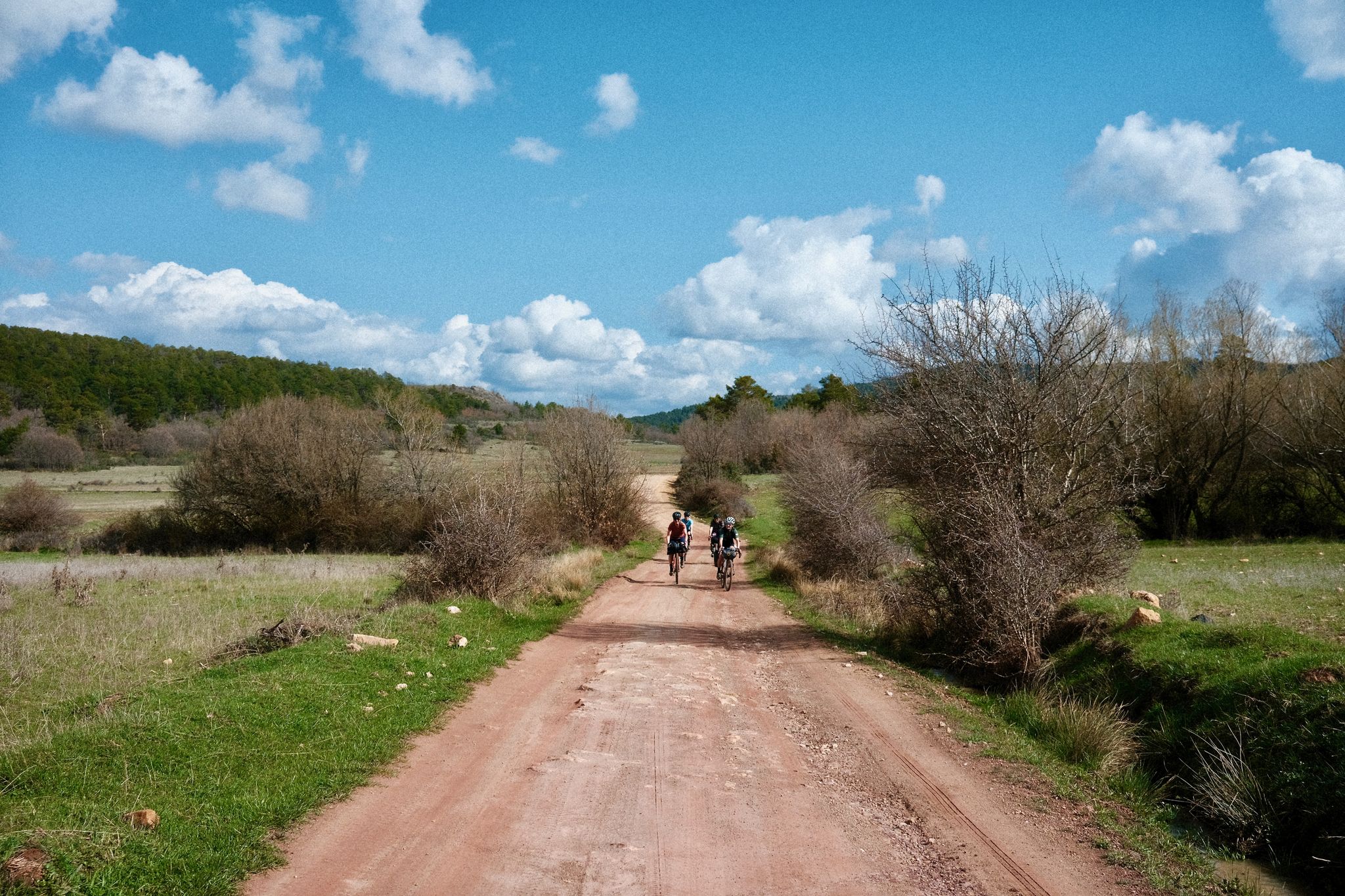
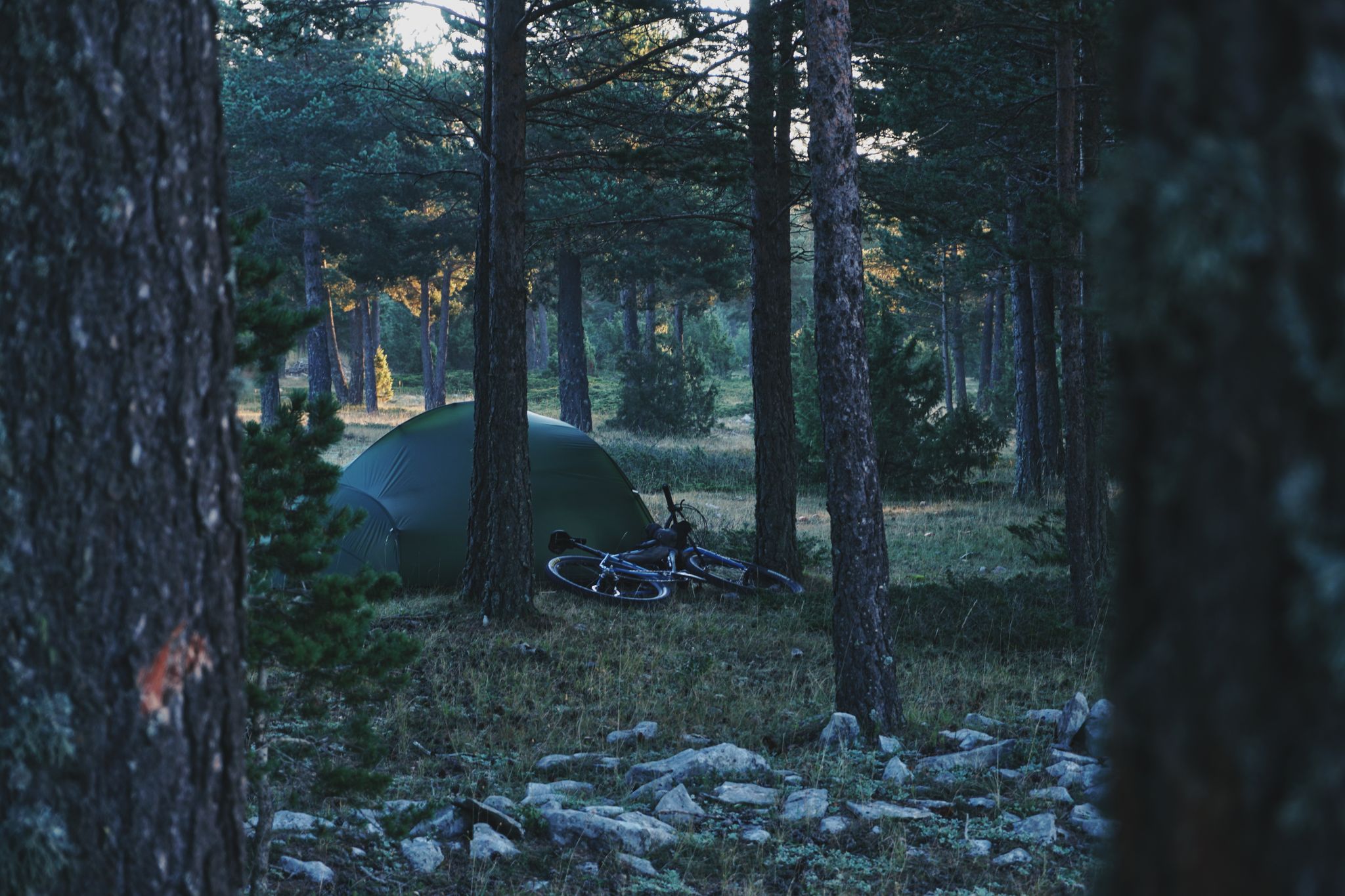
Women's Montañas Vacías 2022 — bikepack in rural Spain
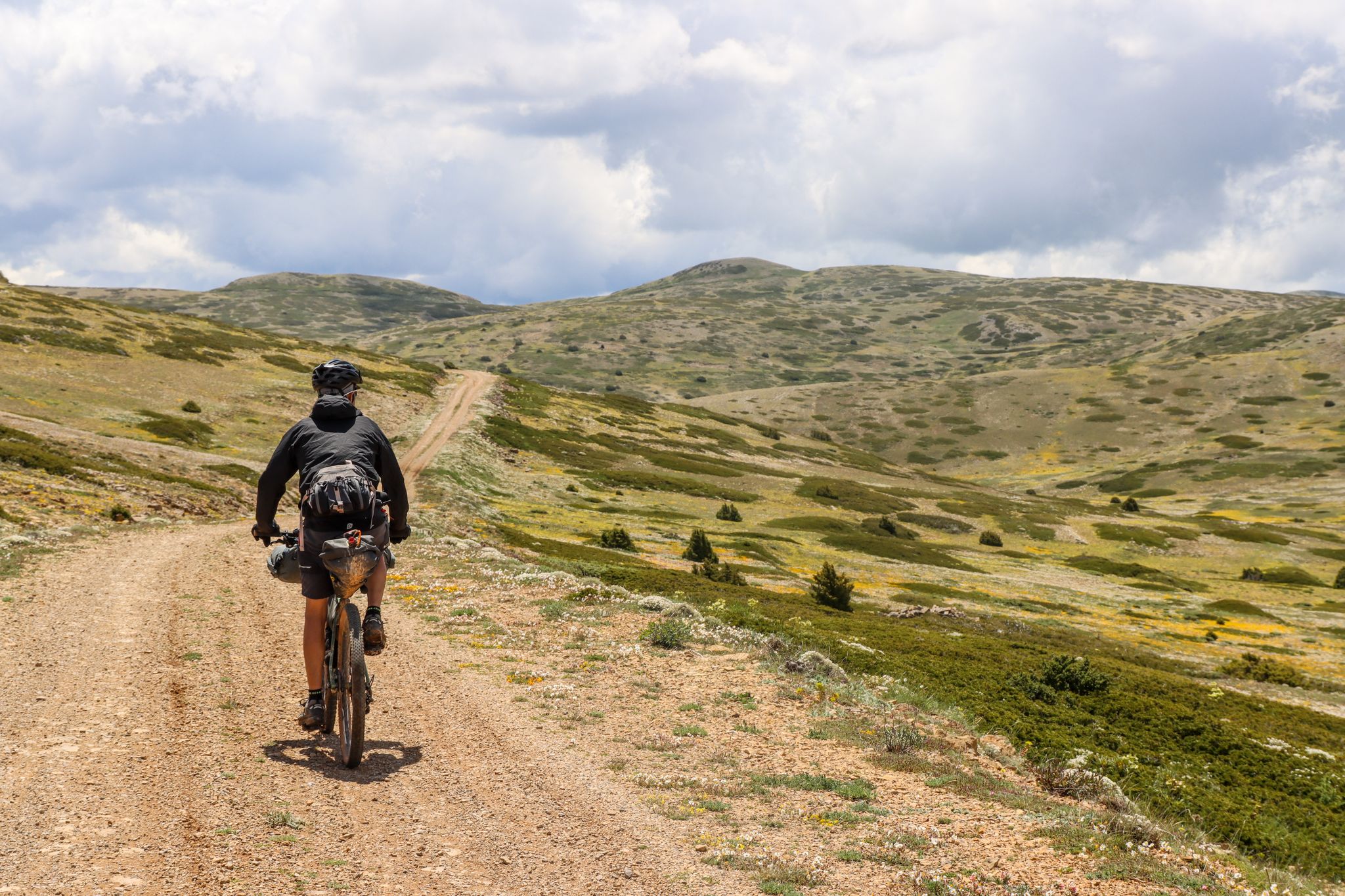
MontañasVacías official — bikepacking across the Spanish Lapland
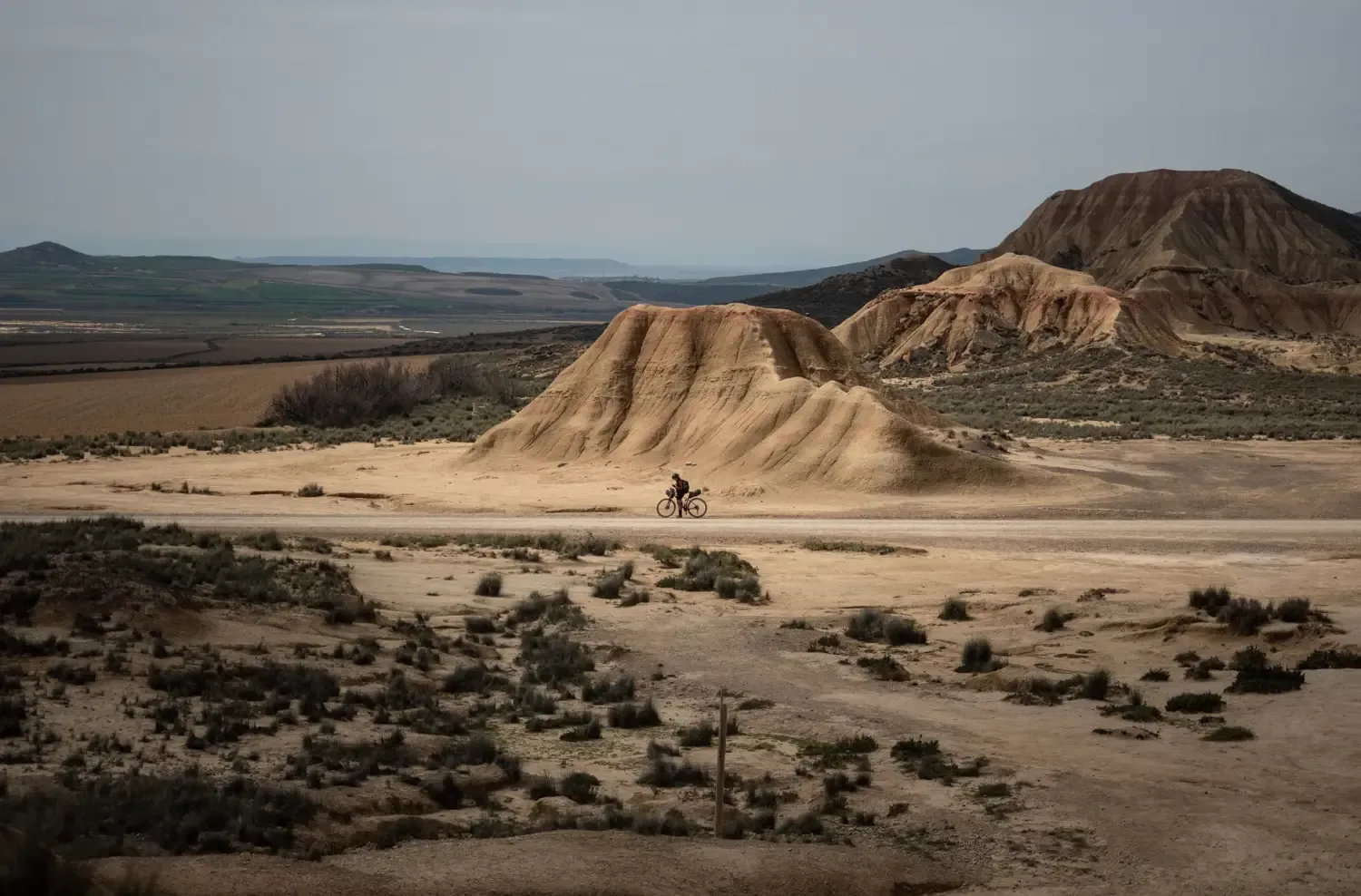
Montañas Vacías — bikepacking the wild and remote 'Empty Mountains'
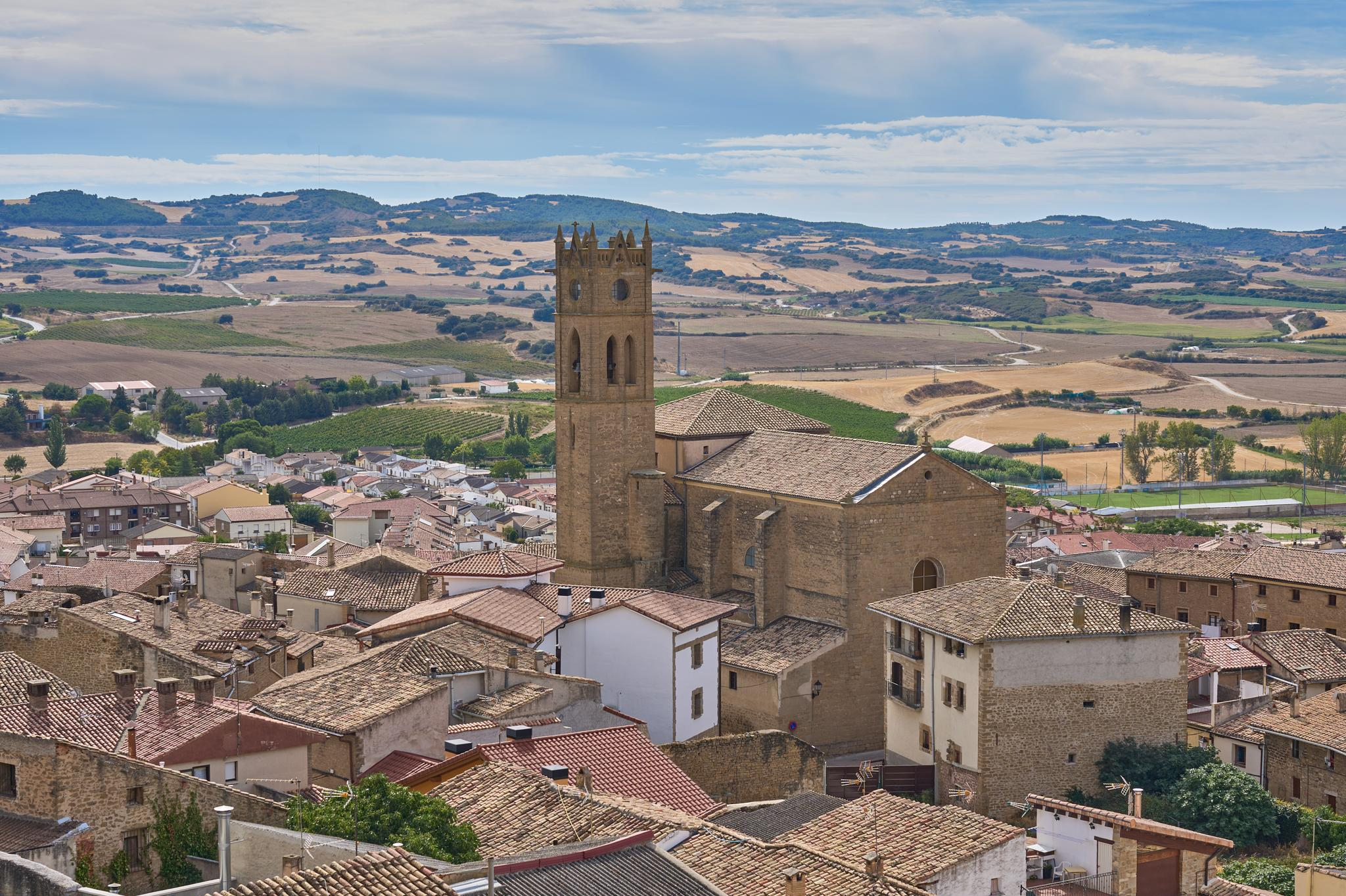
9 mountain biking routes in undiscovered Spain
Path of the Templars — Path of the True Cross (GR 250)
Other adventures in Cuenca


Tips from the Community

These are only the last four houses of the 10 that existed in ancient times.
0
0

The Mangana Tower is one of the most emblematic monuments in Cuenca's historic center and has been listed as a Site of Cultural Interest since 2001. It stands in Mangana Square, built on the site of the former Moorish fortress, the heart of the Jewish quarter and later home to noble palaces. Traditionally, it has served as the city clock since the 16th century. Today, it is a municipal symbol and a visual landmark of Cuenca's skyline.
8
0
The Mangana Tower is one of the most emblematic monuments in Cuenca's historic center and has been listed as a Site of Cultural Interest since 2001. It stands in Mangana Square, built on the site of the former Moorish fortress, the heart of the Jewish quarter and later home to noble palaces. Traditionally, it has served as the city clock since the 16th century. Today, it is a municipal symbol and a visual landmark of Cuenca's skyline.
8
0
The Plaza Mayor of Cuenca is a historic center and one of the most emblematic places in the city of Cuenca, in Castilla-La Mancha. This square is known for its Baroque architecture and its importance as a meeting point and hub of communication in the old part of the city. Main buildings: The Cathedral of Santa María and San Julián, the Cuenca City Hall, and the Convent of San Pedro. The most notable monument in Cuenca began construction at the end of the 12th century after the conquest of the city, but its core took shape in the 13th century. The naves, from the transept to the façade, date from the 14th century, and the ambulatory was transformed in the 16th century to adapt its original structure to new aesthetic trends. Its first façade also dates from this period, replaced in the 18th century by another that had to be demolished at the beginning of the 20th century, when the current Neo-Gothic façade, designed by Vicente Lampérez, was built.
7
0

Common crossing point for going to or returning from the Júcar gorge trail.
3
0
A true commercial artery and the heart of Christmas.
1
0
The children's ice rink is located at Christmas time.
1
0
Frequently Asked Questions
How many urban hiking trails are available in Cuenca?
There are over 20 urban hiking trails in Cuenca, offering a variety of experiences. Most of these, around 14, are rated as easy, making them accessible for many visitors. Another 6 routes are considered moderate, providing a bit more challenge.
Are there any circular urban walking routes in Cuenca?
Yes, many urban routes in Cuenca are circular, allowing you to start and end in the same location. For example, you can explore the historic quarter and the Huécar river on a scenic circular tour: Cuenca - circular tour of the historic quarter and the Huécar river.
What kind of natural features can I expect to see on urban hikes in Cuenca?
Cuenca's urban hikes often feature dramatic river gorges, particularly those carved by the Júcar and Huécar Rivers, with steep cliffs and unique karst landscapes. You'll also find scenic riverside paths, such as those along the Huécar, offering a blend of nature and urban scenery. The city's setting provides stunning vistas of its historic architecture nestled within these natural formations.
Are there any family-friendly urban hikes in Cuenca?
Many of Cuenca's urban trails are suitable for families, especially the easier routes that stick to riverside paths or the historic city center. These offer relatively flat terrain and shorter distances, perfect for a leisurely stroll with children. The Cuenca - circular tour of the historic quarter and the Huécar river is a great option for families.
What are some interesting landmarks or attractions I can see along the urban hiking trails?
Along Cuenca's urban trails, you can discover a rich blend of natural and historical landmarks. The city's famous 'hanging houses' (Casas Colgadas) are a prominent feature, often visible from routes along the Huécar gorge. You can also explore the historic city center, including the Cuenca Cathedral, which is part of routes like the Cuenca City Hall – Cuenca Cathedral loop. The region also boasts unique natural monuments like the Enchanted City, though this is typically a short drive from the urban core.
Are there any urban hikes that offer views of waterfalls?
While urban hikes within Cuenca itself focus more on river gorges and cityscapes, the wider Cuenca region is known for its waterfalls. The Source of the Cuervo River and the Cuervo River Waterfall are notable attractions a short distance from the city, offering beautiful natural scenery and trails leading to impressive cascades.
What do other hikers enjoy most about urban hiking in Cuenca?
The komoot community highly rates hiking in Cuenca, with an average score of 4.46 stars. Reviewers often praise the unique combination of historical architecture and dramatic natural landscapes, particularly the stunning views of the hanging houses and the Huécar gorge. The accessibility of trails directly from the city center is also frequently highlighted.
Are there any moderate difficulty urban hikes for more experienced walkers?
Yes, for those seeking a bit more challenge, there are several moderate urban hikes. One such route is the Cuenca Cathedral – Descent to Las Angustias loop, which offers a longer distance and more significant elevation changes compared to the easier city strolls, providing a rewarding experience with great views.
Can I find urban hikes that follow the rivers in Cuenca?
Absolutely. Cuenca is traversed by several rivers, and many urban hikes follow their courses. The Huécar River, in particular, offers fantastic trails that wind through its gorge, providing unique perspectives of the city and its natural surroundings. The Hoces de Cuenca Route is a prime example of a trail that explores the river's dramatic meanders.
What is the best time of year for urban hiking in Cuenca?
Cuenca experiences a continental Mediterranean climate. Spring (April-May) and Autumn (September-October) are generally considered the best times for urban hiking, offering pleasant temperatures and less chance of extreme weather. Summers can be hot, and winters can be cold, but urban trails are typically accessible year-round, with appropriate clothing.
Are there urban trails suitable for beginners in Cuenca?
Yes, Cuenca has many easy urban trails perfect for beginners. These routes often stick to the flatter riverside paths or explore the historic city center, with minimal elevation gain and shorter distances. The Bridge over the Huécar River – San Antón Bridge loop is an excellent choice for an easy and enjoyable walk.
Most popular routes in Cuenca
Most popular attractions in Cuenca

Get inspired with the komoot mobile app


Didn’t find what you were looking for?
Check out more Hikes throughout Cuenca below and find the perfect route in your destination.
Explore more
Browse the best Hikes in other regions.
