The best hikes from bus stations in Viana do Castelo
4.5
(4060)
18,314
hikers
60
hikes
Hiking in Viana do Castelo offers diverse landscapes, from rugged mountains and verdant valleys to extensive coastlines and serene river estuaries. The region is characterized by its position where the Minho region meets the Atlantic coast, providing a mix of riverine and coastal environments. Features include the Serra D'Arga mountain range, pine forests, and the Lima River estuary, offering varied terrain for exploration.
Best bus station hiking trails in Viana do Castelo
- The most popular bus station hiking route is…
Last updated: July 11, 2026
4.6
(23)
168
hikers
Hard hike. Very good fitness required. Easily-accessible paths. Suitable for all skill levels.
4.6
(24)
146
hikers
Moderate hike. Good fitness required. Easily-accessible paths. Suitable for all skill levels.

Sign up for free
4.6
(13)
105
hikers
Moderate hike. Good fitness required. Easily-accessible paths. Suitable for all skill levels.
4.9
(10)
39
hikers
29.0km
07:40
280m
280m
Hard hike. Very good fitness required. Easily-accessible paths. Suitable for all skill levels.
5.0
(3)
48
hikers
15.3km
04:07
180m
180m
Moderate hike. Good fitness required. Easily-accessible paths. Suitable for all skill levels.
Get access to more routes and recommendations from other explorers.
Sign up for free
Already have an account?
Our route recommendations are based on thousands of hikes, rides, and runs completed by other people on komoot.
Start today with a free account
Your next adventure awaits.
Login or Signup
Popular around Viana do Castelo

Hikes from bus stations in Baixo Miño
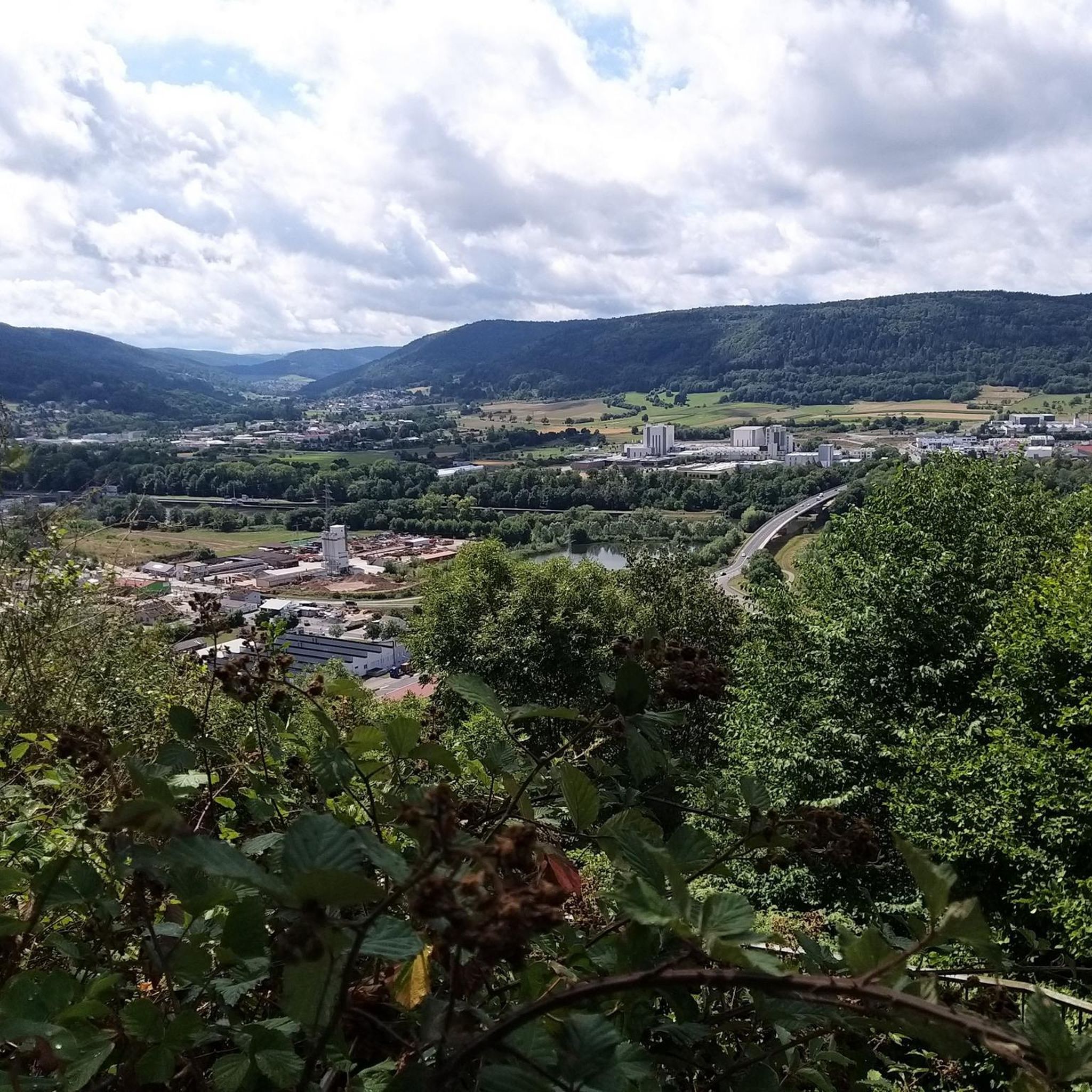
Hikes from bus stations around the Maround theho
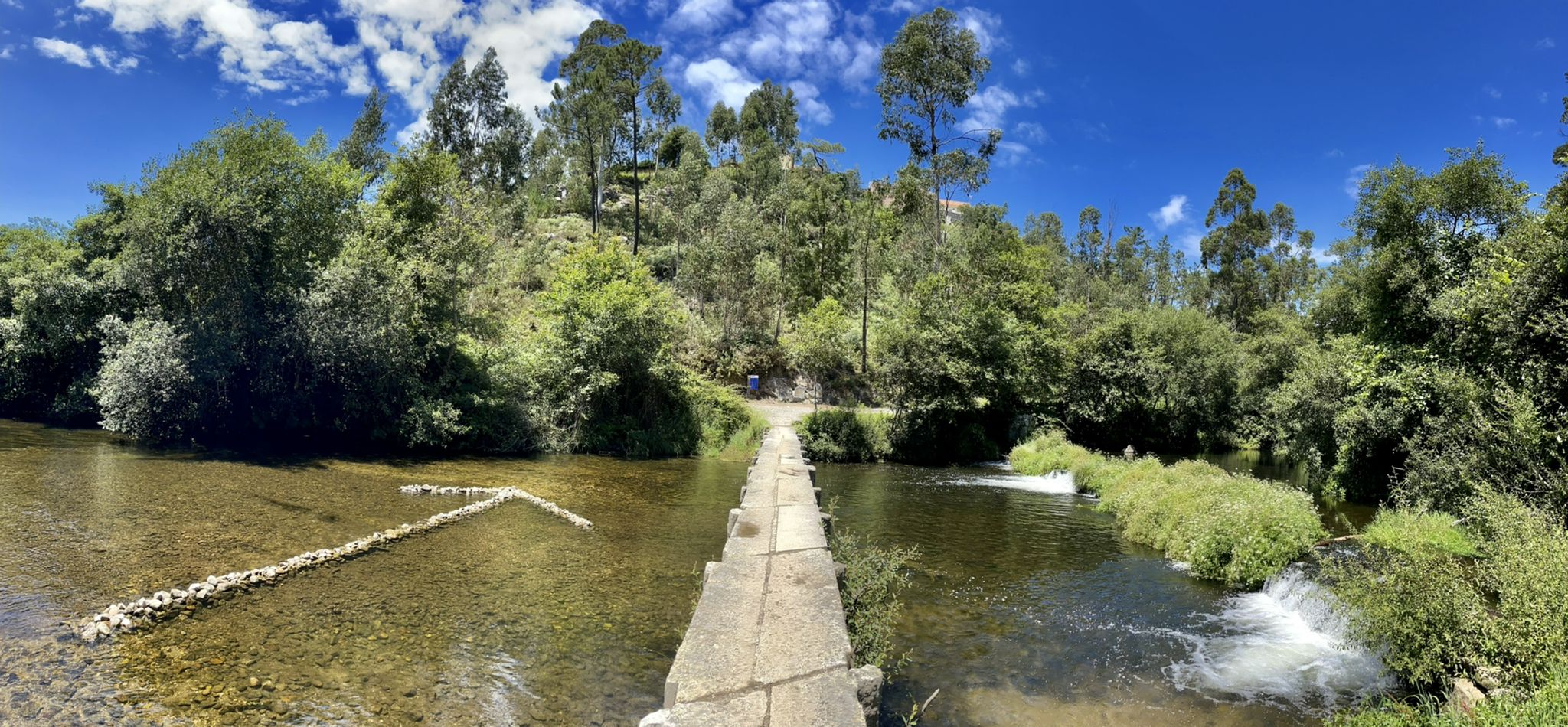
The challenge that knows no frontiers — Portuguese Coast Path
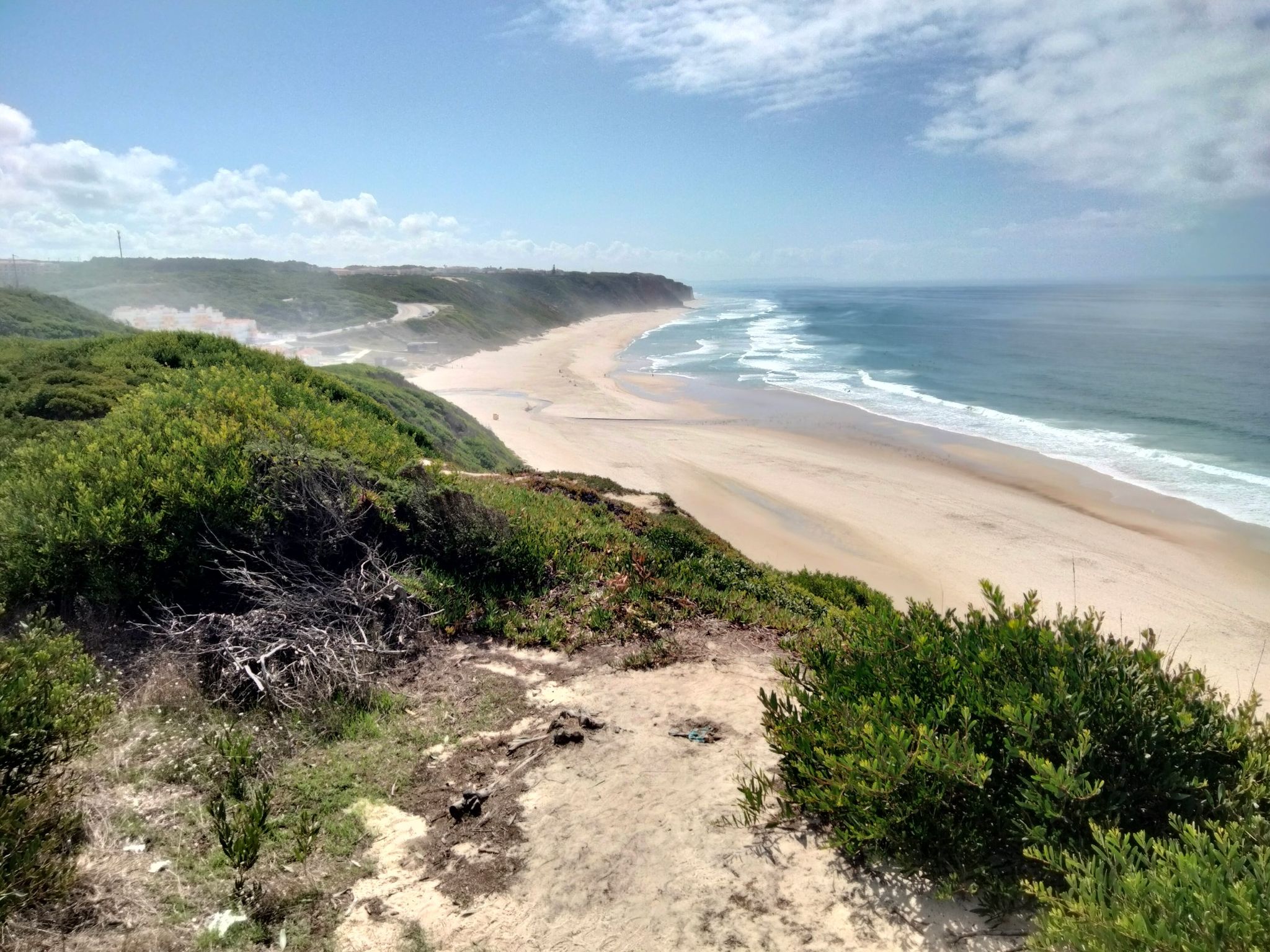
Portugal's Atlantic coast (north) – from Caminha to Lisbon
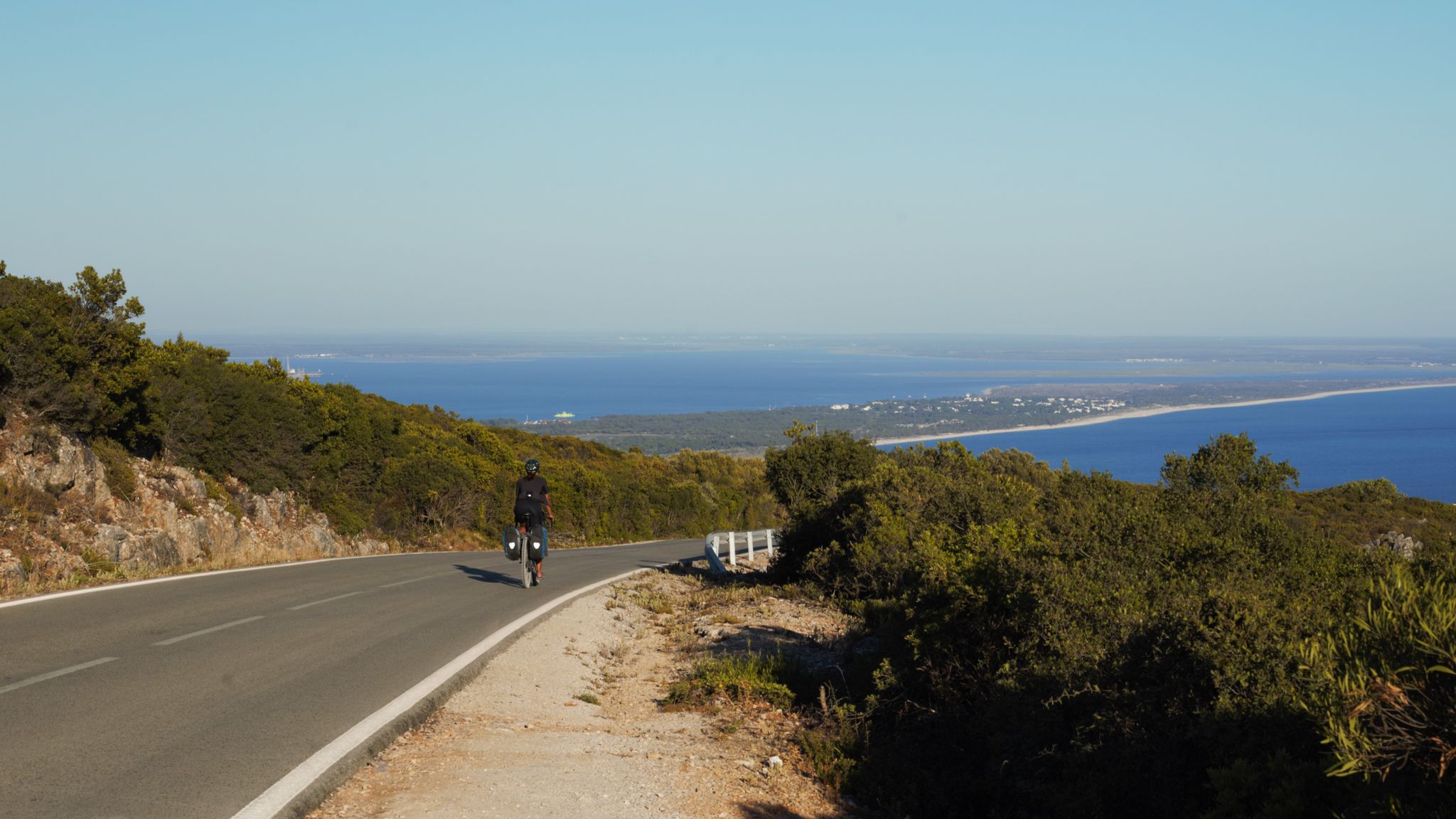
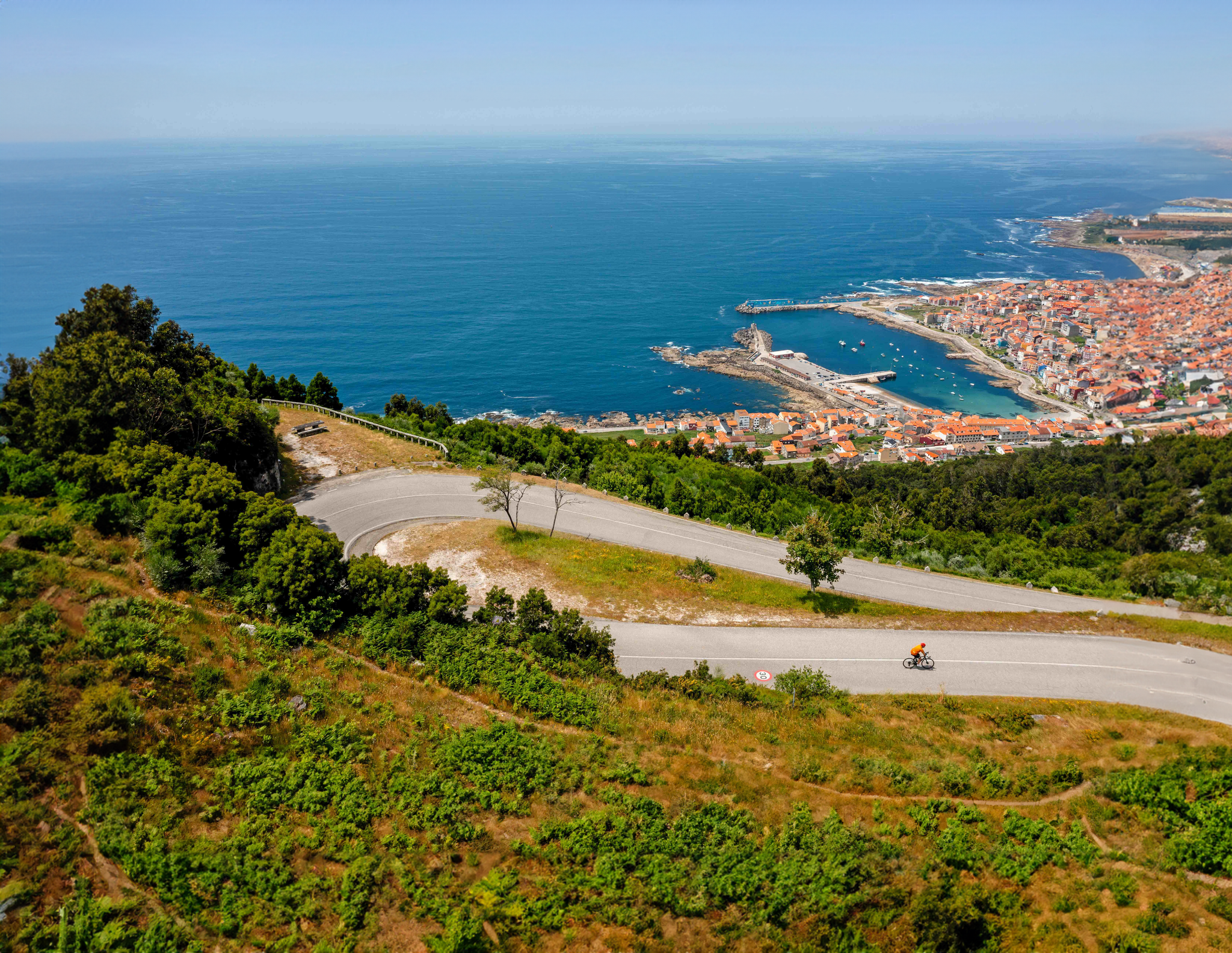
The breaking waves – cycle along the Atlantic coast of Portugal
With TOUR in Northern Portugal
Na Rota dos Peregrinos – o Caminho Central Português
Other adventures in Viana do Castelo


Tips from the Community

Almost overlooked, but still a piece of history.
0
0
Old castle, but it was unfortunately closed.
0
0

View of Monte Santa Trega with the fort located in front of it at the river mouth.
0
0
Chapel of Saint Isidore
0
0

Visit and Accessibility Access: Access to the site is free and open 24 hours a day. Trails and Hiking: The fort is part of the PR7 - Paçô Fort Trail, a pedestrian route that coincides with part of the Camino de Santiago da Costa and allows you to explore the area of the Viana do Castelo Coastal Geopark, passing through landscapes of dunes and cliffs. Beach: Paçô Beach, adjacent to the fort, is a beach with a wide sandy area and rock formations that form natural pools at low tide. Accessibility: There is wheelchair accessible parking nearby.
2
0
Main Characteristics Military Architecture: The fort was built for the purpose of defending the Atlantic coast against maritime attacks. It has a characteristic star-shaped plan and small dimensions. Location: It is located directly on the beach, a few meters from the sea, which can reach its walls during the winter. Its location offers scenic views of the coastline. Current State: The fort is currently in ruins, without functional rehabilitation, and it is not possible to enter the structure. However, the surrounding area is accessible for public visitation.
2
0
The Paçô Fort, also known as the Montedor Fort, is a historic 17th-century coastal fortification located in the parish of Carreço, near Paçô Beach, in the municipality of Viana do Castelo, Portugal.
2
0
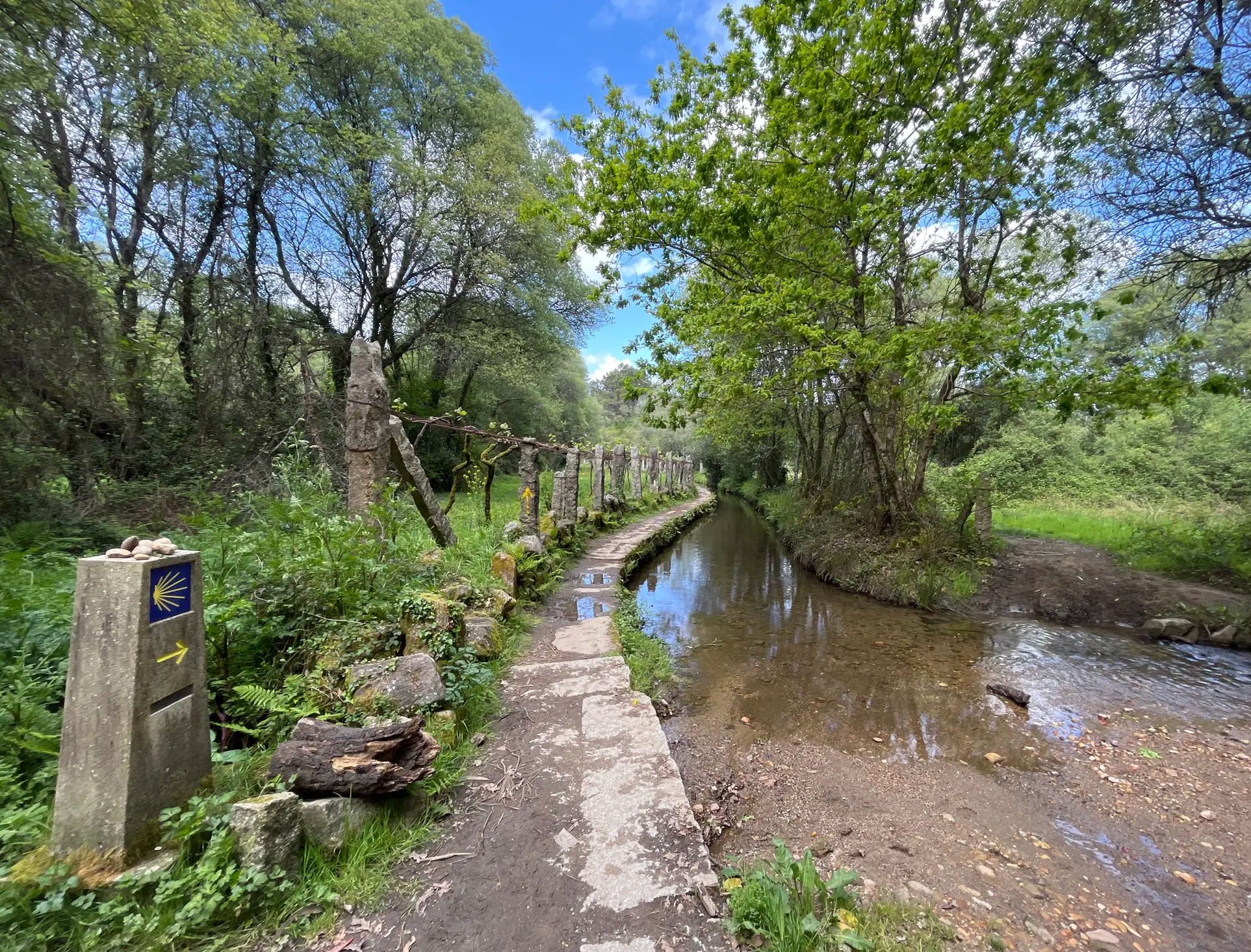
The Portuguese Coastal Way Vila Praia de Âncora is one of the important stops on the coastal route that connects Porto Cathedral to Santiago de Compostela Cathedral. The route is known for its beautiful coastal landscapes and good signage with yellow arrows and scallop shells.
1
0
Frequently Asked Questions
How many bus station hiking trails are available in Viana do Castelo?
There are over 50 hiking routes accessible from bus stations in Viana do Castelo, offering a wide range of experiences from coastal paths to mountain trails. You'll find 16 easy, 33 moderate, and 6 difficult routes to choose from.
What kind of natural features can I expect to see on bus-accessible hikes in Viana do Castelo?
Viana do Castelo's bus-accessible trails showcase the region's diverse landscapes. You can explore the dramatic Atlantic coastline, serene river estuaries like the Lima River, and verdant pine forests. Some routes may even lead you to areas with cascading waterfalls or offer views of the distant Serra D'Arga mountains.
Are there any family-friendly hiking options from Viana do Castelo bus stations?
Yes, Viana do Castelo offers several family-friendly routes. Look for trails marked as 'easy' in the guide, which typically feature gentler terrain and shorter distances. These often include coastal walks or paths along the Lima River, providing enjoyable experiences for all ages.
Can I bring my dog on these bus-accessible hiking trails?
Many trails in the Viana do Castelo region are dog-friendly, but it's always best to check specific route details for any restrictions. When hiking with your dog, remember to keep them on a leash, especially in protected areas or near livestock, and always carry water for both of you.
What are some notable landmarks or attractions I can visit along bus-accessible hiking routes?
Several routes offer access to significant landmarks. For panoramic views, consider a hike that includes the Sanctuary of Santa Luzia. Other trails might lead you past historical structures like the Eiffel Bridge (Ponte Eiffel) or the Stone Bridge over the Neiva River. The region also features impressive fortifications such as the Fortress of Valença.
Are there any circular hiking routes available from bus stations?
Yes, many of the bus-accessible routes in Viana do Castelo are designed as circular walks, allowing you to start and end at the same point, often conveniently near a bus stop. Examples include the moderate Sanctuary of Santa Luzia – Stairs to Santa Luzia loop or the longer Caminha Town Centre – V. P. Âncora Sign loop.
What is the best time of year to hike in Viana do Castelo?
The best time for hiking in Viana do Castelo is generally during spring (April to June) and autumn (September to October) when the weather is mild and pleasant. Summers can be warm, especially inland, while winters are typically wetter but still offer opportunities for coastal walks on clear days.
Are there any long-distance or more challenging hikes accessible by bus?
For those seeking a challenge, Viana do Castelo offers several difficult routes. The Praia do Camarido – Fornelos Salt Pans loop is a demanding coastal and estuarine hike, while the Pine Forest near Moledo – Ponte da Torre loop offers a substantial forest adventure. These routes require good physical condition and proper preparation.
What do other hikers say about the bus-accessible trails in Viana do Castelo?
The bus-accessible trails in Viana do Castelo are highly regarded by the komoot community, with an average rating of 4.5 out of 5 stars from over 4,300 reviews. Hikers often praise the stunning coastal views, the tranquility of the forest paths, and the accessibility of these routes via public transport.
Are there opportunities for wild swimming near bus-accessible hiking trails?
While Viana do Castelo is known for its beautiful coastline and river beaches, wild swimming opportunities directly adjacent to bus-accessible hiking trails might be limited. However, the region's natural pools and lagoons, particularly within the Peneda-Gerês National Park, are popular for wild swimming, though reaching them often requires additional travel beyond the immediate bus station trailheads.
How can I find bus stops or public transport information for specific trailheads?
Each komoot tour provides detailed information, including the starting point. You can use this to cross-reference with local bus schedules and maps. Many routes, by definition of this guide, start directly from or very close to bus stations, making access straightforward.
Most popular routes in Viana do Castelo
Most popular attractions in Viana do Castelo

Get inspired with the komoot mobile app


Didn’t find what you were looking for?
Check out more Hikes throughout Viana do Castelo below and find the perfect route in your destination.
Explore more
Browse the best Hikes in other regions.
