The best hikes from bus stations in Pisa
4.4
(6325)
29,057
hikers
345
hikes
Bus station hiking trails in Pisa offer access to diverse landscapes, from the rolling hills of the Monti Pisani to coastal paths and the unique geothermal areas. The region features a mix of cultivated olive groves, dense forests of oak and pine, and Mediterranean scrubland. Elevation gains vary, providing options for both gentle walks and more challenging mountain treks.
Best bus station hiking trails in Pisa
- The most popular bus station hiking route is Verruca Fortress – Montemagno Village loop…
Last updated: July 7, 2026
4.7
(66)
225
hikers
12.5km
03:57
490m
490m
Moderate hike. Good fitness required. Mostly accessible paths. Sure-footedness required.
4.8
(61)
164
hikers
16.3km
05:00
540m
540m
Hard hike. Very good fitness required. Mostly accessible paths. Sure-footedness required.

Sign up for free
4.5
(42)
122
hikers
5.57km
02:10
250m
250m
Moderate hike. Good fitness required. Mostly accessible paths. Sure-footedness required.
4.8
(107)
916
hikers
Easy hike. Great for any fitness level. Easily-accessible paths. Suitable for all skill levels.
4.7
(59)
579
hikers
6.77km
01:44
30m
30m
Easy hike. Great for any fitness level. Easily-accessible paths. Suitable for all skill levels.
Get access to more routes and recommendations from other explorers.
Sign up for free
Already have an account?
Our route recommendations are based on thousands of hikes, rides, and runs completed by other people on komoot.
Start today with a free account
Your next adventure awaits.
Login or Signup
Popular around Pisa
Hikes from bus stations in Area Naturale Protetta Di Interesse Locale Monte Castellare

Hikes from bus stations in Area Naturale Protetta Di Interesse Locale Valle Delle Fonti
Hikes from bus stations around Parco Naturale di Migliarino San Rossore Massaciuccoli

Hikes from bus stations in Riserva Naturale Bosco Di Tanali
Hikes from bus stations in Area Naturale Protetta Di Interesse Locale Valle Del Lato
Hikes from bus stations around Parco naturale di Migliarino, San Rossore e Massaciuccoli

Hikes from bus stations in Riserva Naturale Provinciale Monte Serra Di Sotto
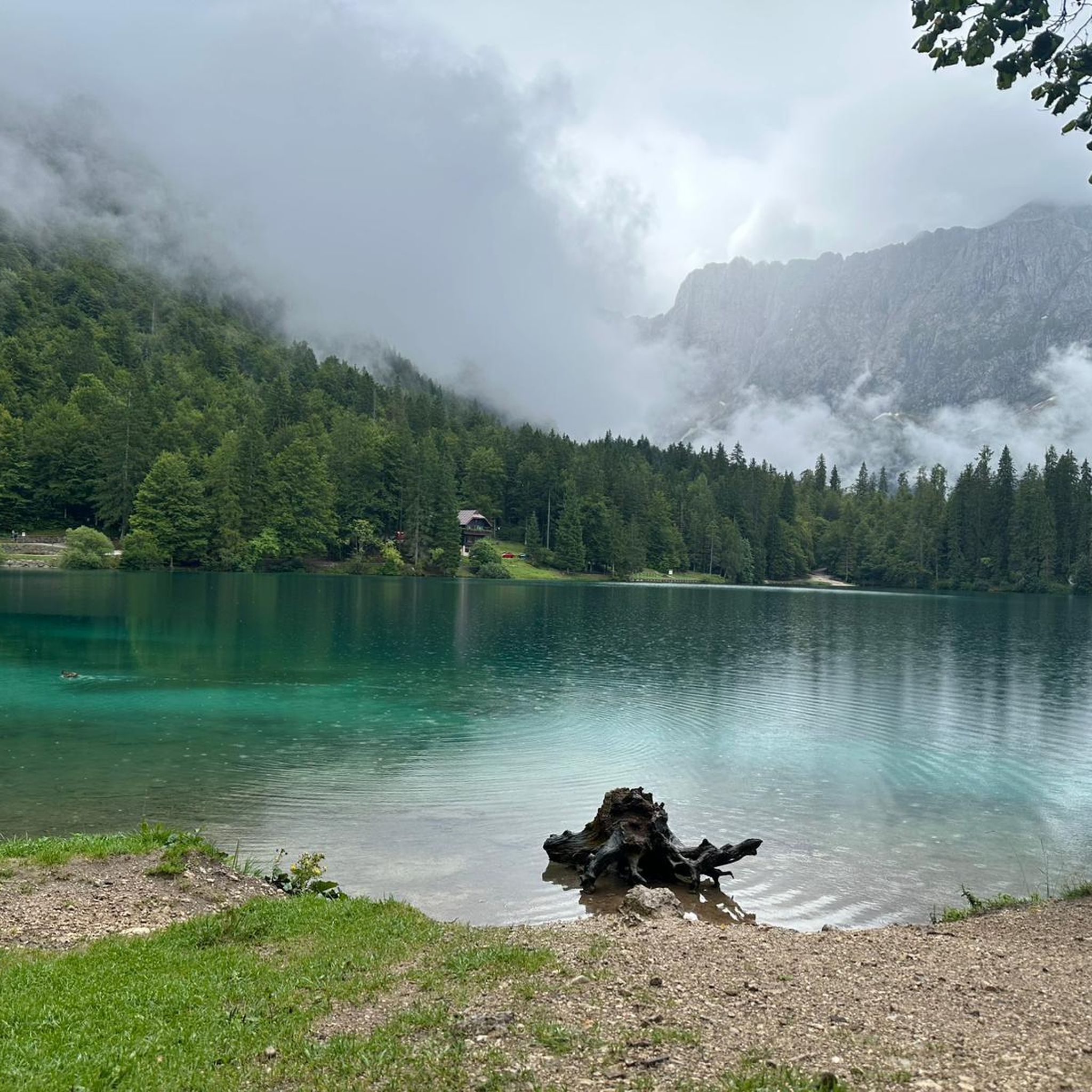
Hikes from bus stations in Riserva Naturale Di Monterufoli-Caselli

Hikes from bus stations around Lake Santa Luce
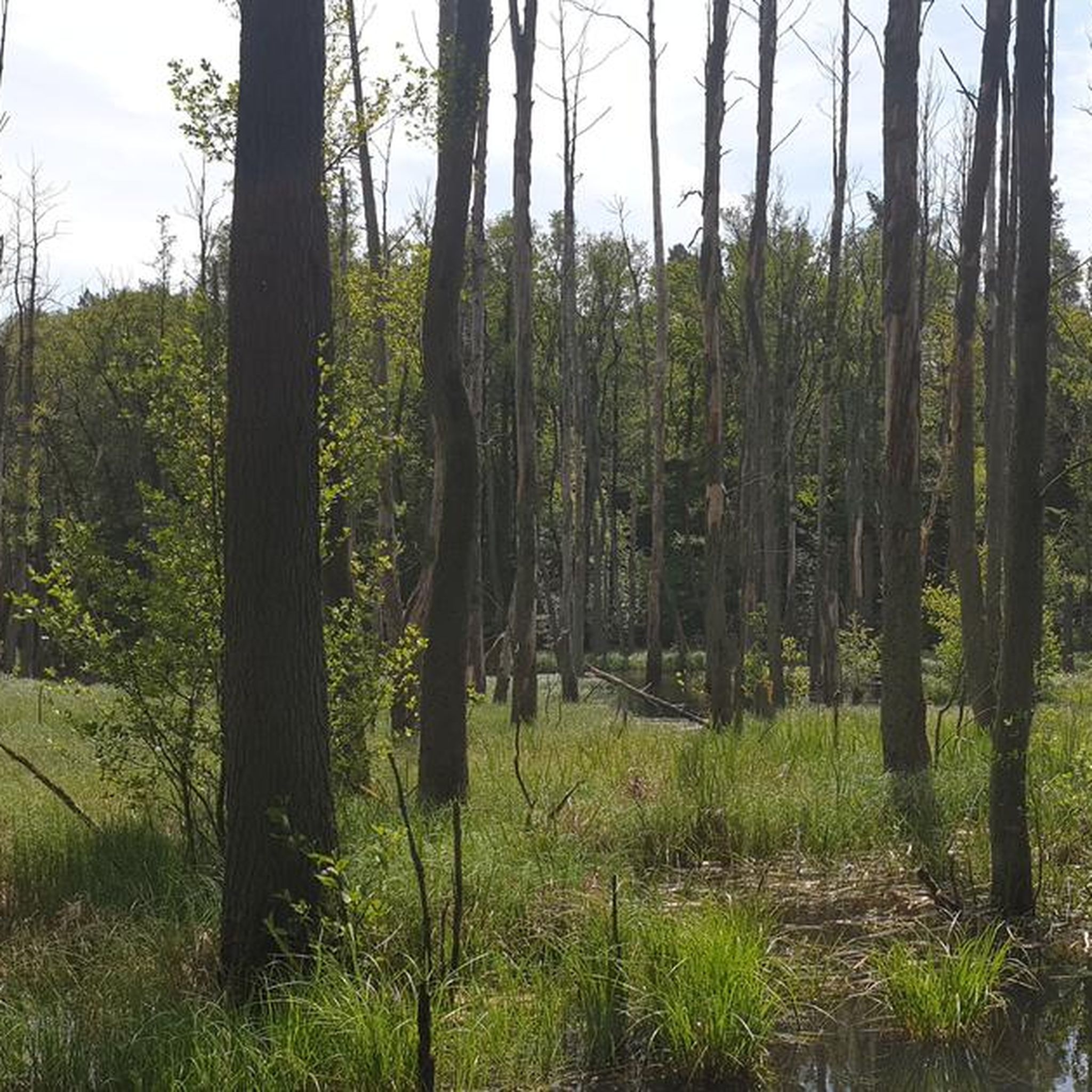
Hikes from bus stations around Riserva delle Cerbaie e del Padule di Fucecchio
Other adventures in Pisa


Tips from the Community

Grave monument at Piazza Napoli. Very grandly and impressively built. Many well-preserved figures and murals can be seen. During our visit, it was evident that efforts are being made to preserve the murals as much as possible and that restoration work is being carried out.
0
0

Piazza Martiri della Libertà offers one of Volterra's most iconic and photographed viewpoints, combining the medieval architecture of the village with the boundless landscape of the Tuscan hills. The square's terrace directly overlooks the terracotta roofs of the historic center, offering a close-up view of the characteristic dome of the Baptistery of San Giovanni and the soaring bell tower of the Duomo (Cathedral of Santa Maria Assunta). In the background, the gaze extends to the Val di Cecina.
0
0
The Roman Theatre of Volterra, located in the Vallebuona area just outside the medieval walls, is one of the most beautiful and best-preserved monuments of the imperial era in Italy
0
0

In the center of the square is the bronze statue representing Giuseppe Garibaldi, a work by Ettore Ferrari from 1892. On the base of the monument are depicted the highlights of his life, in particular his arrival in Pisa after being wounded at Aspromonte.
0
0

South gate that gives access to the city centre.
0
0

The Monumental Cemetery forms the northern end of the Piazza dei Miracoli and is part of the UNESCO World Heritage Site. The cemetery is said to contain soil brought from the Holy Land by Crusaders in 1203. Construction of the Monumental Cemetery began in 1278 and was completed in 1358. More information: https://de.wikipedia.org/wiki/Camposanto_Monumentale
1
0

Porta a Selci is one of Volterra's oldest gates. Its construction dates back to the Middle Ages, around the 13th century, and was part of the imposing walls that defended the city. The name "Selci" refers to the road that led to the town of the same name, an important agricultural hub in the area. The walls surrounding the gate bear witness to centuries of history, when Volterra was one of the most important cities in medieval Tuscany. Over the centuries, the gate has been restored and modified, but has retained its original charm. During the Middle Ages, the gate was a crucial element for the city's defense, as well as for trade and communications with the outside world.
0
0

A must when you are in Pisa
1
0
Frequently Asked Questions
How many hiking trails are accessible from bus stations in Pisa?
There are over 320 hiking routes in the Pisa region that are accessible from bus stations. These routes offer a wide range of experiences, from easy strolls to more challenging mountain treks, catering to various fitness levels and preferences.
What is the best time of year to hike near Pisa bus stations?
The best time for hiking in the Pisa region is generally during spring (April-May) and autumn (September-October). During these seasons, the weather is mild and pleasant, ideal for exploring the diverse landscapes. Summer can be very hot, especially at lower elevations, while winter offers cooler temperatures but some trails in higher areas like the Apuan Alps might be more challenging due to weather conditions.
What are the difficulty levels of hikes accessible from Pisa bus stations?
The hikes accessible from Pisa bus stations vary significantly in difficulty. You'll find a good mix of options: over 140 routes are rated as easy, more than 150 are moderate, and around 30 are considered difficult. This means there's something for everyone, from casual walkers to experienced hikers seeking a challenge.
Are there circular routes available from Pisa bus stations?
Yes, many of the trails accessible by bus from Pisa are circular routes, allowing you to start and end your hike at the same point without needing to arrange return transport. An example of a moderate circular route is the Dante's Pass loop from San Giuliano Terme, which takes you through the Pisan Mountains.
What natural features can I expect to see on hikes from Pisa bus stations?
The Pisa region offers a rich variety of natural features. You can explore the unique vegetation of the Pisan Mountains, from olive groves to chestnut forests, or discover the rugged, spectacular peaks of the Apuan Alps. Coastal paths offer views of the Mediterranean, while inland, you might encounter wetlands like the Lake Santa Luce, an important bird sanctuary.
Are there historical landmarks or castles to explore on these trails?
Absolutely. The region is rich in history. Many trails pass by or lead to historical sites. For instance, the difficult Torre Upezzinghi – Verruca Fortress loop from Caprona takes you past the Upezzinghi Tower. Other notable castles and fortresses in the area include the Castle of Lari and the Brunelleschi’s Fortress of Vicopisano.
What do other hikers enjoy most about hiking near Pisa bus stations?
The komoot community highly rates the hiking experiences in Pisa, with an average score of 4.4 out of 5 stars from over 5,400 ratings. Hikers often praise the diverse landscapes, the historical points of interest along the routes, and the accessibility of many trails via public transport, making it easy to explore Tuscany's natural beauty.
Are there family-friendly hiking options accessible by bus from Pisa?
Yes, there are many family-friendly hiking options. Over 140 routes are rated as easy, making them suitable for families with children. An example is the easy Priori Square, Volterra – Antonio Gramsci Street, Volterra loop from Volterra, which is shorter and has less elevation gain, perfect for a leisurely family outing.
Can I bring my dog on these trails?
Many trails in the Pisa region are dog-friendly, allowing you to enjoy the outdoors with your canine companion. However, it's always advisable to check specific trail regulations or local signage, especially in protected areas like the Park of Migliarino, San Rossore, Massaciuccoli, where certain restrictions might apply. Always keep your dog on a leash and clean up after them.
What kind of terrain can I expect on hikes from Pisa bus stations?
The terrain varies widely across the region. In the Pisan Mountains, you'll find paths through deciduous forests and olive groves, often with some elevation changes. Coastal trails feature sandy or pebbly beaches backed by pine forests. For more rugged experiences, the Apuan Alps offer rocky landscapes and significant elevation gains. Many routes also traverse historic village paths and agricultural lands.
Where can I find refreshments or cafes near the bus station trailheads?
Many trailheads are located in or near villages and towns, offering opportunities to find cafes, restaurants, or small shops for refreshments. For routes starting directly from Pisa's bus stations, you'll have access to numerous amenities before and after your hike. For trails in more remote areas, it's always best to pack sufficient water and snacks.
How long do these bus-accessible hikes typically take?
The duration of hikes varies greatly depending on the route's distance and difficulty. Easy routes, like the Priori Square, Volterra loop, can take around 1.5 to 2 hours. Moderate hikes, such as the Verruca Fortress – Montemagno Village loop from Calci, might take 4 to 5 hours. More difficult and longer trails can extend to 6 hours or more, so it's important to check the estimated duration for each specific route.
Most popular routes in Pisa
Most popular attractions in Pisa

Get inspired with the komoot mobile app


Didn’t find what you were looking for?
Check out more Hikes throughout Pisa below and find the perfect route in your destination.
Explore more
Browse the best Hikes in other regions.
