The best traffic-free bike rides in the Japanese Alps
4.3
(83)
5,780
riders
13
rides
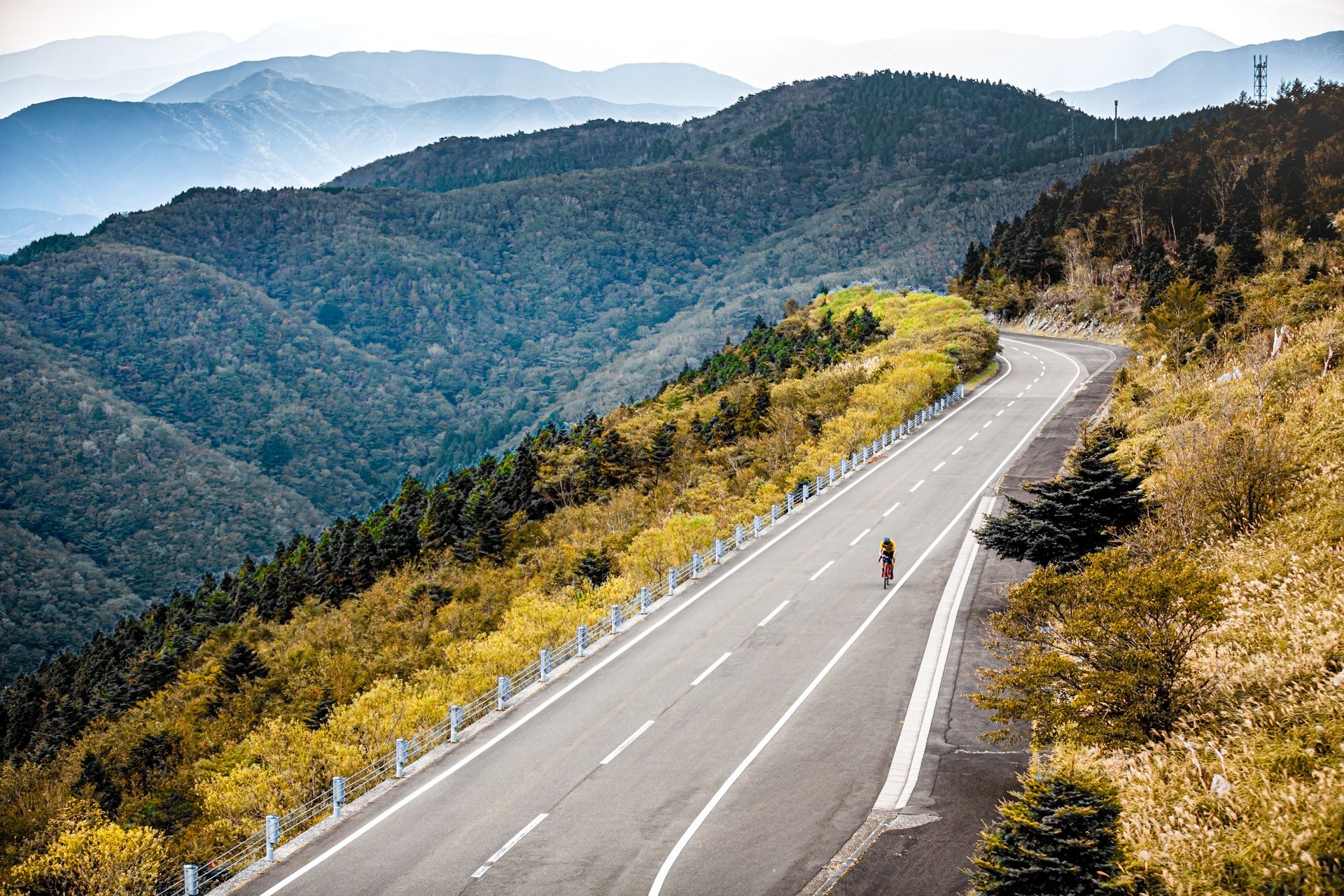
Road cycling in the Japanese Alps offers diverse terrain across the Hida, Kiso, and Akaishi mountain ranges. The region features towering peaks, deep valleys, and lush forests, with many routes following clear rivers like the Azusa. Cyclists encounter varied landscapes, from challenging alpine ascents to gentler rides through pastoral areas and along lake shores. Volcanic landscapes also contribute to the unique scenery found on many routes.
Best no traffic road cycling routes in the Japanese Alps
- The most popular no…
Last updated: August 22, 2026
4.7
(3)
589
riders
48.5km
02:54
1,270m
1,270m
Hard road ride. Very good fitness required. Mostly well-paved surfaces and easy to ride.
54
riders
42.6km
02:59
1,370m
1,370m
Hard road ride. Very good fitness required. Mostly well-paved surfaces and easy to ride.

Sign up for free
35
riders
43.9km
02:18
190m
190m
Moderate road ride. Good fitness required. Some segments of this route may be unpaved and difficult to ride.
12
riders
49.3km
03:06
1,090m
1,090m
Hard road ride. Very good fitness required. Mostly well-paved surfaces and easy to ride.
5.0
(3)
10
riders
42.5km
02:56
1,250m
1,250m
Hard road ride. Very good fitness required. Mostly well-paved surfaces and easy to ride.
Get access to more routes and recommendations from other explorers.
Sign up for free
Already have an account?
Our route recommendations are based on thousands of hikes, rides, and runs completed by other people on komoot.
Start today with a free account
Your next adventure awaits.
Login or Signup



Tips from the Community

End station for buses from all directions and the beginning of the most popular mountain tour to Mt. Fuji, the Yoshida Trail. Here you'll find a restaurant, souvenir shops, a post office, tourist information, and a toll or fee collection point for the trail. You can book online in advance or buy a ticket on-site for 4000 yen. In both cases, you only get the ticket after showing the friendly staff that you have rain gear, warm clothing, and sturdy shoes in your luggage. The mountain tour can suddenly become very serious if it rains and storms at the top of the mountain.
6
0

Ohsawa parking is at 4th station on Fuji Subaruline. Its altitude is 2020 meters.
0
0

Takahatafudo Kongo-ji Temple is one of the three major Fudo temples in the Kanto region and a special head temple of the Chizan school of Shingon Buddhism. It is also the family temple of Hijikata Toshizo.
0
0

Castle complex with beautiful views from the castle tower
4
0

The Crow Castle in Matsumoto is well worth seeing and you can visit the inside for an entrance fee of 700 yen. The park is free to visit. For visitors to the castle, I recommend bringing socks that won't slip on the wooden floor, because in the castle, shoes have to be carried in a bag and the steps are up to 40cm high.
1
1
The toll for bicycles is 200 yen💰Let's start from here❗️
0
0

Frequently Asked Questions
How many no-traffic road cycling routes are available in the Japanese Alps?
There are over 15 dedicated no-traffic road cycling routes in the Japanese Alps, ranging from easy to difficult, ensuring options for various skill levels.
What kind of terrain can I expect on these no-traffic road cycling routes?
The Japanese Alps offer diverse terrain, from challenging climbs with gradients similar to European alpine passes, such as those found around Norikura, to more gently undulating routes through highlands and along lake shores. You'll encounter dramatic alpine scenery, lush forests, and clear rivers.
Are there any family-friendly no-traffic road cycling routes in the Japanese Alps?
Yes, there are a few easier routes suitable for families looking for a more relaxed ride. These routes typically feature less elevation gain and are designed to be enjoyed at a leisurely pace, allowing you to take in the scenic surroundings.
What are some scenic highlights or landmarks I can see along these routes?
Many routes offer stunning views of the Japanese Alps. You might pass by historic sites like Matsumoto Castle, or experience the natural beauty of areas like Kamikochi, known for the Azusa River and iconic Kappa Bridge. Some routes, like the Matsumoto Castle loop from 松本, directly incorporate cultural landmarks. The region also features beautiful lakes such as Taisho Pond, which you can explore further through the Lakes in the Japanese Alps guide.
Can I find circular no-traffic road cycling routes in the Japanese Alps?
Yes, many of the no-traffic road cycling routes in the Japanese Alps are designed as circular loops, allowing you to start and finish at the same point. Examples include the Matsumoto Castle loop from 松本 and the Lake Saiko – Lake Kawaguchi loop from 河口湖, which offer varied distances and elevations.
What is the best time of year for no-traffic road cycling in the Japanese Alps?
The best time for road cycling in the Japanese Alps is generally from late spring (May) to early autumn (October). During these months, the weather is milder, and the mountain passes are typically clear of snow. Summer offers lush greenery, while autumn provides spectacular fall foliage.
Are there options for parking near the starting points of these routes?
Parking availability varies by route and location. Many towns and popular scenic spots in the Japanese Alps offer public parking facilities. It's advisable to check specific route details or local information for parking options near your chosen starting point.
How can I access these no-traffic cycling routes using public transport?
The Japanese Alps are well-served by public transport, including trains and buses, which can often get you close to route starting points. Major hubs like Matsumoto are accessible by train, and local buses connect to many smaller towns and scenic areas. Some areas, like Kamikochi, restrict private cars, making public transport the primary access method.
What is the general difficulty level of no-traffic road cycling routes in the Japanese Alps?
The no-traffic road cycling routes in the Japanese Alps cater to a range of abilities. While there are a few easy routes, the majority are moderate to difficult, with many featuring significant elevation gains. For example, the Mount Fuji 5th Station – Lake Yamanaka loop from 大月 is classified as difficult due to its substantial climbing.
Are there any specific permits required for cycling in certain areas of the Japanese Alps?
Generally, no specific permits are required for road cycling on public roads in the Japanese Alps. However, certain protected areas or private lands might have restrictions or require special permission. Always respect local signage and regulations, especially in national parks or designated natural reserves.
Where can I find places to eat or stay along these routes?
The Japanese Alps region is dotted with towns and villages offering various amenities. You'll find cafes, restaurants, and accommodation options ranging from traditional ryokans with hot springs (onsen) to modern hotels. Many routes pass through or near these settlements, providing opportunities for refreshments and overnight stays.
What do other cyclists say about road cycling in the Japanese Alps?
The komoot community highly rates road cycling in the Japanese Alps, with an average score of 4.3 stars. Reviewers often praise the stunning mountain vistas, the quiet and well-maintained roads, and the unique cultural experiences available along the routes.
Most popular routes in the Japanese Alps
Most popular attractions in the Japanese Alps

Get inspired with the komoot mobile app


Explore more
Browse the best Road cycling routes in other regions.
