The best traffic-free bike rides in the Cordillera Central Ecuador
4.5
(325)
5,768
riders
20
rides
Road cycling in the Cordillera Central Ecuador is characterized by the dramatic Andes Mountains, featuring high-altitude passes and expansive paramo. The region presents a challenging environment with significant elevation gains, often ranging from 2,000 to over 3,500 meters. Cyclists can navigate diverse microclimates, from cloud forests to agricultural hills and canyons, with routes offering views of towering peaks. The terrain includes both paved surfaces and more challenging sections, providing varied experiences for road cyclists.
Best no traffic road cycling routes in the Cordillera Central Ecuador
- The most popular no traffic road cycling route is Tulcán loop from Parcela, a 25.8 miles (41.5 km) trail that takes 2 hours 2 minutes to complete, offering moderate climbs through Andean landscapes.
- Another top favourite among local road cyclists is Roadbike loop from La Estrellita Vía al Caramelo, a difficult 63.3 miles (101.9 km) path. This route features substantial elevation gain, traversing varied terrain with panoramic mountain views.
- Local road cyclists also love the Roadbike loop from Llacao Bajo, a 53.2 miles (85.7 km) trail leading through high-altitude Andean scenery, often completed in about 4 hours 38 minutes.
- Road cycling in the Cordillera Central Ecuador is defined by snow-capped volcanoes, Andean lakes, and cloud forests. The network offers options for various ability levels, from moderate climbs to difficult, high-elevation routes.
- The routes in Cordillera Central Ecuador are highly rated by the komoot community with an average score of 4.5 stars from over 300 reviews. More than 5000 road cyclists have used komoot to explore Cordillera Central Ecuador's varied terrain.
Last updated: October 29, 2026
3.0
(1)
82
riders
67.4km
03:33
580m
580m
Moderate road ride. Good fitness required. Mostly well-paved surfaces and easy to ride.
4.7
(3)
55
riders
41.5km
02:02
640m
640m
Moderate road ride. Good fitness required. Mostly well-paved surfaces and easy to ride.

4.7
(3)
32
riders
52.9km
02:51
1,010m
1,010m
Hard road ride. Very good fitness required. Mostly well-paved surfaces and easy to ride.
3.0
(1)
18
riders
84.2km
04:35
1,550m
1,550m
Hard road ride. Very good fitness required. Some segments of this route may be unpaved and difficult to ride.
19
riders
51.2km
02:04
330m
330m
Moderate road ride. Good fitness required. Mostly well-paved surfaces and easy to ride.
Get access to more routes and recommendations from other explorers.
Already have an account?
Our route recommendations are based on thousands of hikes, rides, and runs completed by other people on komoot.
Start today with a free account
Your next adventure awaits.
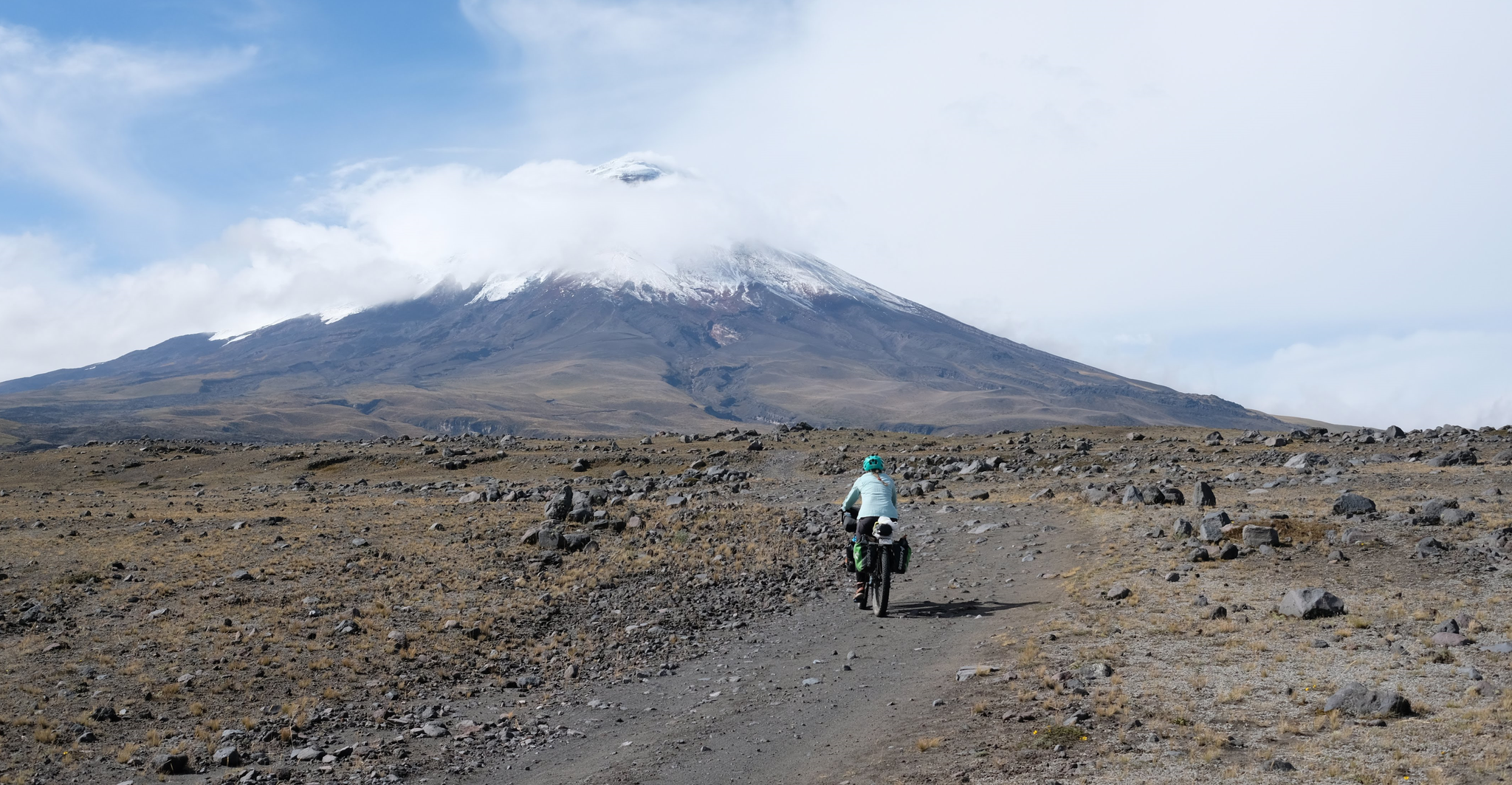
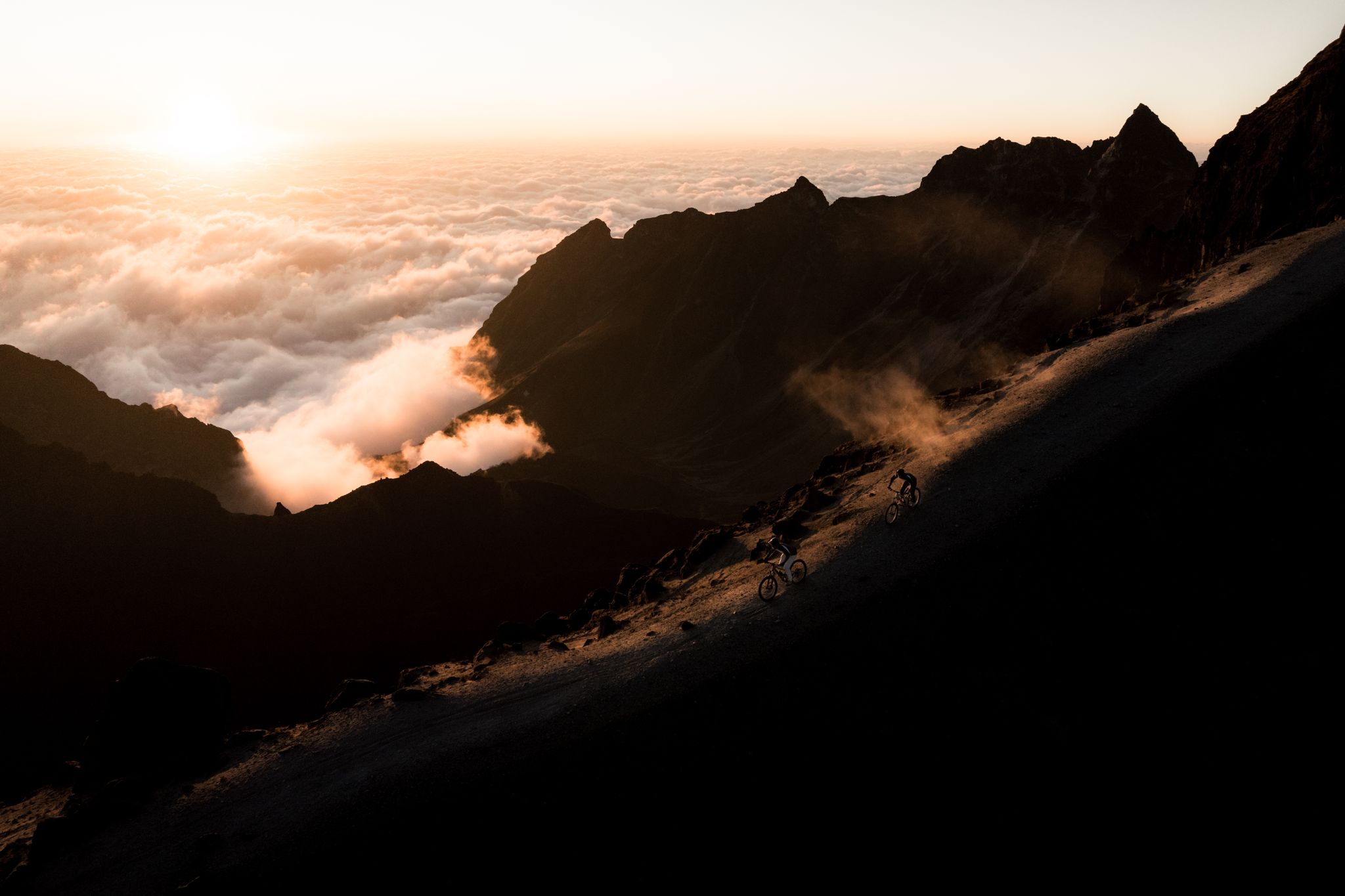


Other adventures in the Cordillera Central Ecuador


Tips from the Community

Tulcán is a small town on the border with Colombia, as well as the starting point for the famous MTB trail "Trans Ecuador". Despite its modest size it is possible to find everything you need to stock up. Not only that but Tulcán boasts a vibrant cycling community both sporting and urban, it is quite common to come across critical mass or cycling events of all sorts.
0
0
Frequently Asked Questions
How many no traffic road cycling routes are available in Cordillera Central Ecuador?
There are 18 dedicated no traffic road cycling routes in the Cordillera Central Ecuador, offering a variety of experiences for different skill levels.
What is the best time of year for no traffic road cycling in Cordillera Central Ecuador?
The dry season, typically from June to September, is generally considered the best time for cycling. During these months, you can expect clearer skies and better views of the majestic volcanoes and Andean landscapes.
Are there any easy no traffic road cycling routes for beginners?
Yes, there is one easy route available. While many routes in the Cordillera Central feature significant elevation gains, you can find options suitable for those new to road cycling. For example, the Tulcán loop from Parcela is a moderate option that offers a good introduction to the region's cycling.
What kind of terrain can I expect on these no traffic road cycling routes?
The Cordillera Central offers diverse terrain, from well-paved surfaces to more challenging cobblestone sections. Routes often feature significant elevation gains, with altitudes ranging from 2,000 to 3,500 meters and higher, demanding good fitness. You'll cycle through varied landscapes including cloud forests, agricultural hills, and dramatic canyons.
What natural features or landmarks can I see along the no traffic road cycling routes?
The routes often pass through breathtaking natural scenery. You might encounter iconic high-altitude lakes like Quilotoa Lagoon or Limpiopungo Lagoon. The region is also known for its dramatic waterfalls, such as the Pailón del Diablo Waterfall, and offers views of towering peaks like Cotopaxi and Chimborazo.
Are there any challenging no traffic road cycling routes for experienced riders?
Absolutely. The Cordillera Central is known for its challenging terrain. Many routes feature substantial climbs and descents, perfect for experienced cyclists. Consider routes like the Roadbike loop from La Estrellita Vía al Caramelo or the Roadbike loop from Llacao Bajo for a demanding experience.
What do other road cyclists enjoy most about cycling in Cordillera Central Ecuador?
The area is highly rated by the komoot community, with an average score of 4.5 stars. Reviewers often praise the breathtaking panoramic views of snow-capped volcanoes, the diverse microclimates, and the rewarding challenge of the Andean ascents, especially on the quieter, traffic-free roads.
Are there any circular no traffic road cycling routes?
Yes, many of the no traffic road cycling routes in Cordillera Central Ecuador are designed as loops, allowing you to start and end at the same point. Examples include the Roadbike loop from Hosteria Isla del Sol and the Lloa Town Center loop from Solanda.
What kind of cultural experiences can I find near these cycling routes?
Beyond the natural beauty, the region offers rich cultural immersion. You can visit indigenous villages and vibrant markets, such as the famous Otavalo market, known for its handicrafts. There are also significant man-made monuments like the Ilaló Cross and the Virgin of El Panecillo.
What should I consider bringing for a no traffic road cycling trip in Cordillera Central Ecuador?
Given the significant elevation changes and diverse microclimates, it's advisable to bring layers of clothing. High-altitude sections can be cold, while lower areas might be warmer. Always carry sufficient water, snacks, sun protection, and basic bike repair tools. A good level of fitness is also recommended due to the challenging terrain.
Are there opportunities to see volcanoes or mountain peaks while cycling?
Absolutely. The Cordillera Central is home to the iconic "Avenue of Volcanoes." Many routes offer panoramic views of towering peaks like Cotopaxi, Chimborazo, and Tungurahua. You might even cycle past highlights such as the Rucu Pichincha Summit or the Iliniza Norte Summit in the distance.
Most popular routes in the Cordillera Central Ecuador
Most popular attractions in the Cordillera Central Ecuador

Get inspired with the komoot mobile app


Explore more
Browse the best Road cycling routes in other regions.
