Attractions and Places To See around Południoworoztoczański Park Krajobrazowy - Top 17
Best attractions and places to see around Południoworoztoczański Park Krajobrazowy encompasses 208.16 km² of diverse natural landscapes and cultural sites. The park features varied geomorphology with humps, plateaus, hills, and ravines, alongside dense forest complexes and significant biodiversity. Visitors can explore historic churches, folk stonemasonry, and Molotov Line bunkers, offering insights into the region's history and natural beauty. Notable landmarks include the highest peaks like Wielki Dział and unique rock outcrops.
Best attractions and places to see around Południoworoztoczański Park…
Last updated: May 20, 2026
St. Paraskeva Orthodox Church in Nowe Brusno
Highlight • Religious Site
Tip by

Church of the Protection of the Mother of God in Wola Wielka
Highlight • Religious Site
Translated by Google •
Tip by

Sign up now to discover places like this
Get recommendations on the best single tracks, peaks, & plenty of other exciting outdoor places.
Sign up for free
Chapel of Our Lady at the Springs in Nowiny Horynieckie
Highlight • Religious Site
Translated by Google •
Tip by

Bruśno Roadside Stone Cross
Highlight • Monument
Translated by Google •
Tip by

Green Velo Bench – Huta Złomy
Highlight • Rest Area
Translated by Google •
Tip by
Sign up for free to discover even more attractions around Południoworoztoczański Park Krajobrazowy.
Sign up for free
Already have an account?
Start today with a free account
Your next adventure awaits.
Login or Signup
Popular around Południoworoztoczański Park Krajobrazowy
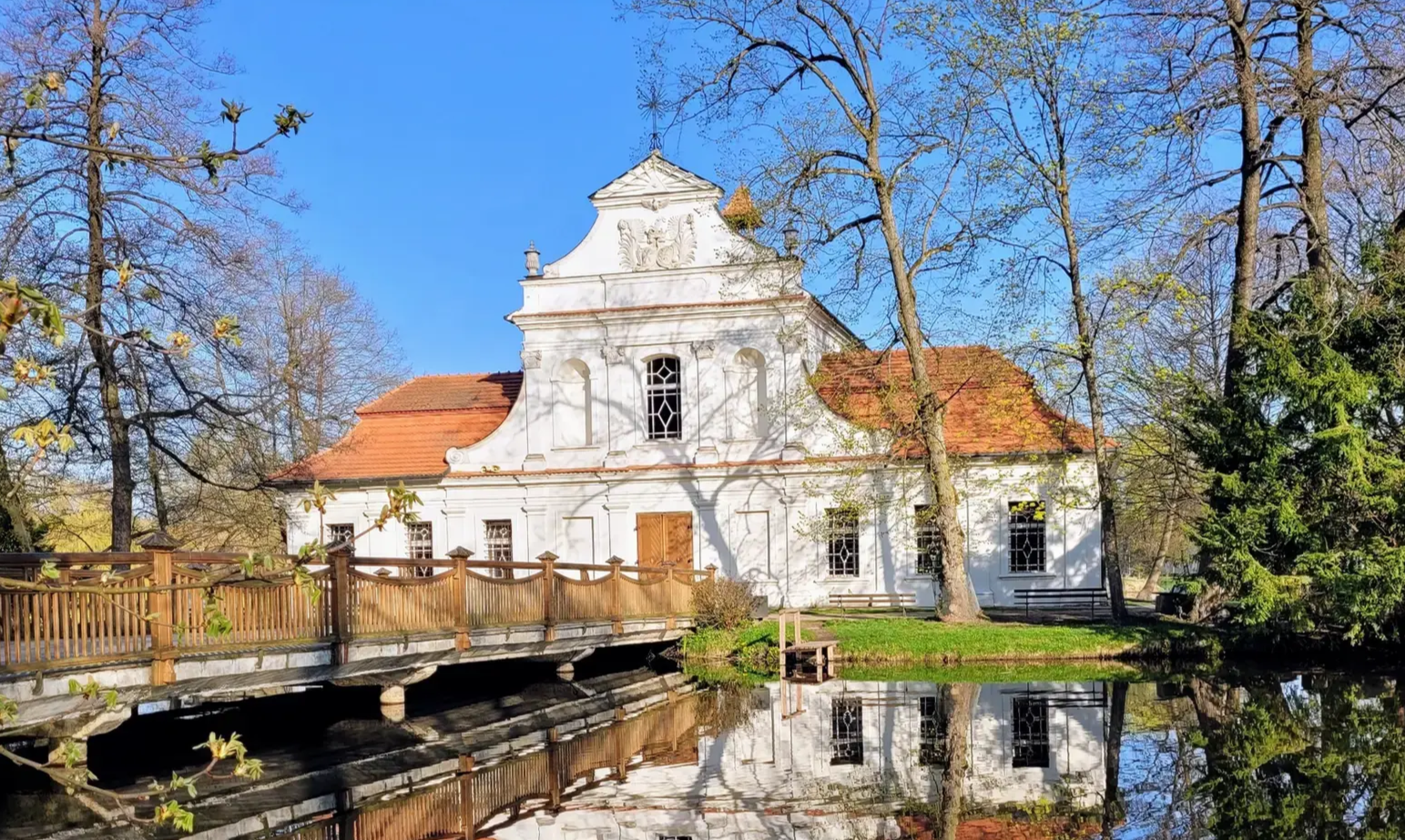
Central Roztocze Trail - beautiful forests and magnificent monuments
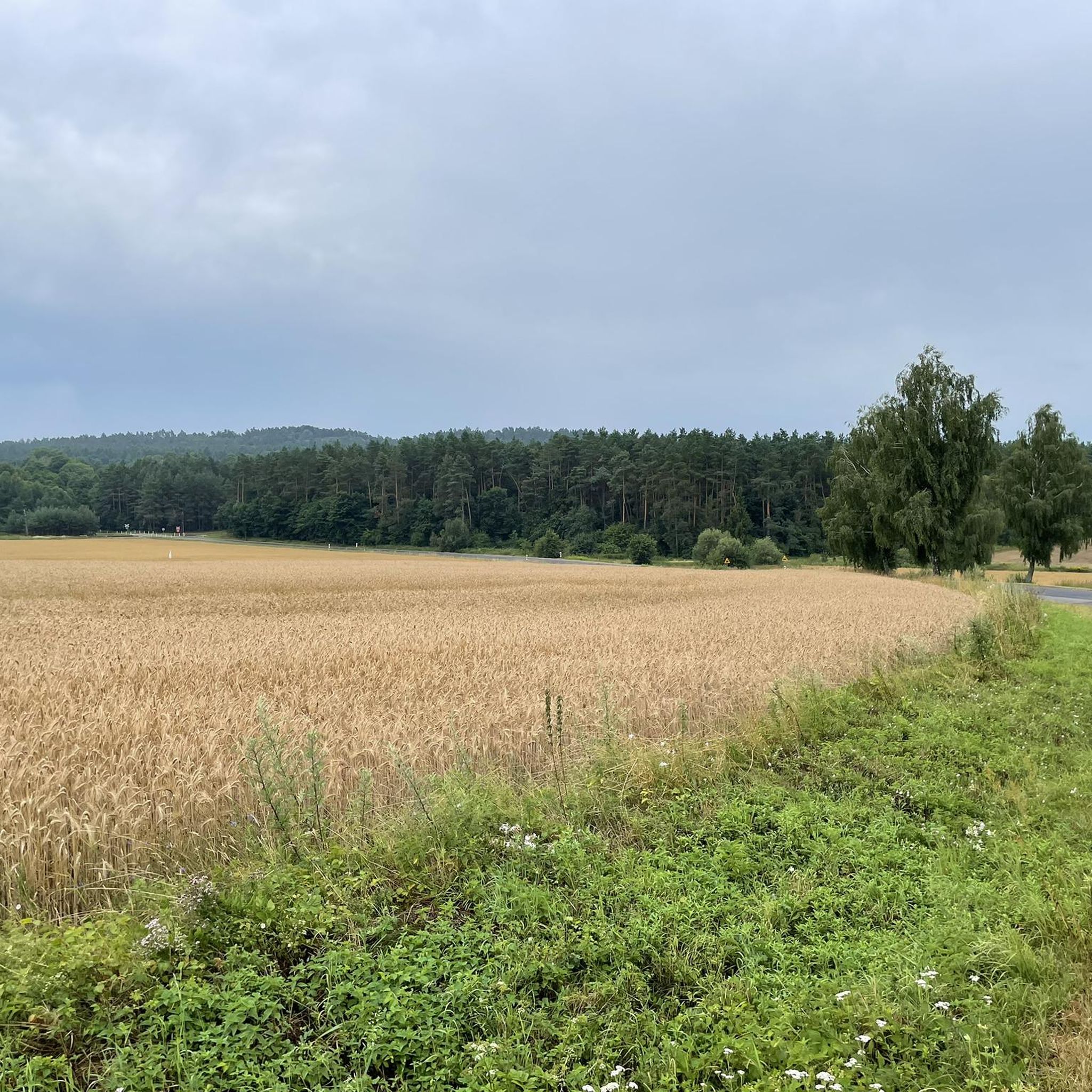
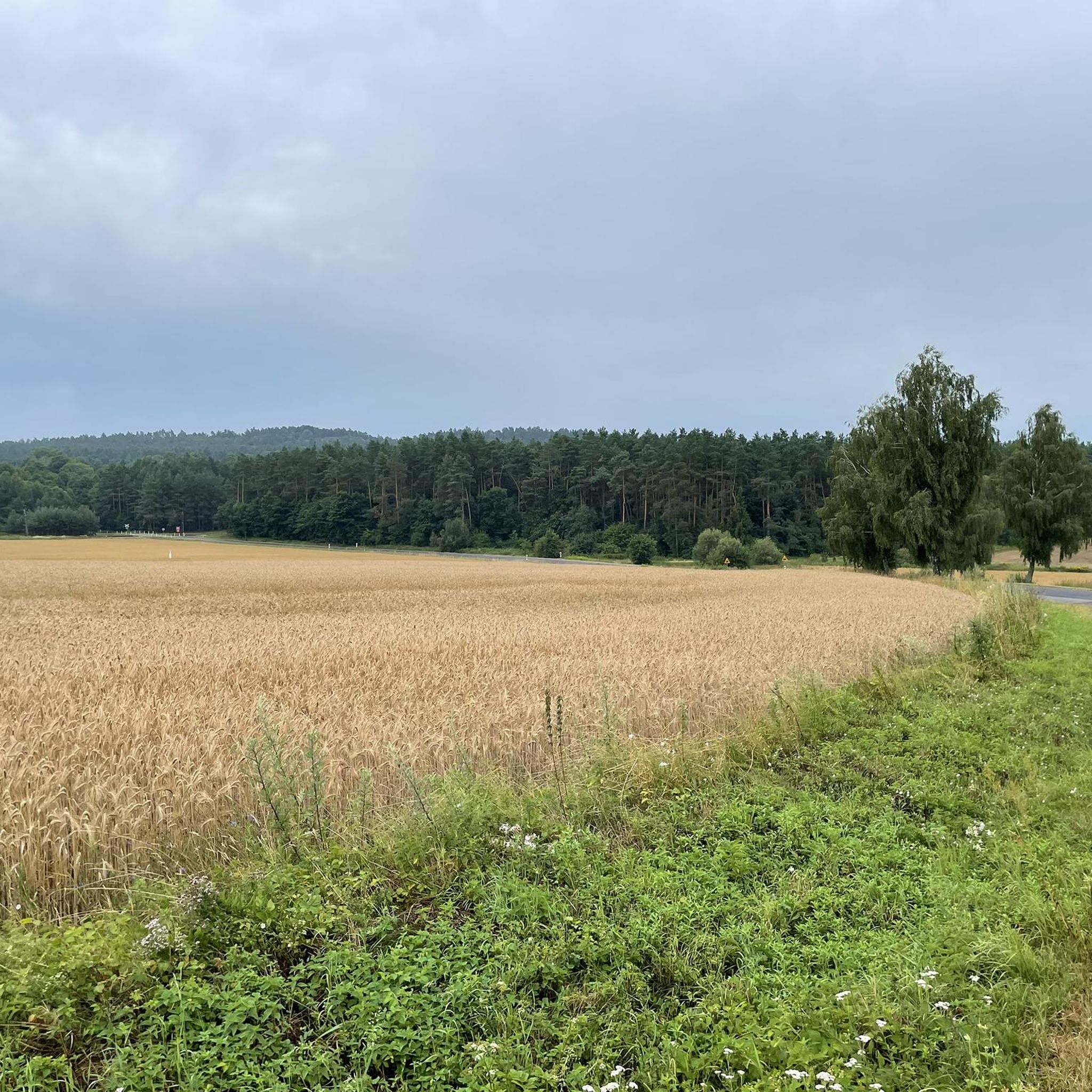
Hiking around Południoworoztoczański Park Krajobrazowy
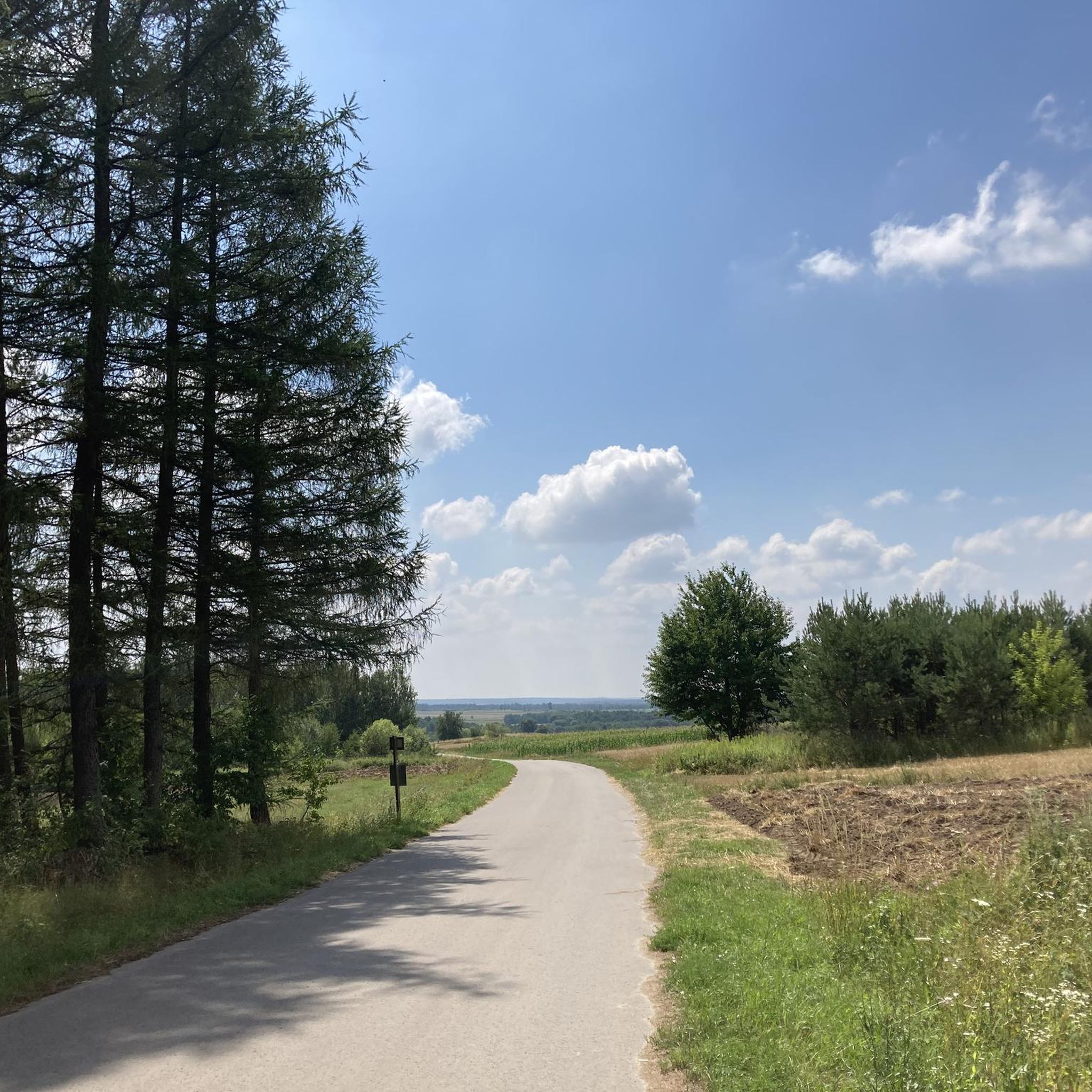
Cycling around Południoworoztoczański Park Krajobrazowy
Road Cycling Routes around Południoworoztoczański Park Krajobrazowy
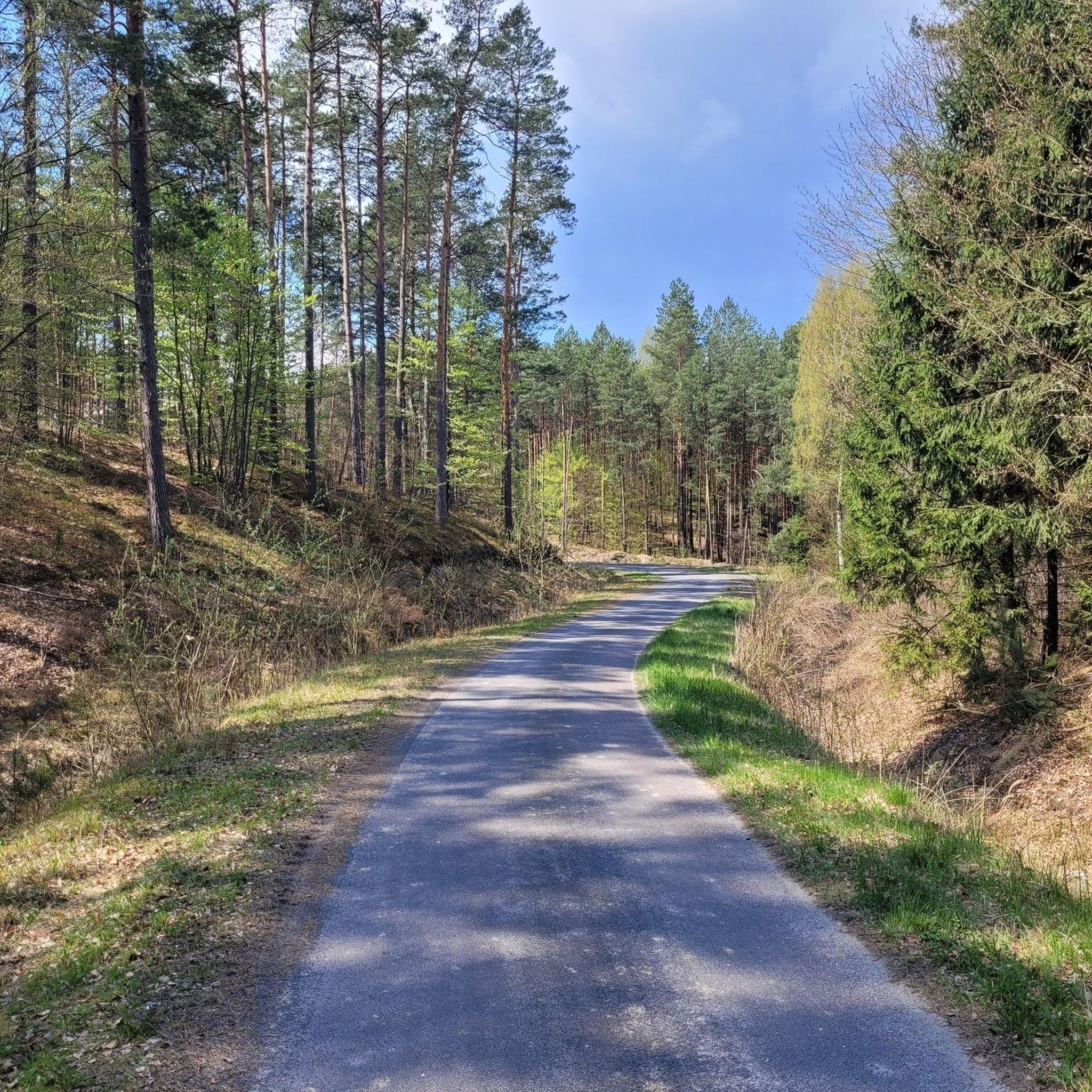
Running Trails around Południoworoztoczański Park Krajobrazowy
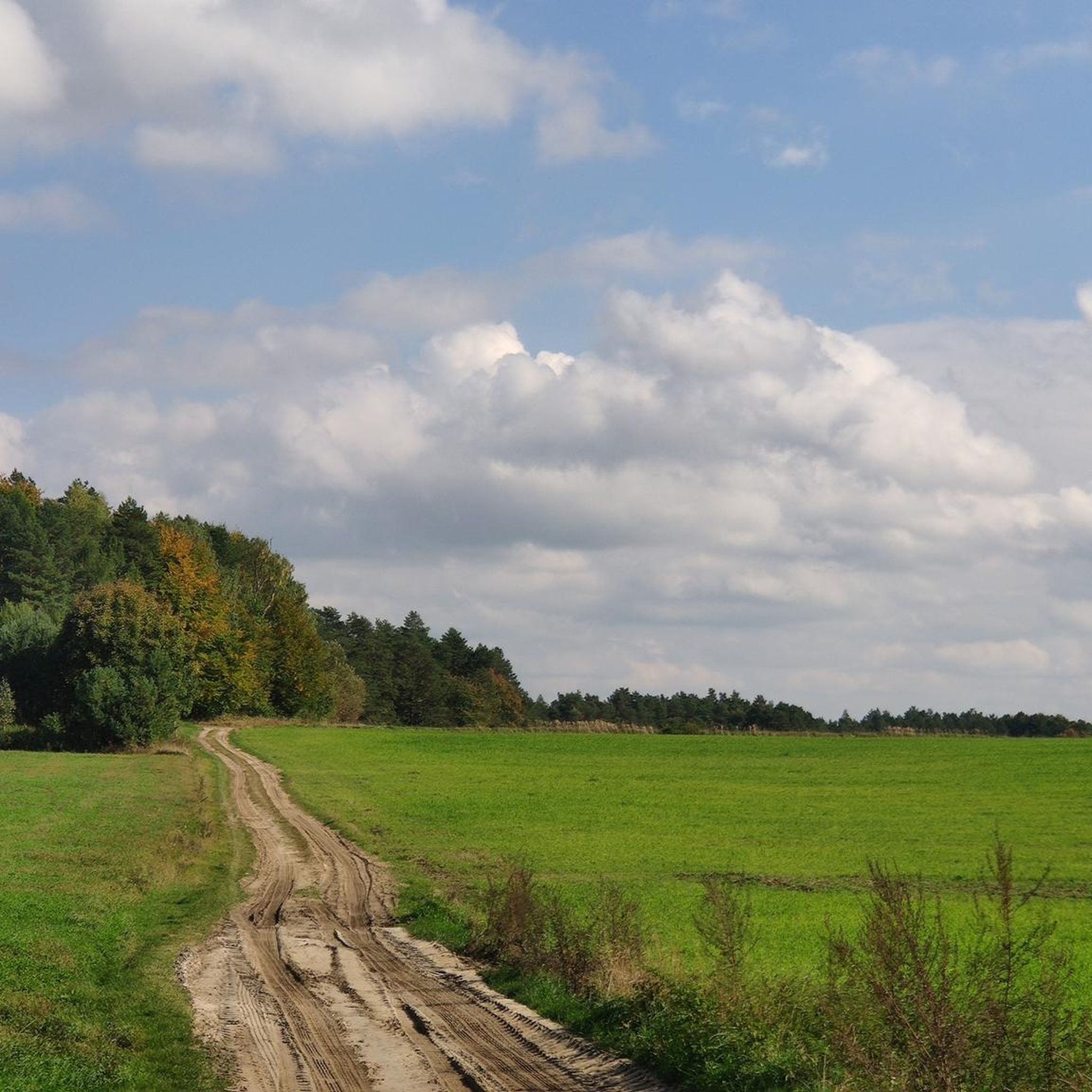
MTB Trails around Południoworoztoczański Park Krajobrazowy
Other adventures around Południoworoztoczański Park Krajobrazowy

Tips from the Community

Beautifully situated on a hill among trees, this church was built in 1755 as a Greek Catholic church. In 2001, it was added to the list of historical monuments and is part of the Podkarpacie Wooden Architecture Trail.
1
0
Orthodox churches are usually beautiful and fascinating, but this one is exceptionally beautiful and interesting. It is a former Greek Catholic church built in the early 18th century. In 1987, it was added to the list of historical monuments and included in the Podkarpacie Wooden Architecture Trail.
0
0

The Church of the Protection of the Mother of God in Wola Wielka – a former Greek Catholic church, built in 1755 in the village of Wola Wielka. In the years 1947–1994 it was used as a Roman Catholic branch church of the Parish of Our Lady of the Snows in Łukawica. After 1994 the church was inactive for religious purposes, under the care of the Pro Akademia Narolense Foundation. The church, together with the wooden bell tower, church cemetery and fence, was entered on the list of monuments in 2001 and included in the Podkarpackie Wooden Architecture Trail. Source: https://pl.wikipedia.org/wiki/Cerkiew_Opieki_Bogurodzicy_w_Woli_Wielkiej
0
0

Beautiful view to the south, if you have binoculars you can also see the Bieszczady Mountains
0
0


A beautiful church and an old cemetery behind it. Worth seeing👍👍👍
2
1

A forest chapel in beautiful surroundings, an ideal place for a walk, not only for pilgrims. A place surrounded by cult, because the Virgin Mary was supposed to appear here. The chapel was built on one of the springs known for the healing properties of the water.
3
0
Frequently Asked Questions
What historical religious sites can I visit in Południoworoztoczański Park Krajobrazowy?
The park is rich in historical religious buildings. You can explore the 18th-century Church of the Protection of the Mother of God in Wola Wielka, beautifully situated on a hill and part of the Podkarpacie Wooden Architecture Trail. Another significant site is the St. Paraskeva Orthodox Church in Nowe Brusno, a former Greek Catholic church built in 1713, located in a peaceful region. Additionally, the 19th-century wooden Chapel of Our Lady at the Springs in Nowiny Horynieckie is a charming forest chapel built on mineral water springs believed to have healing properties.
Are there any unique cultural or historical monuments related to local traditions?
Yes, the region is known for its unique folk stonemasonry. Until 1944, Brusno was a center for this craft, resulting in distinctive artistic sculptures, figures, roadside crosses, chapels, and gravestones integrated into the landscape. You can see examples like the Bruśno Roadside Stone Cross, which also offers a beautiful viewpoint.
What natural features and geological curiosities can I discover in the park?
Południoworoztoczański Park Krajobrazowy boasts a diverse landscape with humps, plateaus, hills, ravines, and inselbergs. Notable geological features include the lime-marl rock outcrops in Monastyrz, recognized as a natural monument. Near Nowiny Horynieckie, you can find the rocky natural monument known as 'Świątynia Słońca' (Sun Temple), believed to have been a pagan place of worship.
What kind of outdoor activities can I do near the attractions?
The area offers a variety of outdoor activities. For road cycling, you can explore numerous routes, including moderate loops like the 'Kamikaze Bar & Grill – Wodny Świat Horyniec-Zdrój loop from Polanka Horyniecka'. Mountain biking enthusiasts can find trails such as the 'Bruśno Roadside Stone Cross – Spa Park loop from Horyniec-Zdrój'. If you prefer hiking, there are easy trails like the 'Nature and educational trail "Kobyle Jezioro"'. You can find more details and routes on the respective guide pages for Road Cycling, MTB Trails, and Easy Hikes around the park.
Are there any nature reserves within Południoworoztoczański Park Krajobrazowy?
Yes, the park protects several valuable natural areas. These include the 'Źródła Tanwi' forest reserve, the 'Sołokija' floristic reserve known for its tall junipers, and the 'Jalinka' forest reserve. These reserves contribute to the park's rich biodiversity and offer opportunities to experience untouched nature.
What kind of wildlife can I expect to see in the park?
The park is a haven for diverse flora and fauna. You might spot larger mammals such as lynx, wolf, European red deer, roe deer, and wild boar. The area is also home to otters, European hares, hedgehogs, and several bat species. Birdwatchers can look for rare and protected species like the lesser spotted eagle, white-tailed eagle, and Eurasian eagle-owl, especially around the ponds in Hrebenne where aquatic birds like marsh harriers and black storks reside.
What is the terrain like for outdoor activities in the park?
The park features a highly varied landscape with significant elevation differences, ranging from 80 to 200 meters, and slopes up to 45 degrees. This diverse geomorphology includes convex forms like humps and plateaus, as well as depressions such as valleys and dells, offering varied terrain for hiking and cycling. The highest peaks in the Polish part of the park are Wielki Dział (395 m) and Długi i Krągły Goraj (390 m).
Are there any facilities for cyclists on the Green Velo trail within the park?
Yes, for cyclists exploring the Green Velo trail, there are facilities available. For instance, you can find the Green Velo Bench – Huta Złomy, which is a convenient stop for a break and a perfect spot for a souvenir photo. This facility is also wheelchair accessible.
What types of forests dominate the landscape of Południoworoztoczański Park Krajobrazowy?
The park is characterized by dense forest complexes. The most significant are the beech forests, particularly the Carpathian beech forest, which can be found in large areas west of Hrebenne and north and east of Nowiny Horynieckie. Other dominant tree species include pine, fir, oak, and birch, contributing to the park's rich arboreal diversity.
What do visitors appreciate most about the attractions in this region?
Visitors often highlight the peaceful and beautiful natural surroundings of the attractions. For example, the St. Paraskeva Orthodox Church in Nowe Brusno is noted for its tranquil setting, while the Chapel of Our Lady at the Springs in Nowiny Horynieckie is praised as a charming place in the middle of the forest, ideal for walks. The unique folk stonemasonry, such as the Brusno crosses, also leaves a lasting impression on visitors.
Are there any historical military sites in the area?
Yes, for those interested in military history, the area contains hidden bunkers belonging to the Molotov Line. These remnants from World War II are scattered within the undergrowth across the park, offering a glimpse into the region's wartime past.
Most popular routes around Południoworoztoczański Park Krajobrazowy

Get inspired with the komoot mobile app


Explore more
Still not found the Highlight you’re looking for? See guides of the top attractions in other regions:
