The best traffic-free bike rides around Faido
4.6
(88)
3,600
riders
8
rides
No traffic road cycling routes around Faido are situated in the canton of Ticino, Switzerland, offering diverse landscapes for road cyclists. The region is characterized by Alpine panoramas, the Leventina Valley, and significant elevation changes. Natural features include the Piumogna Waterfall and the Colonico Waterfall, which are accessible from the village. This area provides extensive cycling opportunities across varied terrain.
Best no traffic road cycling routes around Faido
- The most popular no traffic road cycling route is From Acquarossa to…
Last updated: May 16, 2026
5.0
(1)
23
riders
33.7km
02:28
1,260m
1,260m
This difficult 20.9-mile (33.7 km) road cycling route from Mogno to Lake Narèt offers stunning alpine scenery and a challenging climb.
5.0
(4)
20
riders
55.7km
04:04
1,900m
1,900m
Hard road ride. Very good fitness required. Mostly well-paved surfaces and easy to ride.

Sign up for free
5.0
(1)
22
riders
28.3km
02:08
1,070m
1,070m
Hard road ride. Very good fitness required. Mostly well-paved surfaces and easy to ride.
5.0
(1)
29
riders
24.3km
01:48
940m
950m
Hard road ride. Very good fitness required. Some segments of this route may be unpaved and difficult to ride.
5.0
(2)
16
riders
22.8km
01:34
800m
800m
Moderate road ride. Good fitness required. Mostly well-paved surfaces and easy to ride.
Get access to more routes and recommendations from other explorers.
Sign up for free
Already have an account?
Our route recommendations are based on thousands of hikes, rides, and runs completed by other people on komoot.
Start today with a free account
Your next adventure awaits.
Login or Signup
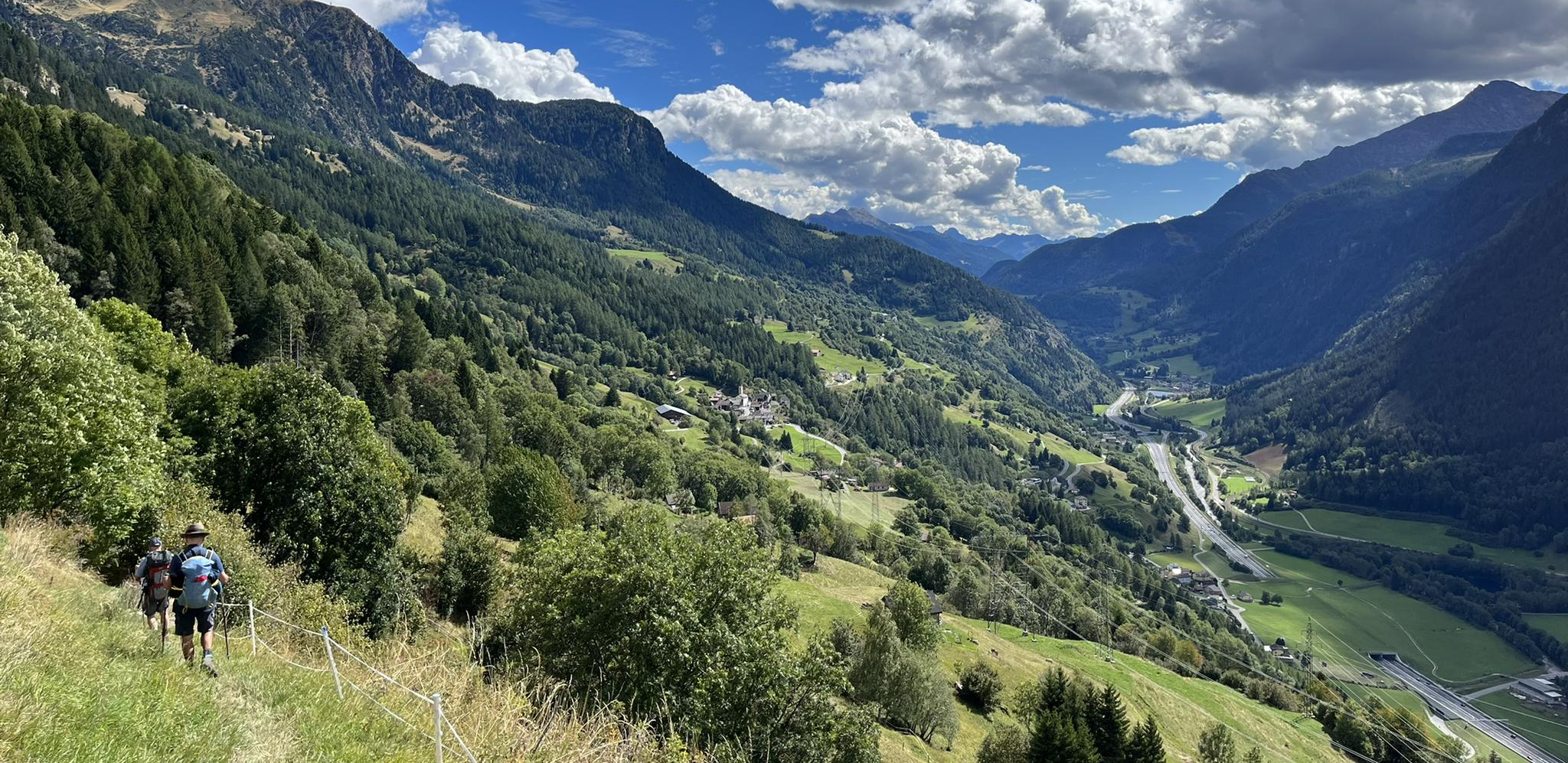
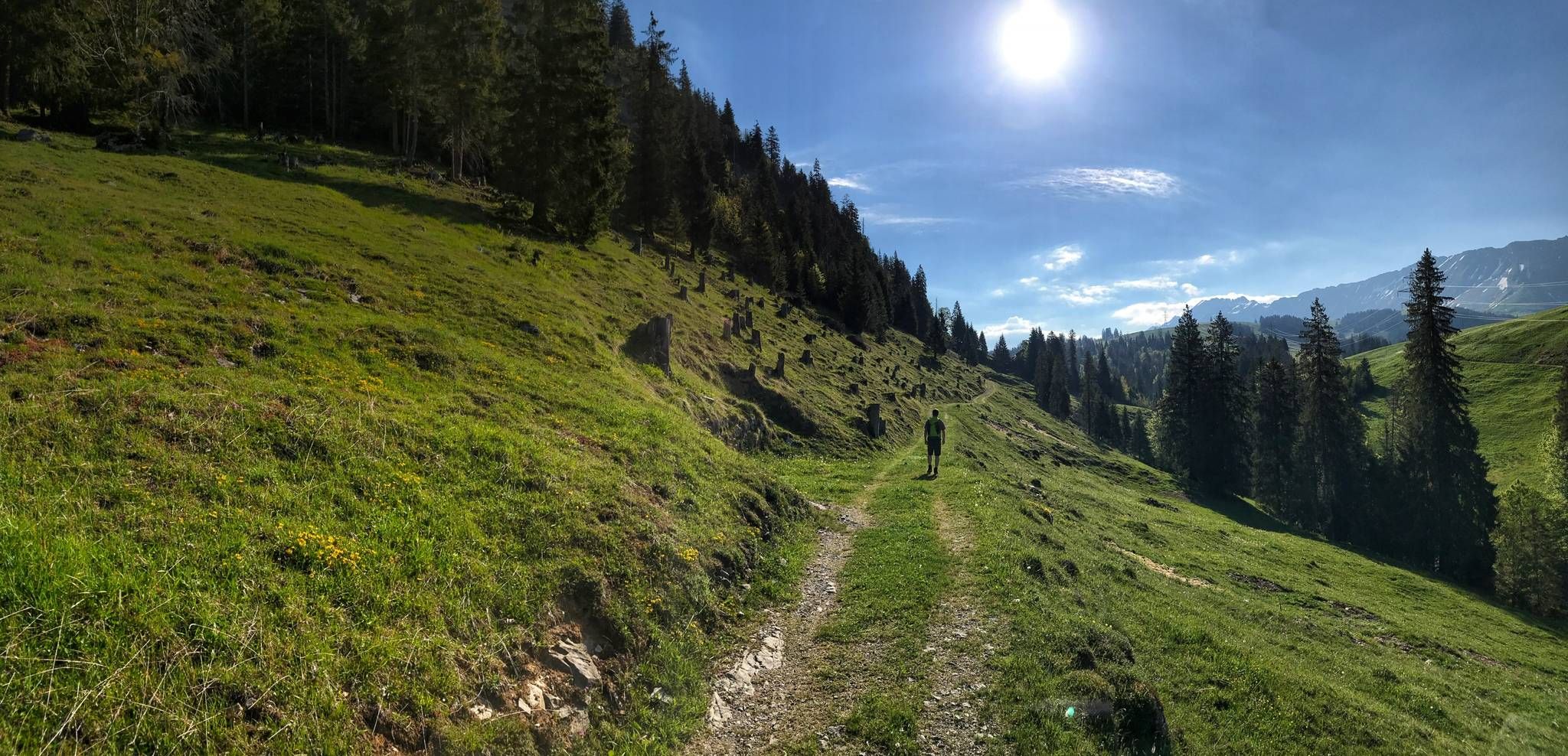
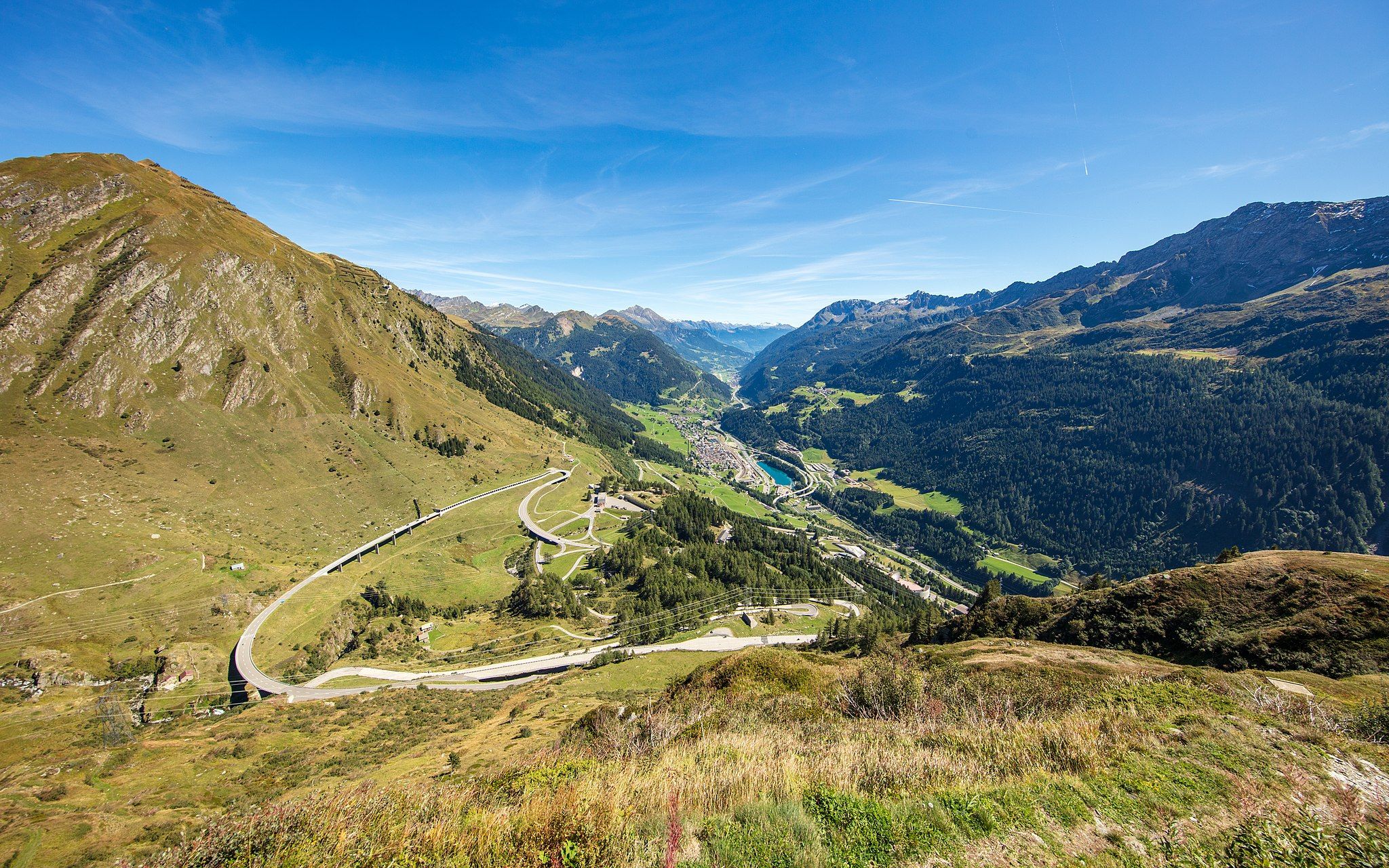
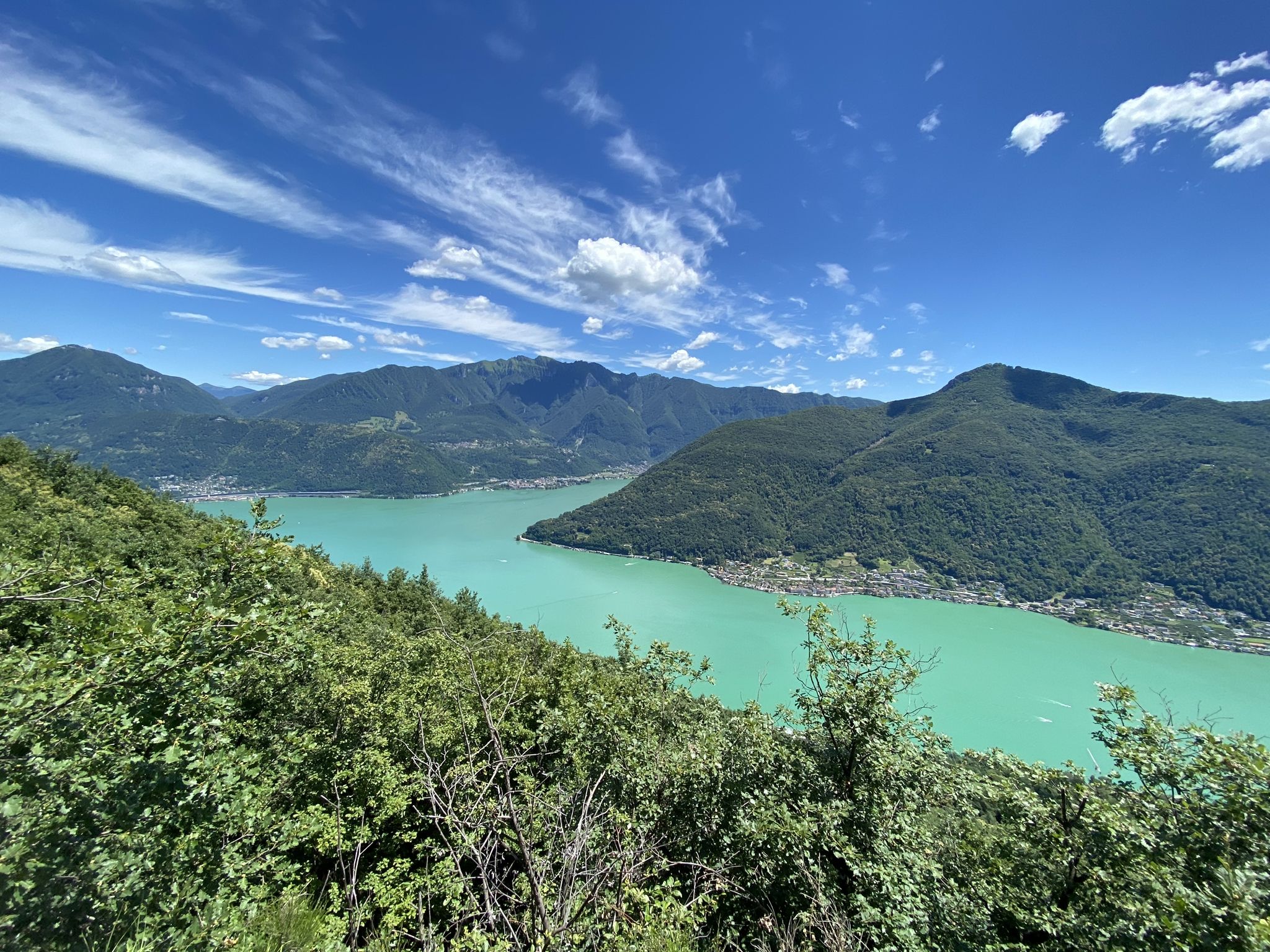

Other adventures around Faido


Tips from the Community

That's not it. Piede del Sasso is the group of homes, or little village, after this one. I used to spend my summers up there in the 70s and 80s.
0
0

As others have already said: It's tough, steep, and beautiful here! It's best to split the climb into shorter stages, so the 2,000 meters of elevation gain over 30 kilometers from Bignasco aren't quite as terrifyingly daunting. From Bignasco to Prato Sornico, it's rarely very steep. There are a few flat sections where you can pick up a decent pace. After Mogno (visit the church in Botta) and up to Fusio, things really get going for the first time. Many hairpin bends soften the incredibly nasty ramps, but your legs will still be tested here! Up to the Sambucco reservoir, it becomes truly idyllic, green, and quiet. There are a few tough climbs, but even here, the difficulty is still manageable. There's a fountain at the summer restaurant: fill up your bidons again, because there are only streams and gullies here. After the relaxing flat section by the lake, the final and most strenuous part of the climb follows. The scenery is stunning, but it's steep all the way to the top! Wow!
1
0
While cars and trucks hum along the highway below in the valley, you'll have peace and quiet on your drive up to Carì. The road to the holiday home complex on the sun-drenched southern slope of the Valle Leventine is generally quiet, making it ideal for gaining altitude. Twenty hairpin bends with single-digit gradients will take you up a good twelve kilometers.
2
0

Dangerous road for cyclists. Better to go up from Prugiasco and Ponto Valentino.
0
0

I would advise against taking this section of the cantonal road on the way to the Lukmanier Pass. The much more pleasant and beautiful alternative is on the other side of the valley on the CH Veloweg 36!
1
0

Located at the foot of the pyramid-shaped Sosto (2,221 meters), Olivone is the starting point for excursions and cycling tours to the impressive Greina plateau, the original Val di Campo or the Luzzone dam. Towards the Lukmanier Pass (Valle Santa Maria) you reach the eco center in Acquacalda with a guesthouse and restaurant in a park-like natural landscape. Towards the east we head steeply into the Adula mountain range with the Rheinwaldhorn, the highest peak in the region. Historically, the pass town of Olivone experienced its heyday in the High Middle Ages, when the Lukmanier Pass was an important traffic artery. The villagescape includes stately country estates and wooden agricultural buildings with stone kitchens. Statutes, pictures and objects from the religious life of the valley are exhibited in the “Ca da Rivöi” museum, and fresh dairy products are offered in the small cheese dairy Caseificio Töira.
0
0

Lake Luzzone is located in the upper Blenio valley at 1590 meters above sea level. It is an artificial basin originating from a 225 meter high dam and completed in 1963.
2
0
Campo Blenio is located over 1200 m above sea level immersed in the nature of the Swiss Alps.
1
0
Frequently Asked Questions
How many no-traffic road cycling routes are available around Faido?
There are 8 dedicated no-traffic road cycling routes around Faido featured in this guide. These routes offer a mix of moderate and difficult challenges, ensuring a suitable option for various fitness levels.
What kind of terrain can I expect on no-traffic road cycling routes in Faido?
The Faido region, nestled in the Leventina Valley, offers diverse terrain for road cyclists. You can expect impressive Alpine panoramas, challenging climbs, and enjoyable descents. Routes often feature significant elevation gains, with some reaching over 1900 meters of ascent, providing a rigorous workout amidst stunning scenery.
Are there any circular no-traffic road cycling routes in the Faido area?
Yes, several circular routes are available. For instance, the From Acquarossa to the Luzzone Dam – loop tour offers a challenging ride, while the Olivone – Lago di Luzzone and Luzzone Dam loop from Olivone provides a moderate option, both allowing you to start and finish in the same location.
What are some notable natural features or landmarks I can see along these routes?
The region is rich in natural beauty and historical sites. You can encounter impressive waterfalls like the Piumogna Waterfall, and the smaller Colonico Waterfall. Cyclists can also enjoy views of Pizzo Campo Tenci, the highest mountain entirely within Ticino. For specific highlights, consider visiting Froda Waterfall or the scenic Lake Ritom.
Are there any challenging no-traffic road cycling routes for experienced riders?
Absolutely. The Faido area is known for its challenging ascents. Routes like the Lago del Narèt Climb, with over 1200 meters of elevation gain, or the From Acquarossa to the Luzzone Dam – loop tour, featuring over 1900 meters of ascent, are designed for riders seeking a rigorous workout.
What do other road cyclists say about the no-traffic routes in Faido?
The no-traffic road cycling routes around Faido are highly regarded by the komoot community, with an average rating of 4.63 out of 5 stars from 87 reviews. Cyclists often praise the stunning Alpine panoramas, the thrill of the descents through the Leventina Valley, and the overall quality of the routes for a car-free experience.
Can I find any historical sites or castles near the cycling routes?
Yes, the region has historical significance. You might find ruins such as the Santa Maria del Castello Church Ruins or the ancient Torre dei Pagani. The Serravalle Castle is another notable historical landmark in the broader area.
What is the best time of year to enjoy no-traffic road cycling in Faido?
While specific weather conditions vary, the region's Alpine nature suggests that late spring, summer, and early autumn generally offer the most favorable conditions for road cycling. During these months, the mountain passes are typically clear, and the weather is more stable for enjoying the challenging climbs and scenic descents.
Are there any moderate no-traffic road cycling routes suitable for less experienced riders?
Yes, while many routes are challenging, there are moderate options. The Olivone – Lago di Luzzone and Luzzone Dam loop from Olivone is classified as moderate, offering a substantial ride with around 798 meters of elevation gain over 22.8 kilometers, making it a good choice for those building their endurance.
How long do the no-traffic road cycling routes typically take to complete?
The duration varies significantly based on the route's distance, elevation gain, and your cycling pace. For example, a difficult route like the Lago del Narèt Climb (33.7 km, 1260m up) can take around 2.5 hours, while longer, more strenuous loops such as the From Acquarossa to the Luzzone Dam – loop tour (55.7 km, 1902m up) might require over 4 hours.
Are there any mountain passes accessible via these no-traffic road cycling routes?
Yes, the Faido region is a gateway to iconic mountain passes. While specific no-traffic routes might vary, the broader area allows access to passes like Lukmanier Pass, offering historical roads and remarkable Alpine views. The Lukmanier Pass summit itself is a highlight for many cyclists.
Most popular attractions around Faido

Get inspired with the komoot mobile app


Explore more
Browse the best Road cycling routes in other regions.
