The best traffic-free bike rides around the Guadalquivir
4.6
(82)
1,321
riders
84
rides
No traffic gravel bike trails around the Guadalquivir traverse a diverse landscape, from the flat riverine plains and extensive olive groves to the rolling hills and more challenging mountainous sections of the Sierra Morena. The region is characterized by its network of converted railway lines, known as Vías Verdes, which offer traffic-free paths. Riders can expect a mix of unpaved tracks and quiet country roads, often passing through historic towns and alongside the Guadalquivir River.
Best no traffic gravel bike…
Last updated: August 22, 2026
4.3
(3)
35
riders
48.0km
03:38
240m
240m
Moderate gravel ride. Good fitness required. Mostly paved surfaces. Suitable for all skill levels.
5.0
(3)
36
riders
56.2km
03:52
690m
690m
Hard gravel ride. Very good fitness required. Mostly paved surfaces. Suitable for all skill levels.

Sign up for free
4.0
(1)
10
riders
Moderate gravel ride. Good fitness required. Mostly paved surfaces. Suitable for all skill levels.
28
riders
63.2km
03:43
350m
350m
Moderate gravel ride. Good fitness required. Mostly paved surfaces. Suitable for all skill levels.
4.8
(5)
33
riders
57.7km
04:04
1,020m
1,020m
Hard gravel ride. Very good fitness required. Mostly paved surfaces. Suitable for all skill levels.
Get access to more routes and recommendations from other explorers.
Sign up for free
Already have an account?
Our route recommendations are based on thousands of hikes, rides, and runs completed by other people on komoot.
Start today with a free account
Your next adventure awaits.
Login or Signup
Popular around Guadalquivir
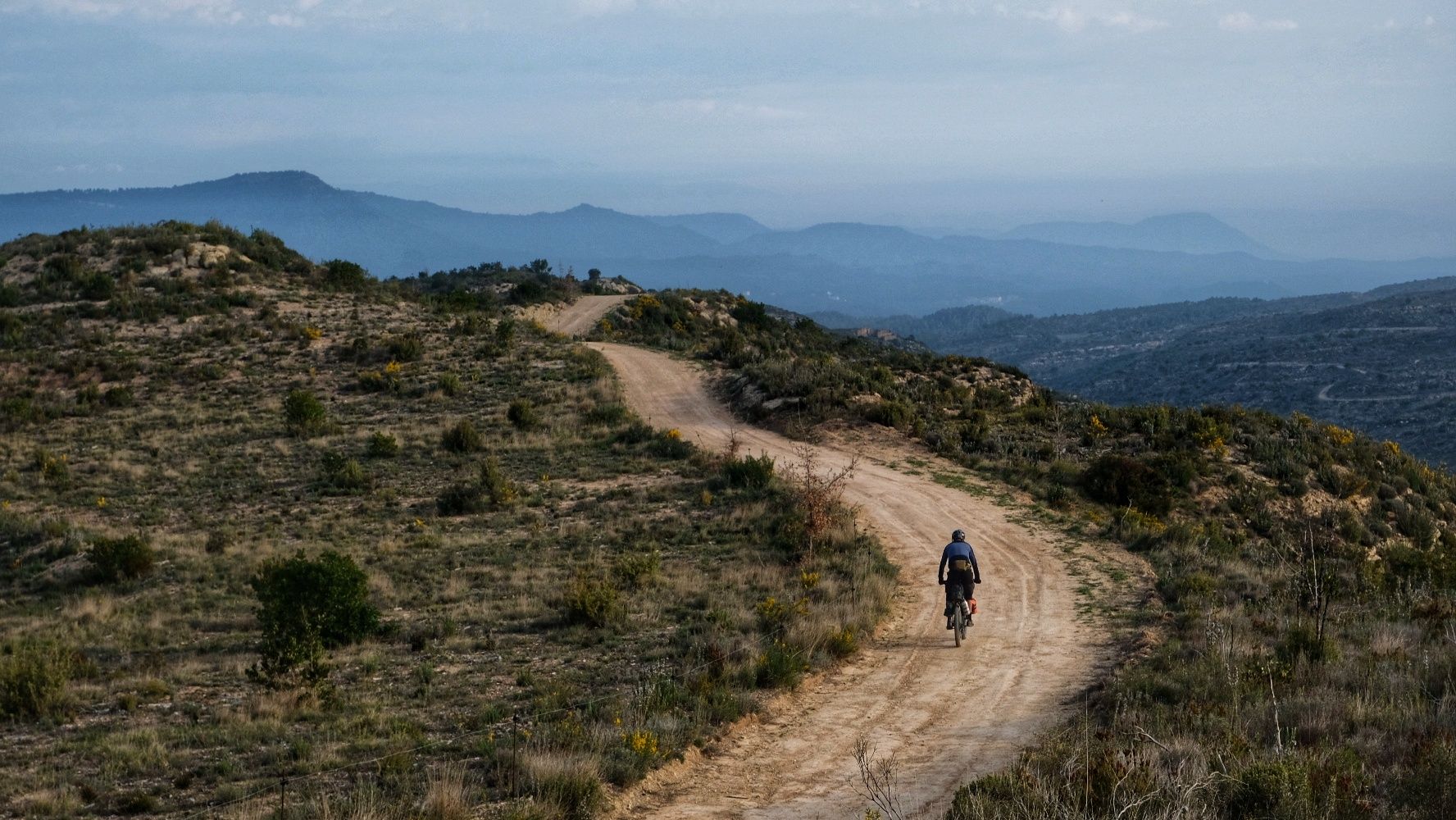
European Divide Trail — 7,600 km across the continent
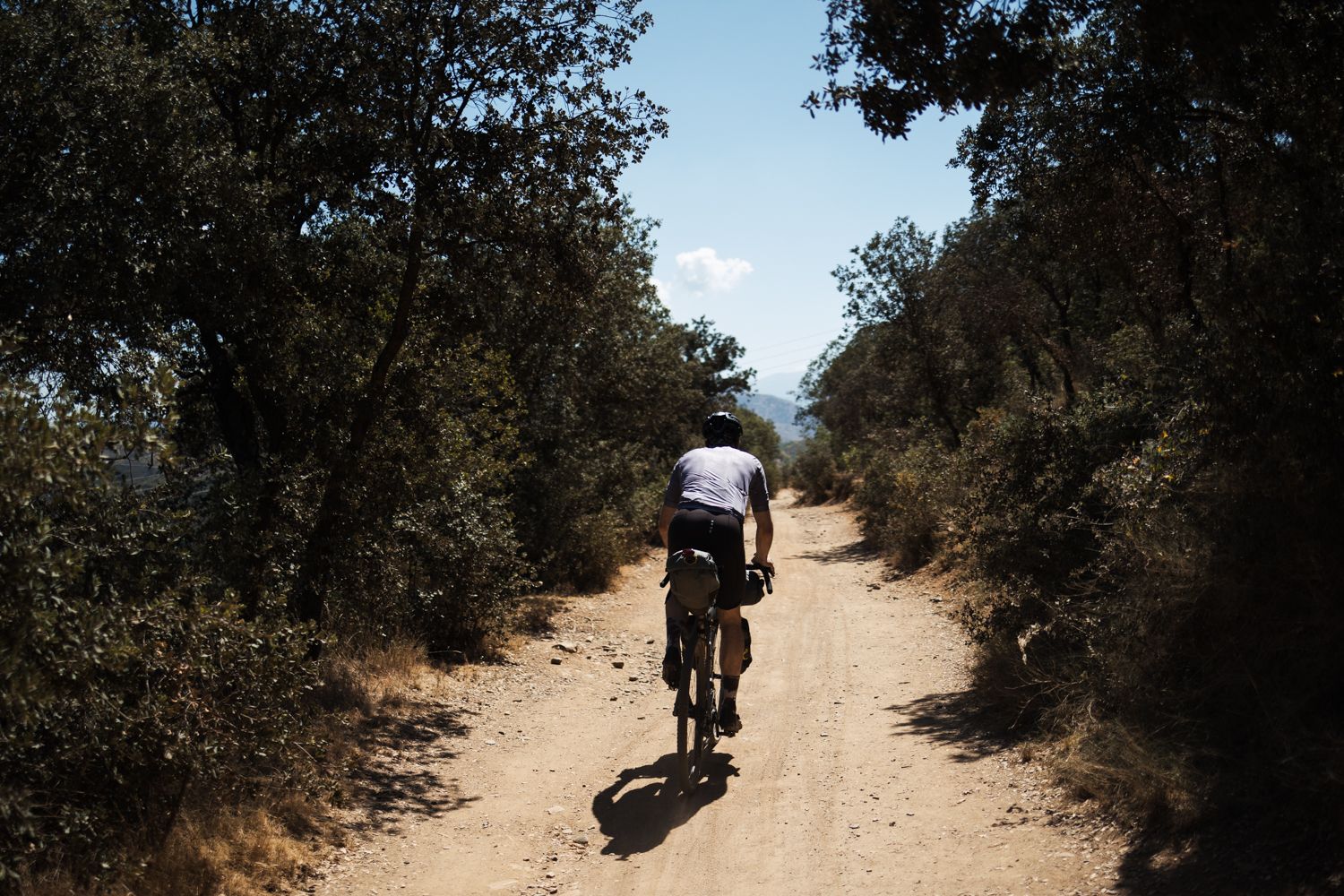
Mozarabic Way to Santiago – Gravel between two worlds
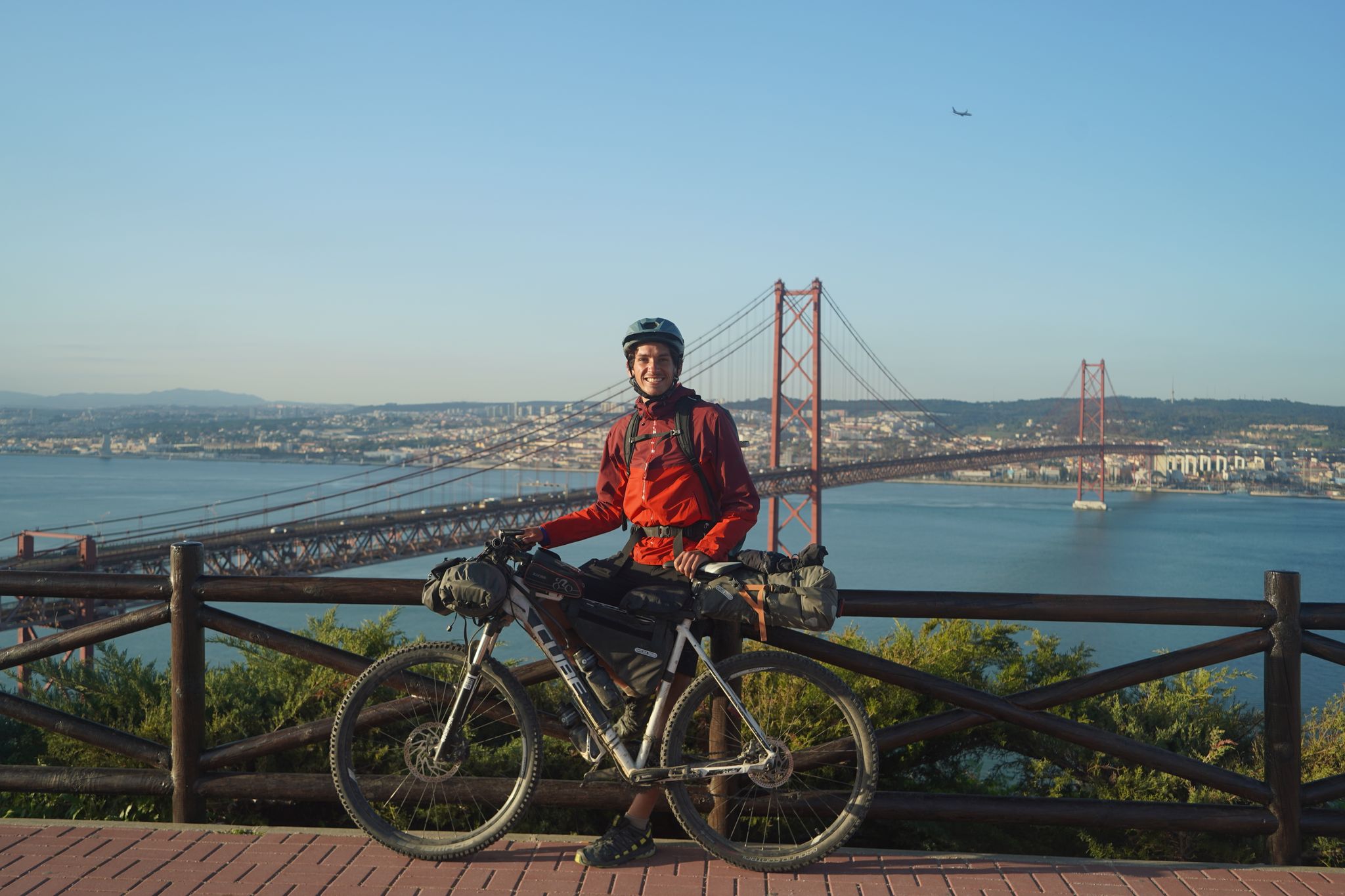
Road to Lisbon – bikepacking the Alps, Pyrenees and Picos de Europa
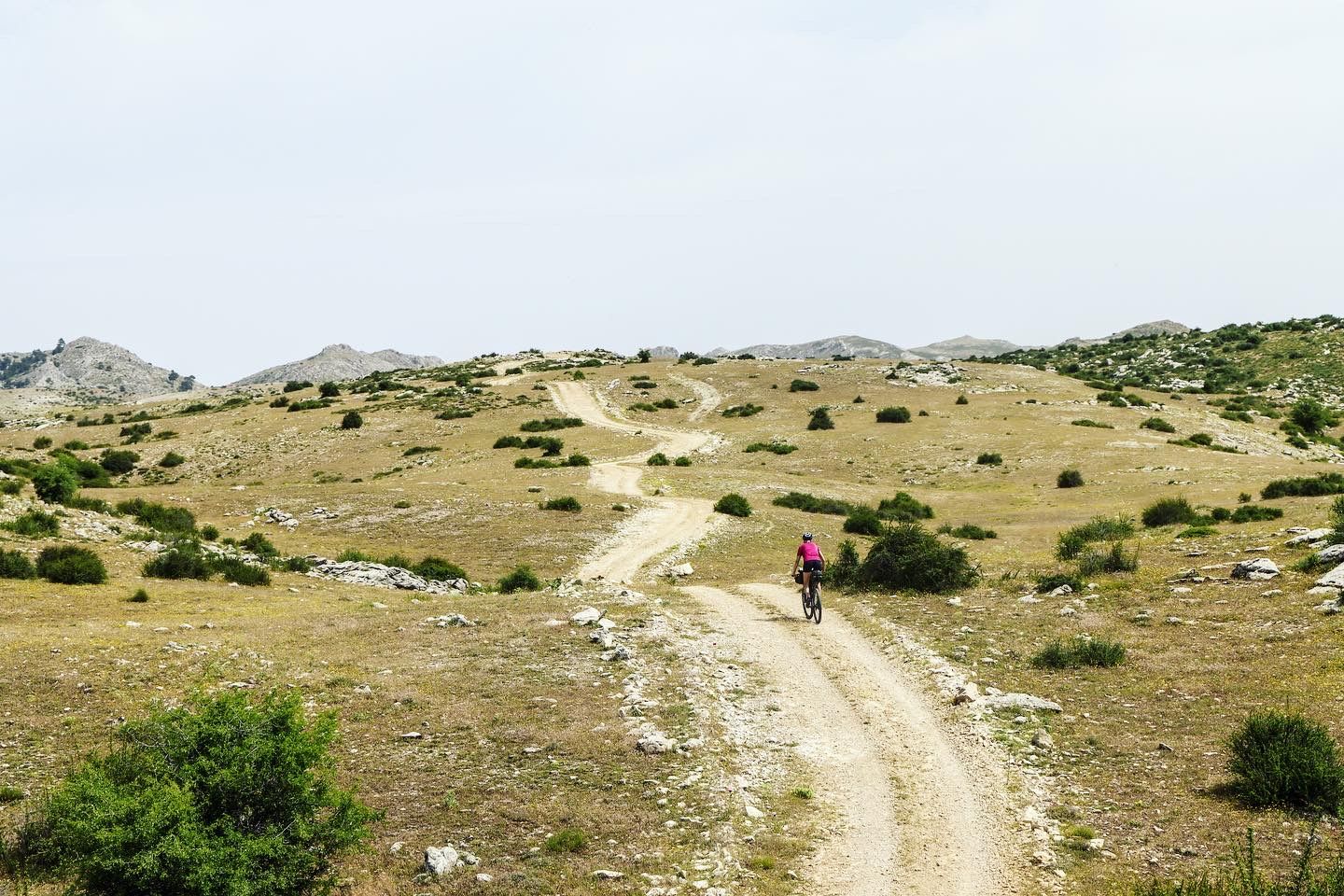
Bikepacking the mountains and deserts of Andalucía
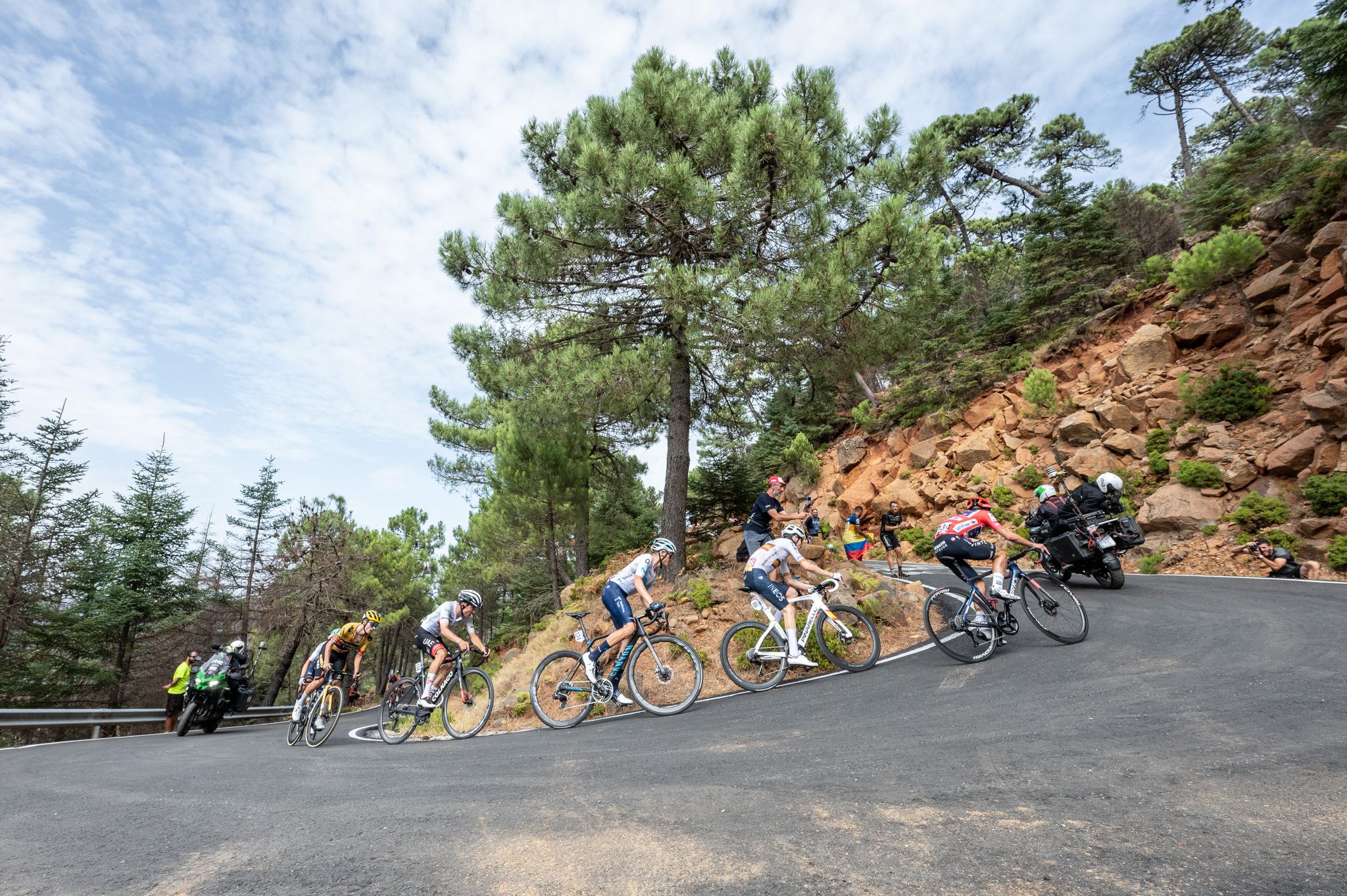
La Vuelta 26 — All Official Stages
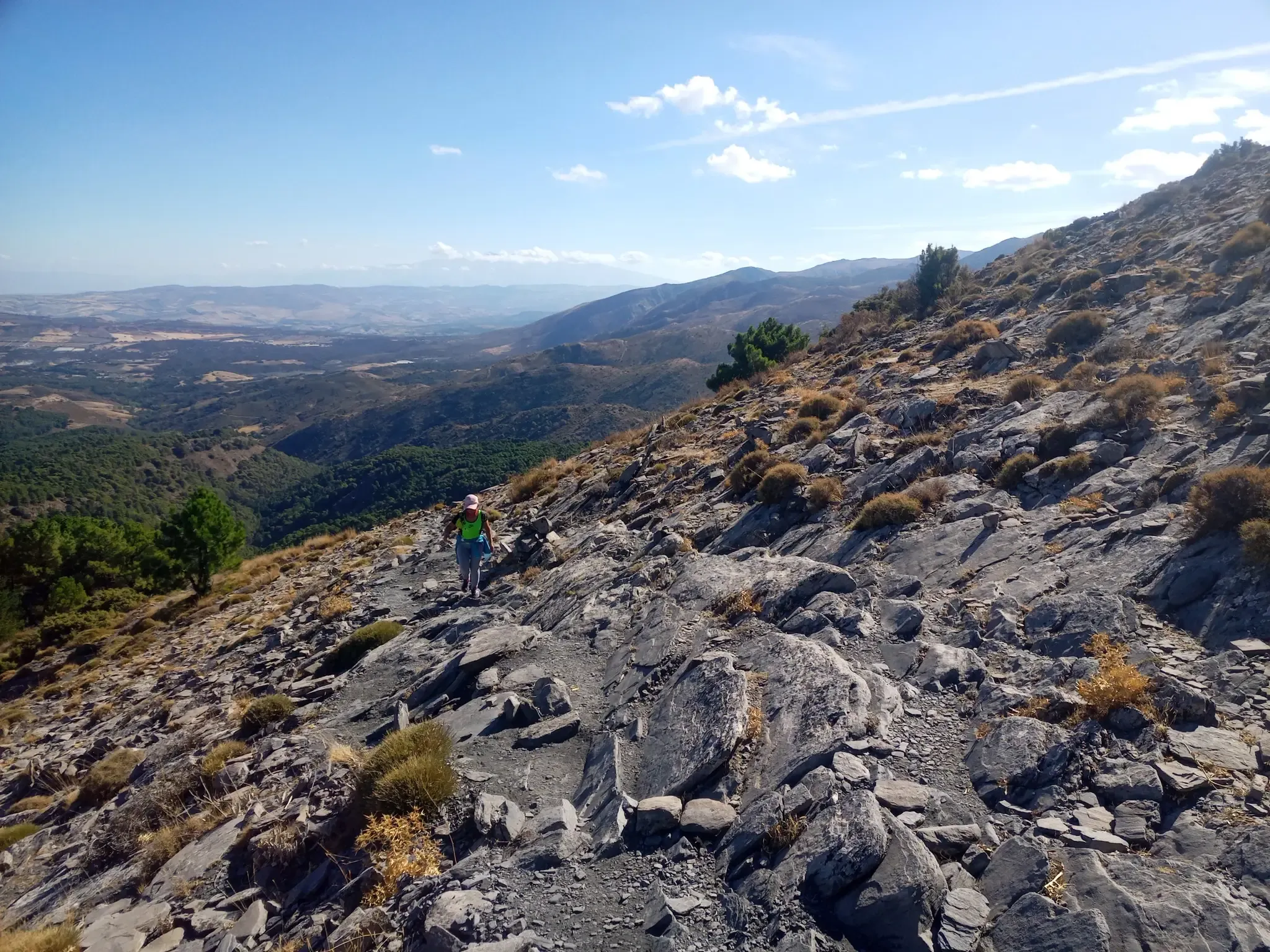
12 hiking gems throughout Spain
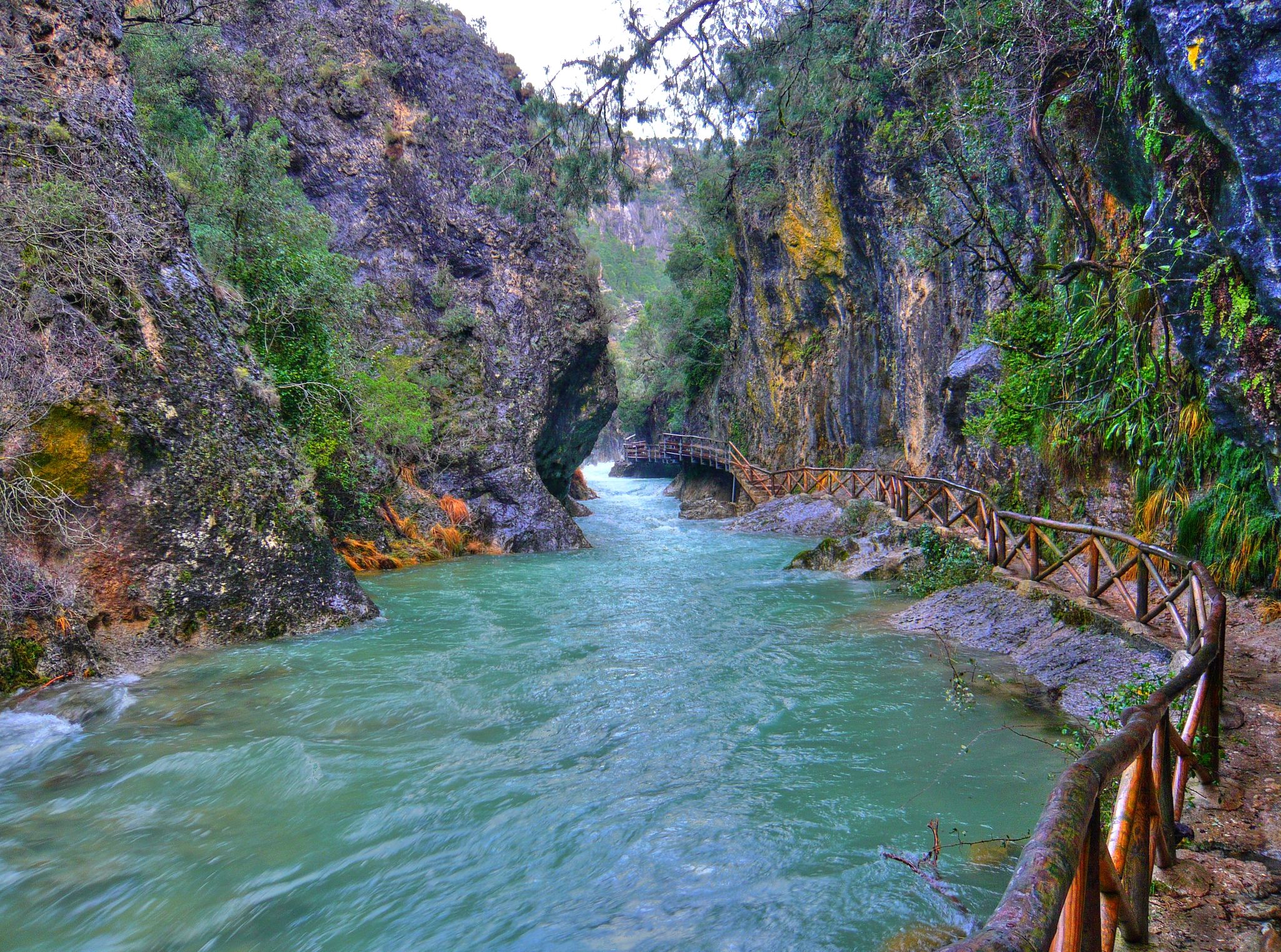
Through the Borosa Gorge to the highest peak of the Sierra de Segura
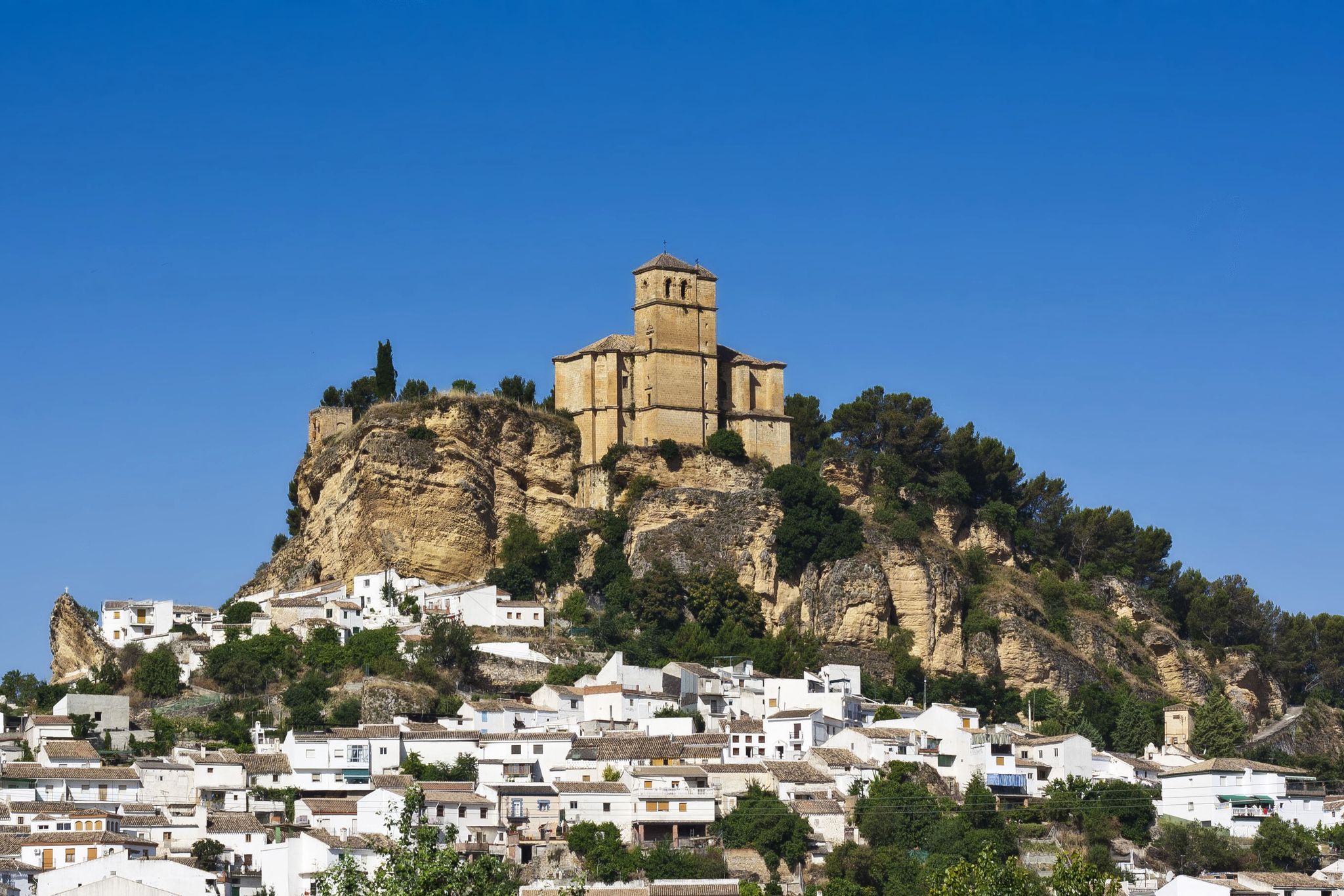
Washington Irving – cycle through the Arab vestiges of Andalusia
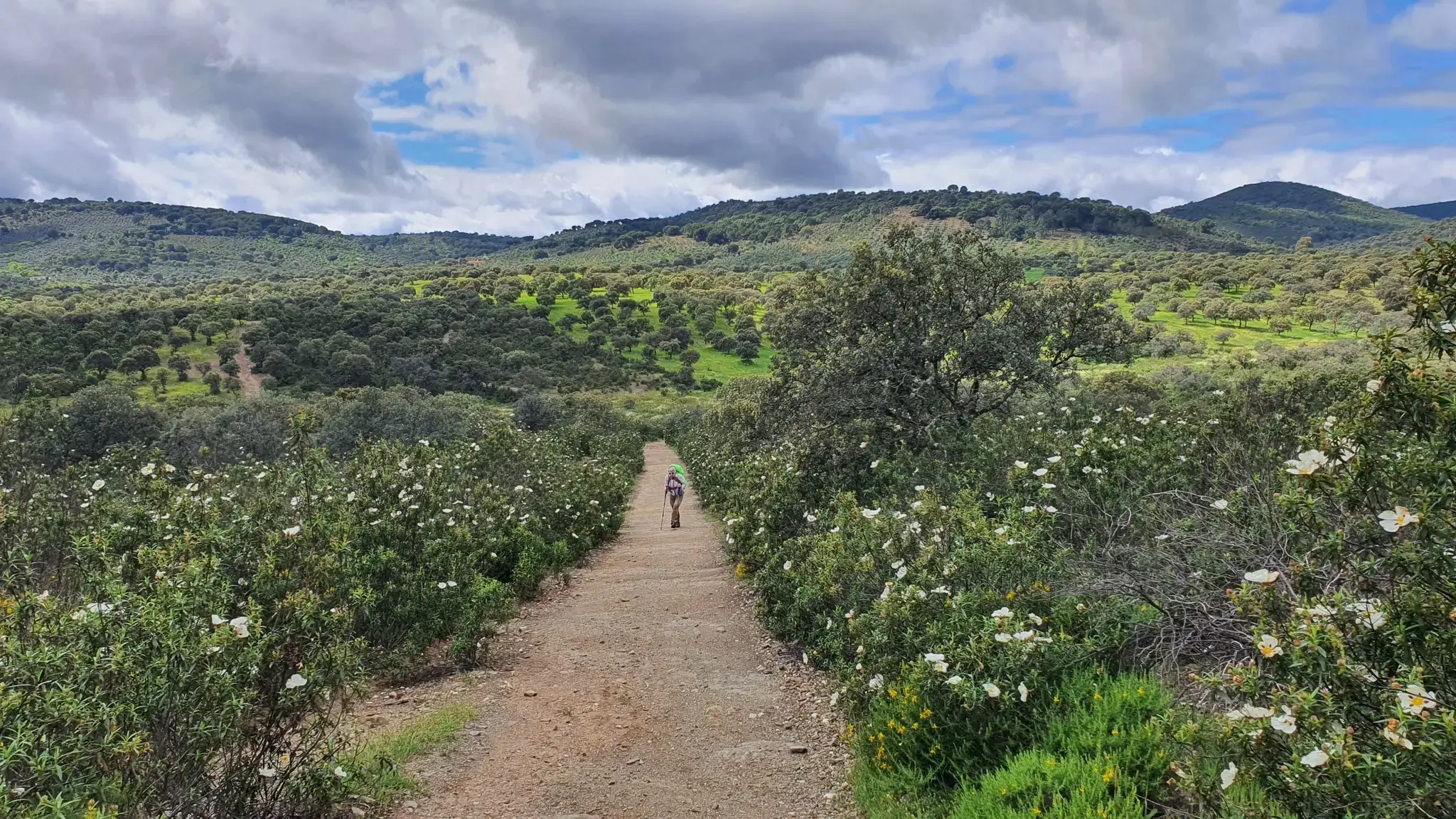
Pastures, Pedroches and farmhouses — Cañada Real Soriana (GR 40)
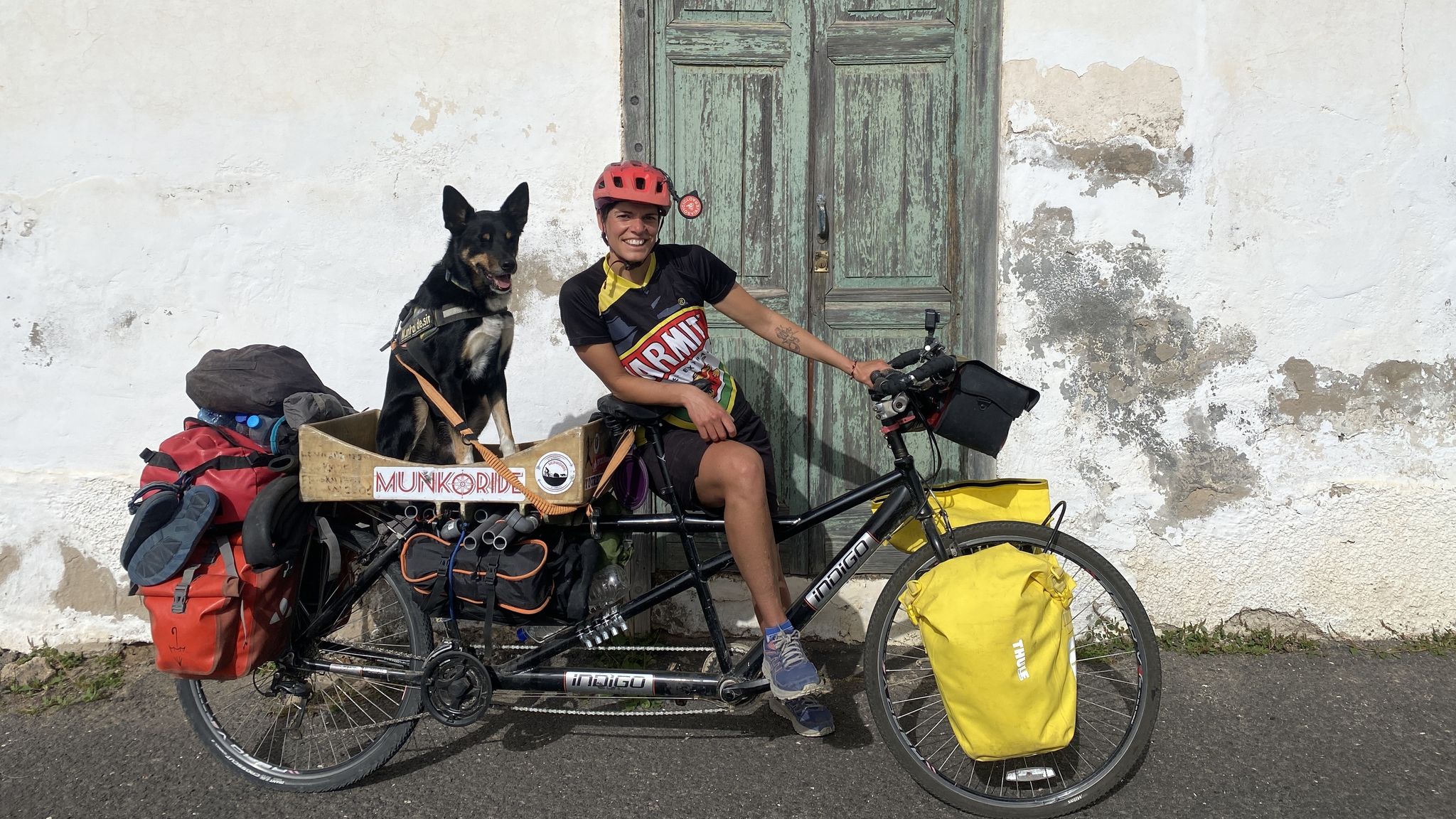
A winter getaway along the greenways of Andalusia in Spain
Other adventures around the Guadalquivir


Tips from the Community

One of the most legendary climbs in the Sierra de Córdoba, well-known for both hiking and mountain biking. It's a tough, consistent climb, very popular with local cyclists and races like the Andalucía Bike Race and the Guzmán el Bueno (the latter often runs it in the opposite direction). The Cuesta del Reventón ascends towards the Ermitas de Córdoba, a classic panoramic viewpoint. It's a wide, rocky path with a steep incline, frequently used by cyclists and hikers. Approximate length: between 2.7 km (classic route) and 4.7 km depending on the mountain bike variant. Elevation gain: between 155 m and 486 m, depending on the route.
3
0

Circular route from Turruñuelos Park, Córdoba, passing through: - Torrehoria Viewpoint (19.5 km) - Torre del Beato (23.1 km) - Torre de las Siete Esquinas (24.5 km) - Bridge over the canal (29.5 km) The route begins along the Guadalmellato Canal, ascends through La Canchuela, Llanos de los Mesoneros, passes the El Cruce gas station, enters the "Fangor" forest, Torrehoria, Camino del Nuo Bajo, Torre del Beato, Torre de las Siete Esquinas, and from there descends to reach the start of the Trassierra Trail. Except for the descent from Siete Esquinas, the route, exceptionally beautiful given the recent rainfall in the mountains with runoff everywhere, follows paths without technical difficulty, making it even more appealing. It's a challenging distance but offers stunning views of the surrounding area and the city and its environs from the highest points.
0
0

Castillo de Almodóvar del Río (Hisnu-l-mudawar; "the round castle") is a castle of Arab Muslim origin in the town of Almodóvar del Río, Province of Córdoba, Spain. Previously a Roman fort, the current structure is of Arab Umayyad origin, in the year 760. During the Middle Ages, it underwent several renovations and reconstructions. Between 1901 and 1936, it was restored by the owner Raphael Desmaissiers, 12th Count of Torravala, under the technical direction of the architect Adolfo Fernández Casanova. The most important towers are the Cuadrada, the Redonda, and the Homenaje.
3
0

Located on the Caño Escaravita estate, just beyond the outlying neighborhood of Santa María de Trassierra. We found it in the western Sierra peri-urban district, next to the crossroads leading to the Ermitas and the Mirador de las Niñas, about fifteen kilometers from Córdoba. This is a zoomorphic water fountain on a pedestal from the Caliphate period, dating back to the 10th century. The sculpture represents a small elephant. Made of gray limestone from the Sierra Morena, it served as a support for the spout. The fountain is made up of three components: a water collection basin, a masonry pillar attached to it on its north side (which leads to a masonry irrigation ditch), and a rectangular pool located to the west of the canal. https://amedinacordoba.com/fuente-del-elefante/
1
0
Córdoba, on the northern bank of the Guadalquivir, is one of the three largest cities in Andalusia, along with Seville and Granada, but is quieter than the other two. The beautiful city was once the heart of Roman Baetica and later one of the leading centres of Al-Andalus. The mosque-cathedral with red and white arches symbolises the enormous wealth of Spanish-Islamic civilisation. But the Mezquita, a UNESCO World Heritage Site, is certainly not the only thing the city has to offer. Churches and palaces, a maze of narrow streets and alleys, patios and balconies full of flowers: everything invites you to a romantic exploration full of surprises.
8
0

Córdoba is one of Spain's most beautiful cities, with a fascinating mix of Moorish, Jewish and Christian history. A must-see for lovers of history, culture and architecture. Córdoba is a bike-friendly city, ideal for exploring on two wheels. Many attractions are easily accessible by bike, and there are dedicated cycle paths and reduced-traffic zones.
8
0
The Medina Azahara Visitor Centre in Córdoba is an ideal opportunity to explore the remains of the once magnificent 10th century palace city. It offers comprehensive information and insight into the history and significance of this important archaeological site. In 2018, the Medina Azahara archaeological complex was declared a UNESCO World Heritage Site. Entry is free for citizens of the European Union. Visitors from non-EU countries pay a small entrance fee.
3
0
The Castillo de Almodóvar del Río, also known as Castillo de la Floresta, is located near the town of Almodóvar del Río and is a well-preserved and lavishly restored castle. The castle was built by the Moors in the 8th century for strategic reasons and was completed in the 12th century. Due to its location on a hill, it controlled a significant section of the Guadalquivir. The mighty towers of the complex are naturally reminiscent of the fortress and the wall of the Alhambra in Granada. The impressive fortress, which towers high above the Guadalquivir River, was the filming location for the series "Game of Thrones". Guided tours are offered to visitors to the castle.
4
0
Frequently Asked Questions
How many no-traffic gravel bike trails are available in the Guadalquivir region?
There are over 50 dedicated no-traffic gravel bike trails around the Guadalquivir, offering a diverse range of experiences. You'll find routes catering to various skill levels, including 1 easy, 18 moderate, and 36 difficult options.
What is the best time of year to gravel bike in the Guadalquivir region?
The mild Mediterranean climate makes spring and autumn ideal for gravel biking, with comfortable temperatures. Even winter can offer pleasant, sunny days for riding. Summers can be very hot, so early mornings or late afternoons are recommended if cycling during this season.
What kind of terrain can I expect on no-traffic gravel trails around the Guadalquivir?
The region offers a varied landscape, from flat countryside and rolling hills to more challenging mountainous sections in areas like the Sierra Morena. Many routes combine unpaved tracks with quiet country roads. The Vías Verdes, like the Vía Verde del Aceite, provide smooth, traffic-free paths on converted railway lines, perfect for a relaxed ride through olive groves.
Are there family-friendly no-traffic gravel routes in the Guadalquivir area?
Yes, the Vías Verdes are particularly well-suited for families due to their gentle slopes and traffic-free nature. These converted railway lines offer a safe and enjoyable experience for all ages. Some sections of the Guadalquivir Valley routes are also relatively flat and quiet, making them suitable for family outings.
Can I bring my dog on these gravel trails?
While many natural areas in Andalusia are dog-friendly, it's essential to check specific regulations for each trail, especially within protected areas like the surrounds of Doñana National Park or Sierra de Hornachuelos Natural Park. Generally, dogs on a leash are permitted on most public trails, but always be mindful of local wildlife and other users.
What natural features or landmarks can I see along the no-traffic gravel bike routes?
You can explore a rich tapestry of natural and historical sites. Many routes follow the Guadalquivir River, offering beautiful riverine landscapes. You might pass through vast olive groves, especially on the Vía Verde del Aceite. Historic landmarks include the Mosque–Cathedral of Córdoba, the Alcázar of the Christian Monarchs, and the Calahorra Tower. For natural beauty, consider highlights like Murillo Gardens or the Isla Cabeza de la Viña Viewpoint.
Are there circular no-traffic gravel routes available?
Yes, many routes are designed as loops, allowing you to start and finish at the same point. For example, the "San Juan Bridge – San Juan Bridge loop from San Juan Alto" offers a challenging 75 km ride. Another option is the "Guadalmellato Canal – Canal loop from Córdoba Julio Anguita" for a moderate 50 km experience.
How can I access these trails using public transport or find parking?
Access varies by location. Major cities like Córdoba and Seville have train stations that can connect you to towns near trailheads. For example, the Vía Verde del Aceite has old railway stations, some converted into visitor centers, which can be good starting points. Parking is generally available in towns and villages near popular trail access points, though it's always advisable to check local signage.
Are there places to stop for refreshments or accommodation along the way?
Yes, many routes pass through charming white villages (Pueblos Blancos) where you can find local cafes, restaurants, and small shops. Along the Vías Verdes, some old railway stations have been transformed into cafes or visitor centers, offering convenient stops. For longer rides, towns like Hornachuelos or Posadas provide accommodation options.
What do other gravel bikers enjoy most about no-traffic gravel biking in Guadalquivir?
The komoot community highly rates the gravel biking experience in Guadalquivir, with an average score of 4.4 stars. Reviewers often praise the region's diverse landscapes, the tranquility of the traffic-free routes, and the opportunity to combine cycling with exploring rich historical and cultural sites. The well-maintained Vías Verdes are frequently highlighted for their accessibility and scenic beauty.
Are there any long-distance no-traffic gravel routes in the region?
For those seeking longer adventures, the Vía Verde del Aceite stretches over 120 kilometers and can be combined with the Vía Verde de la Subbética for an even more extensive continuous route. These greenways offer a fantastic long-distance, traffic-free experience through the heart of Andalusia's olive country.
What are some challenging no-traffic gravel routes for experienced riders?
For experienced riders seeking a challenge, the Sierra Morena offers top-notch gravel trails with significant elevation changes, including valleys and semi-desert scenery. Routes like the "Canal – La Porrada loop from Córdoba Julio Anguita" provide a difficult 56 km ride with substantial climbing, testing your endurance and skill.
Most popular routes around the Guadalquivir
Most popular attractions around the Guadalquivir

Get inspired with the komoot mobile app


Explore more
Browse the best Gravel rides in other regions.
