The best hikes from bus stations around the Ticaround theo
4.4
(6552)
41,973
hikers
626
hikes
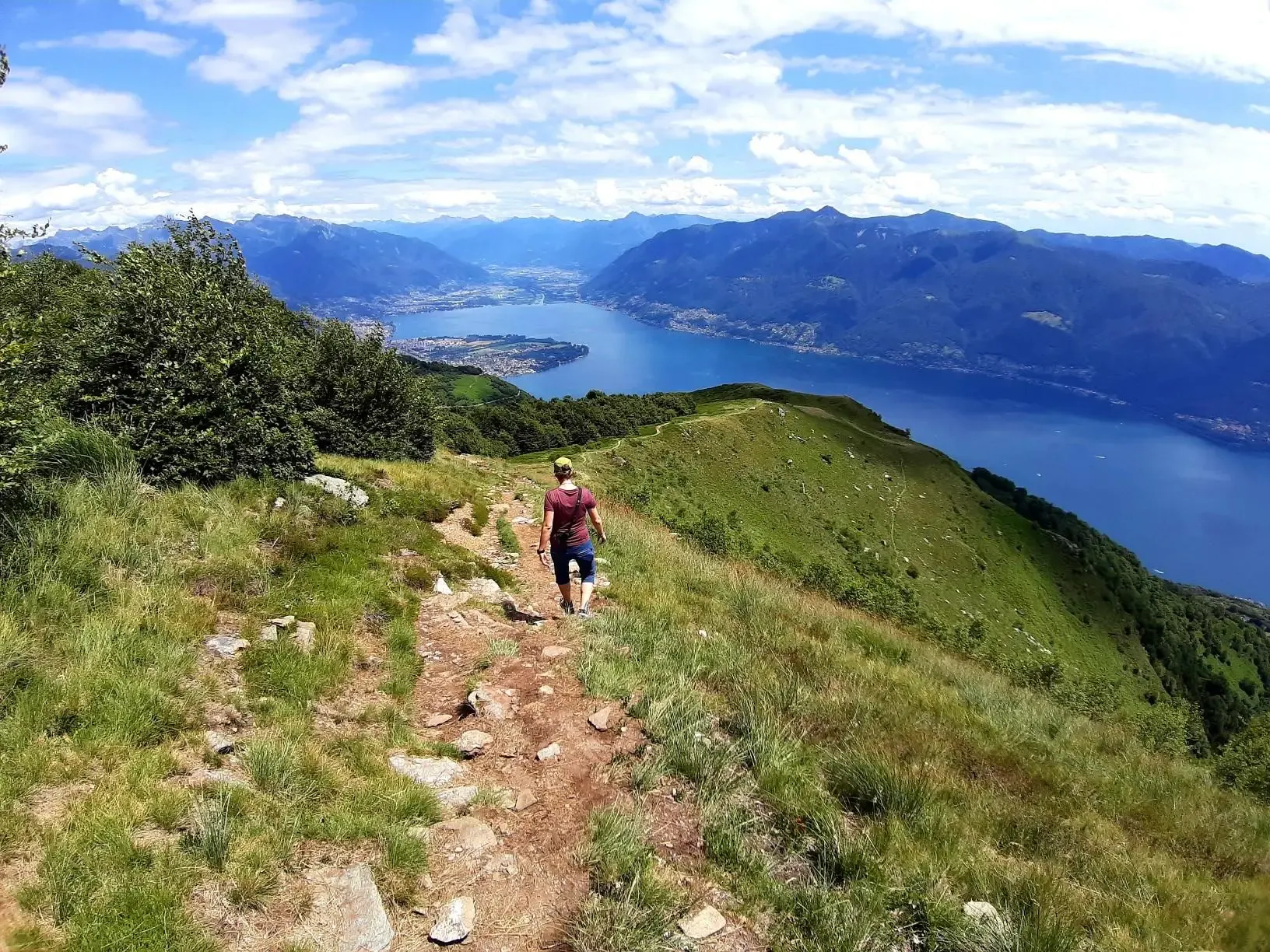
Bus station hiking trails around the Ticaround theo in Ticino traverse a landscape characterized by a blend of Alpine and Mediterranean features. The region features high peaks, deep valleys, and extensive lake systems like Lake Maggiore and Lake Lugano. Hikers encounter diverse terrain, from lush valleys with emerald rivers to higher alpine areas with panoramic views.
Best bus station hiking trails around the Ticaround theo
- The most popular bus station hiking route is Grand Tour of Lake Maggiore: Ascona -…
Last updated: July 12, 2026
4.7
(144)
625
hikers
9.74km
02:49
240m
240m
Moderate hike. Good fitness required. Easily-accessible paths. Suitable for all skill levels.
4.6
(69)
237
hikers
12.2km
03:44
420m
420m
Moderate hike. Good fitness required. Easily-accessible paths. Suitable for all skill levels.

Sign up for free
4.2
(25)
270
hikers
7.64km
02:00
50m
50m
Easy hike. Great for any fitness level. Easily-accessible paths. Suitable for all skill levels.
4.6
(33)
165
hikers
9.36km
02:45
270m
270m
Moderate hike. Good fitness required. Easily-accessible paths. Suitable for all skill levels.
4.7
(320)
1,743
hikers
7.10km
03:11
610m
610m
Moderate hike. Good fitness required. Mostly accessible paths. Sure-footedness required.
Get access to more routes and recommendations from other explorers.
Sign up for free
Already have an account?
Our route recommendations are based on thousands of hikes, rides, and runs completed by other people on komoot.
Start today with a free account
Your next adventure awaits.
Login or Signup
Popular around Ticino
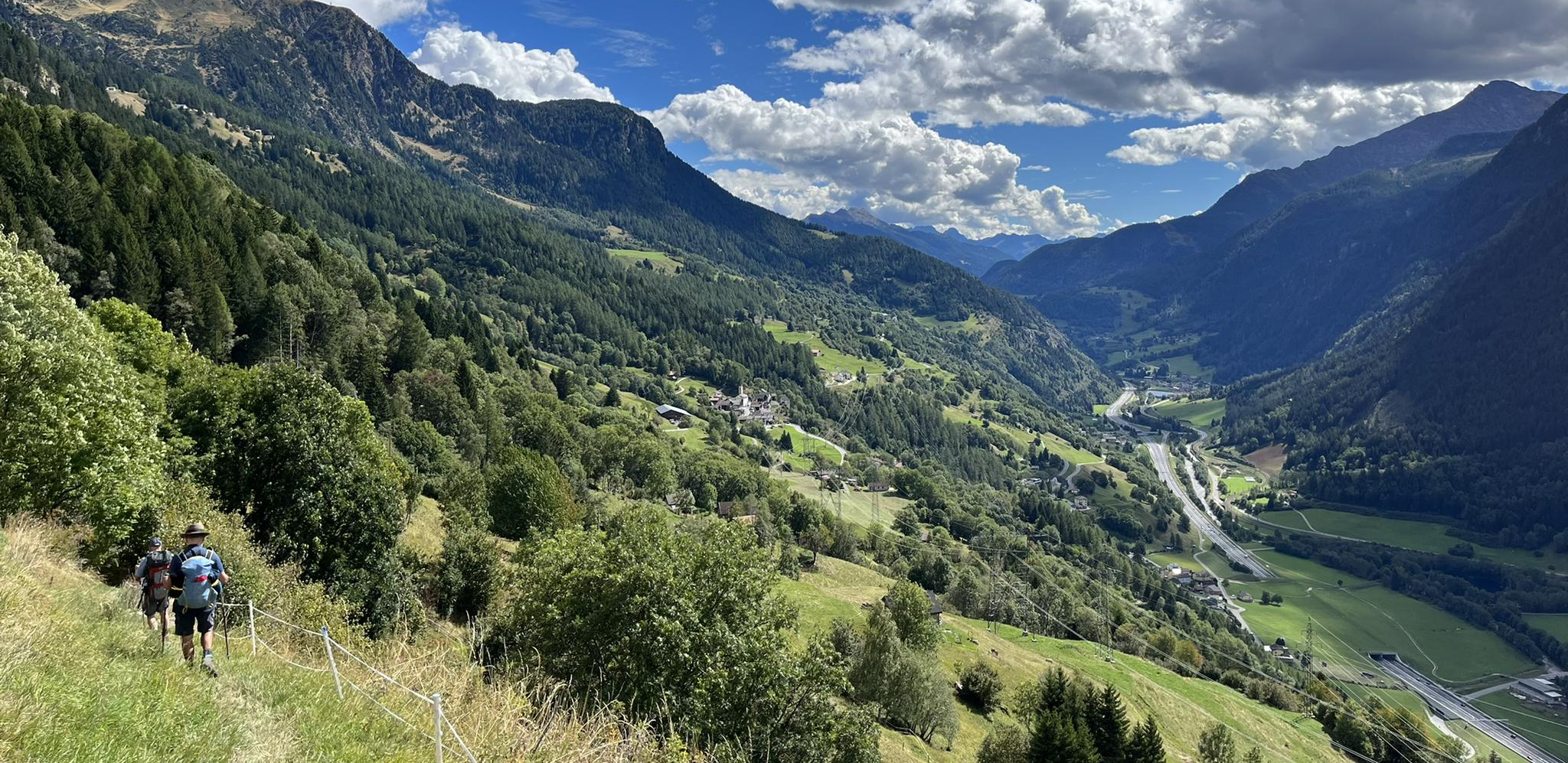
Strada alta – Hiking in the sun terrace of Switzerland
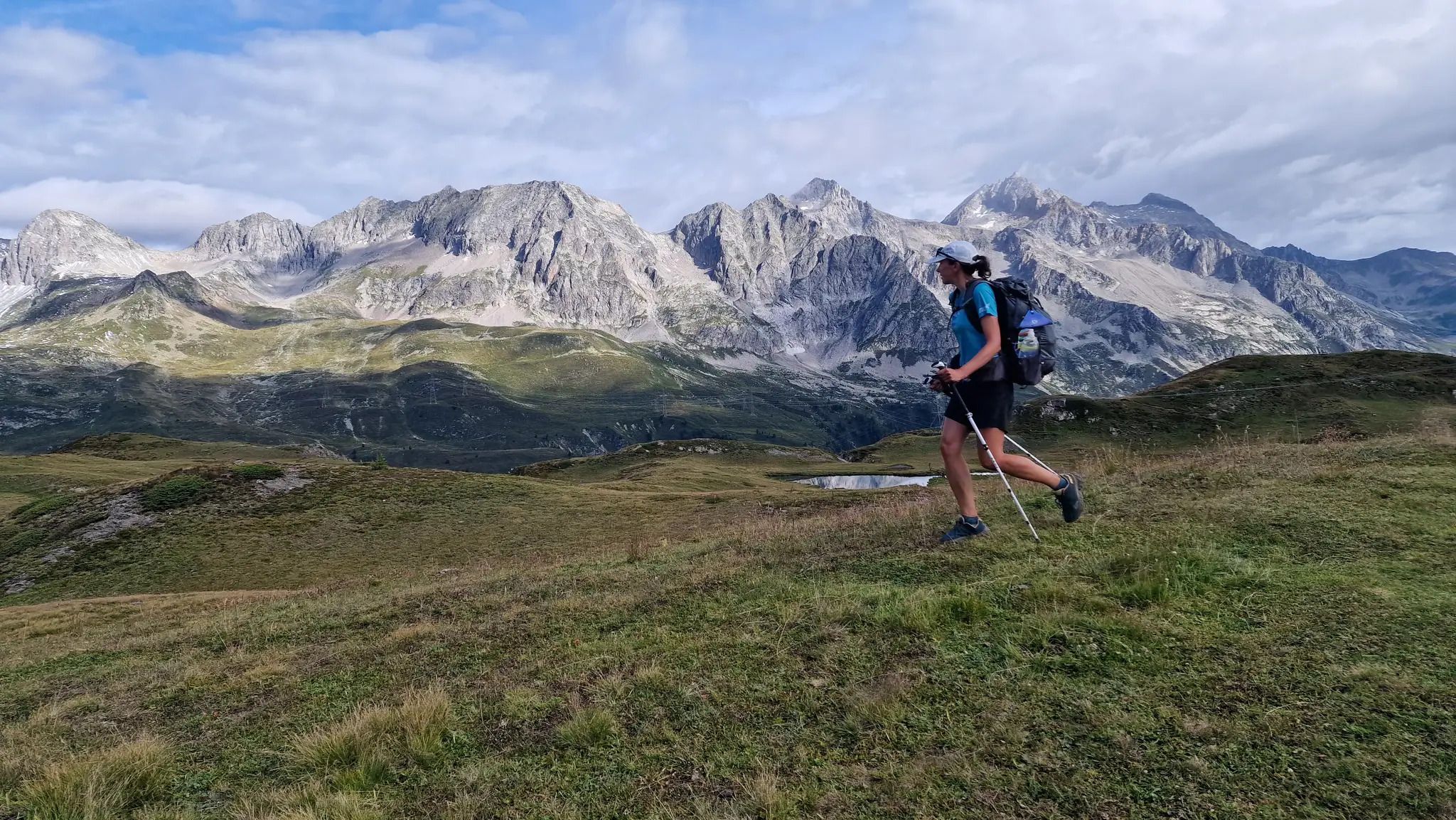
Alpine Passes Trail – hiking 700km across Switzerland
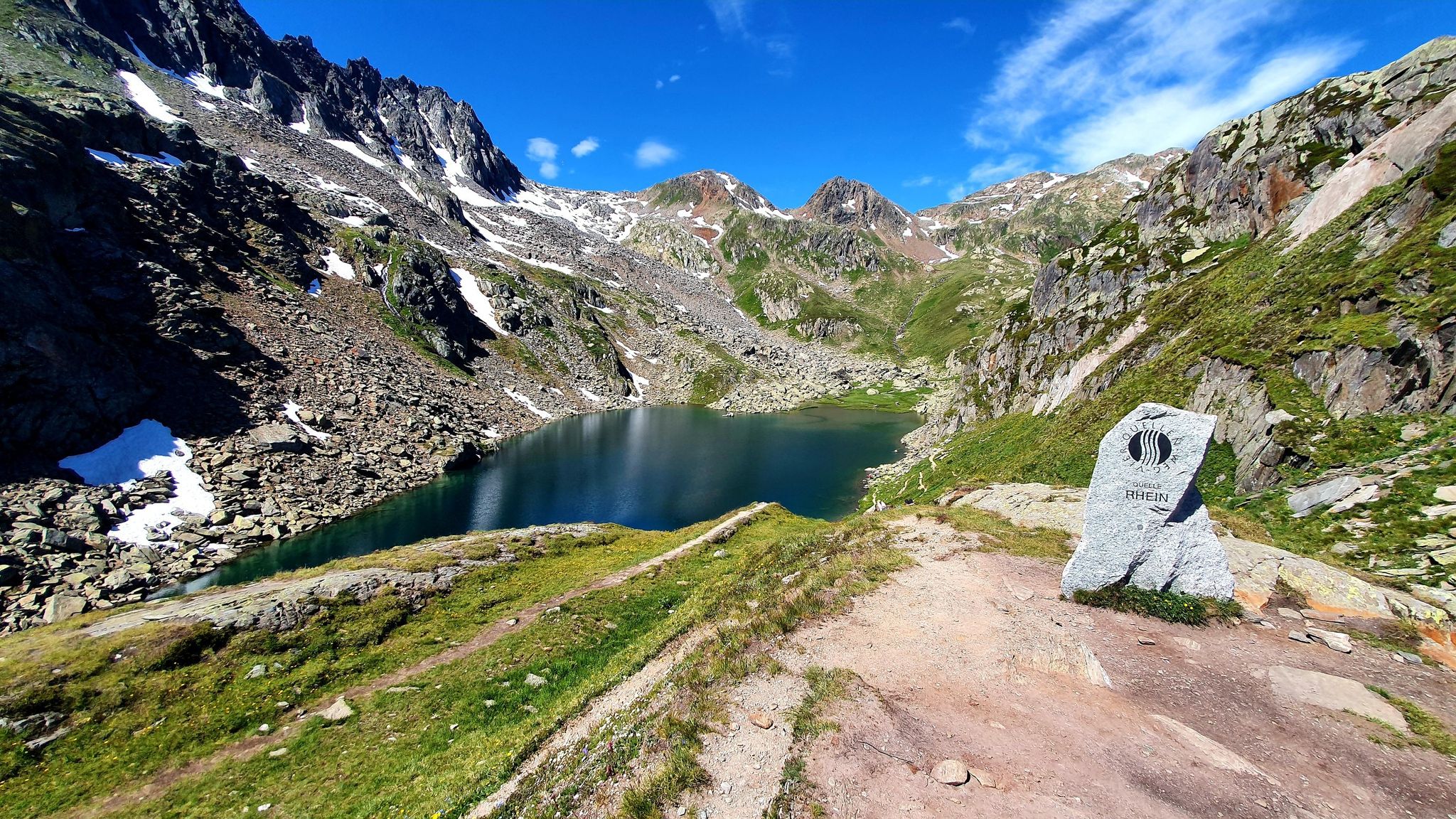
Four Springs Trail — Find flow in Switzerland's Gotthard Massif
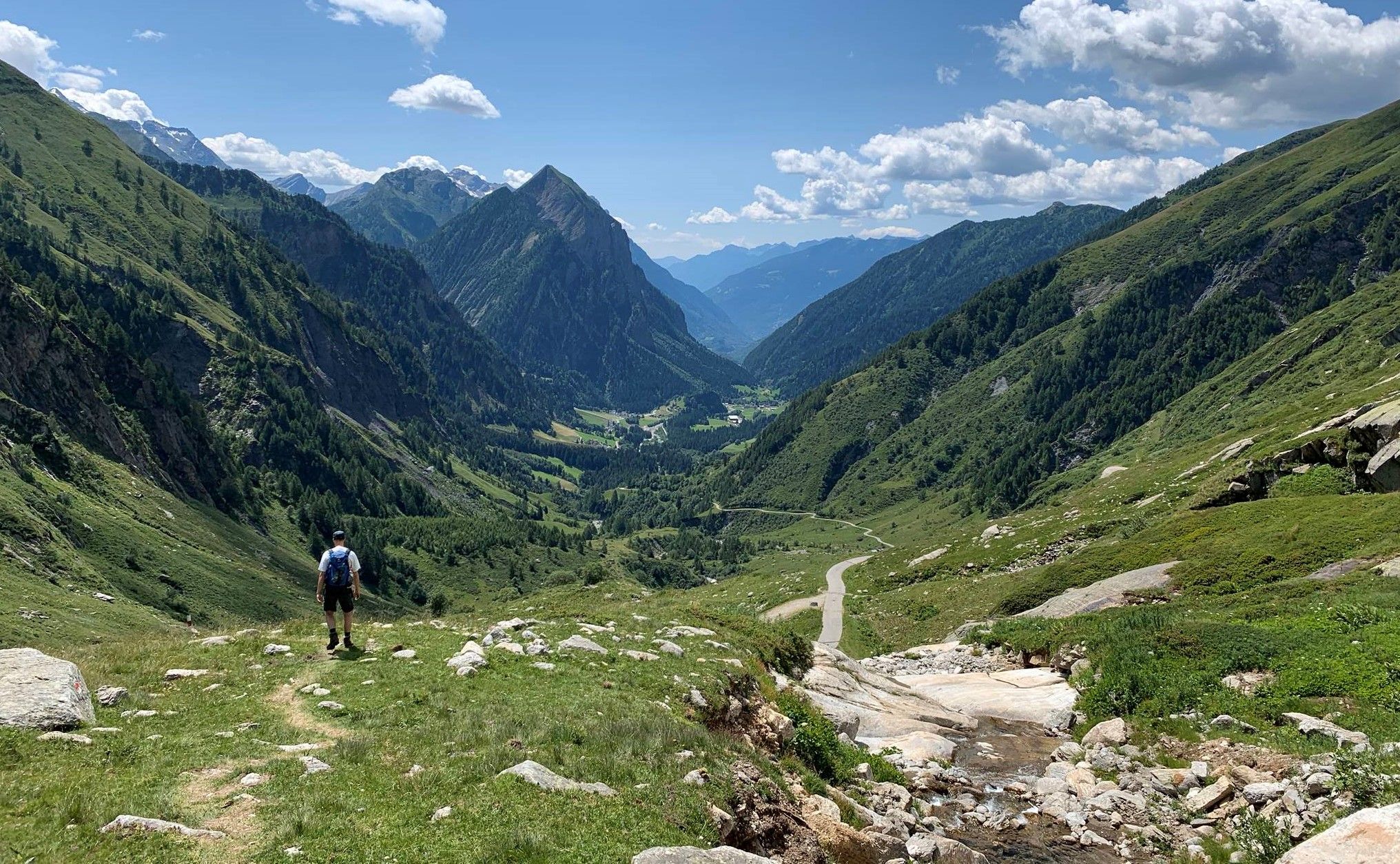
Alpine Passes Trail in Switzerland – 34 stages of pure mountain fun
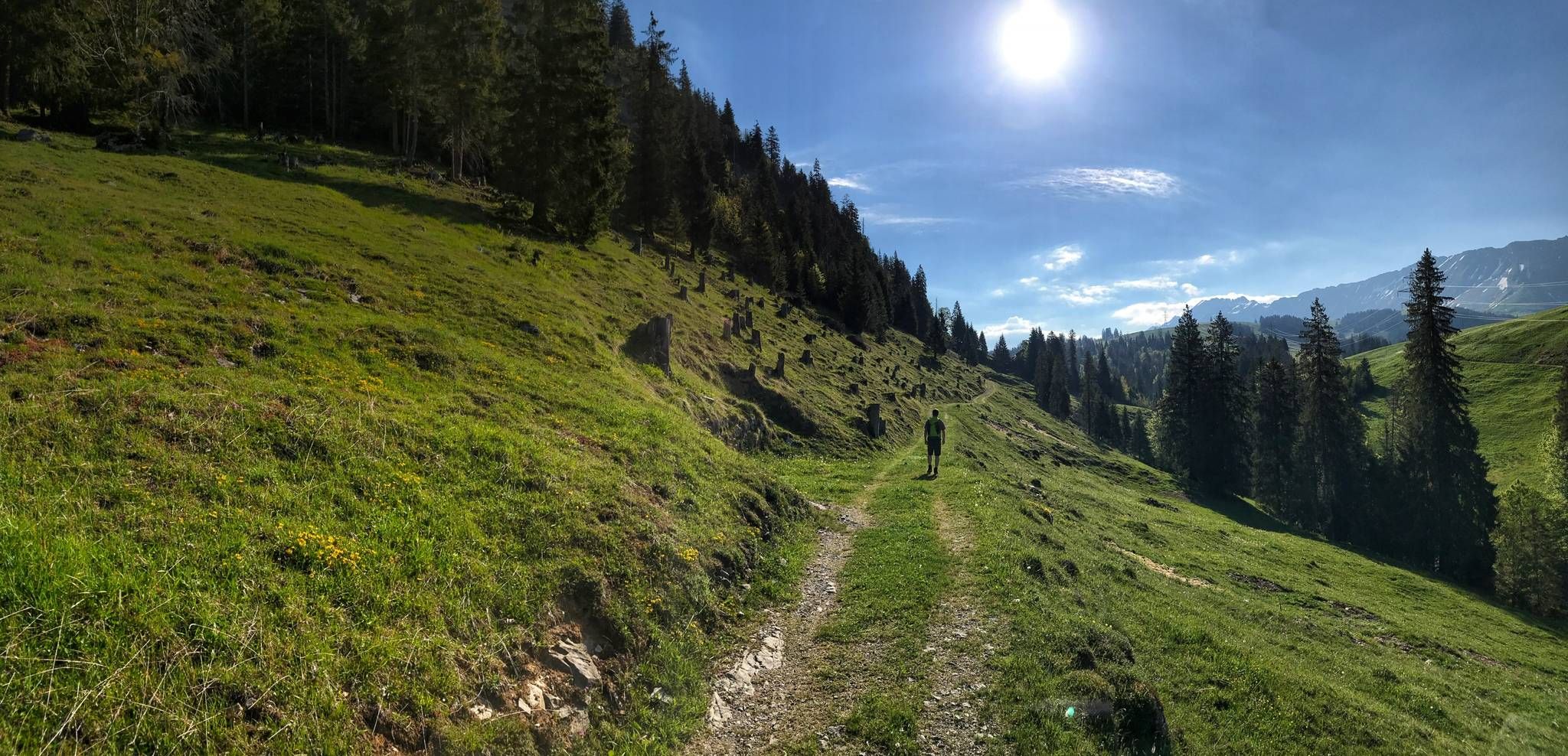
Trans Swiss Trail – Hiking across Switzerland
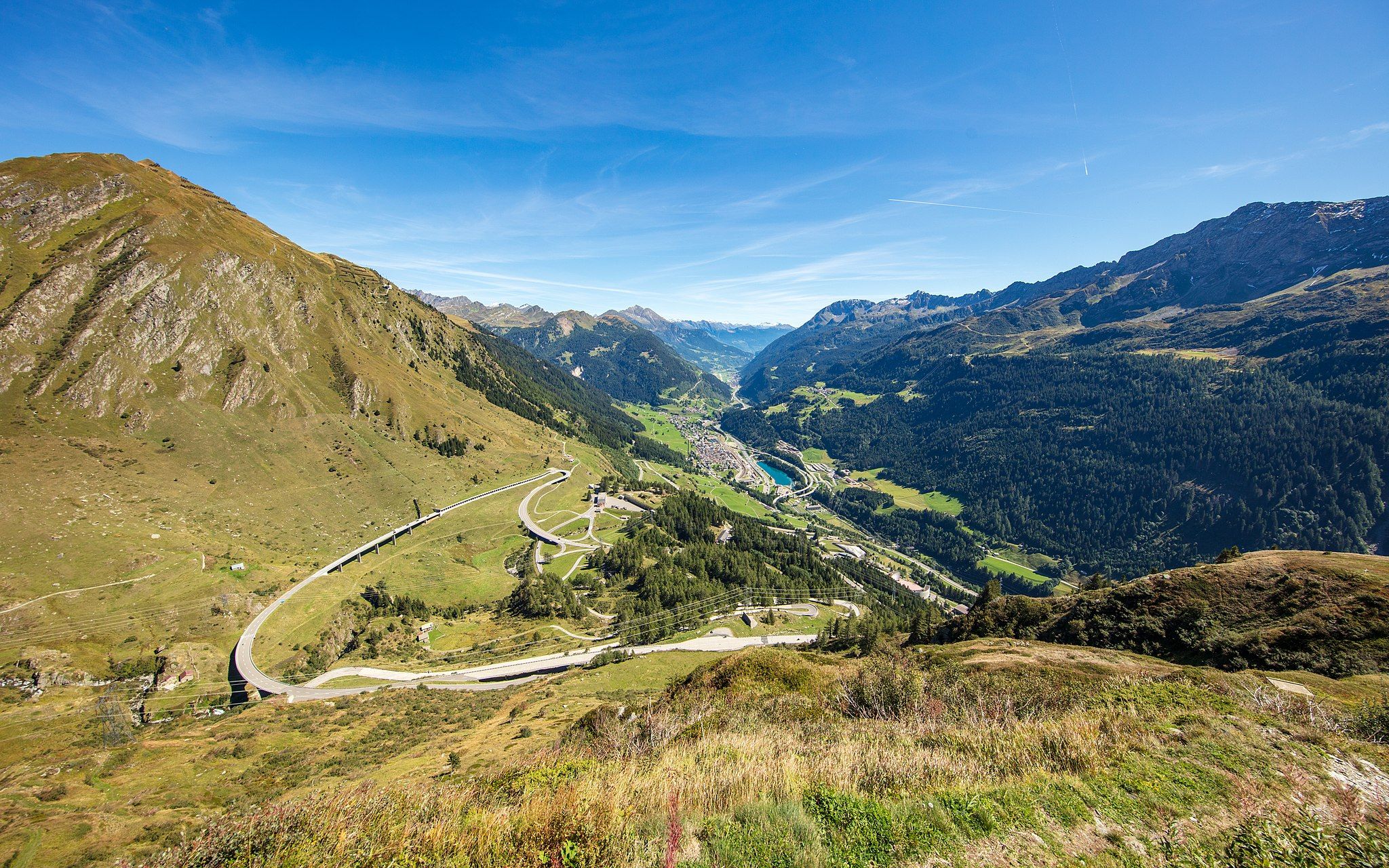
Via Gottardo – Following historic trails
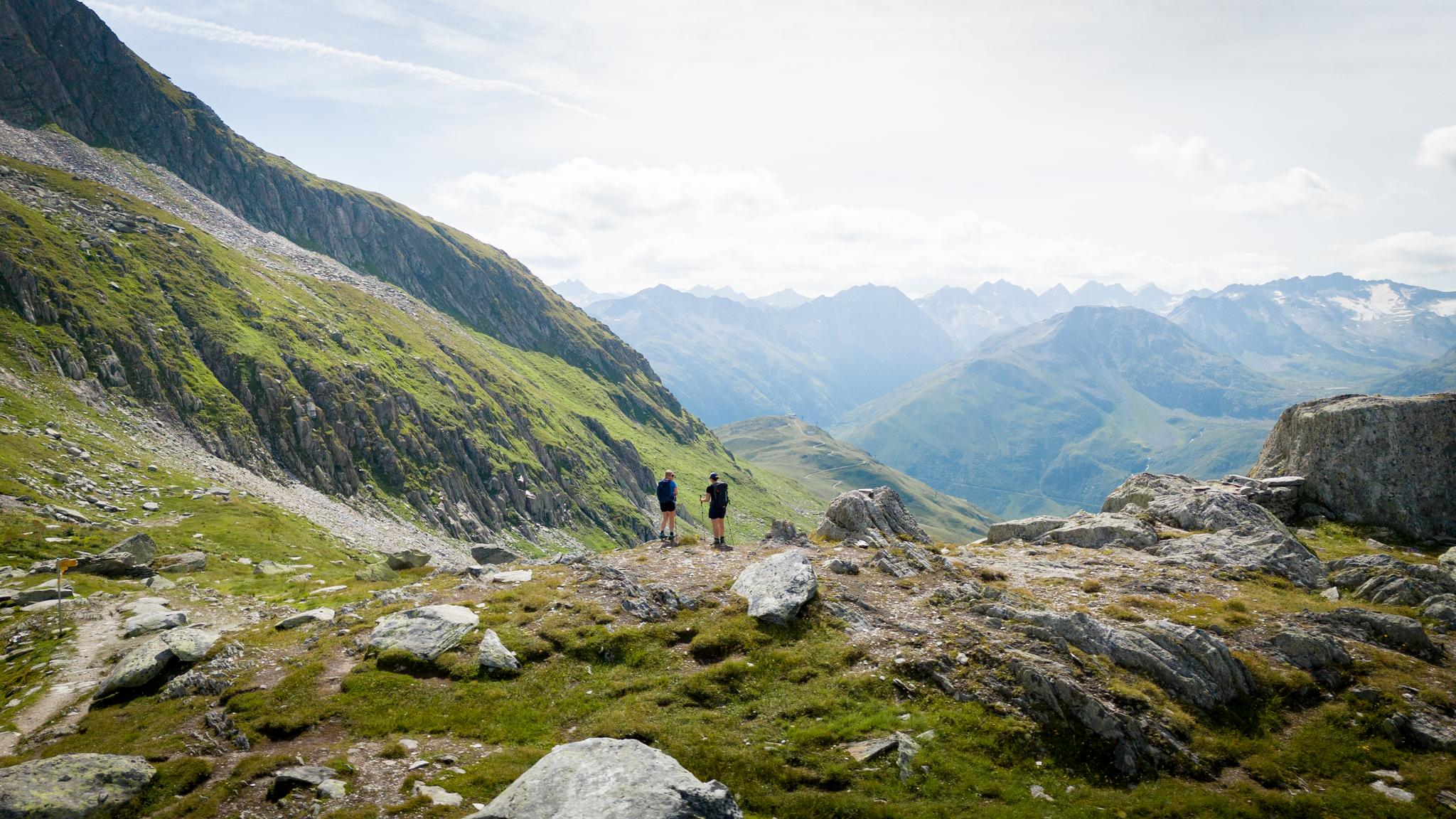
On the hunt for crystals and alpine lake magic – Gotthard Crystal Trek
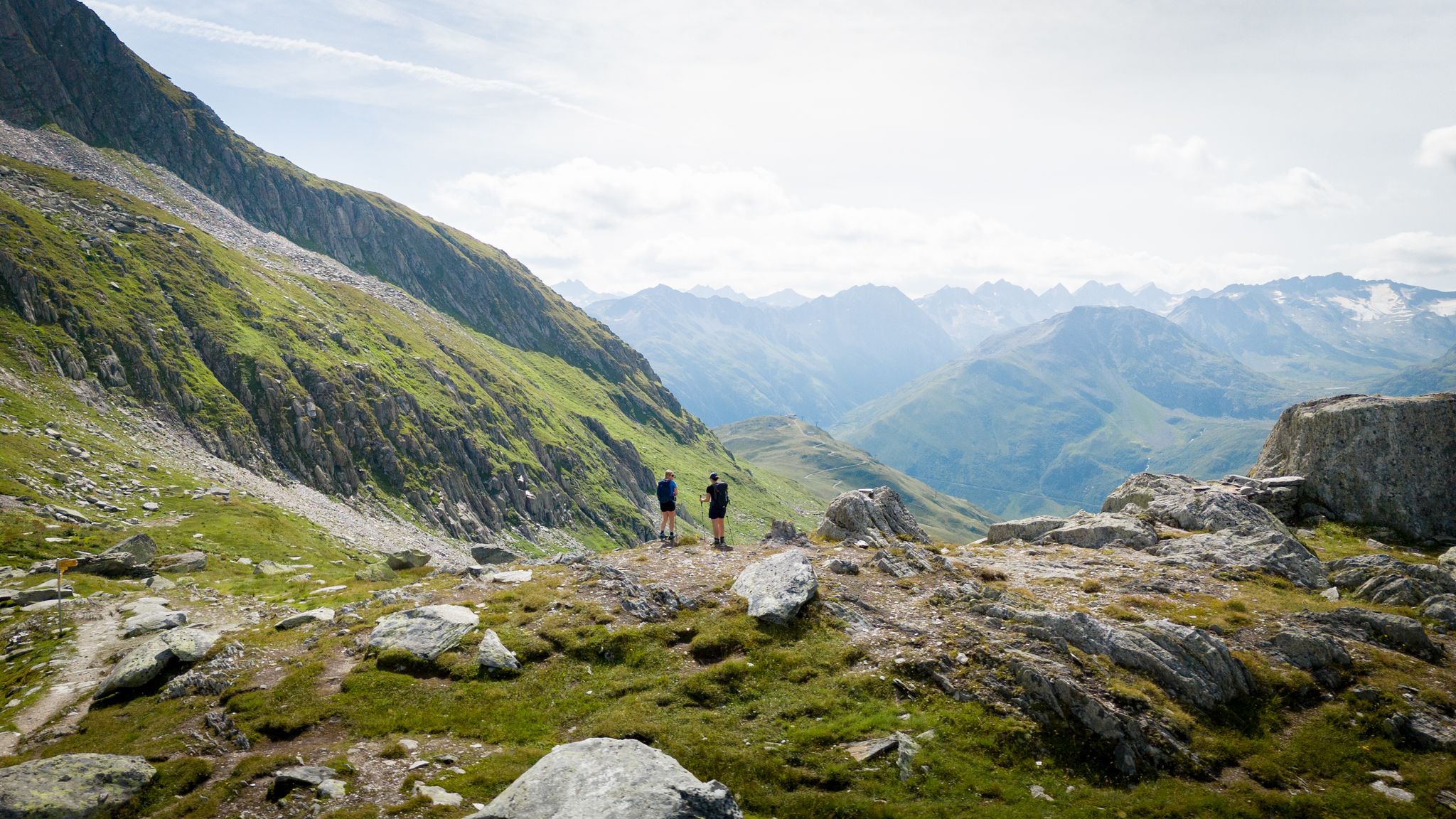
On the hunt for crystals and alpine lake magic – Gotthard Crystal Trek
Autumn magic – vibrant, scenic hikes in Ticino
Hike from Milan to the sea – Path of the Celts and Ligurians
Other adventures around the Ticaround theo


Tips from the Community


St. Gotthard Pass The Gotthard Pass divides waterways and connects various cultural and linguistic areas. Its significance as an "Alpine transversal" began at the beginning of the 13th century with the construction of the legendary Devil's Bridge in the Schöllenen Gorge. For many centuries, trade caravans (trading cattle and cheese for grain, wine, rice, and salt), mercenaries, messengers, and even entire armies crossed the pass. Between 1818 and 1836, the canton of Uri, with the help of other cantons, expanded the pass road, thus achieving its predominance among Swiss Alpine passes. The Gotthard Pass has significantly shaped the economy and culture of Central Switzerland for centuries. Until the opening of the Gotthard Railway in 1882, the Gotthard Pass was also used in winter. Dozens of roadmen and shovel workers were employed for this purpose. In 1922, the post bus replaced the stagecoach, and with the introduction of gasoline duties in 1923, the expansion of the pass roads began, continuing to this day. The old pass road on the south side, the Tremola between the top of the pass and Airolo, is still preserved and passable. This stretch of road recalls more tranquil journeys over the Gotthard that occurred not so long ago. In the 19th and 20th centuries, the Gotthard Pass was "condensed" into a myth, a symbol of Switzerland's independence, unity, and identity. Text / Source: Interest Group for Alpine Passes IAP, PO Box 11, 6491 Realp https://alpen-paesse.ch/de/alpenpaesse/gotthardpass
15
1

Great coffee and extremely affordable
0
0

View of Locarno
0
0
very pretty here, very pretty
2
0

The village center of Curzútt, at 612 meters above sea level, is undoubtedly a small paradise on earth above Monte Carasso. The Curzútt - San Barnárd Foundation, founded in 1998, has revived a place that undoubtedly played an important role in the past with various projects in the area. https://www.curzutt.ch/de/
4
0

Charcoal burning is an ancient craft that is now almost extinct, but in the past it was a decisive factor in the industrialization of entire regions: the blast furnaces of the iron and steel industry, for example, depended on charcoal to reach the operating temperature necessary for melting ore. As a result, entire regions were once completely deforested by charcoal burning, and it is only thanks to later reforestation that forests have grown again and nature can be seen.
0
0

In summer, arrival by post bus from Andermatt or Airolo is possible.
2
0
Frequently Asked Questions
How many bus-accessible hiking trails are available in Ticino?
Ticino offers a vast network of trails accessible by public transport. This guide alone features over 600 hiking routes that start conveniently from bus stations across the region, catering to various skill levels.
What is the best time of year to hike from bus stations in Ticino?
Thanks to its mild, Mediterranean climate, Ticino is ideal for hiking almost year-round. While high-altitude tours are best in summer, many valley hikes and lakeside promenades are enjoyable even in late autumn and winter. Spring and autumn offer particularly pleasant temperatures and vibrant scenery.
Are there easy hiking trails accessible by bus in Ticino, suitable for beginners?
Yes, Ticino has over 300 easy hiking routes that are perfect for beginners or those looking for a relaxed stroll. Many of these trails follow picturesque lake shores or gentle valley paths. An example is the Walk in Verbania on Lake Maggiore, which is an easy route with minimal elevation gain.
Are there any circular hiking routes that start and end at a bus station?
Absolutely. Many routes in Ticino are designed as circular walks, allowing you to return to your starting point without needing additional transport. For instance, the Grand Tour of Lake Maggiore: Ascona - Ronco Loop is a moderate circular hike offering beautiful lake views.
What kind of natural attractions can I expect to see along these bus-accessible trails?
Ticino's bus-accessible trails often lead through diverse landscapes. You can discover stunning gorges like the Gorge of the Iragna Stream, picturesque valleys such as the Verzasca Valley with its emerald river, or enjoy views of Lake Maggiore and Lake Lugano. Many routes also pass by impressive waterfalls, especially in the Maggia Valley.
Are there any challenging day hikes accessible by bus for experienced hikers?
Yes, for those seeking a greater challenge, Ticino offers numerous moderate to difficult routes accessible by bus. These often involve more significant elevation changes and longer distances. The Brione and Madonna del Sasso from Contra − loop tour is a moderate option with over 400 meters of elevation gain, providing rewarding views.
Can I bring my dog on these bus-accessible hiking trails in Ticino?
Many hiking trails in Ticino are dog-friendly, making it a great region for exploring with your canine companion. However, it's always advisable to check local regulations for specific routes, especially in nature reserves, and to keep your dog on a leash where required. Public transport typically allows dogs, often for a small fee or with a special ticket.
Are there any historical or cultural landmarks to explore on these routes?
Ticino is rich in history and culture. Many trails pass through charming, traditional Ticinese villages with characteristic stone houses, like Corippo or Sonogno. You might also encounter historical sites such as the Old Hospice of St. Gotthard or the unique 'nevère' on Monte Generoso, which are old stone structures used for storing milk.
What do other hikers enjoy most about hiking from bus stations in Ticino?
The komoot community highly rates hiking in Ticino, with an average score of 4.42 stars. Hikers frequently praise the region's diverse landscapes, the convenience of public transport access to trailheads, and the well-maintained paths. The stunning views of lakes and mountains, combined with the Mediterranean flair, are often highlighted as key attractions.
Are there any trails that feature unique bridges or architectural highlights?
Yes, Ticino is home to some impressive structures that are integrated into hiking routes. A notable example is the Curzútt Historic Village – Carasc Tibetan Bridge loop from Bellinzona, which includes crossing the thrilling 270-meter-long Tibetan Bridge 'Carasc'.
Can I find routes that lead to alpine lakes or high mountain passes?
Absolutely. While accessible by bus, some routes can take you into higher alpine regions. For instance, the Lake Sella from the Gotthard Pass – loop offers a moderate hike to a beautiful alpine lake, starting from the historic Gotthard Pass area.
Most popular routes around the Ticaround theo
Most popular attractions around the Ticaround theo

Get inspired with the komoot mobile app


Explore more
Browse the best Hikes in other regions.
