The best traffic-free bike rides around Reserva Natural do Paul de Arzila
5.0
(1)
35
riders
6
rides
Gravel biking around Reserva Natural do Paul de Arzila offers routes through a distinctive wetland landscape near Coimbra, Portugal. The terrain is characterized by a low gradient alluvial plain, abundant water from the Ribeira de Cernache, and areas of lush vegetation including bulrush and reeds. Riders can expect a mix of open areas, forested sections, and former rice farmland, with unpaved segments and rural roads providing varied riding surfaces. This environment is known for its ornithological importance, offering opportunities for…
Last updated: May 16, 2026
3
riders
50.9km
03:23
570m
570m
Hard gravel ride. Very good fitness required. Mostly paved surfaces. Suitable for all skill levels.
5.0
(1)
1
riders
39.8km
03:03
740m
740m
Hard gravel ride. Very good fitness required. Mostly paved surfaces. Suitable for all skill levels.

Sign up for free
1
riders
35.0km
02:30
540m
540m
Hard gravel ride. Very good fitness required. Mostly paved surfaces. Suitable for all skill levels.
1
riders
Hard gravel ride. Very good fitness required. Mostly paved surfaces. Suitable for all skill levels.
9
riders
74.9km
05:21
620m
620m
Hard gravel ride. Very good fitness required. Mostly paved surfaces. Suitable for all skill levels.
Our route recommendations are based on thousands of hikes, rides, and runs completed by other people on komoot.
Start today with a free account
Your next adventure awaits.
Login or Signup
Popular around Reserva Natural do Paul de Arzila

Tips from the Community

Penela Castle stands atop the rocky outcrop that gave it its name (peñela, "small stone hill"), dominating the town with imposing walls and towers dating from the 15th and 16th centuries. Founded in the 11th century by D. Sesnando Davides, it formed part of the Mondego defensive line, and its walls still reach 19 meters in height today. From the original fortress arose the castle that later served as a keep. On the walls, facing the Serra da Lousã mountain range, stand out arrow slits and loopholes, marks of its long military life, from arrows to firearms. Penela preserves three historical entrances: the Porta da Vila (Town Gate), the evocative Porta da Traição (Gate of Treason), with its double opening and Moorish inspiration, and the Porta do Relógio (Clock Gate), a reminder of the old breach where two towers collapsed in the 1755 earthquake. In short, a castle small in form, but enormous in history.
1
0
Built in the 1st century, the Castellum of Alcabideque, classified as a National Monument, is an impressive Roman structure designed to capture and raise water from the local spring to the aqueduct that led to Conímbriga, three kilometers away. The name "Alcabideque" preserves this memory: an Arabicized echo of the Latin, caput aquae, "mother of water," a direct reference to the spring that fed the entire system.
2
0

✨ Landscapes of rare natural beauty; 🏞️ Lapiaz, dolines and unique rock formations in Portugal; 🌿 Buracas do Casmilo and Bosque do Vale dos Covões are the highlights; 📸 Ideal for photography, geological observation and contemplation; 🍂 Perfect for autumn, with the valley painted in golden tones.
2
0

Swing with a view of Penela Castle.
1
0

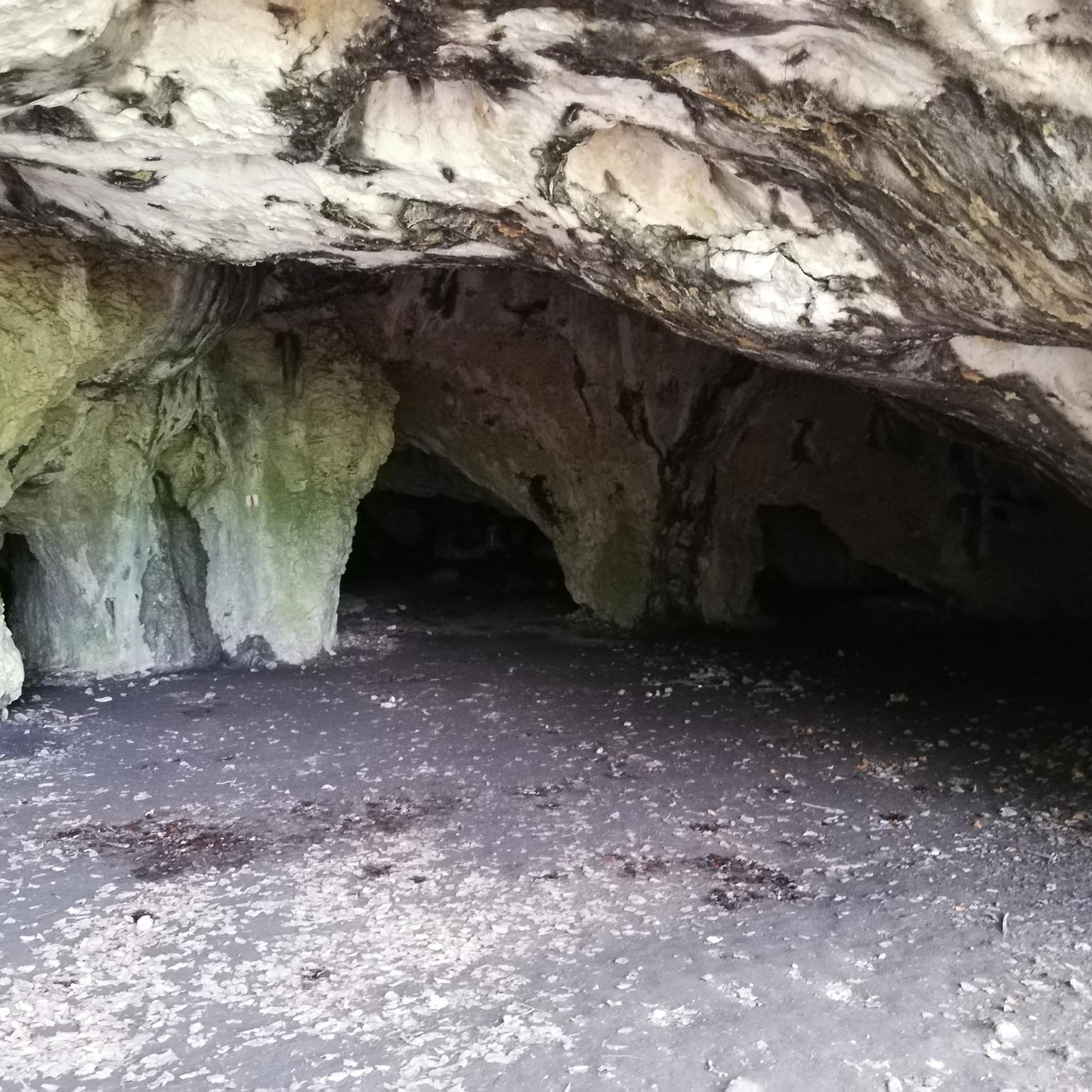
The drought continues! There are almost no sinkholes left!
0
0

Bridge built during the Spanish occupation of Portugal (1580-1640). Currently, next to this bridge, there is a place with benches and tables for pilgrims to rest.👍
4
0
Here, you can rest and get your pilgrim's notebook stamped. Restore your physical and spiritual energy to continue your journey.👍
6
0
Frequently Asked Questions
What kind of terrain can I expect on no-traffic gravel bike trails around Reserva Natural do Paul de Arzila?
The trails in and around Reserva Natural do Paul de Arzila offer a varied gravel biking experience. You'll encounter a mix of unpaved paths, rural roads, and some paved sections. The area is characterized by its wetland environment, so some paths can be moist or even naturally flooded, especially after rain. You might also find forested areas and sections that were once rice farmland, providing diverse surfaces for gravel cycling.
Are there any challenging no-traffic gravel bike routes in the Reserva Natural do Paul de Arzila area?
Yes, the routes featured in this guide are generally considered challenging. For example, the EN 342-1 Road – Red Bicycle Path loop from Condeixa-a-Nova covers over 50 km with significant elevation gain. Another demanding option is the Buracas do Casmilo – Pilgrim Rest Stop Jinago loop from Condeixa-a-Nova, which features over 700 meters of ascent over nearly 40 km. These routes are best suited for experienced gravel cyclists looking for a workout.
What is the best time of year for gravel biking in Reserva Natural do Paul de Arzila?
The best time for gravel biking is typically during the drier seasons, such as late spring, summer, and early autumn. The wetland nature of Paul de Arzila means that paths can become muddy or flooded during heavy rainfall, especially in winter. Visiting outside of peak bird migration seasons might also offer a more tranquil experience, though birdwatching is a highlight here.
Are there any circular no-traffic gravel bike routes available?
Yes, several routes in this guide are circular, allowing you to start and end at the same point. For instance, the Mãe de Água de Alcabideque – Chanca Sinkhole loop from Condeixa-a-Nova is a circular route of nearly 35 km. Another option is the longer Parque da Vila de Soure – Soure Castle loop from Montemor, which spans over 74 km.
What kind of wildlife can I expect to see while gravel biking in the Reserva Natural do Paul de Arzila?
Reserva Natural do Paul de Arzila is an internationally recognized area for its ornithological importance. You can expect to see a wide variety of birds, including migratory species, ducks, and various herons like the Purple Heron, which is the reserve's symbol. Otters and different fish species also inhabit the wetlands. Cycling quietly increases your chances of spotting wildlife.
Are there any points of interest or landmarks along the gravel bike trails?
While the primary attraction is the natural wetland landscape and its biodiversity, some routes pass near historical or natural points of interest. For example, the Mãe de Água de Alcabideque – Roman Ruins of Conímbriga loop from Conímbriga Roman Ruins takes you close to the significant Roman Ruins of Conímbriga. The reserve itself has an Interpretation Centre where you can learn more about the area's ecology.
Is it possible to reach the Reserva Natural do Paul de Arzila by public transport with a bike?
While direct public transport options specifically designed for bikes to the heart of the reserve might be limited, Coimbra is approximately 14 km away and serves as a regional hub. From Coimbra, you might find local bus services to nearby villages, but checking their bike policies in advance is crucial. Alternatively, cycling from Coimbra to the reserve is an option, though it may involve some sections on busier roads before reaching the quieter gravel paths.
Where can I park my car if I want to start a gravel bike ride near Reserva Natural do Paul de Arzila?
Parking availability will depend on your chosen starting point. For routes originating from towns like Condeixa-a-Nova or Montemor, you can typically find public parking within the town centers. When starting closer to the reserve, look for designated parking areas near visitor centers or trailheads. Always ensure you park responsibly and do not obstruct local access or sensitive natural areas.
Are there any cafes or restaurants near the gravel bike trails in Reserva Natural do Paul de Arzila?
The immediate vicinity of the Reserva Natural do Paul de Arzila is primarily natural and rural, so direct trailside cafes are rare. However, if you start or end your ride in nearby towns such as Condeixa-a-Nova, Montemor, or even Coimbra, you will find a good selection of cafes, restaurants, and local shops to refuel and relax after your ride.
What should I be aware of regarding trail conditions, especially concerning water?
Given that Paul de Arzila is a wetland area, you should be prepared for potentially moist or muddy conditions on the trails, especially after rainfall or during wetter seasons. Some low-lying sections can experience natural flooding. It's advisable to check local weather forecasts before your ride and ensure your gravel bike tires are suitable for varied and potentially soft surfaces.
What do other gravel bikers enjoy most about the trails in this region?
The komoot community highly rates the experience in this region, with an average score of 5.0 stars, though based on a limited number of reviews. Riders often praise the tranquility of the wetland environment, the opportunity for birdwatching, and the challenge offered by the varied terrain and elevation gains on these no-traffic routes. The sense of immersion in nature away from busy roads is a significant draw.
Most popular routes around Reserva Natural do Paul de Arzila

Get inspired with the komoot mobile app


Explore more
Browse the best Gravel rides in other regions.
