The best traffic-free bike rides around National Park Redes
4.6
(14)
322
riders
14
rides
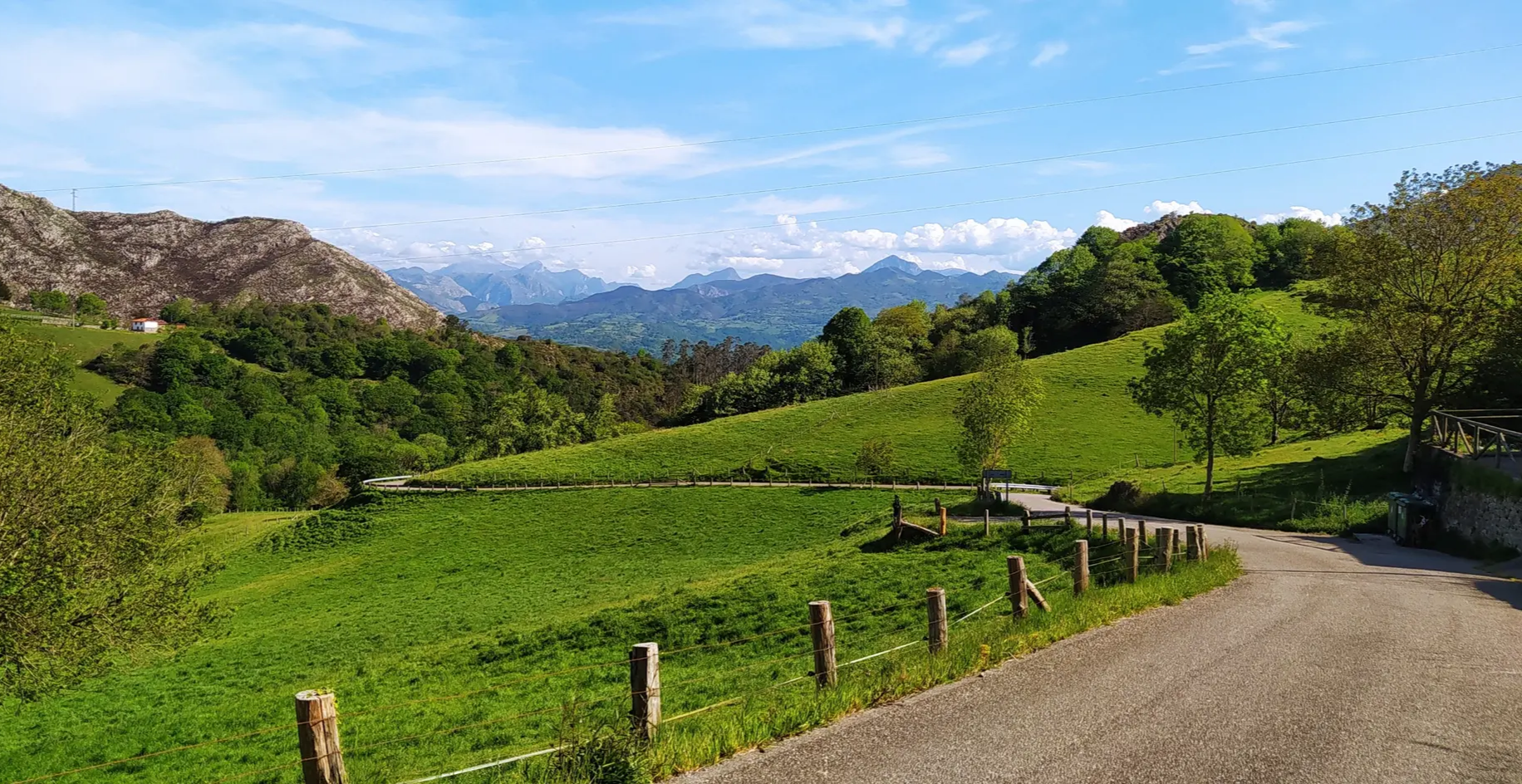
No traffic touring cycling routes around National Park Redes traverse a landscape characterized by the Cantabrian Mountains, featuring elevations from 400 meters to over 2,000 meters. The park's terrain includes extensive beech and oak forests, glacial valleys, and karstic formations with dramatic rock features. Numerous rivers, streams, and waterfalls, including the Nalón River, define the park's hydrology. This diverse topography provides varied conditions for touring cyclists.
Best no traffic touring cycling routes around National Park Redes
- The most popular no…
Last updated: May 16, 2026
3
riders
25.6km
02:59
1,250m
1,250m
Hard bike ride. Very good fitness required. You may need to push your bike for some segments of this route.
3
riders
34.4km
03:22
1,160m
1,160m
Hard bike ride. Very good fitness required. Mostly paved surfaces. Suitable for all skill levels.

Sign up for free
7
riders
41.8km
03:30
1,060m
1,060m
Cycle a difficult 26.0-mile (41.8 km) route from Pola de Laviana to Ciañu, exploring coal trails and the Nalón river in Asturias.
21
riders
27.9km
02:20
530m
530m
Hard bike ride. Very good fitness required. Mostly paved surfaces. Suitable for all skill levels.
13
riders
31.4km
03:28
1,270m
1,270m
Hard bike ride. Very good fitness required. Mostly paved surfaces. Suitable for all skill levels.
Get access to more routes and recommendations from other explorers.
Sign up for free
Already have an account?
Our route recommendations are based on thousands of hikes, rides, and runs completed by other people on komoot.
Start today with a free account
Your next adventure awaits.
Login or Signup
Popular around National Park Redes

Other adventures around National Park Redes

Tips from the Community

Those who live do not forget all the guerrillas, linking loyal support points of the resistance in their fight for peace, freedom, and a more humane and just world. This guerrilla struggle in Asturias lasted for 15 years, from October 21, 1937, to October 13, 1952.
1
0

Great spot to admire the scenery and take photos
0
0

Another place on this route to contemplate beautiful landscapes.
0
0
Beautiful, majestic, the mountain imposes.
0
0
Monument dedicated to the guerrillas who hid in the mountains during the Spanish Civil War.
0
1

It is worth the effort to get there just for the views of Peña Mea
1
0

The Alto de la Faya de los Lobos is a well-known ascent that has been a passing area for the Vuelta a España and the Vuelta a Asturias. A fairly wide road (no shoulder) and in good condition that awaits us with an average slope of 5.37% and a maximum of 8-9% over the 6.7 km of the climb.
1
0

Ciañu has a rich historical heritage, with old buildings and monuments that reflect its past. Also, the Ciañu area is perfect for nature lovers, with numerous trails and hiking trails that allow you to explore the forests, mountains, and rural landscapes of the region.
1
0
Frequently Asked Questions
How many no-traffic touring cycling routes are available in National Park Redes?
There are 17 dedicated no-traffic touring cycling routes in National Park Redes, all offering challenging terrain and stunning natural beauty. These routes are designed for cyclists seeking a demanding yet rewarding experience away from vehicular traffic.
What is the typical terrain and difficulty level of these no-traffic touring routes?
The routes in National Park Redes are characterized by a dramatic, mountainous topography, with significant elevation changes. All routes listed are classified as difficult, featuring challenging climbs and descents. The park's karstic landscape and glacial valleys mean you'll encounter varied surfaces, making them ideal for experienced touring cyclists with good fitness levels.
Are there any family-friendly or easy no-traffic cycling options in National Park Redes?
Given the park's rugged and mountainous terrain, all the touring cycling routes listed are rated as difficult. There are no easy or moderate options specifically for touring cyclists in this selection. The park's challenging nature is better suited for experienced riders. For families, some sections of trails like the Ruta del Alba (primarily a hiking trail) might be suitable for very leisurely, short rides, but not the dedicated touring routes.
What natural features or landmarks can I expect to see along these routes?
National Park Redes is rich in natural beauty. You can expect to encounter extensive beech and oak forests, glacial valleys, and numerous rivers and streams. Notable features include the Tabayón del Mongayu Waterfall, a 60-meter cascade, and the impressive limestone formations of the karstic landscape. Many routes offer panoramic views across the Cantabrian Mountains from higher points like Peña Mea.
Are there any specific villages or points of interest to visit near the routes?
Yes, several charming traditional Asturian villages serve as excellent starting points or points of interest. Soto de Agues Village, Caleao, Tarna, and Bezanes are examples where you can experience local culture. The Arrudos Trail, though primarily for hiking, is a significant natural highlight near some routes. You might also pass through areas like the Tanes reservoir, known for birdwatching.
What do other touring cyclists say about their experience in National Park Redes?
The komoot community highly rates touring cycling in National Park Redes, with an average score of 4.6 stars. Reviewers frequently praise the challenging yet rewarding climbs, the stunning natural scenery, and the peaceful, traffic-free environment that allows for an immersive outdoor experience.
Are there any circular no-traffic touring routes available?
Yes, many of the no-traffic touring routes in National Park Redes are designed as loops, allowing you to start and finish in the same location. For example, the Caleao Village – Arrudos Trail loop and the Fresneo Junction – Alto de La Faya de Los Lobos loop are excellent circular options for exploring the park's diverse landscapes.
What is the best time of year for touring cycling in National Park Redes?
The best time for touring cycling in National Park Redes is generally from late spring to early autumn (May to October). During these months, the weather is more stable, and the higher mountain passes are typically free of snow. Autumn offers spectacular displays of color in the extensive beech forests. Winter cycling can be challenging due to snow and ice, especially at higher elevations.
Are there options for parking or public transport access to the routes?
Many routes start from small villages within or on the periphery of the park, such as Soto de Caso, Caleao, or La Pola Llaviana, where parking is typically available. Public transport options to these remote villages can be limited, so planning your journey in advance is advisable. It's best to check local bus schedules for specific village access.
What kind of wildlife might I encounter along the no-traffic cycling paths?
Redes Natural Park is a UNESCO Biosphere Reserve, home to rich biodiversity. While cycling, you might spot various bird species, including raptors. The park is also known for its populations of deer, wild boar, and even brown bears, though bear sightings are rare. The extensive forests and high-altitude meadows provide diverse habitats for a wide range of fauna.
Can I find cafes, pubs, or accommodation near the no-traffic touring routes?
Yes, the small traditional villages within and around the park, such as Soto de Caso, Caleao, and Soto de Agües, often have local cafes, pubs, and guesthouses or rural accommodations. These villages serve as convenient spots to refuel and rest. However, services can be sparse between villages, so it's wise to carry sufficient water and snacks.
Most popular routes around National Park Redes
Most popular attractions around National Park Redes

Get inspired with the komoot mobile app


Explore more
Browse the best Cycling routes in other regions.
