The best hikes from bus stations around Parco naturale regionale delle Alpi Apuane
4.5
(9431)
44,429
hikers
207
hikes
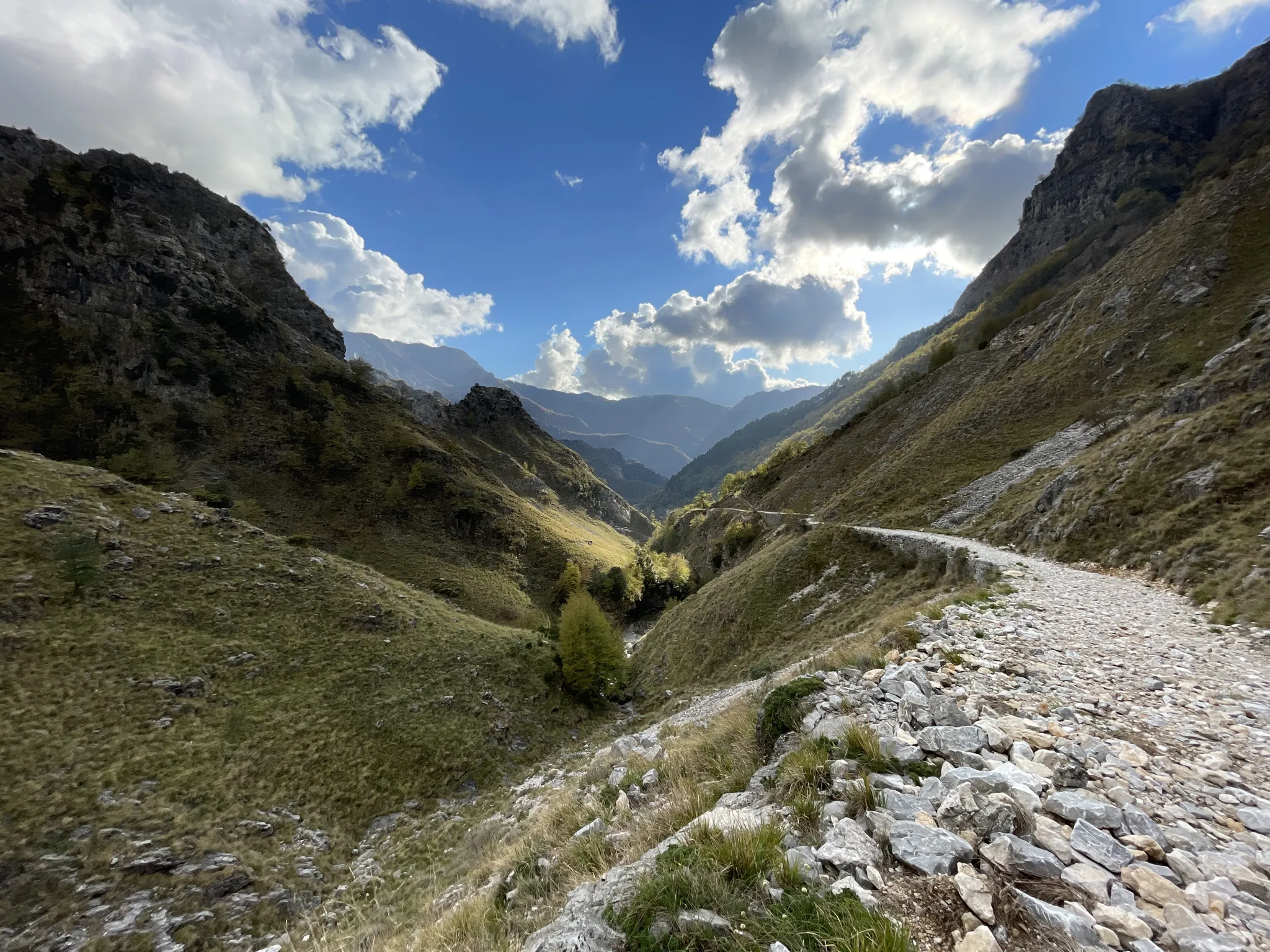
Bus station hiking trails around Parco naturale regionale delle Alpi Apuane traverse a rugged and mountainous landscape in northern Tuscany. The region is characterized by dramatic peaks, unique karst geological formations, and small lakes. These mountains are in close proximity to the coast, offering expansive views and a mild climate.
Best bus station hiking trails around Parco naturale regionale delle Alpi Apuane
- The most popular bus station hiking route is Lake Vagli - Ring tour, a 3.2 miles (5.2…
Last updated: May 16, 2026
4.4
(57)
235
hikers
5.16km
01:23
70m
60m
Easy hike. Great for any fitness level. Easily-accessible paths. Suitable for all skill levels.
5.0
(5)
22
hikers
5.62km
01:38
140m
140m
Moderate hike. Great for any fitness level. Mostly accessible paths. Sure-footedness required.

Sign up for free
4.4
(8)
23
hikers
11.6km
03:51
500m
500m
Moderate hike. Good fitness required. Mostly accessible paths. Sure-footedness required.
4.4
(5)
22
hikers
9.49km
03:04
420m
430m
Moderate hike. Good fitness required. Mostly accessible paths. Sure-footedness required.
4.6
(10)
36
hikers
7.18km
02:41
440m
440m
Hard hike. Good fitness required. Sure-footedness, sturdy shoes and alpine experience required.
Get access to more routes and recommendations from other explorers.
Sign up for free
Already have an account?
Our route recommendations are based on thousands of hikes, rides, and runs completed by other people on komoot.
Start today with a free account
Your next adventure awaits.
Login or Signup
Popular around Parco naturale regionale delle Alpi Apuane
Other adventures around Parco naturale regionale delle Alpi Apuane


Tips from the Community

Currently closed due to construction work
0
0

A fantastic bridge with a fantastic view of the reservoir. There are also a few glass panels in the middle of the bridge, but due to the pattern, they're not quite as transparent.
1
0
There are some statues of current / Trump and past people here.
0
0

A very easy and pleasant ride. Much of the route follows secondary roads with very little traffic. Splendid views of Fosdinovo Castle, the mouth of the Magra River, and the Bay of La Spezia.
1
0

Perhaps the best preserved in Lunigiana, high on the hill overlooking the Magra plain. Still belonging to the Malaspina descendants, it has dominated the town since the 12th century and is at the center of numerous legends. With a quadrangular plan, it has four round towers, a semicircular bastion, two internal courtyards, patrol walkways from which you can see the sea and an outpost in the direction of the village. It was originally protected by a drawbridge. The fortress appears as a medieval structure, in fact expanded in the 14th century by Spinetta and Galeotto Malaspina and renovated several times over the centuries. The main entrance welcomes us with a marble shield depicting a dog with a flowering thorn in its mouth, symbol of the friendship between the Malaspina and the Scaligeri of Verona. From the top of the castle you can see the elongated structure of the village, arranged along the hill. There are many legendary stories about the castle of Fosdinovo: from Bianca Malaspina to the Marquise Cristina Pallavicini The Marquise Cristina Pallavicini, who governed the fiefdom for a long time after the death of her husband Ippolito, seems to have been an evil and lustful woman and had the habit of throwing her lovers from the trapdoor at the foot of the bed in her trap room with the torture chamber below. Another legend linked to the castle of Fosdinovo and much older than that of the Marquise Bianca Maria Aloisia, daughter of the Marquis Malaspina, who fell in love with the stableman of the castle and, because of this feeling, was walled up alive together with a wild boar, a symbol of rebellion against the family, and a dog, a symbol of loyalty towards the beloved. Legend has it that, walking through the castle, you can still perceive the presence of the unfortunate princess! Another reason to visit the Malaspina castle is the fact that tradition has it that the “great poet” Dante Alighieri stayed in its rooms, called to Lunigiana in 1306 by the Marquis Franceschino Malaspina.
0
0

Beautiful, little water when we passed, but very suggestive.
0
0

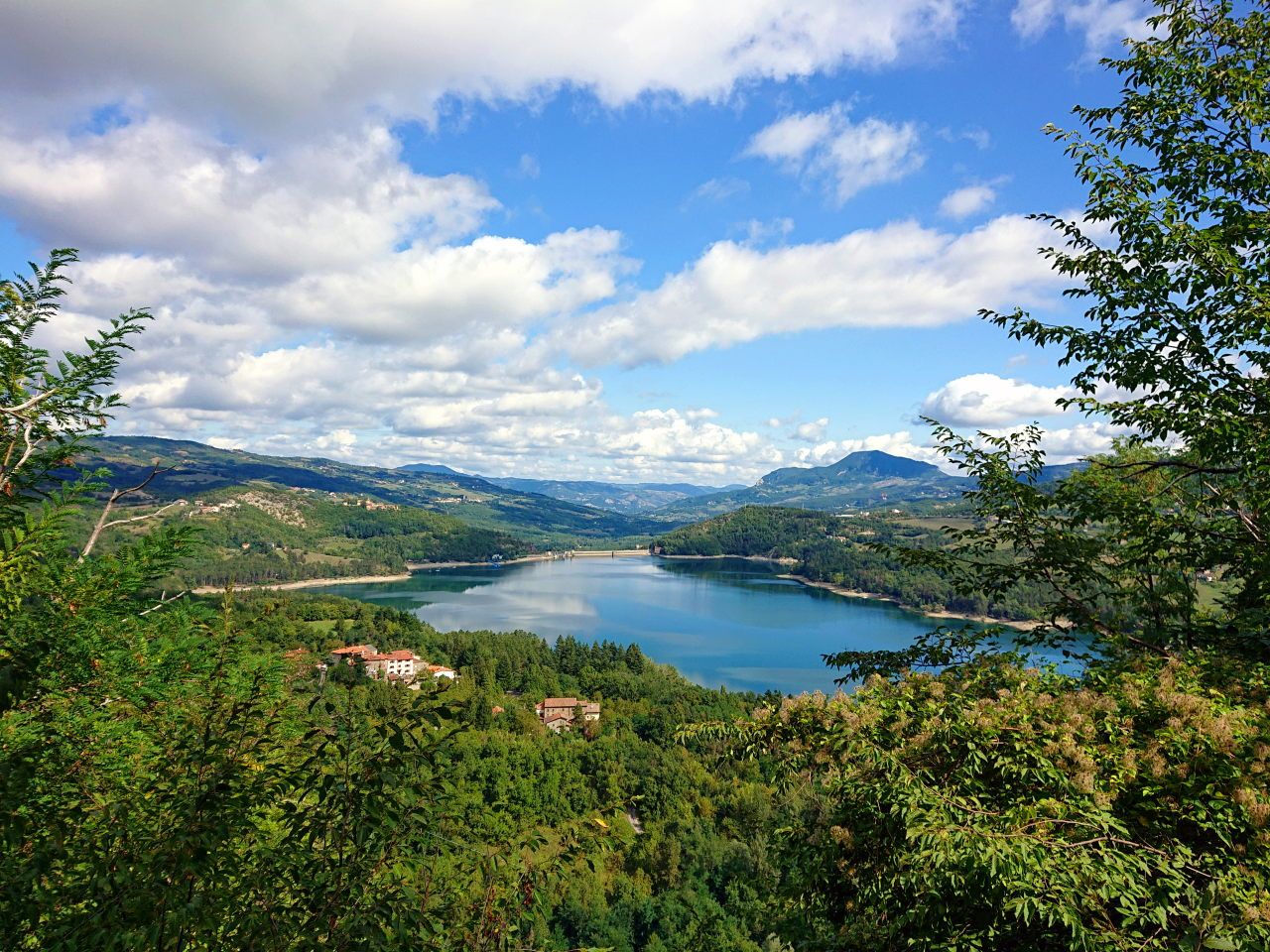
View of the lake from the east side along the provincial road, with the Apuan Alps in the background.
0
0
Frequently Asked Questions
How many bus station hiking trails are available in Parco naturale regionale delle Alpi Apuane?
There are over 190 hiking trails accessible from bus stations in the Parco naturale regionale delle Alpi Apuane. These routes offer a variety of experiences, from easy strolls to more challenging ascents, all reachable via public transport.
Are there easy bus-accessible hikes suitable for beginners or families?
Yes, the region offers numerous easy trails perfect for beginners or families. For example, the Lake Vagli - Ring tour is an easy 5 km route with minimal elevation gain, allowing you to enjoy the scenic beauty of Lake Vagli, which famously submerges the ghost town of Fabbriche di Carreggine.
Can I find challenging bus-accessible routes in the Apuan Alps?
Absolutely. For those seeking a more strenuous adventure, the Parco naturale regionale delle Alpi Apuane provides challenging bus-accessible routes. An example is the Fosdinovo Castle – Agriturismo La Selva loop from Fosdinovo, a difficult 15.5 km hike with significant elevation changes, offering rewarding views and a good workout.
Are there any circular hiking routes accessible by bus?
Yes, many routes are designed as circular walks, allowing you to start and end at the same bus stop without needing to retrace your steps. The Lake Vagli - Ring tour is a great example of a circular route, providing a complete loop around the lake.
What kind of natural features can I expect to see on these trails?
The Parco naturale regionale delle Alpi Apuane is renowned for its dramatic karst landscapes. You can expect to encounter rugged mountainous terrain, unique geological formations like natural arches, and deep river gorges. The region is also home to extensive cave systems, such as the Grotta del Vento, and picturesque small lakes.
Are there any interesting landmarks or attractions near the bus-accessible trails?
Yes, the region is rich in natural and historical landmarks. You can explore the famous Monte Forato Natural Arch, a spectacular rock formation, or visit charming traditional villages. The area is also known for the Carrara Marble Quarries, some of which are open for visits, offering a glimpse into the region's industrial heritage.
What is the best time of year to go hiking from bus stations in the Apuan Alps?
The mild climate of the Apuan Alps, influenced by its proximity to the sea, makes it suitable for hiking year-round. However, spring and autumn generally offer the most pleasant conditions with moderate temperatures and vibrant scenery. Summer can be warm, especially at lower altitudes, while winter hikes are possible but may require appropriate gear for higher elevations.
What do other hikers enjoy most about the bus-accessible trails in Parco naturale regionale delle Alpi Apuane?
The area is highly rated by the komoot community, with an average score of 4.55 stars. Reviewers often praise the stunning and varied landscapes, the unique geological features, and the convenience of accessing diverse trails directly from public transport hubs. The breathtaking views stretching to the sea are also frequently highlighted.
Are there any trails that pass by historical sites or cultural points of interest?
Many trails in the region offer a blend of natural beauty and cultural heritage. For instance, the Agriturismo La Selva – Oratory of the Rossi, Fosdinovo loop from Fosdinovo takes you through areas with historical significance, including the charming village of Fosdinovo and its castle, providing insights into the local history and architecture.
Can I bring my dog on the bus-accessible hiking trails?
Generally, dogs are welcome on most hiking trails in the Parco naturale regionale delle Alpi Apuane, provided they are kept on a leash and you adhere to local regulations, especially concerning protected wildlife areas. It's always advisable to check specific trail rules or park guidelines before heading out with your canine companion.
Are there any trails that offer views of the sea?
Yes, due to the Apuan Alps' unique proximity to the coast, many trails, especially those at higher elevations, offer spectacular panoramic views that stretch out to the nearby Ligurian Sea. The dramatic contrast between rugged mountains and the sparkling coastline is a highlight for many hikers.
What is the typical duration of a bus-accessible hike in this region?
The duration of bus-accessible hikes varies significantly depending on the route's length and difficulty. You can find shorter, easy walks like the Lake Vagli - Ring tour, which takes around 1.5 hours, to moderate trails such as Garfagnana Trekking - Stage 5 (around 1 hour 40 minutes), and longer, more challenging routes that can take several hours, like the Fosdinovo Castle – Agriturismo La Selva loop from Fosdinovo (approximately 5 hours).
Most popular routes around Parco naturale regionale delle Alpi Apuane
Most popular attractions around Parco naturale regionale delle Alpi Apuane

Get inspired with the komoot mobile app


Explore more
Browse the best Hikes in other regions.
