The best city hikes and walks around Parco Regionale Veneto del Delta del Po
4.2
(532)
5,787
hikers
42
hikes
Urban hiking trails around Parco Regionale Veneto del Delta del Po traverse a unique landscape where the Po River meets the Adriatic Sea. This region is characterized by extensive wetlands, lagoons, and reed beds, alongside ancient fossil dunes and coastal forests. Hikers can explore a diverse environment including pinewoods, oases, marshes, and salt flats, offering a distinct blend of land and water features. The terrain is generally flat, providing accessible routes for various activity levels.
Best urban hiking trails around…
Last updated: May 16, 2026
3.9
(13)
127
hikers
Moderate hike. Good fitness required. Easily-accessible paths. Suitable for all skill levels.
4.6
(8)
208
hikers
8.77km
02:12
0m
0m
Moderate hike. Good fitness required. Easily-accessible paths. Suitable for all skill levels.
36
hikers
Easy hike. Great for any fitness level. Easily-accessible paths. Suitable for all skill levels.
Get access to more routes and recommendations from other explorers.
Sign up for free
Already have an account?
Our route recommendations are based on thousands of hikes, rides, and runs completed by other people on komoot.
Start today with a free account
Your next adventure awaits.
Login or Signup
Popular around Parco Regionale Veneto del Delta del Po
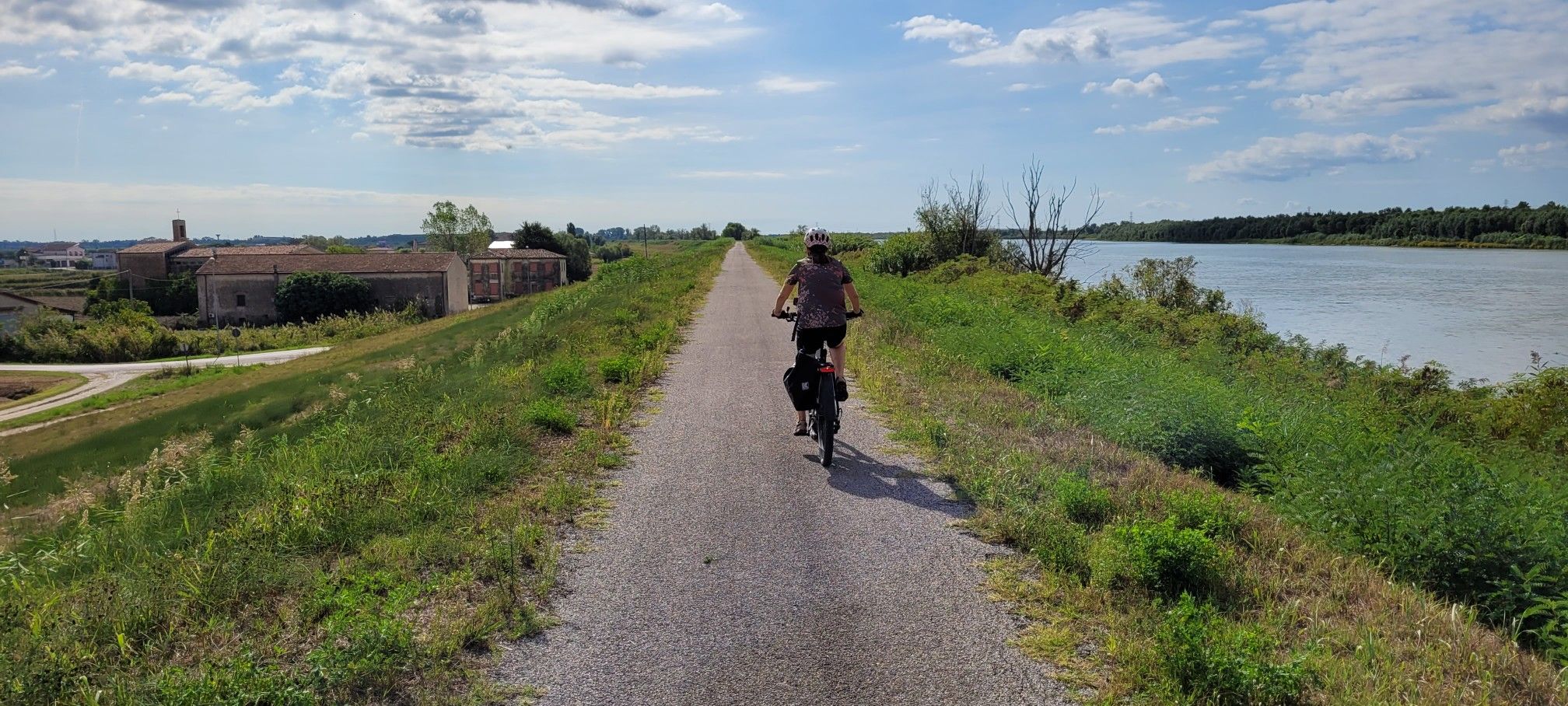
Ciclovie del Po — An all-round experience along Italy's longest river
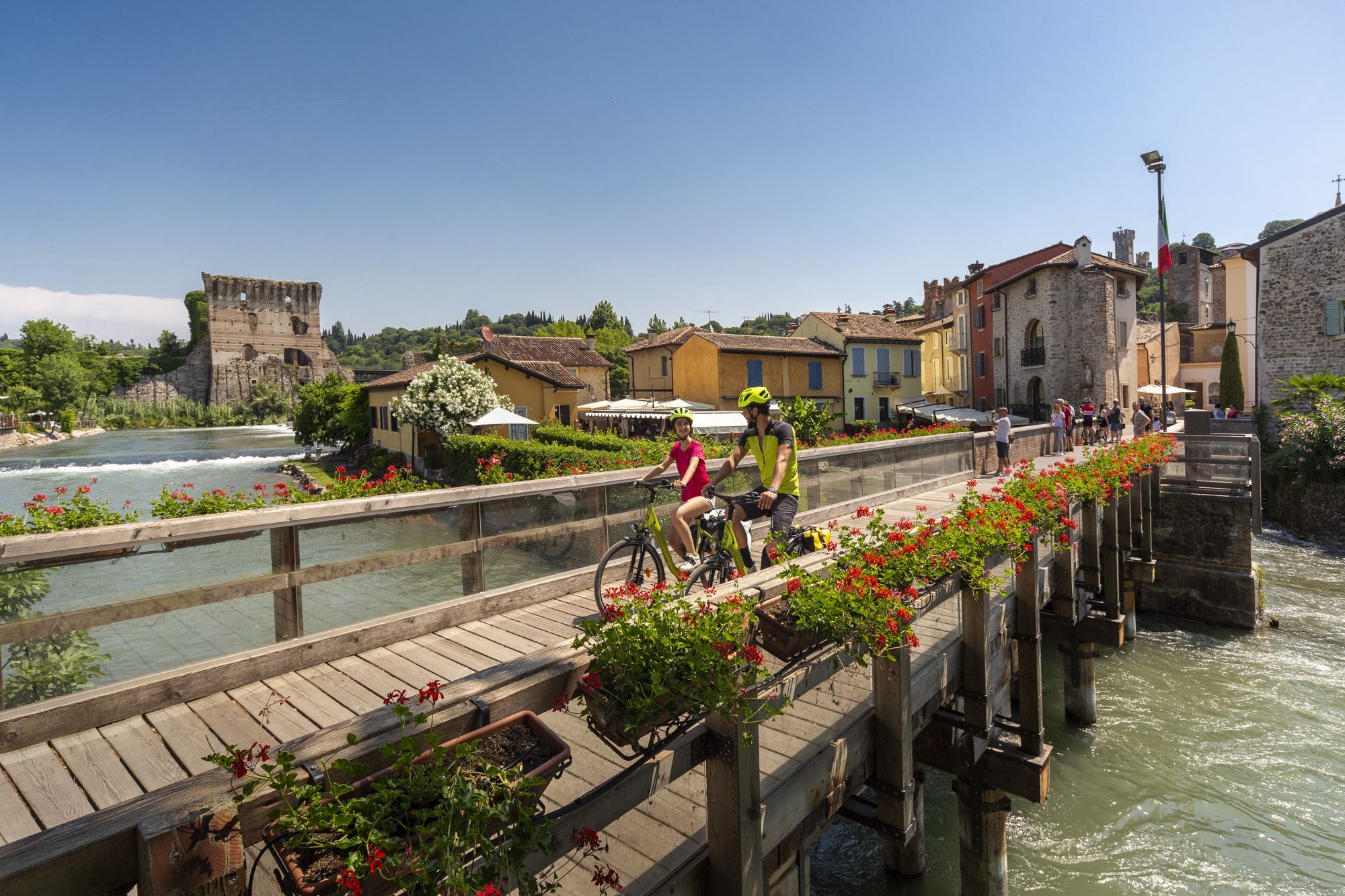
Explore Veneto at a slow pace – day trips by bike
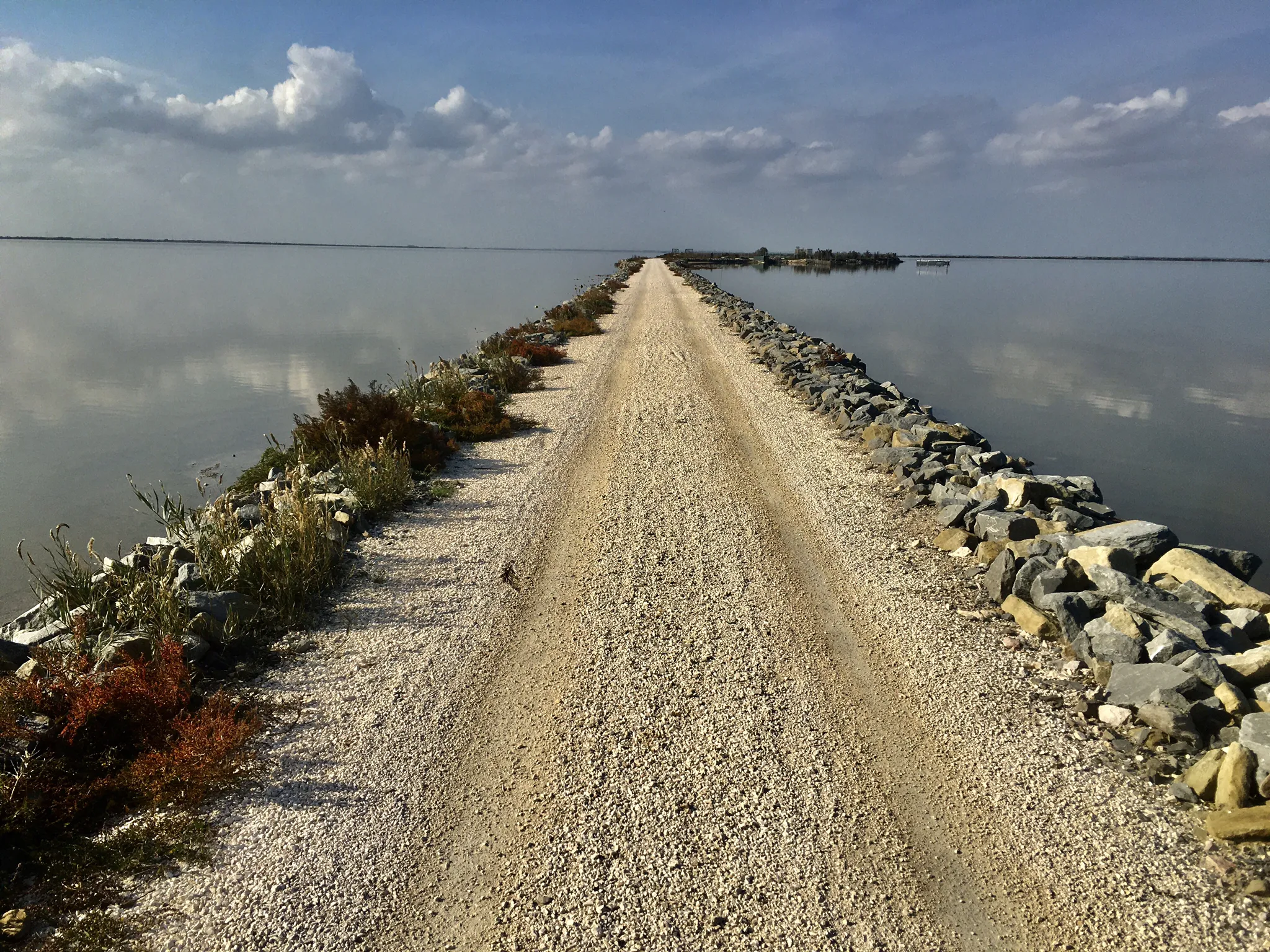
Sea, Lagoon and Nature - Discover the Po Delta
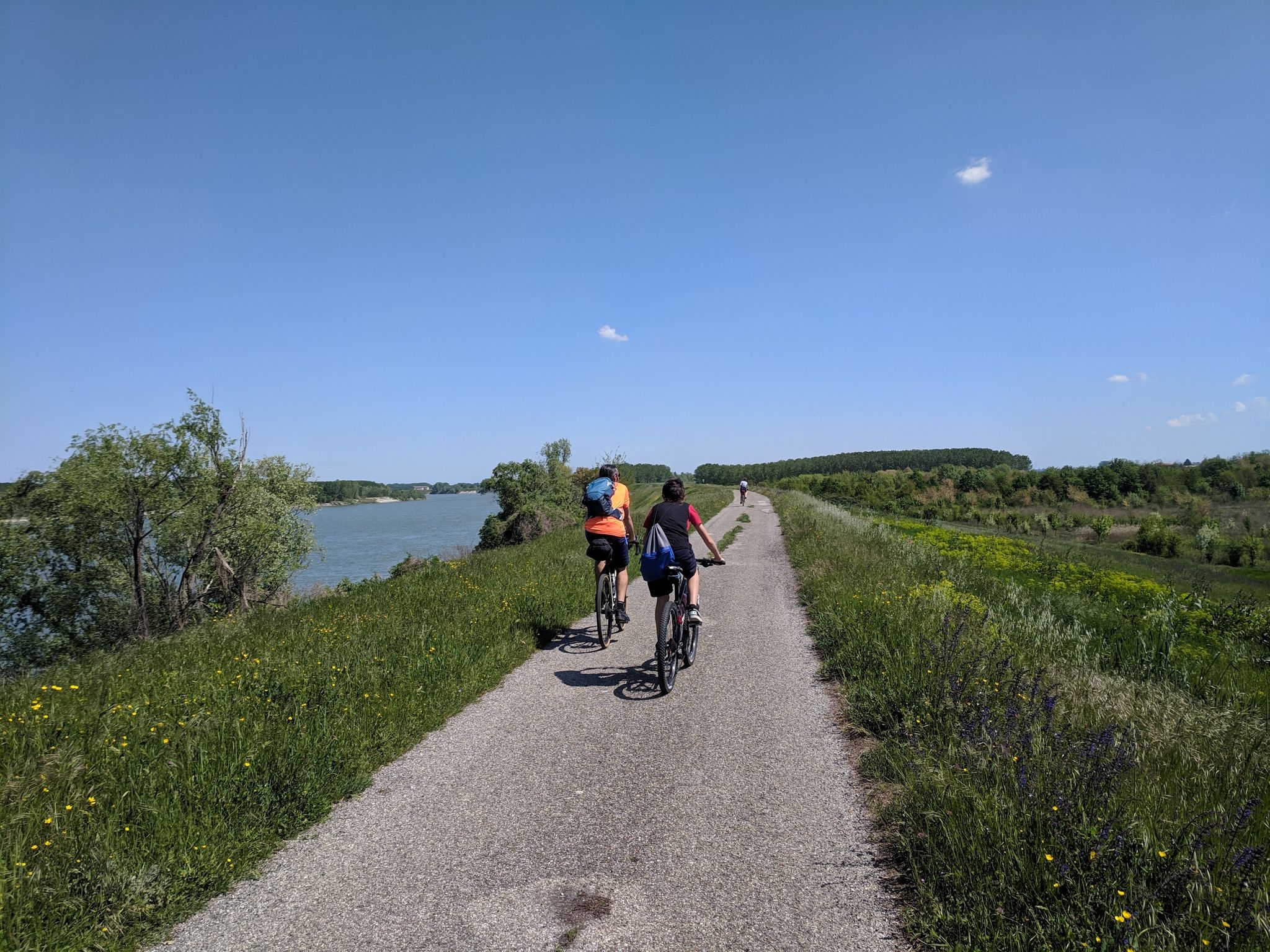
Ride along a winding river – Italy's Ciclovia Destra Po
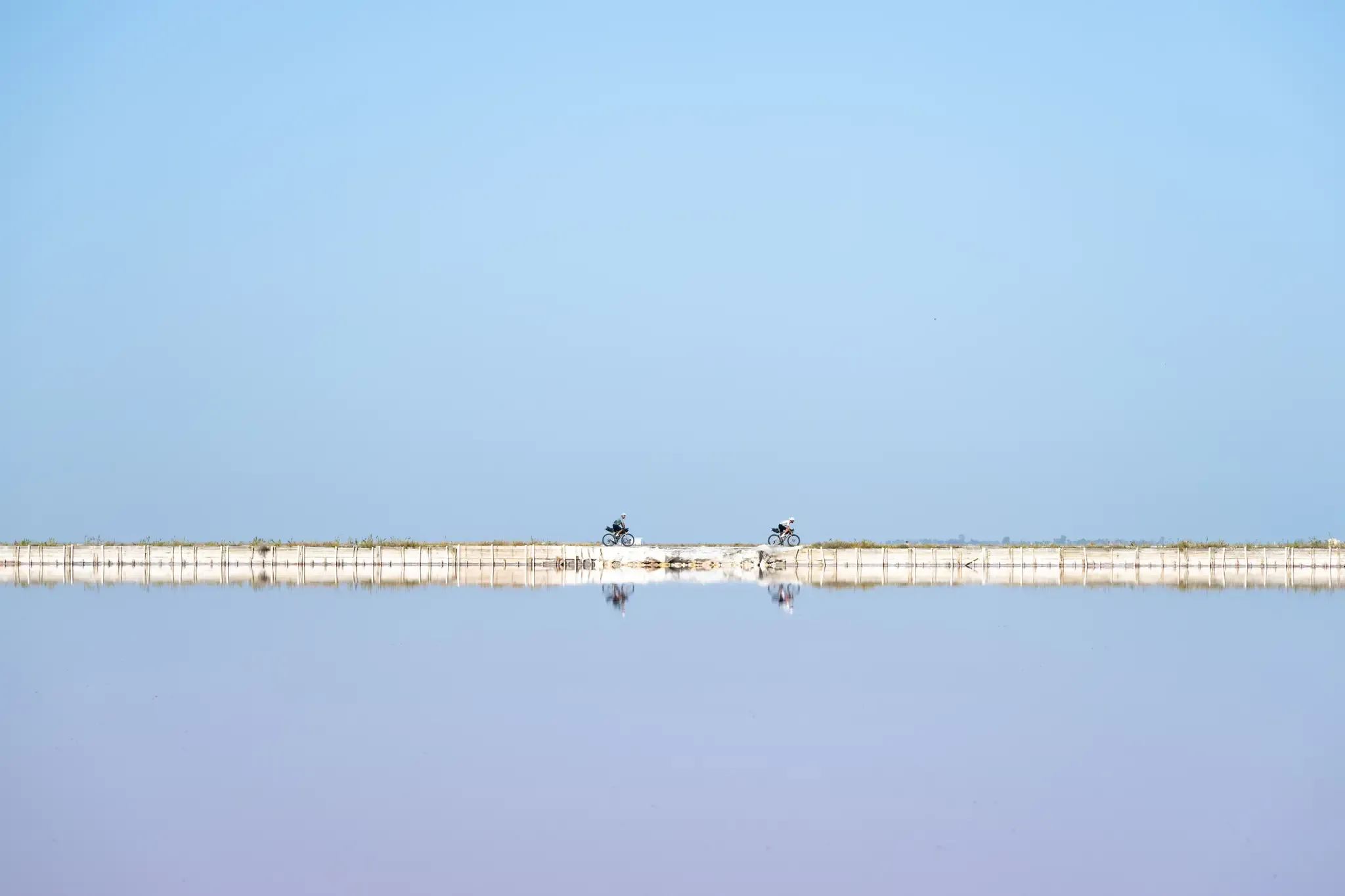
Trieste to Santa Maria di Leuca – the Adriatic Cycle Route
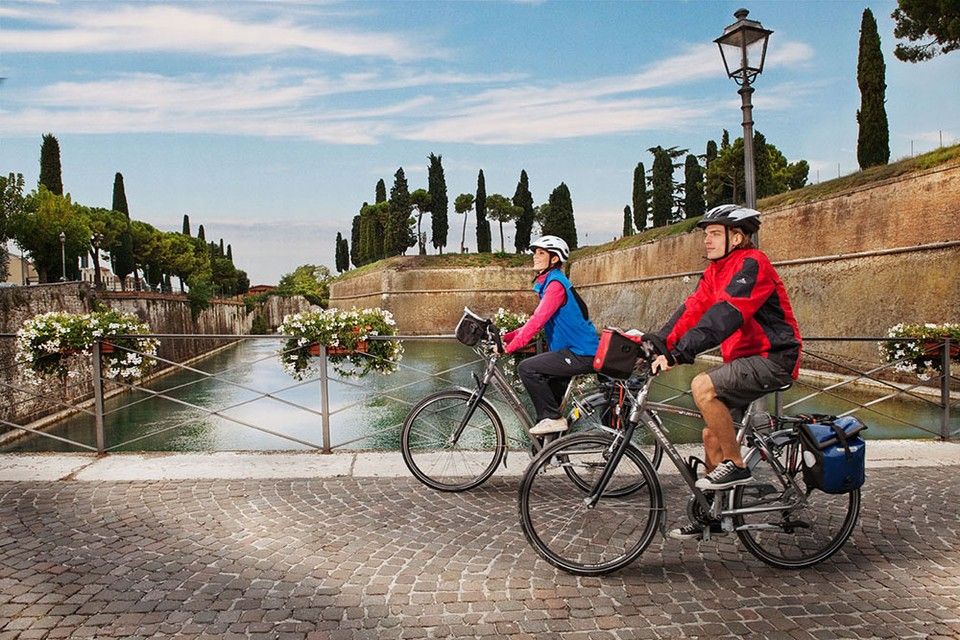
Between Lake Garda and the Adriatic Sea – cycle Tours in Italy’s Veneto
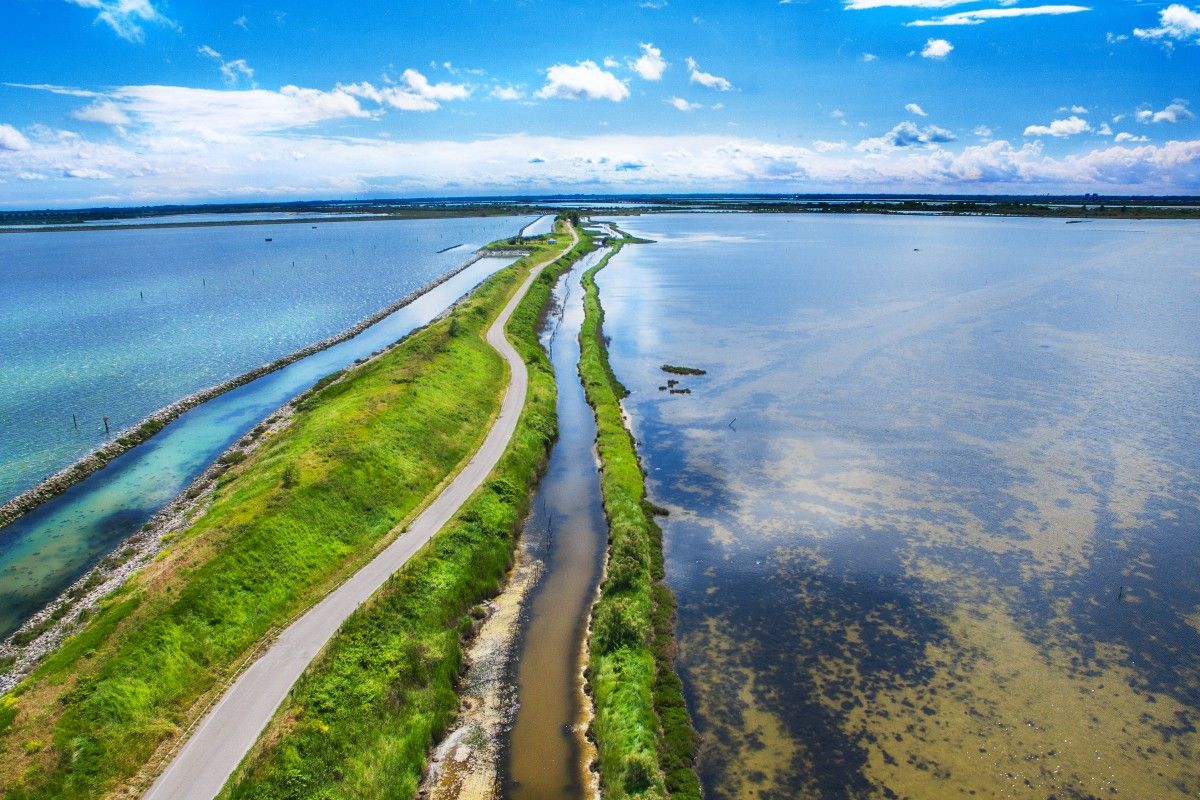
Delta del Po in e-bike – itinerari tra fiume, mare e laguna con DINAclub
Other adventures around Parco Regionale Veneto del Delta del Po


Tips from the Community

The original church from the 12th century was destroyed in 1379 during the War of Chioggia. The current building consists of two parts, one dating from the 18th century, the other was inaugurated at the beginning of the 20th century. It is the main church of the Vicariate of Sottomarina in the Diocese of Chioggia.
0
0
The bronze monument is dedicated to the fallen at sea.
0
0

A town that preserves intact the traits of its maritime tradition, with its canals crossed by numerous bridges and the characteristic courtyards that open onto the waterways, offering evocative views. The brightly colored houses along the Vena Canal are one of Chioggia's most distinctive features, making it resemble a miniature of the lagoon capital, but with a livelier and more intimate feel.
0
0

Parish of Sant'Andrea Apostolo, Chioggia Church of Sant'Andrea Apostolo The Church of Sant'Andrea was reconstructed in the first half of the 18th century on the site of an earlier Romanesque medieval church. Its current façade is in the Baroque style, but it retains the original three-aisled layout. Inside, one can admire works such as: - the frescoes of the nave, dome, and central aisle by Giuseppe Cherubini (1912 and 1927); - the baptismal font, a marble altar formerly attributed to Sansovino but now attributed to the workshop of Lombardo or Lorenzo Bregno (late 15th century), on the left; - Saint Anne with the Virgin (c. 1770) by Antonio Marinetti; - Saints Vito, Modesto, Marco, Crescenzia, and Giuliana (1585) by Palma il Giovane; The Crucifixion (1523), attributed to Palma il Vecchio. Next to the Church of Sant'Andrea rises the 10th-century Romanesque bell tower. This defensive tower, converted into a bell tower, is also called the Clock Tower because it houses the oldest still-functioning tower clock in the world. Text / Source: Municipality of Chioggia https://www.visitchioggia.com/de/entdecken/sehenswerte-orte/standortdetails/#/infrastrukturen/TRN/cb3dd4b2-e034-496b-80da-a8f4b2ff7161
14
0
Palazzo Comunale (Town Hall), Chioggia / Municipio The current Town Hall is a relatively new building, occupying the site of the former Praetorian Palace. This medieval structure had a central section with a monumental staircase and two side towers, one of which housed the antique clock, now located in the Sant'Andrea Tower. A fire in 1817 led to the demolition of the Praetorian Palace and the construction of the new Town Hall, built according to a typical Habsburg layout: an imposing neoclassical building. The bas-relief on the central tympanum depicts the coat of arms of the city of Chioggia: a rampant lion with a trident and spade at its sides, symbolizing fishing and horticulture, the main economic activities of Chioggia and Sottomarina. For many years it was used as a prison: On the opposite side of the facade, on the banks of the Vena River, is a gigantic door leading to the prisons. The portico contains many tombstones of historical figures and events, and the courtyard features a fountainhead from the Filipino Oratory. On the first floor is the council chamber, which houses three busts of Vittorio Emanuele II, Eleonora Duse, and Giuseppe Veronese, a canvas by Antonio Vassilacchi, and a reproduction of an antique map of Chioggia by Sabbadino. As a venue for ceremonies, it hosted various artistic performances dedicated to actresses like Eleonora Duse and composers such as Gioseffo Zarlino, born in Chioggia on March 22, 1517. He was a composer and music theorist from Chioggia who maintained close ties to his city. He is considered a Renaissance genius and combined many disciplines, including mathematics and astronomy. He was also a fine writer and philosopher; he was fluent in languages: Latin, Hebrew, and Greek, and he wrote the treatise on patience. His works and talent spread rapidly thanks to the invention of movable type and the manuscript; Zarlino articulated the physical basis of sound. Text / Source: Comune di Chioggia https://www.comune.chioggia.ve.it/vivere-il-comune/luoghi/municipio/
14
0
Church of the "Filimates" or Patronage of the Blessed Virgin Mary and Saint Philip Neri, Chioggia The last great religious building from the time of the Serenissima, the Church of the Patronage of the Blessed Virgin Mary and Saint Philip Neri, commonly called "dei Filippini," was built between 1768 and 1772 according to designs by Tommaso Temanza and constructed by Giuseppe Canner, thanks to the generosity of Lodovico Alvise Manin, father of the last Doge of Venice (Lodovico Giovanni Manin), who was Podestà of Chioggia in 1720-21. Count Manin supported the Filipino presence in Chioggia and contributed to the construction of the church, the monastery, and the oratory. The last great religious building from the time of the Serenissima, the Church of the Patronage of the Blessed Virgin Mary and Saint Philip Neri, commonly called "dei Filippini," was built between 1768 and 1772 according to designs by Tommaso Temanza, thanks to the generosity of Lodovico Alvise Manin, father of the last Doge of Venice (Lodovico Giovanni Manin), who was Podestà of Chioggia in 1720-21. Count Manin supported the Filipino presence in Chioggia and contributed to the construction of the church, the monastery, and the oratory. Text / Source: Comune di Chioggia https://www.visitchioggia.com/de/discover/places-worth-seeing/location-details/#/infrastructures/TRN/85400b99-ddfa-4bee-b110-a25472fb9eff
14
0
Vigo Column, Piazzetta Vigo, Chioggia Vigo Column The Vigo Column, located in the square of the same name, is one of the most representative architectural elements of the city of Chioggia. Its location dates back to 1786, at the behest of Podestà Giulio Antonio Mussato. It was created from the collection of artifacts found during excavations in 1763 at the site of the former Praetorian Palace. Text / Source: City of Chioggia, Corso del Popolo, Chioggia (VE) https://www.comune.chioggia.ve.it/vivere-il-comune/luoghi/colonna-di-vigo/
14
0
Frequently Asked Questions
How many urban hiking trails are available in Parco Regionale Veneto del Delta del Po?
There are 38 urban hiking trails in Parco Regionale Veneto del Delta del Po. The majority of these, 27 routes, are considered easy, while 11 are moderate, making the area accessible for various fitness levels.
What do other hikers enjoy most about urban hiking in Parco Regionale Veneto del Delta del Po?
The komoot community highly rates urban hiking in this region, with an average score of 4.26 stars. Reviewers often praise the unique blend of river and sea landscapes, the tranquil environment, and the opportunity to explore charming towns and coastal areas.
Are there any family-friendly urban walks in the Delta del Po region?
Yes, many of the urban trails are suitable for families. The flat terrain and diverse scenery, including coastal paths and town explorations, make for enjoyable outings. Consider routes like the Sottomarina Beach loop from Village Internazionale, which offers easy walking along the coast.
What kind of natural features and landmarks can I expect to see on urban hikes?
Urban hikes in the Delta del Po often blend natural beauty with cultural heritage. You can encounter unique wetlands, coastal forests, and the dramatic meeting points of the Po River and the Adriatic Sea. Notable landmarks include the Panoramic Tower at the Mouth of the Adige River, and historic structures like the Po di Gnocca Pontoon Bridge and Boccasette Pontoon Bridge.
Are there any circular urban hiking routes available?
Yes, many urban trails in the region are designed as loops, offering convenient starting and ending points. Examples include the Ponte Caneva (Chioggia) – Vigo Bridge loop from Camping Oasi, which explores the charming town of Chioggia, and the Camper pitch – Antico Capitello dei Netti loop from Camping Oasi.
What is the best time of year for urban hiking in Parco Regionale Veneto del Delta del Po?
The Delta del Po is beautiful year-round, but spring and autumn offer the most pleasant conditions for urban hiking, with mild temperatures and vibrant natural colors. Summer can be warm, but coastal breezes make it enjoyable, while winter provides a tranquil, often misty atmosphere perfect for birdwatching.
Are there any urban trails that offer views of the wetlands or lagoons?
Absolutely. The region is renowned for its extensive wetlands and lagoons. Many urban routes provide opportunities to observe these unique ecosystems, such as those near Porto Levante and the Sacca Cavallari wetlands or the serene Lagoon of the Dead Trees.
Can I find urban hikes that are suitable for beginners?
Yes, the majority of urban hikes in Parco Regionale Veneto del Delta del Po are easy, making them ideal for beginners. The terrain is generally flat, and routes are well-suited for leisurely walks. There are 27 easy routes to choose from, ensuring a comfortable experience for those new to hiking.
Are there any longer urban hiking routes for those seeking a greater challenge?
While most urban trails are easy to moderate, some offer longer distances. For a more extended urban exploration, consider the Antico Capitello dei Netti – Sottomarina Breakwater Lighthouse loop from Sottomarina, which covers over 16 kilometers and offers diverse coastal and town scenery.
What kind of wildlife can I spot on urban hikes in the Delta del Po?
The Delta del Po is a haven for wildlife, especially birds. Even on urban trails, you can often spot various bird species, including flamingos, herons, and other migratory and resident birds, particularly in areas bordering wetlands or coastal habitats.
Are there urban hiking routes that allow me to explore traditional fishing villages or local culture?
Yes, the region's urban trails often pass through or near ancient fishing villages, offering a glimpse into local traditions and the unique architecture of 'casoni' (traditional fishermen's houses). Routes around Chioggia, for example, provide a rich cultural experience alongside scenic views.
Most popular routes around Parco Regionale Veneto del Delta del Po
Most popular attractions around Parco Regionale Veneto del Delta del Po

Get inspired with the komoot mobile app


Explore more
Browse the best Hikes in other regions.
