The best hikes from bus stations around Nationalpark Hohe Tauern
4.6
(22899)
123,948
hikers
40
hikes
Bus station hiking trails around Nationalpark Hohe Tauern offer access to Austria's largest national park, characterized by its high alpine landscapes. The region features over 300 peaks exceeding 3,000 meters, extensive glacier areas, and numerous mountain lakes and waterfalls. Hikers can explore diverse terrain, from deep valleys and coniferous forests to vast alpine meadows and rugged glacial environments.
Best bus station hiking trails around Nationalpark Hohe Tauern
- The most popular bus station hiking route is Dösental Block Glacier Trail, a 12.2 miles (19.6 km) trail that takes about 9 hours 39 minutes to complete. This difficult route explores a unique block glacier landscape.
- Another top favourite among local hikers is Konradlacke – Dösner Lake loop from Blockgletscherweg Dösental, a difficult 7.9 miles (12.8 km) path. This route offers significant elevation gain and views of mountain lakes.
- Local hikers also love the Gollehenalm – Palfner Alm loop from Wörth Fleckweide, a 5.7 miles (9.2 km) trail leading through alpine pastures and forests, often completed in about 2 hours 38 minutes.
- Hiking around Nationalpark Hohe Tauern is defined by majestic peaks, glacial valleys, and impressive waterfalls, with a network of trails offering options for various ability levels, from easy walks to challenging alpine ascents.
- The routes in Nationalpark Hohe Tauern are highly rated by the komoot community with an average score of 4.6 stars from more than 22,000 reviews. More than 120,000 hikers have used komoot to explore Nationalpark Hohe Tauern's varied terrain.
Last updated: May 16, 2026
4.9
(14)
197
hikers
19.6km
09:39
1,570m
1,570m
Hard hike. Very good fitness required. Sure-footedness, sturdy shoes and alpine experience required.
4.9
(71)
471
hikers
12.8km
05:33
810m
810m
Hard hike. Very good fitness required. Mostly accessible paths. Sure-footedness required.

Sign up for free
4.8
(76)
416
hikers
9.17km
02:39
230m
230m
Moderate hike. Good fitness required. Easily-accessible paths. Suitable for all skill levels.
4.7
(18)
165
hikers
8.84km
04:40
820m
820m
Hard hike. Good fitness required. Sure-footedness, sturdy shoes and alpine experience required.
4.6
(14)
75
hikers
5.53km
01:28
50m
50m
Easy hike. Great for any fitness level. Easily-accessible paths. Suitable for all skill levels.
Get access to more routes and recommendations from other explorers.
Sign up for free
Already have an account?
Our route recommendations are based on thousands of hikes, rides, and runs completed by other people on komoot.
Start today with a free account
Your next adventure awaits.
Login or Signup
Popular around Nationalpark Hohe Tauern
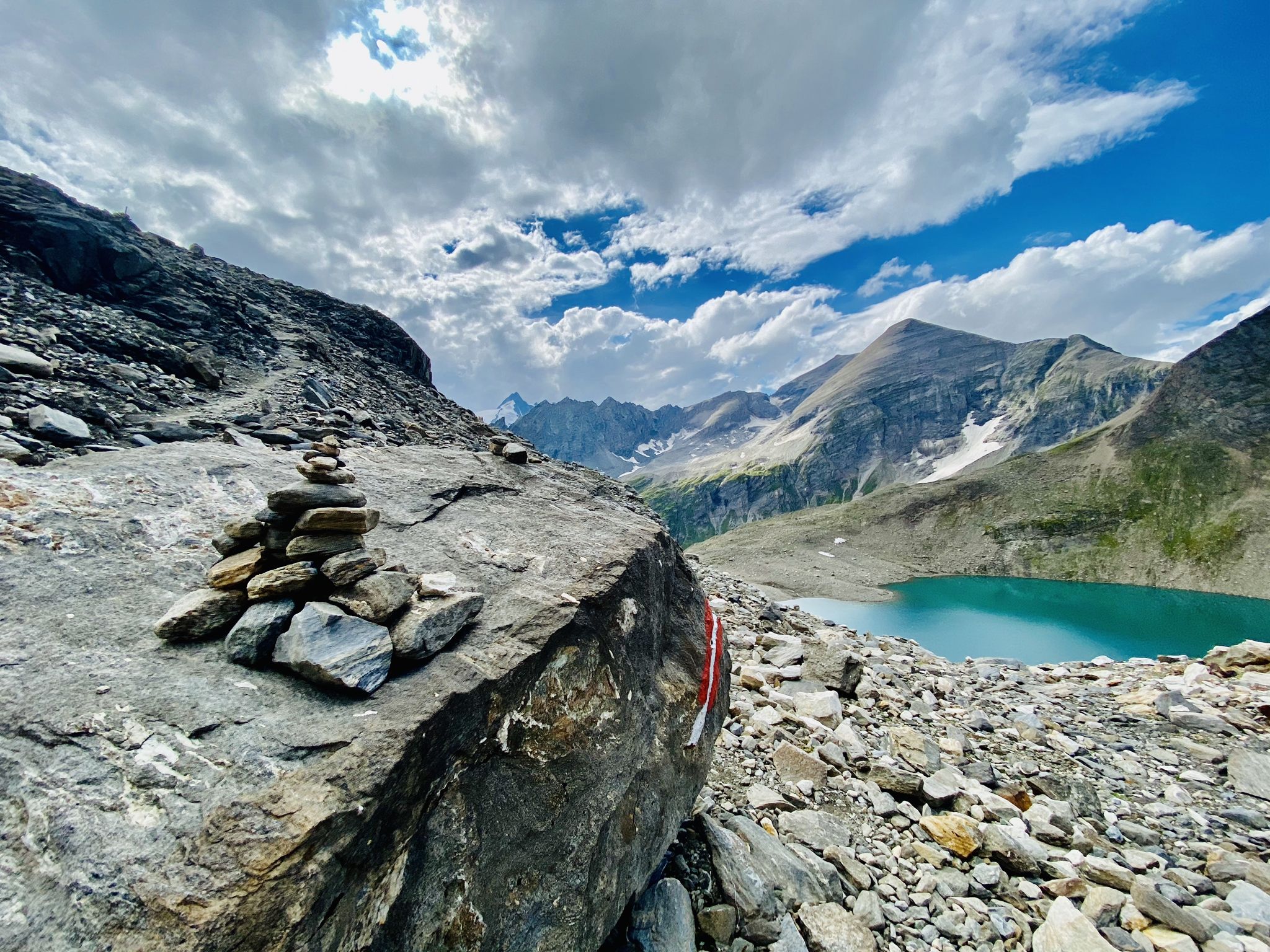
The Tauernhöhenweg – Once across the Hohe Tauern
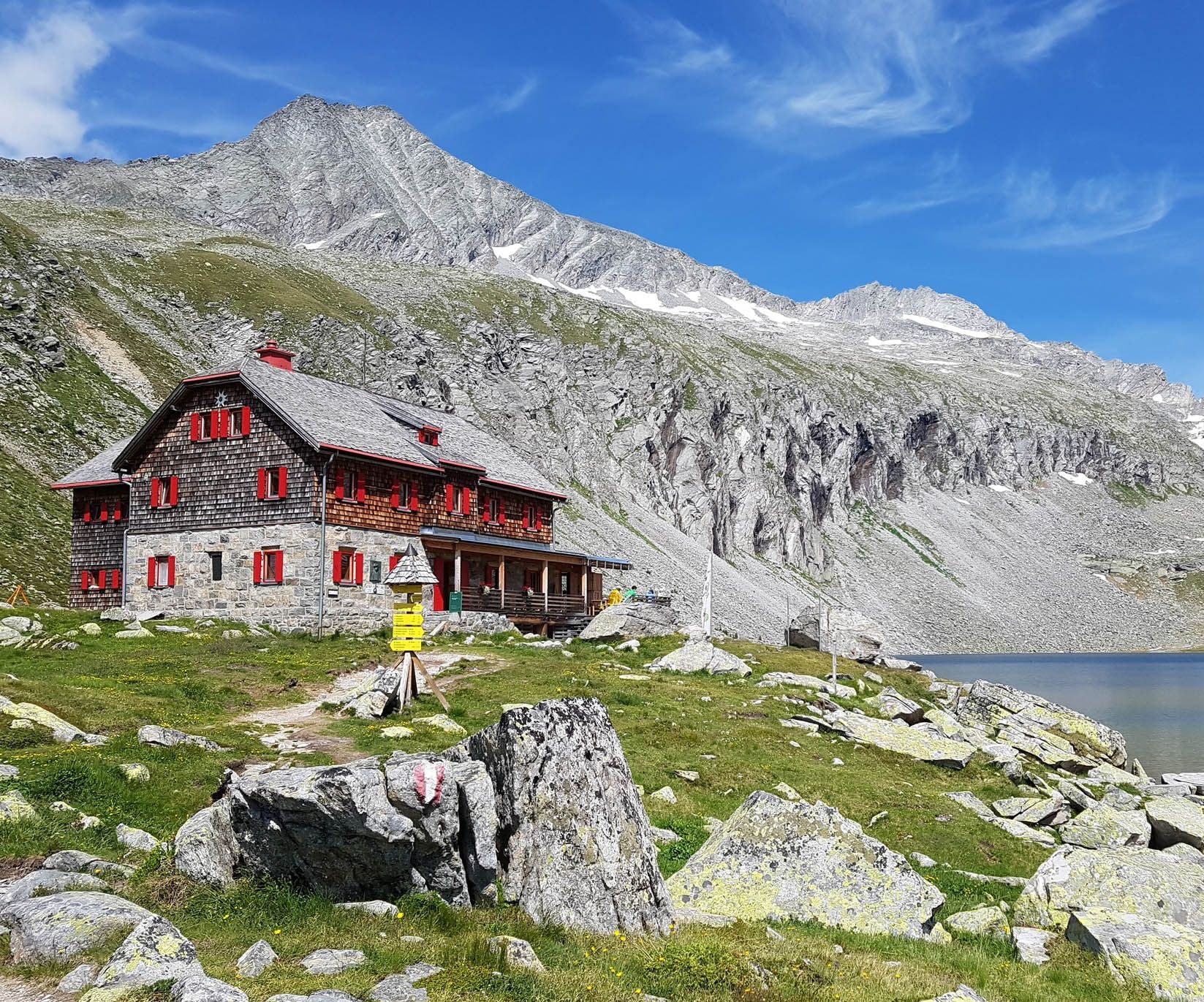
Ruperti Trail – Hike from Austria's Bohemian Forest to the Carnic Alps
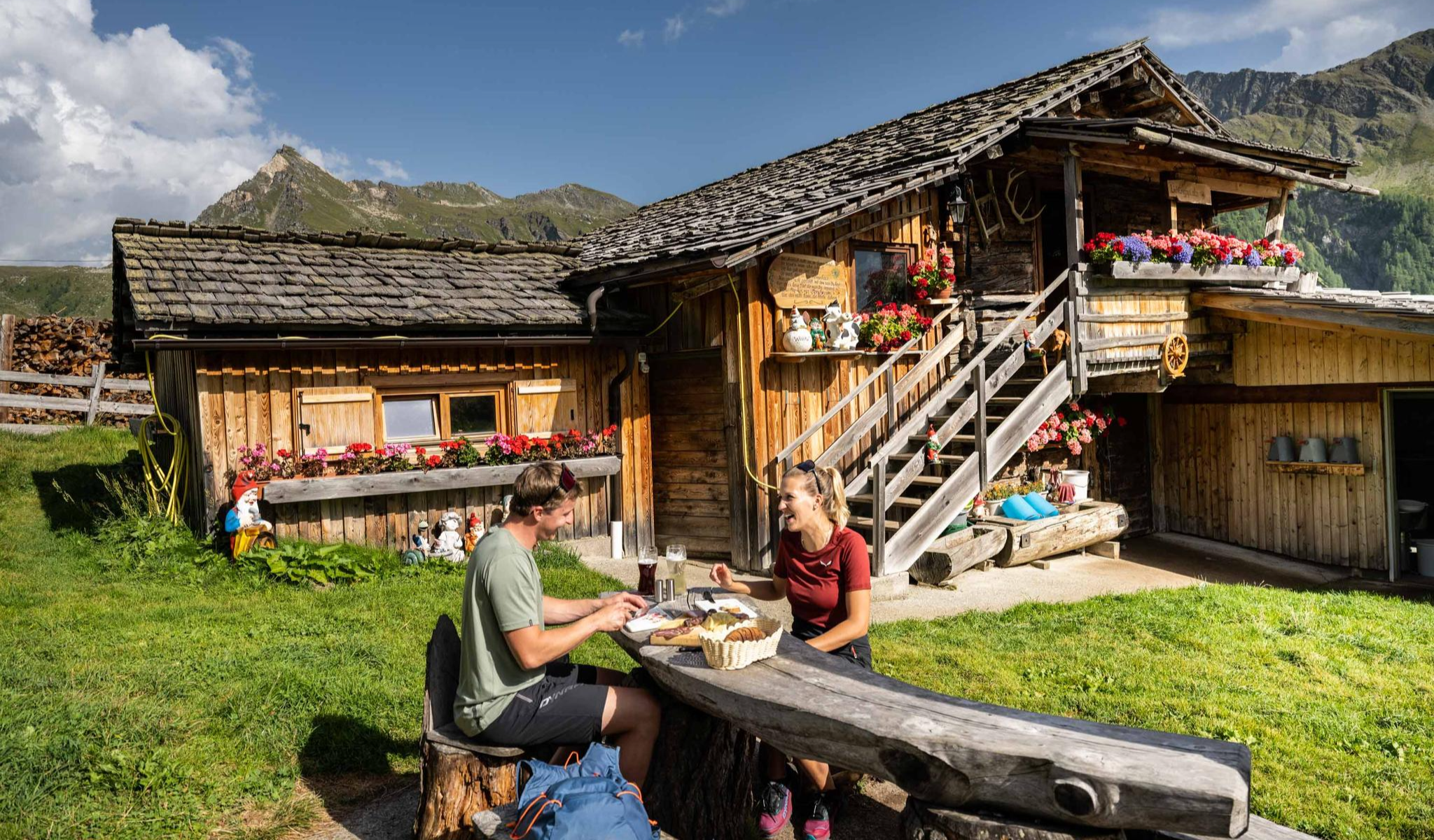
Peak happiness – hut hikes in the High Tauern

Your time out – long-distance hiking trails in the High Tauern
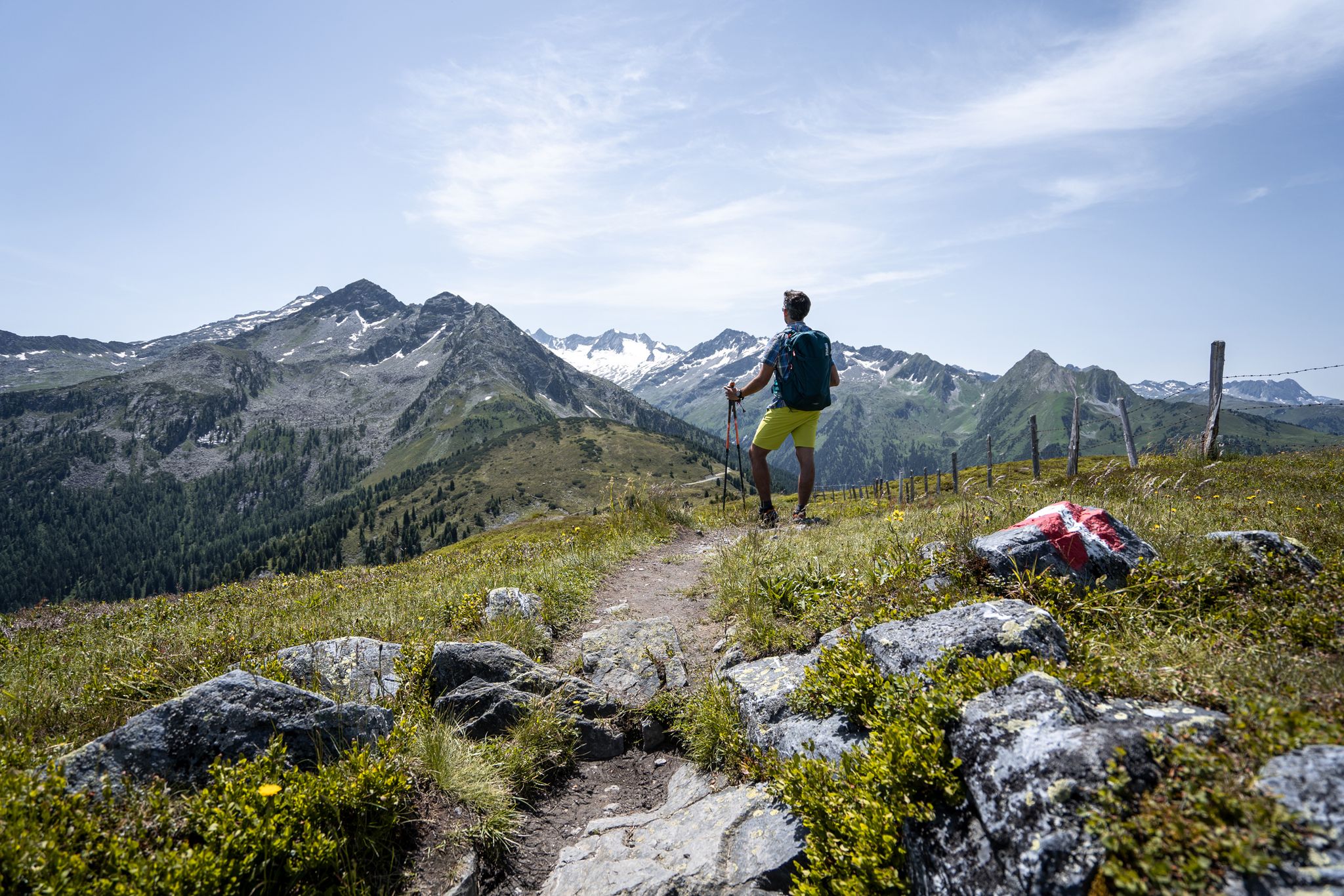
Best views of the highest mountains — Hohe Tauern Panorama Trail
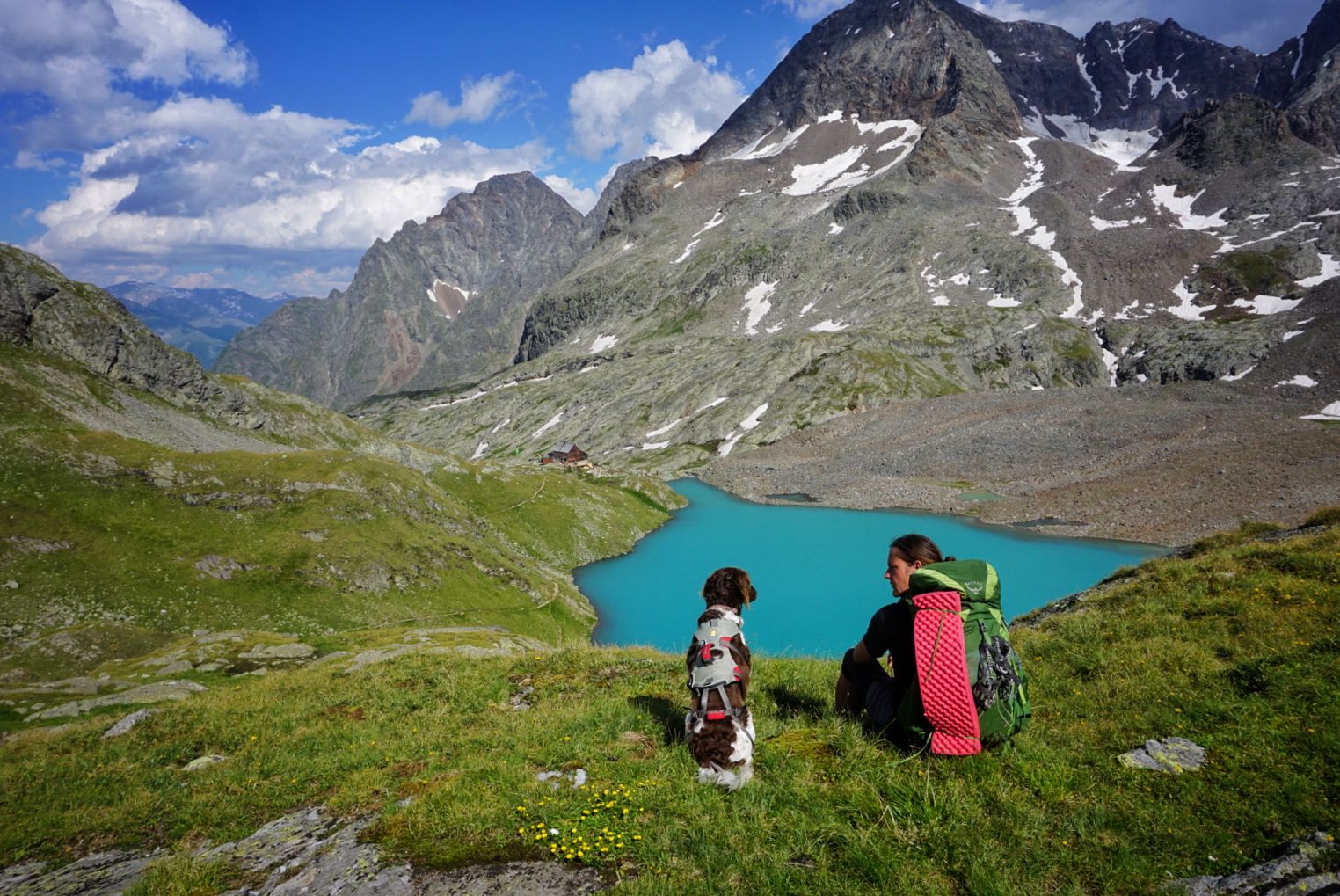
An alpine adventure – from east to west through Austria
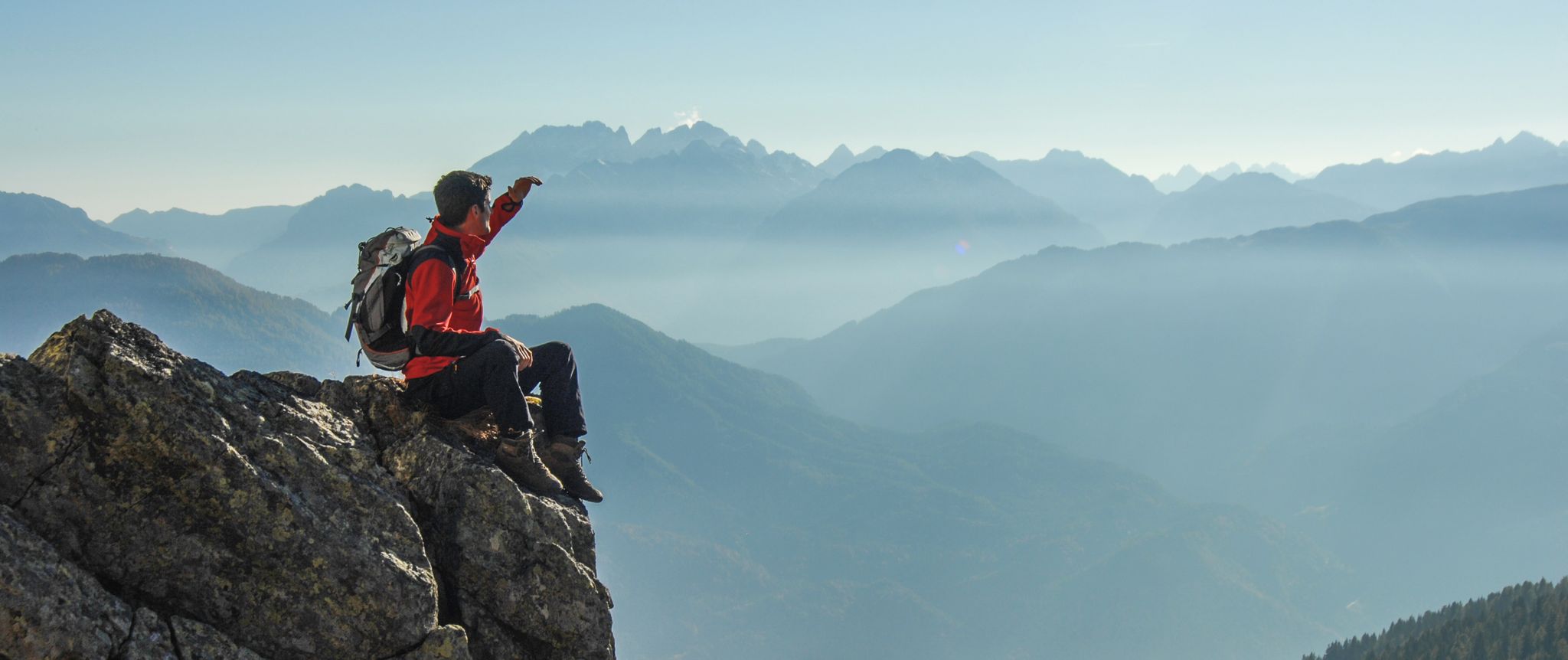
Peaks and gorges in the Hohe Tauern
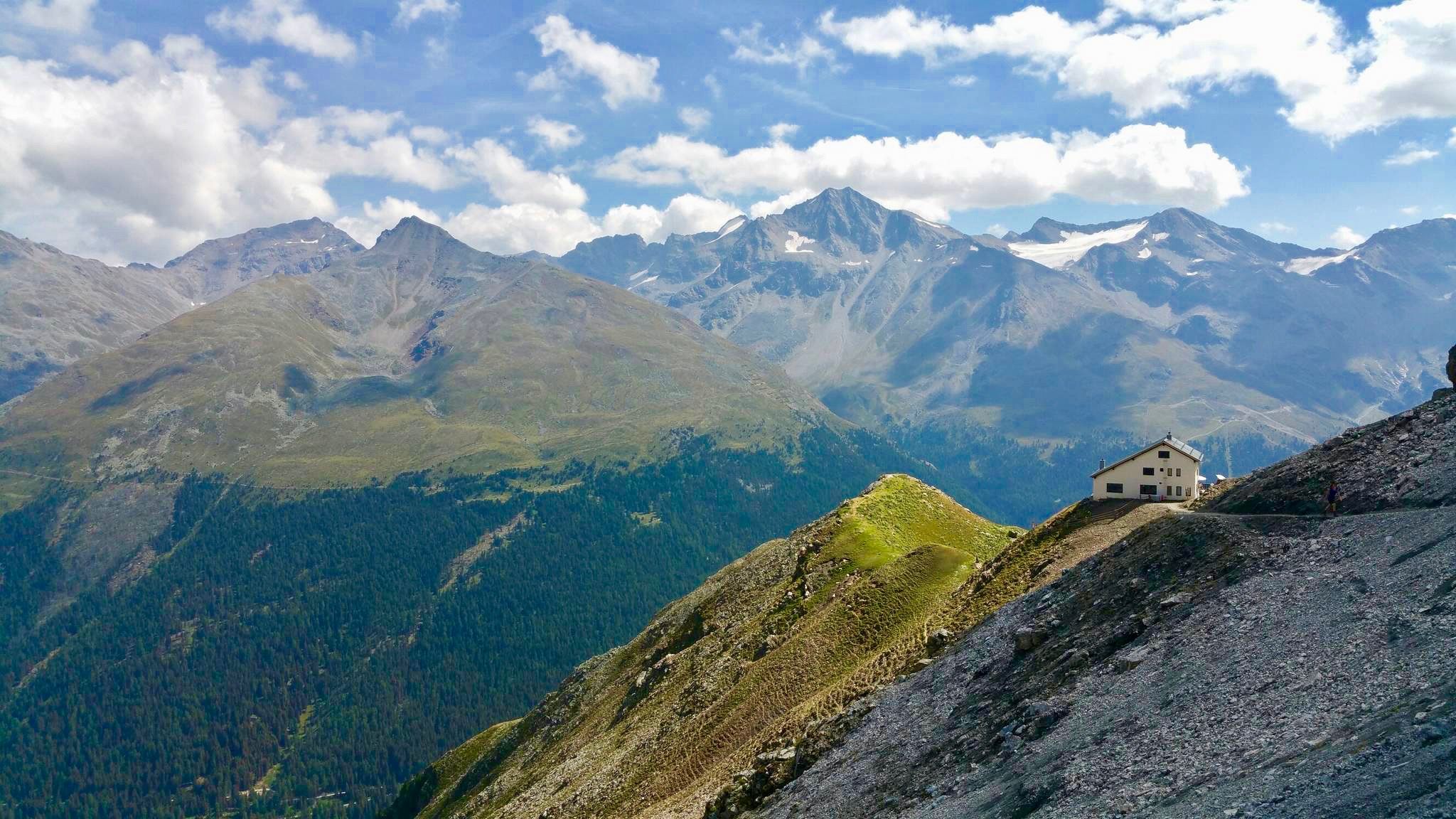
Huts with fantastic views
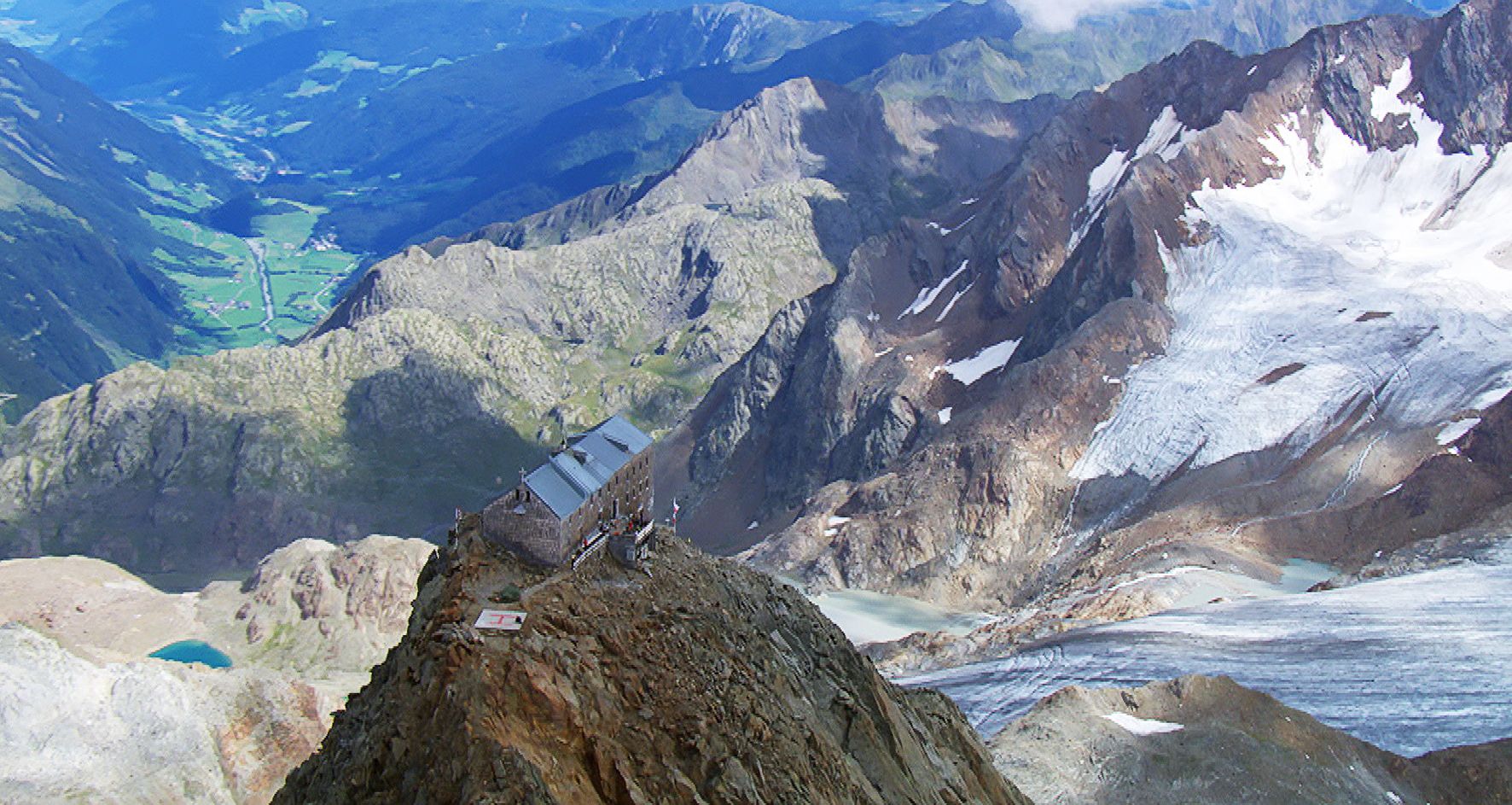
Sleep above 3000 meters
Your first 3000m peak
Other adventures around Nationalpark Hohe Tauern


Tips from the Community

always a great base camp for ski tours to the Sonnblick, Hocharn and many more!
0
0


Lake Stappitz was formed at the end of the last ice age.
0
0
Wooden walkways have something so impressive about them...
0
0
The Seebachtal is one of the most beautiful high mountain valleys in the Hohe Tauern.
0
0
The lake lies at an altitude of 1,273 m above sea level. Lake Stappitz was formed at the end of the last Ice Age.
0
0
a very clean toilet block, which is not an everyday occurrence👌
0
0
Beautiful valley, with waterfalls, Schweserhütte, nature trail with explanations and much more 😊🍀
0
0
Frequently Asked Questions
How many bus station hiking trails are available in Nationalpark Hohe Tauern?
There are over 40 hiking trails in Nationalpark Hohe Tauern that are easily accessible from bus stations, offering a wide range of experiences for all skill levels.
What is the best time of year to go hiking from bus stations in Nationalpark Hohe Tauern?
The best time for hiking in Nationalpark Hohe Tauern is generally from late spring to early autumn (June to September), when trails are clear of snow and the weather is most stable. During this period, you can fully enjoy the alpine meadows, glacial views, and waterfalls. Some lower-altitude trails may be accessible earlier or later in the season.
What kind of terrain can I expect on bus-accessible hikes in Nationalpark Hohe Tauern?
The terrain varies significantly, from gentle paths through alpine meadows and forests to challenging ascents in high-alpine environments. You can find easy walks around lakes, moderate trails leading to mountain huts, and difficult routes involving significant elevation gain and rocky sections. The park is known for its majestic mountains, glaciers, and numerous mountain lakes.
What do other hikers say about the bus station trails in Nationalpark Hohe Tauern?
The bus station trails in Nationalpark Hohe Tauern are highly rated by the komoot community, with an average score of 4.6 stars from over 22,000 ratings. Hikers often praise the stunning natural beauty, well-maintained paths, and the convenience of public transport access to diverse landscapes.
Are there any impressive natural features or landmarks to see on these bus-accessible routes?
Yes, many bus-accessible routes offer incredible natural features. For instance, the Stappitzer Lake – Seebach Valley loop from Stappitzer See allows you to explore the beautiful Stappitzer Lake. Other trails might lead you past impressive waterfalls, glacial streams, or offer views of towering peaks. The region is renowned for its 'water castle' features, including 551 mountain lakes and roaring glacial rivers.
Can I find any mountain huts or places to rest along the bus station hiking trails?
Absolutely. Nationalpark Hohe Tauern has numerous serviced alpine pastures and mountain huts that provide excellent resting points and often offer food and drink. For example, the Ammererhof – Niedersachsenhaus loop from Goldberggruppe includes the Niedersachsenhaus. Other notable huts in the region include the Hannoverhaus, Hagener Hut, and Osnabrücker Hut.
Are there family-friendly bus station hikes in Nationalpark Hohe Tauern?
Yes, there are 13 easy routes accessible by bus that are suitable for families. These trails often feature gentler gradients and shorter distances, allowing everyone to enjoy the stunning scenery. Look for routes around lakes or through lower valleys for a more relaxed experience.
Can I bring my dog on these bus-accessible trails?
Many trails in Nationalpark Hohe Tauern are dog-friendly, but it's crucial to keep your dog on a leash, especially in areas with grazing livestock or wildlife. Always check local regulations for specific routes and be mindful of other hikers and animals. Remember to carry enough water for your dog and clean up after them.
Are there circular hiking routes accessible by bus?
Yes, many of the bus-accessible trails are designed as circular routes, allowing you to start and end at the same bus stop without retracing your steps. Examples include the Konradlacke – Dösner Lake loop from Blockgletscherweg Dösental and the Gollehenalm – Palfner Alm loop from Wörth Fleckweide.
Are there easy or beginner-friendly bus station hikes?
Yes, there are 13 easy routes that are perfect for beginners or those looking for a more relaxed walk. These trails typically have minimal elevation gain and well-maintained paths. An example is the Stappitzer Lake – Seebach Valley loop from Stappitzer See, which offers beautiful views without significant challenge.
What should I wear or bring for bus station hikes in Nationalpark Hohe Tauern?
Even for bus-accessible trails, proper preparation is key. Always wear sturdy hiking boots, dress in layers suitable for changing mountain weather, and bring rain gear. Essential items include a map or GPS device, sufficient water and snacks, sun protection, and a first-aid kit. For higher altitude routes, consider trekking poles.
How long do the bus-accessible hikes typically take?
The duration of bus-accessible hikes varies greatly depending on the route's distance and difficulty. Easy trails might take a couple of hours, while more challenging routes, like the Dösental Block Glacier Trail, can take a full day, often exceeding 9 hours. Always check the estimated duration for your chosen route and plan accordingly.
Are there options for winter hiking from bus stations?
While many high-alpine trails are inaccessible due to snow in winter, some lower-altitude paths and designated winter hiking trails remain open and can be reached by bus. These often offer serene snowy landscapes. Always check current conditions and trail status before heading out, and ensure you have appropriate winter hiking gear.
Most popular routes around Nationalpark Hohe Tauern
Most popular attractions around Nationalpark Hohe Tauern

Get inspired with the komoot mobile app


Explore more
Browse the best Hikes in other regions.
