The best traffic-free bike rides around Wdzydzki Park Krajobrazowy
4.7
(49)
1,161
riders
35
rides
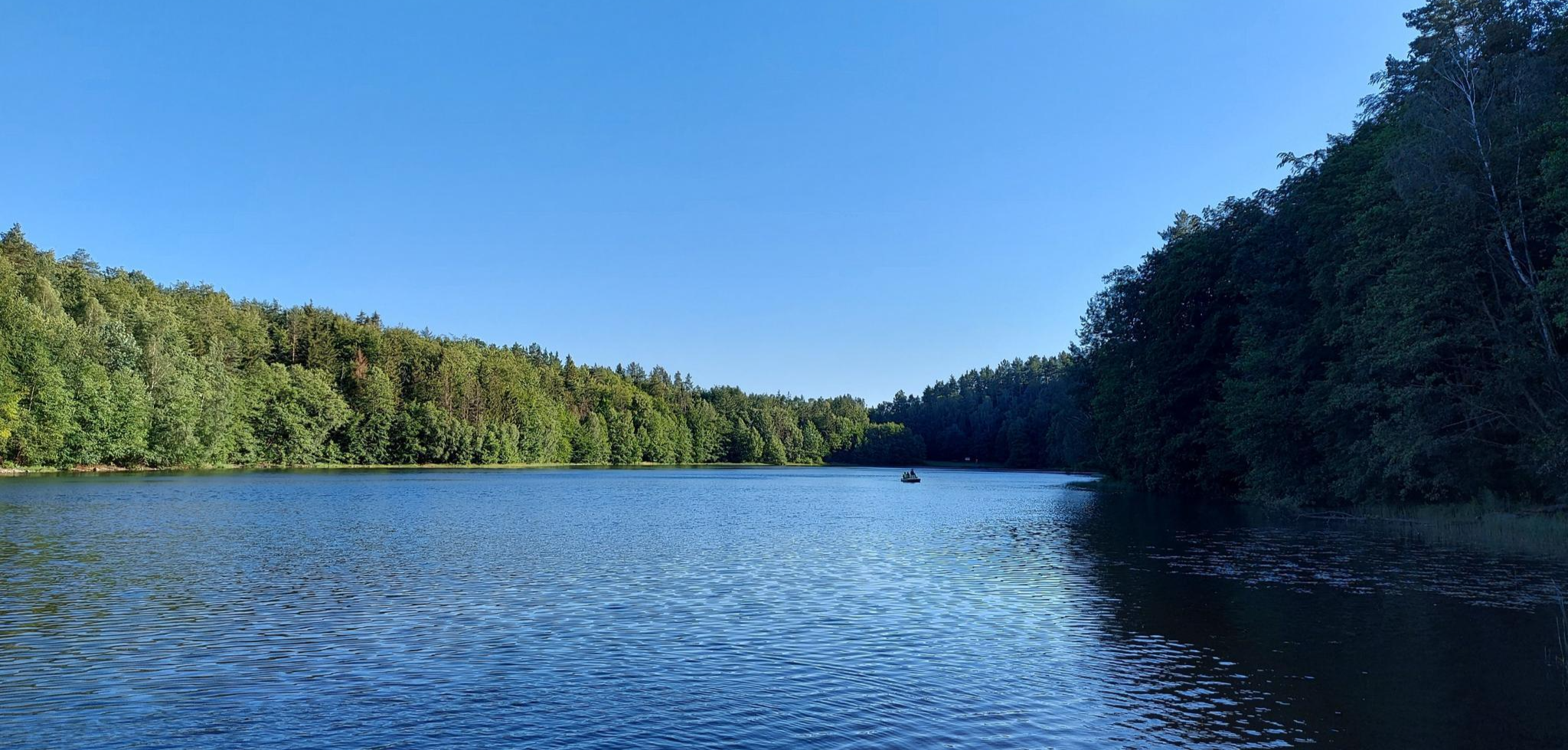
No traffic road cycling routes around Wdzydzki Park Krajobrazowy traverse a landscape shaped by glacial origins, featuring a diverse terrain of forests, lakes, and river valleys. The park's central feature is the Wdzydze Lake Complex, an expansive water body with numerous islands. Vast pine forests, meadows, and peat bogs characterize the natural environment, offering varied routes for cyclists. This low-population density area provides a tranquil setting for exploring the region's natural beauty on two wheels.
Best no traffic road cycling…
Last updated: October 29, 2026
12
riders
Moderate road ride. Good fitness required. Some segments of this route may be unpaved and difficult to ride.
5.0
(4)
16
riders
92.1km
03:43
400m
400m
Moderate road ride. Good fitness required. Some segments of this route may be unpaved and difficult to ride.

11
riders
56.4km
02:33
250m
250m
Moderate road ride. Good fitness required. Some segments of this route may be unpaved and difficult to ride.
5.0
(4)
36
riders
Easy road ride. Mostly well-paved surfaces and easy to ride.
8
riders
Moderate road ride. Good fitness required. Some segments of this route may be unpaved and difficult to ride.
Get access to more routes and recommendations from other explorers.
Already have an account?
Our route recommendations are based on thousands of hikes, rides, and runs completed by other people on komoot.
Start today with a free account
Your next adventure awaits.


Other adventures around Wdzydzki Park Krajobrazowy

Tips from the Community

An altar older than the church itself: The beautiful Baroque main altar with a painting of the Crucified Christ dates back to 1680. This means it is nearly 75 years older than the current building – it was moved in its entirety from the previous, smaller church that stood on the same site.
0
0
Although the church serves Catholics today, it was built between 1755 and 1757 as a Lutheran church. For centuries, Sominy was an Evangelical Kashubian border village.
0
0

A wonderful place. Here you can admire ancient buildings from Kashubia, Kociewie, and the Tuchola Forest. There are wooden cottages, windmills, an inn, churches, and entire old farmsteads. Travel back in time to see what people did when there was no internet! A truly interesting place, such living, fascinating history. You can peek into each building and see what it was like. Don't forget to buy tickets! http://www.muzeum-wdzydze.gda.pl/
1
0
This observation tower is over 35 meters high and is a must-climb for a magnificent panorama of Wdzydze and Wda, with their numerous islands. The views are breathtaking. There's also a restaurant nearby, so you won't go hungry.
0
0

you can get to the tower from the water side, there is a special jetty where you can moor your yacht
2
0
Once a year, the open-air museum hosts the Wdzydzki Fair, which lasts two days and is worth seeing
1
1

At the very beginning, it is worth mentioning the dedication ceremony of the Lutheran Church in Kościerzyna (Berent), which took place on Wednesday, April 18, 1894, as stated in the holiday program of the ceremony, printed especially for this occasion. This temple served the local faithful of the Evangelical faith until 1945. After World War II, this post-Evangelical church under the invocation of St. John of Nepomuk was designated for youth as a school church. The Resurrectionists came to Kościerzyna at the request of the then Ordinary of the Chełmno Diocese, Bishop Kazimierz Józef Kowalski, who wanted to entrust them with the care of the abandoned post-Evangelical church and the children and school youth in Kościerzyna. The Resurrectionists arrived in the city on July 4, 1947. https://parafiakoscierzyna.pl/index.php/historia-parafii
3
0
The observation tower in Wdzydze, 35.6 meters high, has a larch wood structure, with three observation platforms located at a height of 10, 20 and 30 m. From the tower you can admire the panorama of Wdzydze and the Cross of Wdzydze Lakes with numerous peninsulas and the largest island of Lake Wdzydze - Ostrów Wielki. The observation tower in Przytarnia is 40 m high from the base. There are two observation terraces on it: the first at a height of 27 m, and the second at a height of 37 m. The terrace offers a beautiful panorama of the Karsin commune. The tower is located in a town on an upland near the southernmost part of the Wdzydzkie Lakes. The tower is part of a complex consisting of: a tourist information point, toilets, parking for buses, cars and bicycles and a place for recreation. https://wdzydzkipark.pl/co-robimy-3/turystyka-2/wieza-widokowa/
3
0
Frequently Asked Questions
How many no-traffic road cycling routes are available in Wdzydzki Park Krajobrazowy?
Wdzydzki Park Krajobrazowy offers over 35 dedicated no-traffic road cycling routes. These routes vary in difficulty, with 11 easy options and 24 moderate challenges, ensuring there's something for every skill level.
What kind of terrain can I expect on no-traffic road cycling routes in Wdzydzki Park Krajobrazowy?
The park's landscape, shaped by glacial origins, offers varied terrain. You'll find paths winding through vast pine forests, alongside numerous lakes, and across meadows. While not overly mountainous, the routes feature enough undulation to make for engaging rides, providing picturesque views of islands and bays.
Are there any easy, no-traffic road cycling routes suitable for beginners in Wdzydzki Park Krajobrazowy?
Yes, there are 11 easy no-traffic road cycling routes perfect for beginners. A great option is the Kashubian Ethnographic Park – Peat bog by Lake Gołuń loop from Wdzydzki Park Krajobrazowy, which is just under 38 km long with moderate elevation gain, offering a pleasant ride through scenic areas.
Can I find longer, no-traffic road cycling routes for more advanced riders?
Absolutely. For more experienced cyclists seeking a longer challenge, routes like the Kashubian Ethnographic Park – Kaszuby River loop from Wdzydzki Park Krajobrazowy cover over 113 km with significant elevation changes. There are 24 moderate routes available, providing ample opportunities for extended rides.
What do other cyclists say about the no-traffic road cycling experience here?
The no-traffic road cycling routes in Wdzydzki Park Krajobrazowy are highly rated by the komoot community, with an average score of 4.77 stars from 43 ratings. Cyclists often praise the tranquil environment, the stunning natural beauty of the lakes and forests, and the well-preserved, quiet roads that make for a truly immersive experience.
What scenic viewpoints or landmarks can I discover along the no-traffic road cycling routes?
Many routes offer breathtaking views. You can visit the Observation Tower over Lake Lipno or the Observation tower in Wdzydze for panoramic vistas of the Wdzydze Lake Complex. The park's extensive lake system, including Zdradzonko Lake Ecological Area and Czyste Lake, provides numerous picturesque spots.
Are there any cultural attractions accessible from the no-traffic road cycling routes?
Yes, the Kashubian Ethnographic Park in Wdzydze Kiszewskie is a significant cultural attraction showcasing traditional Kashubian architecture and heritage. Several routes, such as the Kashubian Ethnographic Park – Peat bog by Lake Gołuń loop, start or pass near this fascinating open-air museum.
Is Wdzydzki Park Krajobrazowy accessible by public transport for cyclists with bikes?
While the park is well-equipped for cycling, public transport options directly to the park that accommodate bikes might be limited. It's advisable to check local bus or train services to nearby towns like Kościerzyna and Lipusz and their bike carriage policies in advance. Many visitors opt to drive and park at designated spots.
Where can I park my car when starting a no-traffic road cycling route?
Designated parking areas are available in and around the main villages and attractions within Wdzydzki Park Krajobrazowy, such as Wdzydze Kiszewskie. These spots often serve as convenient starting points for various cycling routes, including those featured in this guide.
What is the best time of year for no-traffic road cycling in Wdzydzki Park Krajobrazowy?
The best time for road cycling is typically from spring through early autumn (May to October). During these months, the weather is generally pleasant, and the natural scenery is at its most vibrant. The low population density helps maintain a tranquil environment, making it enjoyable even during peak seasons.
Are there any loop road cycling routes without traffic?
Yes, many of the no-traffic road cycling routes in Wdzydzki Park Krajobrazowy are designed as loops, allowing you to start and end at the same point. An example is the Hotel Jordan loop from Wdzydzki Park Krajobrazowy, offering a convenient circular ride.
Are there cafes or restaurants along the no-traffic road cycling routes?
While the routes are designed for minimal traffic, you'll find cafes, restaurants, and accommodation options in the villages and towns within and bordering the park, such as Wdzydze Kiszewskie. It's a good idea to plan your route to include stops in these areas for refreshments.
Most popular routes around Wdzydzki Park Krajobrazowy
Most popular attractions around Wdzydzki Park Krajobrazowy

Get inspired with the komoot mobile app


Explore more
Browse the best Road cycling routes in other regions.
