Attractions and Places To See around Parc Natural del Penyagolosa - Top 7
Best attractions and places to see around Parc Natural del Penyagolosa. This protected natural area in Castellón, Spain, spans over 1,000 hectares and features mountain landscapes, diverse ecosystems, and significant historical sites. The park is centered around the Penyagolosa peak, considered the geographical ceiling of the Valencian Community, offering extensive panoramic views. It combines natural beauty with cultural heritage, including ancient pilgrimage routes and traditional mountain villages.
Best attractions and places to see around Parc Natural del Penyagolosa
- The most…
Last updated: May 11, 2026
Penyagolosa Summit
Highlight • Summit
Translated by Google •
Tip by

Sant Joan de Penyagolosa Sanctuary
Highlight • Religious Site
Translated by Google •
Tip by

Sign up now to discover places like this
Get recommendations on the best single tracks, peaks, & plenty of other exciting outdoor places.
Sign up for free
Barranc de la Pegunta
Highlight (Segment) • Forest
Translated by Google •
Tip by
Canal Ascent in Parc Natural de Penyagolosa
Highlight • Climb
Translated by Google •
Tip by

El Corralico (Trailhead to Penyagolosa Summit)
Highlight • Trail
Translated by Google •
Tip by

Sign up for free to discover even more attractions around Parc Natural del Penyagolosa.
Sign up for free
Already have an account?
Start today with a free account
Your next adventure awaits.
Login or Signup
Tips from the Community

It is very soft but beautiful
0
0

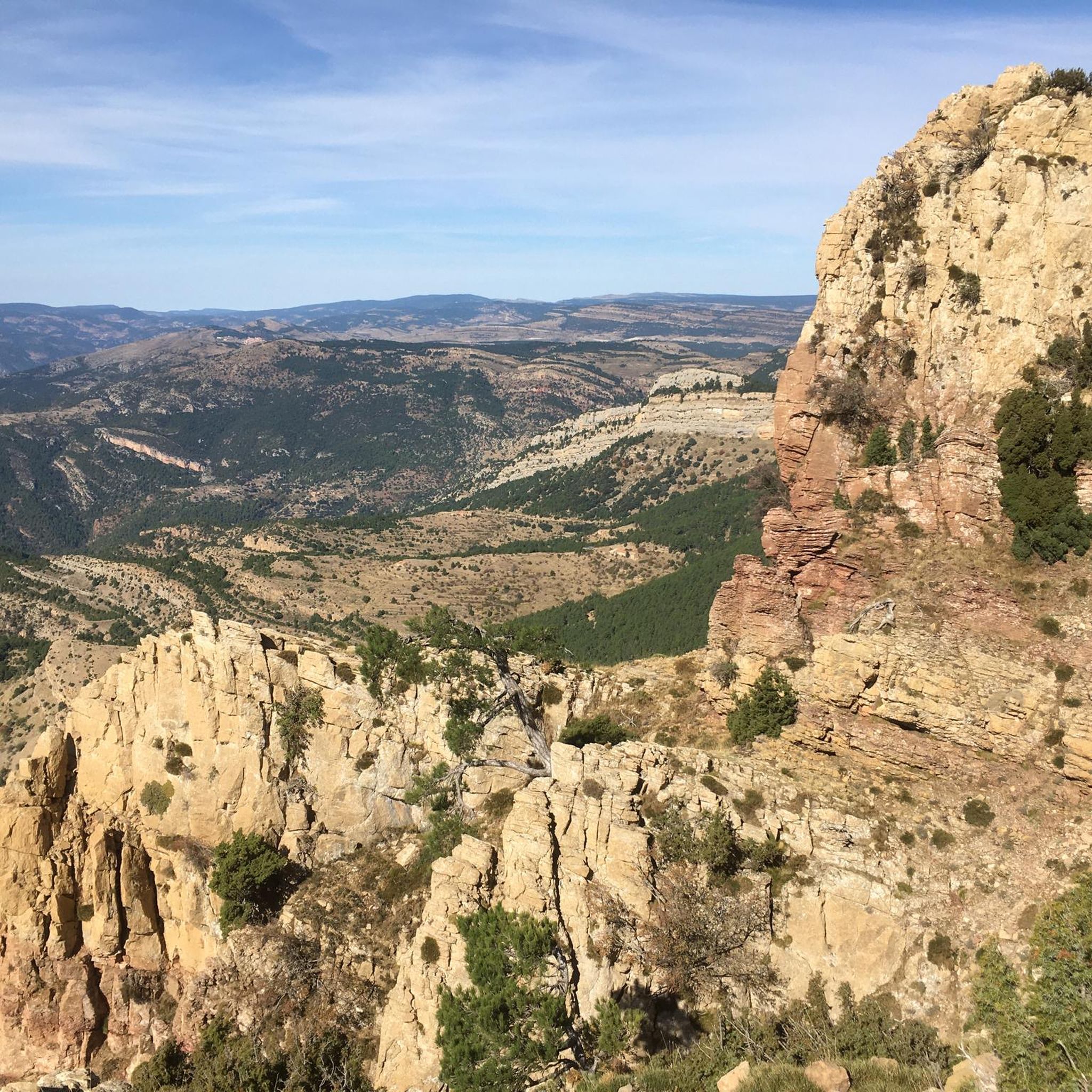
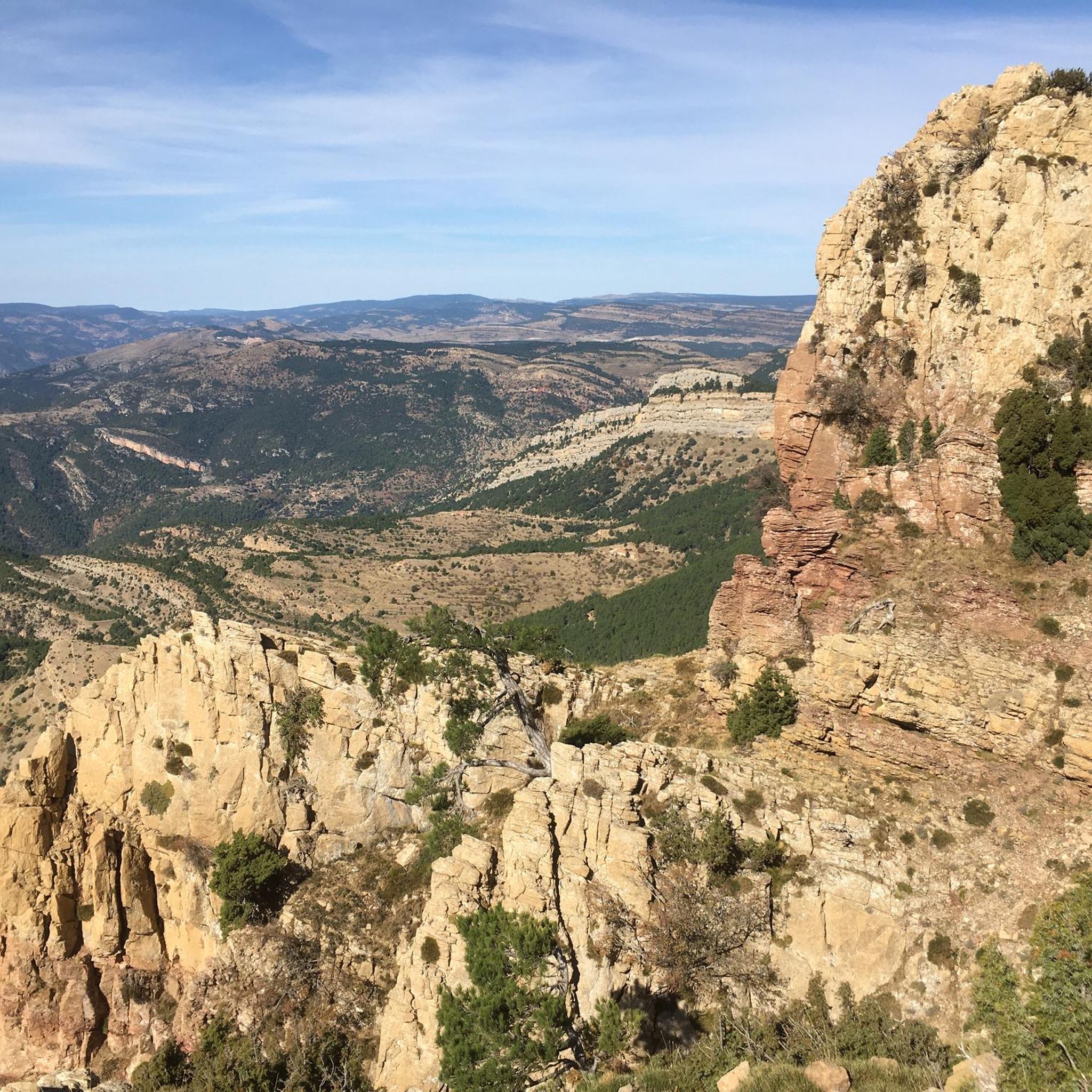
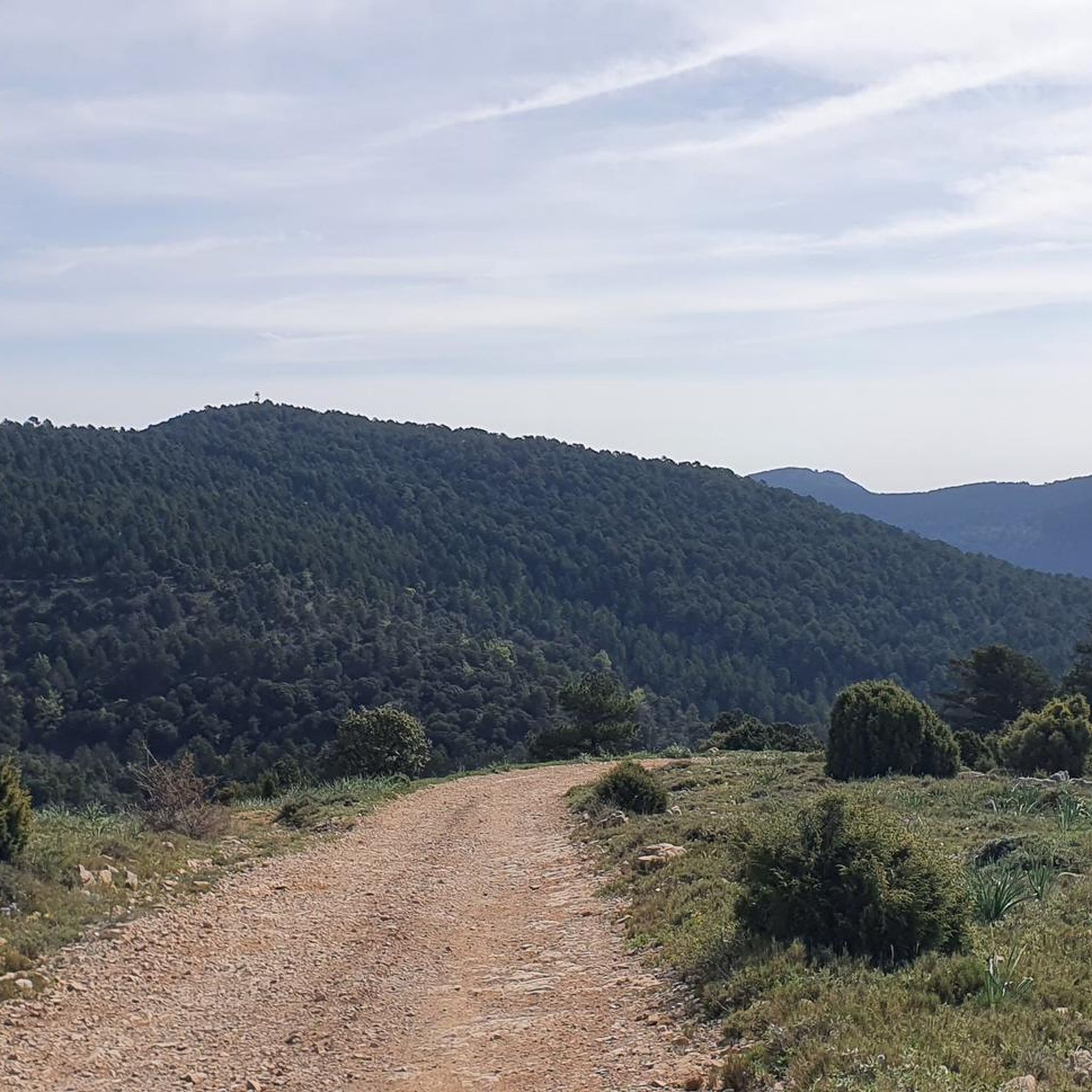
Penyagolosa is known for its stunning panoramic views and is a popular destination for hiking enthusiasts. The route to the summit will take you through pine forests and rocky terrain, offering a unique experience in contact with nature. In addition, at the base of the mountain is the hermitage of Sant Joan de Penyagolosa, an important pilgrimage destination.
3
0

The sanctuary of Sant Joan de Penyagolosa (San Juan Bautista de Peñagolosa in Spanish) is located at the foot of the Peñagolosa massif. It is an important religious place and every year it serves as the end point of one of the oldest pilgrimages in the Valencian Community: The pilgrims of Useras.
1
0

Place of pilgrimage par excellence in the province
0
0

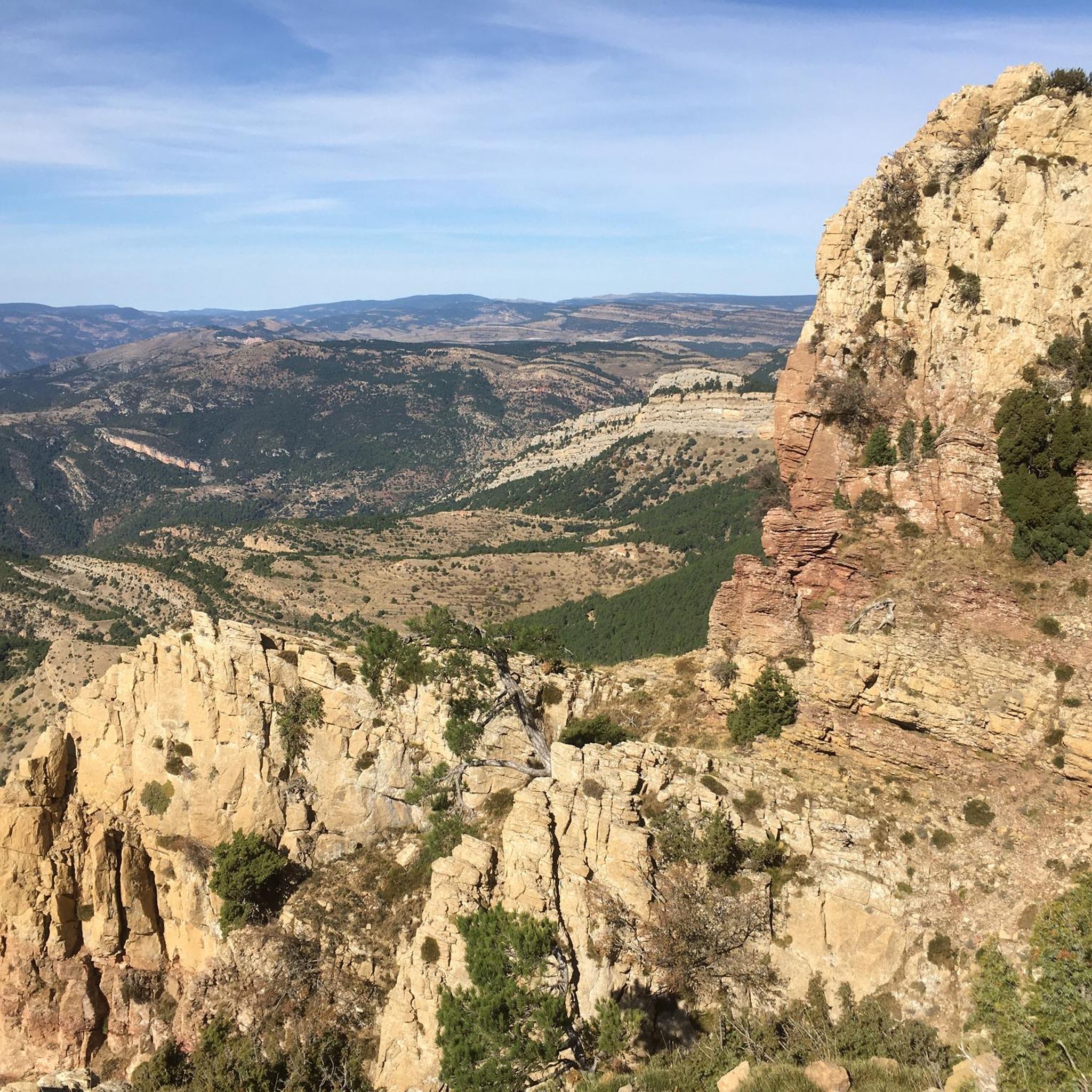
Climb up the channel with some complicated section. It has a chain to hold on. You have to go with caution.
1
0
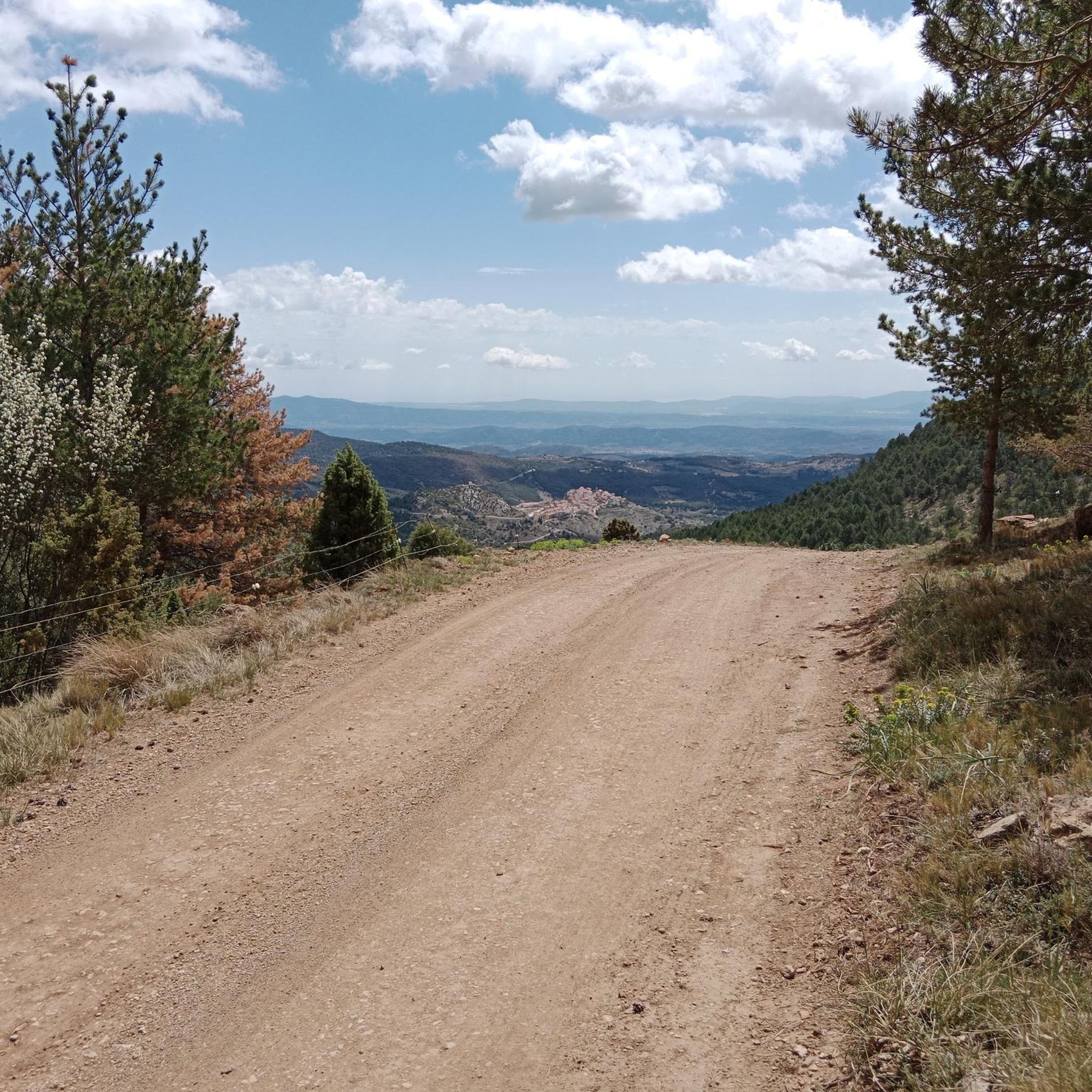
Starting point of the final path towards the peak of Penyagolosa.
0
0
Start of the path that goes up to the top of Penyagolosa. In the past, it was possible to access the Corralico by car and it was a parking lot.
0
0
Sanctuary, hermitage and shelter of Sant Joan de Penyagolosa.
1
0
Frequently Asked Questions
What natural features can I explore in Parc Natural del Penyagolosa?
The park is renowned for its stunning mountain landscapes, diverse ecosystems, and significant geological formations. You can explore the Penyagolosa Summit, which offers magnificent panoramic views. Another natural highlight is the Barranc de la Pegunta, a ravine shaded by a variety of trees like holly, maple, and wild apple. The park also features extensive woodlands with black pines, Scots pines, and Pyrenean oaks, as well as karstic formations and canyons of the Monleón and Carbo rivers.
Are there any significant historical or cultural sites to visit in the area?
Yes, the region is rich in cultural heritage. A prominent site is the Sant Joan de Penyagolosa Sanctuary, an emblematic religious building at the foot of the Penyagolosa massif. This sanctuary is the culmination point for ancient pilgrimages, with roots dating back to the Middle Ages. The park also encompasses traditional mountain villages like Vistabella del Maestrat, Xodos, and Villahermosa del Río, which reflect centuries of pastoral and agricultural life.
What kind of hiking trails are available in Parc Natural del Penyagolosa?
Parc Natural del Penyagolosa offers an extensive network of hiking trails, ranging from short-distance routes to sections of long-distance paths like the GR7 and GR33. You can find trails leading to the Penyagolosa Summit, through the lush Barranc de la Pegunta, and various circular routes. For more detailed information on hiking options, you can explore the Hiking around Parc Natural del Penyagolosa guide.
Is the Penyagolosa Summit challenging to reach?
The Penyagolosa Summit, standing at 1,813 meters, is a popular destination for hiking enthusiasts. The route to the summit involves traversing pine forests and rocky terrain, with sections that can have steep slopes above 10%. While it offers unparalleled views, the effort can be noticeable, especially on the more challenging sections like the Canal Ascent. The trailhead for the final path to the peak is often from El Corralico.
Are there family-friendly activities or trails in Parc Natural del Penyagolosa?
Yes, the park offers options suitable for families. The Sant Joan de Penyagolosa Sanctuary is considered family-friendly and is surrounded by a beautiful environment. While some trails to the summit can be challenging, there are also easier walks and interpretive paths, such as those found in the Barranc de la Pegunta, which explain botanical curiosities and are less strenuous.
What is the best time of year to visit Parc Natural del Penyagolosa?
The park's unique combination of continental and Mediterranean climates means it offers different experiences throughout the year. Spring and autumn generally provide pleasant temperatures for hiking and exploring the diverse flora and fauna. Summer can be warm, especially at lower elevations, while winter may bring snow to the higher peaks, offering opportunities for different activities. Always check local weather conditions before your visit.
Can I spot wildlife in Parc Natural del Penyagolosa?
Yes, Parc Natural del Penyagolosa is a refuge for diverse wildlife. Birdwatchers may spot birds of prey like the Golden Eagle, and vulture sightings have increased. Mammals such as the Iberian ibex (mountain goat), wild boar, shrews, and voles inhabit the area. The park is also home to important invertebrate species like the Apollo butterfly and the Spanish Moon Moth.
Where can I find information about the park's unique flora?
The Barranc de la Pegunta is an excellent place to learn about the park's flora. This ravine is a flora micro-reserve, featuring a lush black pine forest and a variety of trees including holly, maple, cherry, and wild apple. Interpretive panels along the path explain the botanical curiosities of the area, making it an informative and scenic walk.
What outdoor sports can I do near these attractions?
Beyond hiking, the Parc Natural del Penyagolosa area is excellent for various outdoor sports. You can find numerous routes for mountain biking (MTB) and road cycling. For detailed routes and guides, explore the MTB Trails around Parc Natural del Penyagolosa guide and the Cycling around Parc Natural del Penyagolosa guide.
Are there any viewpoints offering panoramic scenery?
Absolutely. The Penyagolosa Summit is the primary viewpoint, offering magnificent panoramic views across the Castellón region and into neighboring Aragón. On clear days, you can even see the Columbretes Islands on the Mediterranean horizon. Other elevated sections of trails, such as those found during the Canal Ascent, also provide stunning vistas.
What makes the Sant Joan de Penyagolosa Sanctuary special?
The Sant Joan de Penyagolosa Sanctuary is special due to its deep historical and cultural significance. It's an important religious site and the culmination point for ancient pilgrimages, such as "The pilgrims of Useras," which has roots dating back to the Middle Ages. The architectural complex, with neoclassical elements, originated in the 14th century, making it a significant landmark of Valencian heritage.
How can I access the Penyagolosa Summit?
The most common starting point for the final path to the Penyagolosa Summit is El Corralico. From here, hikers embark on the trail that leads through pine forests and rocky terrain to the peak. It's advisable to be prepared for varying terrain and elevation changes on the ascent.
Most popular routes around Parc Natural del Penyagolosa

Get inspired with the komoot mobile app


Explore more
Still not found the Highlight you’re looking for? See guides of the top attractions in other regions:
