Attractions and Places To See around Parc natural de Mondragó - Top 20
Best attractions and places to see around Parc natural de Mondragó include a protected natural area on Mallorca's southeastern coast, known for its diverse landscapes and pristine beaches. The park features white sand beaches, crystal-clear waters, coastal cliffs, and significant wetland ecosystems. Visitors can explore a mosaic of environments, including pine forests, juniper groves, and dune systems, offering varied flora and fauna. Well-signposted hiking routes allow for exploration of both natural beauty and traditional architecture.
Best attractions and places to see around Parc natural de Mondragó
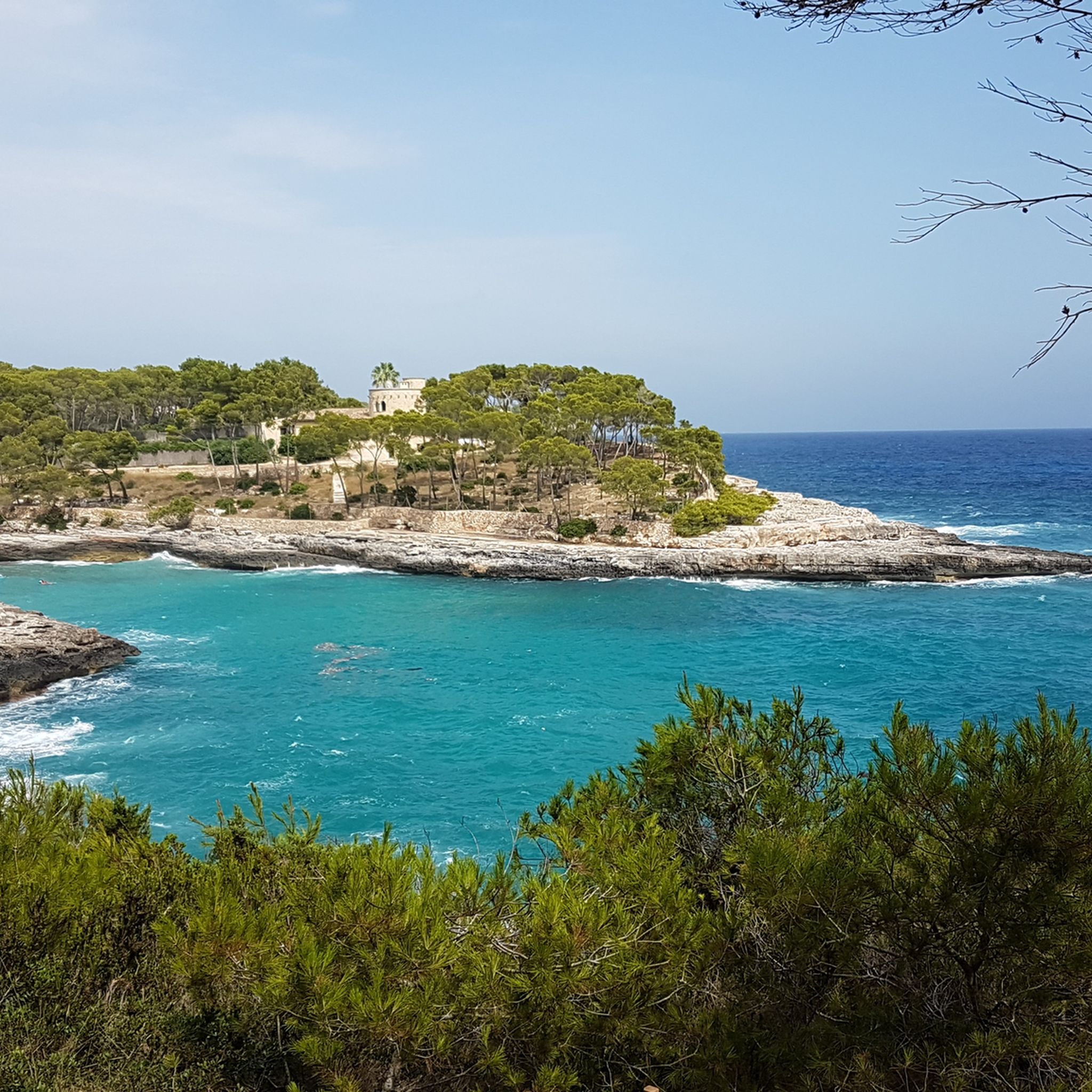
- The most popular attractions is Cala Mondragó Beach, a beach known for its sheltered bay and shallow, turquoise waters. It is considered one of Mallorca's most famous coves and is ideal for families.
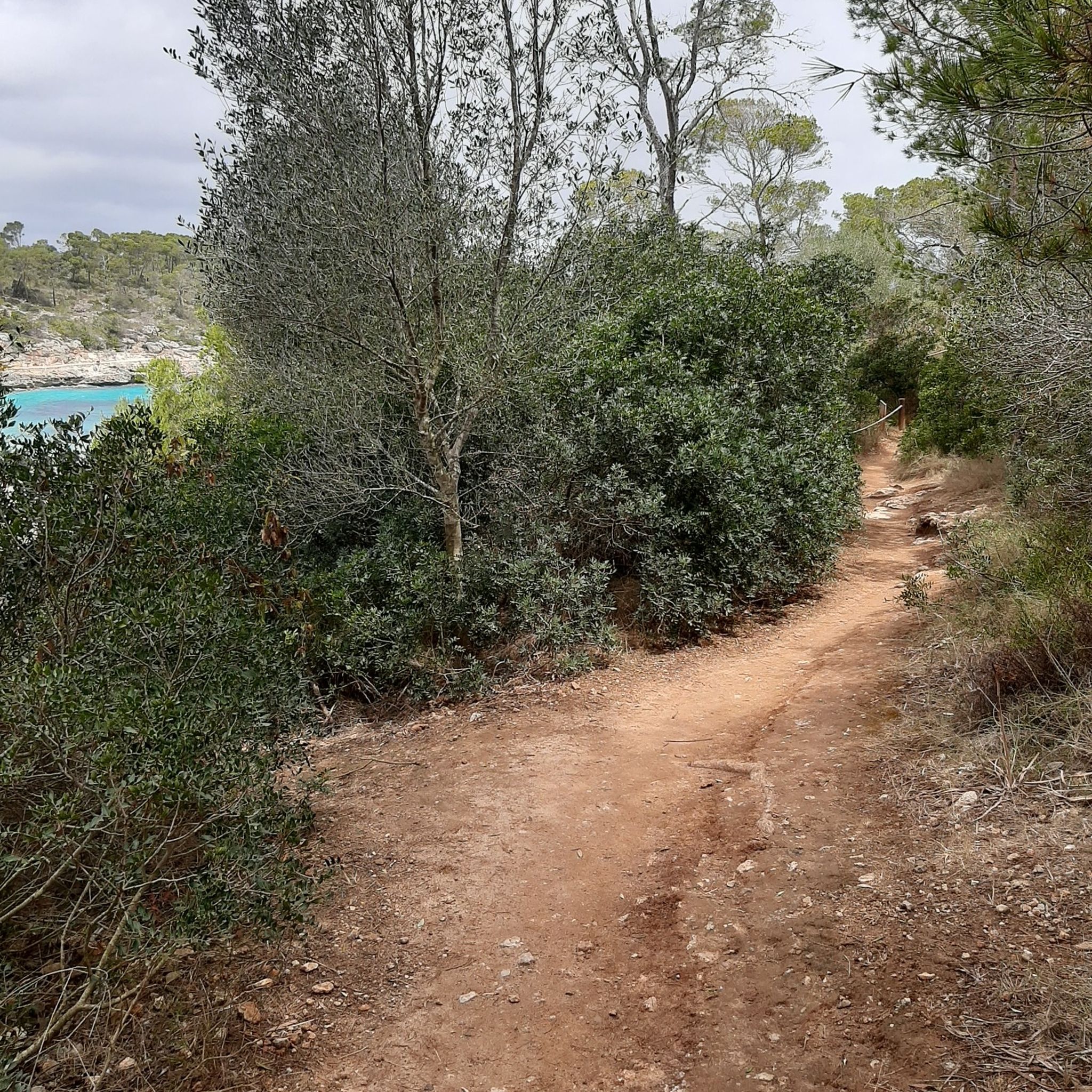
- Another must-see spot is Coastal Trail Between Cala Mondragó and Cala S'Amarador, a trail connecting two major beaches. This rocky but walkable coastal path offers fantastic views of the bays and turquoise water.
- Visitors also love S'Amarador Beach, a beautiful beach bay with fine sand and crystalline waters. It is often quieter than Cala Mondragó and is known for its clear water, making it suitable for snorkelers.
- Parc natural de Mondragó is known for its beaches, hiking trails, and natural features. The area offers a variety of attractions to see and explore, from coastal paths to inland forests and traditional architectural elements.
- The attractions around Parc natural de Mondragó are appreciated by the komoot community, with over 980 upvotes and 225 photos shared.
Last updated: May 9, 2026
Cala Mondragó Beach
Highlight • Beach
Songbirds, including the rare stonechat, are said to be happy to settle in the "Parc natural de Mondragó" (the area has also been a bird protection zone since 1995). People are currently drawn primarily to the two largest bathing bays in the 766-hectare nature park, ses Fonts de n'Alis and s'Amarador Holm oaks, turquoise sea, a rocky path directly on the water that connects the beach sections.
Translated by Google •
Tip by

Coastal Trail Between Cala Mondragó and Cala S'Amarador
Highlight • Trail
Translated by Google •
Tip by

Sign up now to discover places like this
Get recommendations on the best single tracks, peaks, & plenty of other exciting outdoor places.
Sign up for free
S'Amarador Beach
Highlight • Beach
Translated by Google •
Tip by

Caló des Borgit
Highlight • Beach
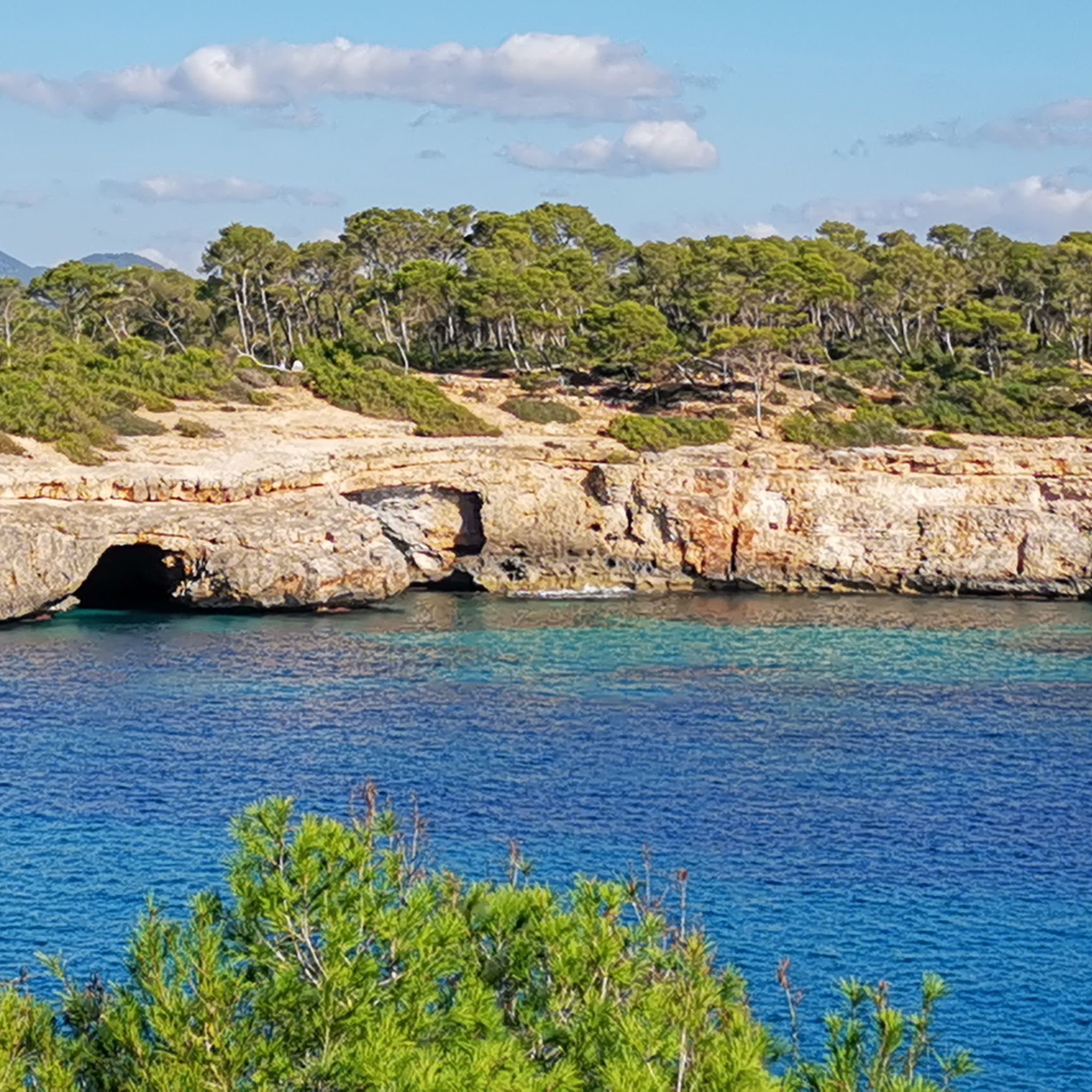
The Caló des Burgit beach is framed by an idyllic pine forest and bizarre rock faces.
The small natural beach is only about 20 meters long. The sea is beautiful turquoise/light blue and clear.
The Caló des Burgit can be reached by walking (approx. 400 meters) through the forest or from Cala Mondrago along the coast (approx. 600 meters). Both alternatives are partly impassable.
Translated by Google •
Tip by

Punta de ses Gatoves Trail
Highlight • Trail
It crosses a typical Mediterranean coastal forest with majestic Aleppo pines and Phoenician junipers. It offers wonderful views of Cala Mondragó and the opportunity to look out over the rocky Caló d'en Perdiu.
Translated by Google •
Tip by

Sign up for free to discover even more attractions around Parc natural de Mondragó.
Sign up for free
Already have an account?
Start today with a free account
Your next adventure awaits.
Login or Signup
Popular around Parc natural de Mondragó
Tips from the Community

This beautiful natural beach is located in the Mondrago Bay, a bay of the same name, in the Mondrago Nature Park. It is four years prettier than the local beach coves in Cala d'Or.
1
0

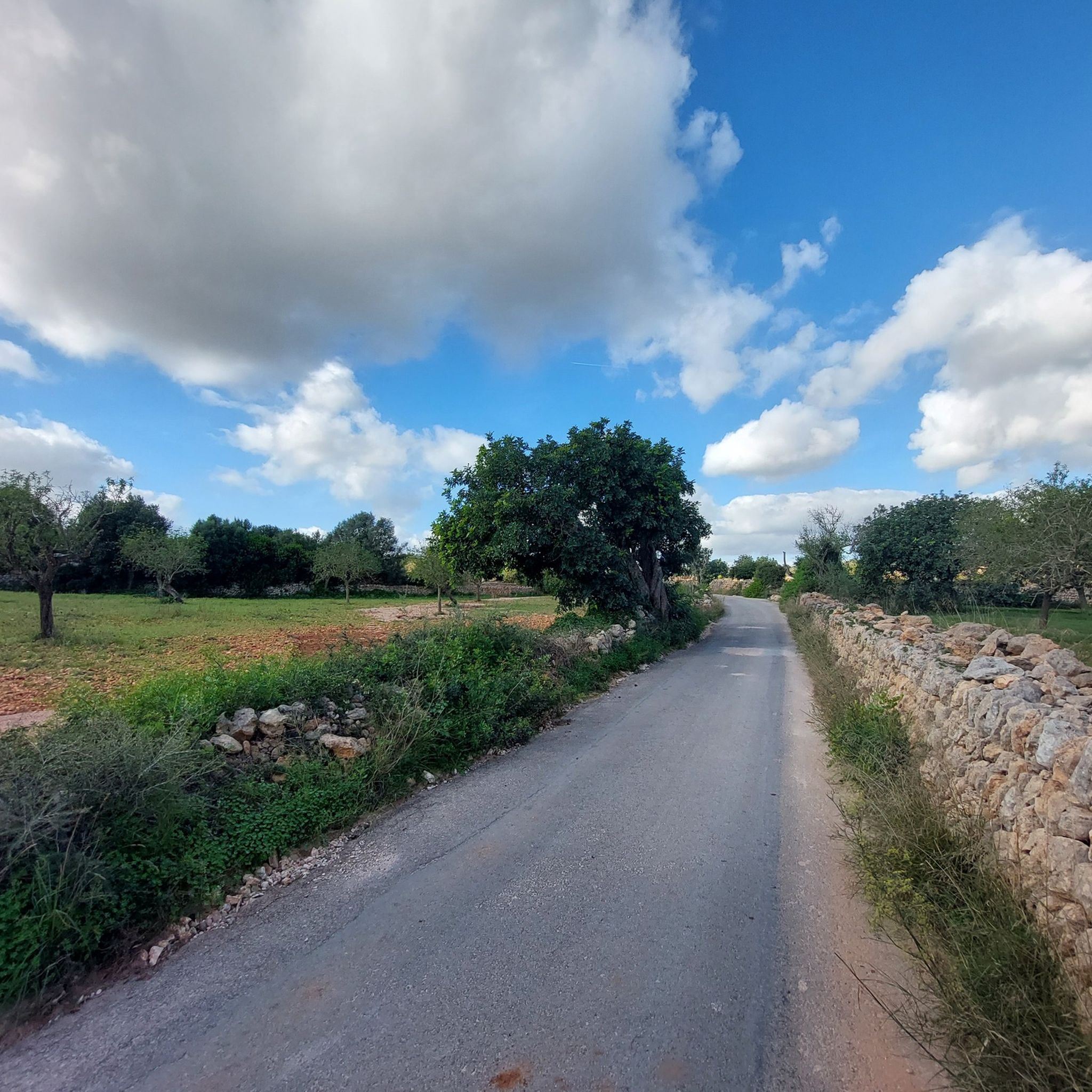
A beautiful trail that winds through Mallorca's coastal forest. This route begins at S'Amarador beach, and along the way, we'll cross forest areas, coastline, and a viewpoint with unique views. 😎👌
0
0
"For many, it is not only the most beautiful beach in Spain, but in all of Europe. Located in the middle of a national park, s'Amarador is a fine sandy bay in the southeast of Mallorca and a small paradise for bathers, holidaymakers, and locals. As one of two beaches in Cala Mondragó, it is sheltered in the southern part of the bay. Bathers experience a special feeling due to the lack of development. Barely surrounded by hotels, it offers a small oasis of peace and relaxation. Instead, the bay is framed by rocky cliffs and pine groves. The beach slopes gently into the water and is a natural beauty. Turquoise water that sparkles in the sun and many lush green Mallorcan plants surround it. The beach is just 150 meters long and 50 meters wide. Along the cliffs, you reach the neighboring beach in the bay of Mondragó. It is called Cala de ses Fonts de n'Alís and is separated from the bay only by a rock. s'Amarador is separated. The stunning location in the Mondragó Natural Park and its child-friendly conditions make s'Amarador particularly attractive for families. https://www.holamallorca.com/de/mallorca/reisefuehrer/straende/strand-s-amarador.htm
2
0
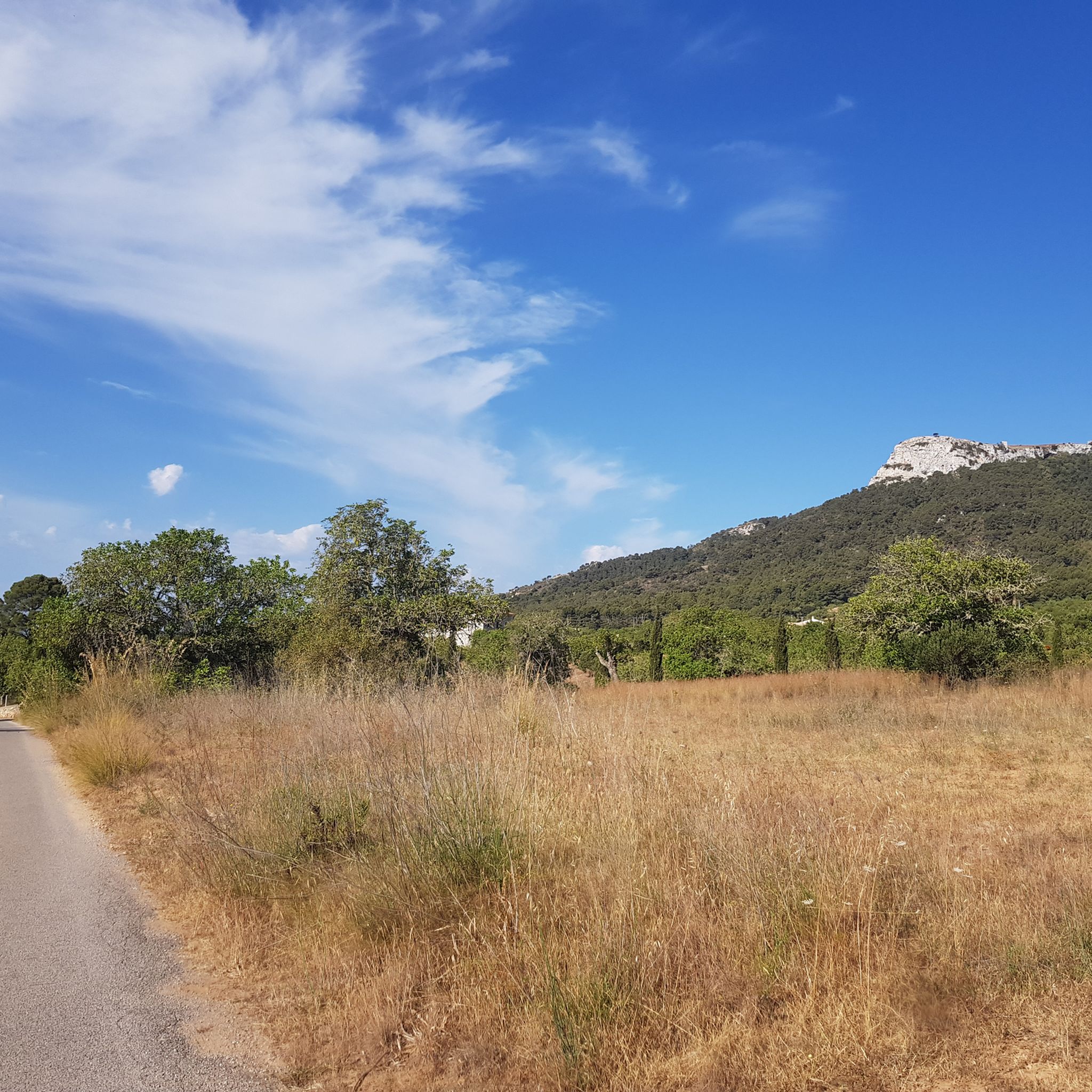
All hiking trails in Mondragó Natural Park can be enjoyed in both summer and winter and are suitable for all abilities. The average walking time is between 15 and 45 minutes. You can find more information about the trails on the natural park's website. 👉 https://de.balearsnatura.com/parque_natural/parque-natural-de-mondrago/
2
1
"The natural beach of Calo des Borgit is located in the nature reserve at the Mondrago Natural Park in the south of Mallorca. The beach, only 30 meters long, is easy to reach thanks to the clearly marked signage. The best way to get there is by boat or on foot. After just a one-kilometer walk, you'll reach the bay. This rather quiet seaside resort has shallow waters with moderate waves. Since it's located in a nature reserve, there are no facilities here. However, visitors can bring their own loungers and umbrellas and have a picnic on the beach. Be sure to bring enough food for the whole day." https://www.portaholiday.de/straende/mallorca/calo-des-borgit-364.html
2
0

This section is incredibly beautiful. The eye can't get enough of it.
3
1
A beautiful beach, very cozy now in spring, still not many people, but the sea is cold.
8
1

Path along the sea with a view of the next beach
4
0
Frequently Asked Questions
What are the most beautiful beaches to visit in Parc natural de Mondragó?
The park is renowned for its stunning white sand beaches and crystal-clear turquoise waters. Among the most popular are Cala Mondragó Beach, known for its sheltered bay and shallow waters, making it ideal for families. Another must-see is S'Amarador Beach, a larger and often quieter option backed by dunes, perfect for snorkeling. You can also discover Caló des Borgit, a small, picturesque cove framed by pine forests and rocky faces.
Are there easy hiking trails suitable for all skill levels in Parc natural de Mondragó?
Yes, Parc natural de Mondragó offers several easy, well-signposted hiking routes. These trails often alternate between coastal paths and inland forests. For example, the Coastal Trail Between Cala Mondragó and Cala S'Amarador is a rocky but walkable path offering fantastic views. Other routes include the Itinerary of the Viewpoint of Ses Fonts de n'Alis and the S'Amarador Route, which highlights the lagoon environment. For more options, you can explore easy hikes around Parc natural de Mondragó.
What kind of wildlife can I expect to see in Parc natural de Mondragó?
The park is a Special Protection Area for Birds (SPA), particularly the wetlands of Ses Fonts de n'Alis, attracting various aquatic birds like the common coot, grey heron, and mallard. Beyond birds, you might spot other wildlife such as the Mediterranean tortoise, rabbits, and garrigue snakes. The diverse flora includes wild olive and pine trees, juniper groves, and unique dune systems.
Are there family-friendly activities or areas within Parc natural de Mondragó?
Absolutely! Cala Mondragó Beach is particularly family-friendly due to its sheltered bay and shallow, turquoise waters. Many of the hiking trails are also easy and suitable for families, offering opportunities to explore nature together. The Park Information Centre near Ses Fonts de n'Alis car park can provide more details on family-oriented activities and guided tours.
What historical or cultural sites can I explore in the area?
Parc natural de Mondragó offers glimpses into Mallorca's cultural heritage. You can find traditional Majorcan architecture such as the Barraques de Roter, which are small dry stone buildings historically used for housing animals. Old Lime Kilns can be observed along some hiking trails, like the Punta de ses Gatoves Trail. Additionally, the ancient dry stone cattle shelter, Can Na Muda, is located near one of the main car parks. Traditional agricultural features like dry-stone walls and irrigation ditches are also visible along various routes.
What outdoor activities, besides hiking, are available near the attractions?
Beyond hiking, the area around Parc natural de Mondragó is excellent for cycling. You can find various routes for mountain biking and gravel biking. For mountain biking enthusiasts, explore MTB Trails around Parc natural de Mondragó. If you prefer gravel biking, check out Gravel biking around Parc natural de Mondragó for routes that take you through diverse landscapes.
Where can I find scenic viewpoints within Parc natural de Mondragó?
The park offers numerous opportunities for scenic views. Coastal paths, such as the Coastal Trail Between Cala Mondragó and Cala S'Amarador, provide fantastic vistas of the bays and turquoise waters. The Itinerary of the Viewpoint of Ses Fonts de n'Alis offers specific viewpoints. The Punta de ses Gatoves Trail also provides wonderful views of Cala Mondragó and the rocky Caló d'en Perdiu.
What is the best time of year to visit Parc natural de Mondragó?
The park is beautiful year-round, but spring (April-May) and autumn (September-October) are often considered ideal. During these seasons, the weather is pleasant for hiking and exploring, and the beaches are less crowded than in the peak summer months. In spring, the flora is particularly vibrant, and in autumn, the temperatures are still warm enough for swimming.
Are there any quieter beaches or coves away from the main crowds?
While Cala Mondragó Beach can get busy, S'Amarador Beach is generally larger and often quieter, especially if you arrive early. Caló des Borgit is a small, picturesque cove that offers a more secluded experience, accessible via walking trails through the forest. Caló d'es Perdiu is another small, rocky swimming area, best accessed by boat, offering a very private feel.
How can I get to Parc natural de Mondragó and are there parking facilities?
The park is accessible by car, and there are car parks available, such as the one near Ses Fonts de n'Alis. From these car parks, you can access various trails and beaches. Public transport options may also be available to nearby towns, from which you can reach the park, though direct access might be limited. It's advisable to check local transport schedules if you plan to use public transit.
What are the unique natural features of Parc natural de Mondragó?
Parc natural de Mondragó boasts a mosaic of unique natural environments. Beyond its famous beaches, it features coastal cliffs, ravines, and significant wetland ecosystems like the freshwater pond of S'Amarador and the brackish water of Fonts de n'Alis. The park also includes forests of wild olive and pine trees, juniper groves, and extensive dune systems, showcasing a rich diversity of flora, including various orchids.
Is Parc natural de Mondragó suitable for dog walking?
While the park is a natural area, specific regulations regarding dogs on beaches and trails may apply. Generally, dogs are often permitted on trails but might be restricted from certain protected areas or beaches, especially during peak seasons. It's recommended to keep dogs on a leash and clean up after them. For detailed information on dog policies, it's best to check with the Park Information Centre upon arrival.
Most popular routes around Parc natural de Mondragó
Most popular attractions around Parc natural de Mondragó

Get inspired with the komoot mobile app


Explore more
Still not found the Highlight you’re looking for? See guides of the top attractions in other regions:
