The 20 Most Amazing Peaks around Parc Natural de l'Alt Pirineu
Mountain peaks around Parc Natural de l'Alt Pirineu overview reveals it as the largest natural park in Catalonia, Spain, situated within the Pyrenees range. This region features rugged peaks, deep valleys, and alpine meadows. It encompasses the highest mountains in Catalonia, offering diverse natural landscapes. The park's mountains are largely composed of granite, gneissose, and limestone, reflecting their ancient geological history.
Best mountain peaks around Parc Natural de l'Alt Pirineu
- The most popular mountain peaks is Pica d'Estats, a summit that is the highest peak in Catalonia. It marks the border between Spain and France, offering extensive panoramic views of the Catalan Pyrenees.
- Another must-see spot is Torreta del Orri, a summit known for its magnificent views. From its altitude of 2,439 m, it offers views of the entire Pallars region, including Pica d'Estats and the Aragonese Pyrenees.
- Visitors also love Verdaguer Peak, a summit that is a secondary peak of the Pica d'Estats massif. It stands at 3,129 meters above sea level, providing an additional challenge and rewarding views for those exploring the highest peaks.
- Parc Natural de l'Alt Pirineu is known for its diverse summits, secondary peaks, and mountain passes. The region offers a variety of mountain peaks to see and explore, from the highest points in Catalonia to those offering broad landscapes.
- The mountain peaks around Parc Natural de l'Alt Pirineu are appreciated by the komoot community, with 42 photos shared and 43 upvotes for the highlights in this guide.
Last updated: July 20, 2026
Pica d'Estats
Highlight • Summit
The south wall of the mountain, furrowed by numerous channels, flows into the Coma d'Estats, forming the front of the glacial cirque where the Estany d'Estats lake is located. The ridge marks the border between Spain and France, and the existing one between Catalonia and Occitania, with a general orientation that goes from north-northwest to south-east.
This peak is included in the challenge of the 100 peaks of the Federation of Excursionist Organizations of Catalonia (FEEC).
Translated by Google •
Tip by

Port de Cabús
Highlight • Mountain Pass
Translated by Google •
Tip by

Sign up now to discover places like this
Get recommendations on the best single tracks, peaks, & plenty of other exciting outdoor places.
Sign up for free
Verdaguer Peak
Highlight • Summit
Translated by Google •
Tip by

Tuc del Rosari Summit
Highlight • Summit
Translated by Google •
Tip by
Pic de Sotllo (3073 m)
Highlight • Summit
Less well known than the Estats, but no less worthwhile.
Caution! From the French (northeast) side / Refuge du Pinet, the ascent in the last part below the summit is steep and demanding (T4 +) with easy climbing.
From the Spanish side, the path from the first lake directly to the summit (i.e. not to the pass between Sotllo and Estats) is easier.
In contrast to the Pica d'Estats, which is much easier to reach from the north / Refuge du Pinet via the pass between Eststs and Montcalm than from the Spanish side.
From the Sotllo you can see all the ascent routes very well.
Translated by Google •
Tip by

Sign up for free to discover even more peaks around Parc Natural de l'Alt Pirineu.
Sign up for free
Already have an account?
Start today with a free account
Your next adventure awaits.
Login or Signup
Popular around Parc Natural de l'Alt Pirineu
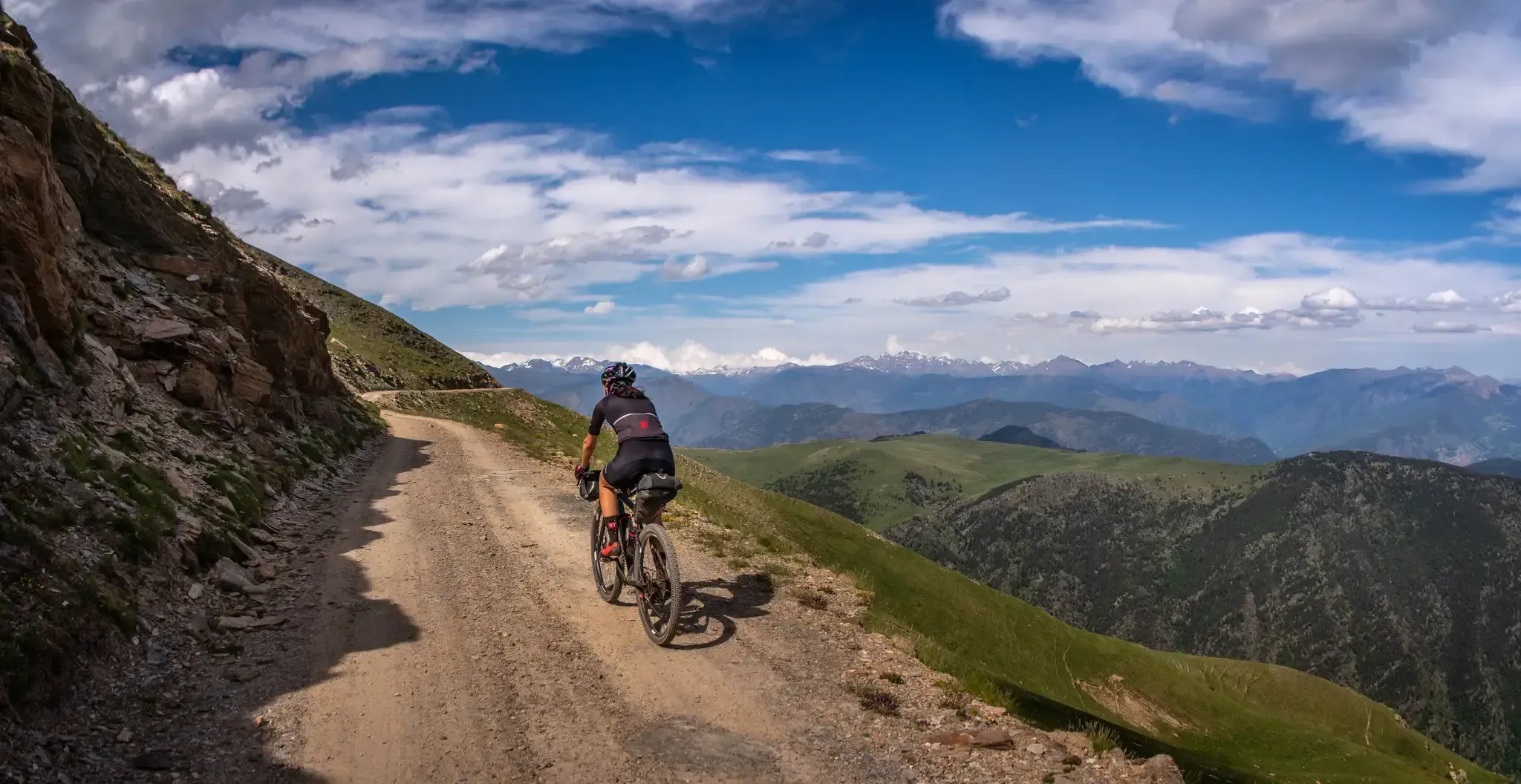
Pedals de Foc – An adventure through the Catalan Pyrenees
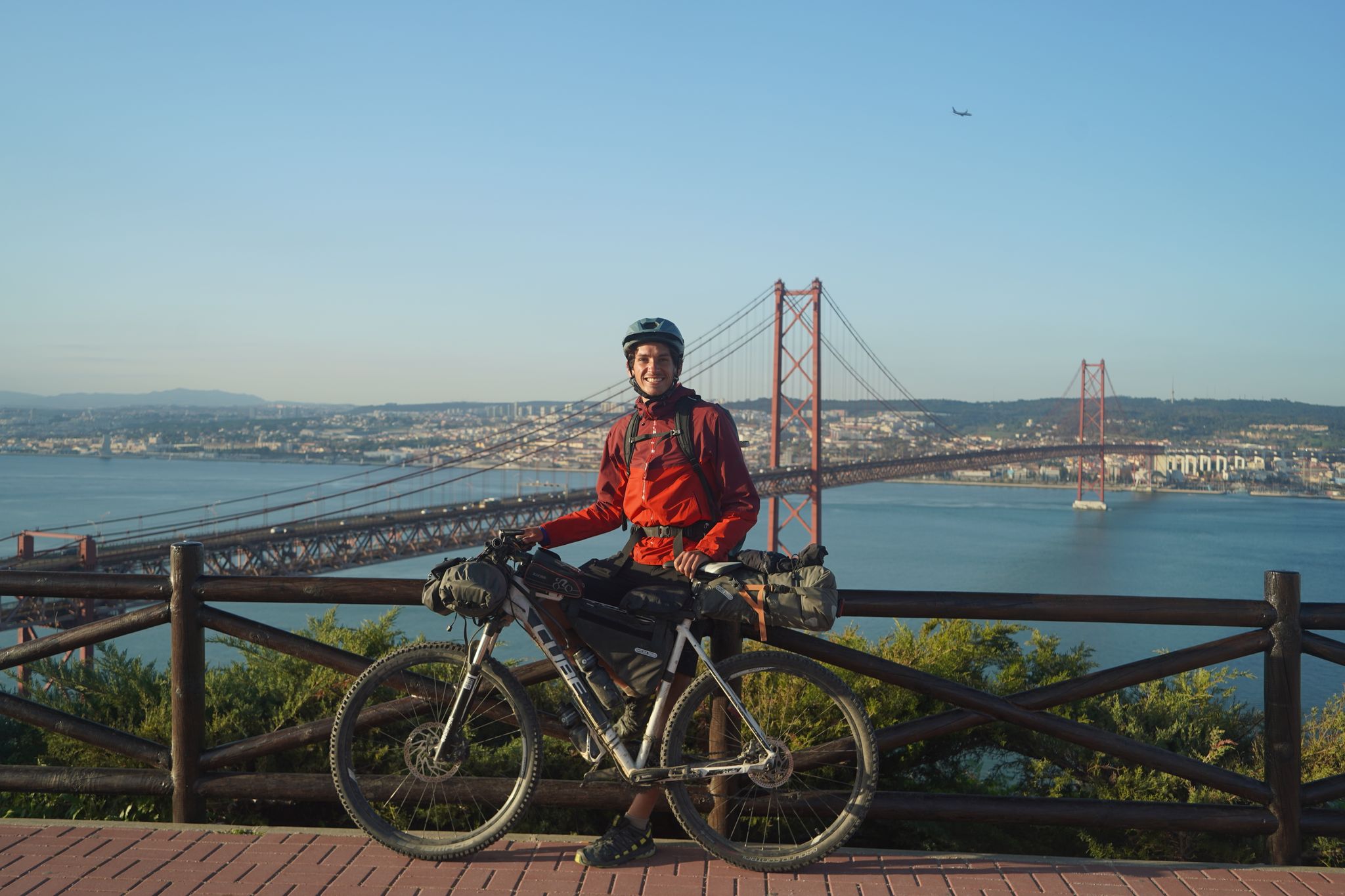
Road to Lisbon – bikepacking the Alps, Pyrenees and Picos de Europa
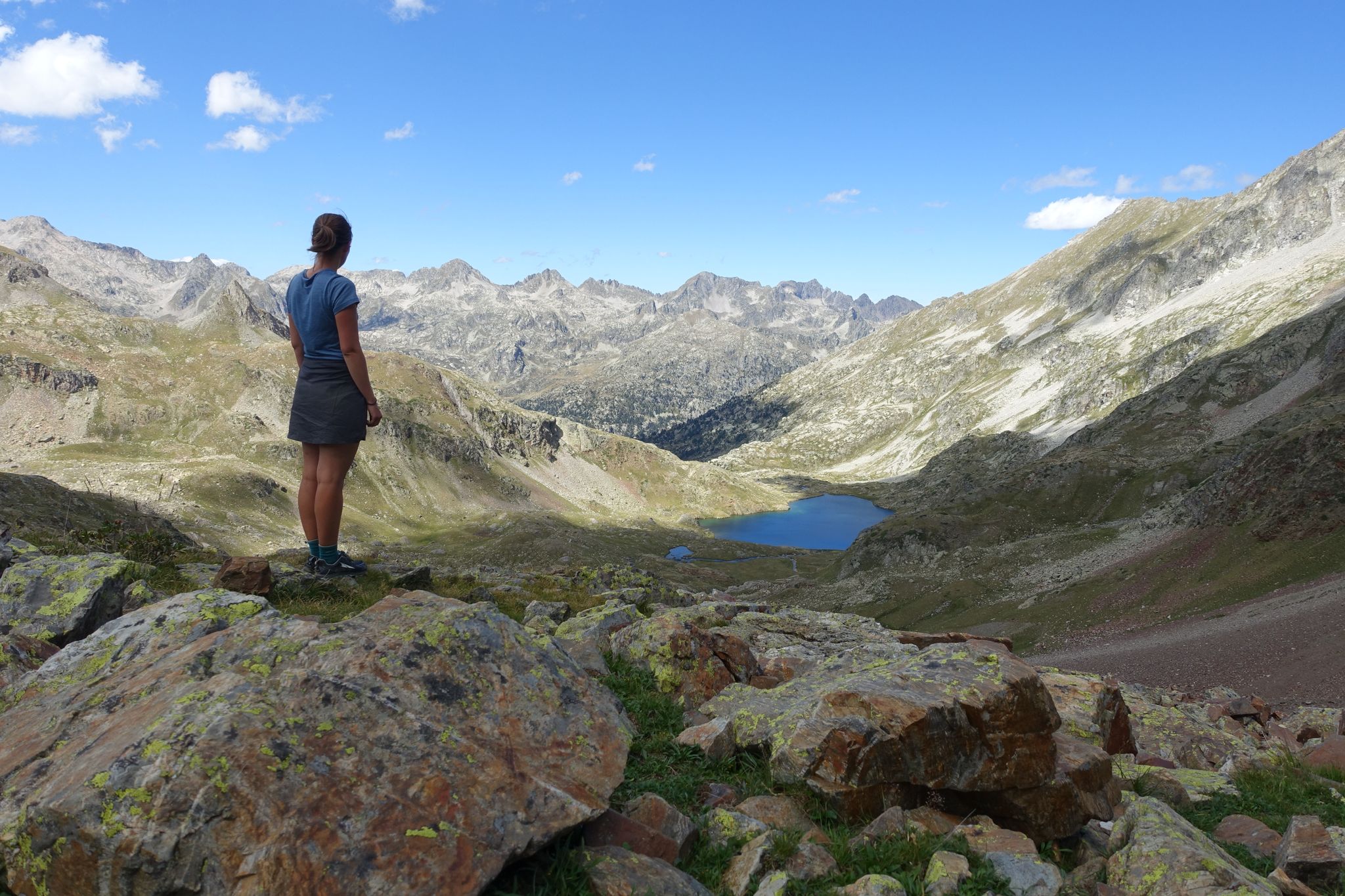
Haute Route Pyrénéenne – Pyrenees Crossing
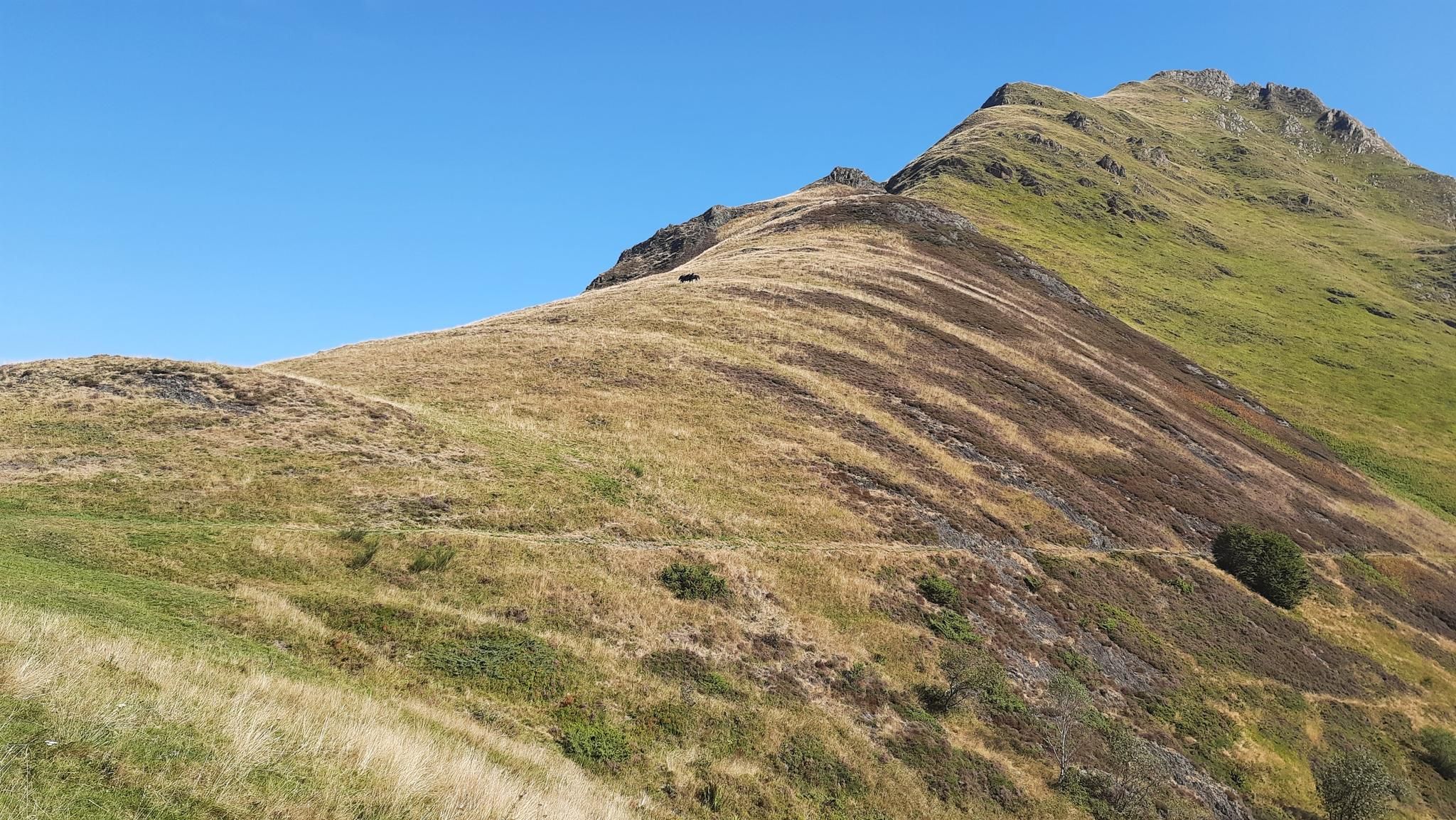
Tour of Mont Valier - The Giant of Ariège
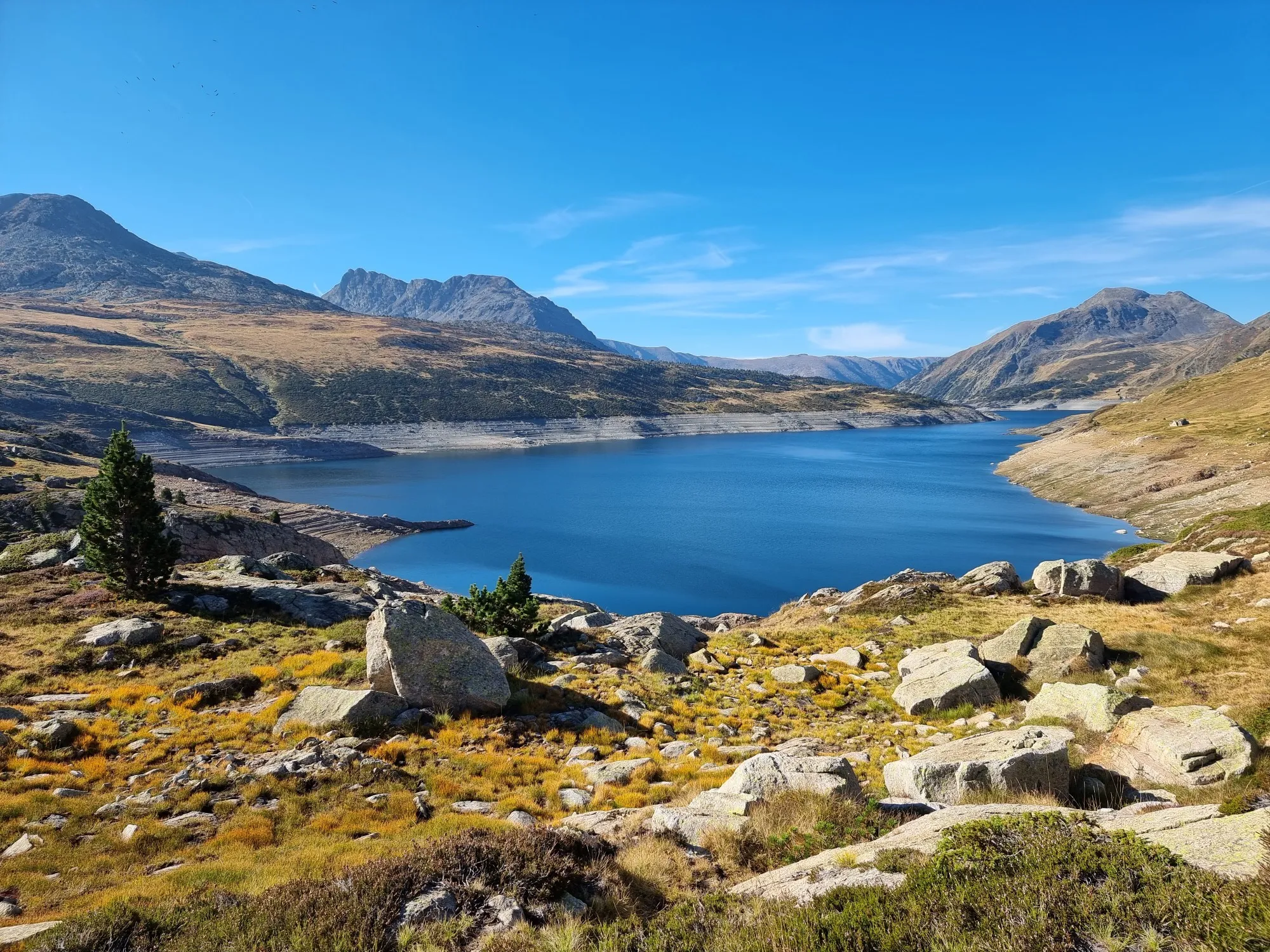
On wild ridges: Catalonia to Ariège – Hexatrek, Eastern Pyrenees
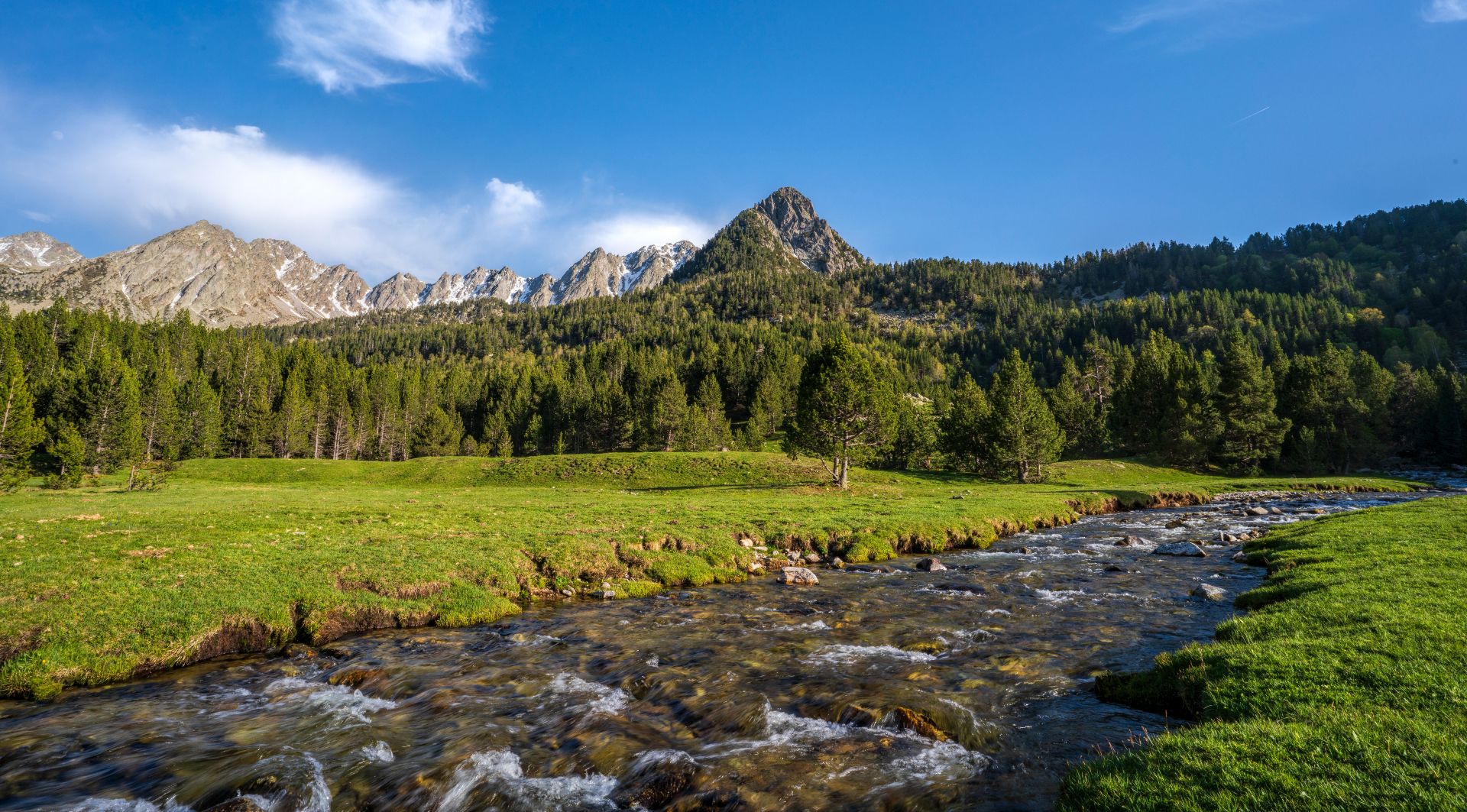
Catalonia and Andorra on the Pyrenean Trail – GR 11
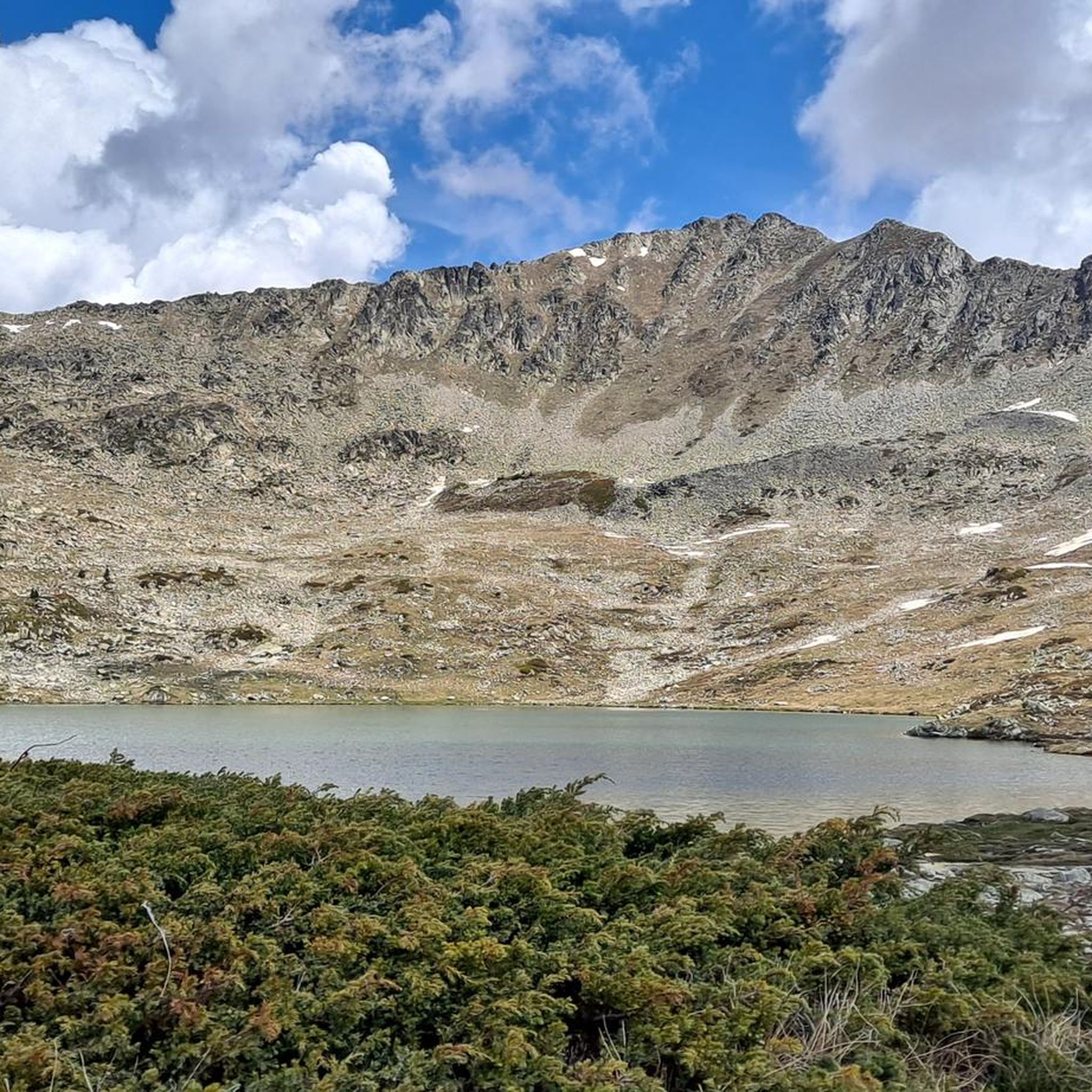
Hiking around Parc Natural de l'Alt Pirineu
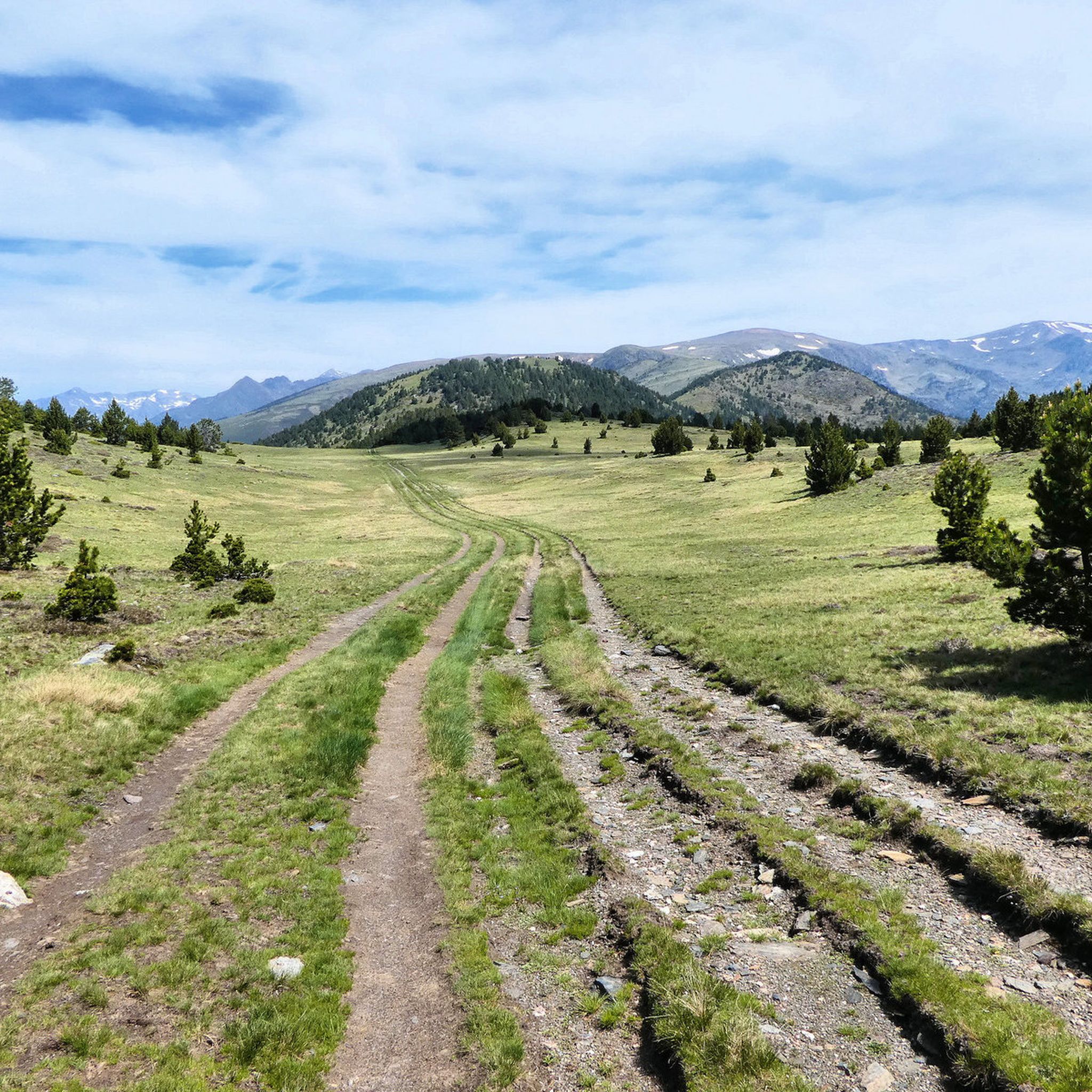
MTB Trails around Parc Natural de l'Alt Pirineu
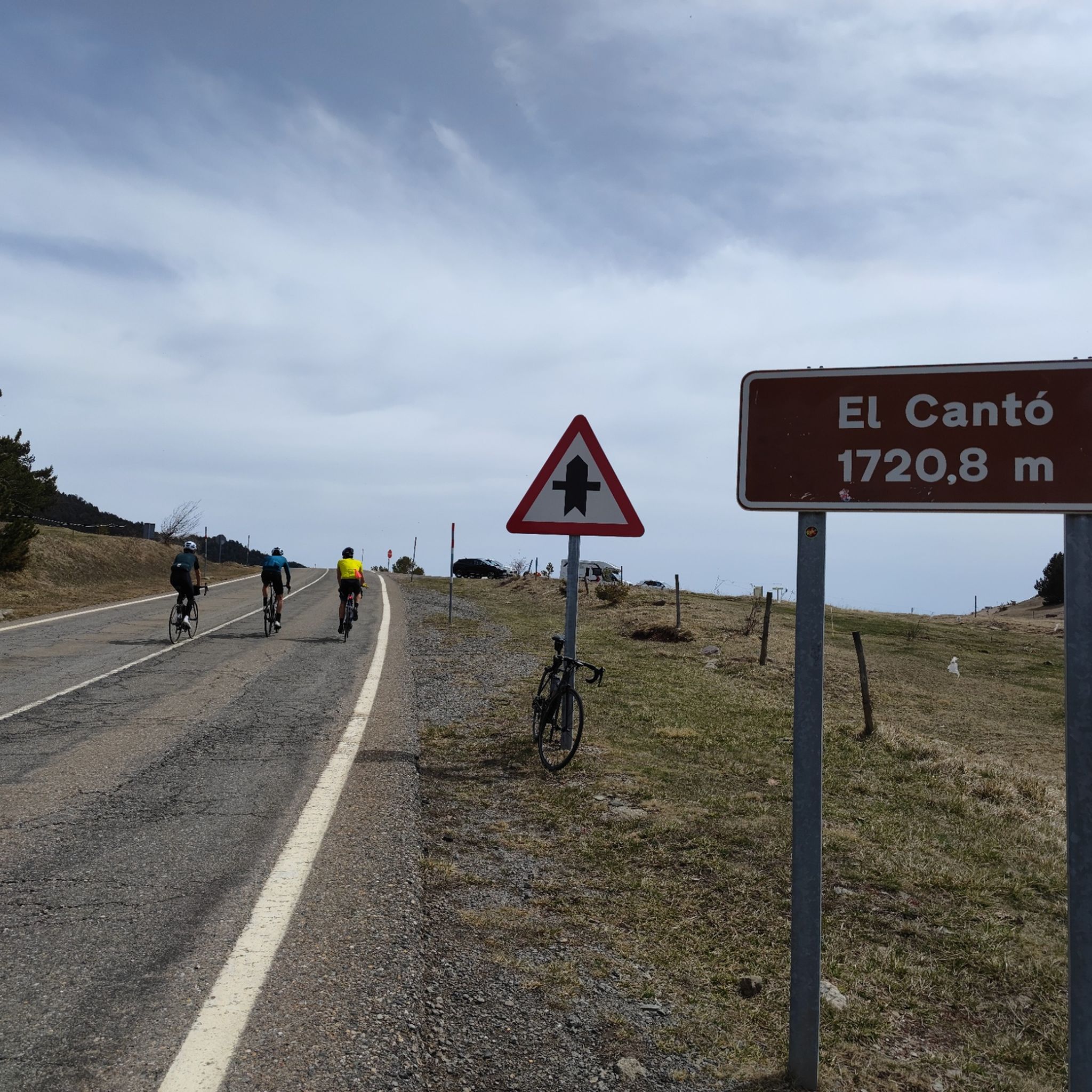
Road Cycling Routes around Parc Natural de l'Alt Pirineu
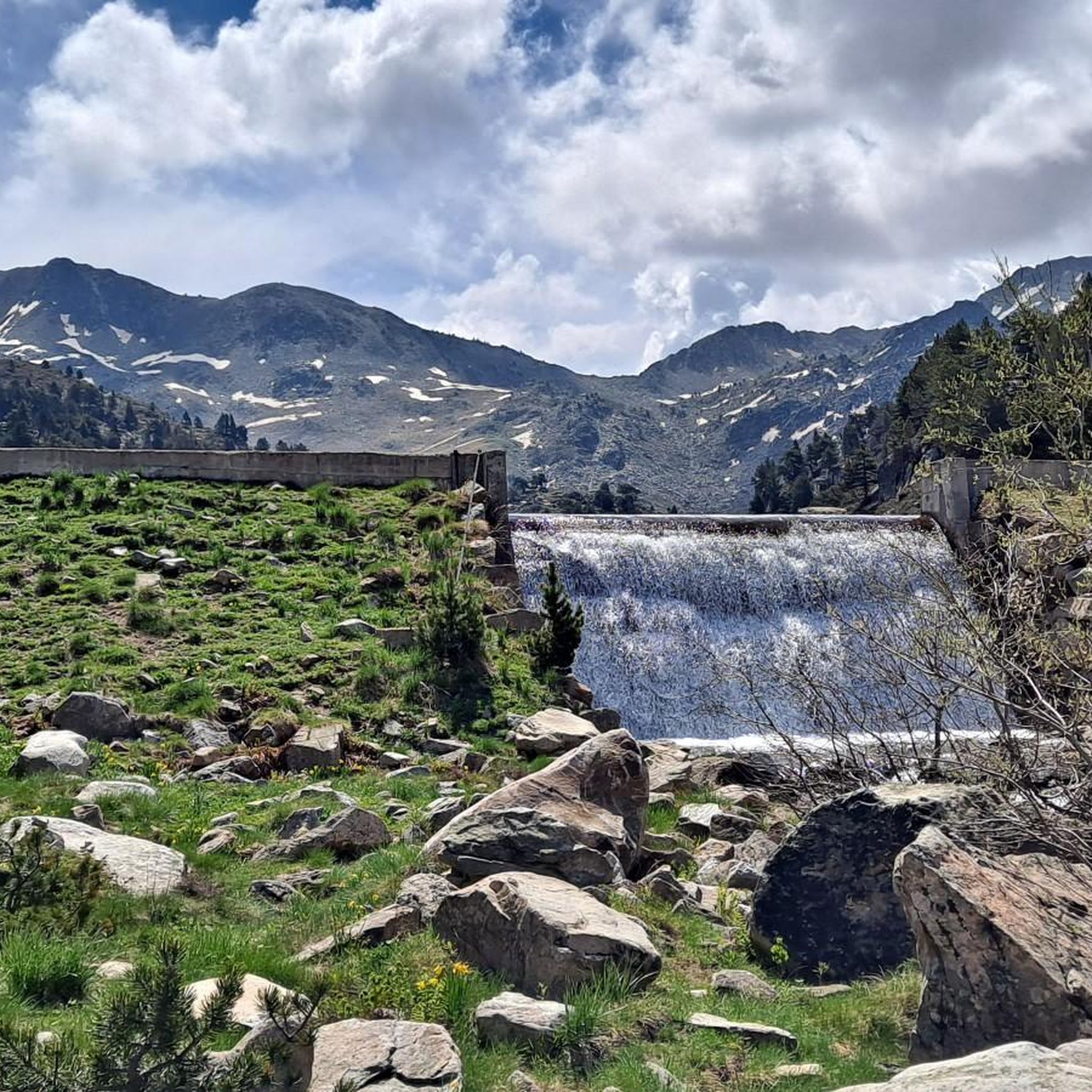
Cycling around Parc Natural de l'Alt Pirineu
Other adventures around Parc Natural de l'Alt Pirineu


Tips from the Community

The highest peak in the Catalan Pyrenees is well worth the visit, although you have to earn it as it is a long route with considerable elevation gain to overcome.
0
1

Fantastic panoramic views all around; this summit is well worth it, as you can see from my two panorama photos. Ascent from Estany de Sotllo via the pass. I took the partly exposed scrambling/climbing ridge via Pic Verdaguer. Beautiful scrambling; you just have to be careful to stay on the right track. Descent around the summit, then back to the same pass and down past the same beautiful mountain lakes, and via the Valferrera Hut into the valley. The length and roughness of this route surprised me. Luckily, I didn't start my ascent from the hut. The section along the mountainside, especially above the hut, was quite challenging. There are frequent short climbs over rocky outcrops, and at one point, I found myself on a side path below the main trail, which then ended in the undergrowth. After a short climb, everything was fine again.
1
0

The Cabús Pass is a mountain pass that crosses the Pyrenees at 2,302 m above sea level. It is located on the border between Andorra and Spain, between the parish of La Massana and the municipality of Alins. Only the Andorran side is paved. From Alins, in the High Pyrenees, the climb is impressive and involves paths and trails that are not always in good condition.
0
0

Compared to Pica d'Estats, this is a lesser-known mountain, but its views, especially to the west, are outstanding and worth every meter of elevation gain. When ascending from the French side, there is easy climbing (T4+) below the summit. From the Spanish side, it appears easier if you don't take the path to Pica d'Estats, but instead take a path marked on the map further to the left.
1
0
The small secondary peak of the Pica d'Estats. If you've made it to the gap between the two, you should also take this peak. An additional 3000m peak for free (if you don't take the 30m gap height too seriously 😉).
2
0
The summit can be reached from several sides. The direct route from the Spanish side to the summit ridge is challenging (I estimate it to be T5 according to the SAC scale). However, you can "cheat" by first crossing the pass to the left to the north side, after which you have to descend a bit to reach the trail from the French side. The technically easiest ascent is certainly from the north via the Refuge du Pinet (T3). However, from the parking lot at L'Artigue, the total elevation gain is around 2,000 meters, which is why staying overnight at the refuge is a good option (a winter room was open in October 2024, €8 per night). I chose the third option, from the Étang de Soulcem. From there, it's "only" 1,500 meters of elevation gain with a difficulty of T3+/T4-. However, I chose a variant for the ascent (see my tour) that isn't on the map and that I would rate as T4+.
3
0
Great viewpoint summit with an unusual "wooden summit cross". Less well known than the Estats, but no less worthwhile. Caution! From the French (northeast) side / Refuge du Pinet, the ascent in the last part below the summit is steep and demanding (T4 +) with easy climbing. From the Spanish side, the path from the first lake directly to the summit (i.e. not to the pass between Sotllo and Estats) is easier. In contrast to the Pica d'Estats, which is much easier to reach from the north / Refuge du Pinet via the pass between Eststs and Montcalm than from the Spanish side. From the Sotllo you can see all the ascent routes very well.
1
0

Port de Cabús is a mountain pass on the border between Andorra and Spain, known for its stunning scenery and appeal for hiking, cycling, and other mountain activities. Being on the border, Port de Cabús has particular significance, as it has historically been used as a cross-border crossing for trade and, in more recent times, as a less conventional route to cross between Andorra and Spain. Although the pass itself has no formal border control, it is important to carry documentation when crossing from one country to the other.
0
0
Frequently Asked Questions
What is the highest mountain peak in Parc Natural de l'Alt Pirineu?
The highest mountain peak in Parc Natural de l'Alt Pirineu, and indeed in all of Catalonia, is Pica d'Estats, standing at 3,143 meters. It offers extensive panoramic views of the Catalan Pyrenees and marks the border between Spain and France.
Which peaks offer the best panoramic views of the region?
For breathtaking panoramic views, Pica d'Estats provides extensive vistas of the Catalan Pyrenees. Another excellent choice is Torreta del Orri (2,438 m), which offers magnificent views of the entire Pallars region, including glimpses of Pica d'Estats, Cadí, Montserrat, and the Aragonese Pyrenees.
Are there challenging climbs for experienced mountaineers?
Yes, the park offers several challenging climbs. The ascent to Pica d'Estats is a significant accomplishment, often involving a demanding 18.3 km round trip with a substantial elevation gain of 1,408 m from Refugi de Valferrera. Additionally, Verdaguer Peak (3,129 m) and Punta de Gabarró (3,114.6 m), both part of the Pica d'Estats massif, offer additional challenges for those seeking to conquer the highest points.
What natural features can I expect to see around the mountain peaks?
The Parc Natural de l'Alt Pirineu is characterized by rugged peaks, deep valleys, alpine meadows, and pristine glacial lakes. The mountains are largely composed of granite, gneissose, and limestone, reflecting their ancient geological history. You can also find high-altitude cols, pristine rivers, and in some areas, year-round snowcaps. The park is also home to diverse wildlife, including Pyrenean chamois and bearded vultures.
Are there any mountain peaks associated with significant natural lakes?
Yes, Pic de Certascan (approximately 2,853 m) is notable for its proximity to Certascan Lake, which is the largest natural lake on the southern slopes of the Pyrenees. Combining an ascent of the peak with a visit to the lake offers both a physical challenge and the beauty of a significant natural water body.
What outdoor activities can I do near these mountain peaks?
Beyond peak bagging, the region around Parc Natural de l'Alt Pirineu offers a variety of outdoor activities. You can find numerous routes for hiking, including challenging trails like the Pica d'Estats via Vallferrera Trail. For cyclists, there are options for gravel biking and road cycling, with routes like the Rialp – Torreta del Orri loop.
Are there any mountain passes with notable views?
Yes, Port de Cabús is a mountain pass that crosses the Pyrenees at 2,302 m above sea level, located on the border between Andorra and Spain. It offers spectacular views, particularly of Andorra, as the route opens up in its final section.
Can I find circular routes that include multiple peaks or lakes?
Yes, the park features circular routes that allow you to experience multiple natural highlights. For instance, a route encompassing Ventolau peak, 3 Estanys peak, and Coma del Forn peak offers unforgettable views of the surrounding lake area, including Mascarida de Dalt, Diable, and Mascarida lakes.
What is the best time to visit the mountain peaks in Parc Natural de l'Alt Pirineu?
The best time to visit the mountain peaks in Parc Natural de l'Alt Pirineu generally depends on the activity. For hiking and mountaineering, late spring to early autumn (June to September) offers the most favorable weather conditions and less snow cover at higher altitudes. However, some areas may retain snowcaps year-round. Always check local weather and trail conditions before your visit.
What makes the mountain peaks in this park unique?
The mountain peaks in Parc Natural de l'Alt Pirineu are unique due to their status as the highest in Catalonia, their diverse geological composition of granite, gneissose, and limestone, and their location along the Spain-France border. The park's extensive network of deep valleys, alpine meadows, and glacial lakes, combined with its rich biodiversity, creates a distinctive and rugged charm for visitors.
Is Tuc del Rosari Summit worth visiting?
Yes, Tuc del Rosari Summit, at 2607 meters, is highly recommended for its panoramic views of Valle de Arán and Valle de Aneu. It's a challenging climb but rewards visitors with stunning vistas.
Most popular routes around Parc Natural de l'Alt Pirineu
Most popular attractions around Parc Natural de l'Alt Pirineu

Get inspired with the komoot mobile app


Explore more
See even more amazing summits around Parc Natural de l'Alt Pirineu with these guides:
