The 14 Most Amazing Peaks around Parc Natural del Cadí-Moixeró
Best mountain peaks around Parc Natural del Cadí-Moixeró are found within a natural park spanning over 41,000 hectares in Catalonia, Spain. This region is characterized by limestone formations, steep cliffs, and diverse ecosystems, offering a variety of peaks. The park is home to approximately 200 named mountains, providing numerous options for outdoor enthusiasts. These peaks offer panoramic views and opportunities to experience the park's natural beauty and varied landscapes.
Best mountain peaks around Parc Natural del Cadí-Moixeró
- The most popular mountain peaks is Penyes Altes del Moixeró, a summit that offers extensive 360º panoramic views. This peak, at 2,276 meters altitude, provides fantastic views without significant technical difficulty.
- Another must-see spot is Niu de l'Àliga Refuge, a hut located at 2,510 meters high on Tosa d'Alp. It is the highest guarded refuge in the Eastern Pyrenees and offers spectacular views of the Cerdanya valley, Ripollès, and Berguedà.
- Visitors also love El Collell Pass, a mountain pass that marks the intersection of several well-known routes. Located at about 1,800 meters high, it serves as a point from which to access various peaks and trails in the area.
- Parc Natural del Cadí-Moixeró is known for its high-mountain summits, challenging passes, and scenic viewpoints. The area offers a variety of mountain peaks to see and explore, from accessible routes to more demanding ascents.
- The mountain peaks around Parc Natural del Cadí-Moixeró are appreciated by the komoot community, with 63 upvotes and 38 photos across 18 highlights.
Last updated: July 21, 2026
Penyes Altes del Moixeró
Highlight • Summit
Translated by Google •
Tip by

Niu de l'Àliga Refuge
Highlight • Mountain Hut
It is one of the eight shelters that make up the Cavalls del Vent route.
It not only welcomes hikers but, being at the foot of the Molina station, it also welcomes skiers in winter.
Translated by Google •
Tip by

Sign up now to discover places like this
Get recommendations on the best single tracks, peaks, & plenty of other exciting outdoor places.
Sign up for free
Gosolans Pass
Highlight • Mountain Pass
Translated by Google •
Tip by

Prat d'Aguiló Refuge
Highlight • Mountain Hut
It has 42 places, which can be booked with breakfast, half board or full board. It also offers a bar service.
Translated by Google •
Tip by

El Collell Pass
Highlight • Mountain Pass
Translated by Google •
Tip by
Sign up for free to discover even more peaks around Parc Natural del Cadí-Moixeró.
Sign up for free
Already have an account?
Start today with a free account
Your next adventure awaits.
Login or Signup
Popular around Parc Natural del Cadí-Moixeró
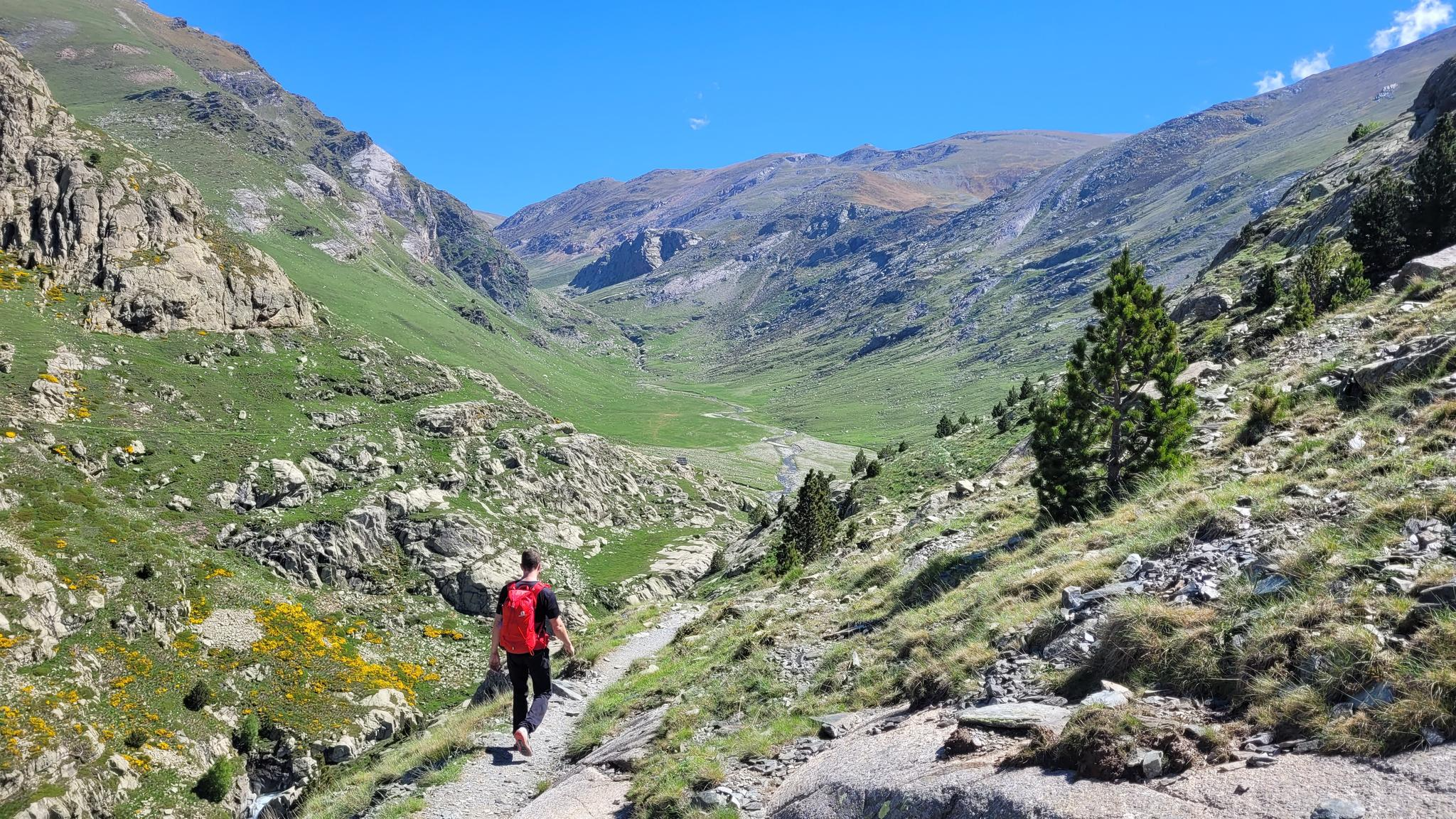
10 hikes with teenagers — Catalan paradises
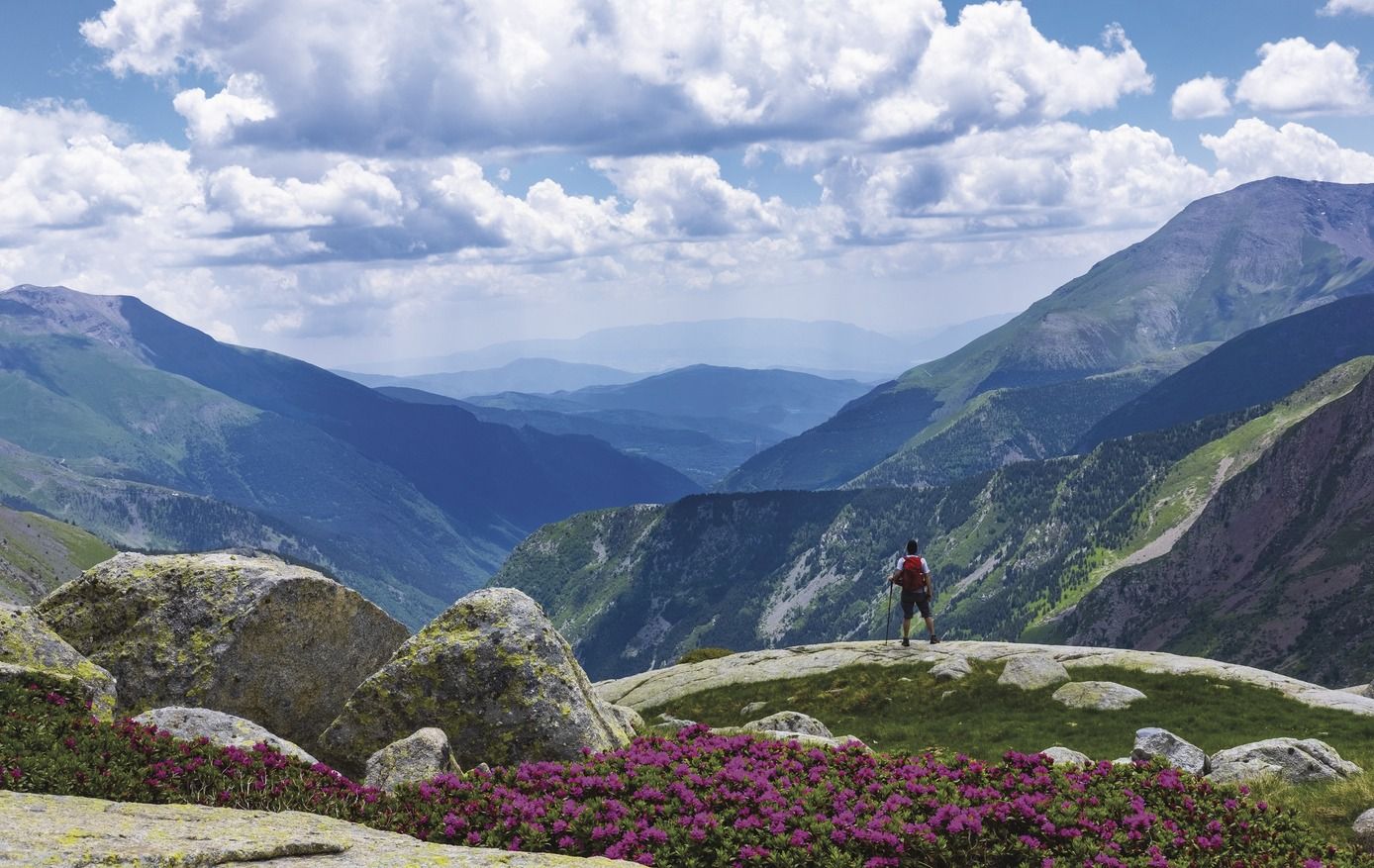
Great Hiking Routes of Catalonia
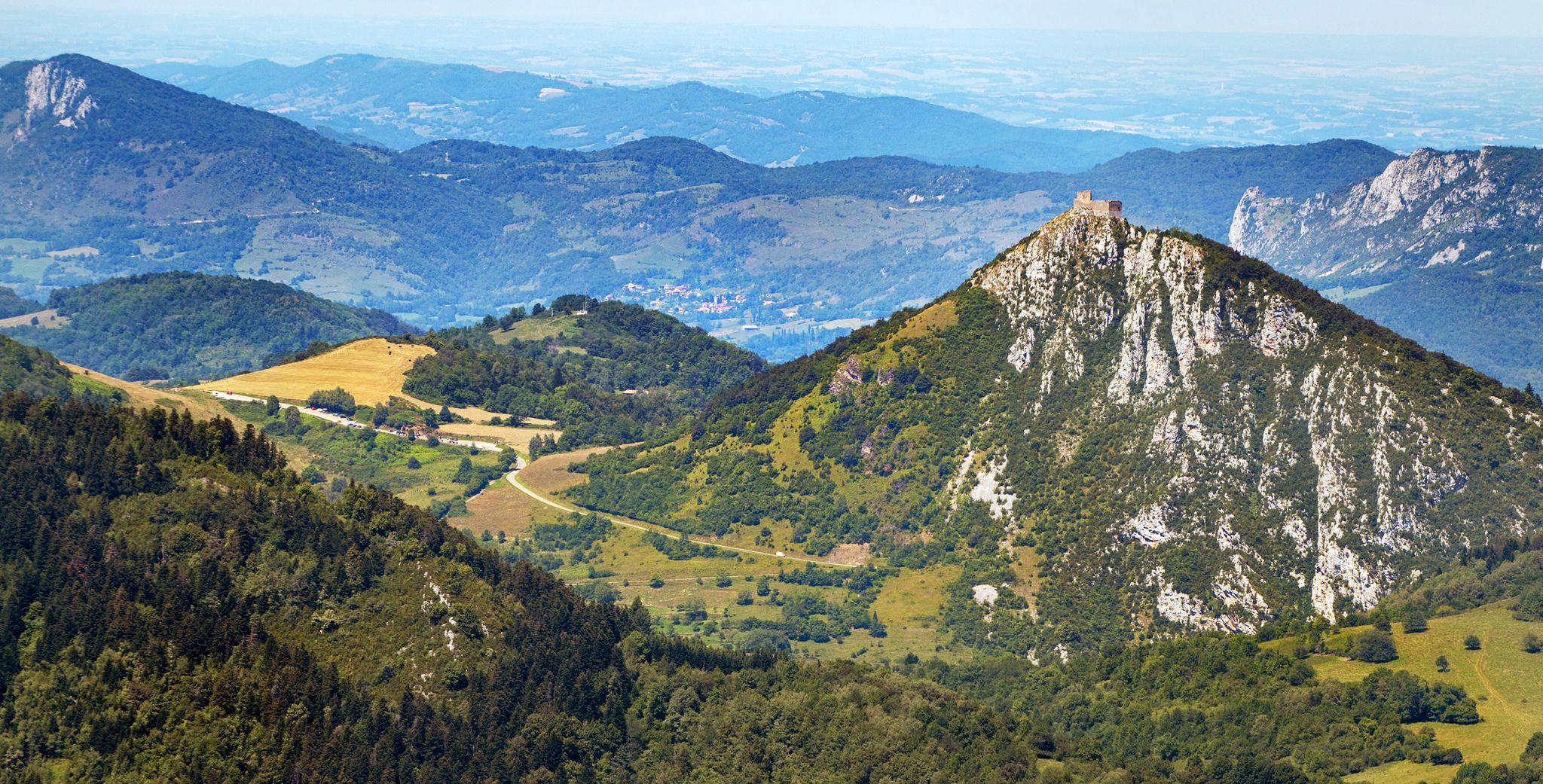
Cathar Route from Catalonia to France – Bons Homes Path (GR 107)
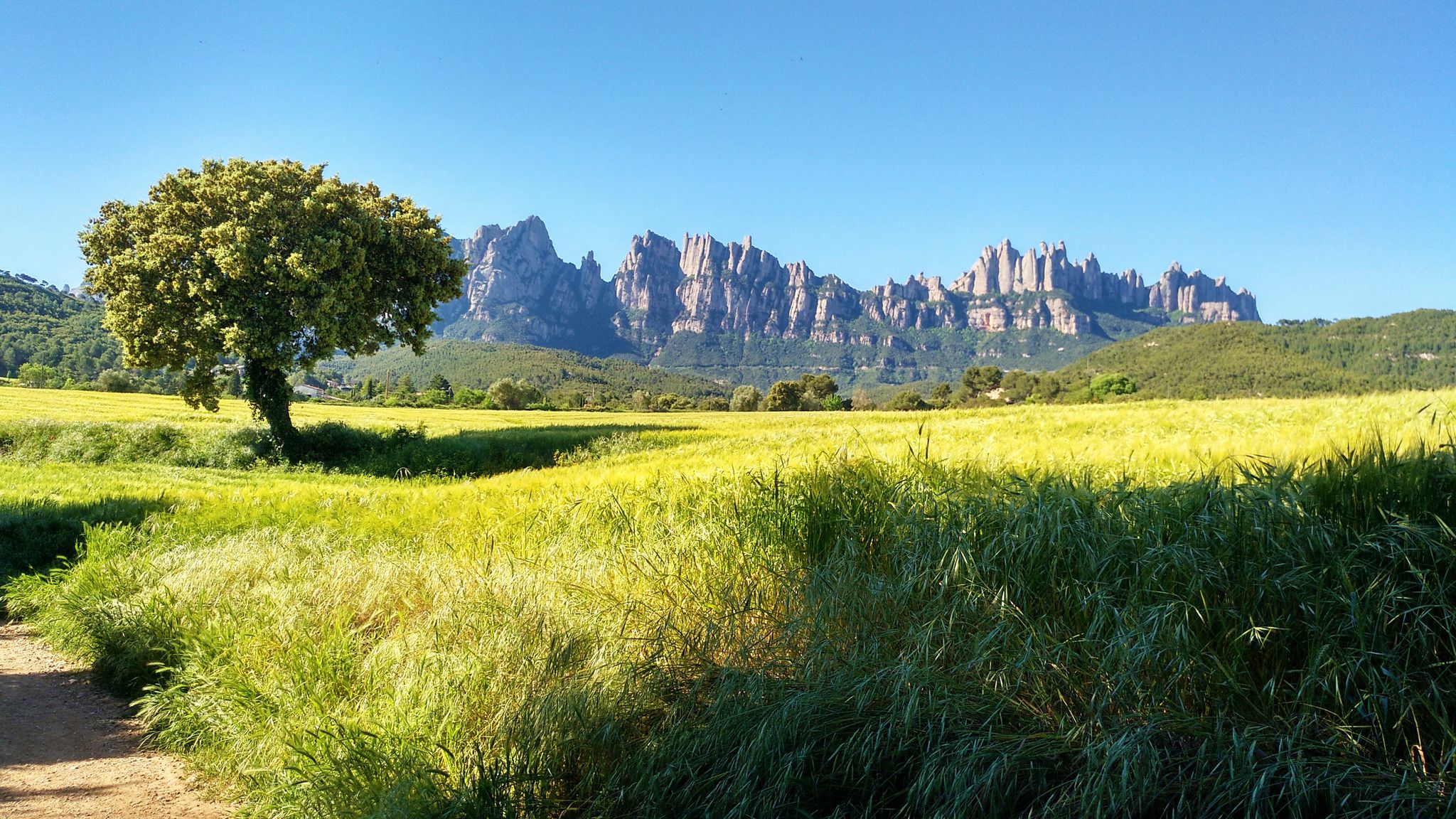
On foot from France to Montserrat – GR 4
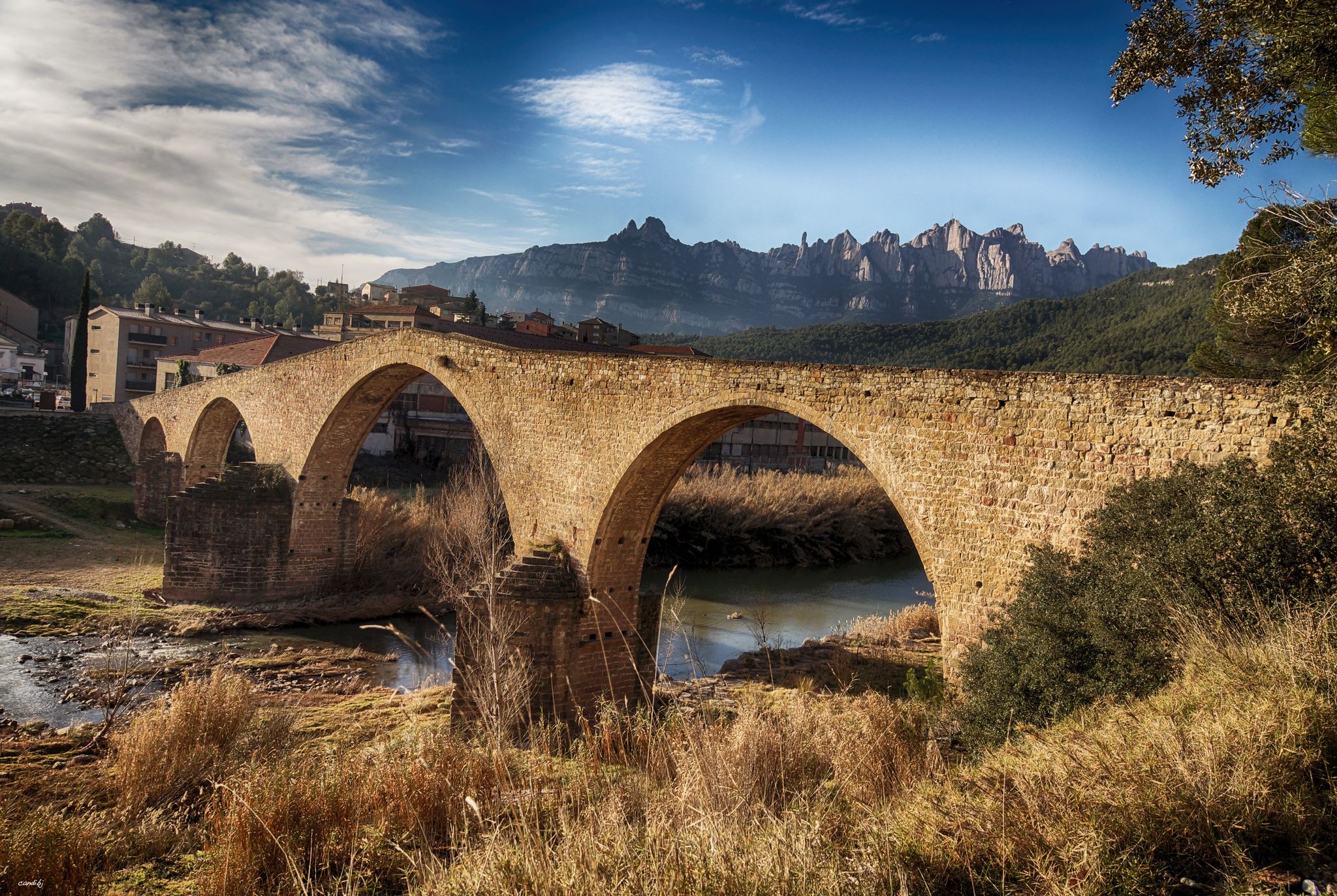
The river of Barcelona – El Camí del Llobregat
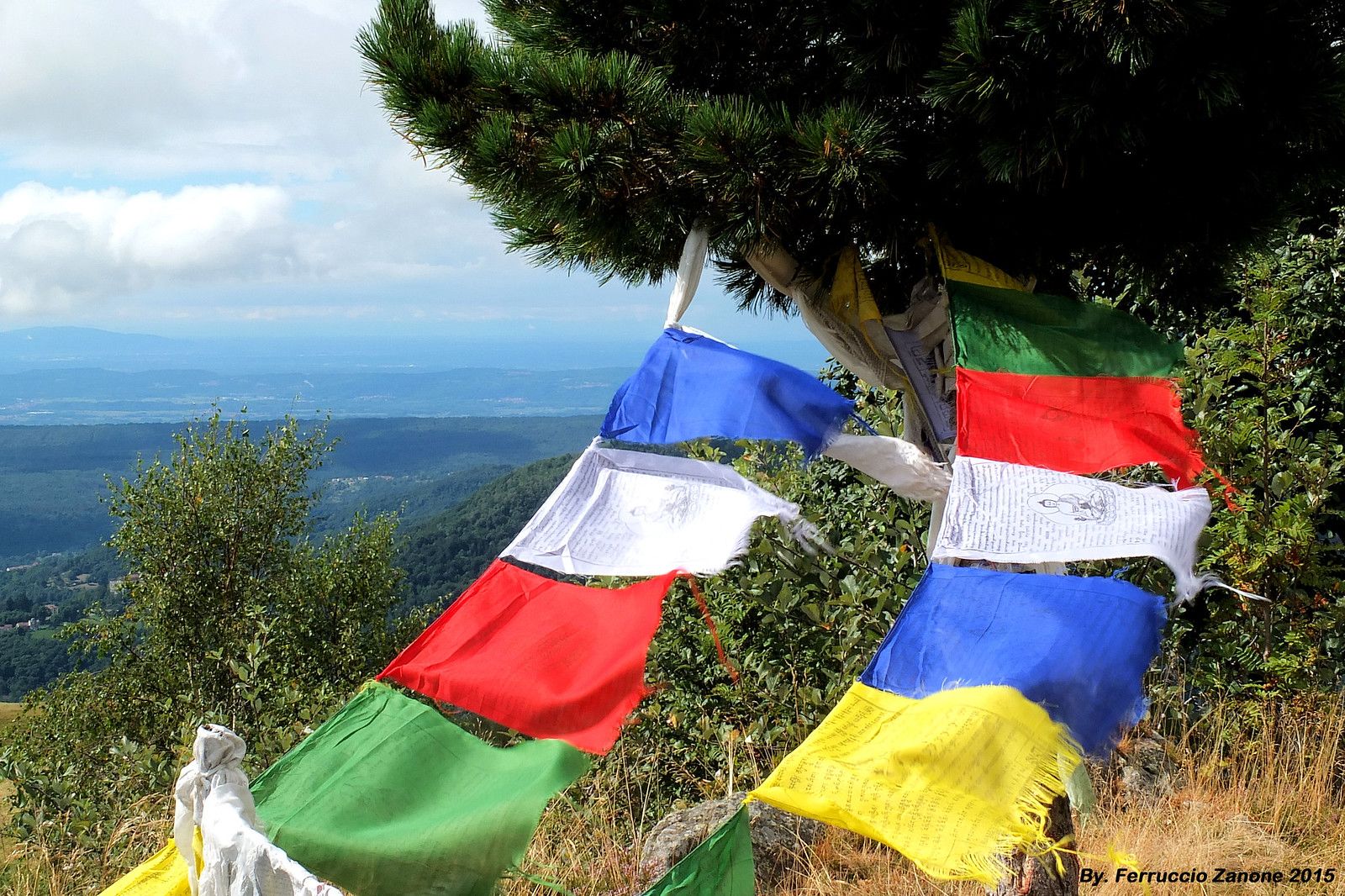
The symbol of Nepal in the Pyrenees – Cavalls del Vent
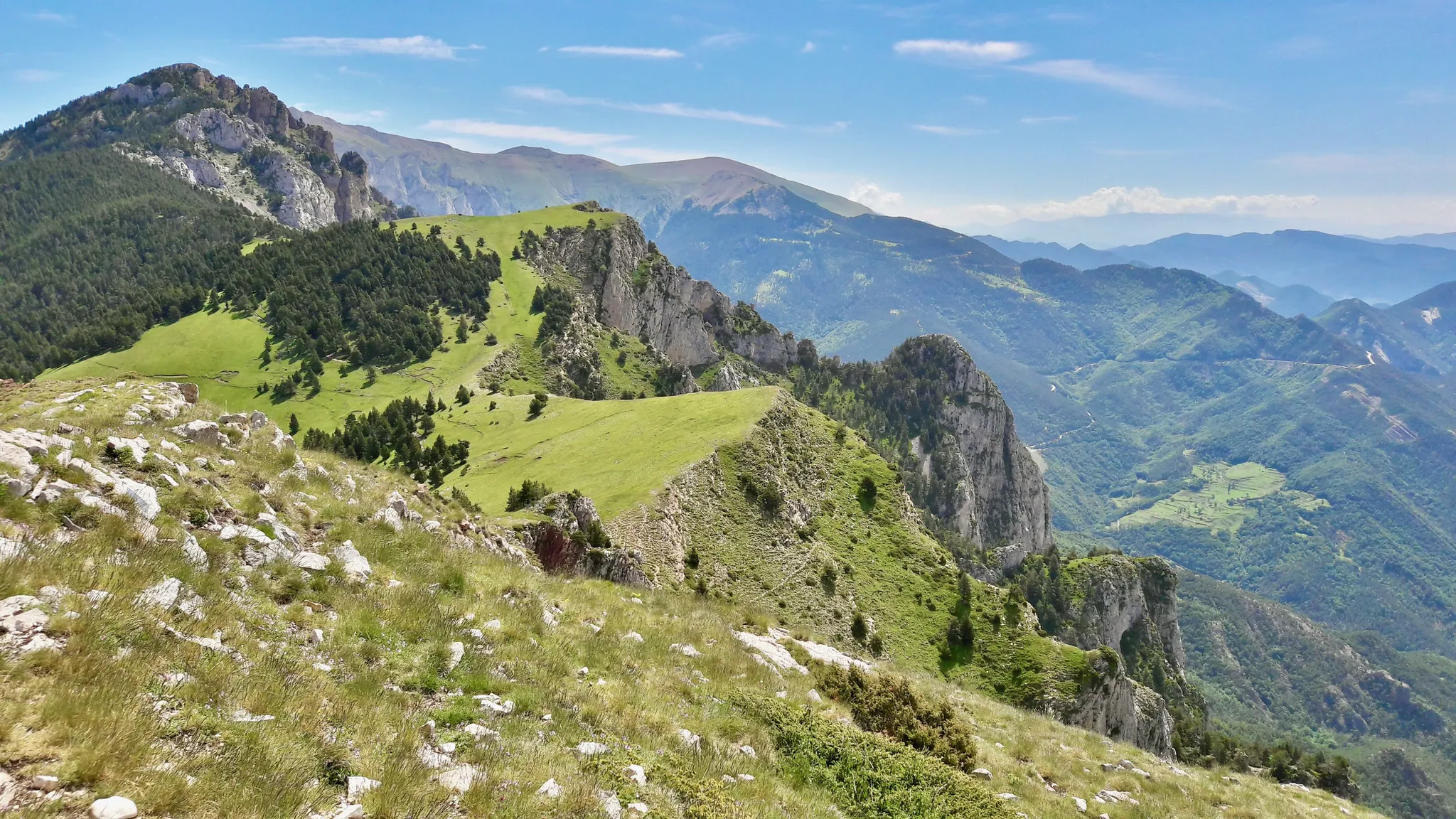
Hiking in Cavalls del Vent — Spain’s Parque Natural Cadí-Moixeró
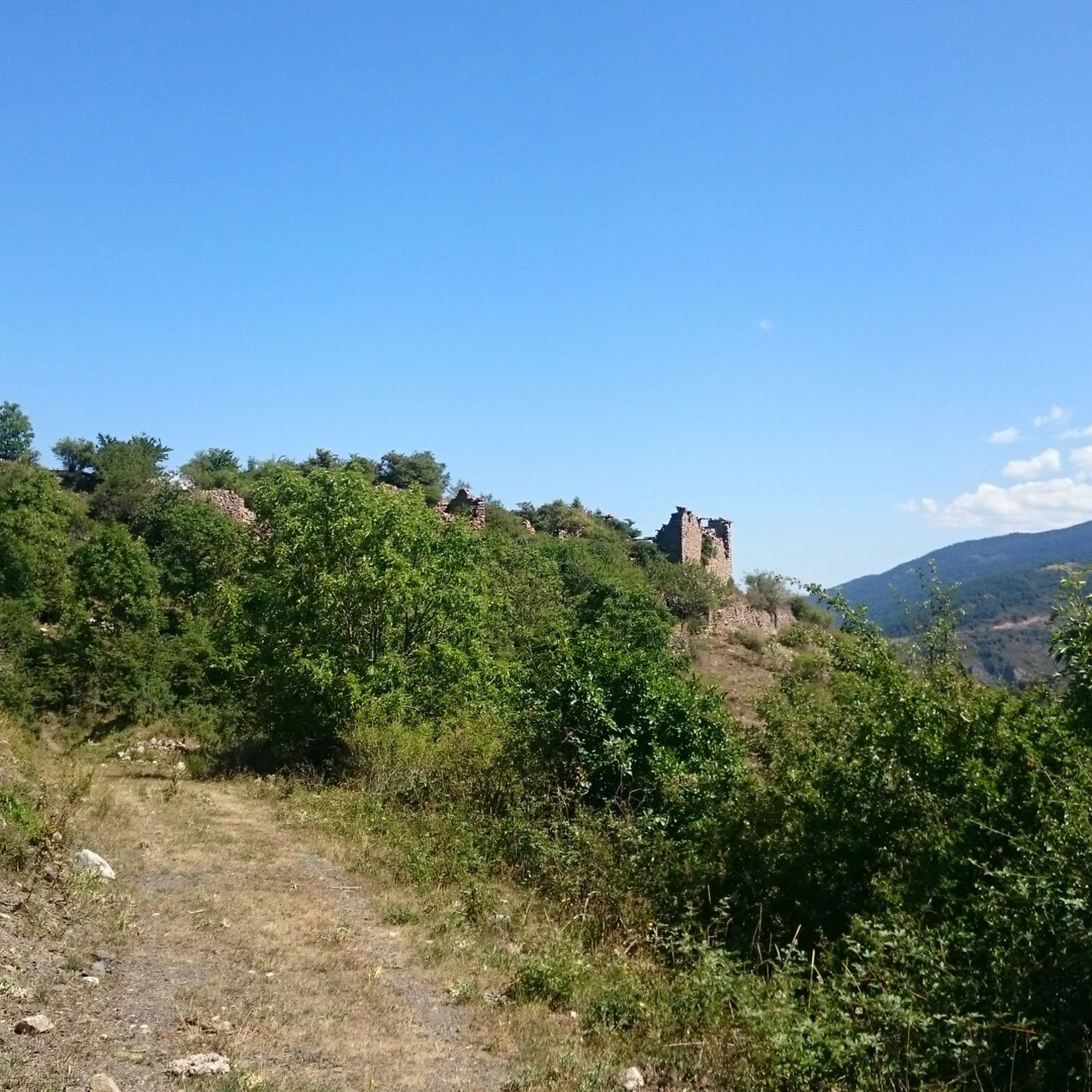
Hiking around Parc Natural del Cadí-Moixeró
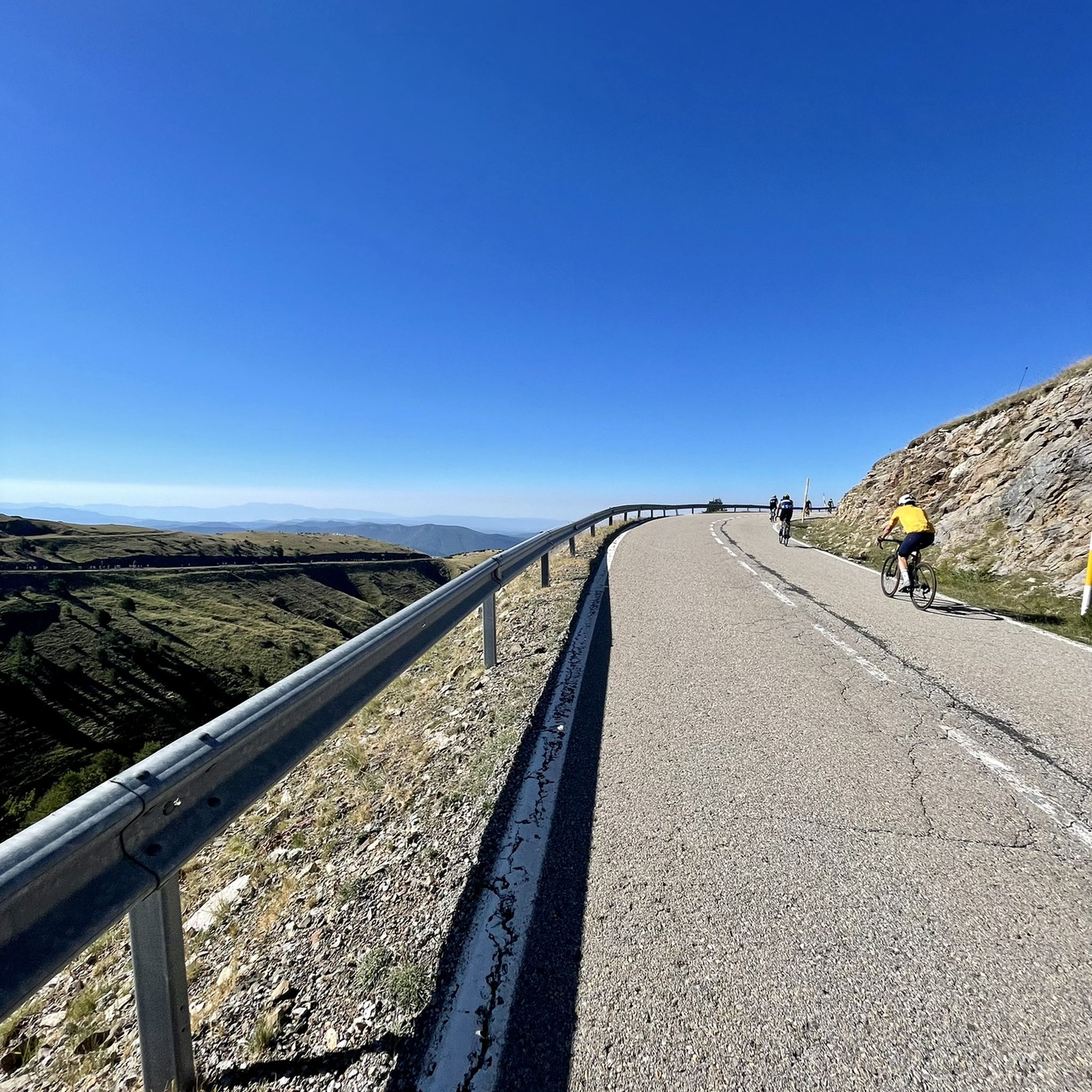
Road Cycling Routes around Parc Natural del Cadí-Moixeró
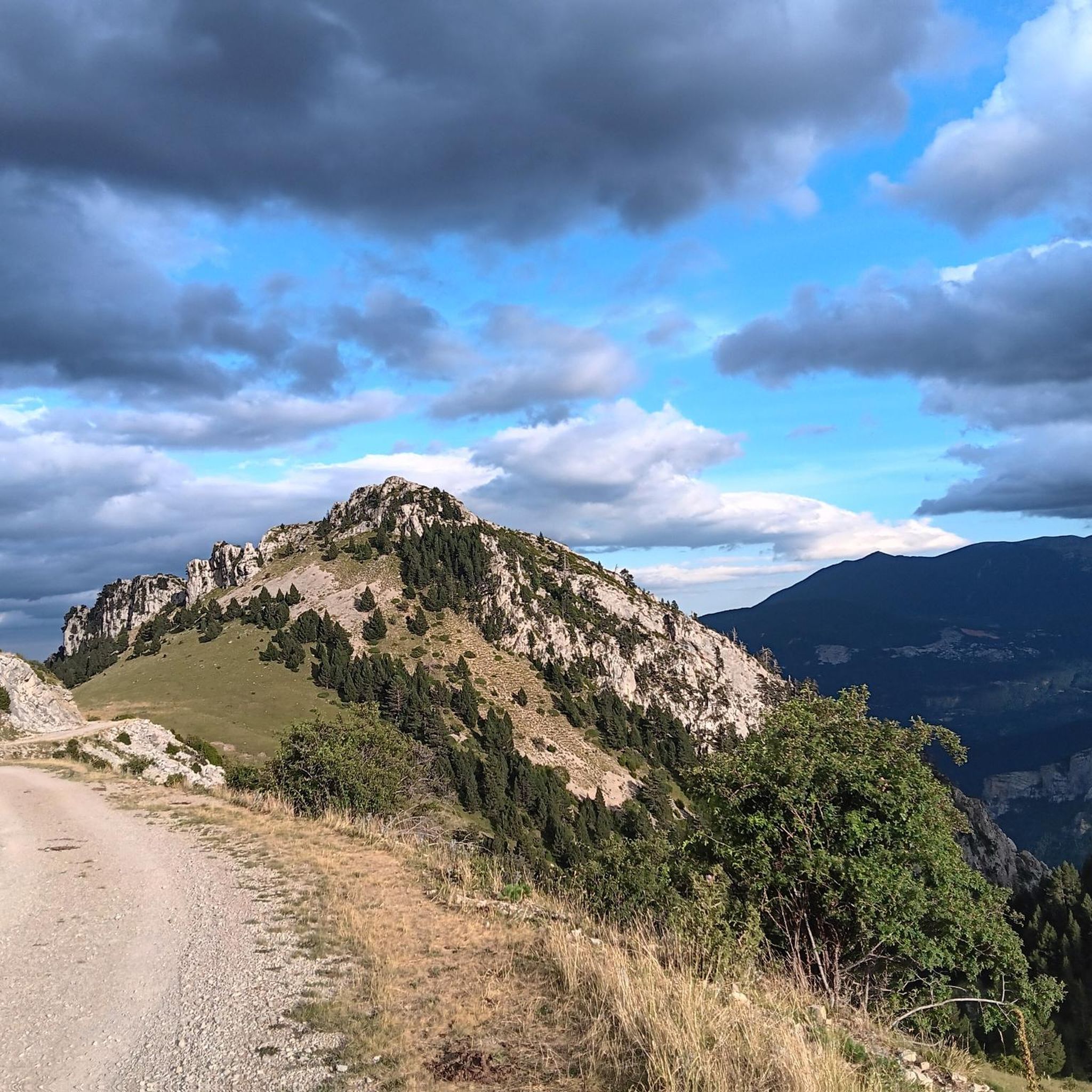
Running Trails around Parc Natural del Cadí-Moixeró
Other adventures around Parc Natural del Cadí-Moixeró


Tips from the Community

Located in one of the most beautiful corners of the Cadí mountain range, on the northern slope of the spectacular Pas dels Gosolans, the Prat de Aguiló refuge was inaugurated in 1976. It is part of the popular Cavalls del Vent crossing and the Alta Ruta del Cadí, which run through all the refuges in the Cadí Natural Park.
0
0

views of Tossa d'Alp, Pedraforca, Cadi and Serra Ensija
0
0

The Niu de l'Àliga Refuge is located at an altitude of 2,500 meters at the top of Tosa d'Alp, in the municipality of Bagà. This refuge is an iconic building at the highest point of the La Molina ski resort and offers spectacular views of the Cerdanya valley, Ripollès, and Berguedà. It is a privileged spot to enjoy sunsets and moonlit nights. The refuge has capacity for 27 people and offers services such as a cable car, blankets, showers, mobile charging, Wi-Fi, a bar, and a restaurant.
5
0

The Prat d'Aguiló refuge is one of the key points of the Cavalls de Vent route, in the heart of the Cadí mountain range. It has 42 places, which can be booked with breakfast, half board or full board. It also offers a bar service.
0
0

There are a couple of rope climbs just before the summit, but they are not difficult at all. My 20kg dog climbed them up and down without any problems.
0
0

Pas dels Gosolans, where the people of Cerdanya used to pass with their flocks to reach Ripollès
0
0

Pleasant accommodation and food options on the "Cavalls del Vent" tour.
0
0
After about an hour's climb from Prat d'Aguilo you reach this pass with its incredibly beautiful, barren landscape.
0
0
Frequently Asked Questions
What are some of the most iconic mountain peaks to visit in Parc Natural del Cadí-Moixeró?
The Parc Natural del Cadí-Moixeró is home to many impressive peaks. Among the most iconic are Penyes Altes del Moixeró, known for its extensive 360º panoramic views and accessibility, and Pedraforca, famous for its unique bifurcated summit and challenging climb. Vulturó, as the highest peak within the park, also offers significant challenges and rewarding vistas.
Are there any mountain peaks in the park suitable for less experienced hikers?
Yes, Penyes Altes del Moixeró is considered one of the most beautiful peaks in the eastern part of the park and offers fantastic views without significant technical difficulty, making it accessible to a wider range of hikers. Puigllançada also provides a rewarding hiking experience with excellent viewpoints.
What kind of views can I expect from the mountain peaks in Parc Natural del Cadí-Moixeró?
From the peaks in Parc Natural del Cadí-Moixeró, you can expect spectacular panoramic views. For instance, from Vulturó, you can see extensive vistas of the surrounding Pyrenees and central Catalonia. La Tosa offers views of the Cerdanya valley, Ripollès, and Berguedà, while Penyes Altes del Moixeró provides 360º panoramic views of the diverse landscapes.
Are there any mountain refuges or huts available for overnight stays near the peaks?
Yes, the park features several refuges. The Niu de l'Àliga Refuge, located at 2,510 meters high on Tosa d'Alp, is the highest guarded refuge in the Eastern Pyrenees and offers accommodation, bar, and restaurant services. Another key refuge is Prat d'Aguiló Refuge, which is part of the popular Cavalls del Vent route and serves as a great base camp for mountaineering, including ascents to Comabona.
What is the best time of year to hike the mountain peaks in Parc Natural del Cadí-Moixeró?
The best time to hike the mountain peaks generally depends on the specific peak and your experience level. Summer and early autumn offer the most favorable conditions for high-mountain treks, with clearer paths and milder weather. However, some peaks like La Tosa are also popular in winter for skiing and snowshoeing, though they require appropriate gear and experience.
What kind of wildlife can I spot while exploring the mountain peaks?
The Parc Natural del Cadí-Moixeró is a biodiversity hotspot. While exploring the peaks, you might encounter chamois, deer, and roe deer. The park is also home to various bird species, including the woodpecker (the park's symbol) and the majestic bearded vulture, especially in the higher alpine environments.
Are there challenging mountaineering opportunities in the park?
Absolutely. Peaks like Vulturó, the highest in the park, offer a significant challenge and a quintessential high-mountain experience. Pedraforca is also renowned for its challenging climb, including scrambling sections, making it a symbol of Catalan mountaineering. Comabona provides ample opportunities for challenging hikes in a high-mountain wilderness setting.
What are some popular long-distance trails that pass through the mountain peaks area?
The Parc Natural del Cadí-Moixeró is traversed by parts of the famous "Cavalls del Vent" long-distance trail. This route connects several refuges, including Niu de l'Àliga Refuge and Prat d'Aguiló Refuge, offering a multi-day trekking experience through the heart of the park's mountain ranges.
What outdoor activities can I do near these mountain peaks besides hiking?
Beyond hiking, the region around Parc Natural del Cadí-Moixeró offers various outdoor activities. You can find numerous cycling routes, including challenging options like the Pedraforca 360º circular route. There are also extensive MTB trails and gravel biking routes, such as the Gresolet Sanctuary loop from Gósol, catering to different cycling preferences.
Where can I find more information about the Parc Natural del Cadí-Moixeró?
For additional information about the natural park, its geology, ecosystems, and conservation efforts, you can visit the official park resources or explore general information about the region. A good starting point for broader context is the Wikipedia page for Cadí-Moixeró Natural Park.
Are there any mountain passes that serve as important access points or viewpoints?
Yes, the park features significant mountain passes. El Collell Pass, located at about 1,800 meters, marks the intersection of several well-known routes and serves as a key access point to various peaks and trails. The Gosolans Pass, at around 2,400 meters, is another magical place on the Cavalls del Vent route, offering impressive views in the Sierra del Cadí.
Most popular routes around Parc Natural del Cadí-Moixeró
Most popular attractions around Parc Natural del Cadí-Moixeró

Get inspired with the komoot mobile app


Explore more
See even more amazing summits around Parc Natural del Cadí-Moixeró with these guides:
