Attractions and Places To See around Parc Natural de Sant Llorenç del Munt i l'Obac - Top 20
Best attractions and places to see around Parc Natural de Sant Llorenç del Munt i l'Obac include a diverse landscape of impressive rock formations, Mediterranean forests, and a rich historical heritage. This natural park, recognized as a UNESCO Global Geopark, features rugged terrain with distinctive cliffs, monoliths, and over 300 caves and chasms. It offers a combination of natural beauty and historical significance, making it an ideal destination for exploring. The area is characterized by its unique geology and cultural…
Last updated: August 30, 2026
La Mola (1,103 m)
Highlight • Summit
Translated by Google •
Tip by

La Mola and the Monastery of Sant Llorenç del Munt
Highlight • Summit
Translated by Google •
Tip by
Sign up now to discover places like this
Get recommendations on the best single tracks, peaks, & plenty of other exciting outdoor places.
Sign up for free
Morral del Drac
Highlight • Natural Monument
Translated by Google •
Tip by

Montcau Summit
Highlight • Summit
Translated by Google •
Tip by

Estenalles Pass
Highlight • Mountain Pass
Showing Translation
Tip by

Sign up for free to discover even more attractions around Parc Natural de Sant Llorenç del Munt i l'Obac.
Sign up for free
Already have an account?
Start today with a free account
Your next adventure awaits.
Login or Signup
Popular around Parc Natural de Sant Llorenç del Munt i l'Obac
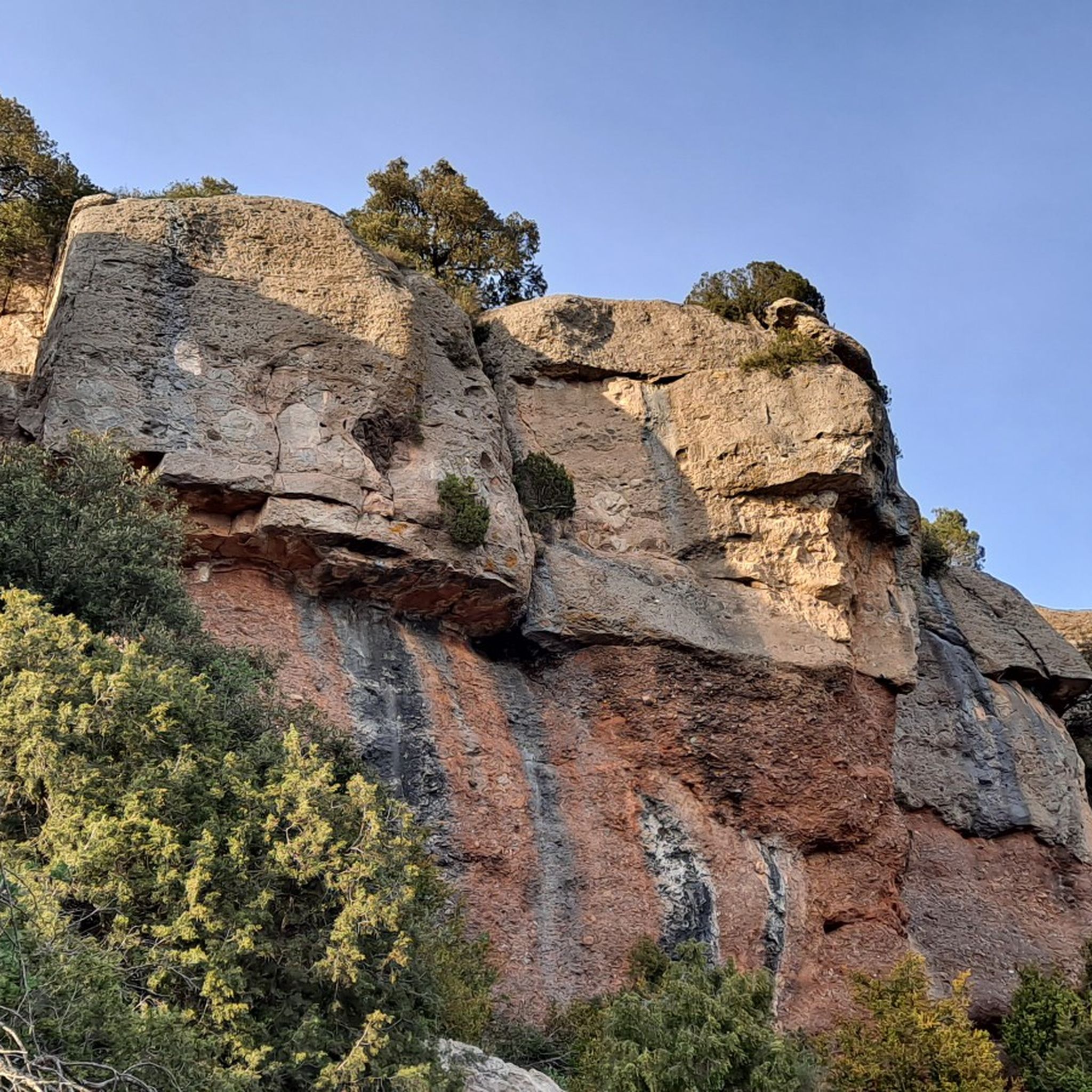
Hiking around Parc Natural de Sant Llorenç del Munt i l'Obac
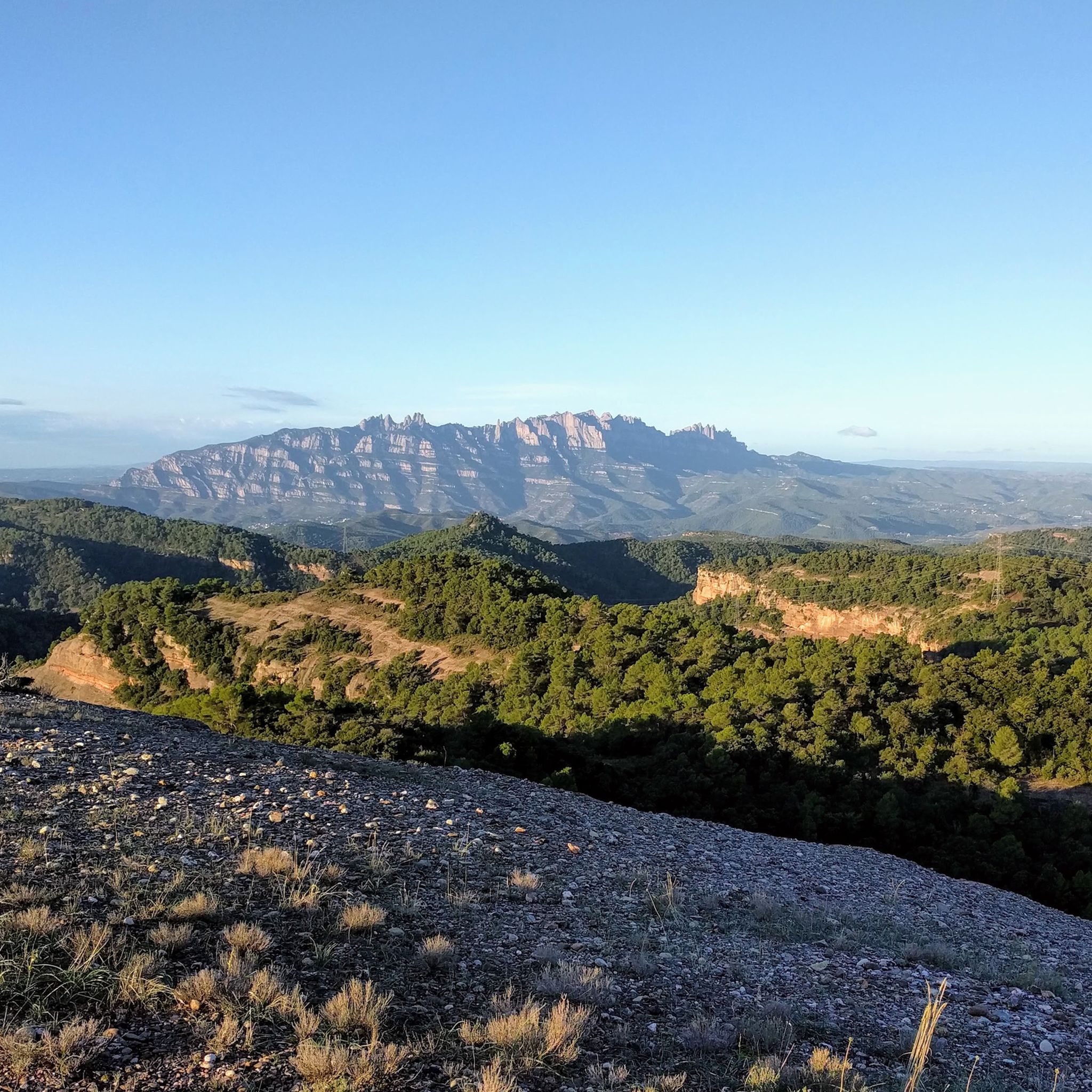
Running Trails around Parc Natural de Sant Llorenç del Munt i l'Obac
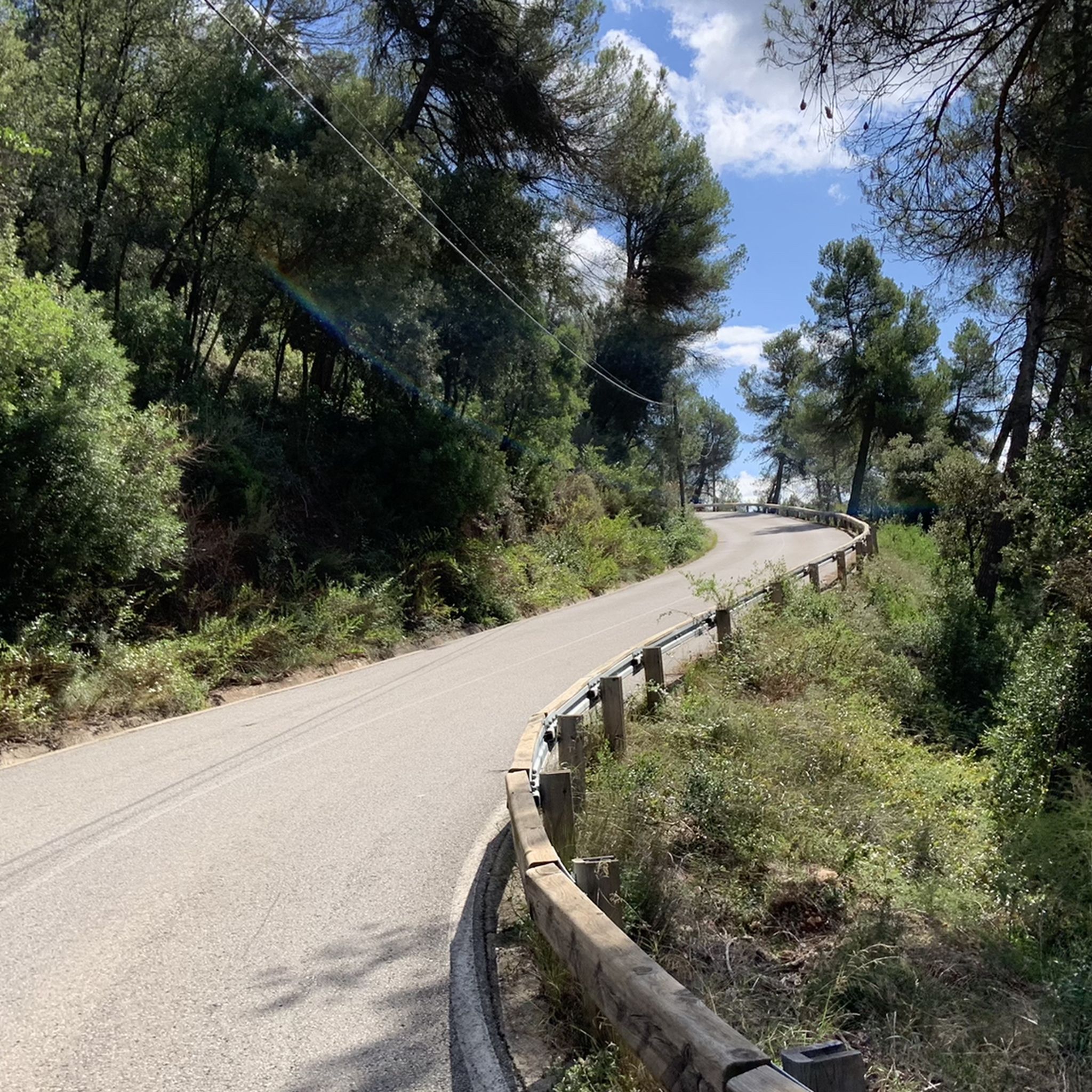
Road Cycling Routes around Parc Natural de Sant Llorenç del Munt i l'Obac
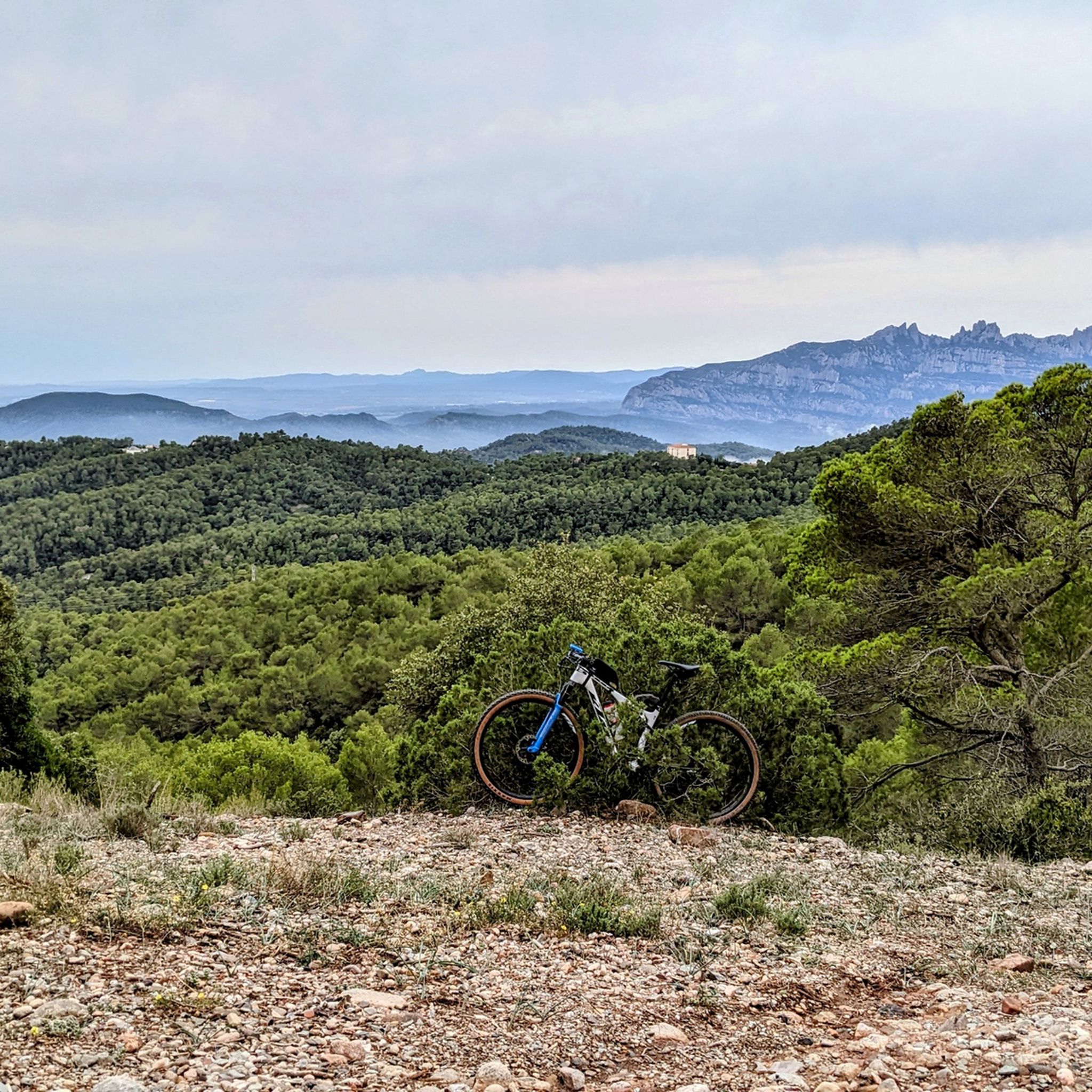
MTB Trails around Parc Natural de Sant Llorenç del Munt i l'Obac
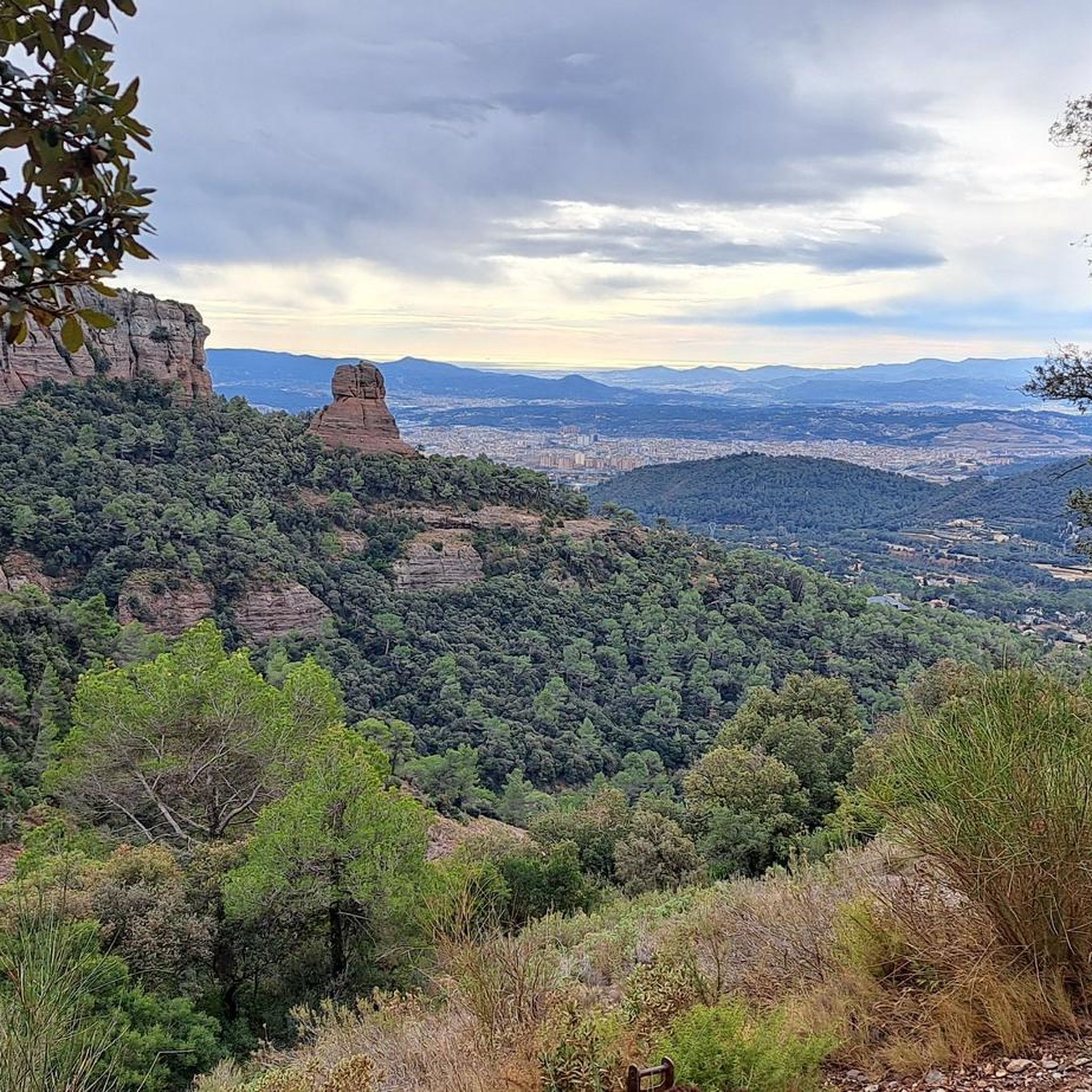
Cycling around Parc Natural de Sant Llorenç del Munt i l'Obac
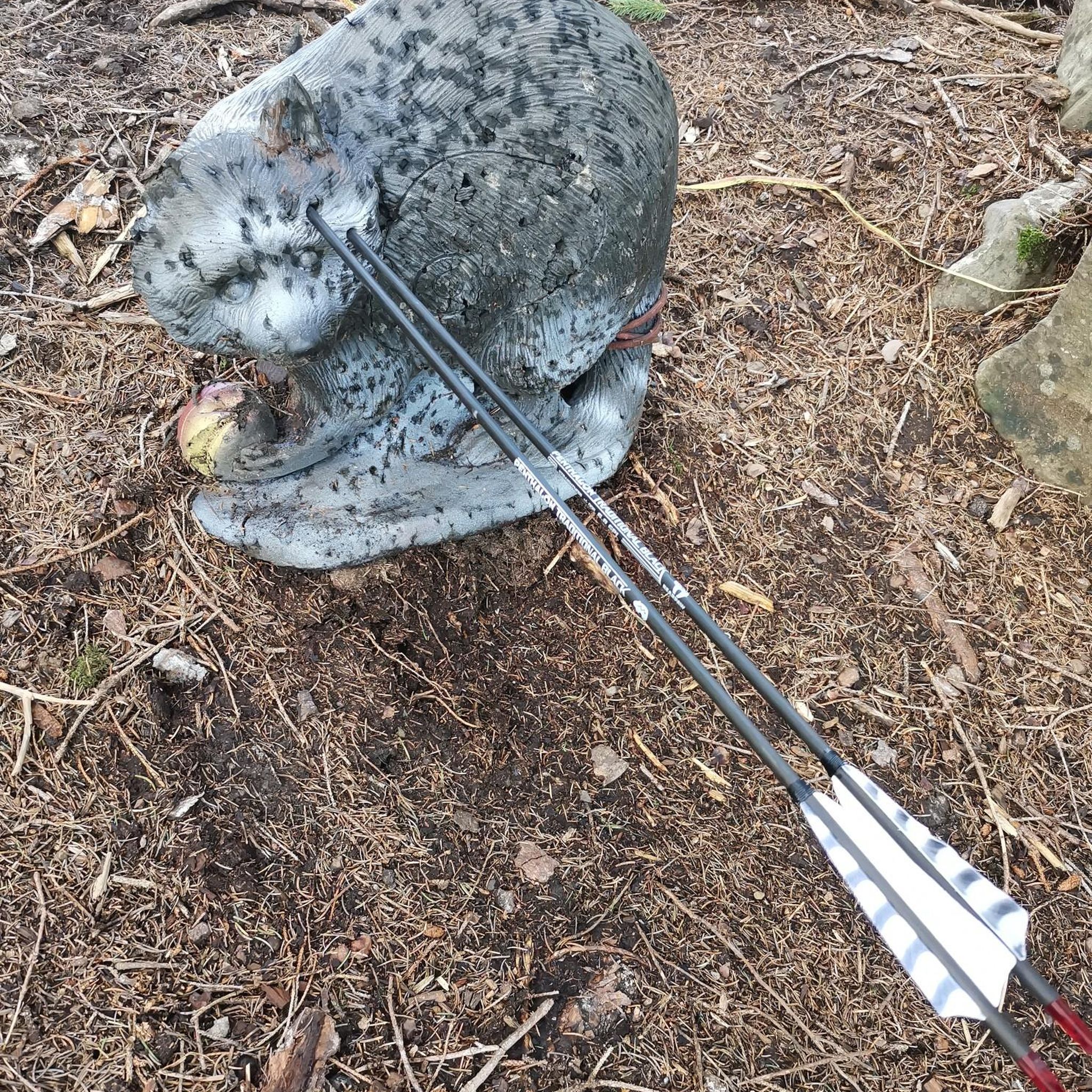
Gravel biking around Parc Natural de Sant Llorenç del Munt i l'Obac
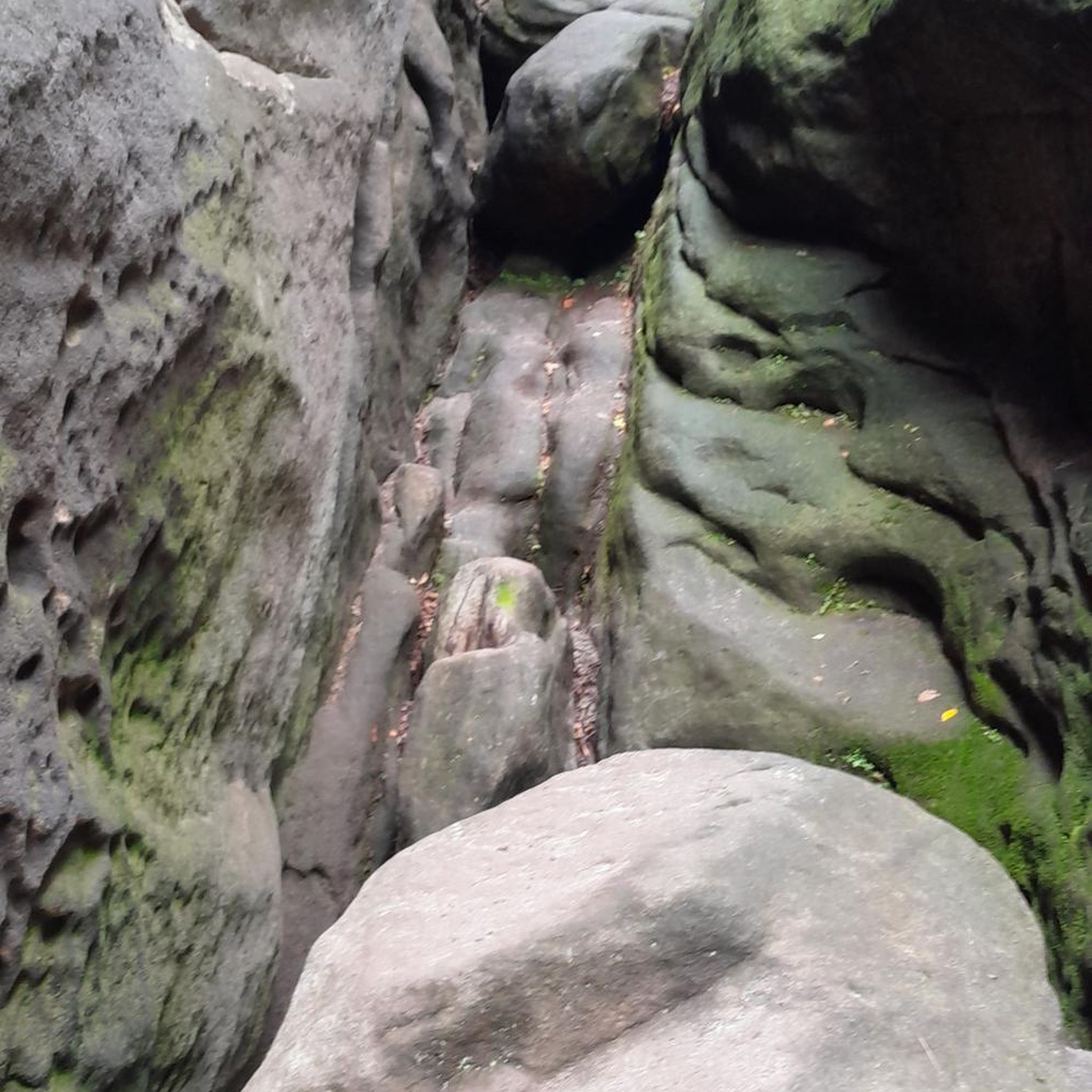
Mountain Hikes around Parc Natural de Sant Llorenç del Munt i l'Obac
Tips from the Community

The restaurant has been closed since the fall of 2025.
1
0

Climbing it from the Talamanca side is more manageable than from the Matadepera area. Even so, whichever way you climb it, Coll is highly recommended to incorporate into your bike routes.
0
0

From Navarcles, you go uphill with some rest between each uphill section.
0
0
The restaurant has been closed since 2023.
1
0

a point high enough to enjoy beautiful views 🤩
1
0


beautiful port to climb with spectacular views, second highest point in the province of Barcelona, behind Collformic.
1
0

Frequently Asked Questions
What are the most significant historical sites in Parc Natural de Sant Llorenç del Munt i l'Obac?
The most emblematic historical site is the Monastery of Sant Llorenç del Munt, a 10th-century Romanesque monastery perched atop La Mola. Another notable historical location is Puig de la Balma, a 12th-century farmhouse built into the rock, offering insight into Catalan rural life. The park also contains ancient rock-cut houses known as Els Òbits and various medieval castles and hermitage ruins.
What natural features define the landscape of the park?
The park is renowned for its rugged and rocky terrain, featuring distinctive cliffs, monoliths, and over three hundred caves and chasms. Key natural features include the peaks of La Mola and Montcau Summit, as well as the unique conglomerate rock formation Morral del Drac, associated with a local legend. Mediterranean forests of holm oak and Aleppo pine also cover much of the area.
Are there family-friendly activities or attractions in the park?
Yes, the park offers several family-friendly options. The ascent to La Mola (1,103 m) is considered suitable for families, though it can get crowded on weekends. The Collado de Estenalles Interpretation Centre provides information on the park's geology and fauna, along with a leisure area. Many of the marked hiking trails are also accessible for families, depending on their difficulty.
What are the best viewpoints in Parc Natural de Sant Llorenç del Munt i l'Obac?
The peaks of La Mola and Montcau Summit offer extensive panoramic views. From La Mola, you can see much of Catalonia, including the Pyrenees and, on clear days, even Mallorca. Montcau provides excellent views over the Manresa plain and the Montserrat massif. Morral del Drac also offers a unique perspective of the surrounding landscape.
What kind of hiking trails can I find in the park?
The park provides a diverse range of hiking trails suitable for various levels, from easy walks to more challenging ascents. Popular routes include the ascent to La Mola and paths to Montcau and Simanya Cave. Long-distance trails like GR 3, GR 4, GR 5, GR 96, GR 97, GR 173, and the Els 3 Monts route also traverse the park. For more detailed hiking options, explore the Waterfall hikes around Parc Natural de Sant Llorenç del Munt i l'Obac guide.
Are there opportunities for cycling or mountain biking near these attractions?
Yes, the region around Parc Natural de Sant Llorenç del Munt i l'Obac is popular for cycling. You can find numerous routes for mountain biking and gravel biking. For specific trails, refer to the MTB Trails around Parc Natural de Sant Llorenç del Munt i l'Obac and Gravel biking around Parc Natural de Sant Llorenç del Munt i l'Obac guides.
What is the significance of Morral del Drac?
Morral del Drac is a striking natural monument, a conglomerate monolith approximately 32 meters high. It is deeply rooted in local folklore, being the scene of a traditional legend about a dragon that inhabited its caves and terrorized the region.
Can I visit the Monastery of Sant Llorenç del Munt?
The Monastery of Sant Llorenç del Munt, located at the summit of La Mola, is a significant example of Catalan Romanesque architecture. While the restaurant formerly housed there closed in 2024, the chapel can still be visited. The site also has an information point and offers guided tours of the Romanesque church (check timetables locally).
What is the best way to access the park and its main attractions?
Access to many key attractions, such as Montcau Summit, is often from the Collado de Estenalles, where there are car parks and the park's interpretation center. Various marked trails lead from different points to the summits and other points of interest.
Are there any archaeological remains to explore in the park?
The massif is rich in archaeological discoveries, with remnants of human occupation dating back to the Paleolithic era. You can find evidence of past settlements, including *mansos* (abandoned farmhouses), houses carved into rock, vineyard shacks, ice wells, and fountains. The ancient rock-cut houses known as Els Òbits are also a testament to past human presence.
What makes Parc Natural de Sant Llorenç del Munt i l'Obac a UNESCO Global Geopark?
The park's designation as a UNESCO Global Geopark recognizes its unique geology, characterized by impressive rock formations, distinctive cliffs, monoliths, and over three hundred caves and chasms, all formed by millions of years of erosion. This geological heritage, combined with its rich biodiversity and cultural significance, contributes to its global recognition.
What kind of wildlife can be observed in the park?
The park is home to diverse flora and fauna, including around 1,000 plant species and some 200 species of vertebrates. Birdwatchers can spot blackbirds, wood pigeons, jays, robins, and birds of prey like Bonelli's eagle. In the springs, fire salamander larvae and different toad species can be found.
Most popular routes around Parc Natural de Sant Llorenç del Munt i l'Obac
Most popular attractions around Parc Natural de Sant Llorenç del Munt i l'Obac

Get inspired with the komoot mobile app


Explore more
Still not found the Highlight you’re looking for? See guides of the top attractions in other regions:
