Attractions and Places To See around Monumento natural del Monte Santiago - Top 17
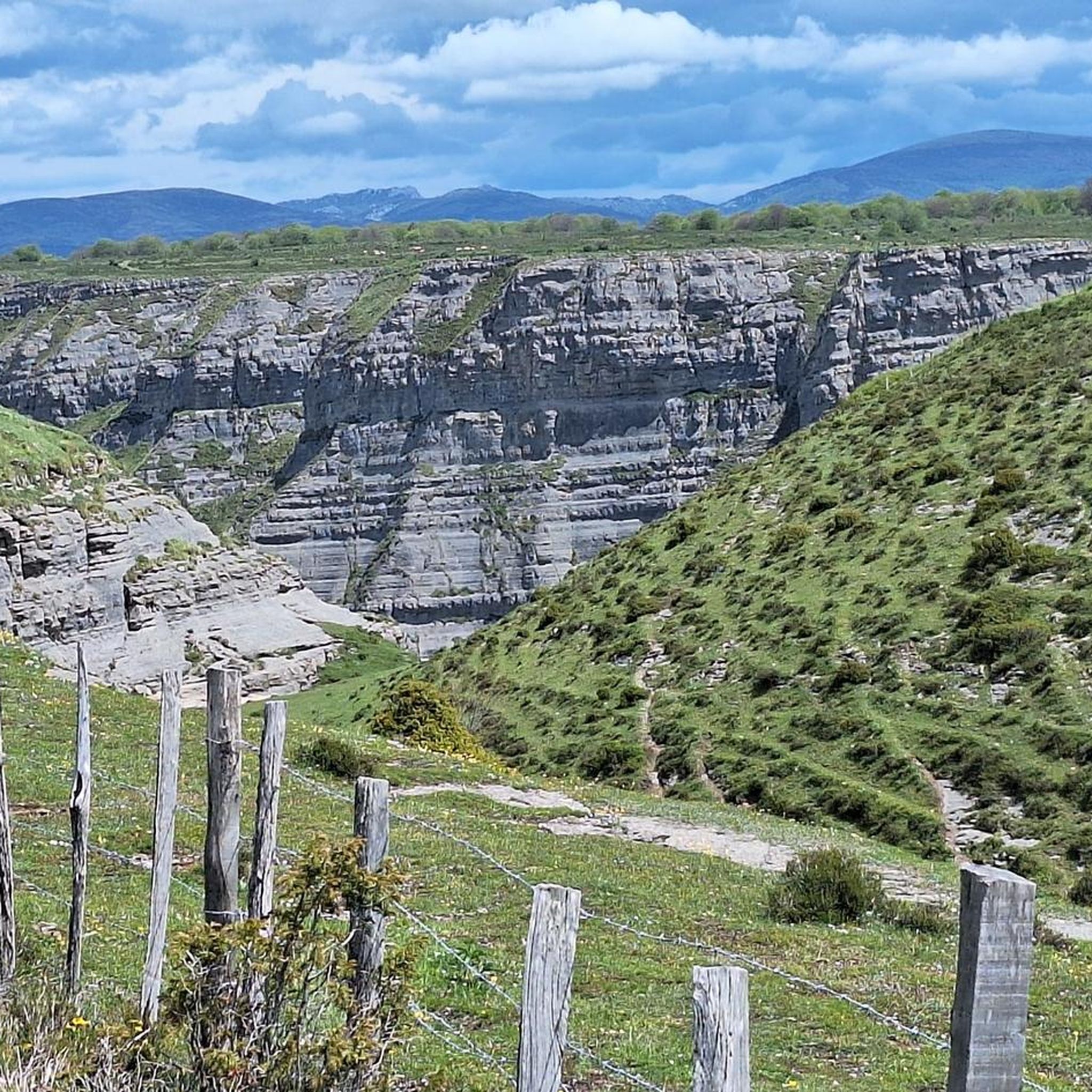
Best attractions and places to see around Monumento natural del Monte Santiago include a captivating blend of natural beauty, unique geological formations, and historical sites. Located in the northeastern part of Burgos province, bordering the Basque Country, this region is characterized by dramatic landscapes of the Cantabrian Mountains. It features a lush beech forest, impressive limestone ridges, and significant cultural landmarks. The area offers diverse opportunities for exploring its natural and historical heritage.
Best attractions and places to see around Monumento natural del Monte Santiago
- The most popular attractions is Nervión River, a waterfall that is a significant natural feature leading to the spectacular Salto del Nervión. Its impressive cavity and height are notable, with strong winds sometimes causing the water to rise upwards instead of falling.
- Another must-see spot is Txarlazo, a summit. This emblematic place, often featuring a hermitage, offers impressive panoramic views of the surrounding area.
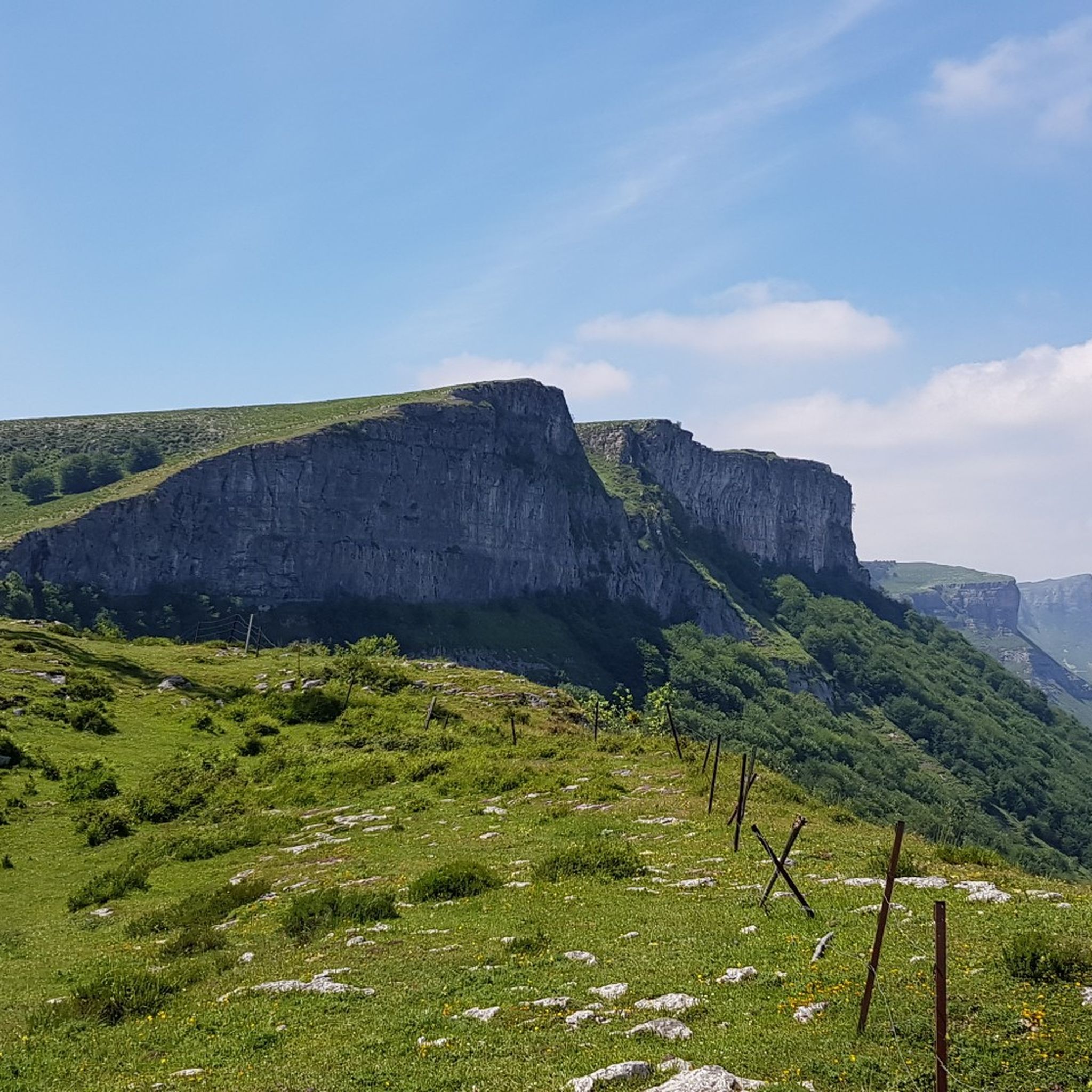
- Visitors also love Views of Pico del Fraile, a summit. This rocky peak offers commanding views of the Cordillera, and its vertical flanks are a distinctive feature.
- Monumento natural del Monte Santiago is known for its natural monuments, historical sites, and summits. Visitors can explore a variety of attractions, from dramatic waterfalls and ancient forests to significant cultural ruins and panoramic viewpoints.
- The attractions around Monumento natural del Monte Santiago are appreciated by the komoot community, with more than 35 upvotes and over 25 photos shared across 16 highlights.
Last updated: July 20, 2026
Views of Pico del Fraile
Highlight • Summit
Its name comes from its resemblance to the figure of an abbot.
Translated by Google •
Tip by

Nervión River
Highlight • Waterfall
Translated by Google •
Tip by

Sign up now to discover places like this
Get recommendations on the best single tracks, peaks, & plenty of other exciting outdoor places.
Sign up for free
Santiago Spring
Highlight • Natural Monument
Translated by Google •
Tip by

Salto del Nervión Viewpoint
Highlight • Viewpoint
Translated by Google •
Tip by

Ruins of the Monastery of Santiago de Legrériz
Highlight • Historical Site
Translated by Google •
Tip by

Sign up for free to discover even more attractions around Monumento natural del Monte Santiago.
Sign up for free
Already have an account?
Start today with a free account
Your next adventure awaits.
Login or Signup
Popular around Monumento natural del Monte Santiago
Hiking around Monumento natural del Monte Santiago
Running Trails around Monumento natural del Monte Santiago
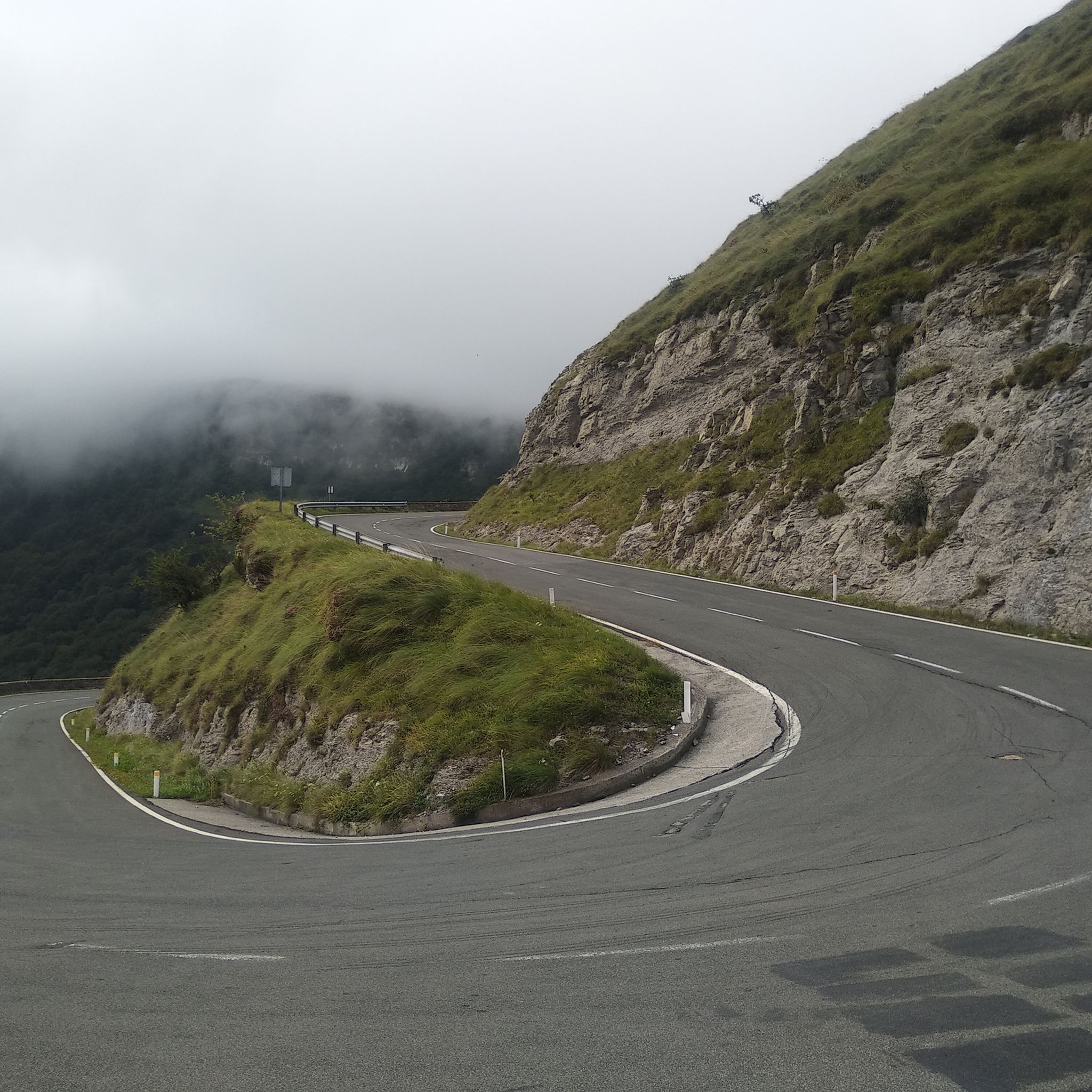
Road Cycling Routes around Monumento natural del Monte Santiago
MTB Trails around Monumento natural del Monte Santiago
Cycling around Monumento natural del Monte Santiago

Gravel biking around Monumento natural del Monte Santiago
Tips from the Community

Pico del Fraile (864 m) is a mountain in the Cordillera. There is a path to the top. The nearest mountain refuge is Refugio del Tolope, located 1,037 m/3,402 ft NNW from the summit.
3
0

Small environment equipped with fences and bridges, to see the fountain and the small karst spring.
2
0
For it to have been a monastery, the size was not very large.
2
0

Impressive views, very bearable route but the jump has to be caught with water
2
0

The fountain of Santiago is part of the natural monument of Monte Santiago. It is a spring of water that quickly disappears behind some rocks. Nearby are the ruins of a monastery, an interpretation center and a beech forest with a monumental specimen.
2
0

This rocky peak is vertical on all its flanks, which makes it necessary to use leather straps during the ascent. It was first climbed in 1924 by Ángel Sopeña, precursor of climbing in the Basque Country. Its name comes from its resemblance to the figure of an abbot.
5
0

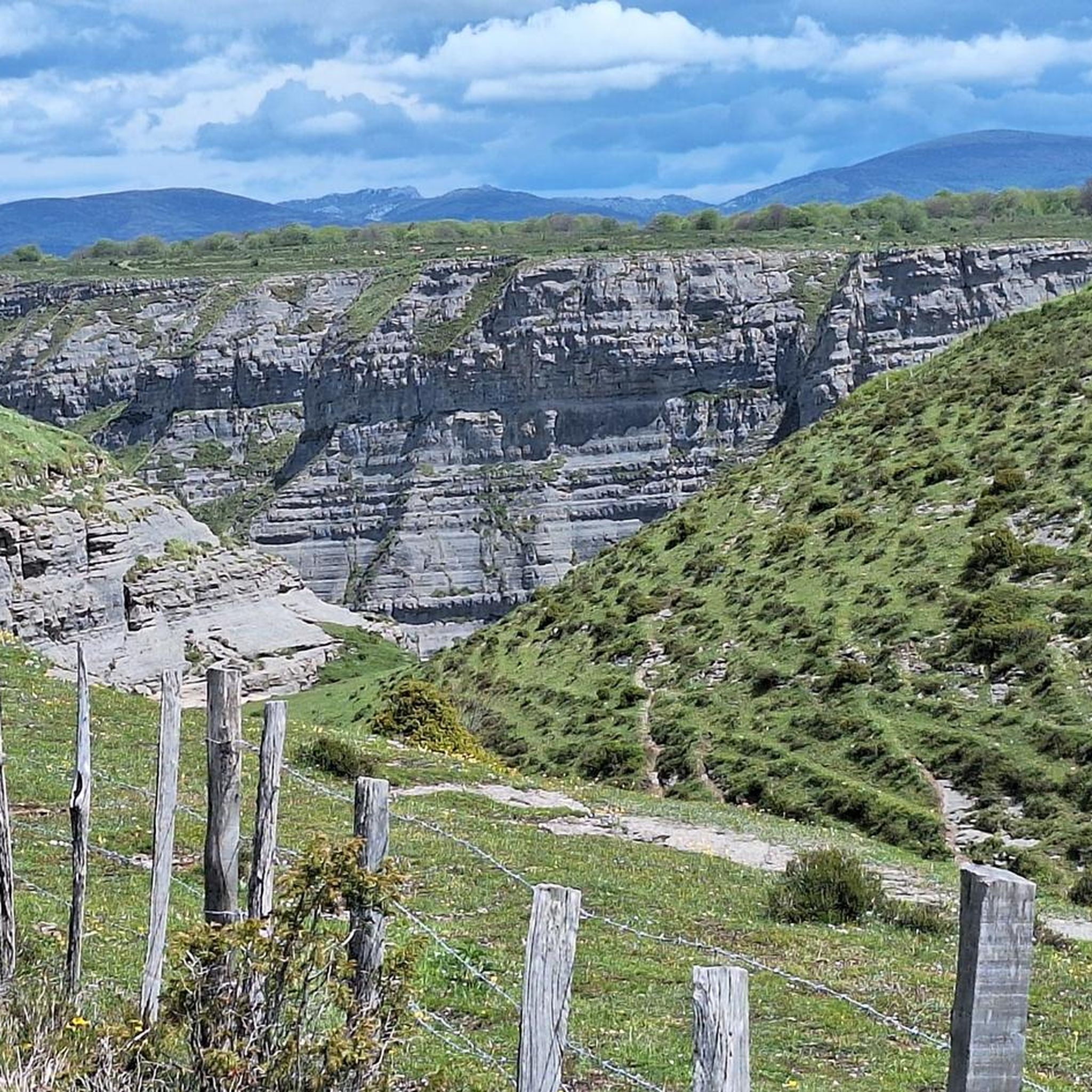
This gorge is spectacular with the vultures circling above it. Unfortunately, the waterfall was dry for us. Still worth it.
2
0

Frequently Asked Questions
What are the most prominent natural features to explore in Monumento natural del Monte Santiago?
The region is renowned for its dramatic natural beauty. A highlight is the spectacular Salto del Nervión, one of Western Europe's largest waterfalls, best viewed from within Monte Santiago. You can also explore the ancient Beech Forest, the impressive Sierra Salvada Rocky Amphitheater with its karst formations, and the unique Santiago Spring, where water emerges and quickly disappears underground. The Nervión River itself is a significant feature, leading to the waterfall, and the Pico del Fraile offers commanding views.
Are there any historical or cultural sites to visit in the area?
Yes, the Monumento Natural del Monte Santiago offers glimpses into the region's past. You can visit the Ruins of the Monastery of Santiago de Legrériz, which lend their name to the territory. Another significant cultural site is the Lobera de Monte Santiago, the largest collection of wolf traps in Spain, providing insight into ancient wolf hunting practices.
What kind of outdoor activities can I do around Monumento natural del Monte Santiago?
The area is ideal for various outdoor activities, especially hiking and running. There are numerous well-marked trails, including circular routes connecting key attractions like the Salto del Nervión viewpoint and Santiago Spring. Birdwatching is also popular, with griffon vultures, golden eagles, and peregrine falcons nesting in the Nervión Canyon. For specific routes, you can explore hiking trails or running trails in the region.
What is the best time of year to visit Monumento natural del Monte Santiago?
The best time to visit largely depends on what you want to see. The Salto del Nervión waterfall is most impressive after heavy rains or snowmelt, typically in late winter or early spring. The Beech Forest is particularly beautiful in autumn with its vibrant colors. Summer offers pleasant conditions for hiking, while winter can provide a unique, snowy landscape, though some routes might be more challenging.
Are there family-friendly routes or attractions suitable for children?
Yes, there are options for families. The area around Santiago Spring is equipped with fences and bridges, making it an accessible and interesting spot. Some routes, like those leading to the Ruins of the Monastery of Santiago de Legrériz, are described as flat and without difficulty, making them suitable for families with children. You can find more options in the easy hikes guide.
Where can I find panoramic views of the Sierra Salvada and surrounding areas?
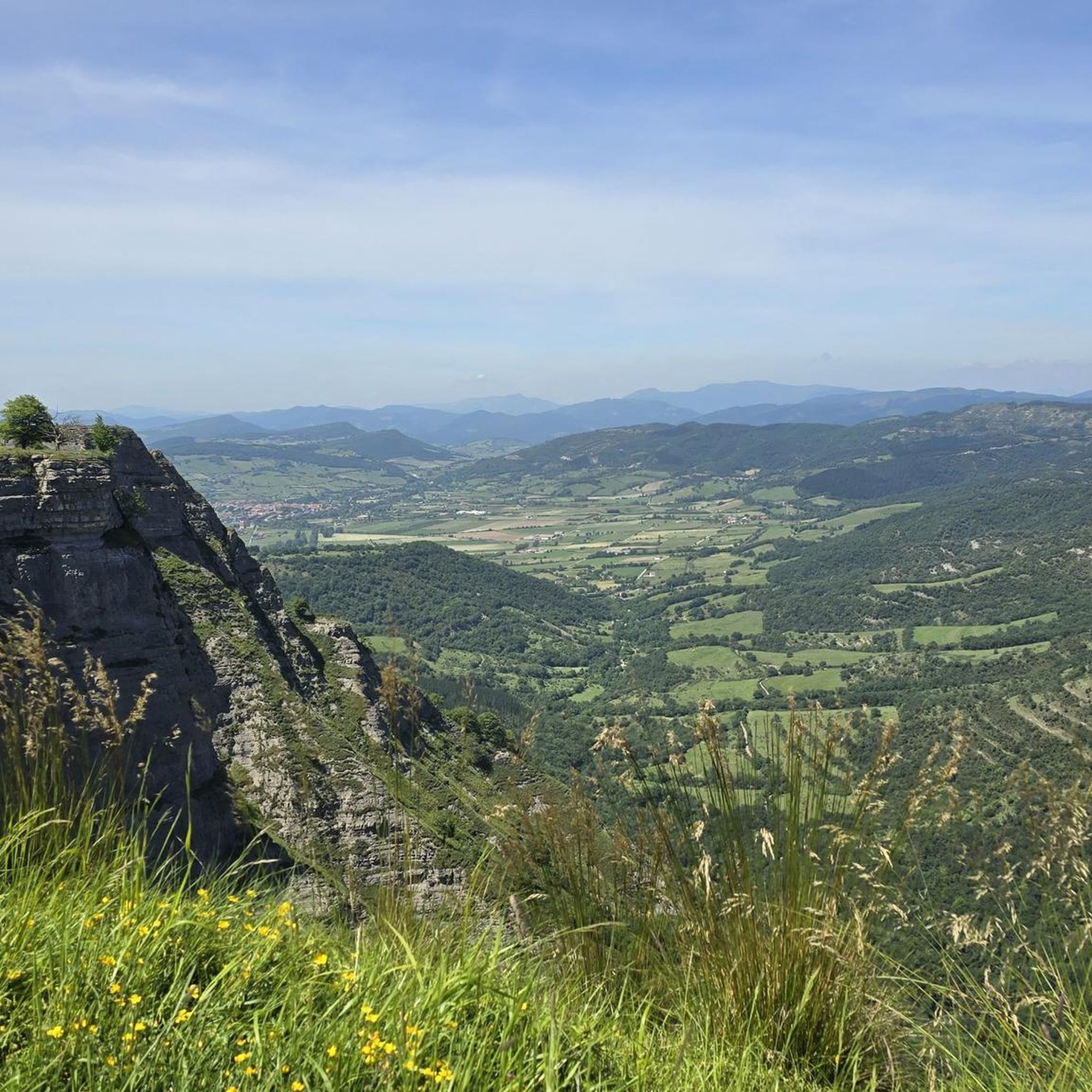
For breathtaking panoramic views, head to viewpoints like Mirador Esquina Rubén, which offers impressive vistas of the Sierra Salvada and the winding road of Orduña port. The summit of Txarlazo is another emblematic spot known for its truly impressive views of the surrounding area.
What kind of wildlife can I expect to see?
The Monumento Natural del Monte Santiago is rich in wildlife. Birdwatchers can spot various raptors, including griffon vultures, golden eagles, and peregrine falcons, especially around the Nervión Canyon. On the ground, you might encounter wildcats, otters, deer, wild boars, and a diverse range of amphibian species within the varied habitats of the beech forest and karst areas.
Is there a visitor center or information point for the Monumento Natural?
Yes, the Casa del Parque (Visitor Center) is located near Berberana and serves as an excellent starting point. It provides detailed information on the geomorfology, history, flora, and fauna of the area, with a special focus on amphibians and the ecology of the beech forest. It's a great place to learn about available hiking routes before you start your exploration.
Are there easy hiking trails available for less experienced hikers?
Absolutely. The region offers several easy hiking trails. For example, the loop from Monumento Natural del Monte Santiago to Santiago Spring and the Salto del Nervión Viewpoint is an easy 4.7 km route. You can find more options in the easy hikes guide, which includes several circular routes of varying lengths and low difficulty.
What makes the Salto del Nervión waterfall so special?
The Salto del Nervión is one of the largest and most beautiful waterfalls in Western Europe, plunging over 300 meters. Its distinctive horsetail shape and the dramatic rocky amphitheater it falls into make it a spectacular sight. The Nervión River, which feeds the waterfall, is also notable for its impressive cavity and height, with strong winds sometimes causing the water to rise upwards instead of falling.
What do visitors enjoy most about the attractions in this region?
Visitors frequently praise the spectacular natural beauty, especially the dramatic views from the viewpoints and the impressive Salto del Nervión waterfall. The tranquility of the ancient beech forest and the unique geological formations are also highly appreciated. Many enjoy the well-maintained hiking routes that allow for immersive experiences in nature and the chance to discover historical sites like the Monastery ruins.
Most popular routes around Monumento natural del Monte Santiago
Most popular attractions around Monumento natural del Monte Santiago

Get inspired with the komoot mobile app


Explore more
Still not found the Highlight you’re looking for? See guides of the top attractions in other regions:
