The 8 Most Amazing Peaks around National Park Ubiñas-La Mesa
Best mountain peaks around National Park Ubiñas-La Mesa are found within a UNESCO Biosphere Reserve in southern Asturias, Spain. This park is characterized by rugged mountainous terrain and rich biodiversity, offering a landscape of strong contrasts. It features prominent peaks, beech and oak forests, and diverse wildlife. The region's geological history, marked by glacial systems, contributes to its dramatic scenery.
Best mountain peaks around National Park Ubiñas-La Mesa
- The most popular mountain peaks is La Cubilla Pass, a mountain…
Last updated: May 11, 2026
La Cubilla Pass
Highlight • Mountain Pass
By MTB you can get there …
Translated by Google •
Tip by

Ventana Pass
Highlight • Mountain Pass
Translated by Google •
Tip by

Sign up now to discover places like this
Get recommendations on the best single tracks, peaks, & plenty of other exciting outdoor places.
Sign up for free
Peña Ubiña
Highlight • Summit
Translated by Google •
Tip by

Ascent to Cuitu Negru from Campomanes
Highlight (Segment) • Climb
It's almost 26 kilometers long, with a significant amount …
Translated by Google •
Tip by

Views of Pico el Comal
Highlight • Viewpoint
Translated by Google •
Tip by
Sign up for free to discover even more peaks around National Park Ubiñas-La Mesa.
Sign up for free
Already have an account?
Start today with a free account
Your next adventure awaits.
Login or Signup
Popular around National Park Ubiñas-La Mesa
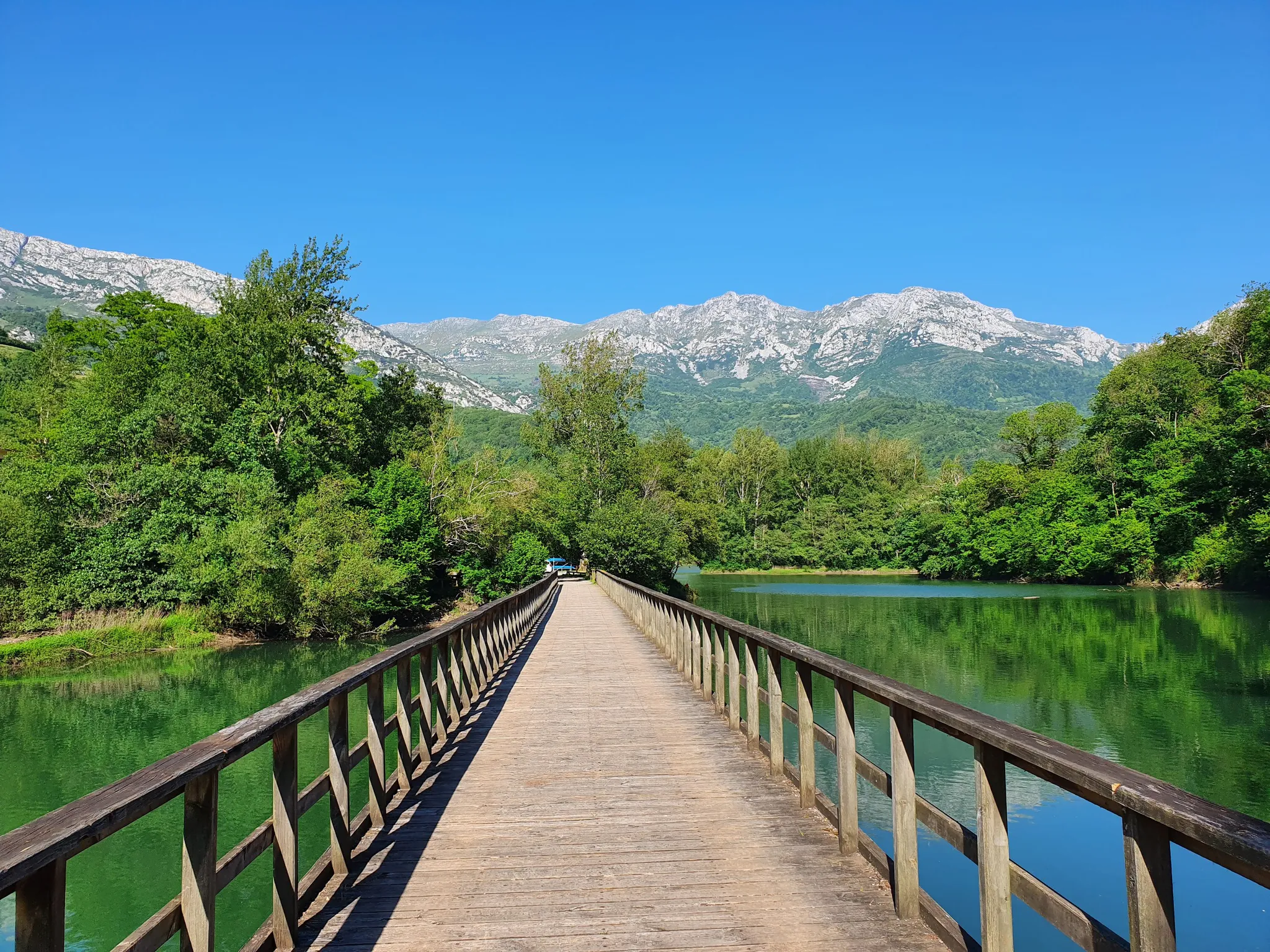
The secrets of the Cantabrian Mountains – GR 109 Asturias Interior
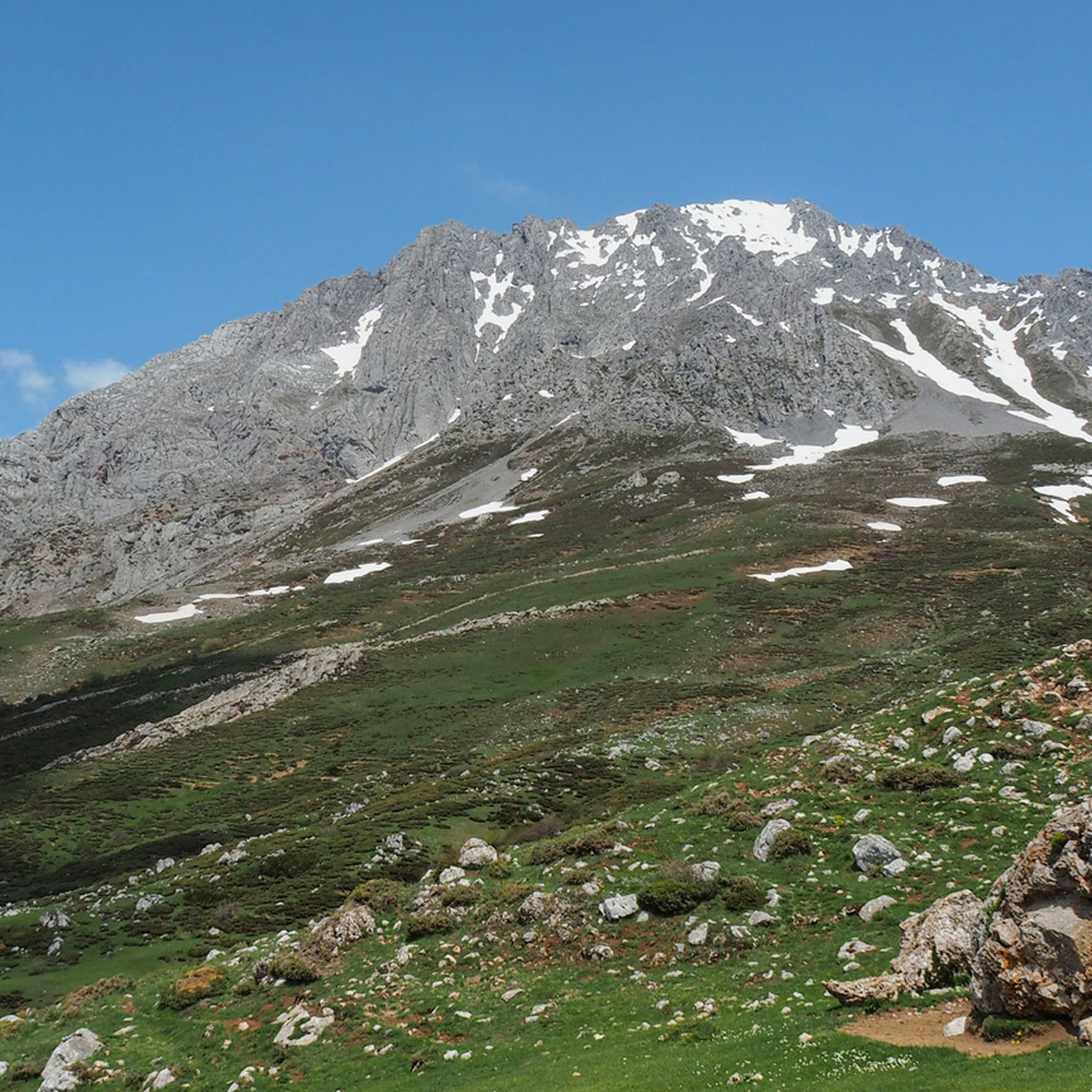
Hiking around National Park Ubiñas-La Mesa
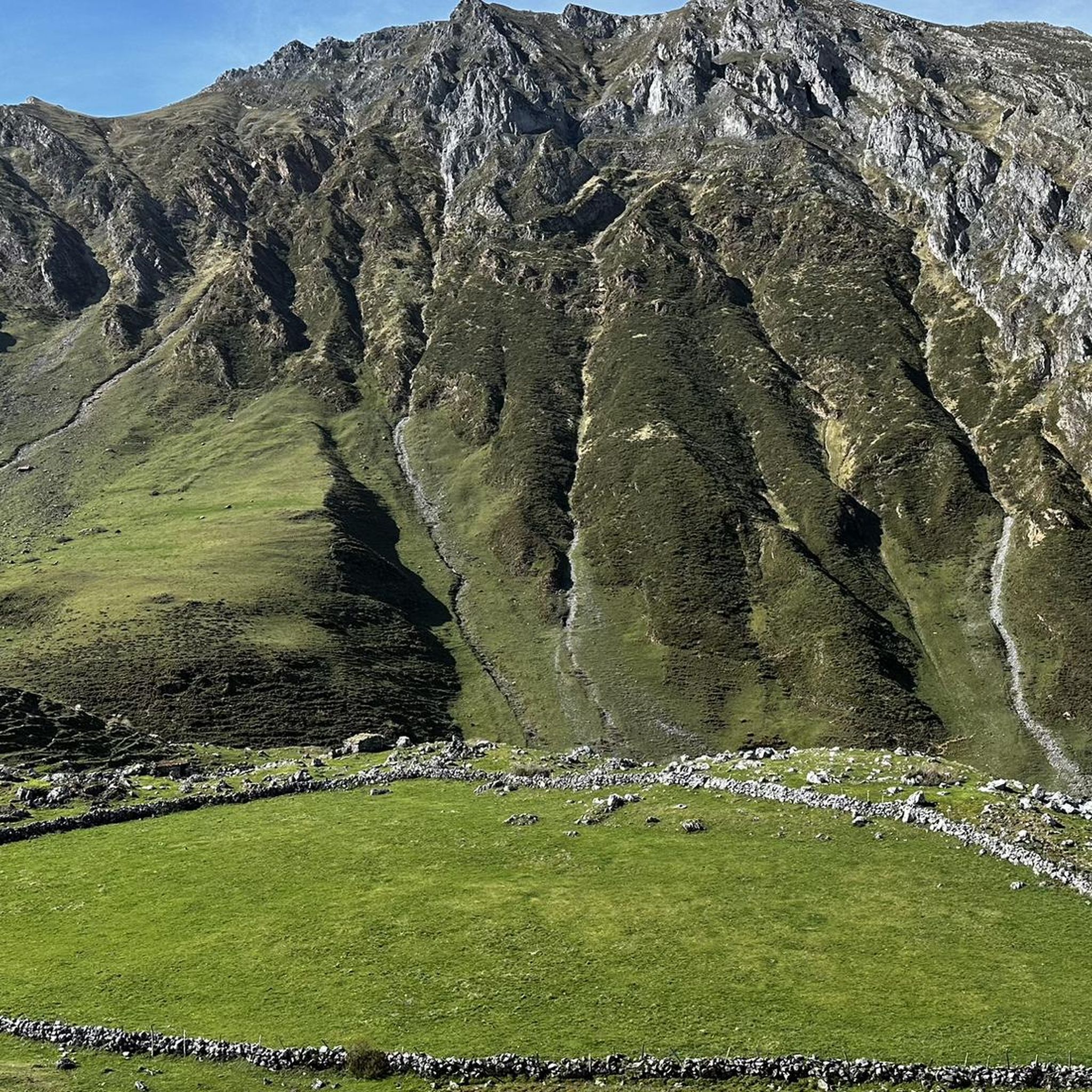
Running Trails around National Park Ubiñas-La Mesa
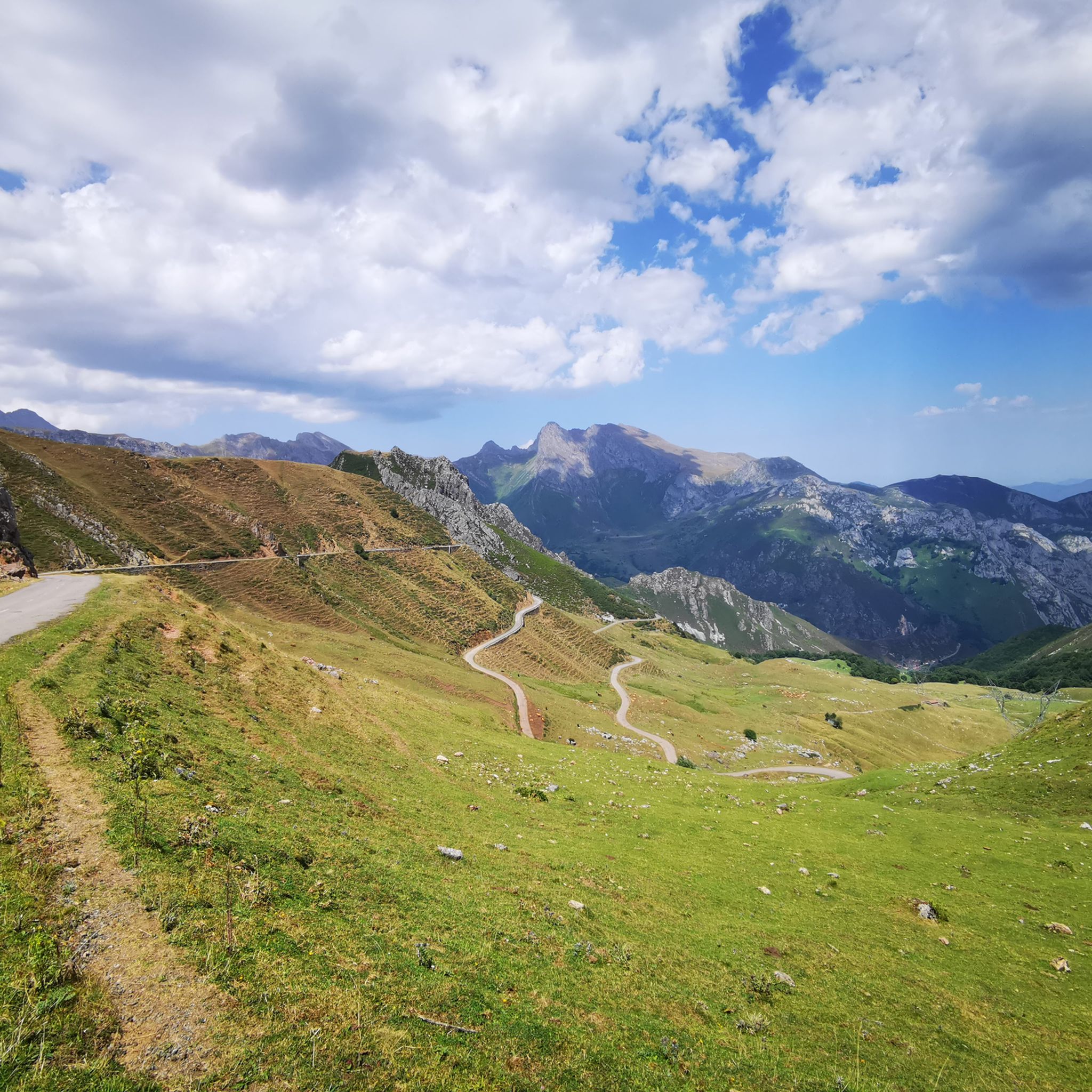
Road Cycling Routes around National Park Ubiñas-La Mesa
MTB Trails around National Park Ubiñas-La Mesa
Cycling around National Park Ubiñas-La Mesa

Gravel biking around National Park Ubiñas-La Mesa
Other adventures around National Park Ubiñas-La Mesa

Tips from the Community

Upon reaching the summit, you don't arrive at a village or a tourist center, but rather at a kind of natural balcony overlooking the Lena mountain passes, which gives a strange feeling, as if you've stepped onto an empty stage. And on clear days, the wind is louder among the mountain passes than any car, because traffic is minimal.
0
0
For decades, La Cubilla was practically a ghost town: a road built to connect mining valleys, used more by livestock farmers and scattered trucks than by travelers. This lack of traffic left a remarkably clean route, free of curves, absurd straights, and modern widenings: pure mountain design from another era. That's why many cyclists say it "looks more like an Alpine pass than a Cantabrian one," with those giant limestone walls silently accompanying you.
0
0

The La Cubilla mountain pass is located at an altitude of 1,683 meters, on the border between Asturias and León. Its rugged terrain and the beauty of its surroundings have earned it the title of stage finisher of the Vuelta a España, making it one of the most iconic climbs among cyclists.
0
0

Puerto de Ventana is a mountain pass located in the Cantabrian Mountains, between the Principality of Asturias and the province of León. It lies at an altitude of 1,587 meters and connects the municipality of San Emiliano in León with the Asturian municipality of Teverga. From the pass, you can enjoy a breathtaking view of the San Emiliano Valley, known as Babia de Yuso.
2
0

This tough climb rose to fame during the 2012 Vuelta a España, when the final stretch to the summit was paved. It's almost 26 kilometers long, with a significant amount of elevation gain. The first six kilometers are easy, but from there, things get complicated: gradients of 5, 7, 9, and even 11% await you all the way to the Pajares pass. And this is where the fun begins: the ski resort's paved slopes with gradients reaching 25%. Of course, if the day is clear, the views will reward the effort.
0
0

The Puerto de la Cubilla is a mountain pass on the border between the Principality of Asturias and the community of Castilla y León. By MTB you can get there from San Emiliano (ten kilometers and 500 meters of positive gradient) or from Caldas de Luna (17 kilometers and 730 meters of positive gradient). It is part of the TransCantábrica BTT route.
2
0

From the same track that comes from Puerto de Ventana there are good views of Pico el Comal, a bare mountain that allows us to see an excellent panorama of the area.
0
0
Apart from being one of the most emblematic mountains of the Natural Park, it is also one of the Sierra Gabuxeo as a whole.
0
0
Frequently Asked Questions
What are some of the most prominent mountain peaks in National Park Ubiñas-La Mesa?
National Park Ubiñas-La Mesa is home to several significant peaks. Peña Ubiña is the highest and most prominent, offering challenging climbs and breathtaking panoramic views. Other notable peaks include Fontán Norte and Fontán Sur, which are part of the Ubiña massif, and Peña Rueda, known for its distinctive pyramidal shape and exceptional views of the "Ports of Agüeria".
Which peaks offer the best panoramic views in the park?
For truly expansive vistas, Peña Ubiña provides a profound sense of accomplishment with its panoramic views from the summit. The ascent to Peña Rueda also offers exceptional views, particularly of the "Ports of Agüeria." Additionally, Ventana Pass is a famous viewpoint where you can enjoy a breathtaking view of the San Emiliano Valley.
Are there challenging climbs for experienced mountaineers in National Park Ubiñas-La Mesa?
Yes, the park offers challenging ascents. Peña Ubiña, standing at over 2,400 meters, is a demanding climb that rewards with a profound sense of accomplishment. For cyclists, the Ascent to Cuitu Negru from Campomanes is a tough climb with gradients reaching 25% in its final sections, offering rewarding views on clear days.
Are there easier hiking options or more accessible mountain ranges in the park?
Yes, the Cordal de La Mesa (The Mesa hill range) offers a different kind of mountainous experience with easier hiking routes along its crest. Its flat-topped profile provides wide paths and stunning scenery, making it a more accessible option for those seeking less strenuous walks.
What kind of natural features can I expect to see around the mountain peaks?
The park is characterized by a landscape of strong contrasts, rich in beech forests, oak forests, and birch groves. You'll encounter dramatic scenery shaped by intense glacial modeling, including cirques, troughs, and moraines. The area around Peña Ubiña and the "Ports of Agüeria" near Peña Rueda are excellent examples of these geological features.
Are there any historical or cultural points of interest related to the mountain peaks?
Yes, the region has historical significance. Peña Ubiña served as a guide for transhumant shepherds and sailors for centuries. The Cordal de La Mesa area also features historical elements such as old red ochre mines at La Almagrera, offering insights into the region's past.
What outdoor activities can I do near the mountain peaks in National Park Ubiñas-La Mesa?
Beyond hiking and mountaineering, the area around the peaks offers diverse outdoor activities. You can explore numerous routes for gravel biking, mountain biking, and running. For example, there are challenging gravel biking routes like the La Cubilla Pass loop from Las Fuentes, and running trails such as the Ascent to the Peñas Ubinas — circular from Tuíza.
Are there specific routes for cycling or mountain biking near the peaks?
Absolutely. The park is popular for cycling. The La Cubilla Pass is a well-known mountain pass that forms part of the TransCantábrica BTT route, offering magnificent landscapes. Another option is the Ventana Pass, which is a challenging road biking ascent. For mountain biking, consider routes like the Ventana Pass and Senda del Oso Loop.
What kind of wildlife can be spotted in the National Park Ubiñas-La Mesa?
The park is a UNESCO Biosphere Reserve and is rich in biodiversity. Its diverse habitats, including beech and oak forests, are home to a variety of wildlife. Keep an eye out for brown bears, golden eagles, and otters, among other species.
When is the best time to visit the mountain peaks in National Park Ubiñas-La Mesa?
The best time to visit generally depends on your planned activities. For hiking and mountaineering, late spring to early autumn (May to October) typically offers the most favorable weather conditions, with less snow and more stable temperatures. However, the changing colors of the pastures during the ascent to peaks like Peña Rueda can be particularly striking in autumn.
What do visitors enjoy most about the mountain peaks in National Park Ubiñas-La Mesa?
Visitors frequently appreciate the park's rugged mountainous terrain, rich biodiversity, and the dramatic scenery shaped by glacial systems. The challenging climbs to peaks like Peña Ubiña offer a profound sense of accomplishment, while the panoramic views from various summits and passes, such as Ventana Pass, are consistently highlighted as exceptional.
Most popular routes around National Park Ubiñas-La Mesa
Most popular attractions around National Park Ubiñas-La Mesa

Get inspired with the komoot mobile app


Explore more
See even more amazing summits around National Park Ubiñas-La Mesa with these guides:
