The best road cycling routes in the Madison Range
5.0
(1)
404
riders
21
rides
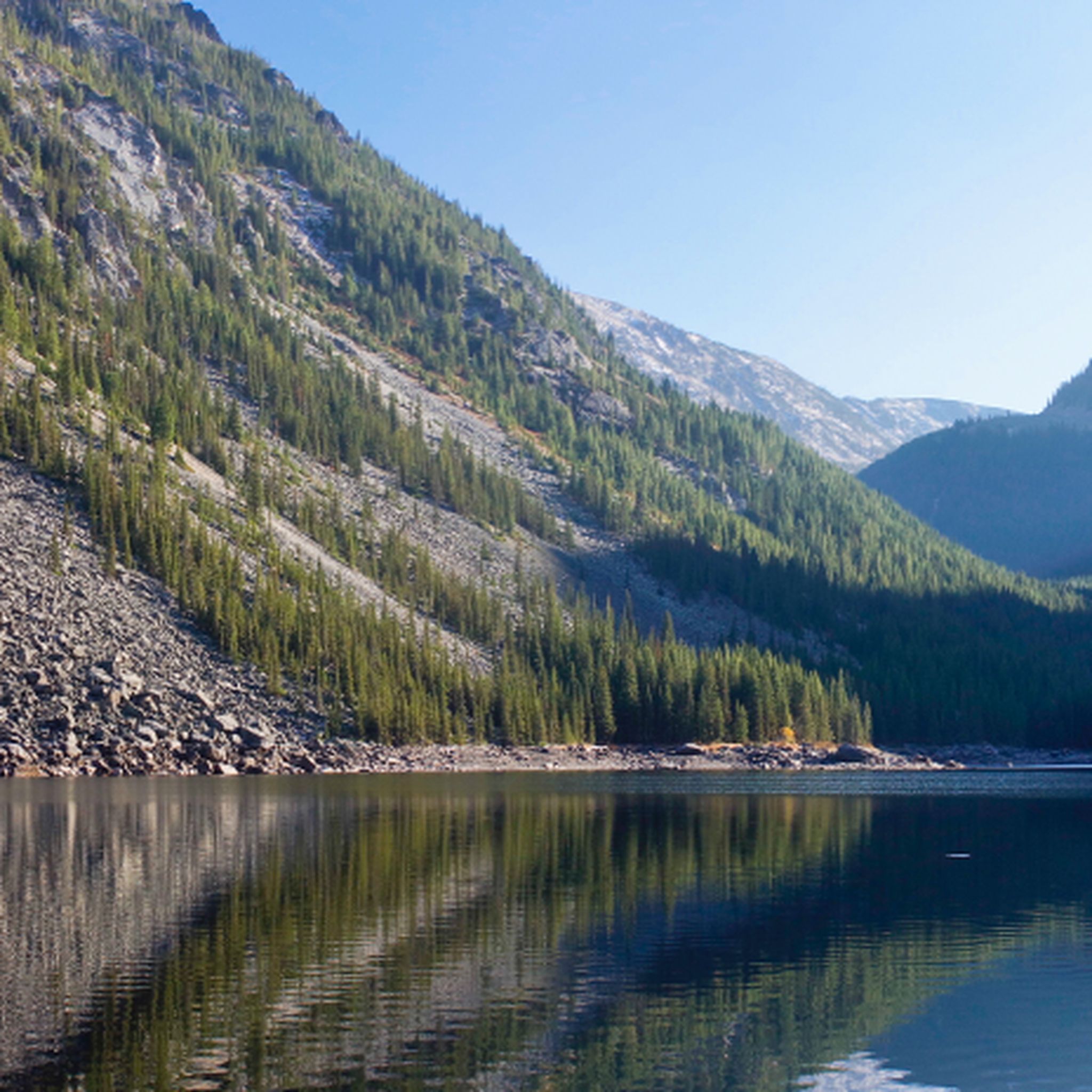
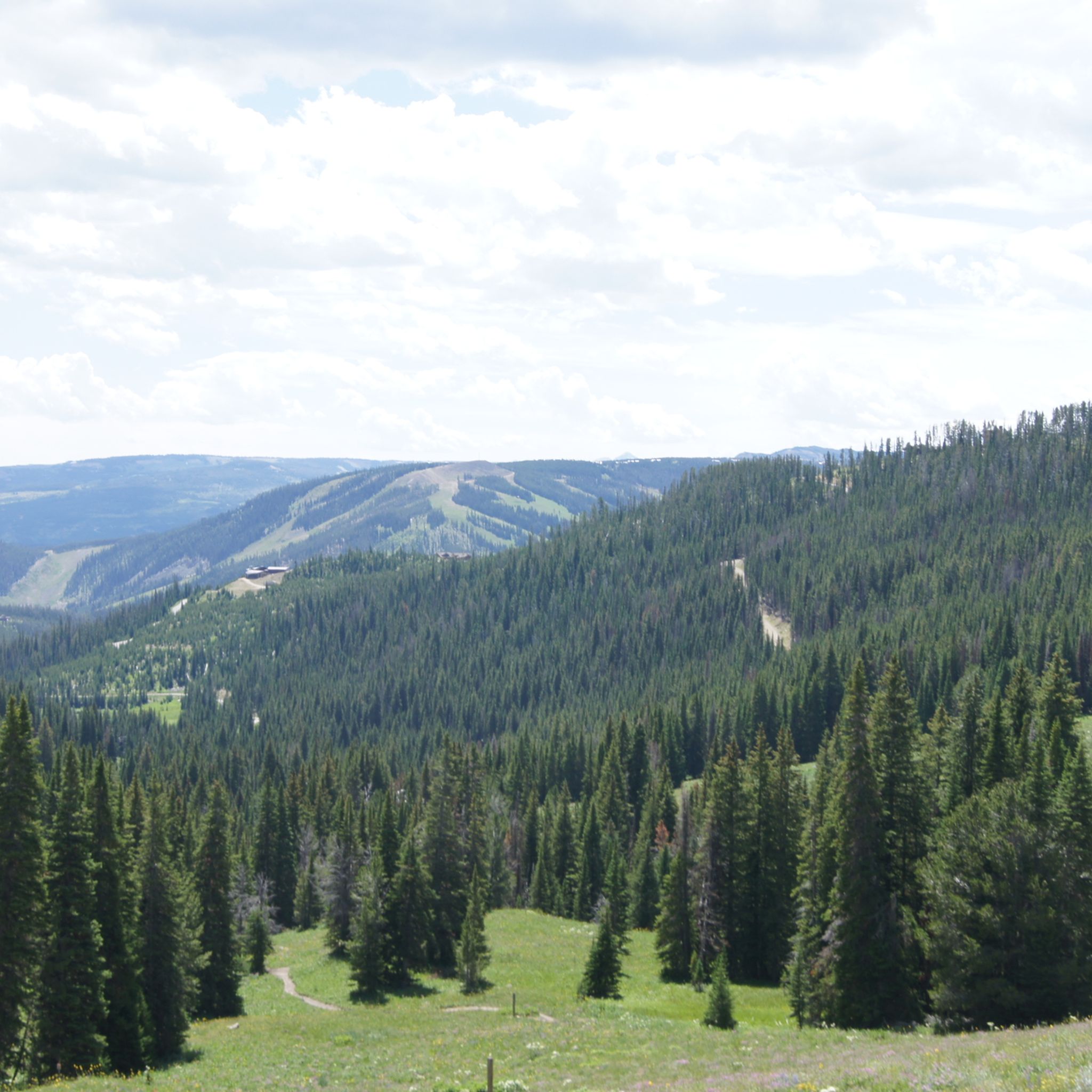
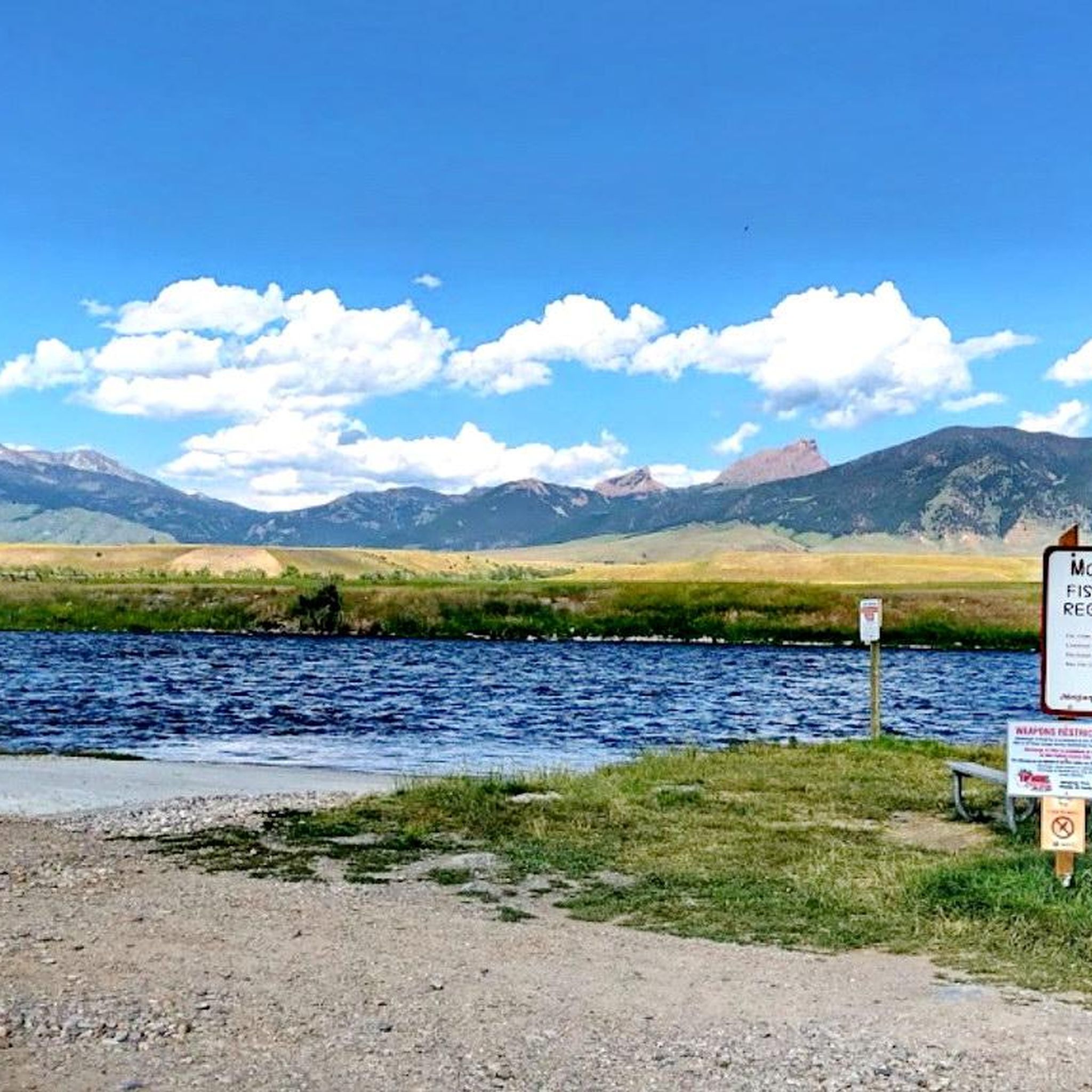
Road cycling in the Madison Range offers routes through diverse landscapes, including river valleys, subalpine grasslands, and conifer forests. The region is characterized by its dramatic backdrop of towering peaks, such as Hilgard Peak and Lone Mountain, and is flanked by the Gallatin and Madison Rivers. Paved roads like U.S. Highway 191 and Montana Highway 287 provide access to scenic stretches, particularly around the Big Sky area and through the Madison Valley. These routes often feature varied terrain, from gentle…
Last updated: May 17, 2026
64
riders
62.3km
03:23
640m
640m
Moderate road ride. Good fitness required. Some segments of this route may be unpaved and difficult to ride.
27
riders
Easy road ride. Great for any fitness level. Mostly well-paved surfaces and easy to ride.

Sign up for free
24
riders
72.7km
04:09
830m
830m
Moderate road ride. Good fitness required. Some segments of this route may be unpaved and difficult to ride.
24
riders
27.9km
01:49
250m
250m
Moderate road ride. Great for any fitness level. Some segments of this route may be unpaved and difficult to ride.
33
riders
44.0km
02:13
340m
340m
Moderate road ride. Good fitness required. Some segments of this route may be unpaved and difficult to ride.
18
riders
49.3km
03:00
480m
480m
Moderate road ride. Good fitness required. Some segments of this route may be unpaved and difficult to ride.
13
riders
29.5km
01:16
120m
120m
Easy road ride. Great for any fitness level. Mostly well-paved surfaces and easy to ride.
9
riders
43.3km
02:16
320m
320m
Moderate road ride. Good fitness required. Mostly well-paved surfaces and easy to ride.
10
riders
17.6km
00:51
90m
90m
Moderate road ride. Great for any fitness level. Some segments of this route may be unpaved and difficult to ride.
9
riders
Moderate road ride. Great for any fitness level. Some segments of this route may be unpaved and difficult to ride.
Get access to more routes and recommendations from other explorers.
Sign up for free
Already have an account?
Our route recommendations are based on thousands of hikes, rides, and runs completed by other people on komoot.
Start today with a free account
Your next adventure awaits.
Login or Signup

Tips from the Community

West Yellowstone serves as the main entry point along the western edge of Yellowstone National Park, and it is well equipped to handle visitors. You'll find a wide range of accommodation and dining options as well as grocery stores. It's a good place to resupply for those on the Great Divide Mountain Bike Route.
0
0

Commonly referred to as the "Cow Trails," the Highland Glen Nature Preserve has a network of single track and double track trails that are open to biking, running, and hiking. In the winter, this is a cross country ski area. The trails get their nickname from the herd of cows that lives in the preserve. Make sure to always close and latch any gates that you go through!
0
0

Alder Creek Park is a small park with trails, a playground, and a dog station.
0
0

The spur trail is well-maintained, finely crushed gravel.
0
0

This is the northern terminus for the Gallagator Trail. The trail is a popular route for walkers and cyclists. It is crushed gravel and takes you into the center of Bozeman via a beautiful tree lined gravel path.
0
0
This is the trail head for the Triple Tree Trail. It is a popular loop in the southern suburbs of Bozeman, frequented by runners, hikers, and bikers. Expect to encounter plenty of other trail users, especially on nice days. Much of the route winds through forested areas, eventually leading to a bald summit with a bench and sweeping views of Bozeman and the Bridger Range. The lookout is exposed, offering little to no shade.
0
0
Story Mill Nature Reserve is a 40 acre nature sanctuary that has several miles of trails that cut through a large green space. There are still remnants of the water-powered mill and grain elevator that used to be active on this land.
0
0
Frequently Asked Questions
What types of road cycling routes can I find in the Madison Range?
The Madison Range offers a diverse range of road cycling experiences. You'll find routes through scenic river valleys, subalpine grasslands, and conifer forests, all set against a backdrop of towering peaks like Hilgard Peak and Lone Mountain. Options range from gentler valley rides to more challenging mountain ascents, with routes like The Gallagator Trail – Sourdough Trail loop from Bozeman exploring varied terrain.
Are there any easy road cycling routes suitable for beginners or families?
Yes, the Madison Range has routes suitable for easier rides. For instance, the West Yellowstone – Yellowstone Shortline Trail loop from West Yellowstone is an easy 18.3-mile path offering a gentle ride with views of the natural environment. The region's river valleys also provide flatter sections ideal for less strenuous cycling.
What is the best time of year for road cycling in the Madison Range?
The best time for road cycling in the Madison Range is generally from late spring through early fall. Summer, particularly late June through July, is vibrant with wildflowers and offers pleasant temperatures. However, always check local weather conditions, as mountain weather can change rapidly, and some higher elevation roads may be affected by snow earlier or later in the season.
What kind of elevation gain can I expect on road cycling routes in the Madison Range?
Elevation gain varies significantly across the Madison Range. While some routes offer gentler valley rides, others present more demanding ascents. For example, the Highland Glen Nature Preserve – Kelly Canyon Road loop from Bozeman involves over 850 meters of elevation gain, providing a good challenge. Routes around Big Sky, like the Lone Mountain Trail, also feature significant climbs.
Are there any notable landmarks or attractions along the road cycling routes?
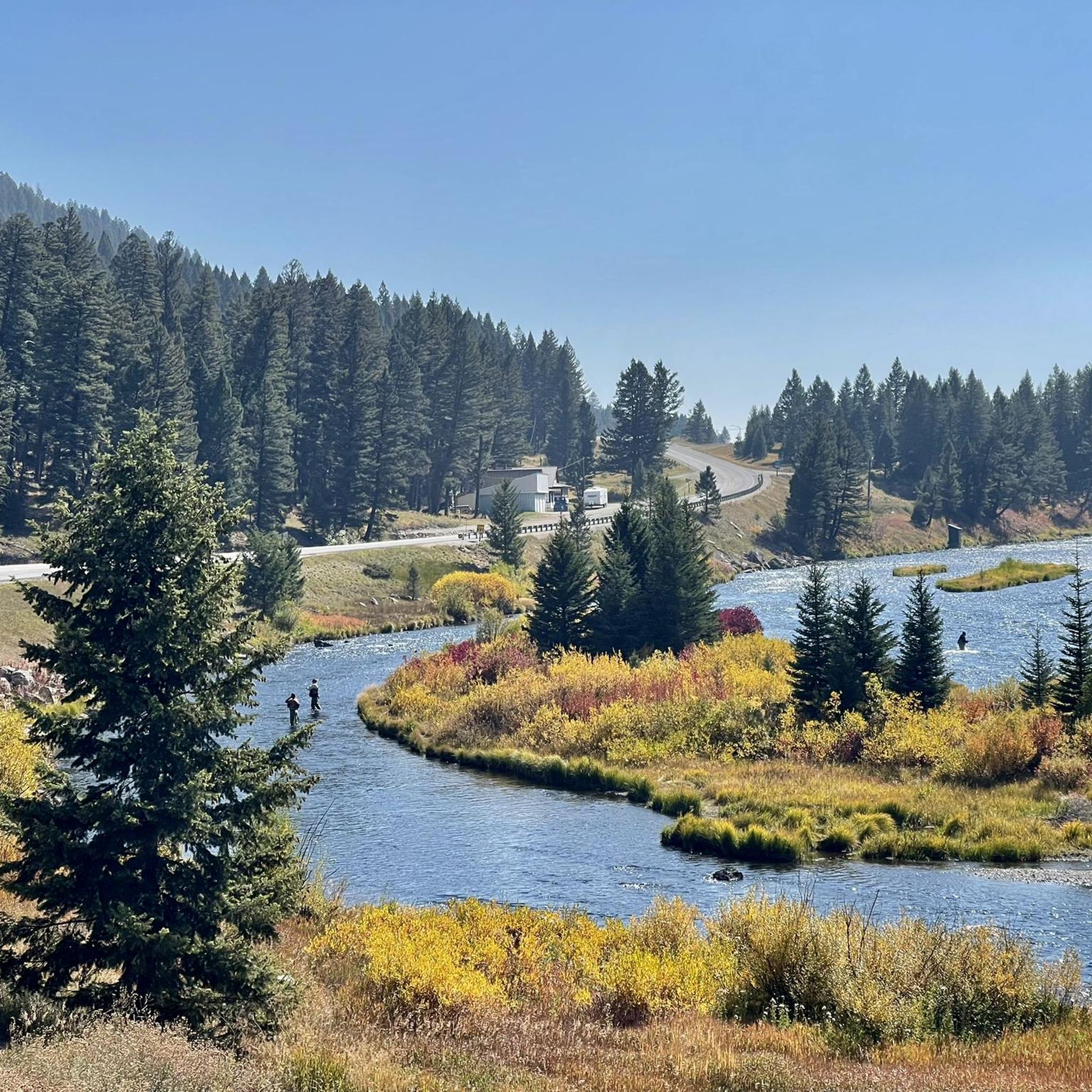
While many road cycling routes focus on scenic roads, you can find natural attractions nearby. For example, you might pass close to areas with access to Hebgen Lake or Pioneer Falls. The Madison Valley also offers views of the Madison River, known for its fly-fishing.
Where can I find parking for road cycling routes in the Madison Range?
Parking availability varies by route and starting point. Many routes originating from towns like Bozeman or West Yellowstone will have designated parking areas or street parking options. For routes in more rural areas, look for trailheads or pull-offs that allow for safe parking. Always check specific route details for recommended parking locations.
Are permits required for road cycling on any routes in the Madison Range?
Generally, permits are not required for road cycling on public highways and paved roads in the Madison Range. However, if your route takes you through specific parks, private land, or designated wilderness areas, it's always best to check local regulations for any potential fees or restrictions. The Lee Metcalf Wilderness Area, for instance, has specific rules.
What towns offer amenities like cafes or accommodation for cyclists in the Madison Range area?
Towns like Bozeman, Big Sky, West Yellowstone, Ennis, and Virginia City serve as excellent bases for cyclists. They offer a range of amenities including cafes, restaurants, and various accommodation options. Big Sky, in particular, provides access to scenic mountain roads and services for visitors.
Can I reach road cycling routes in the Madison Range using public transportation?
Public transportation options directly to specific trailheads in the Madison Range are limited, especially for more remote routes. However, larger towns like Bozeman and West Yellowstone may have some local transit services that could get you closer to certain starting points. For most routes, personal vehicle transport is the most practical option for reaching the starting point.
What do other road cyclists enjoy most about cycling in the Madison Range?
The komoot community highly rates road cycling in the Madison Range, with an average score of 4.0 stars. Cyclists often praise the stunning natural beauty, the dramatic mountain backdrops, and the diverse landscapes that range from river valleys to subalpine forests. The variety of routes, from gentle rides to challenging ascents, is also a frequently appreciated aspect.
Are there any long-distance or challenging road cycling routes for experienced riders?
Experienced riders seeking a challenge will find options in the Madison Range. Routes like the Highland Glen Nature Preserve – Kelly Canyon Road loop from Bozeman, at over 45 miles with significant elevation, offer a demanding ride. The Big Sky Spur Road (Lone Mountain Trail) also provides a challenging ascent through Big Sky's mountain village area.
Are road cycling routes in the Madison Range suitable for bringing dogs?
While many outdoor areas in Montana are dog-friendly, specific rules apply to road cycling routes. Dogs are generally allowed on public roads and paved trails if leashed. However, some protected areas or private lands may have restrictions. Always check local signage and regulations for the specific route you plan to ride, especially concerning wildlife safety in areas like the Greater Yellowstone Ecosystem.
Most popular routes in the Madison Range
Most popular attractions in the Madison Range

Get inspired with the komoot mobile app


