The best traffic-free bike rides around Fürther Stadtwald
4.5
(88)
875
riders
29
rides
No traffic road cycling routes around Fürther Stadtwald feature an extensive network of well-maintained paths, including quiet asphalt sections suitable for road bikes. The region spans 550 hectares, offering varied terrain from easy forest loops to more demanding paths. Cyclists can experience riverine scenery along water bodies like the Biberttalgrund and explore unique rock formations. This natural area provides diverse landscapes for road cycling without vehicle traffic.
Best no traffic road cycling routes around Fürther Stadtwald
- The most popular no…
Last updated: May 17, 2026
5.0
(1)
32
riders
Moderate road ride. Good fitness required. Mostly well-paved surfaces and easy to ride.
3.9
(16)
27
riders
30.2km
01:22
270m
270m
Easy road ride. Great for any fitness level. Mostly well-paved surfaces and easy to ride.

Sign up for free
23
riders
50.0km
02:20
470m
470m
Moderate road ride. Good fitness required. Mostly well-paved surfaces and easy to ride.
23
riders
Moderate road ride. Good fitness required. Mostly well-paved surfaces and easy to ride.
4.0
(2)
18
riders
40.7km
01:48
350m
350m
Moderate road ride. Good fitness required. Mostly well-paved surfaces and easy to ride.
Get access to more routes and recommendations from other explorers.
Sign up for free
Already have an account?
Our route recommendations are based on thousands of hikes, rides, and runs completed by other people on komoot.
Start today with a free account
Your next adventure awaits.
Login or Signup
Popular around Fürther Stadtwald
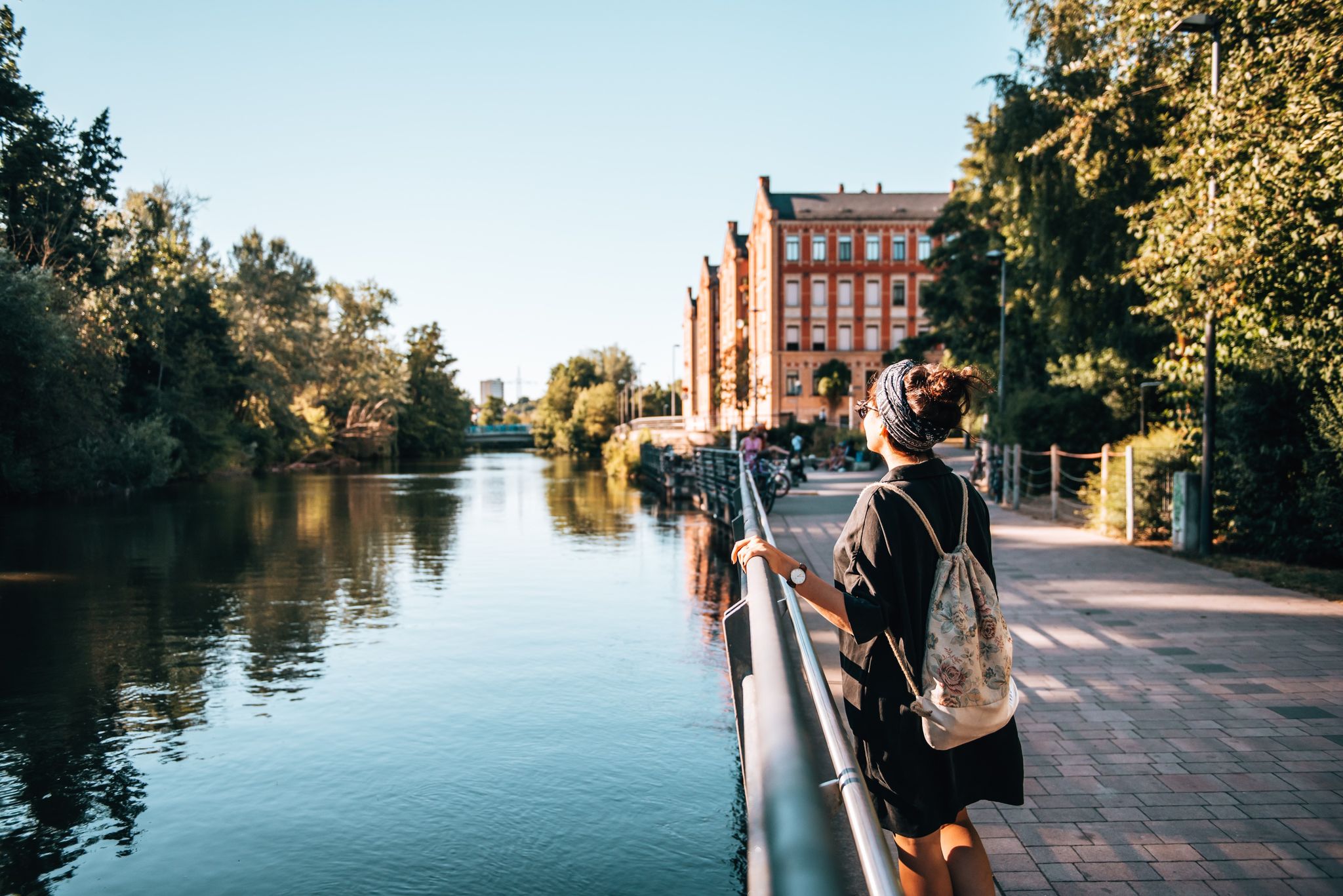
Explore riverside landscapes & Franconian cities – hikes in Fürth
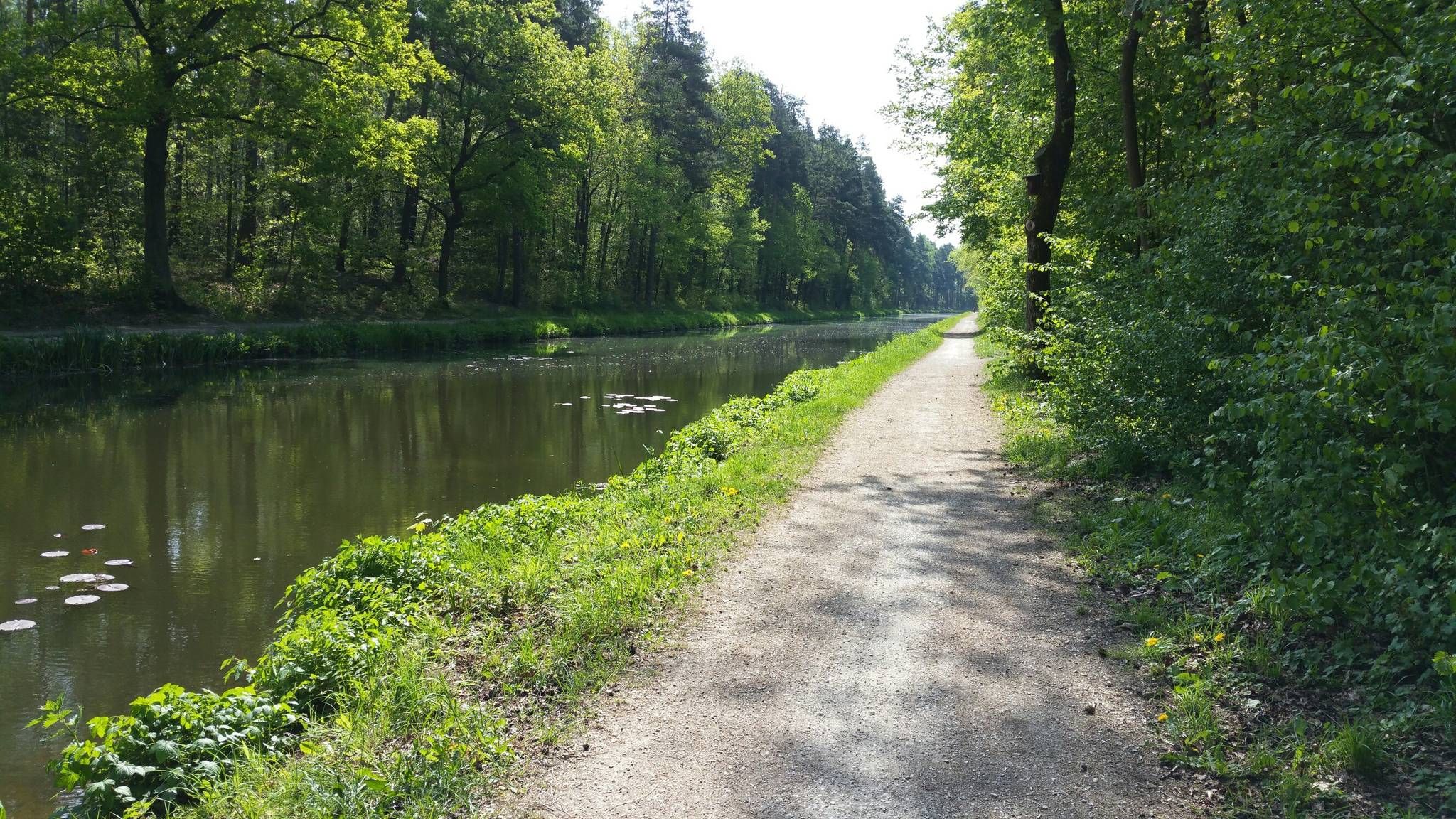
Culture & nature around Nuremberg – discovering Franconia by bike
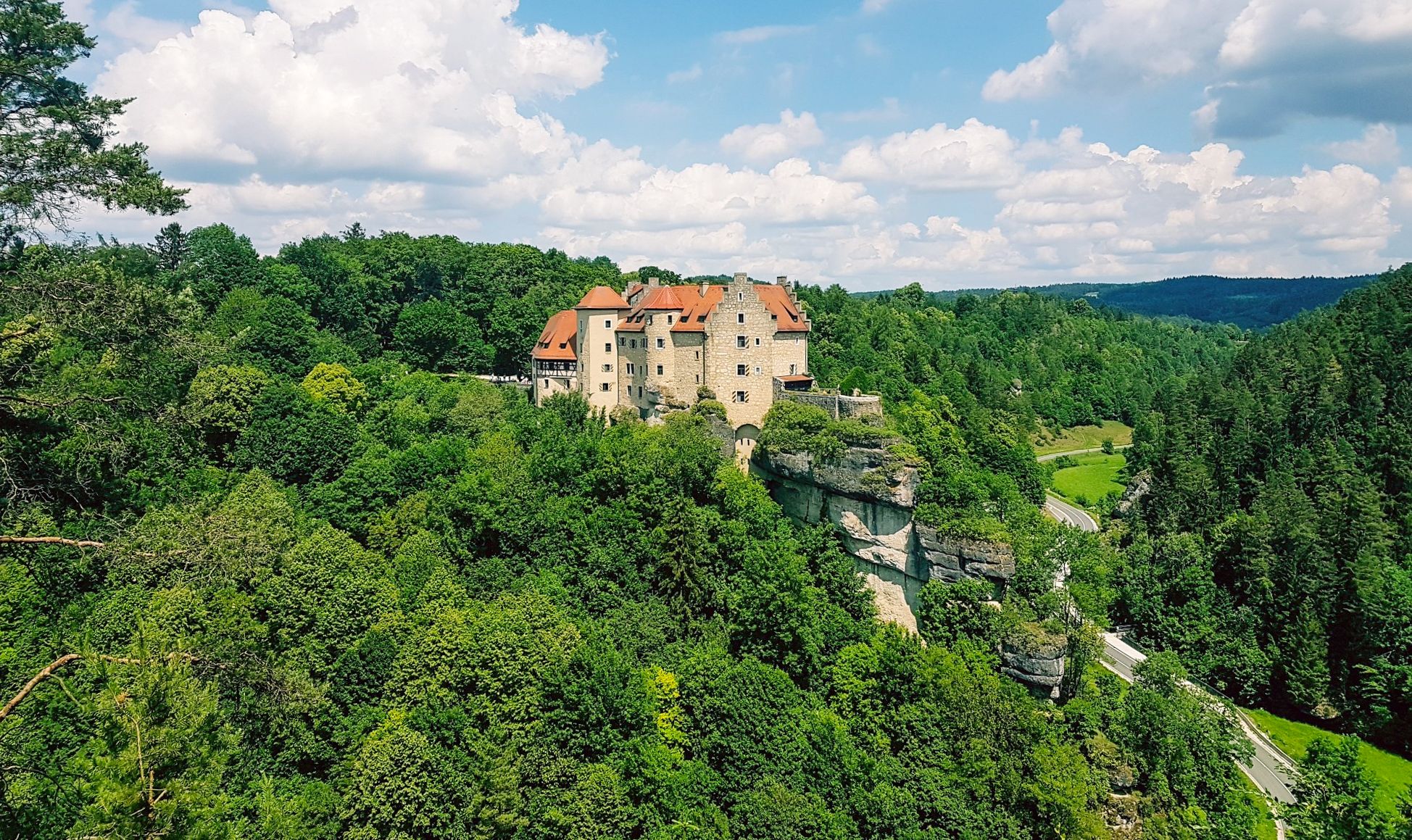
Hikes for tiny boots – VGN recreational activities for families
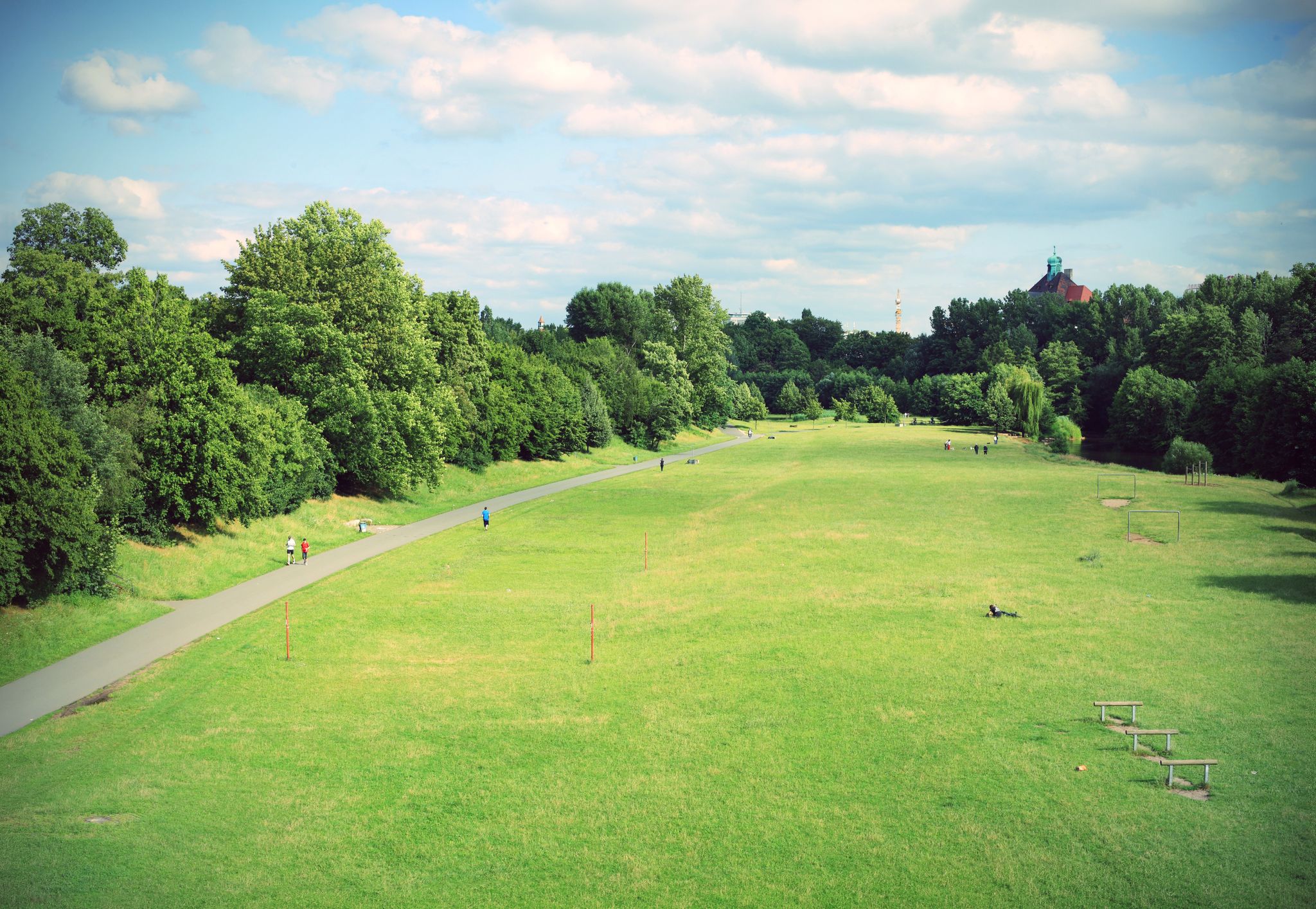
Einfach durch Nürnberg, Erlangen und Fürth

Traffic-free bike rides around Fürther Stadtwald
Traffic-free bike rides around Fürther Stadtwald
Other adventures around Fürther Stadtwald


Tips from the Community

Easy to navigate. Unfortunately, parts are very open and prone to wind.
1
0

The route via Ober- and Unterbüchlein to Loch and further to Stein is always worth it.
0
0

The town was probably founded around 800. In a document that was written between 1132 and 1150, the sale of the goods of the Bamberg canon "Volmar in Tefersendorf" in Ketteldorf to the Heilsbronn monastery was confirmed. This is also the first documented mention of the place.[5] The defining word of the place name is the Slavic personal name Dobriš. In 1339, the brothers Conradt and Burkhard Pfefferbalg sold land in "Teferßdorf" to the Heilsbronn monastery, which they had received from Count Gottfried von Hohenlohe.[6] From 1566 to 1818, the Nuremberg patrician Scheurl had a seat in the town. Towards the end of the 18th century, there were eleven properties in Defersdorf (castle, four farms, a half-farm, two estates, a small farm, a brickworks). The high court exercised the Brandenburg-Ansbach judgeship of Roßtal. The Scheurl von Defersdorf family had the village and community authority as well as the manorial authority over all properties.[7] In 1799 there were still eleven properties in the town.[8] From 1797 to 1808 the town was under the jurisdiction of the Cadolzburg Justice and Chamber Office. As part of the municipal edict, Defersdorf was assigned to the tax district of Großweismannsdorf, which was formed in 1808, and to the rural community of Großweismannsdorf, which was founded in the same year. The entire town was under the voluntary jurisdiction of the Defersdorf Patrimonial Court until 1848.[9] As part of the regional reform in Bavaria, Defersdorf was incorporated into Roßtal on May 1, 1978. Source: Wikipedia
0
0
The road surface is good, no damage. Little to moderate traffic
1
0
The place was first mentioned in the Würzburg fief book of 1303 as "Siglasdorf". The knight Heinrich von Buttendorf was enfeoffed with a number of properties by the Würzburg bishop Andreas, including the tithe in Sichersdorf. The defining word of the place name is probably the personal name Sigilo.[5] Originally the place consisted of two, and from 1440 of three farms. In the middle of the 18th century one farm was divided.[6] Towards the end of the 18th century there were six properties and a community shepherd's house in Sichersdorf. The high court was the Brandenburg-Ansbach judge's office Roßtal. The village and community was governed by the Nuremberg district administrator's office. The landlords were the Nuremberg owners von Holzschuher (2 half farms), von Petz (1 estate), von Volckamer (1 estate), von Volckamer and von Löffelholz (1 farm).[7] From 1797 to 1808, the town was under the jurisdiction of the Cadolzburg Justice and Chamber Office. As part of the municipal edict, Sichersdorf was assigned to the Großweismannsdorf tax district, which was formed in 1808. It belonged to the rural community of Gutzberg, which was founded in the same year. 2 properties were under voluntary jurisdiction until 1812 and from 1820 to 1848 to the Lichtenhof patrimonial court, and 1 property was under the Volckamer patrimonial court until 1812.[8] On July 1, 1972, Sichersdorf was incorporated into the municipality of Gutzberg in Stein as part of the municipal reform. Source: Wikipedia
2
0

Very nice, quiet back roads. The asphalt could do with being renewed here and there... There are a few potholes, especially towards the east (slightly downhill). Highly recommended for the scenery!
0
0
The church has a history dating back to the 8th century, possibly to the time of Charlemagne. Originally founded as a strategic base, it became a parish in the 9th century and was part of the Schwabacher March of the St. Emmeram Monastery in Regensburg. The patron saint of the church is St. Emmeram, whose canonization took place in the 8th century. Over the centuries, the church underwent various changes, including renovations in the 15th and 16th centuries and remodeling in the 17th century in the Margrave style. The church suffered severe damage during the Thirty Years' War, but was rebuilt after the war. Various restoration measures were carried out in the 19th century and later, including the draining of the church in 1857 and extensive renovations in 1912. The church also received an organ in 1682 and underwent a Baroque transformation in the 18th century with the construction of a pulpit and high altar. Source: Wikipedia
0
0
Also a nice downhill stretch away from the main road.
0
0
Frequently Asked Questions
What kind of terrain can I expect on the no-traffic road cycling routes in Fürther Stadtwald?
Fürther Stadtwald offers a mix of well-maintained paths. While many forest paths are gravel, there are also quiet asphalt sections ideal for road cycling. The routes feature varied terrain, from easy forest loops to more demanding trails, ensuring a smooth ride away from traffic.
Are there any long-distance, traffic-free road cycling routes available?
Yes, Fürther Stadtwald connects to broader regional networks like the RegnitzRadweg and the ErlebnisRadweg Hohenzollern, allowing for extended cycling opportunities. For a challenging long-distance option within the area, consider the Aicher Weiher – Sichersdorf Village loop from Alte Veste, which spans over 100 km.
What are some popular moderate no-traffic road cycling routes in Fürther Stadtwald?
Many routes are rated as moderate, offering a good balance of distance and elevation. Popular choices include the View of Cadolzburg Castle – Cadolzburg Castle loop from Weiherhof (approx. 55 km) or the Oberreichenbach Village – Reichenbach Valley Scenic Route loop from Alte Veste (approx. 58 km).
Can I find circular no-traffic road cycling routes in the area?
Absolutely. Many of the routes in Fürther Stadtwald are designed as loops, perfect for starting and ending at the same point. For example, the Banderbacher Straße Cycle Path – Sichersdorf Village loop from Weiherhof is a great circular option, covering over 50 km.
What kind of natural features and viewpoints can I expect along the routes?
The region is known for its diverse forest paths, riverine scenery, and unique rock formations. Routes often offer picturesque views along waterfronts, such as the Fürther Uferpromenade. You might also encounter geological interests from disused sandstone quarries. A notable viewpoint is the Cadolzburger View Shelter.
Are there any historical landmarks or attractions to see while cycling?
Yes, you can combine your ride with visits to historical sites. The Tower of the Alte Veste is a significant landmark in the area. Some routes, like the View of Cadolzburg Castle – Cadolzburg Castle loop from Weiherhof, even offer views of historical castles.
What do other cyclists say about the no-traffic road cycling routes in Fürther Stadtwald?
The routes in Fürther Stadtwald are highly regarded by the komoot community, with an average rating of 4.5 stars from nearly 80 reviews. Cyclists often praise the quiet, well-maintained paths and the diverse natural beauty, making it an excellent choice for traffic-free road cycling.
Are there any family-friendly no-traffic road cycling options?
While many routes are moderate, the extensive network includes easier forest loops that can be suitable for families. The focus on no-traffic paths makes it a safer environment for cycling with children. Look for routes with less elevation gain for a more relaxed family outing.
Where can I find information about parking for cyclists in Fürther Stadtwald?
Parking is generally available at common starting points for routes, such as near Alte Veste or Weiherhof. These locations often serve as convenient access points to the network of cycling paths within the Stadtwald.
Can I access the no-traffic road cycling routes using public transport?
Fürther Stadtwald is well-connected, and public transport options are available to reach the area. Check local transport schedules for routes that allow bikes, especially to access popular starting points like Alte Veste, which is a common hub for many cycling tours.
Are there any places to stop for refreshments or a break along the routes?
While cycling through the natural areas, you might find opportunities for breaks. The Lohpfad Hut and Forest Adventure Trail offers a spot for a rest. For more options, consider routes that pass through or near villages where cafes and pubs might be available.
What is the best time of year for no-traffic road cycling in Fürther Stadtwald?
The Fürther Stadtwald is enjoyable for cycling throughout much of the year. Spring and autumn offer pleasant temperatures and beautiful scenery. Summer is also great, especially on shaded forest paths. Winter cycling is possible, but check local conditions for ice or snow on paths.
Most popular routes around Fürther Stadtwald
Most popular attractions around Fürther Stadtwald

Get inspired with the komoot mobile app


Explore more
Browse the best Road cycling routes in other regions.
