The 16 Most Amazing Peaks around Parco Naturale Regionale del Beigua
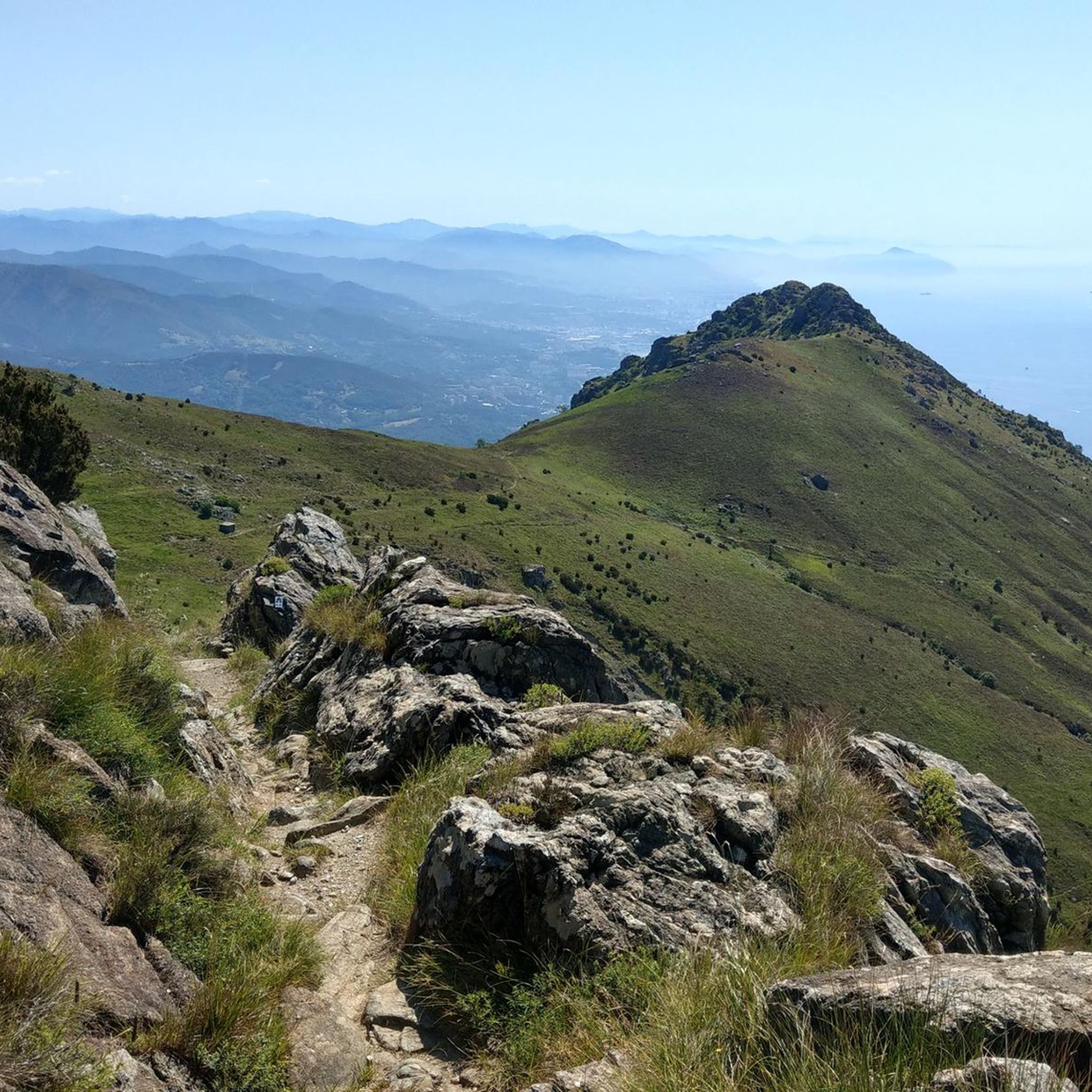
Best mountain peaks around Parco Naturale Regionale del Beigua, a UNESCO Global Geopark, are known for their diverse landscapes and significant geological heritage. This protected area in Liguria, Italy, offers prominent mountain peaks with expansive views. The park features a rich biodiversity, including unique plant species and varied fauna. Its extensive network of marked trails provides opportunities to explore environments from high-altitude plains to rocky outcrops.
Best mountain peaks around Parco Naturale Regionale del Beigua
- The most popular mountain peaks…
Last updated: May 11, 2026
Monte Reixa
Highlight • Summit
Due to the characteristics of the …
Translated by Google •
Tip by

Rocca Vaccaria
Highlight • Summit
Translated by Google •
Tip by

Sign up now to discover places like this
Get recommendations on the best single tracks, peaks, & plenty of other exciting outdoor places.
Sign up for free
Monte Beigua
Highlight • Summit
Translated by Google •
Tip by

Croce del Beigua
Highlight • Monument
Translated by Google •
Tip by

Monte Rama Summit
Highlight • Summit
The ascent from the normal route from Sciarborasca or Lerca, in some passages, requires only a little attention. The descent from both the normal and the direct route is not recommended. Too many points exposed.
Translated by Google •
Tip by
Sign up for free to discover even more peaks around Parco Naturale Regionale del Beigua.
Sign up for free
Already have an account?
Start today with a free account
Your next adventure awaits.
Login or Signup
Popular around Parco Naturale Regionale del Beigua
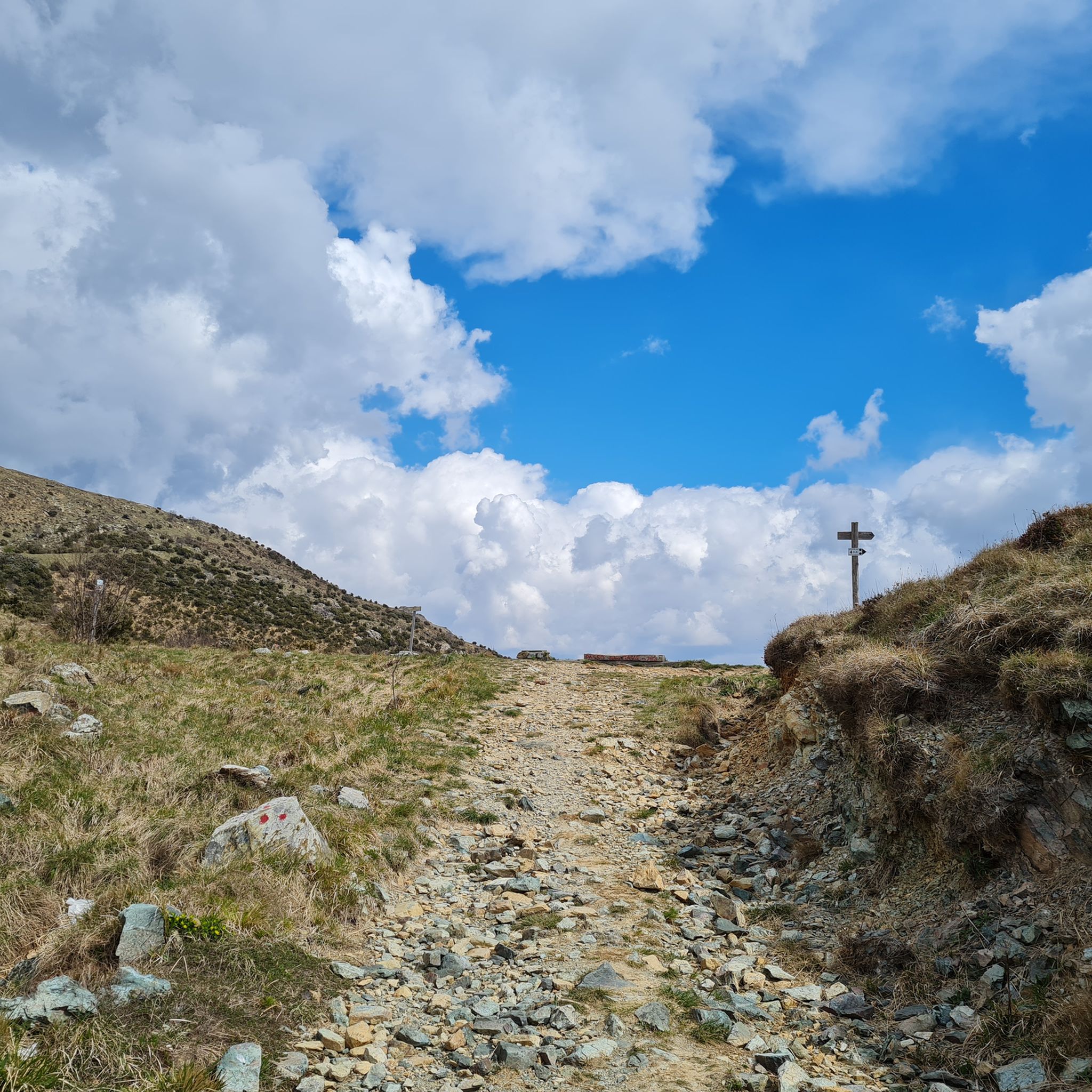
Hiking around Parco Naturale Regionale del Beigua
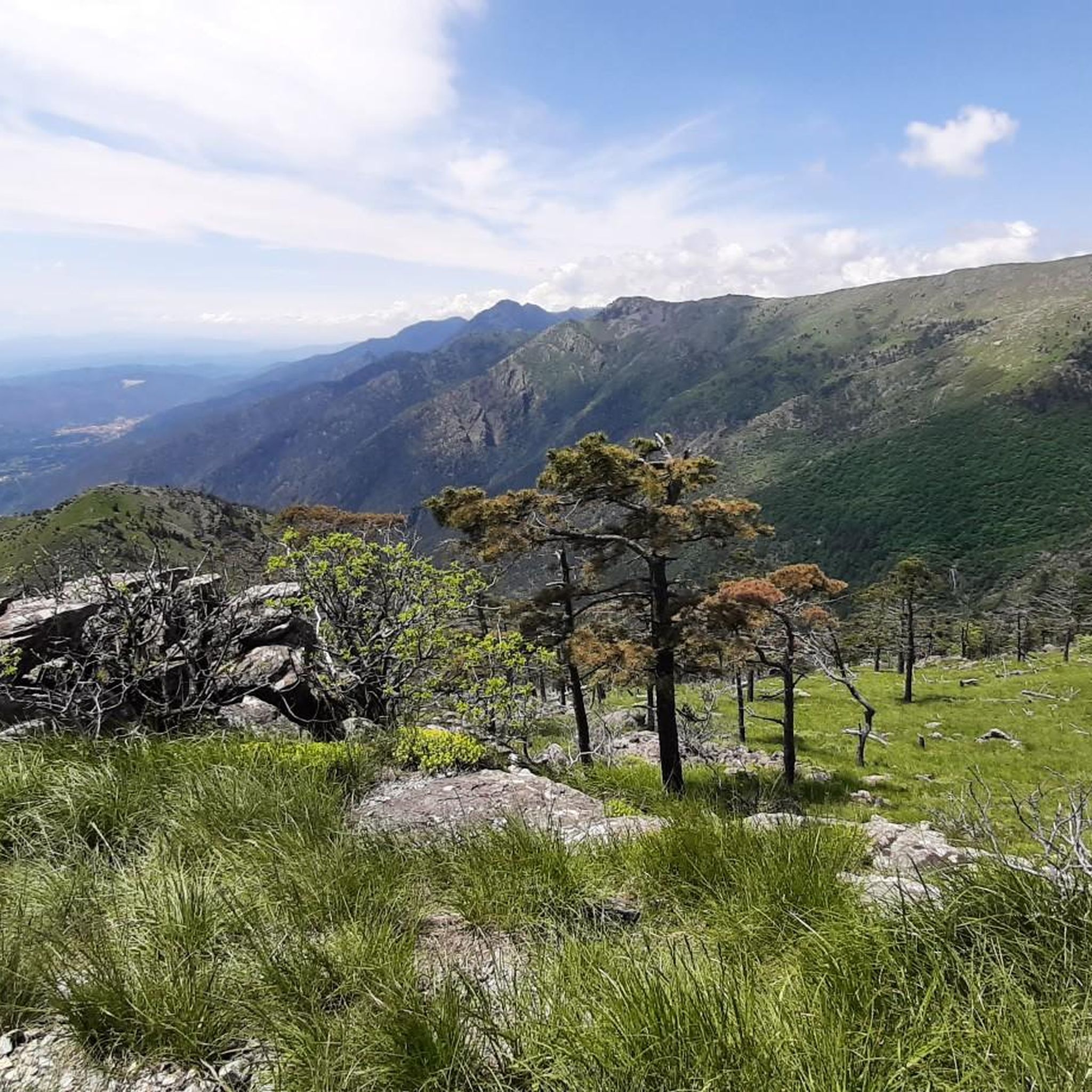
Running Trails around Parco Naturale Regionale del Beigua
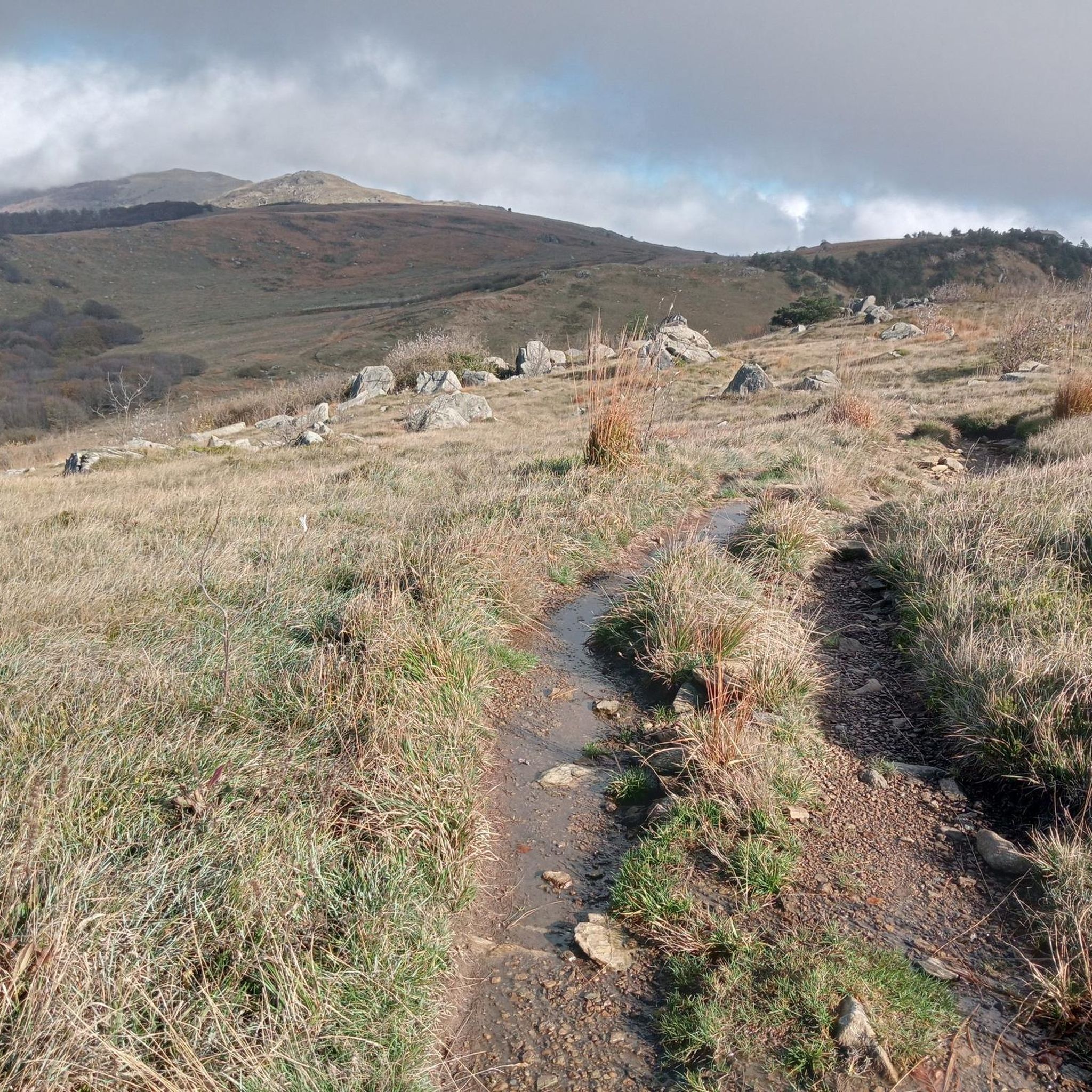
Cycling around Parco Naturale Regionale del Beigua
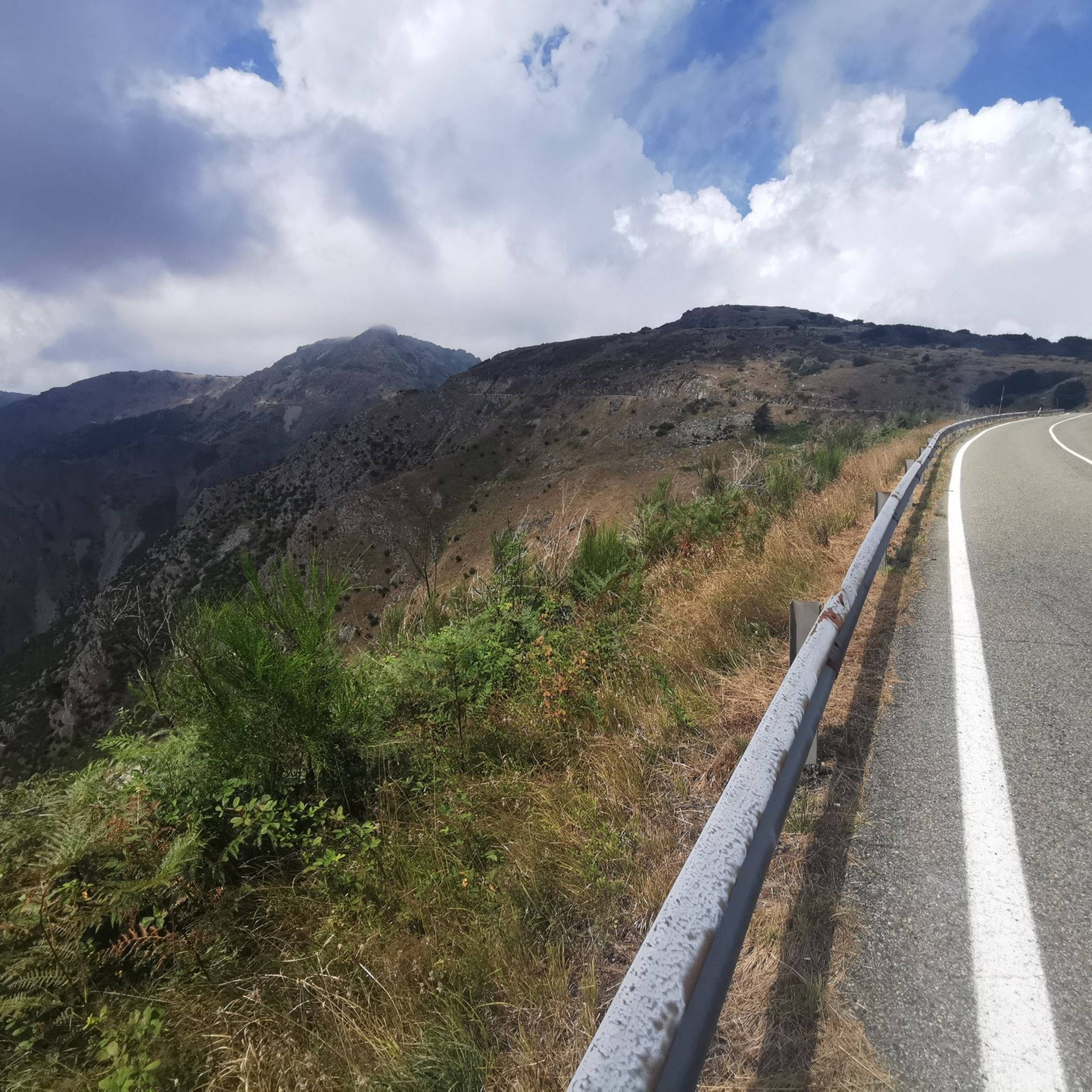
Road Cycling Routes around Parco Naturale Regionale del Beigua
MTB Trails around Parco Naturale Regionale del Beigua

Gravel biking around Parco Naturale Regionale del Beigua
Tips from the Community

Mount Beigua is a mountain range in the Ligurian Apennines, 1,287 meters above sea level, located on the Ligurian-Po watershed. It is the highest peak of the so-called "Beigua group," which includes nearby Mount Grosso, Mount Ermetta, and Bric Veciri.
11
0

The weather is not the best but the place is very beautiful
0
0
Despite the bad weather the place had a special charm
0
0

Peak of the heart of the people of Cogoleto and beyond. On clear days it is possible to see Corsica, Capraia and the island of Elba. There are many access routes, all beautiful and with different degrees of difficulty. The routes are maintained by Cogoleto Outdoor, an association of volunteers passionate about hiking and mountain biking.
0
0


the Beigua cross is a church with a huge cross visible from far away
0
0

The concept chosen by the architect for the "Croce del Beigua" does not conform to the usual pattern followed by many summit crosses. Rather than having a classic base as its foundation, it "grows" out of the roof of the chapel standing there, rising towards the sky in a massive form. The choice of material used for the construction – exposed concrete – clearly indicates its affiliation with the era of so-called "Brutalism." This is a modern architectural style that was popular in the post-World War II era and deliberately avoids cladding or painted concrete. Another striking feature is that one of the cross's two crossbeams is fitted with a railing.
0
0

Mount Beigua (Munte Beigua or Mount Beigoa in Ligurian) is a mountainous relief in the Ligurian Apennines, 1287 m high above sea level, which rises on the Ligurian-Po Valley watershed. It is the highest peak of the so-called "Beigua group", which includes the nearby Monte Grosso (1265 m), Monte Ermetta (1267 m), Bric Veciri (1264 m), Monte Avzè (1022 m).
1
0
Frequently Asked Questions
What are some of the most highly-regarded mountain peaks to visit in Parco Naturale Regionale del Beigua?
Beyond the peaks mentioned in the introduction, Monte Beigua is the highest and most prominent, offering expansive 180-degree panoramic views from the Mediterranean Sea to the Alps. Another significant peak is Rocca Vaccaria, known for its beautiful views and its proximity to the sea, being just under 5 km from the beaches of Arenzano.
Which mountain peaks in the Beigua Geopark offer the most extensive panoramic views?
For truly expansive views, Monte Beigua provides a 180-degree vista that, on clear days, stretches from the Mediterranean Sea and Genoa to Corsica, Monviso, Gran Paradiso, and Monte Rosa in the Alps. Monte Reixa also offers a grand panorama of the Gulf of Genoa and the Ligurian Sea, extending to the Monte Rosa group and the Ligurian and Maritime Alps. Similarly, Bric del Dente summit boasts views of the Gulf of Genoa, the Ligurian Sea, and on very clear days, the Alpine arc and Corsica.
Are there family-friendly mountain peaks or trails in Parco Naturale Regionale del Beigua?
While many trails can be challenging, some areas around the peaks offer more accessible options. For instance, the hike to Monte Beigua is listed as family-friendly in some sections, though the full ascent can be challenging. The park generally has a 500 km network of marked trails, and you can find easier walks by looking for routes with moderate difficulty, such as the 'Val Gargassa Loop' or 'Anello della Badia di Tiglieto' mentioned in the Hiking around Parco Naturale Regionale del Beigua guide.
What unique natural features or geological aspects can I observe around the mountain peaks?
The entire Parco Naturale Regionale del Beigua is a UNESCO Global Geopark, recognized for its extraordinary geological heritage. Around Monte Beigua, you can find fragments of Jurassic oceanic crust and ancient petroglyphs etched into ophiolite rocks. Monte Reixa is geologically unique, composed primarily of serpentinite. The park's diverse ecosystems include rare plant species unique to ophiolitic soils, such as Viola bertolonii and Cerastium utriense.
What kind of wildlife can be found in the mountain areas of Parco Naturale Regionale del Beigua?
The park is rich in biodiversity, supporting a diverse fauna. You might encounter wild boars, roe and fallow deer, martens, and a variety of bird species, including diurnal birds of prey. Wolves have also re-established their presence in the park's more remote areas, adding to the wild character of the mountain environments.
What outdoor activities, besides peak bagging, can I do near these mountain peaks?
The region offers a variety of outdoor activities. You can explore numerous hiking trails, including those that lead to waterfalls like the Cascata del Serpente. For cyclists, there are gravel biking routes that traverse diverse landscapes. You can find detailed routes and guides for these activities, such as Waterfall hikes around Parco Naturale Regionale del Beigua and Gravel biking around Parco Naturale Regionale del Beigua.
Are there specific hiking trails that lead to the mountain summits?
Yes, many peaks are accessible via marked trails. For example, Monte Reixa is easily accessible from Passo del Faiallo, Voltri, or Arenzano, with signposted tracks. Monte Beigua is a key point on the Alta Via dei Monti Liguri, and a challenging hike from Alpicella covers 10.6 km with an 877 m ascent. Bric del Dente summit can be reached from Sella Bernè, Passo del Faiallo, or Masone, also forming part of the Alta Via dei Monti Liguri.
What is the best time of year to visit the mountain peaks in Parco Naturale Regionale del Beigua?
The park offers different experiences throughout the year. Spring and autumn are generally ideal for hiking, with pleasant temperatures and vibrant natural colors. Spring brings blooming wildflowers, while autumn showcases rich foliage. Summer can be warm, but higher elevations offer cooler air. Winter can bring snow, making some trails more challenging and requiring appropriate gear, but also offering unique snowy landscapes.
Are there any historical or cultural points of interest near the mountain peaks?
Yes, the region has historical significance. The area around Monte Beigua features petroglyphs, including the 'pietra scritta' (written stone), providing insights into ancient Ligurian tribes. Near Bric del Dente summit, you can find Forte Geremia, an old military structure from 1890 that now serves as a refuge. Additionally, Monte Reixa's summit features a small metallic cross and a statuette of the Madonna.
What do visitors enjoy most about the mountain peaks in Parco Naturale Regionale del Beigua?
Visitors consistently praise the breathtaking panoramic views, especially from peaks like Monte Reixa and Bric del Dente summit, which offer vistas stretching from the Ligurian coast to the Alps and even Corsica on clear days. The diverse landscapes, from pine and beech forests to rocky outcrops, and the rich biodiversity are also highly appreciated. Many enjoy the sense of tranquility and the opportunity to explore the extensive network of marked trails.
Are there accommodations or places to eat near the mountain peaks in the park?
While the park itself is a protected area, there are mountain huts available along trails and at some summits, such as Monte Beigua. Surrounding towns and villages offer various accommodation options, cafes, and restaurants. For example, the area near Rocca Vaccaria is close to the La Nuvola sul Mare hotel, and towns like Masone, Arenzano, and Sassello provide amenities for visitors.
Is it possible to access the mountain peaks using public transport?
Access to the park and its trailheads can be achieved via public transport to nearby towns. From these towns, you might need to hike or arrange local transport to reach specific trailheads. For instance, Monte Reixa is accessible from Voltri or Arenzano, which are typically served by public transport. However, direct public transport to every trailhead within the park might be limited, so planning ahead is recommended.
Most popular routes around Parco Naturale Regionale del Beigua
Most popular attractions around Parco Naturale Regionale del Beigua

Get inspired with the komoot mobile app


Explore more
See even more amazing summits around Parco Naturale Regionale del Beigua with these guides:
