The best family-friendly hikes and walks around Forêt de Soignes - Zoniënwoud
4.5
(2289)
15,298
hikers
262
hikes
Family friendly hiking trails around Forêt de Soignes - Zoniënwoud traverse a vast ancient forest southeast of Brussels, characterized by majestic, centuries-old beech trees forming a dense canopy. The landscape features meandering stream beds and diverse flora and fauna. Portions of the forest are recognized as a UNESCO World Heritage Site, highlighting its undisturbed nature and ecological significance.
Best family friendly hiking trails around Forêt de Soignes - Zoniënwoud
- The most popular family friendly hiking route is Château de La…
Last updated: May 18, 2026
4.6
(69)
271
hikers
23.5km
06:12
200m
260m
Hard hike. Very good fitness required. Easily-accessible paths. Suitable for all skill levels.
4.7
(89)
375
hikers
9.44km
02:31
100m
100m
Moderate hike. Good fitness required. Easily-accessible paths. Suitable for all skill levels.

Sign up for free
4.3
(74)
295
hikers
Hard hike. Very good fitness required. Easily-accessible paths. Suitable for all skill levels.
4.6
(56)
347
hikers
12.0km
03:08
80m
80m
Moderate hike. Good fitness required. Easily-accessible paths. Suitable for all skill levels.
4.7
(47)
189
hikers
22.9km
06:02
210m
210m
Hard hike. Very good fitness required. Easily-accessible paths. Suitable for all skill levels.
Get access to more routes and recommendations from other explorers.
Sign up for free
Already have an account?
Our route recommendations are based on thousands of hikes, rides, and runs completed by other people on komoot.
Start today with a free account
Your next adventure awaits.
Login or Signup
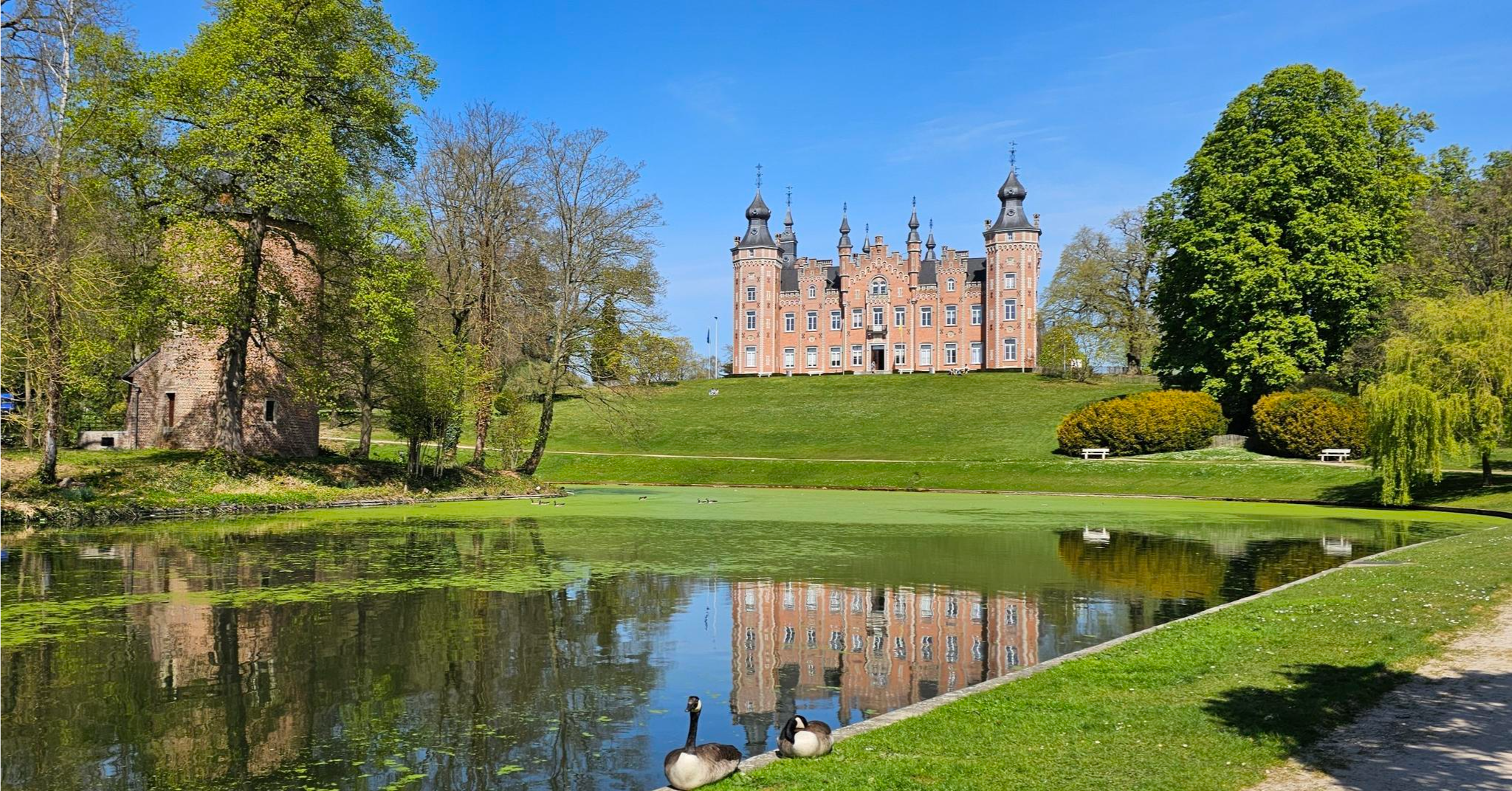
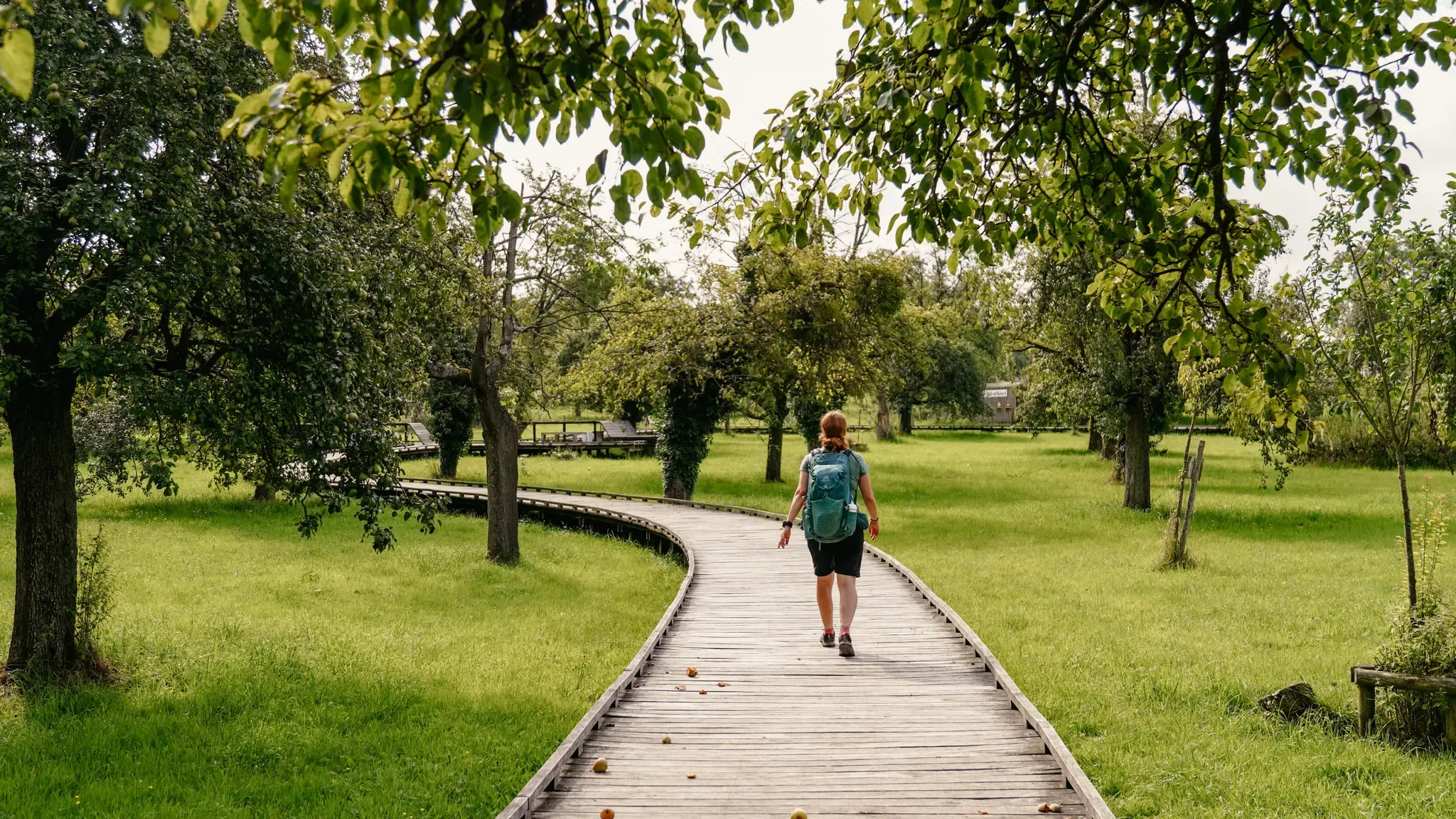
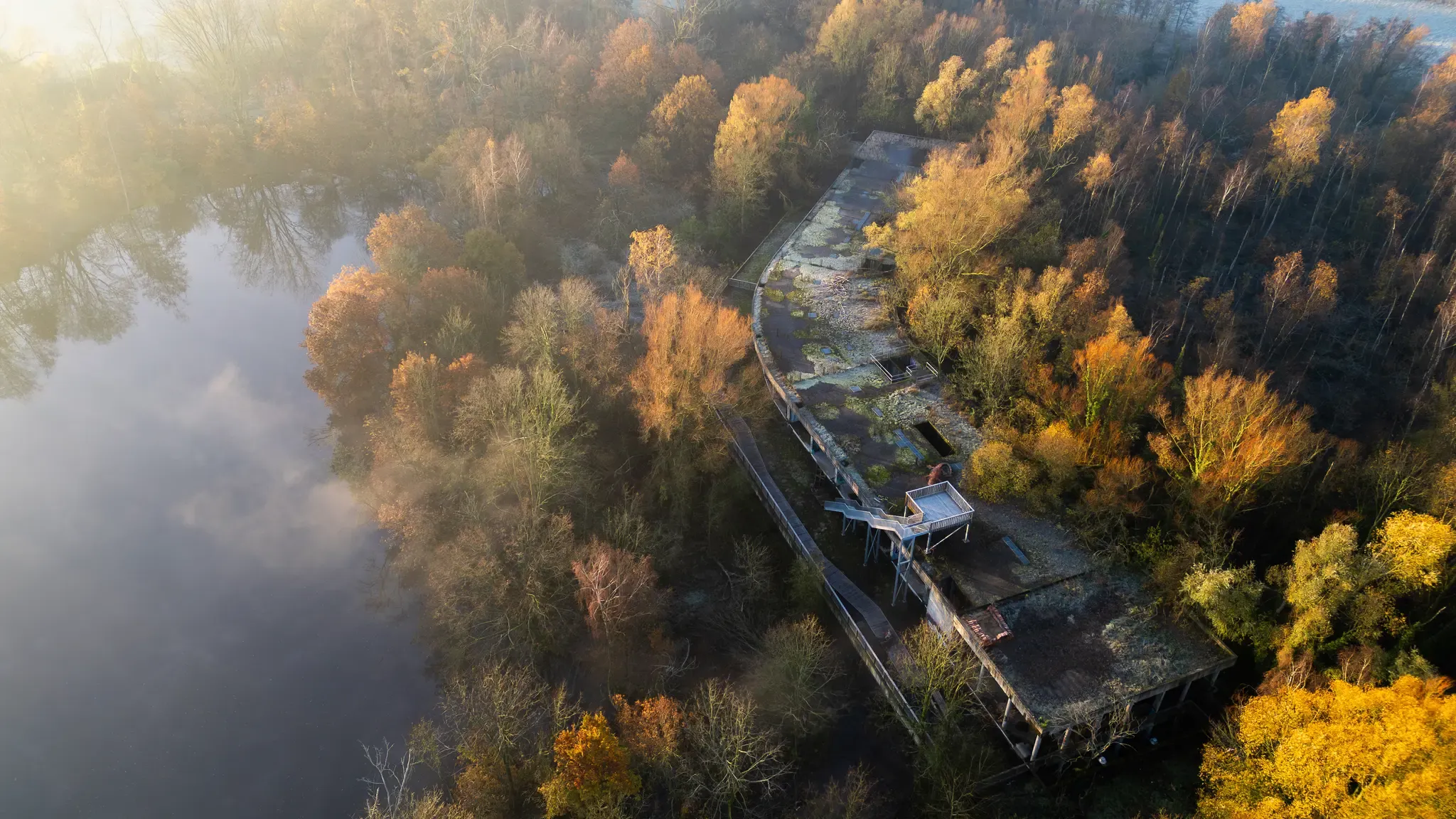
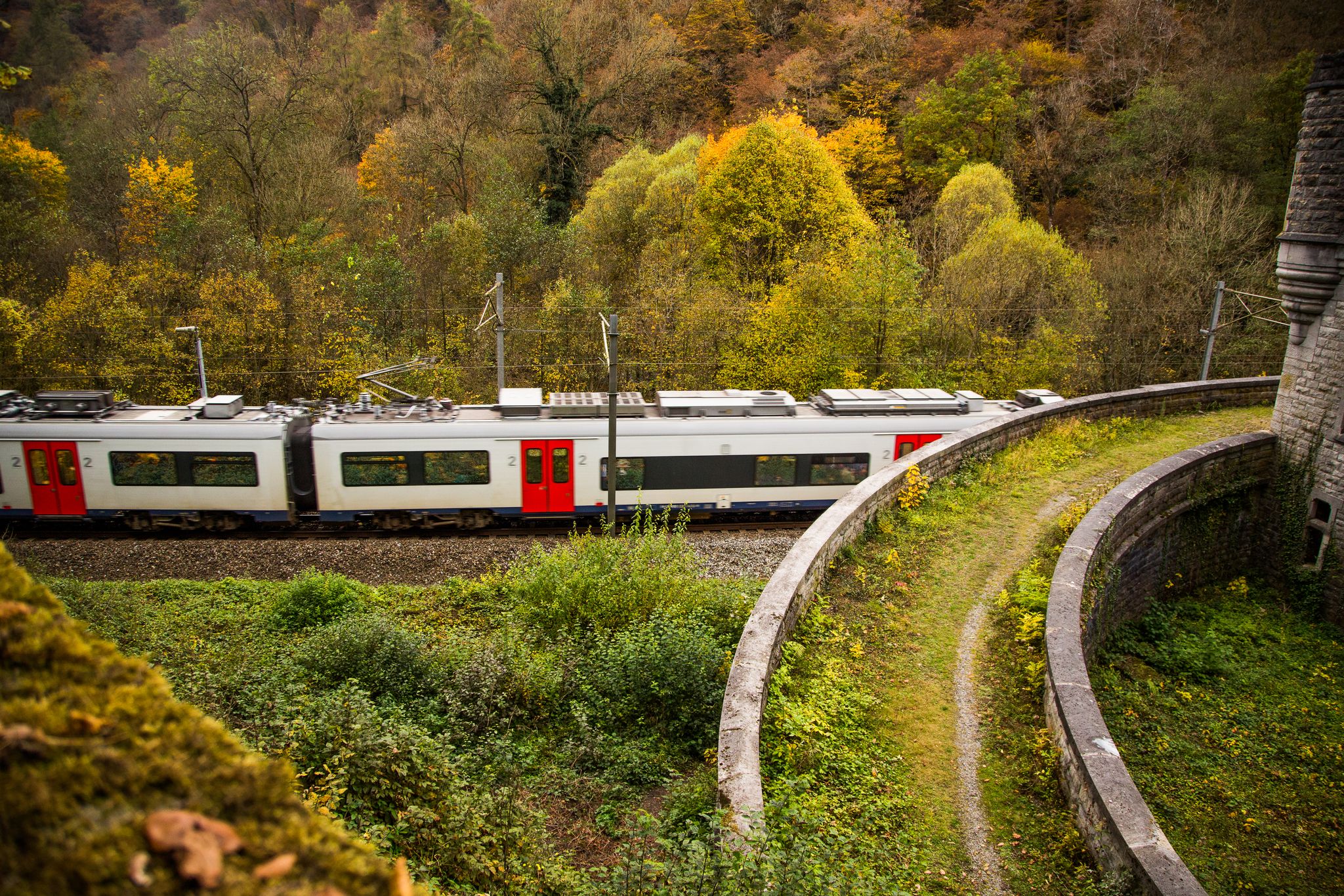
Other adventures around Forêt de Soignes - Zoniënwoud


Tips from the Community

The most visible of Dzia's works at the station. Look for the others too. For those who don't know Dzia: some time ago an article appeared in OKV (Openbaar Kunstbezit Vlaanderen) with a photo of a work here at the station and the following description of Dzia: "Dzia is also passionate about animals. He mainly depicts wild animals. Foxes and birds seem to be recurring favorites. His unique style creates a mosaic of colors that follows the contours and shapes of the animal. In his more recent work, he adds tonal shading within each defined area, enhancing a sense of volume. His work tries to give animals a place back in an urban environment. The locations of his murals are carefully chosen and he positions his colorful animals in such a way that a playful interaction with the surroundings is created." And you can find that 40-page dossier on street art in Flemish cities at https://www.okv.be/sites/default/files/2020-09/Street%20art%20in%20Vlaamse%20steden.pdf
4
0
A series of beautiful works by Dzia that have been there for a while, see: https://www.ringtv.be/cultuur-beeldende-kunst/graffitikunstenaar-smukt-treinstation-groenendaal-op The colourful birds are however a bit newer, see: https://www.instagram.com/p/DKKVbl6oZ5M/ And if you are in Groenendaal and like Dzia's work, also check out what he did with the ecoduct: https://www.werkenaandering.be/nl/lees-mee/nieuws/beestige-graffiti-kleurt-ecoduct-groenendaal For those who don't know Dzia: some time ago an article appeared in OKV (Openbaar Kunstbezit Vlaanderen) about street art in Flemish cities with a photo of a work that you find here at the station and the following description of Dzia: "Dzia is also passionate about animals. He mainly depicts wild animals. Foxes and birds seem to be recurring favourites. His unique style creates a mosaic of colours that follow the contours and shapes of the animal. In his more recent work, he adds tonal shading within each defined area, which enhances the sense of volume. His work tries to give animals a place in an urban environment again. The locations of his murals are carefully chosen and he positions his colourful animals in such a way that a playful interaction with the environment arises." And this 40-page dossier on street art in Flemish cities can be found at: https://www.okv.be/sites/default/files/2020-09/Street%20art%20in%20Vlaamse%20steden.pdf
7
0
A section is currently inaccessible because they want to purify the water that flows into the Ijse. You can, however, explore the small stream and the valley's structure via a small path in this corner, which is located a bit further from the main paths.
3
0
On the IJse, which springs from the Zoniënwoud, lies a series of five ponds. Until the 18th century, these ponds were owned by the priory of Groenendaal. After the dissolution of the monastery in 1783, maintenance of the ponds declined, causing them to silt up in the course of the 19th century. King Leopold II (hence the name Koningsvijvers gradually emerged) who harbored grand plans for the spatial development of his capital Brussels, set his sights on the ponds on the edge of the Zoniënwoud near Hoeilaart. For the construction of the ponds east of Sint-Jansberglaan, the land had to be purchased first. The Belgian state acquired the grounds in 1903, while work on the ponds had already started in 1902! Despite the enormous earthmoving required to excavate the silted-up ponds, the contractor delivered the works as early as January 1903. The new ponds would henceforth be known to the public as the Koningsvijvers. The intervention ensured that not only the ponds, but also the surrounding environment was added back to the Zoniënwoud. Inventory of Immovable Heritage: Ponds of the priory Groenendaal, https://id.erfgoed.net/erfgoedobjecten/310121
5
0
Pijlerkapel, located in the back between the Lindevijver and the Putselvijver near the beginning of the so-called Processieweg, presumably from the second half of the 19th century. Damaged around 2004, subsequently restored and repainted. Little is known about the origin and establishment of the chapel. It is not shown on the Popp map from the mid-19th century or the topographical map of 1867, but it is on that of 1891. In the literature, it is dated around 1870. White-painted brick construction on a rectangular floor plan, covered by a slate gable roof that projects strongly at the front, with an elaborate wooden wind board. Picked plinth. Grilled round arch niche with a barrel vault and a statue of Saint Cornelius, patron saint of farmers and cattle; he is also invoked for epilepsy, cramps, and nerve pain, among other things. The chapel is flanked by lime trees with tree chapels, dedicated to Saint Teresa (left) and Our Lady of Lourdes (right). Inventory of Immovable Heritage: Saint Cornelius Chapel flanked by lime trees with tree chapels, https://id.erfgoed.net/erfgoedobjecten/302943
5
0
The Groenendaal station and its associated shelter were built in the typical "national" station style between 1893 and 1896, in this case a rather luxurious execution due to the abundant use of natural stone and great attention to detail. This can possibly be explained by the great attraction of Groenendaal to the Brussels bourgeoisie as an ideal starting point for a forest walk combined with a restaurant visit, but also by the figure of Leopold II, who was reportedly directly involved in the design and was a regular visitor to the Groenendaal racecourse (1889). The Groenendaal station, near the Zoniënwoud, is the only station building on the Brussels-Luxembourg line in Flemish territory. This railway line was built between 1847 and 1857 by the "Grande Compagnie du Luxembourg", which also had the management concession. Inventory of Immovable Heritage: Groenendaal station with shelter, https://id.erfgoed.net/erfgoedobjecten/200186
7
0

Known for its distinctive shape with three protrusions that resemble the toes of a goose foot.
3
0
Narrow path, small stream, fallen trees...cozy
4
0
Frequently Asked Questions
How many family-friendly hiking trails can we explore in Forêt de Soignes - Zoniënwoud?
Forêt de Soignes - Zoniënwoud offers a wide variety of trails suitable for families. On komoot, you'll find over 170 easy routes and more than 80 moderate options, ensuring there's something for every family's pace and preference.
Are there circular routes suitable for families in the Sonian Forest?
Yes, many of the family-friendly trails in Forêt de Soignes - Zoniënwoud are circular, making them convenient for day trips. A great example is the Château de La Hulpe – Château and Park of La Hulpe loop from La Hulpe, which offers a lovely 9.2 km walk through beautiful parkland. Another option is The Sonian Forest – Ganzepoot Pond loop from Hoeilaart, a moderate 11.1 km route.
What kind of natural features or landmarks can we expect to see along the trails?
The Sonian Forest is famous for its majestic 'beech cathedrals' with towering, centuries-old trees, creating a unique atmosphere. You can also discover beautiful ponds like the Drowned Children Ponds or the Ganzepoot Pond. The Groenendaal Arboretum is another highlight, showcasing diverse tree species.
Is Forêt de Soignes - Zoniënwoud accessible by public transport for families?
Yes, the forest is well-connected and easily accessible by public transport from Brussels. Several starting points like Groenendaal and Hoeilaart are convenient. This makes it a great option for families who prefer not to drive or want to combine their hike with a train journey.
Are there any trails suitable for strollers or toddlers?
While specific stroller-friendly trails are not explicitly listed, the well-maintained paths and generally flat terrain in many parts of the forest make it possible to find suitable sections for strollers. Look for routes marked as 'easy' and check the terrain descriptions on komoot for the most suitable options for toddlers.
Can we bring our dog on the family-friendly hikes?
Forêt de Soignes - Zoniënwoud is generally dog-friendly, but it's important to check local regulations for specific areas, as rules can vary. Typically, dogs are welcome on a leash. Always ensure you clean up after your pet to preserve the forest's natural beauty for everyone.
What is the best time of year for family hiking in Forêt de Soignes - Zoniënwoud?
The Sonian Forest is beautiful year-round. Spring brings carpets of wildflowers like wood anemones and bluebells, while autumn offers stunning foliage. Summer provides cool shade under the dense beech canopy, and even winter walks can be magical. Consider visiting during weekdays or earlier in the morning on weekends to avoid larger crowds.
Are there places to eat or have a picnic near the family trails?
Yes, there are several spots within and around the forest suitable for picnics. You'll also find cafes and restaurants in nearby towns like Groenendaal, Hoeilaart, and La Hulpe, perfect for a post-hike treat or meal. Many routes start or pass near these amenities.
What do other hikers say about family-friendly trails in Forêt de Soignes - Zoniënwoud?
The area is highly rated by the komoot community, with an average score of 4.48 stars from over 2,100 ratings. Reviewers often praise the quiet woodlands, the majestic beech trees, and the well-maintained paths that make for enjoyable family outings. Many appreciate the sense of escape from urban life so close to Brussels.
Where can we park when visiting Forêt de Soignes - Zoniënwoud for a family hike?
There are several designated parking areas around the forest, particularly at popular access points like Groenendaal, Hoeilaart, and near the Forest Museum. These spots are usually well-signposted and provide convenient starting points for various trails.
Are there any historical sites or points of interest to explore with kids?
Absolutely! The forest has a rich history. You can visit the Zonienwald (Sonian Forest) itself, which is a UNESCO World Heritage site. The Forest Museum (Bosmuseum Jan van Ruusbroec) in Groenendaal offers insights into the forest's past and wildlife, which can be engaging for children. The remains of the Château de Trois-Fontaines also provide a glimpse into medieval history.
Most popular routes around Forêt de Soignes - Zoniënwoud
Most popular attractions around Forêt de Soignes - Zoniënwoud

Get inspired with the komoot mobile app


Explore more
Browse the best Hikes in other regions.
