The best traffic-free bike rides around Guadiana Valley Natural Park
4.3
(15)
113
riders
16
rides
No traffic touring cycling routes around Guadiana Valley Natural Park traverse a landscape characterized by wooded hills, serene river valleys, and expansive plains. Cyclists encounter diverse terrain, including cork oak forests, cereal steppes, and areas with Mediterranean undergrowth. The Guadiana River is a central feature, winding through narrow riverbanks and past ancient watermills, creating dramatic geomorphological structures. The park's immense plains, extending from Corte Gafo to the Serra de Serpa, offer unique vegetation and wide vistas.
Best no traffic touring…
Last updated: May 18, 2026
4.0
(1)
11
riders
Moderate bike ride. Good fitness required. Mostly paved surfaces. Suitable for all skill levels.
5.0
(1)
5
riders
48.0km
04:04
530m
530m
Hard bike ride. Very good fitness required. Mostly paved surfaces. Suitable for all skill levels.

Sign up for free
4
riders
14.1km
01:11
230m
230m
Moderate bike ride. Good fitness required. Mostly paved surfaces. Suitable for all skill levels.
4
riders
29.7km
02:23
270m
270m
Moderate bike ride. Good fitness required. Mostly paved surfaces. Suitable for all skill levels.
5.0
(2)
6
riders
41.0km
03:12
470m
470m
Hard bike ride. Very good fitness required. Mostly paved surfaces. Suitable for all skill levels.
Get access to more routes and recommendations from other explorers.
Sign up for free
Already have an account?
Our route recommendations are based on thousands of hikes, rides, and runs completed by other people on komoot.
Start today with a free account
Your next adventure awaits.
Login or Signup
Popular around Guadiana Valley Natural Park
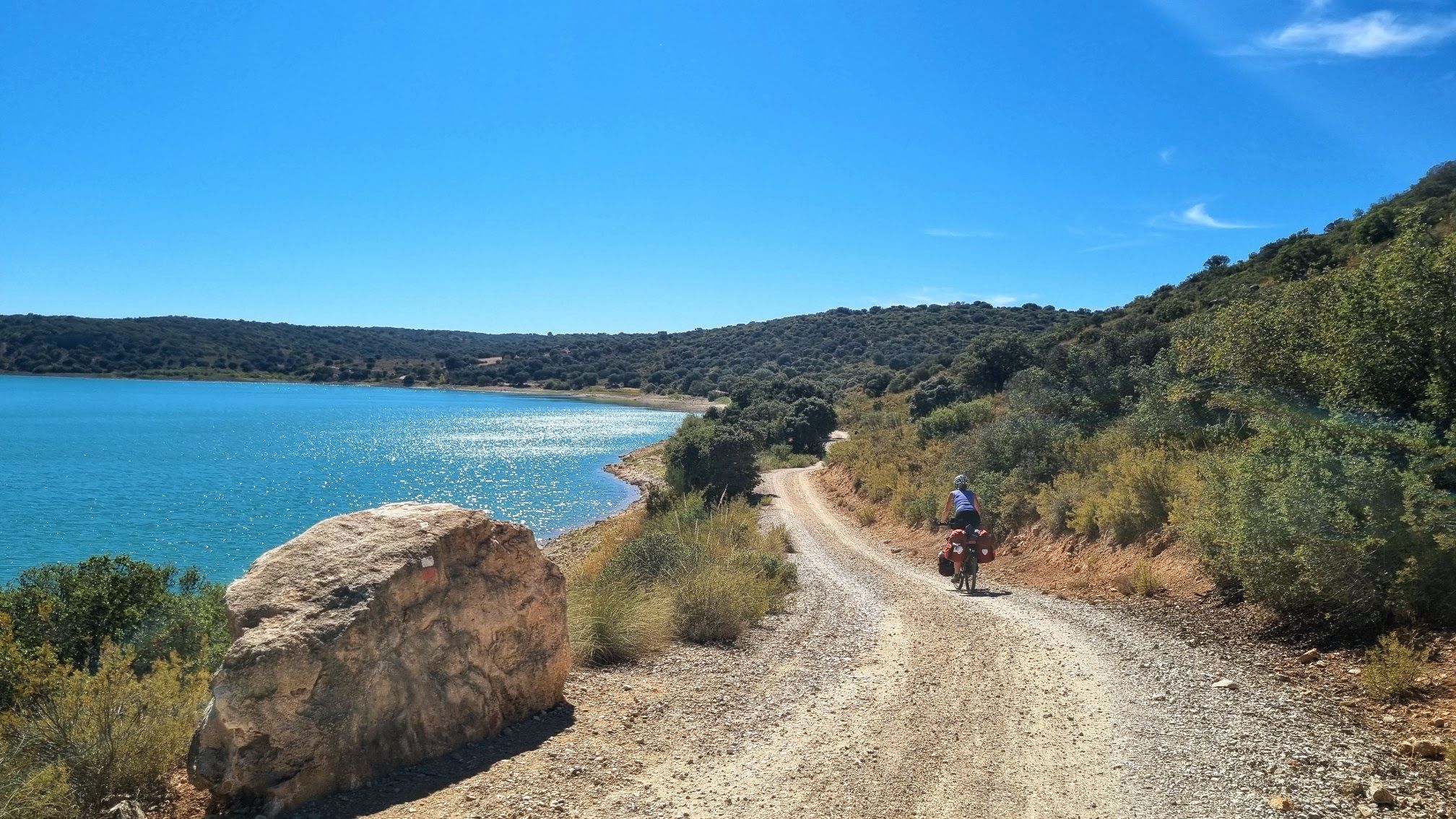
Pedalea junto al gran río — Camino Natural del Guadiana
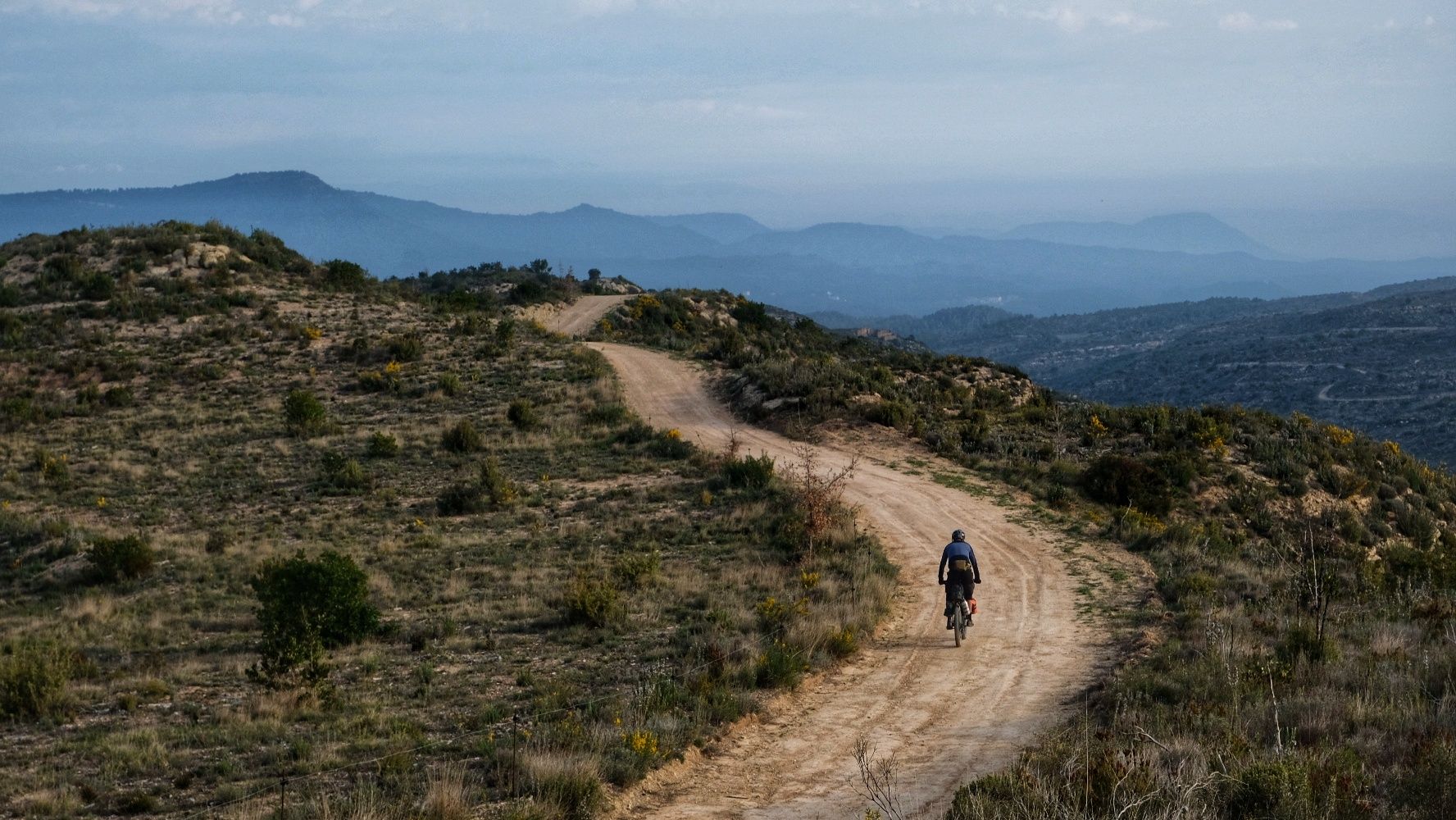
European Divide Trail — 7,600 km across the continent
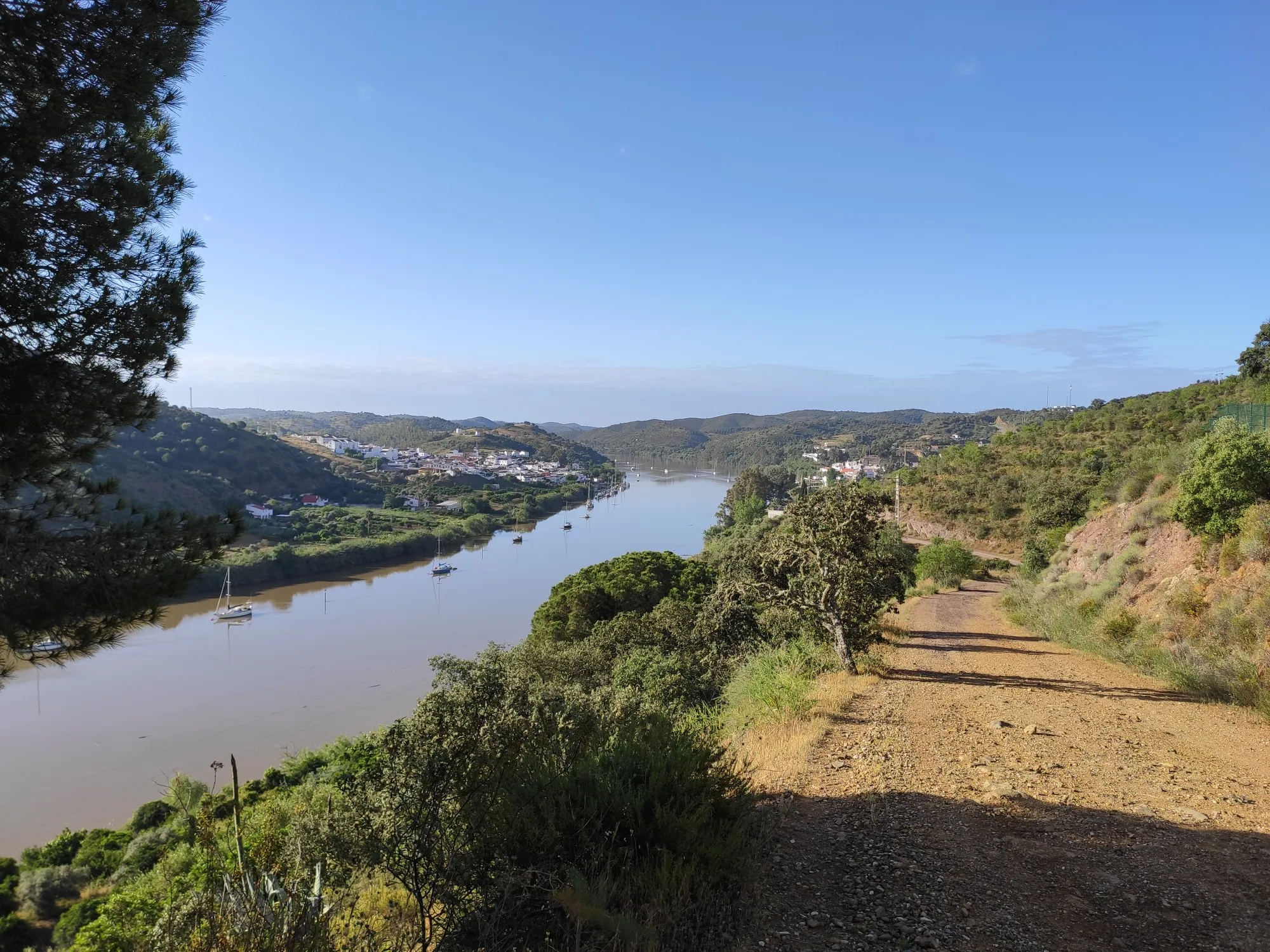
Stories of a river - Great Guadiana Route (GR 15)
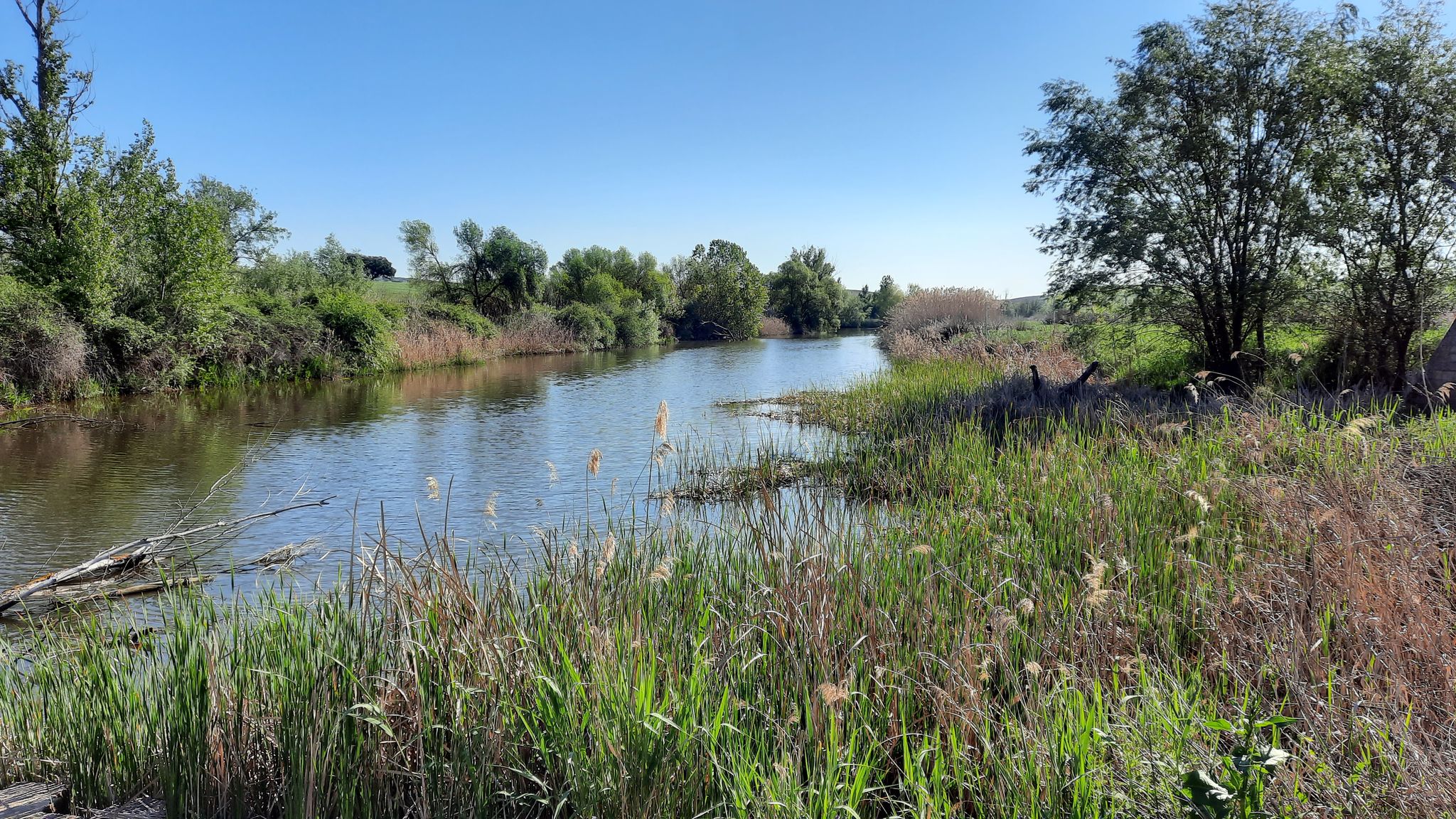
The magic of an endless river – Spain's Guadiana Natural Trail (GR 114)

Traffic-free bike rides around Guadiana Valley Natural Park

Traffic-free bike rides around Guadiana Valley Natural Park
Other adventures around Guadiana Valley Natural Park


Tips from the Community

The ruins of the Minas de São Domingos, located in the municipality of Mértola, Alentejo, constitute one of the most impressive and enigmatic abandoned industrial settings on the Iberian Peninsula. With origins dating back to Roman times, the complex experienced its peak under British management by the company Mason & Barry from 1854 onwards, becoming a true industrial enclave focused on the massive extraction of copper pyrite and sulfur until its closure in 1966. The abandonment gave way to an almost apocalyptic landscape, where reddish soils, acidic waters, and old degraded masonry structures attract photographers, the curious, and industrial tourism enthusiasts.👍🥾🚲
0
0
Mértola is a beautiful Alentejo village, bathed by the Guadiana River. It has a walking trail that I did and really enjoyed. 👍🥾
1
0

A beautiful spot from which you can anticipate the crossing from Portugal to Spain, crossing under the Chanza reservoir dam, next to the Guadiana River.
2
0

On the south bank of the Guadiana, before crossing into the city, you have a beautiful view of Mértola, especially with its castle at the top of the hill and the rest of the city spread out over the hill.
2
0
Along the Ribeira do Geraldo, the Tapada Grande Dam Reservoir holds an unexpected treasure: this serene river beach, with golden sands, fresh lawns, and every comfort for leisure. Once a vital reservoir for the old mining industry, today it is a setting for rest and harmony. Nearby stands the town of Minas de São Domingos, born of the mining past and still marked by the memory of this unique heritage.
1
0
The São Domingos Mine is a living memory of a time of fire and iron. Here, where the earth opened up to reveal gold, silver, and copper since ancient times, one of the greatest legacies of the Iberian Pyrite Belt arose in the 19th century. Between 1854 and 1966, millions of tons of ore were extracted here, leaving not only its mark on the soil and landscape, but also progress: one of the country's first railway lines and the first power plant in the Alentejo. Today, the former mining complex is a public heritage site, a place of contrasts and rare beauty.
2
0
The old, abandoned copper mines resemble a lunar landscape: a strange and fascinating stage, illuminated by the reflections of copper-hued lakes. A road cuts through the landscape, guiding you along dirt roads. Streams and wells glow in unlikely colors, from copper to green to deep black. Signs warn of the dangers of the water, but nothing prevents your gaze from losing itself in the dramatic and unsettling beauty of the place.
2
0
Frequently Asked Questions
How many no traffic touring cycling routes are available in Guadiana Valley Natural Park?
There are 16 dedicated no traffic touring cycling routes in Guadiana Valley Natural Park, offering a range of experiences from moderate to difficult. These routes allow you to explore the diverse landscapes of the park, from river valleys to expansive plains, without the disturbance of vehicle traffic.
What is the best time of year to go touring cycling in Guadiana Valley Natural Park?
The best time for touring cycling in Guadiana Valley Natural Park is during the spring (March to May) and autumn (September to November) months. During these periods, temperatures are milder and more comfortable for cycling. Summers can be intensely hot, with some of Portugal's highest temperatures, making cycling challenging. Winter offers cooler conditions, but some routes might be affected by rain.
Are there any circular no traffic touring cycling routes in the park?
Yes, many of the no traffic touring cycling routes in Guadiana Valley Natural Park are circular, allowing you to start and end at the same point. An example is the 48 km Mertola – Mértola loop, which is a challenging ride exploring the area around the historic town.
What kind of terrain can I expect on these no traffic cycling routes?
The no traffic touring cycling routes in Guadiana Valley Natural Park feature varied terrain. You can expect a mix of wooded hills, serene river valleys, and expansive plains. Routes often incorporate both paved and unpaved surfaces, winding through cork oak forests, cereal steppes, and areas with Mediterranean undergrowth. Some routes, like the Dirt road through the mines – Rest area by the lake loop, will take you through historical mining landscapes.
What historical and natural attractions can I see along the no traffic touring cycling routes?
The park is rich in both natural beauty and historical sites. Along your rides, you can discover the dramatic Pulo do Lobo Waterfall, where the Guadiana River cascades down rugged cliffs. You might also encounter the surreal landscapes of Mina de São Domingos, a historical mining complex. The charming town of Mértola, with its Mértola Castle and Roman, Visigothic, and Islamic influences, is another significant highlight.
Are there any easy no traffic touring cycling routes suitable for beginners?
While many routes are moderate to difficult, there are options for those seeking an easier ride. The 14.1 km View of the Guadiana River – Alqueva Dam loop offers a moderate experience with beautiful river views, making it a good choice for those looking for a less strenuous option. Always check the route's elevation profile on komoot for a detailed understanding of its difficulty.
What do other touring cyclists enjoy most about cycling in Guadiana Valley Natural Park?
The komoot community rates touring cycling in Guadiana Valley Natural Park highly, with an average score of 4.1 stars. Reviewers often praise the tranquility of the no traffic routes, the stunning natural beauty of the Guadiana River and its valleys, and the opportunity to discover historical sites like Mértola and Mina de São Domingos in a peaceful setting. The diverse landscapes and cultural richness are frequently highlighted as key attractions.
Can I find places to eat or stay near the no traffic cycling routes?
Yes, the park and surrounding areas offer opportunities for refreshments and accommodation. Traditional towns and villages within and near the park, such as Mértola and Serpa, provide local restaurants, cafes, and guesthouses where you can sample local products and experience authentic rural life. Many routes pass through or near these settlements, making it convenient to plan stops.
Are there any routes that pass by lakes or rivers?
Absolutely. The Guadiana River is a central feature of the park, and many routes follow its course or offer views of it. For example, the View of the Guadiana River – Alqueva Dam loop provides excellent vistas of the river. You can also find routes that pass by lakes, such as the Rest area by the lake – Dirt road through the mines loop, which starts near a lake.
Is it possible to see wildlife while cycling in the park?
Guadiana Valley Natural Park is a crucial habitat for diverse fauna. While cycling, you might have the chance to spot various bird species, including the black stork, lesser kestrel, and Bonelli's eagle. The park is also home to the endangered Iberian lynx, though sightings are rare. Keep an eye out for signs of wildlife, especially in quieter, more remote sections of the routes.
What are some of the longer no traffic touring cycling routes available?
For those seeking longer rides, the park offers several options. The Mertola – Mértola loop covers 48 km, while the Dirt road through the mines – Rest area by the lake loop is approximately 41 km. These routes provide a more extensive exploration of the park's landscapes and historical areas.
Most popular routes around Guadiana Valley Natural Park
Most popular attractions around Guadiana Valley Natural Park

Get inspired with the komoot mobile app


Explore more
Browse the best Cycling routes in other regions.
