The best traffic-free bike rides around Drawieński Park Narodowy
5.0
(1)
16
riders
9
rides
Gravel biking around Drawieński Park Narodowy offers extensive no traffic gravel bike trails through a landscape shaped by post-glacial origins, featuring sandy plains and gently rolling hills. Over 80% of the park is covered by dense forests, including pine, beech, and oak-beech stands, providing a serene environment for cycling. The region is defined by its rich hydrography, with the winding Drawa and Płociczna rivers and approximately 20 lakes, creating varied terrain for gravel routes. These natural features combine to offer diverse and quiet gravel biking experiences.
Best no traffic gravel bike trails around Drawieński Park Narodowy
- The most popular no traffic gravel bike trail is Węgornia Creek loop from Głusko, an 11.8 miles (19.0 km) trail that takes about 1 hour 24 minutes to complete. This easy route explores the forested areas around Węgornia Creek.
- Another top favourite among local gravel bikers is Village church Zatom – Adamowo Lake loop from gmina Drawno, a moderate 29.9 miles (48.1 km) path. This route offers an extensive ride through varied terrain, including scenic sections near Adamowo Lake.
- Local gravel bikers also love the Węgornia Creek loop from Stare Osieczno, a 20.8 miles (33.5 km) trail leading through dense woodlands and along the creek, often completed in about 2 hours 18 minutes.
- Gravel biking around Drawieński Park Narodowy is defined by forest paths, gently undulating hills, and scenic routes along rivers and lakes. The network offers options for different ability levels, from easy loops to more challenging rides.
- The routes in Drawieński Park Narodowy are highly rated by the komoot community with an average score of 5.0 stars from more than 1 reviews. More than 10 gravel bikers have used komoot to explore Drawieński Park Narodowy's varied terrain.
Last updated: May 18, 2026
5
riders
19.0km
01:25
110m
110m
Easy gravel ride. Great for any fitness level. Mostly paved surfaces. Suitable for all skill levels.
5.0
(1)
1
riders
48.1km
03:14
190m
190m
Moderate gravel ride. Good fitness required. Mostly paved surfaces. Suitable for all skill levels.

Sign up for free
2
riders
33.5km
02:19
200m
200m
Moderate gravel ride. Good fitness required. Mostly paved surfaces. Suitable for all skill levels.
2
riders
Easy gravel ride. Great for any fitness level. Mostly paved surfaces. Suitable for all skill levels.
2
riders
16.0km
00:57
110m
110m
Easy gravel ride. Great for any fitness level. Mostly paved surfaces. Suitable for all skill levels.
Get access to more routes and recommendations from other explorers.
Sign up for free
Already have an account?
Our route recommendations are based on thousands of hikes, rides, and runs completed by other people on komoot.
Start today with a free account
Your next adventure awaits.
Login or Signup
Popular around Drawieński Park Narodowy
Tips from the Community

A steel bridge with a wooden surface spanning the Płociczna River.
3
1
Ruins of a church from the 18th century. The church survived the last war and masses were held here until 1962. Later it was abandoned and fell into ruin. Today only the external walls remain. There is no roof and no tower. Next to it are the remains of an old, post-German cemetery. The gravestones are destroyed. The gravestone with blacksmith's insignia draws attention.
3
1
A small settlement of Ostrowite located in the heart of the Drawieński National Park. It was founded in 1588 by a representative of the Wedel-Rüdiger family from Drawno. In 1820, the village became the property of the von Sydow family from Głusk. There was a forge here, and a water mill on the Płociczna. The settlement has preserved 4 half-timbered buildings built for forest workers. A beautiful, historic maple alley leads through the center of the settlement.
5
1

The church in Ostrowite was built in the 18th century. However, the first temple existed here already in the 16th century, as evidenced by the remains of the floor from that period. The last masses were celebrated here in 1962. Inside there was an 18th-century altar with older figures of saints and the Virgin Mary with Child, which was moved to the parish church in Dobiegniew. The remains of the church were subjected to conservation in the early 21st century and secured as a permanent ruin. The brick and stone walls were reinforced with concrete bands.
0
0

There are sections with poor surface.. but there are also those that are perfect. You will definitely need tires wider than 30C (for greater comfort)
3
0

A picturesque piece of nature. The sound of water and birds singing.
1
0
It's worth having binoculars with you. The point is very pleasant for such places. Well-roofed and airy.
3
0
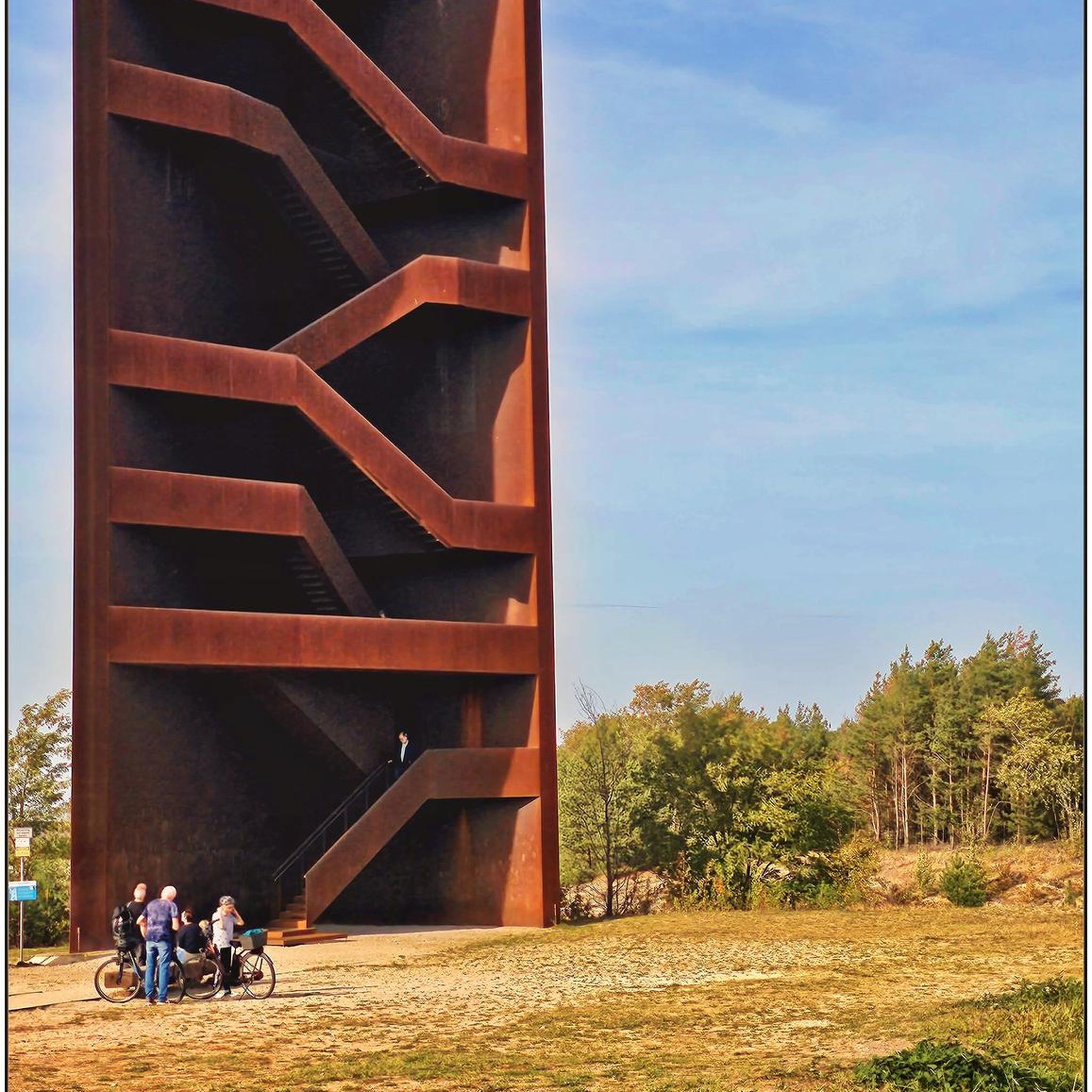
The historic settlement of Ostrowite at the Ostrowite lake (Ostrowskie lake). Charming half-timbered houses, a path, the remains of a church and a church cemetery. Two shelters, it's worth taking a break in this place.
4
0
Frequently Asked Questions
How many no-traffic gravel bike trails are available in Drawieński Park Narodowy?
Komoot offers 7 carefully curated no-traffic gravel bike routes in Drawieński Park Narodowy. These trails are designed to provide a peaceful cycling experience away from vehicular traffic, allowing you to fully immerse yourself in the park's natural beauty.
Are there easy no-traffic gravel bike trails suitable for beginners or families?
Yes, Drawieński Park Narodowy offers several easy no-traffic gravel bike trails perfect for beginners or families. For instance, the Węgornia Creek loop from Głusko is an easy 19 km route that provides a gentle introduction to the park's serene landscapes. Another great option is the Former German Cemetery Miradz – Drewniany Kamień Parking Area loop from Załom, which is 27.5 km and also rated easy.
What kind of landscapes can I expect on these no-traffic gravel routes?
The no-traffic gravel routes in Drawieński Park Narodowy traverse a diverse landscape shaped by post-glacial origins. You'll cycle through extensive pine, beech, and oak-beech forests, part of the Drawska Primeval Forest. Expect sandy plains, gently rolling hills, and scenic stretches along the winding Drawa River and around some of the park's 20 lakes, such as Lake Ostrowieckie.
Are there any circular no-traffic gravel bike routes?
Many of the no-traffic gravel routes in Drawieński Park Narodowy are circular, offering convenient starting and ending points. Examples include the Village church Zatom – Adamowo Lake loop from gmina Drawno, a moderate 48 km ride, and the Węgornia Creek loop from Stare Osieczno, a moderate 33.5 km loop.
What wildlife might I encounter on these quiet trails?
Cycling on the quiet, no-traffic trails increases your chances of spotting the park's rich wildlife. Keep an eye out for deer, roe deer, wild boars, and badgers. The park is also home to beavers and otters, the latter being the park's symbol, often seen near the clean rivers. Birdwatchers might spot rare species like the white-tailed eagle, black stork, or common kingfisher.
Are there any interesting historical sites or attractions along the no-traffic gravel routes?
Yes, several no-traffic gravel routes pass by interesting historical sites and natural attractions. You can explore remnants of former human settlements, including old cemeteries. For example, the Springe Historic Cemetery is a notable point of interest. Other attractions in the area include the Kamienna Hydroelectric Power Plant and the Vietnamese Bridge at Lake Ostrowite.
Where can I park my car for these no-traffic gravel bike trails?
Parking is generally available at various entry points to Drawieński Park Narodowy, often near trailheads or villages bordering the park. For routes like the Former German Cemetery Miradz – Drewniany Kamień Parking Area loop from Załom, specific parking areas are indicated, making it convenient to start your traffic-free ride.
What is the best time of year to gravel bike in Drawieński Park Narodowy to avoid traffic?
To enjoy the most peaceful, no-traffic gravel biking experience, spring (April-May) and autumn (September-October) are ideal. The weather is generally pleasant, and the natural scenery is vibrant with spring blooms or autumn colors. These seasons also tend to have fewer visitors compared to the peak summer months, ensuring quieter trails.
Can I bring my dog on these no-traffic gravel bike trails?
Drawieński Park Narodowy has specific regulations regarding dogs. While dogs are generally allowed on designated trails, they must be kept on a leash. It's always best to check the current park rules on the official Drawieński Park Narodowy website before your visit to ensure compliance and a pleasant experience for everyone.
Are there any more challenging no-traffic gravel routes for experienced riders?
Yes, for experienced riders seeking a challenge, there are moderate to difficult no-traffic gravel routes. The Village church Zatom – Adamowo Lake loop from gmina Drawno, at 48 km, offers a longer, more demanding ride with varied terrain. Another moderate option is the Jezioro Szczuczarz – Gravel Road Through the Forest loop from Dzwonowo, which covers 26 km through dense forests.
How does the komoot community rate the no-traffic gravel biking experience here?
The komoot community highly rates the gravel biking experience in Drawieński Park Narodowy, with an average score of 5.0 stars. Reviewers often praise the tranquility of the routes, the immersive natural environment, and the well-maintained paths that allow for a truly traffic-free adventure.
Can I find routes that pass by lakes?
Absolutely. The park is characterized by its rich hydrography, including around 20 lakes. Many no-traffic gravel routes will lead you alongside or offer views of these beautiful water bodies. The Village church Zatom – Adamowo Lake loop from gmina Drawno is a prime example, taking you past the scenic Adamowo Lake.
Most popular routes around Drawieński Park Narodowy
Most popular attractions around Drawieński Park Narodowy

Get inspired with the komoot mobile app


